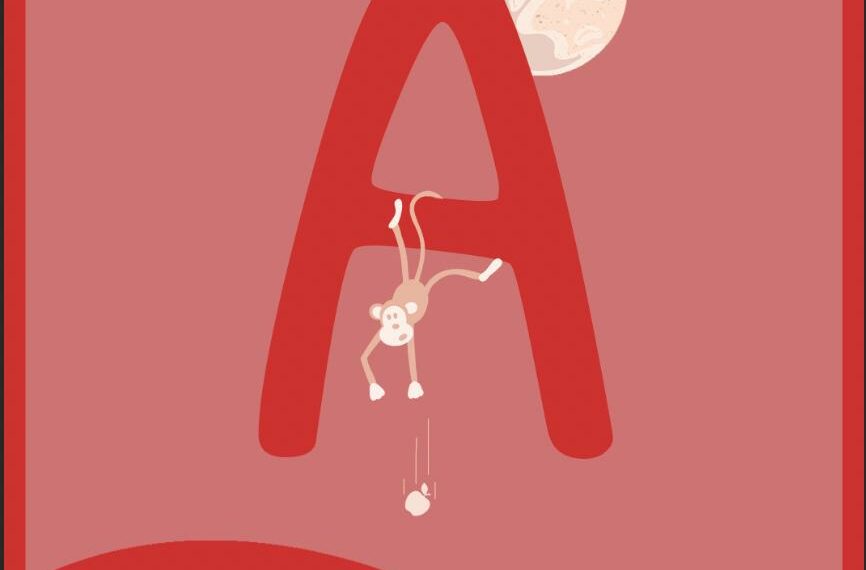
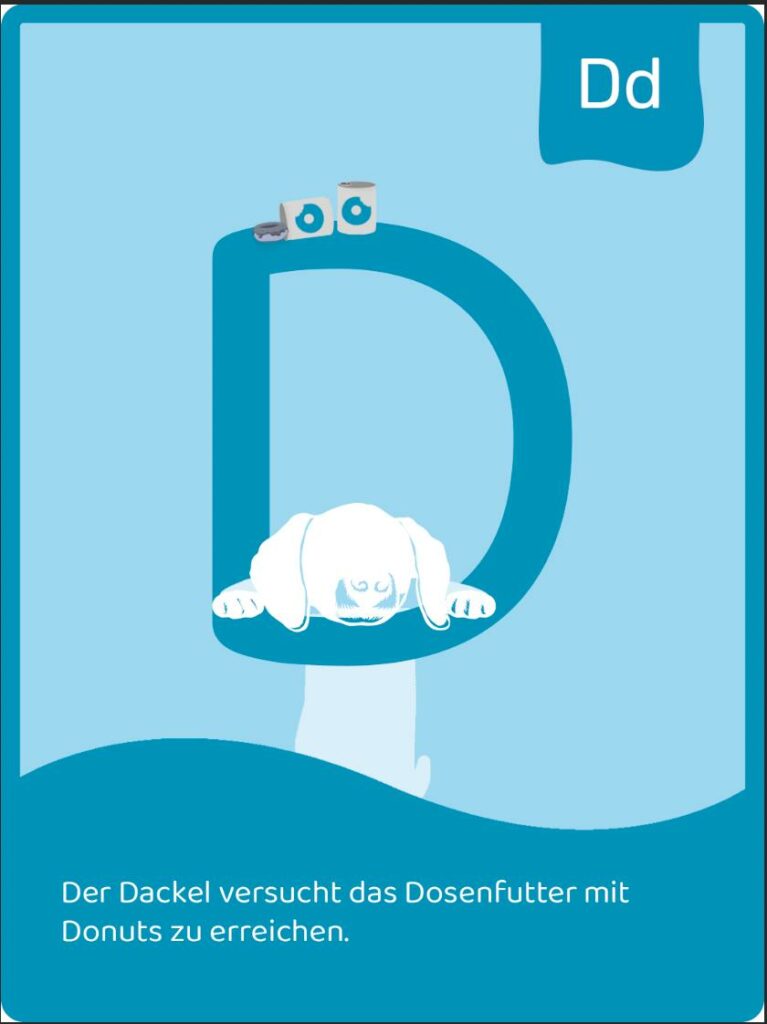
Introduction The “ABC Learning Cards” project aims to create a set of educational cards designed for preschool and early elementary school children to help them learn the alphabet and build foundational reading skills. These cards will combine engaging design with age-appropriate content and psychological learning principles to support the initial stages of reading development.
Use and Application The learning card set could be used at home or in preschools and kindergartens. Parents and educators can use the cards in various playful learning activities, like matching pictures to letters, guessing the letter based on the image, or tracing letters on paper.
Project Objectives 1. Enhancing Alphabet Knowledge: The cards will introduce each letter of the alphabet individually to help children recognize letters and understand their sounds. By focusing on one letter per card, children can concentrate on each one, absorbing the information gradually.
2. Supporting the Reading Process: The cards will be designed to make learning to read a fun and motivating experience. Visual elements like pictures and symbols will clarify the connection between letters and words. For example, the card for “G” might feature a giraffe.
3. Incorporating Psychological Learning Principles: An essential aspect of the project is incorporating psychological strategies that aid learning, such as repetition, positive reinforcement, and multisensory techniques (visual and kinesthetic elements). Design and Content of the Learning Cards
Visual Design a) Each card will prominently display one letter in a large, clear font, paired with an image representing a word that begins with that letter (e.g., “B” with a ball image). b) The cards will use bright, child-friendly colors and clear lines to capture and hold children’s attention. c) Each card will have a minimalist design without unnecessary text or distracting elements to help children focus on the core content.
Psychological facts/influence 1. Repetition and Consistency: Children benefit from consistent practice and repetition. The project could incorporate playful activities alongside the cards, like simple games where children match letters to images, helping reinforce information in memory.
2. Fostering Motivation: The cards should offer a sense of achievement by providing small, progressive successes. For instance, children could earn points or rewards for correctly identifying letters, promoting self-confidence and enjoyment in learning.
3. Gradual Increase in Complexity: To provide a progressive learning experience, the cards can evolve from simple letter-picture associations (e.g., “A” for “apple”) to recognizing words with multiple letters.
The research aim is to investigate the use of typically feminine visual elements, such as makeup, styling, and fashion within, specifically, K-pop boygroups, and to explore how these elements contribute to their identity, brand image, and fanbase reception. Further, I’d like to explore how these stylings challenge traditional gender norms and create brand identities. Lastly, the research possibly proposes a design prototype for a K-pop boy group, examining how different visual and stylistic choices influence brand perception.
Motivation
The motivation behind this thesis comes from my interest in the intersection of gender identity, branding, and fan culture, particularly within the focus of K-Pop. In a world where beauty, fashion, and personal expression are increasingly fluid, I would like to explore how gender identity influences the branding of K-Pop idols and how fanbases respond to it.
While in many Western cultures, fluidity between the genders is often seen as subversive or even “negative” when associated with male-identifying individuals, K-Pop has created a space where this fluidity is celebrated. In K-Pop, the boundaries between masculinity and femininity are often blurred, allowing for a broader and more inclusive definition of identity. I am particularly interested in how K-Pop’s unique approach to styling—its embrace of makeup, fashion, and androgynous looks—has captured the attention of a global audience and challenged conventional gender norms.
This thesis will explore the power of gender expression in shaping branding strategies, particularly in how K-Pop artists use beauty and fashion to construct public personas that resonate with their fanbases.
Lastly, this project combines my interests in beauty, fashion, and gender theory with my interest for K-Pop music and culture. As a final step, I am excited to propose a prototype for a boy group that captures these gender-fluid expressions, both as a theoretical model and a potential blueprint for future branding in the music industry.
Some of the key research questions could be
How do K-pop boy groups use typically feminine visual elements (such as makeup, fashion, and hairstyles) to construct their brand identity?
How does this styling affect the way male idols are perceived by fans and the public?
What role do these stylistic choices play in shaping the broader K-pop industry’s marketing and branding strategies?
How can a prototype boy group styling be developed to explore the nuances of femininity in male K-pop identities and their reception by diverse fanbases?
Practical Angle
The practical component could involve creating a visual identity for a prototype boy group that showcases different stylistic directions and their potential impact on brand perception. Considering for example styling variations, brand persona development, and fan engagement.
Importance of the thesis
The thesis will contribute to both design studies and cultural studies by addressing the role of gender and visual design in the construct of K-Pop boy group brands. Also, valuable insights into how design, specifically fashion and styling, play a central role in the globalization of K-Pop and its fandom culture. The outcome could be used in the fashion and styling industry working in the entertainment industry, in K-Pop marketing, rethinking the branding of their idol groups, but also in gender and media studies, discussing the evolving role of gender in popular culture and how gender fluidity is navigated in global media.
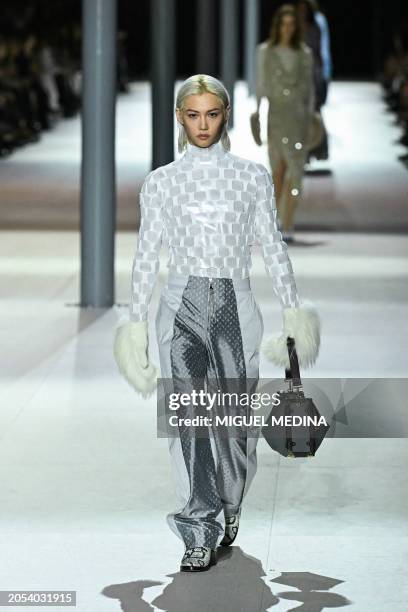
Stray Kids Felix as an example for gender fluidity
The topic of gender and graphic design is complex and touches on various areas such as brand communication, advertising, product design and visual culture in general. The way in which gender is represented through design not only influences the target group and brand identity, but can also reinforce or challenge social stereotypes. The aim is therefore to examine how gender roles and identities are visually represented and what impact this has on the perception of the target group. Graphic design has a strong influence on social norms and expectations regarding gender, as it is often used in advertising, branding and social media. The points listed below are further topics to be investigated for my Design & Research project.
To better understand my topic, I want to look into the different areas of illustration. The Duden defines illustration as an image added to a text, but in my opinion this definition doesn’t fully capture the complexity of the medium. Illustrations enhance not only books, advertising, and packaging but can also stand alone as an art form. Since the field of illustration is so broad, it’s important to first define what illustration really is and how it differs from other forms of art.
Definition
An illustration is a visual element created to support, clarify, or enhance texts, ideas, or narratives. Commonly found in books, magazines, advertisements, and digital media, illustrations are crafted to communicate content in a clear and visually appealing way. It uses creative (often artistic) methods to make complex information more understandable or to convey emotions.Illustrations can also stand alone and function without text. In contrast to stand-alone works of art, illustrations usually have a specific purpose.
Drawing and illustration are both visual representations in the form of art to convey a message or idea. The key difference between drawing and illustration lies in their purpose and function. Drawing is a form of self-expression in which an artist expresses his or her personal thoughts and feelings. Illustration, on the other hand, can be used to clarify or enhance a text or information.A drawing usually has limited commercial value, while an illustration often has high commercial potential as it is frequently used in areas such as advertising, publishing and design. An illustrator is therefore often not as free in his work as an artist, as he has to follow to certain guidelines and limits.
History
The history of illustration dates back to early human civilizations, starting with cave paintings and ancient Egyptian art. In the Middle Ages, illustrations were mainly used in manuscripts and Bibles. With the invention of letterpress printing in the 15th century, the importance of illustration increased significantly and was more and more integrated into printed works. In the 19th century, it became more commercialized, appearing in advertising and magazines. Today, illustration is a multi-purpose medium that is used in various industries in both traditional and digital forms.
References
www.alltimedesign.com/what-is-graphic-illustration – What is Graphic Illustration?
www.xp-pen.de/blog/differences-between-drawing-illustration – Hauptunterschiede zwischen Zeichnung und Illustration
In the process of finding and choosing a topic for design research, I found myself most fond of the field of activism or feminism. I am trying to involve myself more within those groups by volunteering or engaging with political groups. Therefore, I am very interested in exploring this field, especially when connecting it to communication design and its impact.
Topic 1: Design Activism
Motivation
MotivationImpact is an important word regarding my motivation for this topic. Basically, for me, the definition of communication design is the creation of visual messages and media that effectively communicate ideas and information to a target audience – often used for marketing. And the last part is what I am struggling with, particularly from an ethical perspective. When I walk through the streets, overwhelmed by all the banners, posters, and advertisements urging passersby to buy things they probably don’t need. Many of these have strong communication and design strategies that make a powerful impact because they have the financial possibilities for it.
And that’s exactly what most feminist movements, climate activists, or any other social justice group that tries to change or have an impact on society don’t have. It requires volunteers and simple means of communication and history has proven how even the simplest banners and posters with a good message can start a worldwide movement (Anna‐Sara Fagerholm et al., 2023).
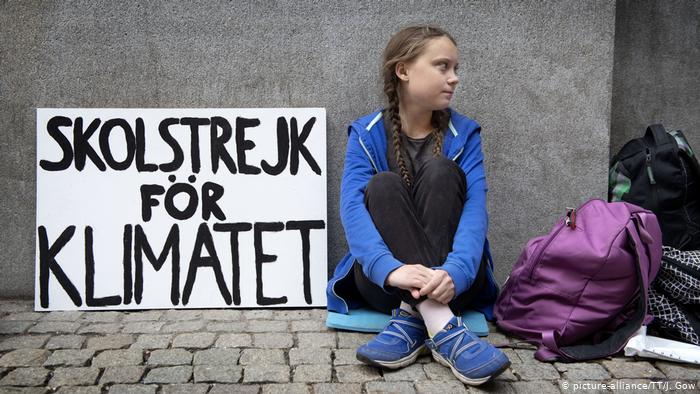
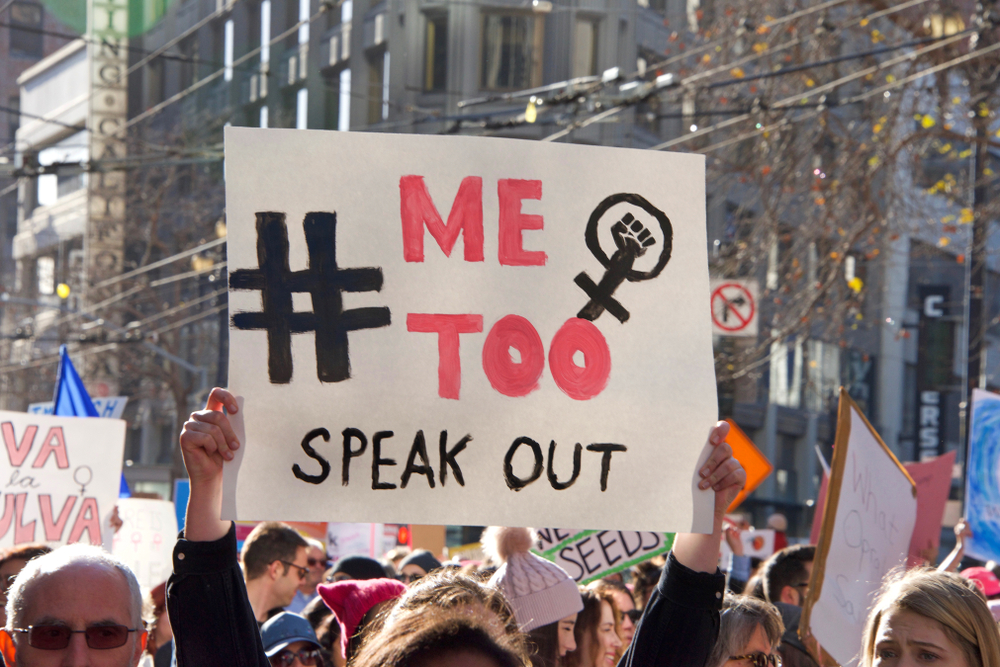
Examples of this could be the beginning of Fridays for Future which started with Greta Thunberg protesting on her own every Friday with the same simple poster with a bold message (Beckh & Limmer, 2022) as well as the #metoo movement which started as a hashtag and was spread in the media and on the streets with the same slogan and icon (Gieseler, 2019).
Ideas that I could further research on
History of visual communication (posters, banners, slogans) in activist movements.
What are the ethical challenges faced by communication designers when working for commercial purposes versus activism?
How have digital technology and social media affected the design strategies used in activist movements?
Topic 2: Feminism in Design
Motivation
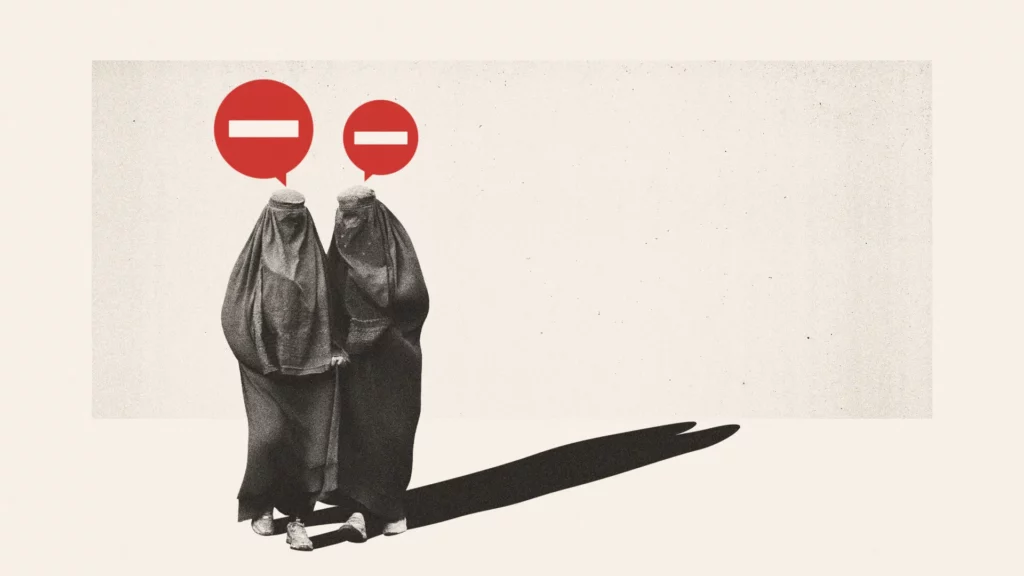
When talking about feminism these days, it often feels as if people are bored of it, as if it is a done deal and one hears quotes like “Feminism has done its job. Women have achieved equality. Feminism is dead” (Camille Paglia, n.d.). On the other hand, recent political changes, with the election of Donald Trump, a man convicted of felony crimes andproven sexual assault allegations (Kumar, 2024), as well as the situation in several countries such as Iran in which the most recent rules indicate that women should not talk publicly or to each other (Marsden, 2024), show that feminism is as relevant as ever, despite its long history.
“Feminist design is not just a thing you do; it’s how you do everything” (Alison Place, 2023).
The continued relevance of feminism in design and advertising becomes clear when examining some statistics. According to CreativeX (2024), Men are 23x more likely to appear in a professional role and women are often placed in a family setting (19%), older women only make up 2% of appearances in advertisements, and Black women only cast in 20% of ads featuring women. These are just a few examples indicating the inequality that is shown in design and therefore influences us through advertisement. Also, like many other creative fields, graphic design has traditionally been male-dominated, which makes it interesting to look at the history of female designers and how almost everything is designed for and by men, how basic things like the famous fonts we use in design are mainly created by male designers (Furter, 2018), or, when thinking of famous designers throughout history, it’s often challenging to come up with a woman’s name.
Ideas that I could further research on
Comparison of the visual language of feminist and non-feminist campaigns on similar topics and what are the similarities and differences.
How can we use design to deconstruct stereotypical gender roles?
What impact does digital technology have on feminist design practice?
Normalizing taboos that oppress various social groups (e.g. women) and therefore creating awareness in society
Combination of both ideas
Lastly, I could also combine both ideas and research about feminist movements. Feminist frameworks for design activism are now more relevant than ever, as they emphasize collaborative processes that aim to disrupt and dismantle power hierarchies while centering feminist ways of knowing and doing (Alison Place, 2023).
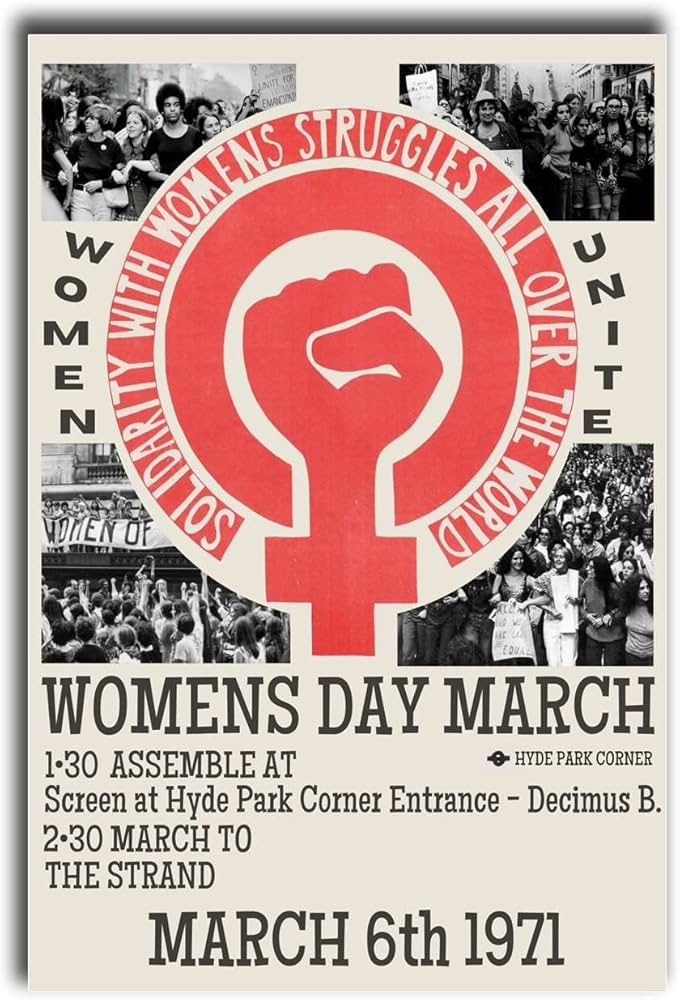
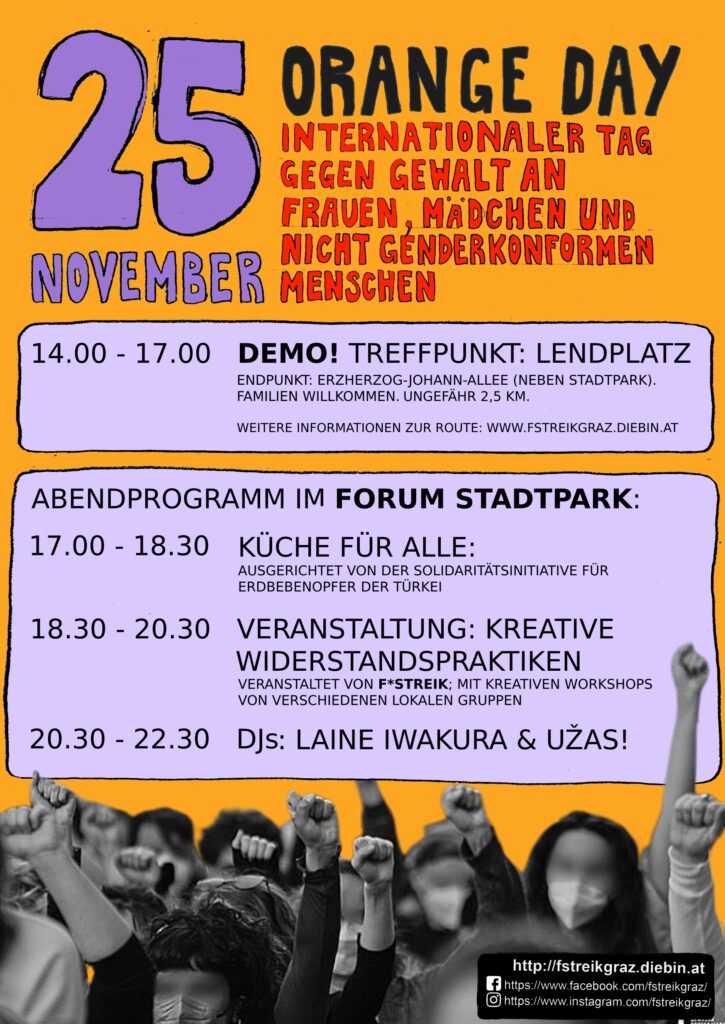
It could be interesting to analyze the communication design strategies and principles used over the years in different countries, particularly for the days of March 6th (Womens Day) and 25th of November (International Day for the Elimination of Violence against Women).
References
Anna‐Sara Fagerholm, Göransson, K., Thompson, L., & Per‐Olof Hedvall. (2023). Activism online: Exploring how crises are communicated visually in activism campaigns. https://doi.org/10.1111/1468-5973.12472
Beckh, P., & Limmer, A. (2022). The Fridays for Future Phenomenon. 427–432. https://doi.org/10.1007/978-3-030-74458-8_28
CreativeX. (2024). Gender in Advertising 2024 Report. CreativeX. https://learn.creativex.com/gender-in-advertising-2024
Furter, L. (2018, March 13). Design and Intersectional Feminism. Communication Arts. https://www.commarts.com/columns/furter
Gieseler, C. (2019). The Voices of #MeToo. Google Books. https://books.google.at/books?hl=de&lr=&id=XdKcDwAAQBAJ&oi=fnd&pg=PR3&dq=metoo+grassroots&ots=DSsg22IkdO&sig=Ki9fBCijfgj7hJK_PbMPLAH2x1g#v=onepage&q=metoo%20grassroots&f=false
Kumar, B. (2024, November 8). Trump first convicted felon to be US President. Can he pardon himself? @Bsindia; Business Standard. https://www.business-standard.com/external-affairs-defence-security/news/trump-first-convicted-felon-to-be-us-president-can-he-pardon-himself-124110800490_1.html
Marsden, H. (2024, October 30). Has the Taliban banned women from speaking? Theweek; The Week. https://theweek.com/world-news/has-the-taliban-banned-women-from-speaking
Place, A. (2023). Feminist Designer. Google Books. https://books.google.at/books?hl=de&lr=&id=QvCfEAAAQBAJ&oi=fnd&pg=PR9&dq=%22communication+design%22+in+feminist+activism&ots=p02VQUdYXz&sig=u4-aJSFiVZyiFOaFxbIdVt0wkvY#v=onepage&q=%22communication%20design%22%20in%20feminist%20activism&f=false
Einer der Hauptgründe, warum ich mich für einen Master in Media Design entschieden habe, war mein Wunsch, meine Kenntnisse im Bereich des Video-Mappings zu vertiefen und meinen Horizont in diesem Bereich zu erweitern. Nach den ersten Gesprächen mit Roman P. über ein mögliches Thema für meine Masterarbeit, konkretisieren sich meine Ideen und nehmen wissenschaftlich fundiertere Formen an.
Die Idee, das Video-Mapping unter dem Titel „Wahrnehmungspsychologische Ansätze im Kontext des praktischen Mappings“ zu erforschen, könnte spannende Erkenntnisse liefern. Konkret möchte ich untersuchen, wie der Raum und die Umgebung – etwa in einer Kirche – die audiovisuelle Wahrnehmung beeinflussen.
1. Theoretische Grundlagen der Wahrnehmungspsychologie
Raumwahrnehmung: Wie beeinflusst die Architektur eines Raumes (insbesondere Kirchen) die Wahrnehmung von Klängen und visuellen Reizen? Wie wirken sich große, offene Räume mit besonderen akustischen Eigenschaften auf das audiovisuelle Erlebnis aus?
2. Spezifische Forschungsfragen Wie beeinflussen die akustischen Eigenschaften des Raums (z.B. Echo, Hall) die Wahrnehmung von visuellen Projektionen? Welche Emotionen werden durch den spezifischen Raum der Kirche bei den Zuschauern hervorgerufen? Verändert sich die Wahrnehmung der Projektion durch diese emotionale Prägung des Raums?
3. Technische und gestalterische Aspekte Projektionstechnologie und Raumbedingungen: Die technische Gestaltung der Projektion ist wichtig, um die Wirkung zu maximieren. Hier könnte untersucht werden, wie sich Helligkeit, Auflösung oder Farbgebung der Projektion auf die Wahrnehmung in einem sakralen Raum auswirken.
4. Religiöser und kultureller Kontext
Kirchen haben eine starke symbolische Bedeutung, die unweigerlich die Wahrnehmung beeinflusst. Welche Rolle spielt diese Symbolik in der Wahrnehmung der audiovisuellen Darbietung? Verändert sich die Rezeption, wenn die Zuschauer religiöse oder nicht-religiöse Hintergründe haben?
Während einer Exkursion zur Animationsmesse „Pixel“ in Wien und den inspirierenden Vorträgen von VFX-Künstlern sind weitere Überlegungen zur praktischen Umsetzung hinzugekommen. Geplant ist, das Partikelsystem von Cinema 4D eingehend zu erforschen, um dynamische Simulationen zu entwickeln. Ziel ist es, mithilfe audio-reaktiver Techniken die Projektionen lebendiger und interaktiver zu gestalten.
Um die technischen Voraussetzungen zu schaffen und fundierte Kenntnisse in diesem Bereich zu erlangen, soll der nächste Schritt sein, regelmäßig kleinere Projekte und Tutorials umzusetzen. Diese sollen helfen, die Technik weiter kennenzulernen und zu vertiefen – hoffentlich verhält es sich hier nicht ähnlich wie beim Vorhaben, wieder regelmäßig Sport zu treiben. *Boomersmiley
Origin Maybe it came from realising that other countries actually have young adults with a sense of national belonging, pride and heritage, maybe it stems from the deep longing for designs with historical context, relation to artistic and cultural heritage, intensive research and thought behind them after a long time of trend based designing, but who knows. Dissecting how our cultural and national identity is created, especially through language and visuals is something that I’ve been interested in for the past months and years, and is promising to be an interesting field of research.
Defining terms To be able to research design in context of historical and cultural heritage, first one needs to define what is meant by cultural heritage. UNESCO defines cultural heritage as » include[s][ing] artefacts, monuments, a group of buildings and sites, museums that have a diversity of values including symbolic, historic, artistic, aesthetic, ethnological or anthropological, scientific and social significance.« (Source)
A similar term that showed up in initial research and brainstorming was national identity, which is generally understood to be either the identity or sense of belonging of a person in relation to the nation or state (or multiple). This includes not only geographic aspects but also culture, language, politics, symbols, and the history of a nation. The development of national identity is either seen as historically founded and strictly kept, or as continuously developing depending on politics and the changes in society. (Source)
Additionally a person’s identity can also be related to their ethnic and cultural identity, which can coexist or rival with the national identity. Cultural identity relates to a person’s beliefs and values, their moral concepts and their norms of life. Aspects that could influence a person’s cultural identity are their gender, sexuality, and race. Cultural identity is a contributing factor of which groups we feel a part of, and in return the groups we participate in influence our cultural identity. (Source)
Continuation of thoughts To be a part of any of these identities, one would assume that they need to be communicated first, through specific imagery (thinking of specific styles of images like soviet propaganda for example), colours (thinking of national colours and flags), fonts (seeing how much a shared language contributes to the sense of identity and belonging, the depiction of it must also matter) and symbols (communicating identities and movements to others easily through widely known symbols, icons and signs) and probably more nuanced elements that relate to the cultural and national heritage. Which is where design comes in.
Prospects As one might conclude, this opens up a gigantic realm of possibilities, where the fields of theoretical research might connect to the practice of design. This, so far, leaves a lot of possibilities to dive into, either in an artistic, social studies direction (visually supporting cultural movements and groups for example), or a more marketing based direction of redesigning brands with cultural heritage or influencing peoples sense of pride and patriotism.
Sustainable graphic design is an emerging discipline that prioritizes environmental responsibility throughout the design process. As awareness grows around issues like climate change, resource depletion, and environmental degradation, the design industry faces increasing expectations to minimize its ecological impact. Sustainable design extends beyond aesthetics to include thoughtful choices in materials, production methods, and even digital practices, all aimed at reducing the carbon footprint of visual communications. My personal interest for this topic is growing more and more due to climate change and wanting to have a good impact through design on the world.
The Role of Design in Environmental Impact
The design field has significant influence over both consumer behavior and production practices, making it a powerful tool for promoting sustainability. Designers, through their choice of resources and mediums, shape the products, packaging, and visual culture we interact with daily. Sustainable graphic design emphasizes making intentional, eco-conscious choices that lessen environmental strain, from opting for recycled materials to using energy-efficient digital platforms.
Why Sustainability Matters in Graphic Design
Incorporating sustainable practices into design is not only a response to environmental urgency but also a strategic move toward responsible, forward-thinking creativity. Each component of a design project, whether print or digital, has an impact on resources, energy, and waste. Sustainable graphic design aims to reduce this impact, fostering an industry that aligns with ecological and social goals.
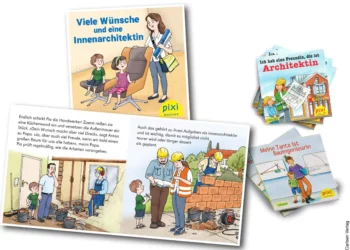
Children who are introduced to reading in school first learn to recognize and differentiate individual letters, as well as the sounds associated with each letter in language use. Through the sequential linking of sounds, words—and eventually complete sentences—are formed.
Children process visual information differently from adults, which is why specific typographic features should be tailored to their needs. This topic explores how critical the choice of font is for the reading experience of children who are just beginning to read.
An important aspect of this is the readability of typography for beginning readers. Factors such as the choice between sans-serif and serif fonts, stroke thickness, and especially font size play a central role here. A comparison of common fonts in children’s books could provide insights into which are best suited for learning. Additionally, the spacing between individual letters (kerning) and line spacing (leading) can impact letter recognition and reading flow. Larger font sizes are often more suitable for younger children as they make it easier to distinguish letter shapes. However, this requires balanced page design to ensure a harmonious relationship between text and other design elements.
The interplay between typography and images in children‘s books should generally not be overlooked. This raises the question of whether the font should support the style of the illustrations—playful and colorful to capture the child’s attention—or whether readability and clarity should be prioritized to facilitate the reading process.
Digitalization also offers new possibilities in multisensory learning methods and interactive typography. Especially in digital children’s books and apps, typography can be animated or interactive. Letters or words could respond to touch, promoting learning through interactivity and further enhancing children‘s attention.
In my research, I will be focusing on the following questions: How do children actually learn to read? How does the brain of our youngest learners work? Which fonts help with clearer understanding of letters and language? How can learning to read be effectively designed?
To choose a topic, I explored various fields and questions intensively. I want to work on a subject that will advance me personally and technically, challenge me, and push me to my limits. From my bachelor’s thesis, I already know that this is the most rewarding path for me.
1.1 When Art Transports Data
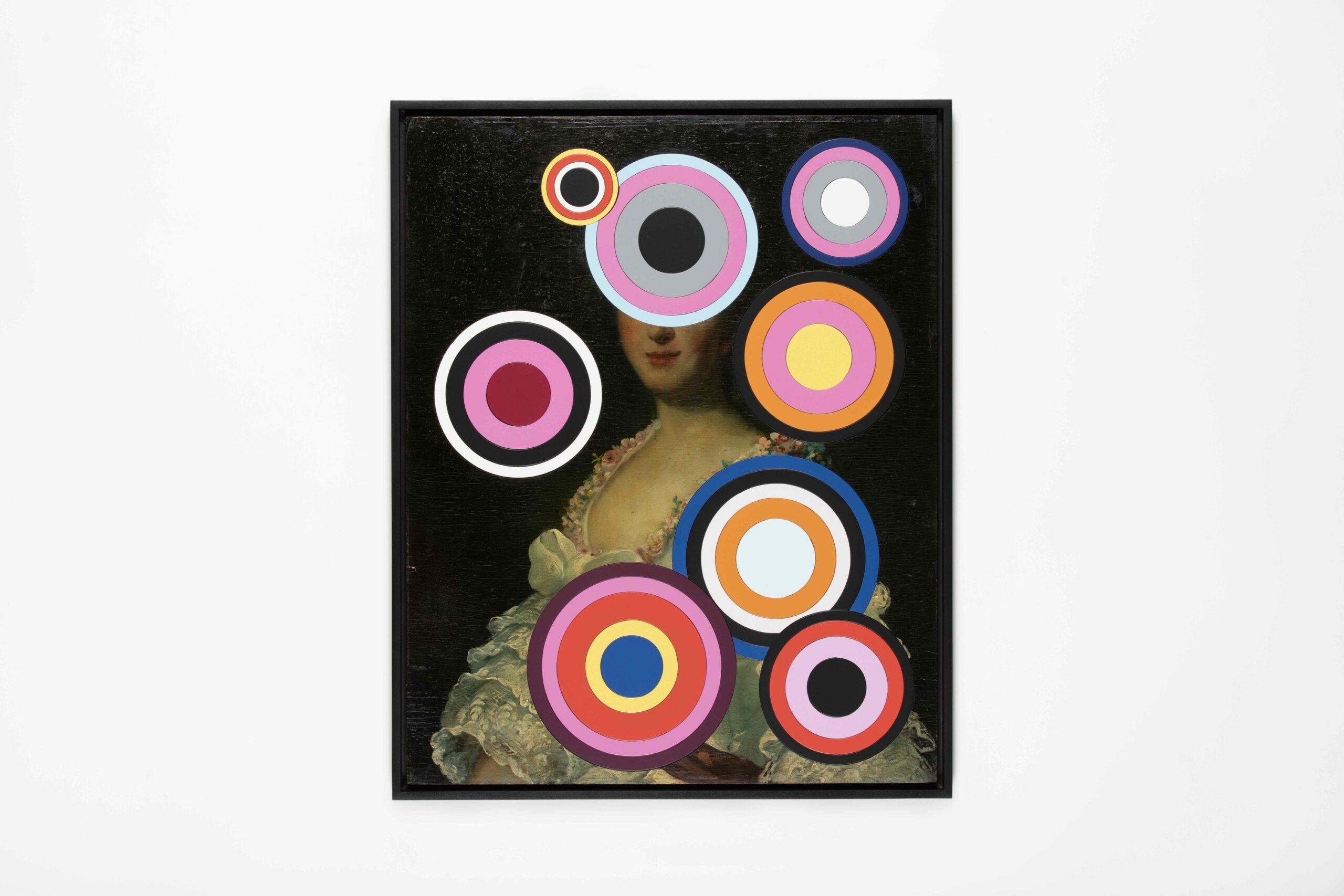
The inspiration for this topic comes through the work of Stefan Sagmeister. In his book Now is Better, he presents positive historical changes through data visualization. While the clarity of his approach may be debatable, he still manages to combine art and information in an aesthetic way. In the field of data visualization, I often find myself questioning whether a simple graphical view might sometimes be more understandable. This raises the question of what data visualization fundamentally entails. I’m also interested in exploring what defines art. For me, these two controversial fields come together in a way that could allow for an exciting project involving artistic works.
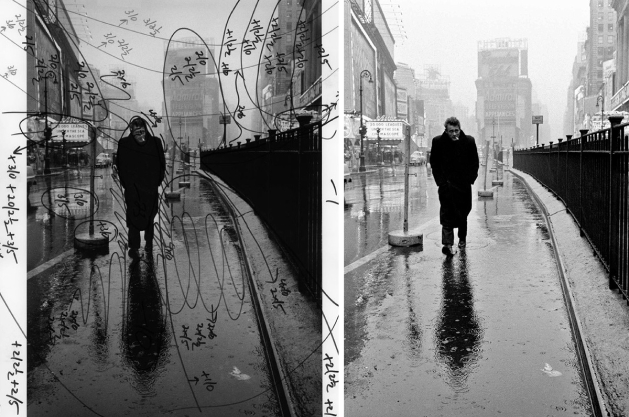
Analog photography is an object often treated with great care, almost like a cherished item. However, its fragile material nature makes it susceptible to aging and decay.
With a quote from Byung-Chul Han’s book Undinge – Umbrüche der Lebenswelt (Non-things – Breaks in the World of Things), I begin my intellectual journey into this topic, which is intended as a continuation of my bachelor’s thesis. I want to explore what analog photographs meant to humanity in the past and what they mean today, as well as how different cultures view them. This research is intended to take the form of a journey. The precise direction of my academic work is still open and will be solidified in the next step through extensive research and literature review.
1.3 Can people absorb and process information more effectively through sketches?
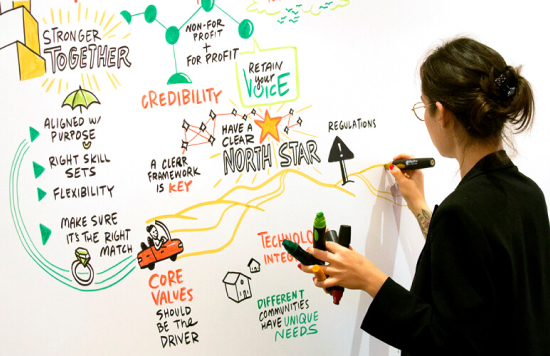
Can people absorb and process information more effectively through sketches? The human brain actually processes visual information, such as images or sketches, much faster than written words. Estimates suggest that the brain can recognize and interpret visual information in just about 13 milliseconds, while reading and processing text takes considerably longer. This topic would mainly focus on methods such as graphic recording, visual harvesting, and dual coding theory.
At the end of Step 1.0 of topic selection, it turns out that the topic The Value of Analog Photography has the greatest appeal for me. If you’d like to join me on my journey, feel free to leave a comment on my Figma file. I’d love to hear your thoughts—just swipe over and share your feedback!