To choose a topic, I explored various fields and questions intensively. I want to work on a subject that will advance me personally and technically, challenge me, and push me to my limits. From my bachelor’s thesis, I already know that this is the most rewarding path for me.
1.1 When Art Transports Data
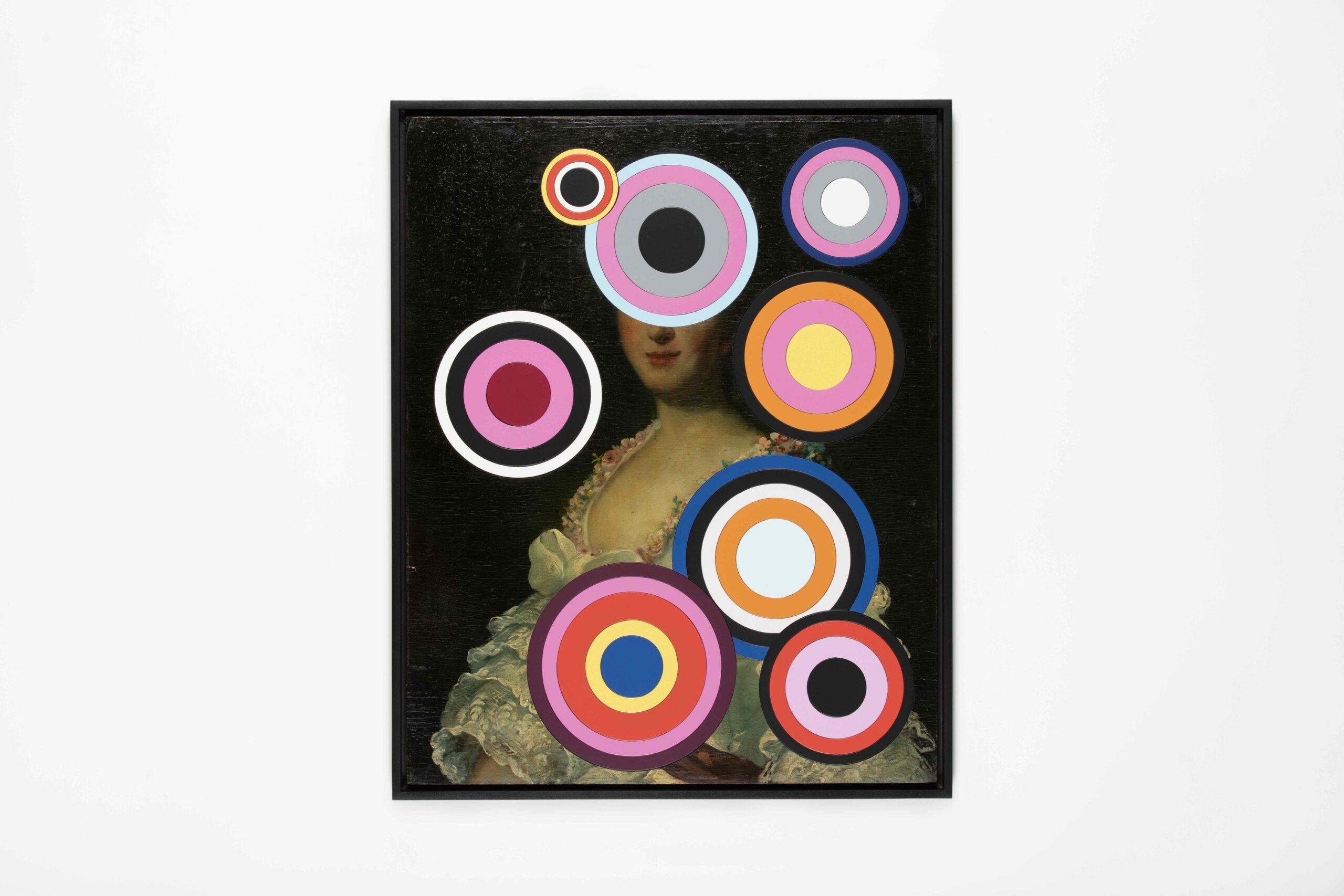
The inspiration for this topic comes through the work of Stefan Sagmeister. In his book Now is Better, he presents positive historical changes through data visualization. While the clarity of his approach may be debatable, he still manages to combine art and information in an aesthetic way. In the field of data visualization, I often find myself questioning whether a simple graphical view might sometimes be more understandable. This raises the question of what data visualization fundamentally entails. I’m also interested in exploring what defines art. For me, these two controversial fields come together in a way that could allow for an exciting project involving artistic works.
Link to the book: Sagmeister: Now is Better
1.2 The Value of Analog Photography
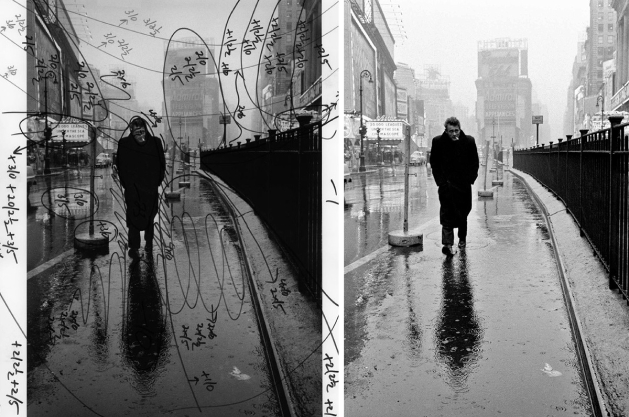
Analog photography is an object often treated with great care, almost like a cherished item. However, its fragile material nature makes it susceptible to aging and decay.
With a quote from Byung-Chul Han’s book Undinge – Umbrüche der Lebenswelt (Non-things – Breaks in the World of Things), I begin my intellectual journey into this topic, which is intended as a continuation of my bachelor’s thesis. I want to explore what analog photographs meant to humanity in the past and what they mean today, as well as how different cultures view them. This research is intended to take the form of a journey. The precise direction of my academic work is still open and will be solidified in the next step through extensive research and literature review.
Links to the book:
Undinge on Google Books
Wikipedia: Camera Lucida
1.3 Can people absorb and process information more effectively through sketches?
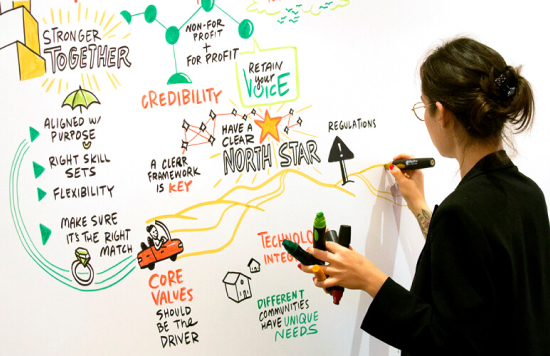
Can people absorb and process information more effectively through sketches? The human brain actually processes visual information, such as images or sketches, much faster than written words. Estimates suggest that the brain can recognize and interpret visual information in just about 13 milliseconds, while reading and processing text takes considerably longer. This topic would mainly focus on methods such as graphic recording, visual harvesting, and dual coding theory.
At the end of Step 1.0 of topic selection, it turns out that the topic The Value of Analog Photography has the greatest appeal for me. If you’d like to join me on my journey, feel free to leave a comment on my Figma file. I’d love to hear your thoughts—just swipe over and share your feedback!
https://www.figma.com/design/dJGFzLqMjyKgq1X4Bg0i8c/DesignResearch?node-id=1-4&t=uSti60O8oZUFLBlJ-1
