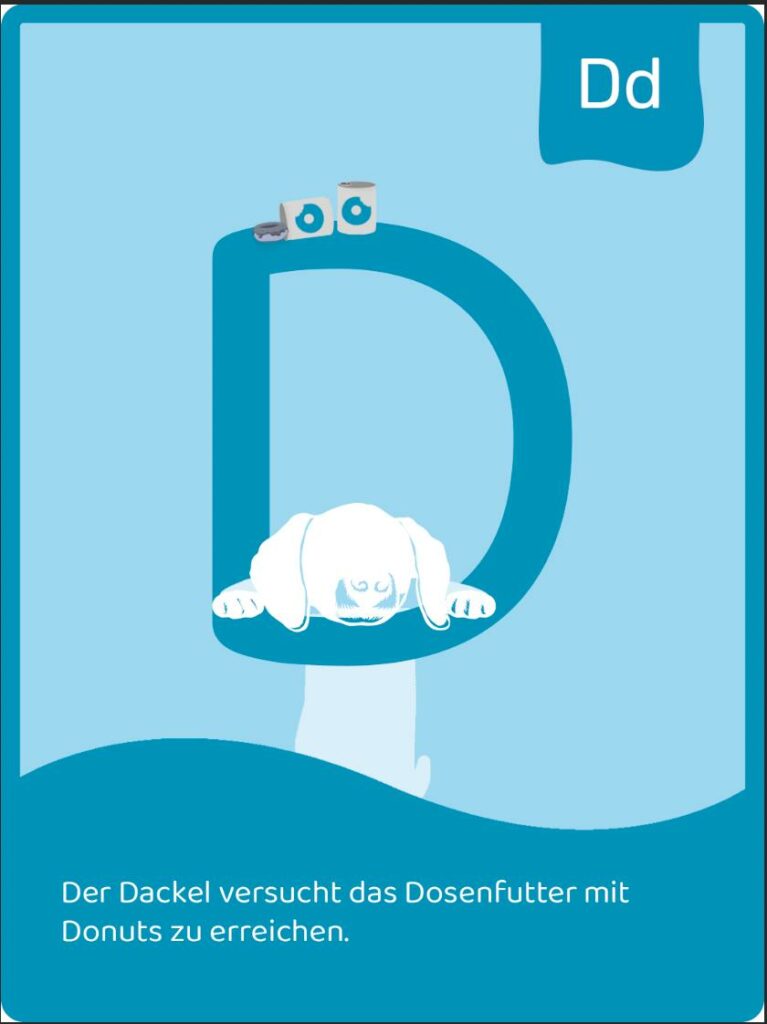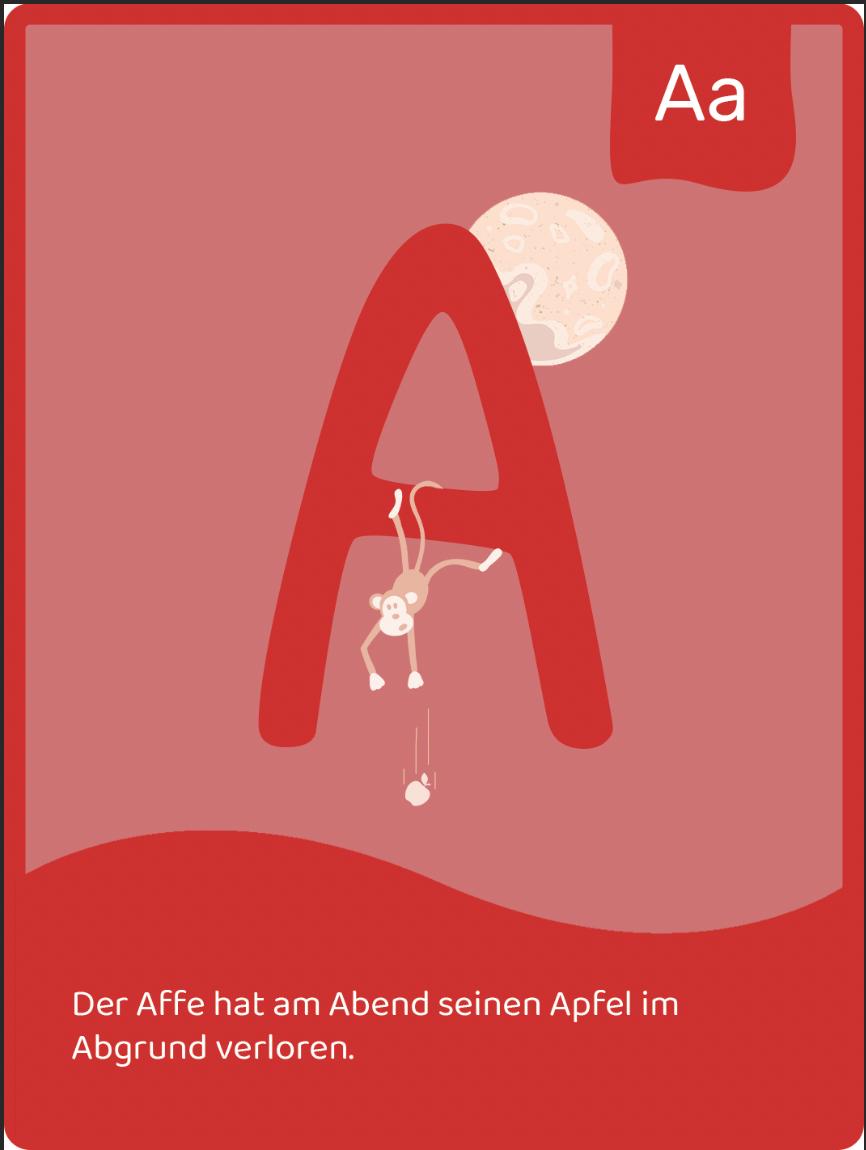
Introduction
The “ABC Learning Cards” project aims to create a set of educational cards designed for preschool and early elementary school children to help them learn the alphabet and build foundational reading skills. These cards will combine engaging design with age-appropriate content and psychological learning principles to support the initial stages of reading development.
Use and Application
The learning card set could be used at home or in preschools and kindergartens. Parents and educators can use the cards in various playful learning activities, like matching pictures to letters, guessing the letter based on the image, or tracing letters on paper.
Project Objectives
1. Enhancing Alphabet Knowledge: The cards will introduce each letter of the alphabet individually to help children recognize letters and understand their sounds. By focusing on one letter per card, children can concentrate on each one, absorbing the information gradually.
2. Supporting the Reading Process: The cards will be designed to make learning to read a fun and motivating experience. Visual elements like pictures and symbols will clarify the connection between letters and words. For example, the card for “G” might feature a giraffe.
3. Incorporating Psychological Learning Principles: An essential aspect of the project is incorporating psychological strategies that aid learning, such as repetition, positive reinforcement, and multisensory techniques (visual and kinesthetic elements).
Design and Content of the Learning Cards
Visual Design
a) Each card will prominently display one letter in a large, clear font, paired with an image representing a word that begins with that letter (e.g., “B” with a ball image).
b) The cards will use bright, child-friendly colors and clear lines to capture and hold children’s attention.
c) Each card will have a minimalist design without unnecessary text or distracting elements to help children focus on the core content.
Psychological facts/influence
1. Repetition and Consistency: Children benefit from consistent practice and repetition. The project could incorporate playful activities alongside the cards, like simple games where children match letters to images, helping reinforce information in memory.
2. Fostering Motivation: The cards should offer a sense of achievement by providing small, progressive successes. For instance, children could earn points or rewards for correctly identifying letters, promoting self-confidence and enjoyment in learning.
3. Gradual Increase in Complexity: To provide a progressive learning experience, the cards can evolve from simple letter-picture associations (e.g., “A” for “apple”) to recognizing words with multiple letters.