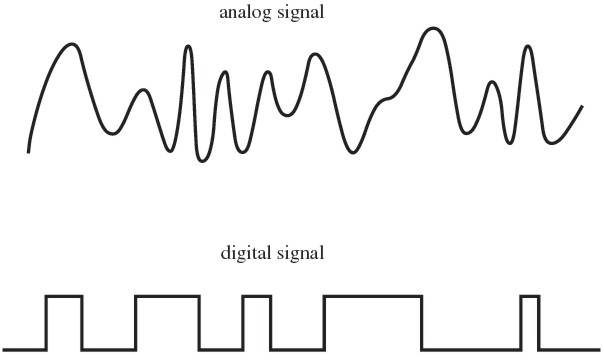
In der analogen Fotografie gibt es keine diskrete Frequenz im digitalen Sinne. Das Bild entsteht durch eine kontinuierliche Aufnahme von Lichtwellen auf einen Film.
Der Film hat eine chemische Körnung, die als eine Art analoge Auflösung dient.
Die Dichte und Empfindlichkeit dieser Körnung bestimmt, wie viele Details erfasst werden können.
Manche vergleichen die Körnung eines Films mit einer „analogen Frequenz“, da sie die feinste Detailstruktur eines Bildes repräsentiert.
Vergleich: Ein feinkörniger Film (z. B. ISO 100) entspricht einer hohen „analogen Frequenz“, während ein grobkörniger Film (z. B. ISO 1600) einer niedrigeren Frequenz entspricht, da weniger feine Details erfasst werden können.
Digitale Bilder sind nicht kontinuierlich, sondern bestehen aus diskreten Pixeln, die durch eine bestimmte Abtastrate (Sampling-Frequenz) festgelegt werden.
Die Sampling-Frequenz ist die Anzahl der Messpunkte pro Längeneinheit, also wie oft pro Sekunde ein Sensor Lichtwerte misst.
Gemäß dem Nyquist-Theorem muss die Abtastrate mindestens doppelt so hoch sein wie die feinsten Details im Bild, um Verzerrungen (Aliasing) zu vermeiden.
Die Auflösung eines Sensors (z. B. 24 Megapixel) entspricht der maximalen „Frequenz“, mit der Details aufgezeichnet werden können.
Vergleich:
Ein Sensor mit hoher Megapixel-Zahl (z. B. 50 MP) hat eine höhere Abtastrate (= hohe digitale Frequenz).
Ein Sensor mit niedriger Megapixel-Zahl (z. B. 8 MP) nimmt weniger Details auf (= niedrige digitale Frequenz).
Hauptunterschiede zwischen analoger und digitaler Frequenz
Durch Filmkorn und optische Eigenschaften des Materials
Durch Sensorauflösung und Nyquist-Theorem
Detaildarstellung
Weiche Übergänge, natürliche Körnung
Scharfe Kanten, rasterartige Struktur
Artefakte
Natürliches Rauschen durch Filmkorn
Aliasing, Moiré-Effekte möglich
Analoge Fotografie hat keine Pixelstruktur, sondern eine organische Körnung, die als „natürliche Frequenz“ funktioniert.
Digitale Bilder können Artefakte zeigen, wenn die Sampling-Frequenz nicht ausreicht, was zu unnatürlich wirkenden Bildern führen kann.
Dein Projekt hebt die Vergänglichkeit und Nostalgie der analogen Fotografie hervor – die Frequenz von analogem Film trägt dazu bei, weil sie eine weiche, organische Struktur hat.
In the context of my thesis, virtual characters or mascots play a crucial role in driving user engagement and motivation. These characters are more than just digital avatars; they are companions that could foster an emotional bond, creating a sense of accountability and enjoyment for the user. This blog post explores the psychology of emotional connection with virtual characters, principles of effective character design, and examples that highlight how such designs can enhance the user experience.
The Psychology of Emotional Bonding with Virtual Characters
Humans are inherently social beings, and we have a natural tendency to form emotional connections—even with non-human entities. This phenomenon, known as anthropomorphism, involves attributing human-like traits, emotions, or intentions to non-human characters. In fitness apps, this could translate to users feeling a sense of responsibility or camaraderie toward a mascot or virtual companion.
Key psychological factors that drive emotional bonding include:
Relatability: Characters that exhibit human-like emotions, struggles, and triumphs feel relatable and foster empathy.
Consistency: A character with a coherent personality and predictable behavior builds trust and familiarity over time.
Interactivity: Engaging with the character, such as receiving feedback or rewards, strengthens the bond by creating a two-way relationship.
Progression: Seeing a character evolve in tandem with the user’s fitness progress (e.g., leveling up) enhances emotional investment.
What Makes Good Character Design for Emotional Connection?
Visual Appeal The character’s design must be visually engaging and appropriate for the app’s target audience. Simple, clean, and distinct features make the character memorable. Facial expressions, color schemes, and unique accessories can add personality and charm.
Personality and Backstory A character with a personality and story feels alive. For example, a fitness app mascot could have a playful, supportive demeanor, encouraging users with witty comments or empathetic responses when workouts feel tough.
Dynamic Interaction Interactivity deepens the emotional connection. Features such as real-time feedback, personalized encouragement, or reactions to user actions can make the character feel more present.
Evolution and Rewards Allowing users to influence or witness the character’s growth creates a shared journey. For instance, a character that becomes stronger, happier, or visually transforms as the user progresses in their fitness goals reinforces the emotional tie.
Customizability Providing options to customize the character’s appearance or traits allows users to see a reflection of their preferences, fostering a sense of ownership and attachment.
Examples of Successful Emotional Character Design
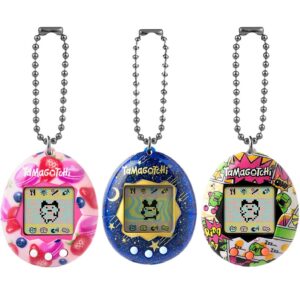
Tamagotchi The iconic virtual pet relies heavily on emotional bonding. Users care for their Tamagotchi by feeding, playing with, and nurturing it. Neglect results in visible sadness or even the “death” of the character, creating a powerful sense of responsibility.
Duolingo’s Owl (Duo) The green owl mascot of Duolingo is a prime example of a character that elicits emotional responses. Duo encourages users to stay consistent with their language practice, offering positive reinforcement for progress and gentle reminders for missed sessions. Its friendly design and playful tone make users feel accountable.
Nintendo’s Pikachu Pikachu from the Pokémon franchise exemplifies emotional bonding through its relatable, expressive behaviors. Users grow attached to its reactions, loyalty, and evolution, which mirrors the user’s journey in the game.
Fitness Game Mascots (e.g., Pokémon GO’s Buddy System) In Pokémon GO, players can select a Pokémon buddy to walk with them. The buddy reacts to progress, such as gaining affection when fed or earning rewards for distance traveled, creating a sense of companionship.
How Does This Relate to Gamified Strength Training Apps?
In a gamified strength training app, the mascot or virtual character could serve as both a motivator and a representation of the user’s progress. For example:
Encouragement and Feedback: The character could cheer users on during challenging workouts or express joy when goals are met.
Accountability: A mascot that grows stronger, happier, or evolves as the user adheres to their fitness program could reinforce the commitment to consistent training.
Gamification Mechanics: The character might fight battles, level up, or unlock new abilities as the user progresses, blending fitness with a sense of adventure.
An emotional bond with the character could transform fitness tracking from a chore into an enjoyable and immersive experience.
Conclusion
Creating an emotional bond between users and virtual characters in fitness apps requires a thoughtful combination of visual design, personality, interactivity, and progression. When done effectively, these characters can motivate, engage, and retain users by transforming fitness into a shared journey with a trusted companion. As gamified strength training apps evolve, leveraging emotionally resonant mascots could be a game-changing strategy to foster user commitment and enjoyment.
In this Blogpost, I would like to talk about protest design in general as it emerged as a powerful tool for resistance and social change, particularly within feminist movements but not only, thinking about BlackLivesMatter, Fridays for Future, Demonstrations against the rights, Demonstrations against war and many more.
What is Protest Design?
At its core, protest design is the use of visual elements—such as symbols, colors, typography, and graphics—to communicate a political or social message. It is a way of saying “NO!” – that you really disagree with something or someone (Tate, n.d.).
Unlike traditional design, which often focuses on aesthetics or branding, protest design aims to mobilize, inspire, and provoke thought. It’s a form of visual activism, a way to visually articulate dissent and call for change (Sunmola, 2020).
Protest design often draws from a variety of graphic design elements, using bold colors, powerful symbols, and direct messaging to ensure clarity and impact. Whether it’s a simple logo, a slogan on a banner, or an image shared on social media, protest design makes complex issues accessible and emotionally compelling. Its primary goal is to rally people around a cause, create solidarity, and make an impact both online and in the streets (Levanier, 2022).
Social Movements and Protest Design
While feminism has been a key player in protest design, other movements have also utilized visual design to amplify their messages and create change.
Black Lives Matter
The Black Lives Matter movement has perhaps one of the most recognizable protest designs today. The bold, black and white “Black Lives Matter” logo is instantly identifiable, carrying with it a powerful message about racial justice. The design has evolved over time, but its core message has remained the same: advocating for the value of Black lives and fighting against systemic racism with the bold image of a raised fist. In addition to the logo, countless graphics, memes, and protest posters have been created, spreading the message across social media and public demonstrations alike (Reason, 2024).
Fridays for Future
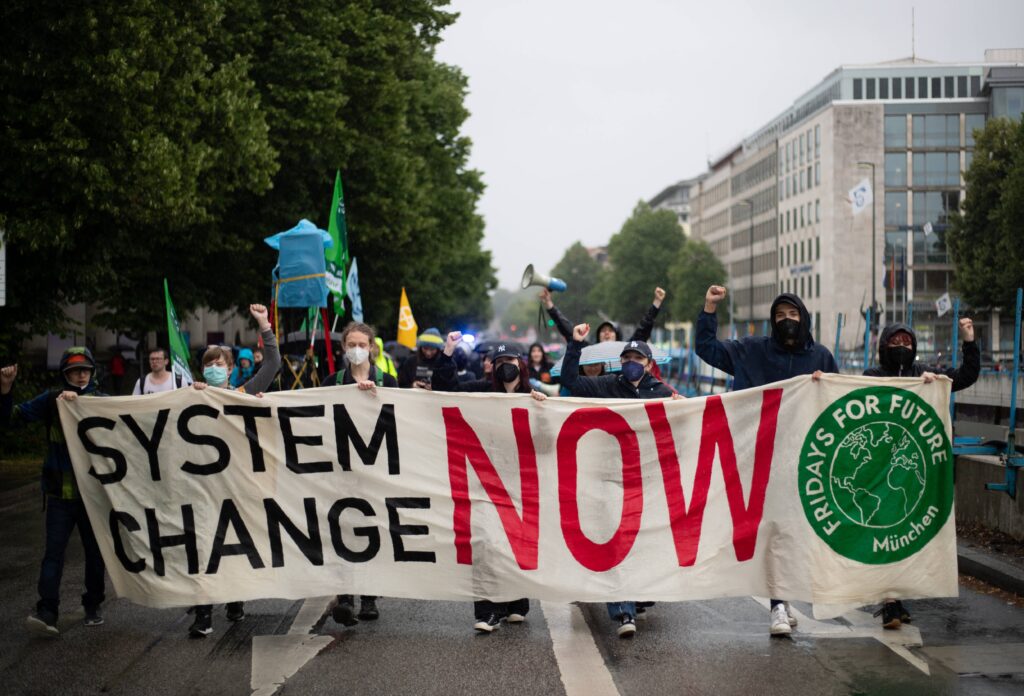
Fridays for Future Demo im Regen Am 1.7.2022 versammelten sich ca. 60 Menschen in München, um bei FFF für Klimagerechtigkeit zu demonstrieren und die Stadt Müncehn zu ernsthaften Klimaschutz zu bewegen. — On July 1st, 2022 about 60 people gathered in Munich, Germany with FFF to protest for climate justice. München Bayern Deutschland Copyright: xAlexanderxPohlx
Fridays for Future, the youth-led climate movement spearheaded by Greta Thunberg, has also embraced protest design in its efforts to raise awareness about the climate crisis. The movement’s logo—a simple, bold typography (font jost)—carries a sense of urgency, while its use of vivid, striking colors draws attention to the cause. Digital design, such as posters for climate strikes, has helped young people mobilize globally, encouraging millions of students to demand action on climate change (Anwar, 2019).
Protests Against War
Protests against war have a long history of using design to communicate their anti-war stance. From the iconic “Make Love, Not War” slogan of the 1960s to contemporary anti-war protests, design has been crucial in creating memorable, impactful messages. The peace symbol, the dove, and other visual representations of peace have been used across generations to unite people in their opposition to violence and military conflict (Rosemont et al, 2012).
Why Protest Design Matters
Protest design isn’t just about making things look visually appealing; it’s about creating a sense of urgency and solidarity. It’s about taking an issue—whether it’s climate change, racial justice, or gender equality—and making it visually accessible and emotionally powerful.
In the digital age, protest design has a far-reaching impact. Social media allows for instant sharing of images and messages, turning graphic design into a tool for viral activism. A well-designed image can spread rapidly, reaching millions of people in an instant, and sparking a global conversation (Mindful Mediator, 2023).
Moreover, protest design helps create a visual identity for movements, making them more recognizable and easier for people to rally around. A logo, a slogan, or even a specific color scheme can become synonymous with a movement, and this kind of visual recognition is essential for uniting people and building momentum.
Challenges and Criticisms
While protest design can be a powerful tool for social change, it is not without its challenges and criticisms. One major issue is the commercialization of protest imagery. As social movements gain visibility, there’s a risk that commercial entities may co-opt protest design for profit, reducing the message to a mere aesthetic trend.
Furthermore, there’s a potential danger of superficiality. If protest design becomes too focused on creating catchy visuals rather than communicating a deep political message, it risks losing its effectiveness. Design should always serve the purpose of the movement, not just its aesthetics.
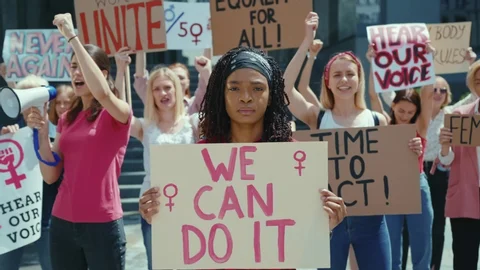
Handwritten protest signs hold a unique power, offering a raw and spontaneous form of expression that contrasts with the polished and professional look of digital design. While digital tools make it easy to create flashy, shareable protest graphics for online activism, handmade signage continues to dominate physical protests, capturing the urgency and passion of the moment. These signs, often created with just markers and cardboard, reflect the immediacy of the cause and stand as deeply personal, unfiltered expressions of anger, hope, and determination.
Despite the rise of socially shareable digital visuals, the prominence of hand-drawn signs in protests highlights their enduring impact. As noted during movements like Occupy Wall Street and Black Lives Matter, these signs often become iconic symbols when photographed, with their striking, improvised lettering adding an extra layer of authenticity. Photographer David Holbrook observed that handmade signs, especially those with bold, capitalized text, convey a sense of shouting and urgency, making them highly expressive and attention-grabbing. Their imperfections and individuality demonstrate the time and effort put into crafting them, adding a human touch that resonates deeply with audiences both on the streets and through the images shared worldwide (Gosling, 2020).
Sources
Anwar, S. (2019, July 30). Grafiker über das Design von Fridays for Future – „Ich finde es wunderbar”. Deutschlandfunk Kultur. https://www.deutschlandfunkkultur.de/grafiker-ueber-das-design-von-fridays-for-future-ich-finde-100.html
Gosling, E. (2020, August 11). Strongly worded letters: Typography and modern protest. Monotype. https://www.monotype.com/resources/expertise/typography-and-modern-protest
Levanier, J. (2022, October 4). Design activism: what good can graphic design do? 99designs. https://99designs.com/blog/design-history-movements/design-activism/
Mindful Mediator. (2023, July 26). The role of social media in modern activism – Mindful Mediator – Medium. Medium. https://medium.com/%40mediation/the-role-of-social-media-in-modern-activism-20123deafacc
Reason, P. (2024, December 4). The raised fist: a history of the symbol – People’s History Museum. People’s History Museum. https://phm-org-uk.translate.goog/blogposts/the-raised-fist-a-history-of-the-symbol/?_x_tr_sl=en&_x_tr_tl=de&_x_tr_hl=de&_x_tr_pto=rq
Rosemont et al. (2012, February). History of the Make Love Not War slogan – Creative Review. Creative Review. https://www.creativereview.co.uk/make-love-not-war-slogan/
Sunmola, Y. (2020, December 3). The visual language of Protest: How graphic design can fuel protest and change government. Medium. https://yinks0067.medium.com/the-visual-language-of-protest-how-graphic-design-can-fuel-protest-and-change-government-bcffa115a74c
Tate. (n.d.). What is Protest Art? Tate Kids. https://www.tate.org.uk/kids/explore/what-is/what-is-protest-art
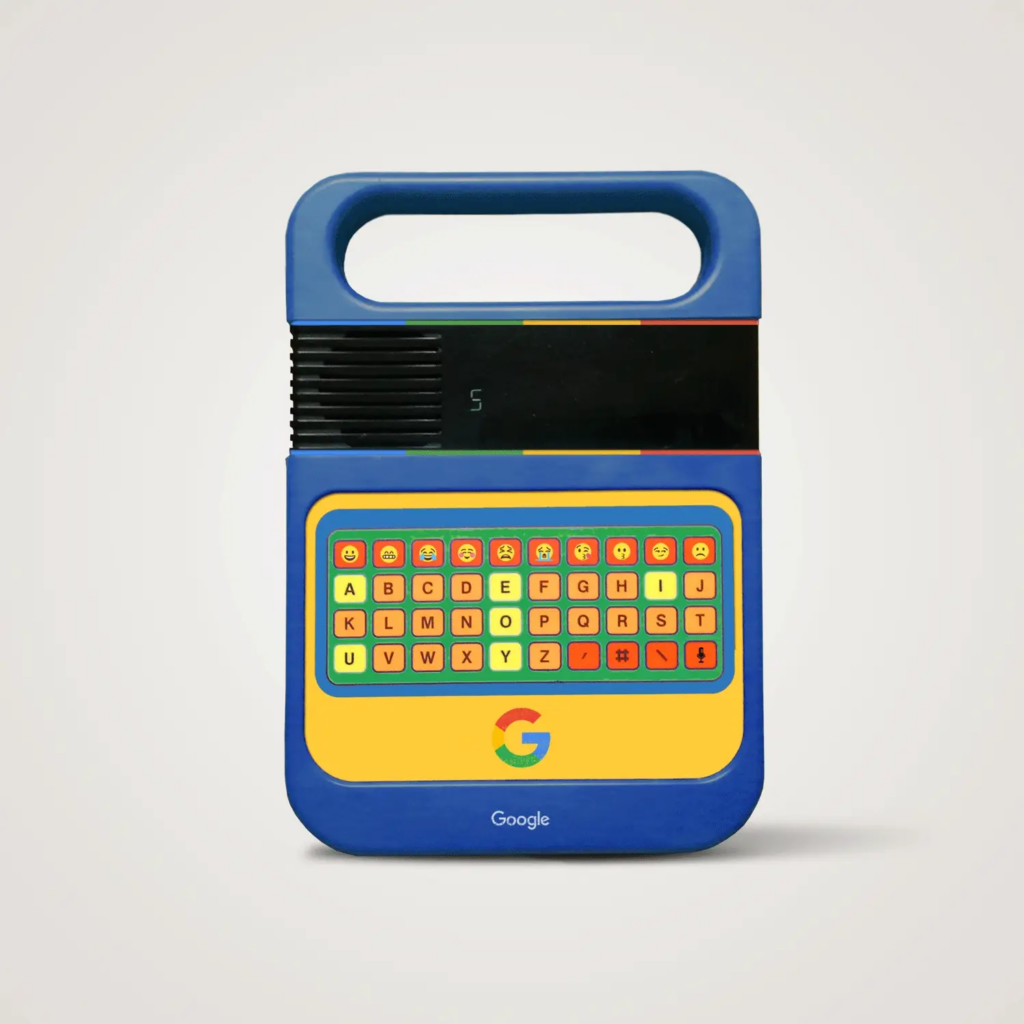
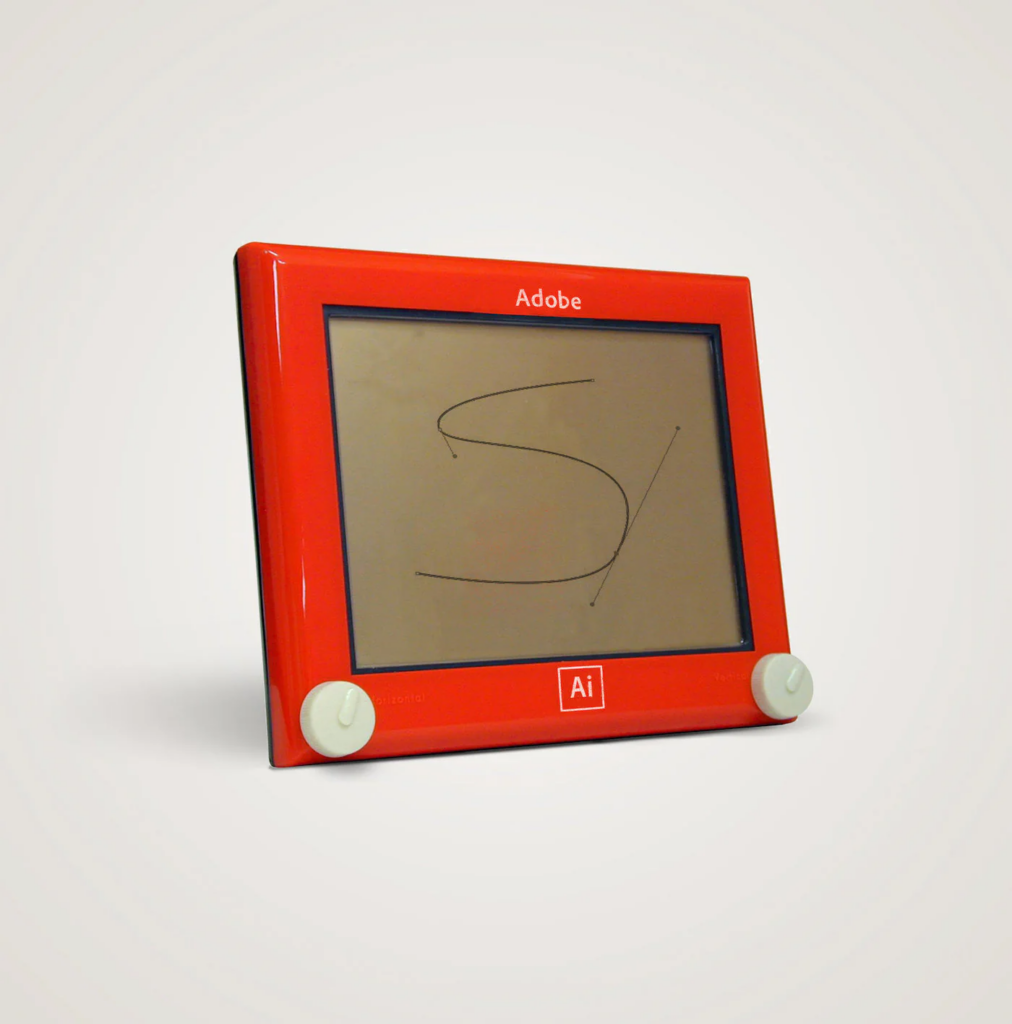
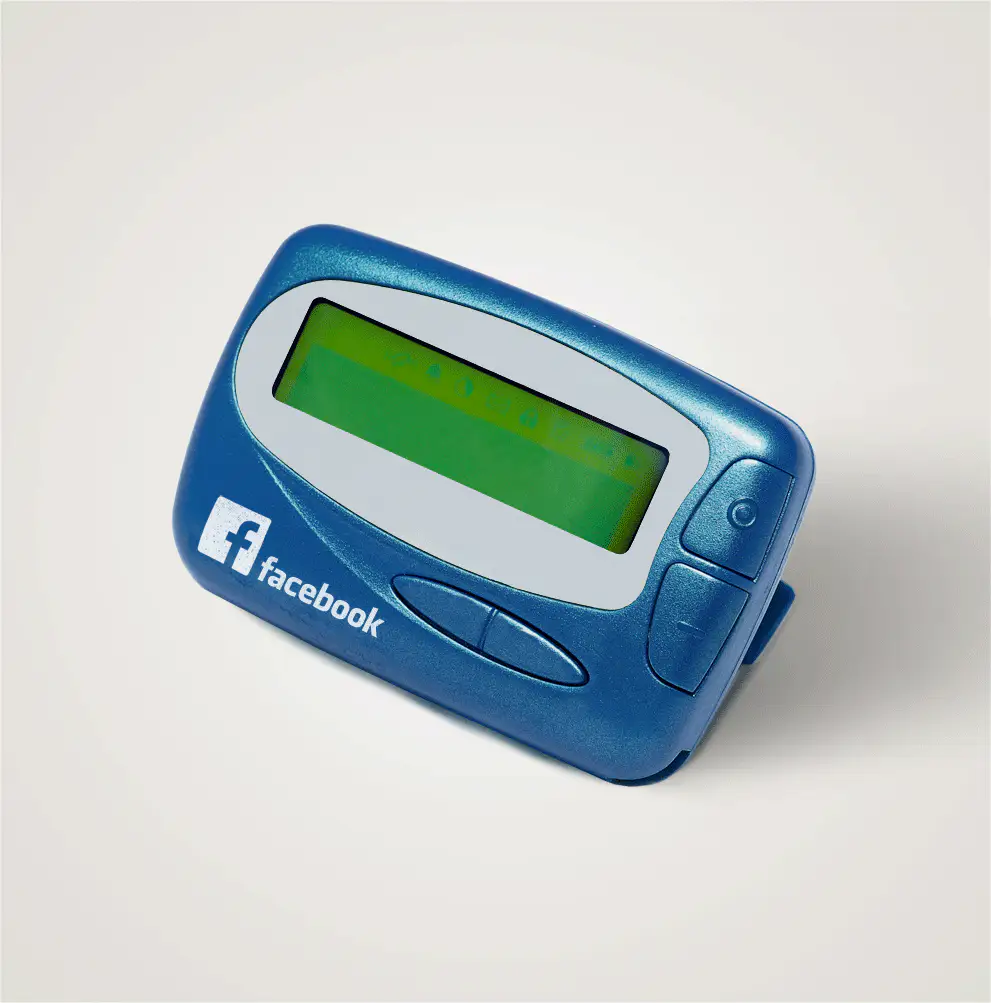
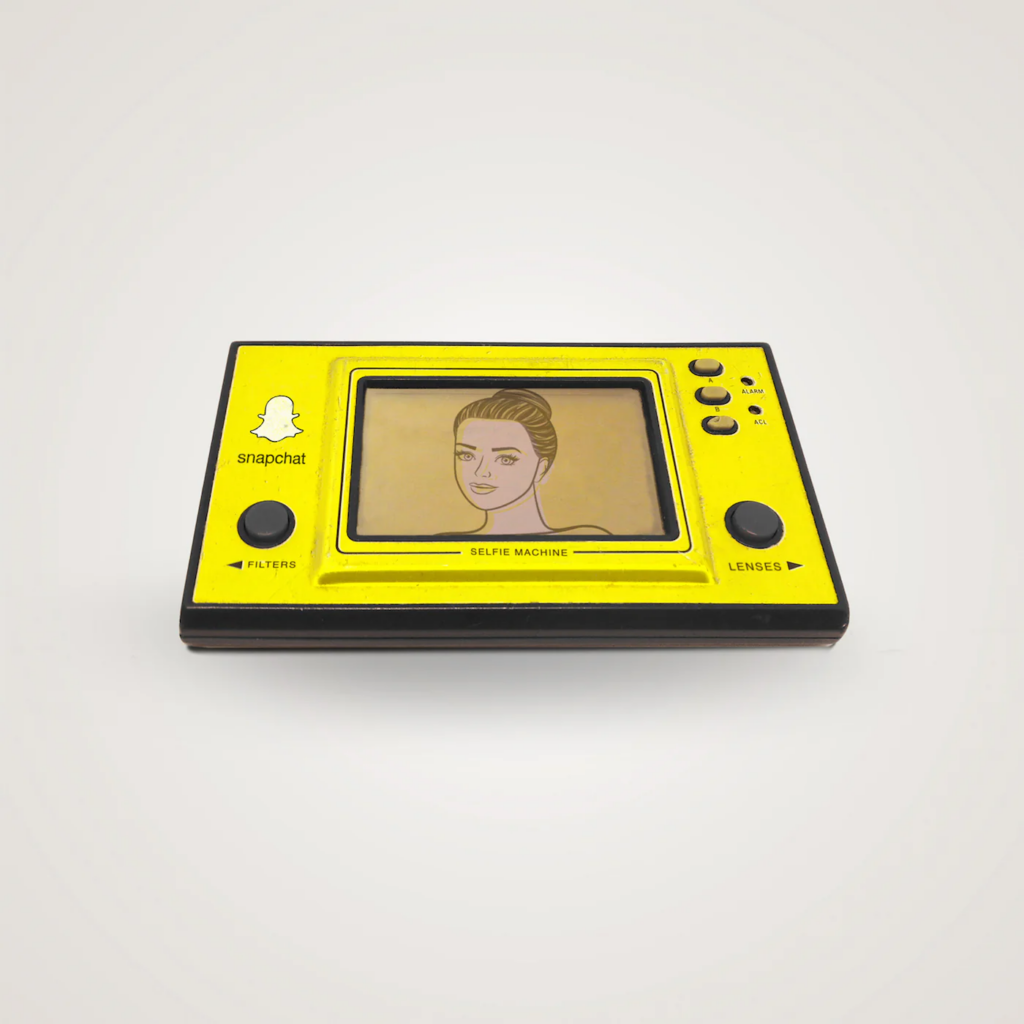
When I found this advertising design I just had to include it in my research blog and feature the artist who came up with this creative idea. Everything about this is done right in the campaign called “Repacking Social Media Into 1980s Nostalgia”.
By bringing back iconic hardware, the creative director Thomas Ollivier has created a playful series that recalls some essential items to an older generation, depending on when you were born. Ollivier used nostalgic devices and technology of yesteryear to visualize how modern applications have occupied much of our daily lives.
Why This Design Works
The campaign resonates on multiple levels because it gets so many things right:
Emotionally Charged Nostalgia:
For those who lived through the 1980s and 1990s, these devices are cultural touchstones. The campaign taps into those memories, creating an immediate connection.
For younger audiences, the retro aesthetic offers a playful introduction to how technology has evolved.
Visual Simplicity and Impact:
The clean, minimal design focuses on the device and the app it represents, allowing the message to shine through without distraction.
The use of bright colors and simple layouts mirrors the visual language of 1980s advertising, adding authenticity.
Cultural Relevance:
By linking technology from the past with apps we use daily, the campaign feels universally relatable, regardless of age or background.
Further Research / Hypothesis
Although playful, this series does ask serious questions about our dependency on modern technology and whether or not that is a healthy balance.
By blending the past with the present, this campaign invites us to consider not only how far we’ve come but also where we’re heading. As designers, it’s a reminder of the importance of perspective — and of using our craft to provoke thought and discussion.
In einer Zeit, in der Millionen von Bildern täglich auf sozialen Medien geteilt werden, stellt sich die Frage, was analoge Fotografie von digitalen Bildern unterscheidet – und warum sie gerade heute, inmitten der digitalen Revolution, so geschätzt wird. Roland Barthes’ Werk Die helle Kammer bietet faszinierende Ansätze, um den emotionalen und kulturellen Wert des analogen Fotos zu verstehen. Was macht ein Foto „analog“? Analoge Fotografie zeichnet sich durch ihre Materialität aus: Licht trifft auf eine chemisch behandelte Filmoberfläche, um ein Bild zu erzeugen. Kein Algorithmus, kein Pixel – nur eine direkte Spur des Moments. Barthes beschreibt die Fotografie als „das, was gewesen ist“. Ein Foto ist immer ein Beweis dafür, dass ein bestimmter Moment existierte, eine direkte Verbindung zwischen Bild und Realität. Doch die analoge Fotografie geht über diese technische Definition hinaus. Der Entwicklungsprozess, die begrenzte Anzahl an Aufnahmen auf einem Film und die Unmittelbarkeit der physischen Prints schaffen eine ganz eigene Ästhetik. Jeder Kratzer, jede Farbveränderung auf einem analogen Foto erzählt eine Geschichte – eine Geschichte der Zeit.
Emotionale Wirkung: Die Rolle von Punctum und Studium Barthes beschreibt in Die helle Kammer zwei zentrale Aspekte, wie Fotografien uns berühren können: Das Studium bezeichnet das kulturelle, historische oder ästhetische Interesse, das wir an einem Bild haben. Das Punctum hingegen ist der unerwartete, persönliche „Stich“, der uns emotional trifft – ein Detail, das uns unvermittelt bewegt. Bei analogen Fotos scheint das Punctum stärker hervorzutreten. Vielleicht, weil wir wissen, dass sie nicht nachträglich bearbeitet wurden. Vielleicht, weil wir spüren, dass diese Bilder eine greifbare Verbindung zur Realität haben, die digitale Fotos oft missen lassen.
Nostalgie in der digitalen Welt Warum erleben analoge Fotos gerade jetzt eine Renaissance? In einer Welt, die von digitalen Technologien geprägt ist, sehnen sich viele nach etwas Echtem, Greifbarem. Polaroidkameras, analoge Filme und sogar Einwegkameras sind längst nicht mehr nur Relikte vergangener Tage. Sie stehen für eine bewusste Entschleunigung und Achtsamkeit im Umgang mit Bildern. Der Prozess der analogen Fotografie – vom sorgfältigen Komponieren des Bildes bis hin zur Entwicklung in der Dunkelkammer – erfordert Geduld und Hingabe. Diese Langsamkeit steht im krassen Gegensatz zum schnellen Klicken und Filtern digitaler Bilder.
Analoge Fotografie und Erinnerungskultur Ein analoges Foto ist nicht nur ein Bild, sondern ein Objekt. Es kann in Fotoalben aufbewahrt, an die Wand gehängt oder in einer Schublade gefunden werden, Jahre nachdem es aufgenommen wurde. Es besitzt eine Haptik, die Erinnerungen anfühlbar macht. Barthes nennt dies die „Zeugenschaft der Fotografie“: Analoge Fotos erinnern uns daran, dass diese Momente wirklich passiert sind – sie verankern uns in der Vergangenheit.
Der Wert des Fehlers Im digitalen Zeitalter wird Perfektion angestrebt: Filter korrigieren Farben, Retuschen entfernen Makel. In der analogen Fotografie jedoch werden Unschärfen, Lichtlecks oder Farbstiche oft nicht als Fehler, sondern als künstlerische Elemente wahrgenommen. Diese Imperfektionen verleihen den Bildern eine Authentizität, die digitale Bilder selten erreichen.
Fazit: Warum analog? Der Wert der analogen Fotografie liegt nicht nur in ihrer Ästhetik oder ihrer Technik, sondern in ihrem emotionalen und kulturellen Gehalt. Sie erinnert uns daran, dass nicht jedes Bild beliebig reproduzierbar ist – dass ein Foto ein einmaliger Moment sein kann, der nie wiederkehrt. In einer Welt, die immer mehr auf digitale Perfektion fixiert ist, bietet die analoge Fotografie eine wertvolle Möglichkeit, das Unvollkommene, das Echte und das Vergängliche zu schätzen. Sie ist mehr als nur ein Medium; sie ist eine Haltung – eine Erinnerung daran, dass das Leben selbst nicht retuschiert werden kann.
Some illustrators constantly ask themselves the question: analogue or digital? Both approaches have their advantages and challenges, and the decision between them is often a question of context, preference and objective.
Analogue illustration
What is analogue illustration?
Analogue illustration includes all forms of hand-drawn artwork created with traditional tools such as pencils, watercolours, ink or acrylic. This approach has a long history dating back to the earliest forms of human art.
Advantages of analogue illustration:
haptics: tactile qualities of brushes, pens or colours are difficult to imitate digitally, besides it is a different feeling to draw on real paper.
uniqueness: every stroke is unique and cannot be easily reproduced.
textures: Materials such as watercolour paper, canvas or charcoal create natural textures that are difficult to imitate in the digital world.
Disadvantages of analogue illustration:
error correction: unlike in the digital world, there is no ‘undo’ button. A mistake can be difficult or impossible to correct.
material costs: high-quality colours, papers and tools are often expensive and have to be replaced regularly.
limited reproducibility: analogue works must first be photographed or scanned for digital use, which can be time-consuming and does not always deliver perfect results.
Digital illustration
What is digital illustration?
Digital illustration refers to artwork created with software and digital devices such as tablets, pencils or computers. Programmes such as Adobe Photoshop or Procreate offer artists a wide range of tools and effects.
Advantages of digital illustration:
flexibility: the possibility to try out different tools, brushes and effects with one click makes the creative process diverse and customisable.
error correction: functions such as ‘Undo’ or ‘Layers’ make it easy to correct mistakes or make changes.
cost savings: After the first purchase of a tablet and the software, there are no additional material costs.
reproducibility: digital works can be copied and passed on in perfect quality, making them ideal for commercial purposes.
integration into work processes: Digital files can be seamlessly integrated into print processes, animations or web applications.
Disadvantages of digital illustration:
time intensive: working with graphics software and digital tools requires time and patience.
technical dependency: it is not possible to work without electricity, a functioning device or the right software.
artificiality: digital art can sometimes appear less ‘alive’ or ‘authentic’ compared to analogue work.
For what purposes are analogue and digital illustration most frequently used?
Areas of application for analogue illustration:
Art and gallery work
Children’s book illustrations (often traditional techniques such as watercolour or coloured pencil)
Sketches and concepts
Handmade designs (posters, greeting cards or packaging)
Areas of application for digital illustration:
Entertainment (video games, film and animation)
advertising
Editorial content (magazines, blogs and newspapers)
Web design and UI/UX (icons, layouts and visual elements for apps and websites)
How can analogue and digital techniques be combined?
The combination of analogue and digital illustrations combines the advantages of both sides:
Analogue sketches as a basis: Analogue sketches can be digitised and then further processed using digital software.
Textures and patterns: Handmade textures such as brushstrokes, watercolour backgrounds or charcoal drawings can be used.
Hybrid works: Artists use both analogue and digital tools in the same project.
Collages: Digital collages can consist of scanned analogue elements, photographs and digital drawings.
Printing and post-processing: Digital works can be printed out and then further processed using analogue techniques such as paint or pens.
The artist and graphic designer Kevin Bergquist combines analogue and digital art by creating collages from his analogue drawings and then digitising and editing them (see image).
How is analogue illustration digitised?
Digitising analogue illustrations is an important step in making them usable for digital purposes. There are various methods and aspects that should be taken into account:
high quality scanning: Scanner with high resolution (at least 300 dpi)
photography: high-quality camera and even lighting
post-processing: adjust brightness, contrast and colours
cropping: remove or adjust the background
file format: lossless format such as TIFF or PNG, JPEG version optimised for web use
calibrated devices: calibrated monitor to ensure colour accuracy
Does analogue illustration have a future?
Despite the fast development of digital technologies, analogue illustration has not lost its relevance. In fact, it is making a comeback in certain areas. Artists and consumers appreciate the unique character and originality that only handmade works can offer. At the same time, analogue art is often seen as an opposite pole to the fast- moving digital world and is consciously used as a statement.
However, there is no doubt that digital illustration is leading the way in many commercial areas. Its efficiency, flexibility and integration into digital work processes make it the preferred choice for businesses and creative projects.
The recent live discussion between Elon Musk, the owner of X (formerly Twitter), and Alice Weidel, leader of the Alternative for Germany (AfD), became a hot topic in both Germany and internationally. Musk, one of the most recognizable figures in tech, hosted the event on his platform, and Weidel didn’t miss the chance to frame her controversial political stance for a massive audience. (Kramer, 2025). But why is this conversation so significant, and what does it tell us about propaganda in the modern era?
The Context of the Conversation
The AfD, a right-wing populist party, has gained momentum in recent years, partly through its adept use of social media to disseminate its messages. Within the conversation, Musk expressed support for the AfD, describing it as the only party capable of “saving Germany.” Weidel however tried to use the platform to criticize past German leadership, labeling Angela Merkel as a “green chancellor” who allegedly caused significant harm to the country. However, one of the most controversial moments came when Weidel claimed Adolf Hitler was a communist, a statement Musk did not challenge but appeared to agree with.
This statement again showed the spread of historical inaccuracies, which are a hallmark of propaganda tactics. By distorting facts, such statements are intended to provoke reactions, attract attention, and create a favorable narrative for their supporters.
Social Media as a Propaganda Tool
Social media platforms like X allow public figures to bypass traditional media channels and connect directly with audiences. This can empower marginalized voices, but it can also provide fertile ground for disinformation to spread unchecked. Algorithms amplify controversial or engaging content, meaning provocative or false statements often reach a wider audience simply because they generate reactions – be it outrage or support (Menczer, n.d.).
Musk’s ownership of X complicates matters further. As a prominent entrepreneur and influential figure, his public support for political entities can lend credibility to their messages, regardless of their validity. This dynamic emphasizes the fuzzy boundaries between personal opinion, platform governance, and corporate influence.
Lessons from History
The use of propaganda to influence public opinion is not new and has been around for quit some time. As mentioned in previous blog posts during the Nazi era, Joseph Goebbels, Hitler’s chief propagandist, effectively used radio, film, and print media to spread the regime’s ideology (Deutschland, n.d.). While the mediums have changed, the underlying principles remain similar: controlling the narrative, evoking strong emotions, and repeating messages to create a sense of inevitability.
The Characteristics of Modern Propaganda
Propaganda has evolved significantly in the digital age. Today, it often relies on emotional appeals, oversimplified narratives, and repetition to resonate with audiences. The conversation between Musk and Weidel demonstrates these tactics:
Emotional Appeals: By portraying Merkel’s policies as a problem and presenting the AfD as Germany’s savior, the discussion taps into fears about the future of the nation
Historical Revisionism: Weidel’s claim about Hitler distorts historical facts to provoke outrage and attract attention, which is a common propaganda technique
Repetition and Amplification: Social media algorithms reward engagement, which means that controversial posts are likely to reach a larger audience through sharing and commenting, regardless of their accuracy
The Risks of Unregulated Platforms
Musk’s leadership of X has been criticized for its laissez-faire approach to content moderation. Critics argue that this policy allows harmful content, including propaganda and hate speech, to flourish unchecked. The European Union’s Digital Services Act (DSA) seeks to address these concerns by holding platforms accountable for illegal content and public safety risks (Digital Services Act: Ensuring a Safe and Accountable Online Environment, n.d.). The Musk-Weidel conversation has already prompted investigations into whether X violated the DSA (Keskin, 2025b).
Without regulation, platforms like X risk becoming megaphones for disinformation or fake news. This not only distorts public discourse but also undermines trust in legitimate media and democratic institutions, making it difficult to decide between fake and truth. The DSA represents a step toward addressing these issues, but its enforcement will be critical.
Ethical and Regulatory Challenges
Combating propaganda requires more than just regulating certain media on social platforms. Media literacy is essential. People need tools to critically evaluate what they see online. This includes recognizing manipulative tactics, checking sources, and understanding the algorithms that shape their feeds. For example, if viewers had better media literacy skills, they might question Weidel’s outlandish claims about Hitler or consider why Musk’s endorsement of the AfD matters. Hereby education systems and public campaigns can play a vital role in building this awareness for a younger audience.
Conclusion
The conversation between Elon Musk and Alice Weidel is a strong reminder of the power and pitfalls of social media in shaping political discourse nowadays. It illustrates how influential figures can use these platforms to spread their messages, often blurring the lines between fact and fiction. As social media continues to evolve, so too will the methods of those who seek to manipulate it for their own benefits.
Digital Services Act: ensuring a safe and accountable online environment. (n.d.). Eurojust. https://www.eurojust.europa.eu/de/publication/digital-services-act-safe-and-accountable-online-environment#:~:text=The%20Digital%20Services%20Act%20(DSA,safe%20and%20trusted%20online%20environment.
Deutschland, S. D. H. M. S. H. D. G. D. B. (n.d.). Gerade auf LeMO gesehen: LeMO Das lebendige Museum Online. https://www.dhm.de/lemo/biografie/joseph-goebbels
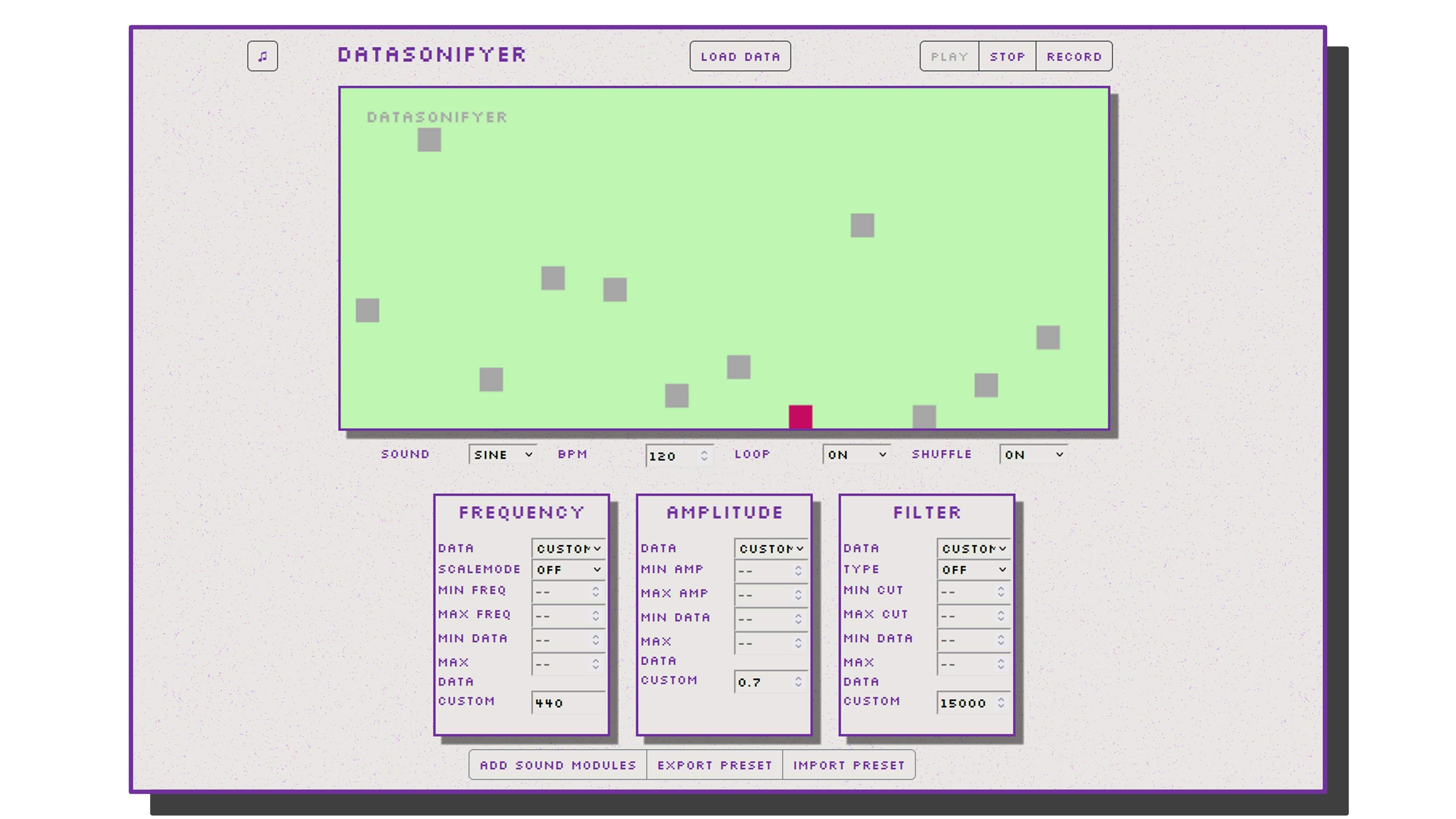
DataSonifyer is a free online tool (no registration required) that turns data into sound. It creates “audible” information from numeric values by translating the datasets into musical parameters (pitch, volume, rhythm, etc.). The result is similar to a musical score that can be played and recorded. DataSonifyer was developed in 2023 by Christian Basl, supported by the Innovation Fund of the Science Press Conference.
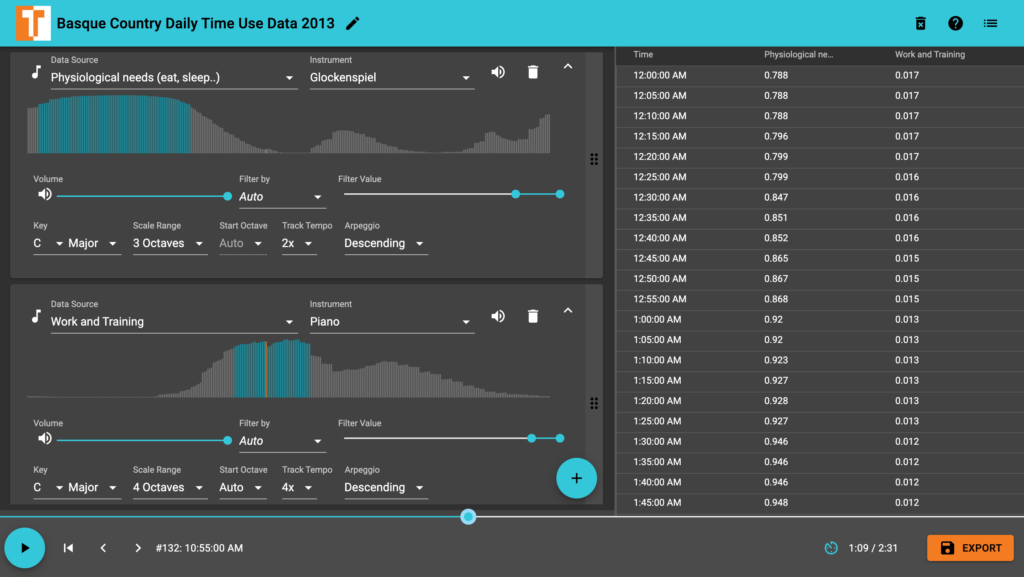
TwoTone is a free, web-based tool (no downloads required) that turns data into sound and music—no coding or musical expertise necessary. Originally developed by Datavized Technologies with support from the Google News Initiative and now maintained by Sonify, the project was commissioned by Simon Rogers at Google and advised by Alberto Cairo. TwoTone uses data sonification to help users understand complex datasets and create data-driven compositions, offering an intuitive interface that works on desktops, tablets, and phones.
Music Algorithms offers a step-by-step approach to creating your own music from data—no advanced musical knowledge required. Simply load or paste a comma-separated sequence of numbers, then use a series of tools to map those values into musical pitches and durations, lock them to a scale, and finally play and export your composition as a MIDI file. Whether you’re exploring algorithmic composition or just experimenting with aural representations of data, these interactive features let you transform numbers into creative soundscapes.
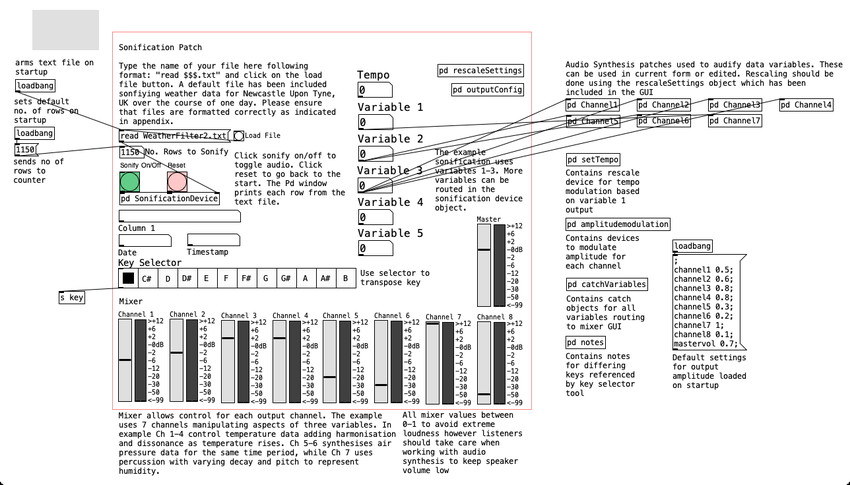
Max is a flexible, visual programming environment originally developed by Miller Puckette at IRCAM in the 1980s. Though not specifically designed for data sonification, it offers that capability. While Max does have a steep learning curve, it also boasts extensive documentation, a wealth of tutorials, and a supportive user community that shares tips and instructional videos.
Pure Data
This free open source alternative to MAX is well documented by its community but might not be as beginner friendly.
Gamification has emerged as a compelling strategy to enhance engagement in various domains, including fitness. By integrating elements such as points, badges, leaderboards, narratives, and eliciting an emotional connection, gamified fitness applications aim to make physical activity more enjoyable and motivating. Understanding the psychological mechanisms behind this approach is crucial for designing and developing an effective fitness app.
Intrinsic and Extrinsic Motivation Motivation in fitness can be categorized into intrinsic (internal) and extrinsic (external) factors. Intrinsic motivation refers to engaging in an activity for its inherent satisfaction, while extrinsic motivation involves performing a task to earn rewards or avoid punishment. Gamification leverages both types by providing external rewards (e.g., badges, points) that can enhance intrinsic enjoyment through increased engagement and a sense of achievement. Studies have shown that gamified interventions can boost both intrinsic and extrinsic motivation, leading to improved adherence to exercise routines.
Behavioral Change and Habit Formation Gamified fitness apps often incorporate goal-setting, feedback, and progress tracking, which are essential components of behavior change theories like the Transtheoretical Model and Self-Determination Theory. By setting clear goals and providing immediate feedback, these apps facilitate the development of healthy habits and support users through different stages of behavior change. The sense of progression and achievement in gamified systems can reinforce positive behaviors, making users more likely to maintain their fitness routines.
Social Influence and Competition Many gamified fitness platforms incorporate social elements such as leaderboards, challenges, and community features. These components tap into social influence and the human desire for social connection and recognition. Friendly competition and social support can enhance motivation and accountability, encouraging users to engage more consistently in physical activity. However, it’s important to design these features carefully to avoid negative effects like decreased motivation in users who consistently rank lower on leaderboards.
Emotional Engagement and Enjoyment Incorporating game-like elements can make exercise more enjoyable, reducing the perception of effort and increasing overall satisfaction. Narratives, avatars, and virtual rewards create an immersive experience that can distract from the physical exertion of exercise, making it feel less like a chore and more like an engaging activity. This emotional engagement is crucial for long-term adherence to fitness routines.
Potential Pitfalls and Considerations While gamification has notable benefits, it’s essential to be aware of potential drawbacks. Over-reliance on extrinsic rewards can sometimes undermine intrinsic motivation, a phenomenon known as the overjustification effect. Additionally, poorly designed gamification elements may lead to decreased motivation if users feel they cannot compete or achieve the set goals. Therefore, personalization and thoughtful design are key to ensuring that gamified fitness applications effectively motivate a diverse user base.
Conclusion The psychology of gamification in fitness highlights a range of strategies that can significantly enhance motivation, adherence, and overall engagement. Gamification taps into both intrinsic and extrinsic motivation, creating a balance that encourages users to stick to their fitness routines. Incorporating social features, such as leaderboards and challenges, leverages human competitiveness and the need for connection to drive consistent engagement. Additionally, the use of narratives and avatars creates an emotional connection that transforms exercise into an immersive, enjoyable experience.
However, over-reliance on extrinsic rewards can lead to the overjustification effect, where users lose intrinsic motivation once rewards are removed. Furthermore, the use of leaderboards, while effective for some, can discourage users who consistently rank lower. These insights emphasize the importance of thoughtful, user-centric design that adapts to individual needs and preferences.
Ultimately, a successful gamified fitness app must strike a delicate balance: it should motivate without overwhelming, engage without alienating, and reward without creating dependency. By understanding and addressing these psychological nuances, developers can create experiences that not only foster short-term engagement but also promote long-term behavior change and healthy habits.
According to Forester, every dollar invested in UX brings 100 dollars in return which means a whopping 9,9% ROI. Unfortunately, only 55% of companies currently attempt to invest in UI and UX design, costing businesses a loss of an estimated $2 billion every year owing to bad user experience.
What is product innovation?
Product innovation involves creating new or improved products that meet customers’ changing needs and expectations. It consists in identifying new market opportunities, developing new product ideas, and bringing those concepts to market through research, development, testing, and marketing.
Product innovation can be driven by various factors, including changing customer preferences, technological advances, and increased competition. Companies that continuously innovate their products are able to stay ahead of the curve, meet the evolving needs of their customers, and achieve a competitive advantage.
What is product differentiation?
Product differentiation is a marketing strategy that aims to make a product different and better, and stand out from similar products offered by competitors.
It involves creating a unique value proposition for a product and setting it apart from others in terms of design, features, benefits, quality, and other factors important to customers.
By differentiating a product, companies increase their market share, attract new customers, retain existing ones, and outperform their competitors. It also increases brand recognition, customer loyalty, and higher profits.
Product differentiation vs. product innovation
Product differentiation and innovation are aspects of product strategy that strive to create a solution to the user’s problem and distinguish it from similar solutions. Product innovation deals with creating and introducing new products or improving existing outcomes. In contrast, product differentiation focuses on spotlighting these innovations to users and letting them understand why they should pick this product over the competitors. As a result, the two work hand in hand, creating a solid solution and keeping the prospects aware of the features.
Importance of UI and UX to product innovation
UI and UX designs are critical components of the software development process, as they play a significant role in determining the success of a product. They boost product adoption, increase customer satisfaction, and drive growth.
How UI and UX design drive digital product innovation
UI and UX design is designing and improving a user’s overall experience with a product or service. It involves understanding the needs and expectations of the users, as well as researching and testing various design solutions to create a functional and enjoyable product. Killer UX design considers a user’s entire experience with a product, including usability, accessibility, and overall satisfaction with the product.
In the next posts, I will discuss in detail how exactly UI and UX design drive digital product innovation.
Conclusion
In today’s competitive business environment, UI and UX design are crucial in building product differentiation and innovation, both for startups and well-established brands. By creating great products with an exceptional user experience, businesses can stand out from the competition and build a loyal consumer base. Companies such as Google, Apple, Slack, and Discord are great examples of how UI and UX can drive product differentiation and innovation. They prioritize the user experience in their product development process and continually use research to improve their products. In doing so, they have been able to create products that are both functional and enjoyable to use. As businesses prioritize UI and UX in their product development, we can expect continued innovation and differentiation in the marketplace.