In the context of my thesis, virtual characters or mascots play a crucial role in driving user engagement and motivation. These characters are more than just digital avatars; they are companions that could foster an emotional bond, creating a sense of accountability and enjoyment for the user. This blog post explores the psychology of emotional connection with virtual characters, principles of effective character design, and examples that highlight how such designs can enhance the user experience.
The Psychology of Emotional Bonding with Virtual Characters
Humans are inherently social beings, and we have a natural tendency to form emotional connections—even with non-human entities. This phenomenon, known as anthropomorphism, involves attributing human-like traits, emotions, or intentions to non-human characters. In fitness apps, this could translate to users feeling a sense of responsibility or camaraderie toward a mascot or virtual companion.
Key psychological factors that drive emotional bonding include:
- Relatability: Characters that exhibit human-like emotions, struggles, and triumphs feel relatable and foster empathy.
- Consistency: A character with a coherent personality and predictable behavior builds trust and familiarity over time.
- Interactivity: Engaging with the character, such as receiving feedback or rewards, strengthens the bond by creating a two-way relationship.
- Progression: Seeing a character evolve in tandem with the user’s fitness progress (e.g., leveling up) enhances emotional investment.
What Makes Good Character Design for Emotional Connection?
- Visual Appeal
The character’s design must be visually engaging and appropriate for the app’s target audience. Simple, clean, and distinct features make the character memorable. Facial expressions, color schemes, and unique accessories can add personality and charm. - Personality and Backstory
A character with a personality and story feels alive. For example, a fitness app mascot could have a playful, supportive demeanor, encouraging users with witty comments or empathetic responses when workouts feel tough. - Dynamic Interaction
Interactivity deepens the emotional connection. Features such as real-time feedback, personalized encouragement, or reactions to user actions can make the character feel more present. - Evolution and Rewards
Allowing users to influence or witness the character’s growth creates a shared journey. For instance, a character that becomes stronger, happier, or visually transforms as the user progresses in their fitness goals reinforces the emotional tie. - Customizability
Providing options to customize the character’s appearance or traits allows users to see a reflection of their preferences, fostering a sense of ownership and attachment.
Examples of Successful Emotional Character Design
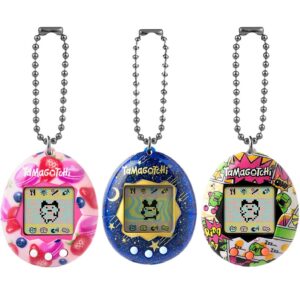
Tamagotchi
The iconic virtual pet relies heavily on emotional bonding. Users care for their Tamagotchi by feeding, playing with, and nurturing it. Neglect results in visible sadness or even the “death” of the character, creating a powerful sense of responsibility.

Duolingo’s Owl (Duo)
The green owl mascot of Duolingo is a prime example of a character that elicits emotional responses. Duo encourages users to stay consistent with their language practice, offering positive reinforcement for progress and gentle reminders for missed sessions. Its friendly design and playful tone make users feel accountable.

Nintendo’s Pikachu
Pikachu from the Pokémon franchise exemplifies emotional bonding through its relatable, expressive behaviors. Users grow attached to its reactions, loyalty, and evolution, which mirrors the user’s journey in the game.
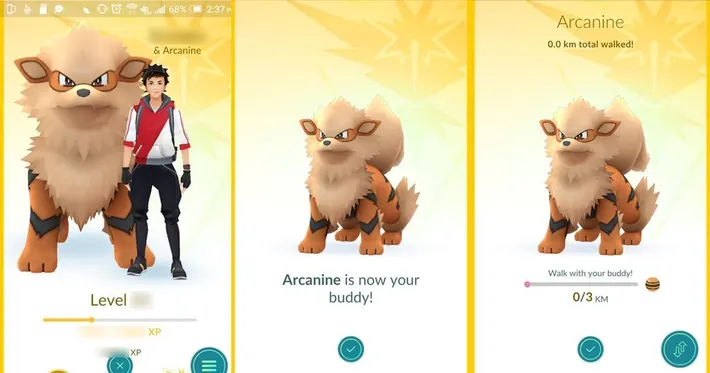
Fitness Game Mascots (e.g., Pokémon GO’s Buddy System)
In Pokémon GO, players can select a Pokémon buddy to walk with them. The buddy reacts to progress, such as gaining affection when fed or earning rewards for distance traveled, creating a sense of companionship.
How Does This Relate to Gamified Strength Training Apps?
In a gamified strength training app, the mascot or virtual character could serve as both a motivator and a representation of the user’s progress. For example:
- Encouragement and Feedback: The character could cheer users on during challenging workouts or express joy when goals are met.
- Accountability: A mascot that grows stronger, happier, or evolves as the user adheres to their fitness program could reinforce the commitment to consistent training.
- Gamification Mechanics: The character might fight battles, level up, or unlock new abilities as the user progresses, blending fitness with a sense of adventure.
An emotional bond with the character could transform fitness tracking from a chore into an enjoyable and immersive experience.
Conclusion
Creating an emotional bond between users and virtual characters in fitness apps requires a thoughtful combination of visual design, personality, interactivity, and progression. When done effectively, these characters can motivate, engage, and retain users by transforming fitness into a shared journey with a trusted companion. As gamified strength training apps evolve, leveraging emotionally resonant mascots could be a game-changing strategy to foster user commitment and enjoyment.
Sources:
Reeves, B., & Nass, C. (1996). The Media Equation: How People Treat Computers, Television, and New Media Like Real People and Places. Cambridge University Press.
Gee, J. P. (2003). What Video Games Have to Teach Us About Learning and Literacy. Palgrave Macmillan.

guter post
WELL DONE