1.6. Breaking Barriers: Accessibility in Museums

Museums worldwide are reimagining how they serve their diverse audiences by prioritizing accessibility. By embracing innovative strategies and tools, these cultural institutions aim to create inclusive experiences for all visitors, regardless of physical, sensory, or cognitive abilities. Accessibility efforts range from digital tools to tactile engagement and universal design principles, setting new standards for inclusivity in the cultural sector.

Universal Design and Feedback

Universal Design (UD) principles, which aim to accommodate the broadest range of users, underscore the importance of accessibility from the ground up. Equally important is leveraging visitor feedback to continually improve accessibility measures. As demonstrated by museums adopting systemic approaches to organizational change, accessibility is not just an addition but a core value [7][8].

Tactile Accessibility

Integrating tactile images and braille descriptions caters to visually impaired visitors, enriching their museum experience [2]. 

At The Met, the program “Seeing Through Drawing” invites blind and partially sighted visitors to engage with artworks through touch and guided drawing exercises. This innovative approach fosters a deeper connection to the art, combining sensory exploration with creative expression [9].

Visual Accessibility

Deaf culture inclusion is another critical focus. Leading museums have embraced year-round initiatives like American Sign Language (ASL) tours and partnerships with Deaf communities to enhance accessibility [3]. Sign language tours and captioned videos are examples of how museums create a more inclusive experience for visitors with hearing impairments.

The Rijksmuseum offers a Family Tour in International Sign for families with deaf children or parents, providing an interactive exploration of Dutch art and history. The tour includes hands-on activities like drawing and modeling. [10]

Linguistic Accessibility

Providing multilingual materials and offering live translations or captions can ensure that non-native speakers and those with hearing impairments can fully engage with exhibits [1]. 

Accessibility for Neurodiverse Audiences

Innovative designs addressing neurodiverse audiences exemplify creative solutions. Quiet zones, sensory maps, and clear, readable fonts are small yet impactful changes that foster inclusivity [5][6]. By offering sensory-friendly events and thoughtfully designed exhibits, museums can create more welcoming environments for individuals with neurodiverse needs.

Digital Accessibility

Improving digital accessibility—such as creating user-friendly websites and interactive apps—ensures virtual engagement for remote or disabled visitors [4]. 

Conclusion

This aligns with global efforts to make cultural institutions inclusive, ensuring everyone can enjoy and learn from shared histories and stories. By adopting these strategies, museums not only enhance engagement but also affirm their role as welcoming spaces for all individuals, irrespective of their abilities.

References

[1] American Alliance of Museums, “4 Ideas to Create Linguistic Accessibility at Museums,” Apr. 28, 2023. [Online]. Available: https://www.aam-us.org/2023/04/28/4-ideas-to-create-linguistic-accessibility-at-museums/

[2] MuseumNext, “Tactile Images in Museums: Enhancing Accessibility and Engagement,” [Online]. Available: https://www.museumnext.com/article/tactile-images-in-museums-enhancing-accessibility-and-engagement/

[3] American Alliance of Museums, “Celebrating Deaf Culture: How 5 Leading Museums Approach Accessibility and ASL Year-Round,” May 17, 2024. [Online]. Available: https://www.aam-us.org/2024/05/17/celebrating-deaf-culture-how-5-leading-museums-approach-accessibility-and-asl-year-round/

[4] MuseumNext, “Improving Digital Accessibility for Museum Visitors,” [Online]. Available: https://www.museumnext.com/article/improving-digital-accessibility-for-museum-visitors/

[5] MuseumNext, “How Can Museums Increase Accessibility for Neurodiverse Audiences?,” [Online]. Available: https://www.museumnext.com/article/how-can-museums-increase-accessibility-for-neurodiverse-audiences/

[6] MuseumNext, “How Can Museums Increase Accessibility for Dyslexic Visitors?,” [Online]. Available: https://www.museumnext.com/article/how-can-museums-increase-accessibility-for-dyslexic-visitors/

[7] American Alliance of Museums, “Tips for Creating Accessible Museums: Universal Design and Universal Design for Learning,” Nov. 27, 2023. [Online]. Available: https://www.aam-us.org/2023/11/27/tips-for-creating-accessible-museums-universal-design-and-universal-design-for-learning/

[8] M. C. Ciaccheri, “Museum Accessibility by Design: A Systemic Approach to Organizational Change,” Medium, [Online]. Available: https://medium.com/@mchiara.ciaccheri/museum-accessibility-by-design-a-systemic-approach-to-organizational-change-f47f7b23105b [

9] The Metropolitan Museum of Art, “Accessibility at The Met,” [Online]. Available: https://www.metmuseum.org/learn/accessibility

[10] Rijksmuseum, “Accessibility,” [Online]. Available: https://www.rijksmuseum.nl/en/whats-on?filter=accessibility

03. The Return of The Tamagotchi

Or as I like to call it: topic pivot.

Tamagotchis, the virtual pets dangling off the keychains of all children, and young adults, and even adults in the 90’s and early aughts, were unassailable in their availability. And, perhaps puzzlingly, in their appeal. Those were pets who could barely interact with you, who died due to some cruel trick of their design, or who necessitated enough care that you’d have to pawn them off on someone else to take care of if you were going to be away for their routine feeding, just to keep them alive.

The reason I was reminded of this topic, is because of the influx of productivity and wellness apps, sprouted from the fertile (and oversaturated) soil of the mobile application landscape, which follow a similar principle of the tamagotchi: ever tried to keep hydrated by periodically watering a cute plant (https://apps.apple.com/us/app/plant-nanny-cute-water-tracker/id1424178757?correlationId=c8e80d94-93f8-4604-9c2b-d513332f745d), or trying to stay off your phone in order to maximize productivity by nursing an egg that wouldn’t hatch if you happened to check your phone (https://gethatch.app)? Luke Dormehl of digitaltrends.com makes the bold claim that the tamagotchi is actually that, which preceded the advent of the mobile phone; a device, which you carry around in your pocket, which notifies you constantly and demands you take time off your day to attend to it? By getting daily pings and reminders from those adorable little animated wellness-app characters, you’ve inevitably sucked yourself into the same void that consumed the pioneering Japanese businessmen, who cancelled meetings in order to feed their beloved digital pets, lest they die in their brief absence. (https://www.mentalfloss.com/article/642373/tamagotchi-history)

Whereas before the tamagotchi was the beloved pet which served no function other than to be born, procreate and die a digital death (of old age or neglect), now the thing being taken care of is not only the avatar, but vicariously through it, the “player” themself. Truly a symbiotic relationship. 

It doesn’t only stop with wellness, however.

Knitwear company Sheep Inc. pride themselves on their humane handling of merino sheep and their sustainable sweater production line. (https://sheepinc.com/pages/about-us). They are not only transparent about the chemical process of their sweater production, but also are invested in keeping their products wearable for years to come, with a “sweater clinic” they’ve set up for repair of their garmens. ( https://sheepinc.com/pages/the-knit-clinic). The buyer of the garments also gets to name the “sheep that produced the wool for their sweater” with the website even providing a tamagotchi-style game with an avatar of the sheep which lets them interact with it. (https://youtu.be/uq4Vi8PyBFM?t=1758) Adorable! But what would spur them on to make such a decision? 

It is a cool extra, but they could’ve easily stayed within the bounds of what is expected of sustainability reports – lie about the CO2 emissions you’ve offset to prove that your product is a net neutral to the environment, or, better yet, buy a Renewable Energy Certificate (REC) and wash your hands of the entire headache. (https://www.theverge.com/2023/10/3/23901236/apple-carbon-neutral-watch-report-supply-chain-emissions-transparency)  

And yet, in a bid for strengthening the idea in their consumers’ minds that they care and that you should care about where your wool comes from, they topped of the entire purchasing experience from them with a pixelated avatar of a sheep.

Do digital characters you get to take care of lessen the sting of picking up a new habit like the sugar that goes down with the pill? And if you didn’t care about sustainable wool production and knitwear made to last, would briefly interacting with a digital sheep really endear you to the cause? 

(As an aside: I am inclined to cast aspersions on how truly environmentally friendly Sheep Inc. could be, given the prevalence of AI-generated art on their webpage. AI-generated content is a useless sink of unfathomable amounts of resources (https://news.mit.edu/2025/explained-generative-ai-environmental-impact-0117) and I am waiting with baited breath for the popping of that particular bubble. But I digress.)

There is lot to be investigated psychologically as well as technologically around the idea of curating a mobile experience solely dedicated to impacting social and personal change via an avatar which serves as the catalyst for a process in which you not only nurture but are the one being nurtured. In which a digital sheep can inspire feelings of affection not only for it, but also for the idea of the well-being of animals.

Budget einer Kurzfilmproduktion und wie gespart werden kann

Ein Mittel, schneller und effizienter Shots für einen Film zu sammeln, sind sogenannte „Skeleton Crews“. Diese werden schon seit Jahren in Hollywood eingesetzt, aber meistens als 2nd Unit oder Ergänzungsdrehs. In diesem Blogpost beleuchten wir, wie diese Teams Kosten sparen, produktiv arbeiten und dennoch beeindruckende Ergebnisse liefern. Dabei ziehen wir einen Vergleich zwischen einer herkömmlichen Kurzfilmproduktion und einer Produktion mit Skeleton Crew.


Kostenaufstellung einer traditionellen Kurzfilmproduktion

Eine typische Kurzfilmproduktion mit einem Budget von 50.000 Euro könnte wie folgt aufgeteilt sein:

PositionKostenanteil (traditionelle Produktion)Kosten (€)
Schauspieler (Hauptrollen)15%7.500
Regie20%8.000
Kamerateam15%7.500
Beleuchtung15%7.500
Ton8%4.000
Kostüm & Maske7%3.000
Drehorte & Setdesign15%7.500
VFX5%2.500
Sonstiges (Transport, Catering, etc.)5%2.500
Gesamtkosten100%50.000

Diese Kosten basieren auf Schätzungen und der Aufteilung typischer Kurzfilm-Budgets.

Wie eine Skeleton Crew Kosten spart

Eine Skeleton Crew – bestehend aus maximal 6–10 Personen – reduziert die Kosten durch effizientere Arbeitsmethoden und den Einsatz moderner Technologien. Gespart wird beim Kamerateam, Beleuchtung, Setdesign und Regie (1st, 2nd AD). Auch bei Transport und Catering wird viel gepart.

Technologien, die kleine Teams effizienter machen

  1. LED-Beleuchtung und kleiner Kamera Rigs
    Skeleton Crews setzen auf leichte LED-Lichtsysteme und handliche Kamera Rigs
  2. Natürliche Drehorte statt Studioaufnahmen
    Kleine Crews nutzen oft reale Schauplätze, um die Kosten für Studio-Sets zu sparen. Natürliche Schauplätze bieten authentische Ästhetik, ohne aufwendige Konstruktionen
  3. AI-unterstützte VFX und Bearbeitung
    AI schreitet schnell voran und verschnellert Workflows die sonst Tage gedauert haben. Rotoscoping geht nun oft in Minuten, was sonst mehrere Stunden gedauert hat.

Beispiele von Skeleton Crews wären z.B. nicht die neue Star Wars Serie die Super geflopped ist, sonder wie bereits oft in meinen Blogposts erwähnt, „The Creator“. Auch Teile von Herr der Ringe wurden mit kleiner Crew in den Bergen von Neuseeland gedreht,

Fazit: Effizienz und Kreativität

Die Reduzierung der Crewgröße bietet nicht nur eine deutliche Kosteneinsparung, sondern auch Vorteile wie höhere Flexibilität, schnellere Entscheidungsprozesse und eine engere Zusammenarbeit zwischen Teammitgliedern. Wie in meinem vorherigen Blogpost erwähnt, muss dafür eine gute Gruppendynamik herrschen. Für Kurzfilmproduktionen eröffnet dies völlig neue Möglichkeiten. Es können flexiblere Entscheidungen getroffen werden und der Umweltfußabdruck bleibt auch Kleiner.

Quellen:

Be a Star Productions. (n.d.). Ein umfassender Guide zu den Kosten einer Filmproduktion. Abgerufen am 20. Januar 2025 von https://www.be-a-star-productions.de/blog/ein-umfassender-guide-zu-den-kosten-einer-filmproduktion

Kroll, N. (n.d.). Tip of the Day: Making a Skeleton Crew Work for You. Abgerufen am 20. Januar 2025 von https://noamkroll.com/tip-of-the-day-making-a-skeleton-crew-work-for-you/

Gareth, Franklin (2023). The Creator director talks his film’s budget. Abgerufen am 20. Januar 2025 von https://www.darkhorizons.com/the-creator-director-talks-his-films-budget/

Comparing 1980s Gucci and Dior Advertisements to Mainstream Media of the Era

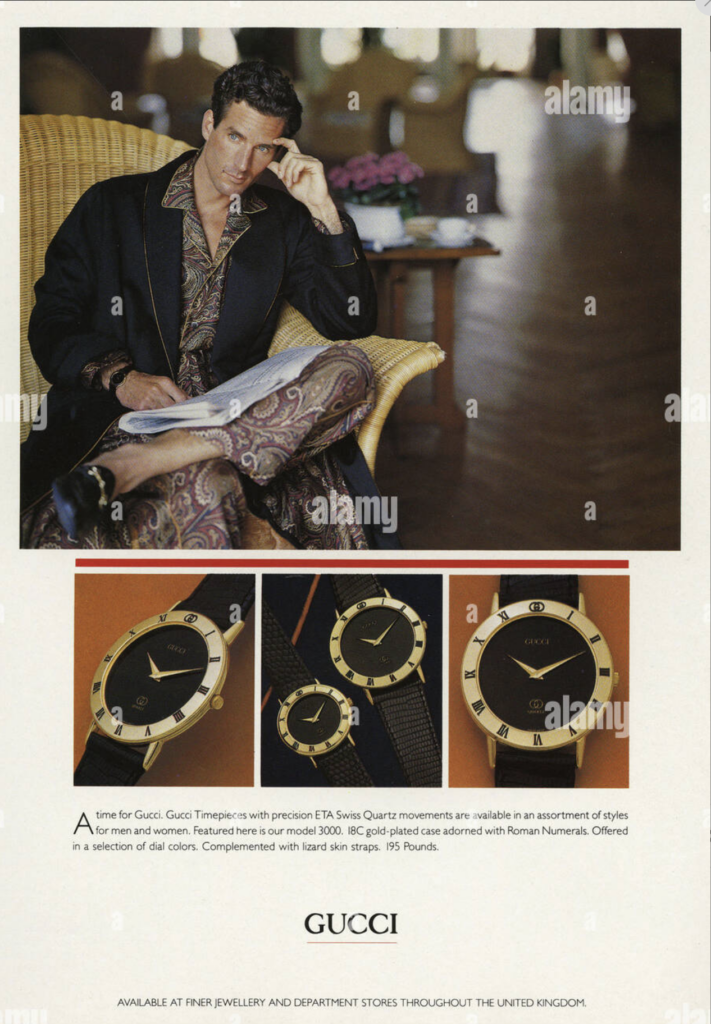
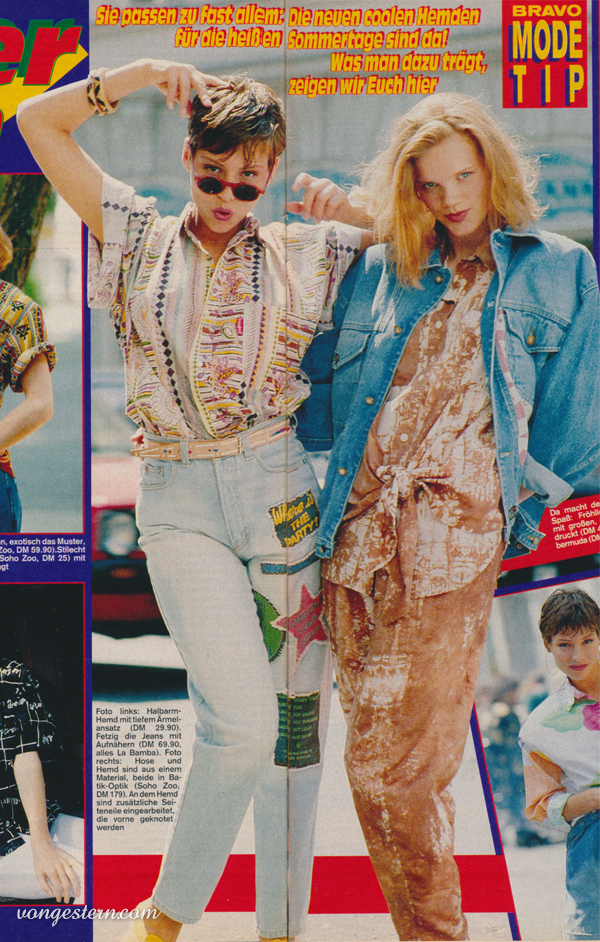
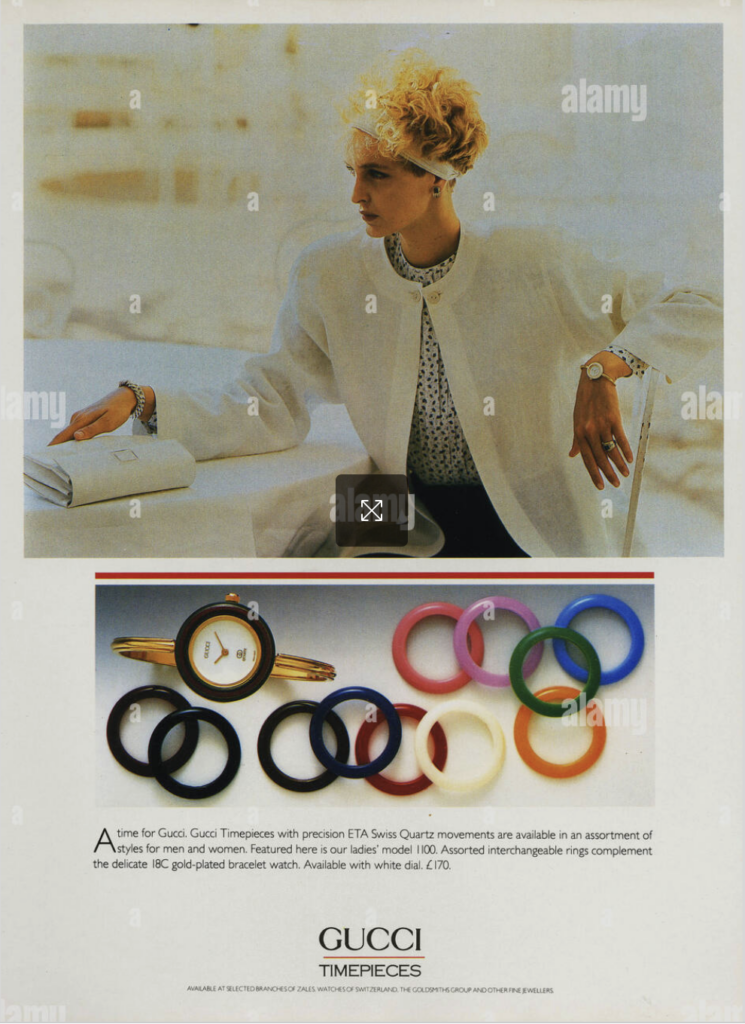
The 1980s was a defining decade in advertising, with luxury brands like Gucci and Dior carving out a distinct identity that set them apart from mainstream media. While the era’s advertisements across industries often embraced bold visuals and consumerist appeal, Gucci and Dior introduced an elevated, aspirational aesthetic that aligned with their status as luxury brands. Here’s a breakdown of how their advertising compared to the mainstream media of the time.

1980s UK Gucci Magazine Adverts

Gucci and Dior’s 1980s campaigns leaned heavily on elegance and sophistication. Their visuals often featured minimalist backgrounds, carefully posed models, and a focus on high-fashion clothing or accessories. For example Dior’s ads often showcased opulent gowns, dramatic lighting, and a sense of unattainable glamour.

Their ads weren’t just about selling products; they sold a dream of luxury, sophistication, and success. They were subtle in messaging, often letting the imagery do the talking. These brands targeted wealthy and aspirational customers, emphasizing exclusivity and a refined lifestyle.

These brands often stayed above trends to maintain their timeless appeal. They were less concerned with reflecting everyday culture and more focused on creating a sense of timelessness and aspiration. Their campaigns had a global appeal but often avoided explicit references to pop culture. But the exception proves the rule: in keeping with the bold, bright and vivid vibe of the 1980s, Christian Dior introduced their Haute Couleur lipsticks. 

Christian Dior Lipstick – Vogue, June 1987

Mainstream Media in the 1980s

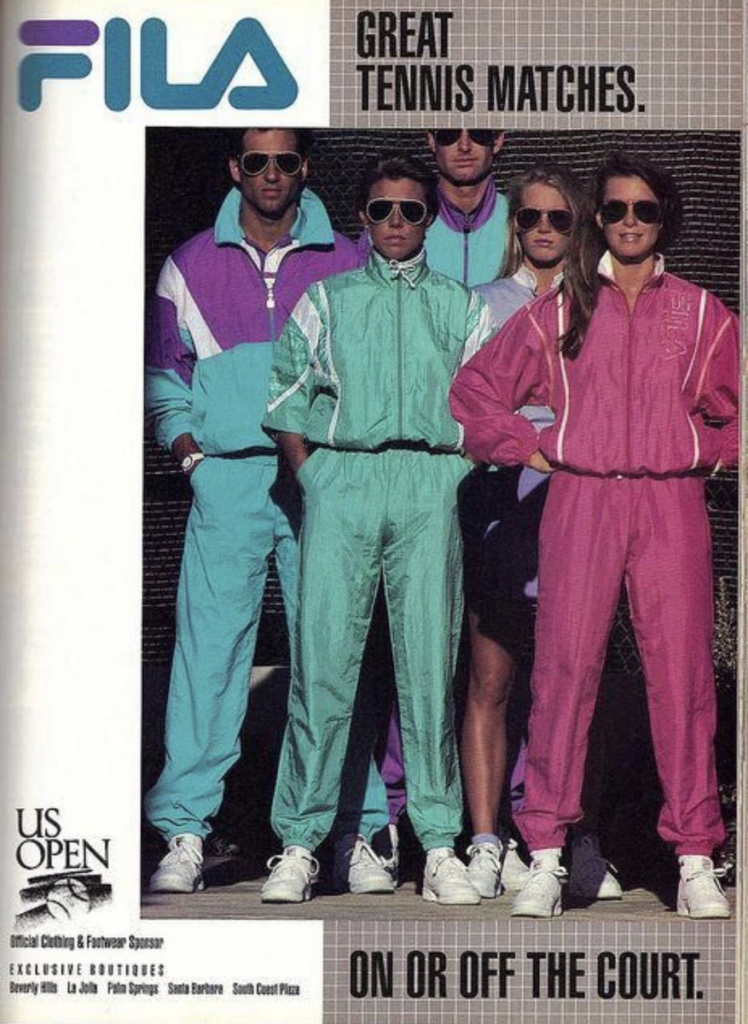
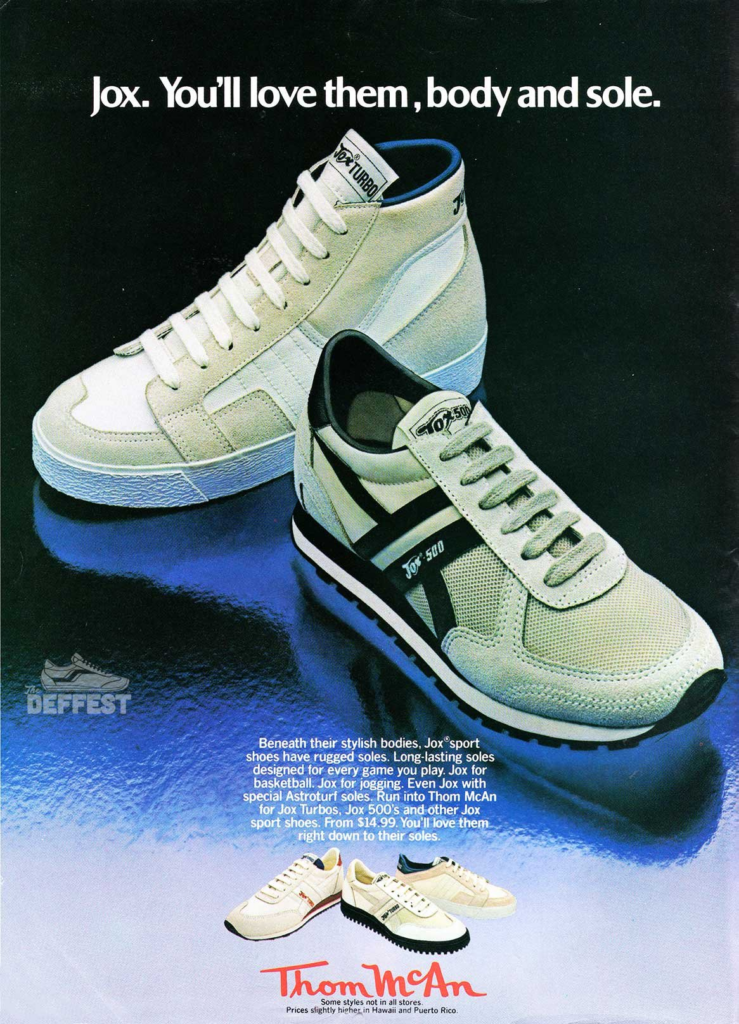
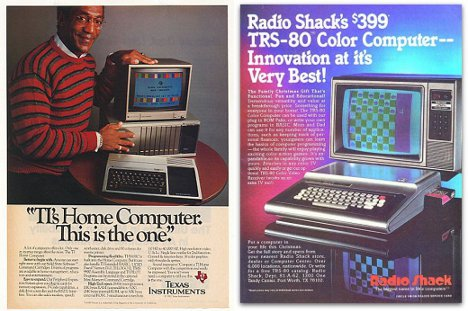
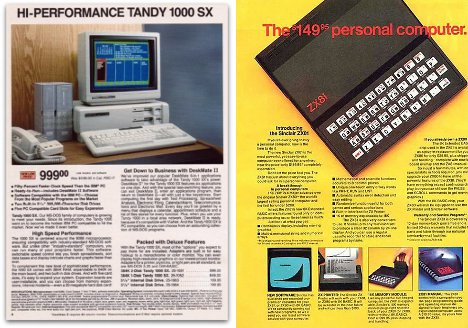
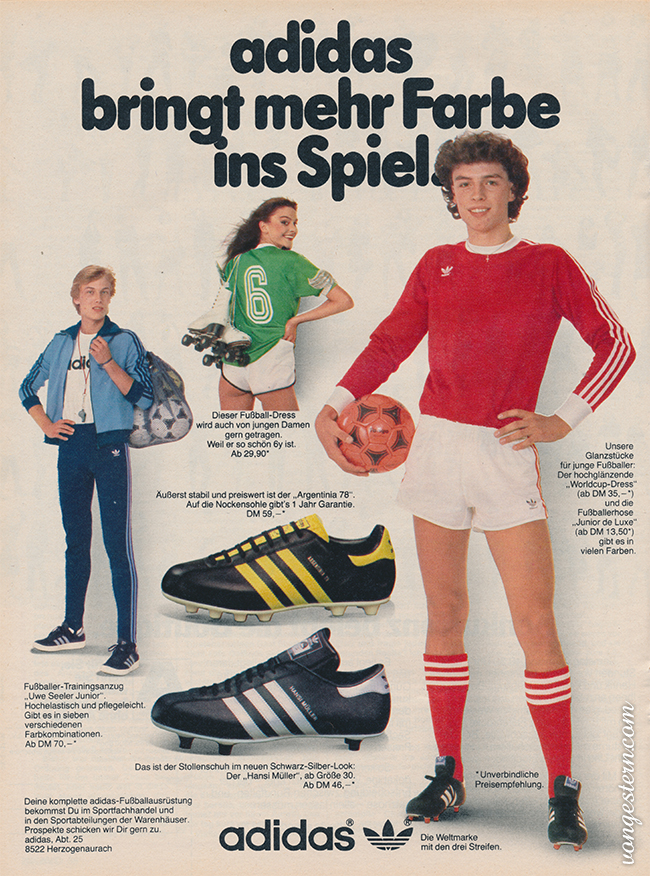
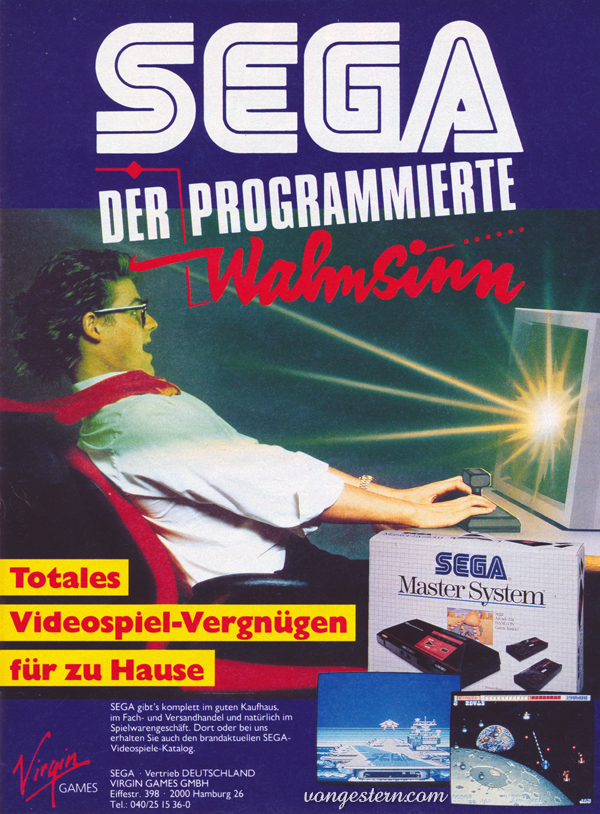
Advertising outside the luxury sector, such as for consumer goods or technology, was characterized by loud, colorful designs. Think neon palettes, bold typography, and exaggerated depictions of happiness or excitement. Commercials and print ads for products like soda, electronics, and fast food relied on high-energy imagery and dynamic poses to capture attention quickly.

Mainstream advertisements targeted middle-class consumers and often had a broader, more inclusive appeal. These ads focused on relatable scenarios, humor, and high-energy messaging to resonate with a wide audience. For example:

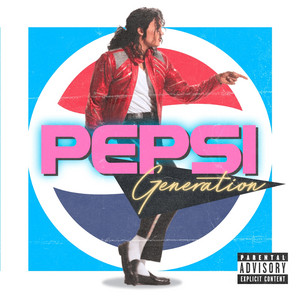
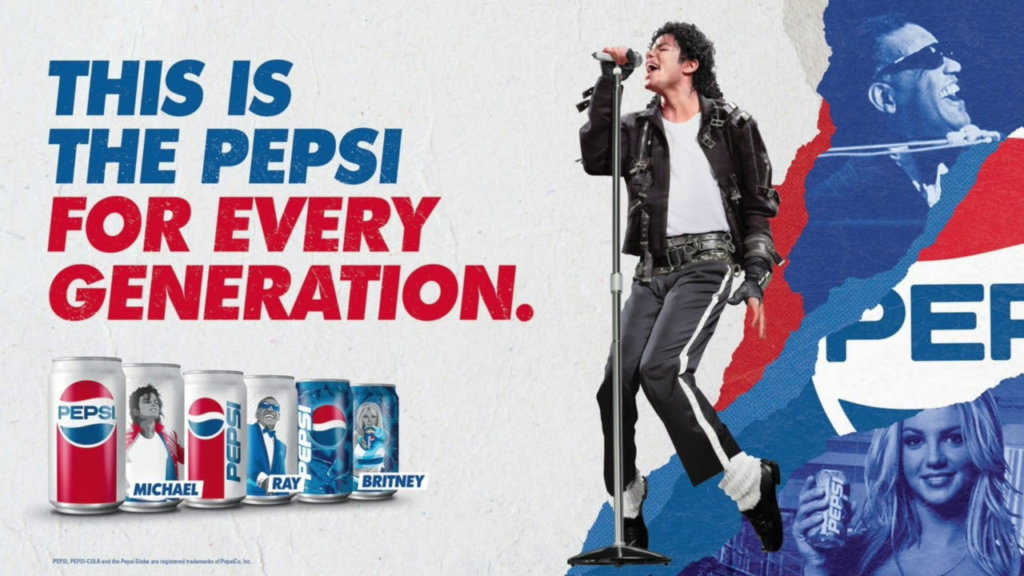
The campaign of the “Pepsi Generation” with Micheal Jackson was vibrant, youth-focused, and centered on universal emotions like happiness and connection.

In contrast to Dior and Gucci, mainstream ads heavily incorporated cultural trends and icons of the 1980s, including:

  • Celebrity endorsements (e.g., Michael Jackson for Pepsi).
  • Pop culture aesthetics like neon colors, big hair, and aerobics culture.
  • A focus on technology, reflecting the boom in personal computers, gaming consoles, and other consumer electronics.

Conclusion: Luxury vs. Mass Appeal

The 1980s advertising landscape saw a clear distinction between luxury brands like Gucci and Dior and mainstream media. While Gucci and Dior prioritized exclusivity, minimalism, and timeless elegance, mainstream advertising embraced vibrant, fast-paced messaging to connect with the everyday consumer. Both approaches were successful in their own ways, with luxury brands reinforcing their elite image and mainstream media leveraging cultural trends to reach a broad audience.

This comparison highlights how advertising is tailored to its target audience and purpose, whether it’s to inspire aspiration or to sell accessibility. Today, the fusion of these approaches—combining luxury’s storytelling with mainstream’s cultural relevance—can be seen in many brands bridging the gap between exclusivity and relatability.

Resources

09 Educating and Empowering Users: Privacy Beyond Settings

Introduction

Privacy tools and settings are only part of the solution. True empowerment comes when users understand their digital footprints and feel confident managing them. This post focuses on how education and design can work together to make privacy accessible, building trust and encouraging better digital habits. These insights are key to shaping my proposed solutions.

Why Education is Essential

Privacy issues are often complex, and many users feel overwhelmed or unaware of their choices. Example: A survey by Pew Research Center found that nearly 45% of users don’t fully understand how their data is collected or used online. Without education, even the best tools or settings can go unused. Education bridges the gap between awareness and action, giving users the confidence to take control of their data.

Strategies to Educate and Empower

  1. Visual Explanations: Use infographics, videos, or step-by-step guides to simplify privacy concepts. Example: A short animation explaining what cookies are and how to manage them effectively.
  2. Gamification: Encourage users to engage with privacy education through interactive challenges. Example: A quiz-style game where users learn to identify risky behaviors or optimize their privacy settings.
  3. Embedded Guidance: Integrate tips and tutorials directly into platforms. Example: A pop-up tip explaining how to adjust data-sharing preferences when a user sets up a new app.
  4. Feedback Mechanisms: Let users see the impact of their actions. Example: A dashboard showing how many tracking cookies have been blocked or deleted after activating a privacy tool.
Cookie banners and pop ups should have clearer and more explicitly explained information

How can design and education work together to empower users in managing their digital footprints?

  • What educational tools or techniques are most effective for teaching privacy concepts?
  • How can platforms encourage proactive behavior without overwhelming users?

Design Implications for User Education

  1. Clarity and Simplicity: Educational content should avoid jargon and focus on actionable advice. Example: Using plain language like “This setting stops apps from tracking your location” instead of legal terminology.
  2. Interactive Elements: Users are more likely to retain information through hands-on interaction. Example: An interactive tutorial that guides users through their privacy settings step-by-step.
  3. Personalization: Tailor educational content to user needs. Example: For casual users, focus on the basics; for tech-savvy users, provide advanced privacy tips.
Introducing a “Privacy Setup” as part of the relevant steps when onboarding on different apps

Challenges in Privacy Education

  1. Low Engagement: Users often skip educational content because they find it boring or unnecessary.
  2. Complexity of Concepts: Explaining technical topics like data encryption or cookies in simple terms is challenging.
  3. Skepticism: Some users may distrust educational efforts if they perceive them as self-serving or overly complicated.

Tying It to the Proposed Solutions

The idea of embedding education into digital tools aligns directly with the proposed scrubbing tool. For example, the tool could feature a built-in tutorial explaining what happens when personal data is shared online and how removing it impacts privacy. Similarly, the privacy framework could include guidelines for platforms to provide educational prompts during key interactions, such as account setup or when sharing sensitive information.

Level Up Your Gains: The Limitations and Challenges of Sport Gamification

Gamification has gained popularity in fitness and sports, with its promise to make physical activities engaging and enjoyable. By incorporating game-like elements such as points, badges, leaderboards, and virtual rewards, fitness apps and programs aim to enhance motivation and adherence. However, despite its benefits, gamification in sports is not without challenges and potential drawbacks. This blog post delves into the scientific criticisms of sport gamification, exploring its limitations and why it may not be a one-size-fits-all solution.


1. Overemphasis on Extrinsic Motivation

Gamification often relies on external rewards to motivate users. While this can be effective in the short term, research shows that excessive reliance on extrinsic motivation can undermine intrinsic motivation—the inner drive to engage in an activity for its inherent enjoyment or satisfaction. According to Deci and Ryan’s Self-Determination Theory (1985), intrinsic motivation is critical for sustained behavior change. When gamification elements like points or badges are removed, users may lose interest in the activity altogether, as they never developed a deeper, personal connection to the activity itself.

For example, a study by Mekler et al. (2017) found that while leaderboards and badges initially increased engagement, they did not lead to improved intrinsic motivation. This suggests that gamified elements might create dependence on rewards rather than fostering genuine interest in the sport or fitness activity.


2. Risk of Burnout and Overtraining

Gamification often encourages users to push their limits to achieve higher scores, climb leaderboards, or unlock rewards. While this competitive element can be motivating for some, it may lead to overtraining or burnout for others, particularly those who are already predisposed to obsessive behavior.

A study by Schüll (2012) on the psychology of gamification found that gamified systems can foster compulsive behaviors, where individuals prioritize achieving rewards over listening to their body’s needs. This poses a risk of injury or long-term disengagement from physical activity due to exhaustion or frustration.


3. One-Size-Fits-All Design

Most gamified fitness apps use generic game mechanics, such as awarding points for completing a workout or setting universal goals for all users. However, physical fitness is highly individual, influenced by factors such as age, fitness level, health conditions, and personal preferences. A one-size-fits-all approach fails to accommodate these differences, potentially alienating users who feel that the gamification system is either too easy, too difficult, or simply irrelevant to their goals.

Hamari et al. (2014) emphasize that personalization is a critical but often overlooked aspect of gamification. Without adaptive systems that cater to individual user needs, gamified fitness tools may fail to provide long-term value or engagement.


4. Potential for Negative Emotional Impact

While gamification is designed to motivate, it can also have unintended emotional consequences. For instance, users who consistently perform poorly on leaderboards or fail to achieve gamified goals may experience feelings of frustration, inadequacy, or even shame. This negative feedback loop can discourage users, especially those who are already struggling with self-esteem issues related to their physical fitness.

A study by Sailer et al. (2017) found that competitive elements like leaderboards are effective for highly competitive individuals but can have the opposite effect on those who are less competitive or who compare themselves unfavorably to others. This suggests that gamification may not be universally motivating and could even be detrimental to certain users.


5. Over-Simplification of Fitness

Gamified fitness systems often reduce complex physical and psychological processes into simple metrics like steps, calories, or workout streaks. While these metrics are easy to track and gamify, they do not capture the holistic nature of fitness, which includes mental well-being, flexibility, and proper recovery.

For instance, tracking steps or calories burned may overlook the importance of strength training, mobility work, or mindfulness practices. This reductionist approach can lead to an incomplete understanding of health and fitness, potentially steering users away from a well-rounded regimen.


6. Social Pressure and Privacy Concerns

Many gamified systems incorporate social elements, such as sharing progress on social media or competing with friends. While this can be motivating for some, it may create undue social pressure for others. Users may feel obligated to maintain a certain image or compete at a level that does not align with their true goals or capabilities.

Moreover, gamified apps often collect and share user data to facilitate these social interactions, raising privacy concerns. A report by Whitson (2013) highlighted how gamification systems often prioritize data collection for marketing purposes, potentially compromising user trust.


Conclusion: A Double-Edged Sword

While gamification has the potential to make sports and fitness more engaging, its limitations must be carefully considered. Overemphasis on extrinsic rewards, the risk of burnout, lack of personalization, and potential negative emotional impacts highlight the challenges of designing effective gamified systems. For gamification to truly benefit users, it must be implemented thoughtfully, with a focus on fostering intrinsic motivation, adaptability, and a holistic understanding of fitness.

Gamified systems should be seen as tools to enhance, rather than replace, the inherent joy and fulfillment that come from physical activity. As gamification continues to evolve, addressing these limitations will be key to creating systems that are not only engaging but also sustainable and inclusive.

References:
1. Deci, E. L., & Ryan, R. M. (1985). Intrinsic Motivation and Self-Determination in Human Behavior. Springer Science & Business Media.

2. Mekler, E. D., Brühlmann, F., Opwis, K., & Tuch, A. N. (2017). “Towards understanding the effects of individual gamification elements on intrinsic motivation and performance.” Computers in Human Behavior, 71, 525-534.

3. Schüll, N. D. (2012). Addiction by Design: Machine Gambling in Las Vegas. Princeton University Press.

4. Hamari, J., Koivisto, J., & Sarsa, H. (2014). “Does gamification work? – A literature review of empirical studies on gamification.” Proceedings of the Annual Hawaii International Conference on System Sciences, 3025-3034.

5. Sailer, M., Hense, J., Mayr, S. K., & Mandl, H. (2017). “How gamification motivates: An experimental study of the effects of specific game design elements on psychological need satisfaction.” Computers in Human Behavior, 69, 371-380.

6. Whitson, J. R. (2013). “Gaming the quantified self.” Surveillance & Society, 11(1/2), 163-176.

#05 The Art and Science of Sound

Sound is more than a medium for communication—it’s a profound tool for conveying meaning, evoking emotions, and guiding interaction. Two critical concepts in this domain, Perception, Cognition and Action in Auditory Displays and Sonic Interaction Design (SID), illustrate the potential of sound to transform user experiences. Let’s dive into these fascinating dimensions and explore how they enrich interaction design.

Understanding Auditory Displays: Perception Meets Cognition

The world of sound is intricate, with perception playing a central role in translating acoustic signals into meaning. Chapter 4 of The Sonification Handbook emphasizes the interplay between low-level auditory dimensions (pitch, loudness, timbre) and higher-order cognitive processes.

1. Multidimensional Sound Mapping: Designers often map data variables to sound dimensions. For instance:
• Pitch represents stock price fluctuations.
• Loudness indicates proximity to thresholds.

2. Dimensional Interaction: These mappings aren’t always independent. For example, a rising pitch combined with falling loudness can distort perceptions, leading users to overestimate changes.

3. Temporal and Spatial Cues: Sound’s inherent temporal qualities make it ideal for monitoring processes and detecting anomalies. Spatialized sound, like binaural audio, enhances virtual environments by creating immersive experiences.

The Human Connection

What sets auditory displays apart is their alignment with human cognition:
Auditory Scene Analysis: Our brains can isolate sound streams (a melody amidst noise).
Action and Perception Loops: Interactive displays that let users modify sounds in real-time (tapping to control rhythm) leverage embodied cognition, connecting users’ actions to auditory feedback.

Sonic Interaction Design: Designing for Engagement

SID extends the principles of auditory perception into the realm of interaction. It focuses on creating systems where sound is an active, responsive participant in user interaction. This isn’t about adding sound arbitrarily; it’s about making sound integral to the product experience.

Core Concepts:

1. Closed-Loop Interaction: Users generate sound through actions, which then guide their behavior. Think of a rowing simulator where audio feedback helps athletes fine-tune their movements.

2. Multisensory Design: SID integrates sound with visual, tactile, and proprioceptive cues, ensuring a cohesive experience. For example, the iPod’s click wheel creates a pseudo-haptic illusion through auditory feedback.

3. Natural Sounds vs. Arbitrary Feedback: Research shows users prefer natural, intuitive sound interactions—like the “clickety-clack” of a spinning top model—over abstract sounds.

Aesthetic and Emotional Dimensions

Sound isn’t just functional; it’s deeply emotional:
Pleasantness and Annoyance: Sounds that align with user expectations can make interactions enjoyable, while poorly designed sounds risk irritation.
Emotional Resonance: Artifacts like the Blendie blender, which responds to vocal imitations, evoke playful and emotional responses, enhancing engagement.

Techniques for Sonic Innovation

Both frameworks underline the importance of crafting meaningful sonic interactions. Here’s how designers can apply these insights:

1. Leverage Auditory Feedback Loops:
Use real-time feedback to enhance tasks requiring precision. A surgical tool that changes pitch based on pressure can guide users intuitively.

2. Foster Emotional Connections:
Integrate sounds that mirror real-world actions or emotions. For example, soundscapes that reflect pouring water can make mundane interactions delightful.

3. Design for Multisensory Consistency:
Ensure that sound complements visual and tactile feedback. Synchronizing auditory and visual cues can improve user understanding and create a seamless experience.

The Future of Interaction Design with Sound

As technology evolves, sound’s role in interaction design will expand—from aiding navigation in virtual reality to enhancing everyday products with subtle, meaningful audio cues. By combining cognitive insights with creative sound design, we can craft experiences that are not only functional but also profoundly human.

Reference

T. Hermann, A. Hunt, and J. G. Neuhoff, Eds., The Sonification Handbook, 1st ed. Berlin, Germany: Logos Publishing House, 2011, 586 pp., ISBN: 978-3-8325-2819-5.

https://sonification.de/handbook

Sustainable Typography – Designing with Efficiency and Elegance

Introduction

Typography is a cornerstone of graphic design, shaping how audiences engage with written content. Beyond aesthetics, typography plays a significant role in sustainability. Choices about typeface, font size, spacing, and color can directly influence resource consumption in both digital and print media. This post explores the concept of sustainable typography and how designers can use type to reduce environmental impact while maintaining visual appeal.

The Environmental Impact of Typography

  1. Ink Consumption in Print
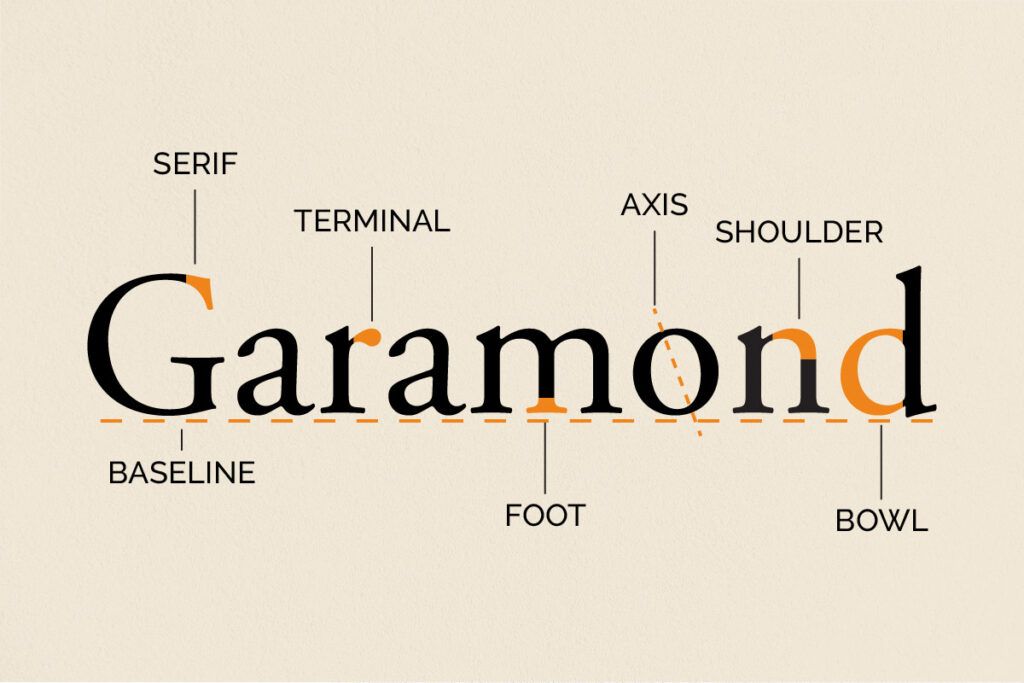
    Typeface selection significantly affects ink usage in printed materials. Fonts with heavier strokes require more ink, increasing production costs and environmental impact. For example, using a font like Garamond, which has thinner lines, can save up to 25% of ink compared to bolder fonts.
Garamond Font
  1. Energy Efficiency in Digital Media
    In digital design, typography affects the energy needed to render text on screens.
    • Font File Sizes: Simpler fonts load faster, reducing data transmission and energy use.
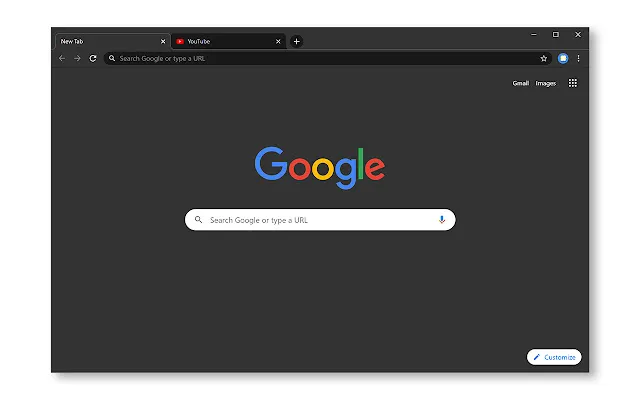
    • Display Energy: Light-colored text on dark backgrounds (dark mode) requires less energy on OLED screens, a feature that’s becoming increasingly popular.
Google’s dark mode
  1. Paper and Space Optimization
    Compact and legible typography can minimize the number of pages needed in print, conserving paper without compromising readability. Thoughtful adjustments in leading, kerning, and margins can lead to significant resource savings.

Best Practices for Sustainable Typography

  1. Choose Eco-Friendly Fonts
    Opt for fonts designed to reduce ink and energy consumption, such as Ryman Eco or Ecofont. These typefaces balance readability with sustainability, offering efficient alternatives for both print and digital projects.
  2. Limit Typeface Combinations
    Using multiple typefaces can increase the size of print files and web pages, leading to higher resource use. Stick to one or two well-chosen fonts to create cohesive, efficient designs.
  3. Adopt Variable Fonts
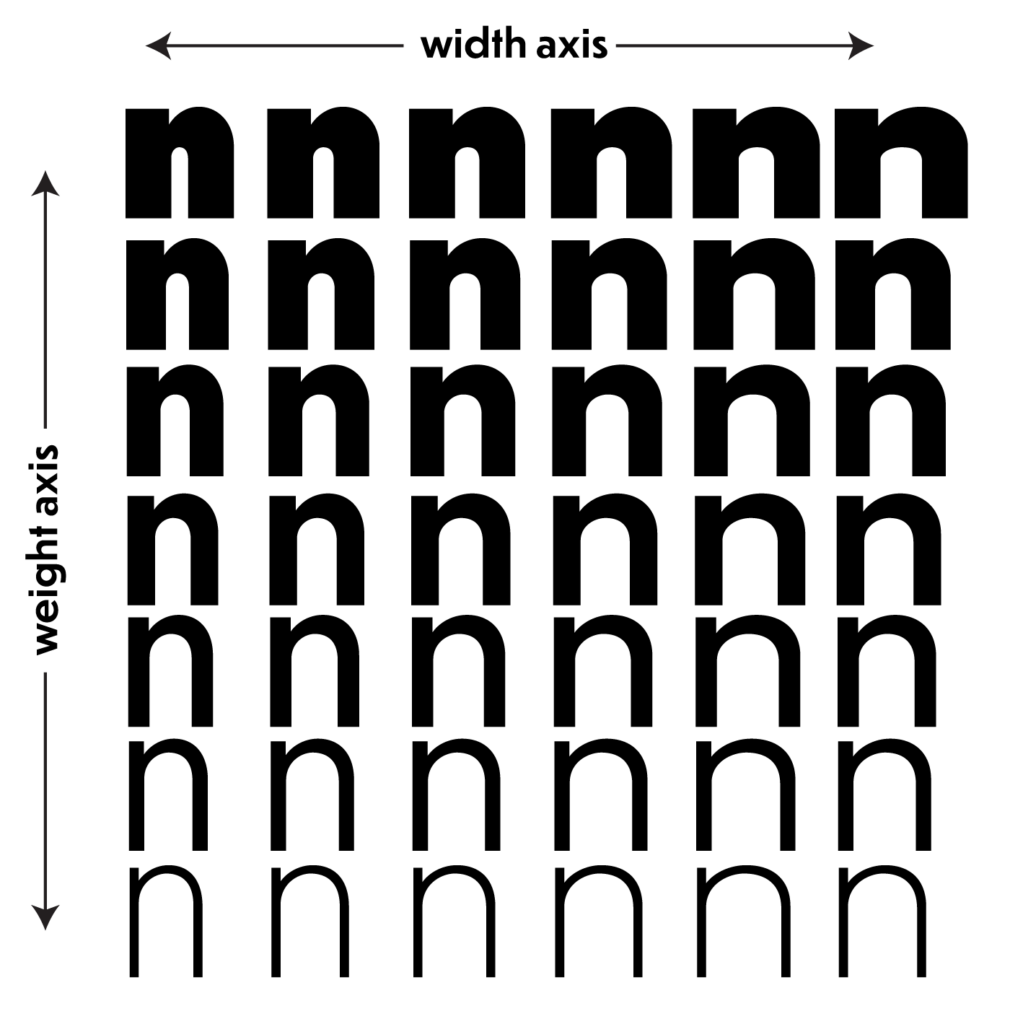
    Variable fonts, which adjust weights and styles dynamically, reduce the need for multiple font files. This saves digital storage space and speeds up website loading times.
Variable Font Letter
  1. Embrace Minimalism
    A minimalist approach to typography not only enhances visual clarity but also supports sustainability by reducing unnecessary elements.

Case Studies in Sustainable Typography

  1. Ecofont in Action
    Ecofont’s perforated letterforms use up to 50% less ink while maintaining legibility, making it a popular choice for sustainable printing.
  2. Dark Mode Typography
    Companies like Google and Apple have embraced dark mode UI designs, leveraging typography to reduce screen energy consumption on billions of devices worldwide.
  3. Compact Print Design
    Publications such as The Guardian have adopted compact layouts with sustainable fonts, significantly cutting down on paper use.

Sustainable typography demonstrates how small design decisions can lead to meaningful environmental benefits. By choosing fonts thoughtfully, optimizing layouts, and embracing digital innovations, designers can craft visually engaging work that aligns with eco-friendly values.

References

  • Dougherty, B. (2008). Green graphic design. Allworth Press.
  • McDonough, W., & Braungart, M. (2002). Cradle to cradle: Remaking the way we make things. North Point Press.
  • Jedlicka, W. (2011). Packaging sustainability: Tools, systems, and strategies for innovative package design. Wiley.

LS #10 The Sincerity of Feminism in Pop Culture

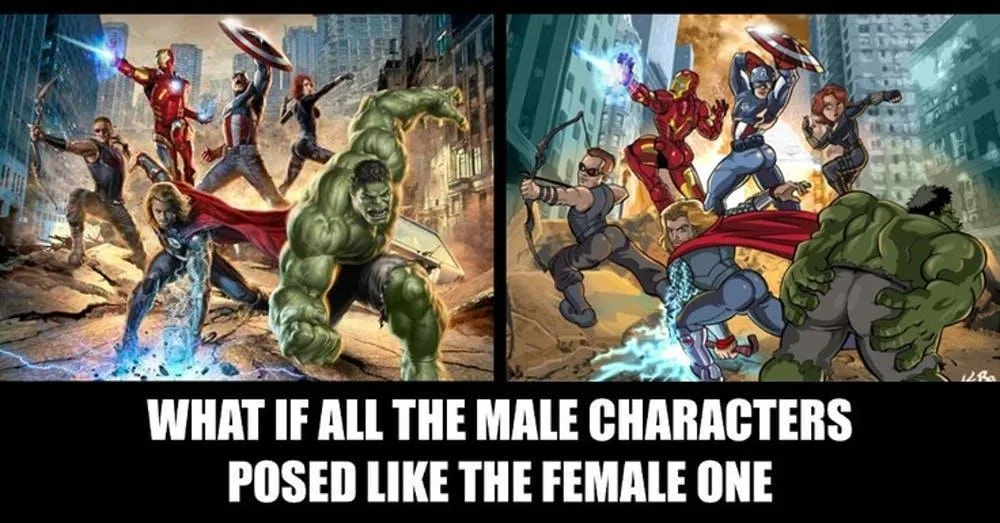
In this blog post, I want to explore the portrayal of feminism in pop culture, with a particular focus on how it is utilized within communication design and visual media. Specifically, I will look at the two major perspectives: the “Male Gaze” and the emerging concept of the “Female Gaze, which are also trending and often used in social media (twssmagazine, 2022).  Is the increasing presence of feminist themes in pop culture a genuine allyship or merely an opportunistic exploitation?

Pop Culture and Feminism

Pop culture has undeniably contributed to the visibility of feminist ideals. From blockbuster films featuring strong female protagonists to high-profile ad campaigns promoting women’s empowerment, feminism seems to have become a marketable trend. For instance, movies like Wonder Woman or campaigns such as Dove’s “Real Beauty” aim to celebrate women and challenge outdated norms (Danziger Halperin & Mellon, 2020). However, this visibility often comes with strings attached. The question remains: Are these portrayals genuine efforts to support gender equality, or are they commodifying feminism for profit?

Allyship: In its best form, pop culture can amplify feminist voices, educate audiences, and foster meaningful discussions. Campaigns that challenge stereotypes or highlight intersectional struggles contribute to a broader understanding of gender equality.

Exploitation: On the flip side, the co-opting of feminist themes without substance risks reducing a complex movement to a mere aesthetic. Terms like “femvertising” describe how companies use empowerment messaging to sell products without enacting meaningful change within their organizations or society at large and therefore uphold gender binaries (Le, 2022).

Decoding the Male Gaze in Visual Media

The “Male Gaze,” a term popularized by film theorist Laura Mulvey in 1975, refers to the depiction of women in media as objects of male desire (Sassatelli, 2011). This perspective dominates much of visual media, from advertising to movies, shaping how women are portrayed and perceived. In communication design, this manifests in ways such as:

  • Objectification: Women are often shown as passive, decorative figures meant to appeal to heterosexual male audiences (Vanbuskirk, 2022).
  • Fragmentation: Advertisements frequently isolate parts of a woman’s body, such as her legs or lips, reducing her to a collection of desirable features.
  • Narrative Control: Stories in visual media often prioritize male perspectives, with female characters serving as supporting roles rather than autonomous agents (Jackson, 2023).

A classic example is the portrayal of women in perfume ads, where they’re often shown in submissive or hypersexualized poses, reinforcing traditional gender roles. When women, men, girls, and boys consistently see women and girls portrayed in such narrow and sexualized ways, it inevitably shapes their expectations, influences cultural norms, and affects how they understand their own identities (Vanbuskirk, 2022).

The Emergence of the Female Gaze

In contrast, the “Female Gaze” aims to reclaim agency and portray women’s experiences authentically. This perspective is not merely a reversal of the Male Gaze but rather a shift towards empathetic and nuanced storytelling. (Forster, 2019) Key characteristics of the female gaze are:

  • Agency: Women are depicted as active participants with complex emotions and desires, rather than objects to be consumed.
  • Subjectivity: The focus is on how women experience the world, showcasing their perspective rather than how they are viewed by others.
  • Empowerment: Visuals often challenge traditional norms and celebrate diversity in gender expression and body types.

Examples of the Female Gaze can be seen in films like Portrait of a Lady on Fire, which prioritizes female subjectivity and intimacy, or in campaigns like Aerie’s “#AerieReal,” which features unretouched images of diverse models to promote body positivity (Scateni, 2020).

Though, one could argue that #AerieReal is also part of a femvertising campaign. But how can one differentiate?

Navigating the Line within Feminism in Communication Design

For communication designers, the challenge lies in creating visuals that genuinely support feminist ideals without falling into the trap of superficiality (Cook, 2016).

  1. Authenticity: Ensure that messaging aligns with meaningful actions. For example, if a company promotes gender equality in ads, it should also reflect that commitment internally through equal pay and diverse leadership (Alfaro-Ibáñez & Gallardo-Echenique, 2023).
  2. Intersectionality: Feminism is not one-size-fits-all. Campaigns should consider the experiences of women across different races, classes, sexualities, and abilities (Sobande, 2019).
  3. Avoiding Tropes: Challenge traditional stereotypes by portraying women in varied roles and narratives, moving beyond the binary of hypersexualized objects or virtuous caretakers.

Shifting the Gaze

As feminism continues to intersect with pop culture, its representation will remain a contentious issue. The concept of the Female Gaze is becoming a transformative force in challenging traditional norms. Inclusive and authentic advertising has the potential to reshape industry practices, offering a blueprint for meaningful allyship rather than superficial exploitation. While the commodification of feminist ideals is problematic, the potential to reach mass audiences and inspire change cannot be overlooked. By critically engaging with the Male Gaze and advocating for the Female Gaze, designers and creators can contribute to a more equitable and empowering media landscape (Rangles, 2023).

So, is feminism in pop culture allyship or exploitation? Maybe it’s both. The answer lies in our ability to differentiate between genuine efforts and hollow marketing—and to demand more from the media we consume and create.

Sources

Alfaro-Ibáñez, B., & Gallardo-Echenique, E. (2023). Femwashing or Femvertising? A Look at Advertising Authenticity. Atlantis Highlights in Social Sciences, Education and Humanities, 111–121. https://doi.org/10.2991/978-94-6463-254-5_12

Cook, E. (2016, April 10). 4 Femvertising Video Ads That Teach You How To Do It Right. Venture Videos; Venture. https://www.venturevideos.com/insight/femvertising

Danziger Halperin, A., & Mellon, A. W. (2020). Wonder Woman: Feminist Icon? | New-York Historical Society. Www.nyhistory.org. https://www.nyhistory.org/blogs/wonder-woman-feminist-icon

Forster, S. (2019, September 12). Yes, there’s such a thing as a “female gaze.” But it’s not what you think. Medium. https://medium.com/truly-social/yes-theres-such-a-thing-as-a-female-gaze-but-it-s-not-what-you-think-d27be6fc2fed

Jackson, L. M. (2023, July 14). The Invention of “the Male Gaze.” The New Yorker. https://www.newyorker.com/books/second-read/the-invention-of-the-male-gaze

Le, C. (2022, March 26). Femvertising: How Marketing Can Uphold the Gender Binary. The Quirky Pineapple Studio. https://thequirkypineapple.com/blog/2022/03/26/femvertising-how-marketing-can-uphold-the-gender-binary/

Mulvey, L. (1975). Visual Pleasure and Narrative Cinema. Screen, 16(3), 6–18.

Rangles, C. M. (2023). Female Gaze for Every Gaze. Google.com. https://www.google.com/url?sa=t&source=web&rct=j&opi=89978449&url=https://www.diva-portal.org/smash/get/diva2:1777975/FULLTEXT01.pdf&ved=2ahUKEwilqYfPnoeLAxVx-QIHHexuFxY4ChAWegQIExAB&usg=AOvVaw3qE4aSAfhUWI9YwqO9411f

Sassatelli, R. (2011). Interview with Laura Mulvey: Gender, Gaze and Technology in Film Culture. Theory, Culture & Society, 28(5), 123–143. https://journals.sagepub.com/doi/epdf/10.1177/0263276411398278

Scateni, R. (2020, February 26). How Portrait of a Lady on Fire celebrates the female gaze. BFI. https://www.bfi.org.uk/features/portrait-lady-fire-female-gaze

Sobande, F. (2019). Woke-washing: “intersectional” femvertising and branding “woke” bravery. European Journal of Marketing, 54(11), 2723–2745. https://doi.org/10.1108/ejm-02-2019-0134

twssmagazine. (2022, June 9). The Female Gaze: The Theory Behind the TikTok Trend. That’s What She Said. https://twssmagazine.com/2022/06/09/the-female-gaze-the-theory-behind-the-tiktok-trend/

Vanbuskirk, S. (2022, November 14). What Is the Male Gaze? Verywell Mind. https://www.verywellmind.com/what-is-the-male-gaze-5118422

Trump’s Ongoing Propaganda Playbook: Rallies, Social Media, and the Battle for Public Perception

In recent years, few personalities have been as polarising in American political theatre – or as effective in dominating the national conversation – as Donald J. Trump. From his first venture into presidential politics in 2015 to his previous term in office and subsequent campaigns, Trump has consistently employed propaganda techniques to reach and influence tens of millions. Whether through speeches at rallies or posts on social media platforms, his messaging strategy relies on repetition, stirring rhetoric, and a constant stream of polarising content. These tactics ensure that his messages are strengthened by supporters and remain unavoidable for his opponents.

At the core of Trump’s propaganda strategy is his ability to create a spectacle. Drawing large crowds isn’t just a way to measure his popularity; it also serves a psychological purpose. The sight of packed arenas gives the impression of power and ‘certainty.’ By filling venues to capacity, Trump can argue that public support for him is greater than what polls suggest, using the visual impact of these events to push back against negative media coverage. Supporters often describe these rallies as high-energy gatherings where a shared sense of identity is on full display. Chants, slogans, and the symbolic red hats become signs of belonging to a larger group. This creates a double effect: it motivates his base and, at the same time, ensures that these events dominate the news cycle, as the media rush to cover every controversial or provocative moment (Rakich, 2019). Trump’s approach to social media is just as calculated. Following controversy on established social platforms, he has looked for alternative networks that offer him more freedom to publish content without so many restrictions. Here he is capitalizing on a model of political communication that appeals directly to consumers and bypasses the traditional press. Researchers note that Trump’s online posts often mix patriotic appeals with targeted attacks on his opponents, blending declarative statements such as ‘America First’ or ‘Make America Great Again’ with accusations against political opponents, journalists or other perceived enemies (Internationales Forscherteam Analysiert 200 Millionen Social, n.d.). His contributions – short, emotional, and often aggressive – are very well received by his followers, who are conditioned to expect provocative content from him. One of the most well-known propaganda tactics in Trump’s toolbox is the ‘big lie,’ or the repetition of unproven allegations. During the 2020 and 2024 election cycles, he has repeatedly questioned the integrity of elections, claiming widespread voter fraud or wrongdoing despite no court-approved evidence. Psychologists call this technique the ‘illusory truth effect,’ in which repeated statements can appear true to the public over time, regardless of their veracity (Illusory Truth Effect  the Decision Lab, n.d.). Even when fact-checkers, courts or election officials contradict these claims, the persistence of the narrative can sow doubt in parts of the electorate. By the time official denials are leaked, the seeds have often taken root among the believers.

Trump’s campaign often uses scapegoating as a key strategy, blaming political opponents by calling them “radical leftists” or presenting immigrants and foreign nations as threats. This helps focus public anger on specific groups or issues. This approach works especially well during times of economic problems or social tension because fear makes people react quickly without thinking about other important topics. By turning complex problems into a simple “us versus them” idea, his campaign builds stronger support from his followers (Roberts, 2021). Critics, on the other hand, say this kind of talk makes the country even more divided.

Another big part of Trump’s strategy is the feedback loop he creates with conservative media. Things he says at rallies or on social media, like claims about “election fraud” or “Democratic corruption,” are quickly picked up by certain TV channels, radio shows, or websites. These platforms repeat his words and make them seem more believable to his supporters. When Trump is criticized by other media, he points to these friendly outlets as proof that he is right. This helps him control the story and keep his followers on his side. In this sense, Trump’s brand of propaganda isn’t just about spreading misinformation; it’s also about creating an emotional connection with voters who feel ignored or left out by more traditional politicians (The Trump-Fox Feedback Loop Is Powering an Assault on Democracy, 2020). 

Another important part of Trump’s strategy is how he handles his own controversies. When faced with scandals—whether personal, legal, or related to his policies—he often reframes them as “witch hunts” created by his political enemies. This tactic, which can be seen as a projection, turns accusations against him into part of a bigger conspiracy. By doing this, he encourages his supporters to see any criticism as proof that he’s fighting against powerful forces that want to stop him. This creates a repeating pattern where every new controversy fits neatly into his existing story of being unfairly targeted.

Overall, Trump’s campaign relies on several connected strategies to keep his supporters engaged and loyal. These include his large rallies, which feel more like community events than traditional political gatherings, and his polarizing social media posts, which are spread and supported by friendly media outlets. While his communication style may seem chaotic, he is meticulous about keeping his community happy. Some see this as a way to give a voice to ordinary people, while others see it as a way to twist public discussion and create division. Either way, his methods have a strong impact on how political debates in America are shaped. 

Sources: 

Rakich, N. (2019, September 5). Don’t Let Crowd Sizes Mislead You. FiveThirtyEight. https://fivethirtyeight.com/features/dont-let-crowd-sizes-mislead-you/

Internationales Forscherteam analysiert 200 Millionen Social. (n.d.-b). https://www.wiwi.uni-muenster.de/fakultaet/de/news/4890

Illusory truth effect – The Decision Lab. (n.d.). The Decision Lab. https://thedecisionlab.com/biases/illusory-truth-effect

Roberts, K. M. (2021). Populism and polarization in comparative perspective: constitutive, spatial and institutional dimensions. Government and Opposition57(4), 680–702. https://doi.org/10.1017/gov.2021.14

The Trump-Fox feedback loop is powering an assault on democracy. (2020, November 9). 

Media Matters for America. https://www.mediamatters.org/fox-news/trump-fox-feedback-loop-powering-assault-democracy