The 1980s was a defining decade in advertising, with luxury brands like Gucci and Dior carving out a distinct identity that set them apart from mainstream media. While the era’s advertisements across industries often embraced bold visuals and consumerist appeal, Gucci and Dior introduced an elevated, aspirational aesthetic that aligned with their status as luxury brands. Here’s a breakdown of how their advertising compared to the mainstream media of the time.
1980s UK Gucci Magazine Adverts
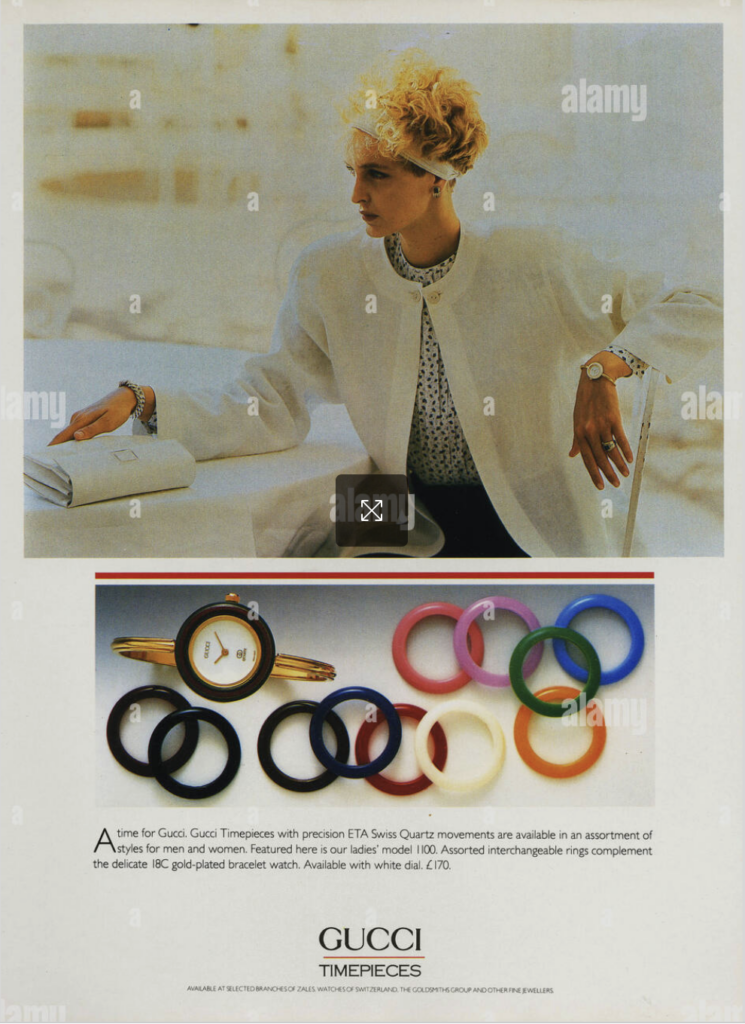
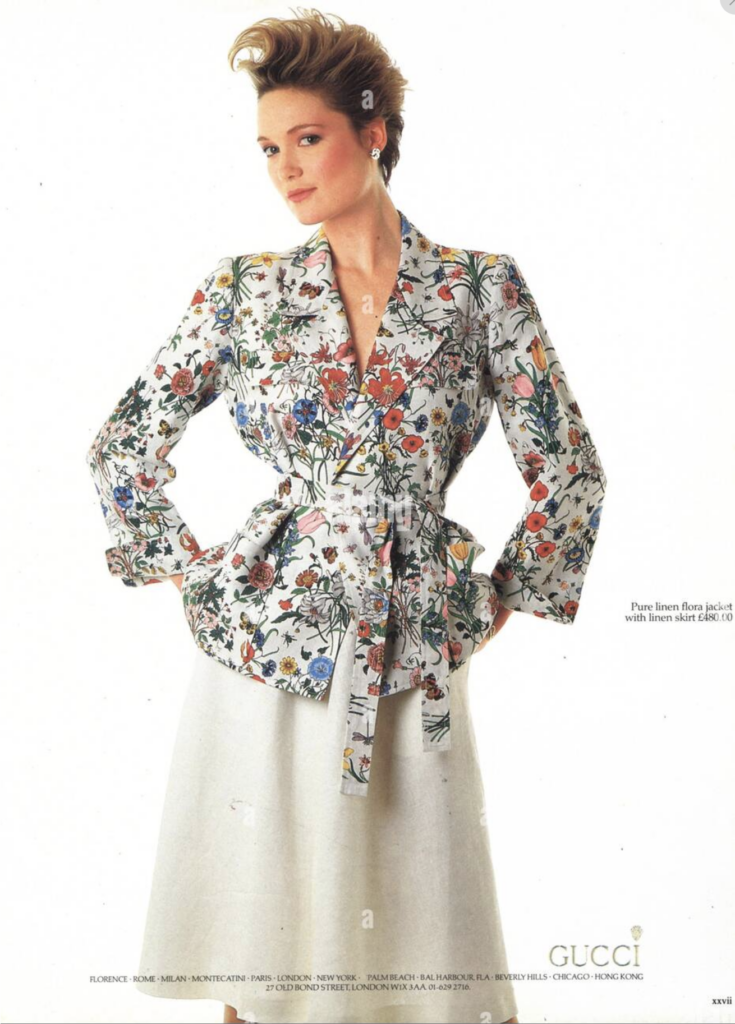
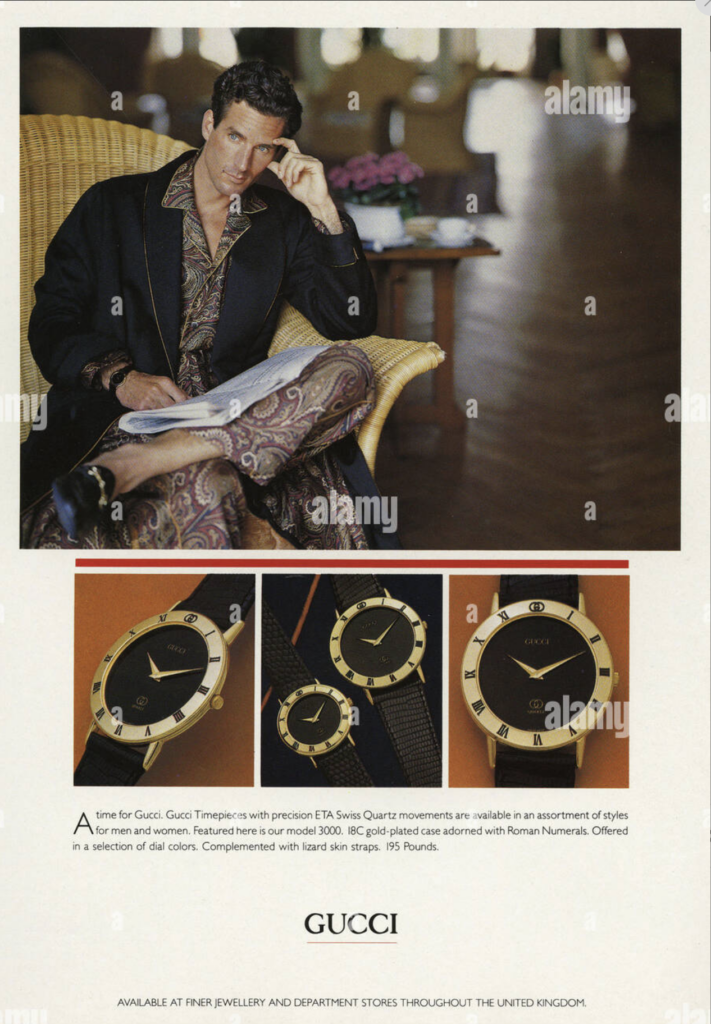
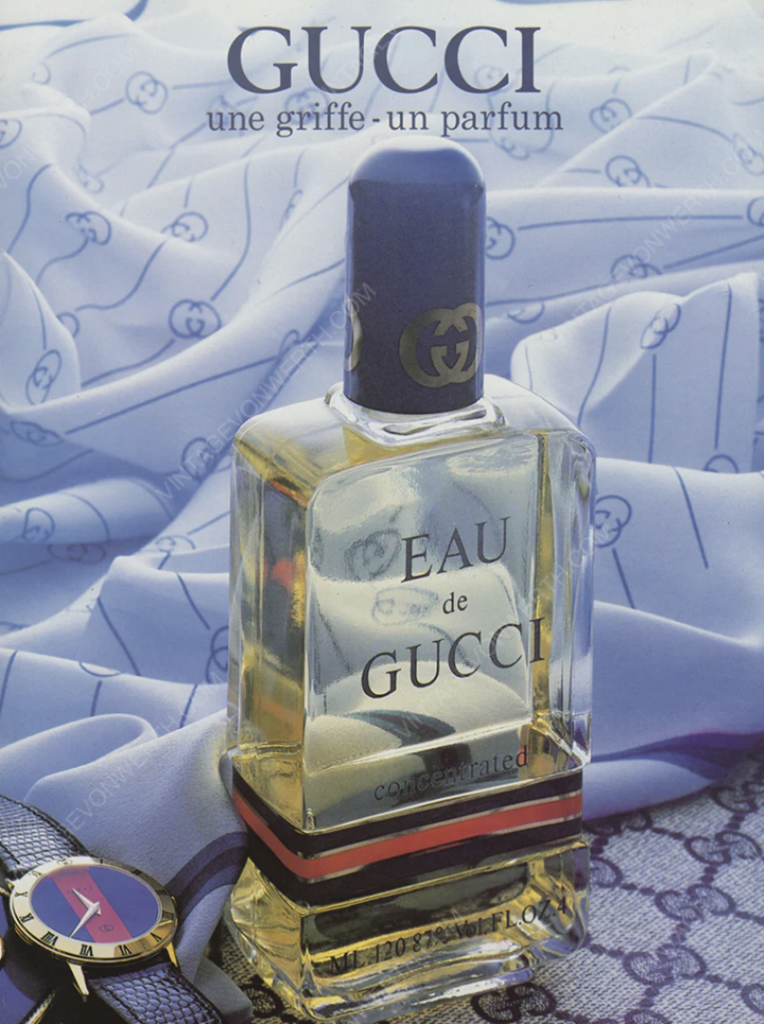
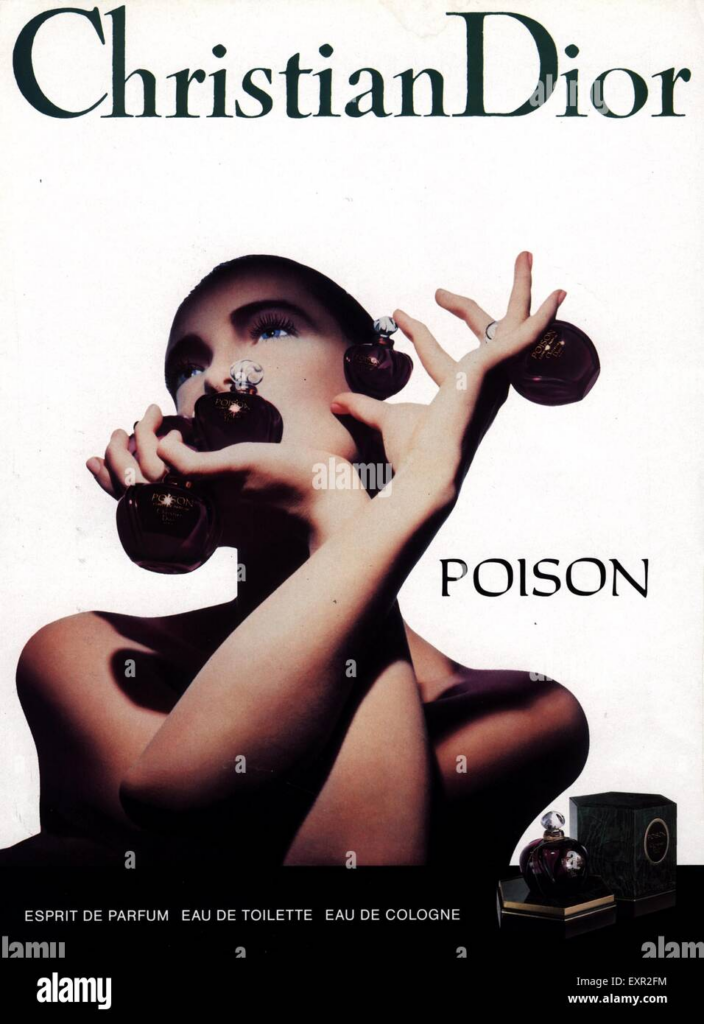
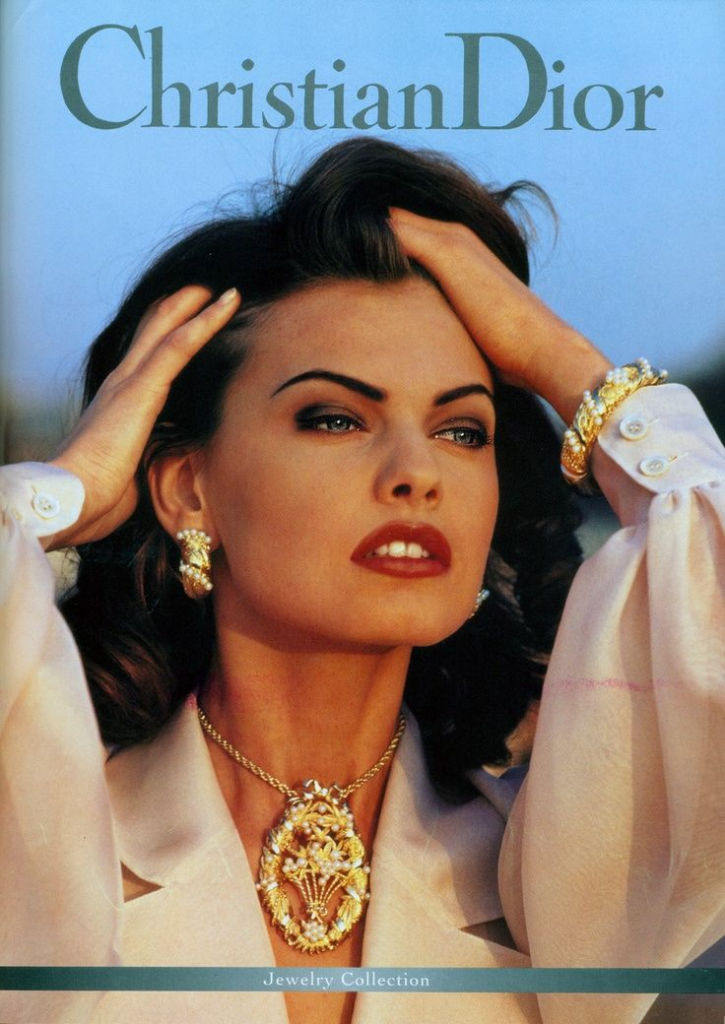
Gucci and Dior’s 1980s campaigns leaned heavily on elegance and sophistication. Their visuals often featured minimalist backgrounds, carefully posed models, and a focus on high-fashion clothing or accessories. For example Dior’s ads often showcased opulent gowns, dramatic lighting, and a sense of unattainable glamour.
Their ads weren’t just about selling products; they sold a dream of luxury, sophistication, and success. They were subtle in messaging, often letting the imagery do the talking. These brands targeted wealthy and aspirational customers, emphasizing exclusivity and a refined lifestyle.
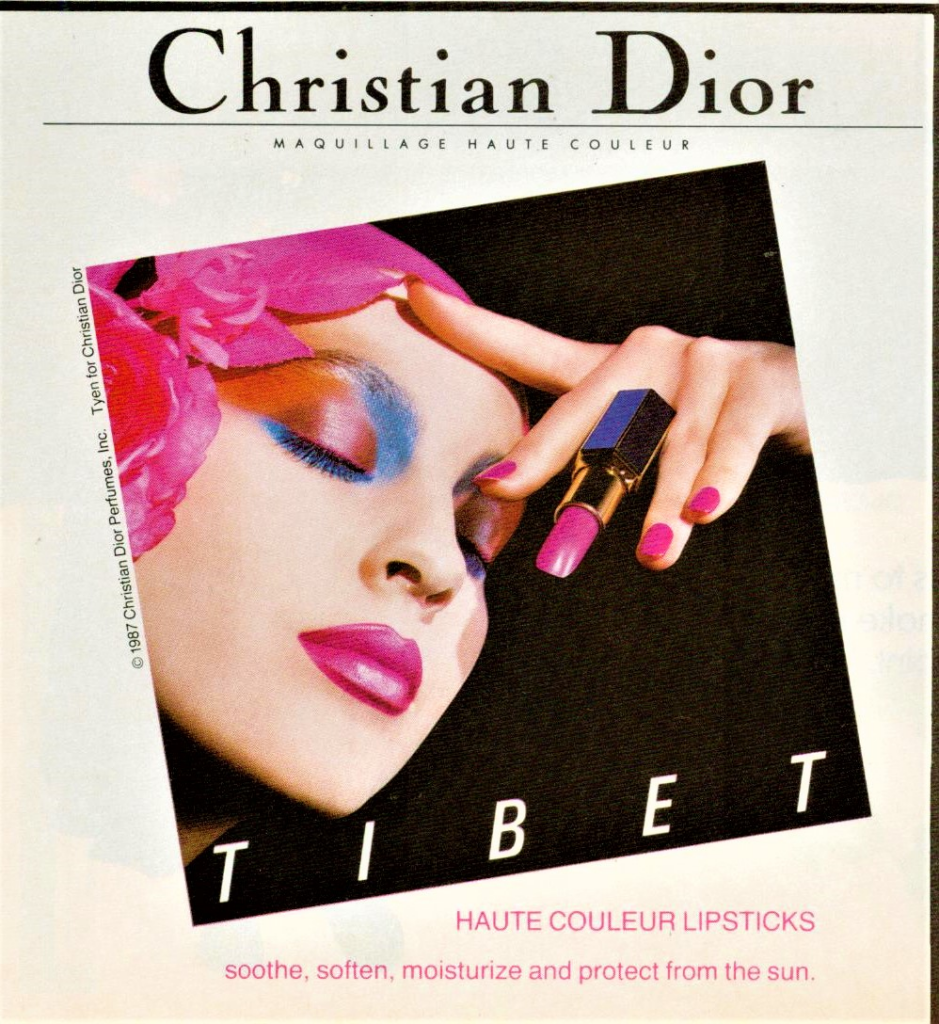
These brands often stayed above trends to maintain their timeless appeal. They were less concerned with reflecting everyday culture and more focused on creating a sense of timelessness and aspiration. Their campaigns had a global appeal but often avoided explicit references to pop culture. But the exception proves the rule: in keeping with the bold, bright and vivid vibe of the 1980s, Christian Dior introduced their Haute Couleur lipsticks.
Mainstream Media in the 1980s
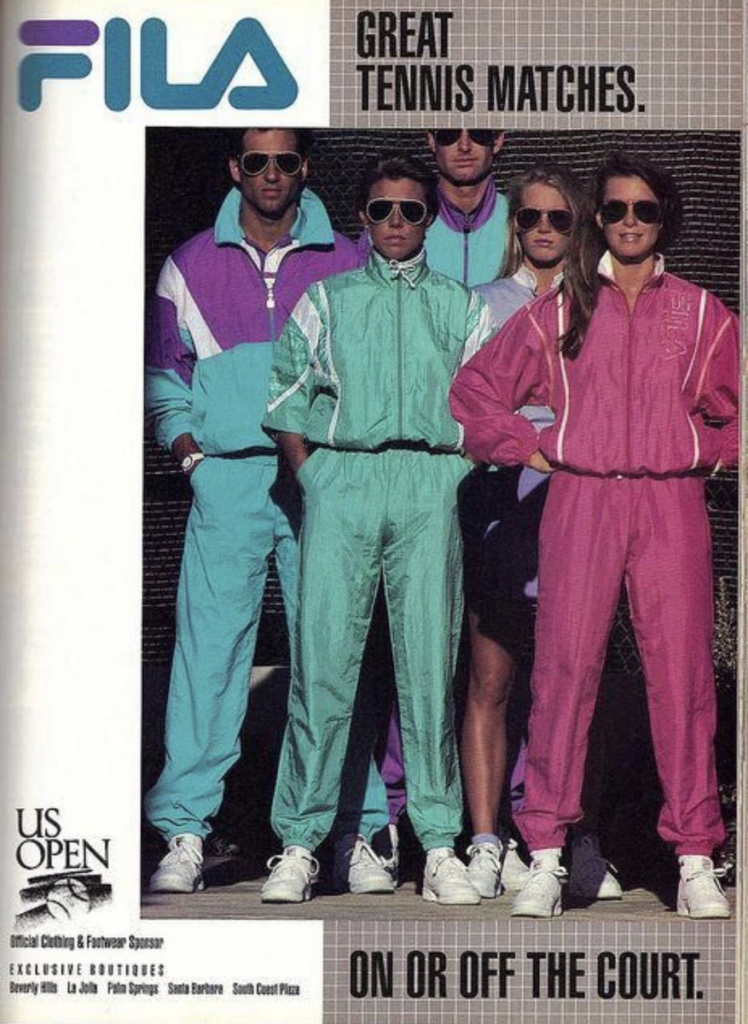
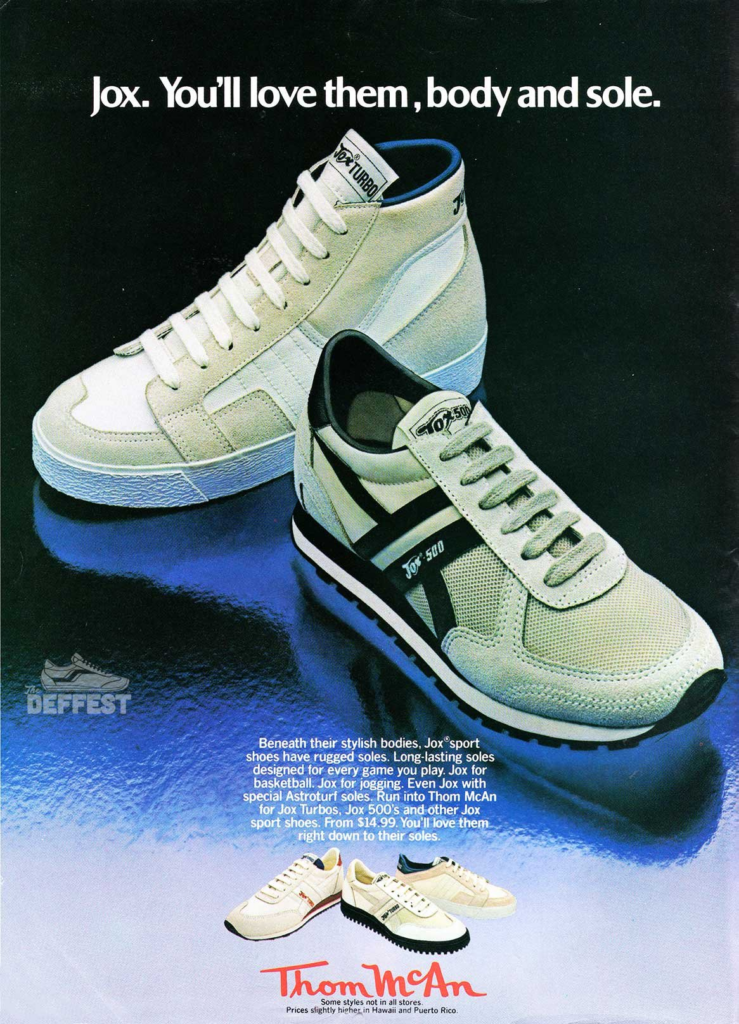
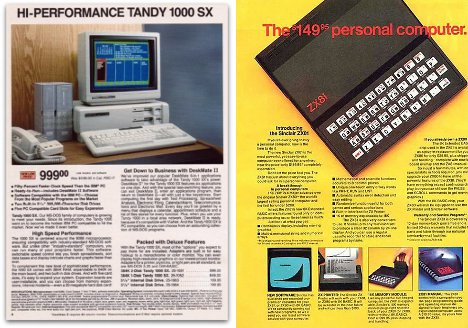
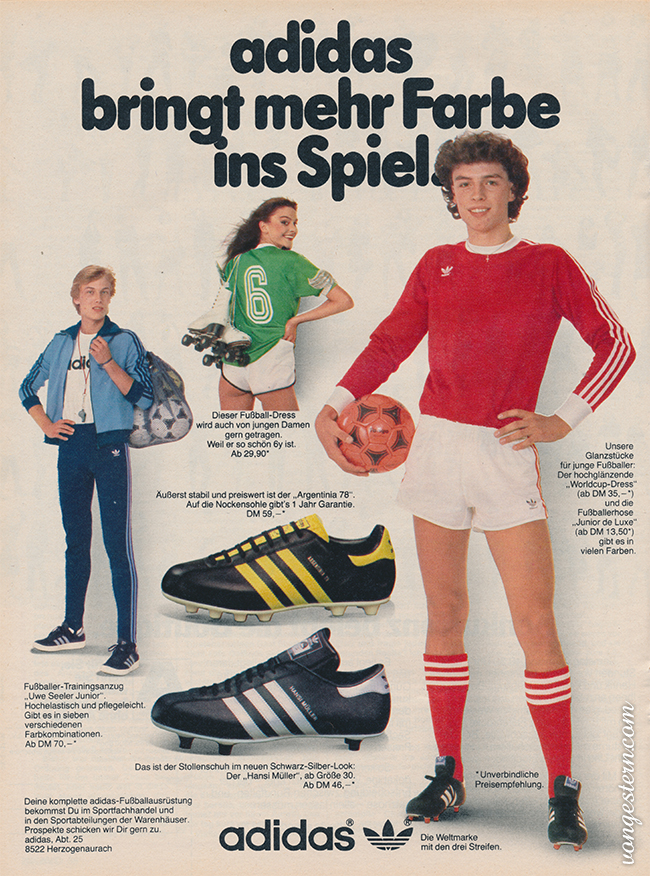
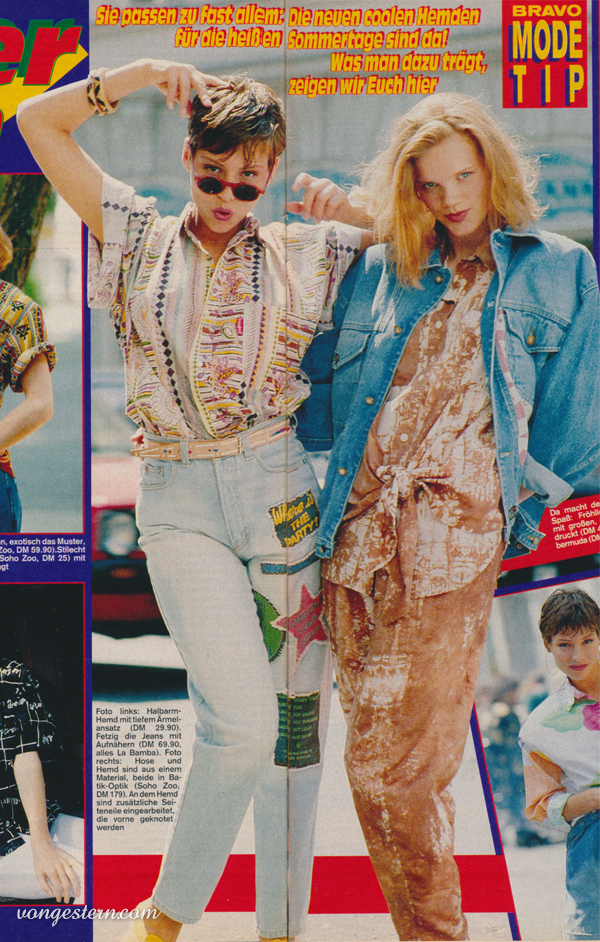
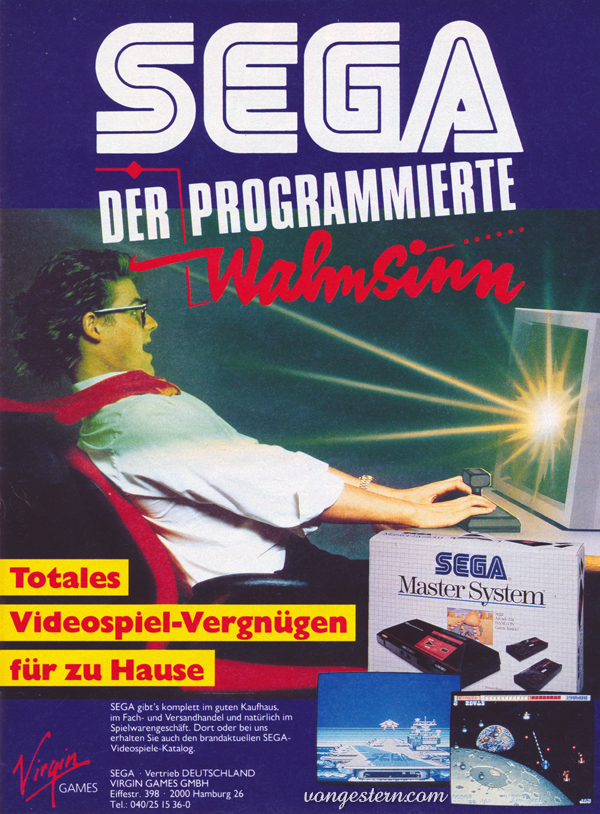
Advertising outside the luxury sector, such as for consumer goods or technology, was characterized by loud, colorful designs. Think neon palettes, bold typography, and exaggerated depictions of happiness or excitement. Commercials and print ads for products like soda, electronics, and fast food relied on high-energy imagery and dynamic poses to capture attention quickly.
Mainstream advertisements targeted middle-class consumers and often had a broader, more inclusive appeal. These ads focused on relatable scenarios, humor, and high-energy messaging to resonate with a wide audience. For example:
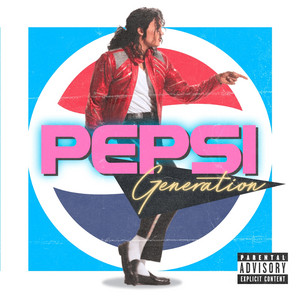
The campaign of the “Pepsi Generation” with Micheal Jackson was vibrant, youth-focused, and centered on universal emotions like happiness and connection.
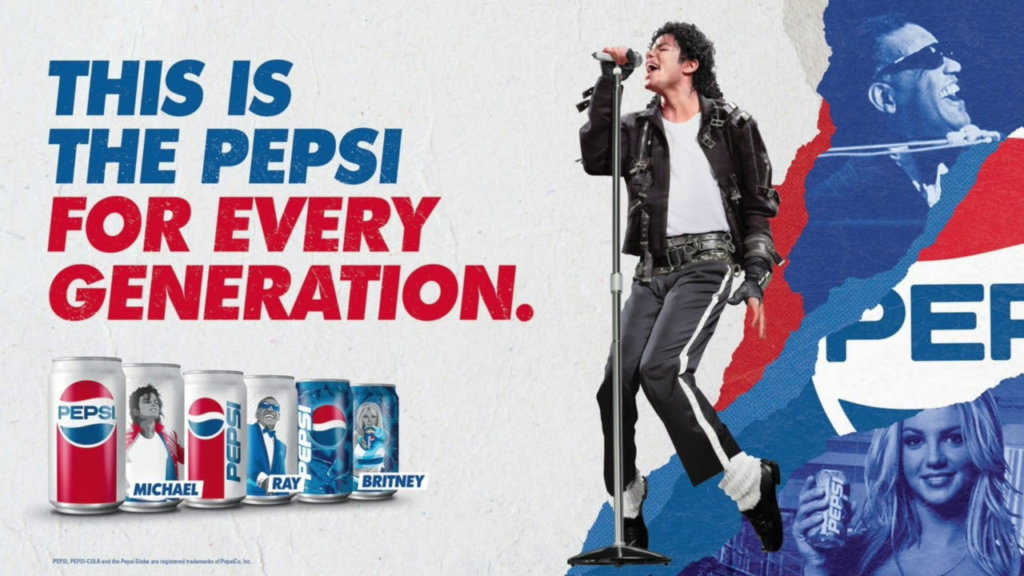
In contrast to Dior and Gucci, mainstream ads heavily incorporated cultural trends and icons of the 1980s, including:
- Celebrity endorsements (e.g., Michael Jackson for Pepsi).
- Pop culture aesthetics like neon colors, big hair, and aerobics culture.
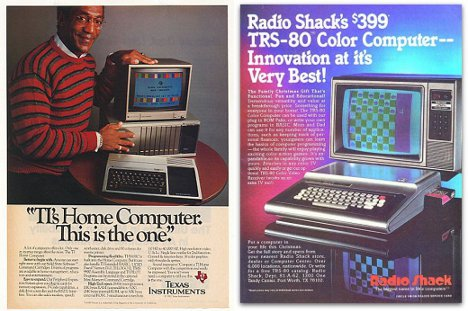
- A focus on technology, reflecting the boom in personal computers, gaming consoles, and other consumer electronics.
Conclusion: Luxury vs. Mass Appeal
The 1980s advertising landscape saw a clear distinction between luxury brands like Gucci and Dior and mainstream media. While Gucci and Dior prioritized exclusivity, minimalism, and timeless elegance, mainstream advertising embraced vibrant, fast-paced messaging to connect with the everyday consumer. Both approaches were successful in their own ways, with luxury brands reinforcing their elite image and mainstream media leveraging cultural trends to reach a broad audience.
This comparison highlights how advertising is tailored to its target audience and purpose, whether it’s to inspire aspiration or to sell accessibility. Today, the fusion of these approaches—combining luxury’s storytelling with mainstream’s cultural relevance—can be seen in many brands bridging the gap between exclusivity and relatability.
Resources
- https://www.80sthen80snow.com/
- https://www.vongestern.com/search/label/80er
- https://www.thedeffest.com/vintage-ads/tag/Jox+sneakers
- https://www.thedeffest.com/vintage-ads
- https://gajitz.com/gadgets-of-yesteryear-10-vintage-computer-advertisements/
- https://www.fashiongonerogue.com/tbt-1980s-loreal-makeup-ads-andie-macdowell/
- https://blog.finnfemme.com/page/2/
