#7 IMPULS: 100 best posters

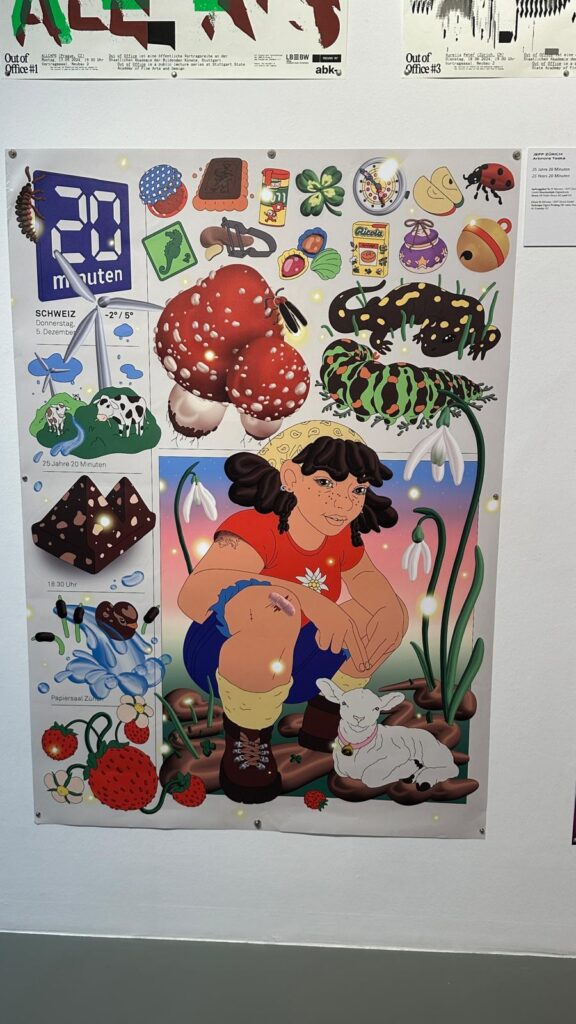
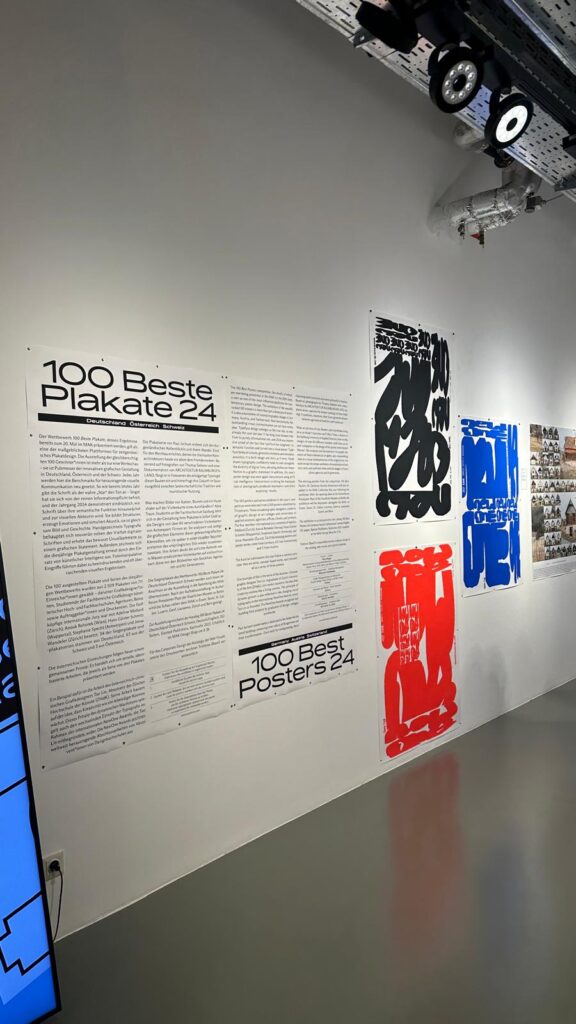
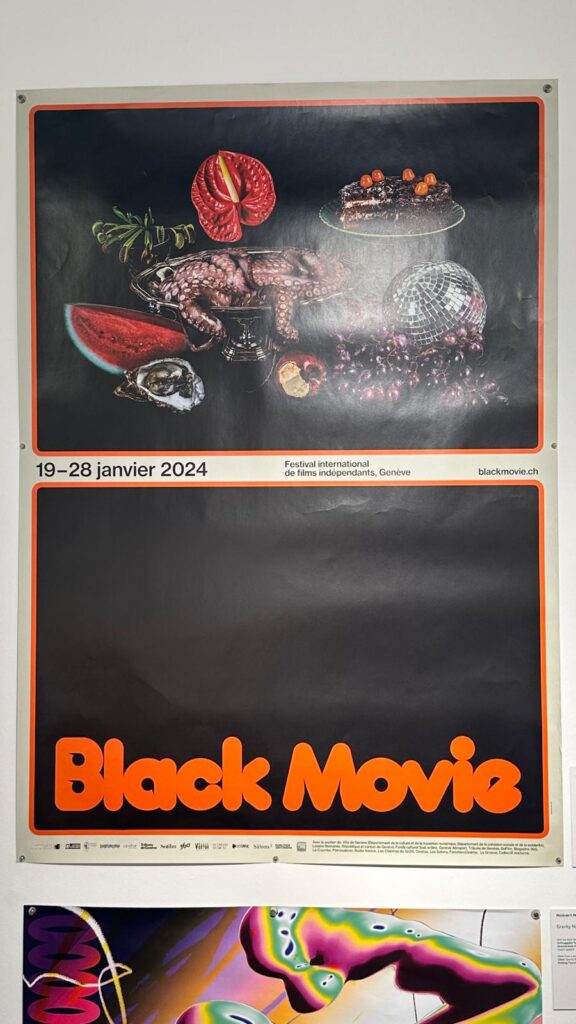
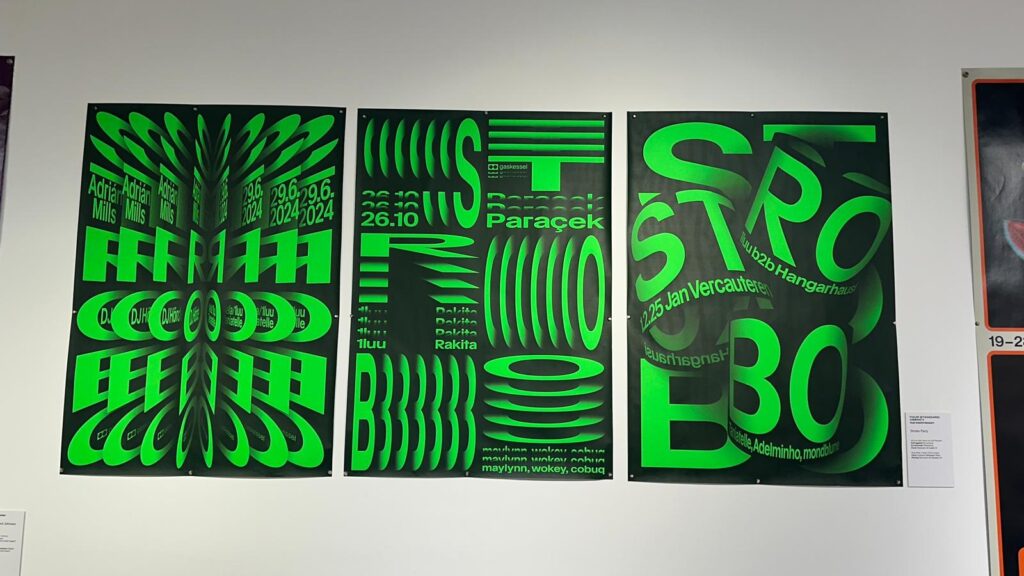
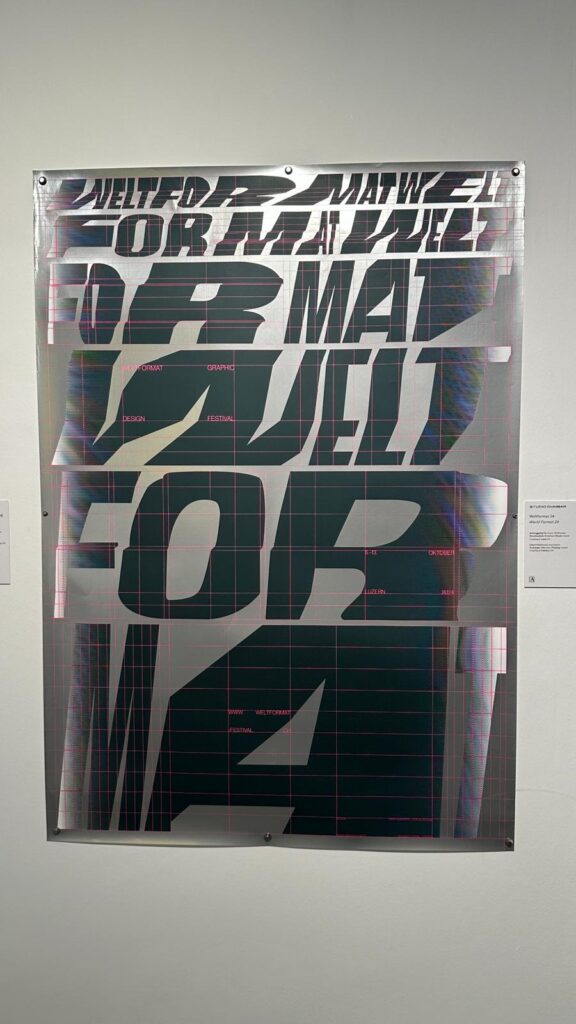
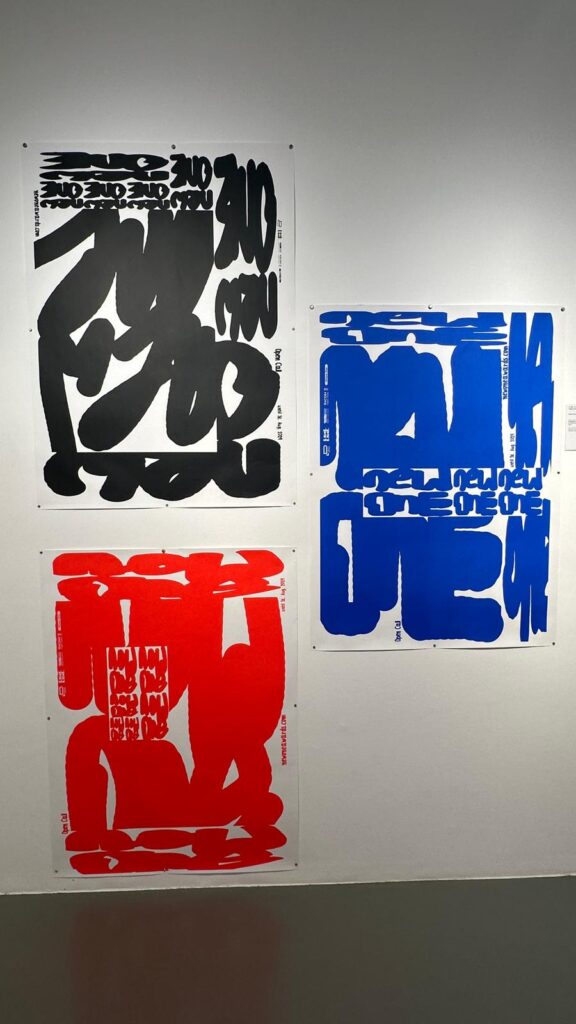
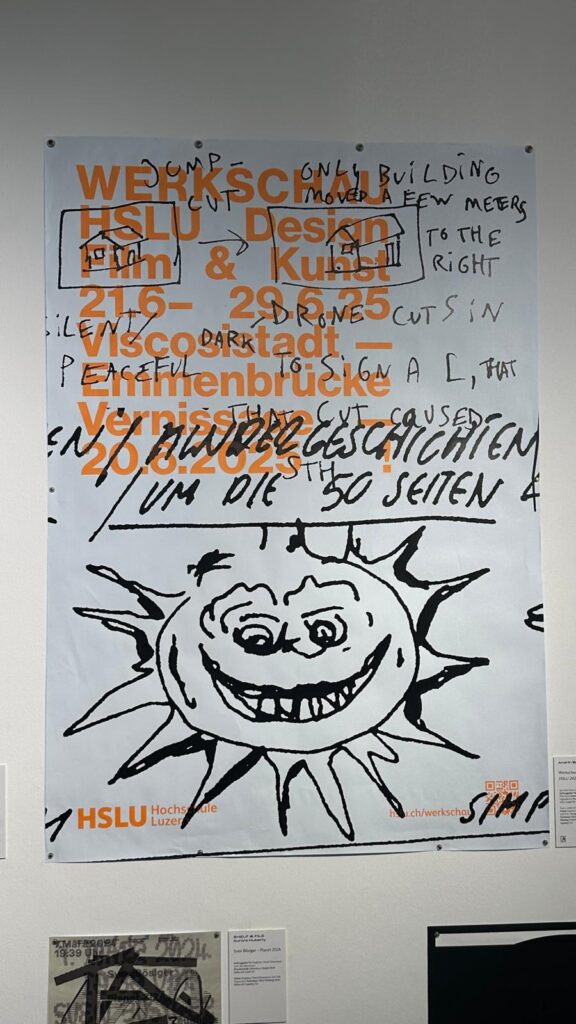
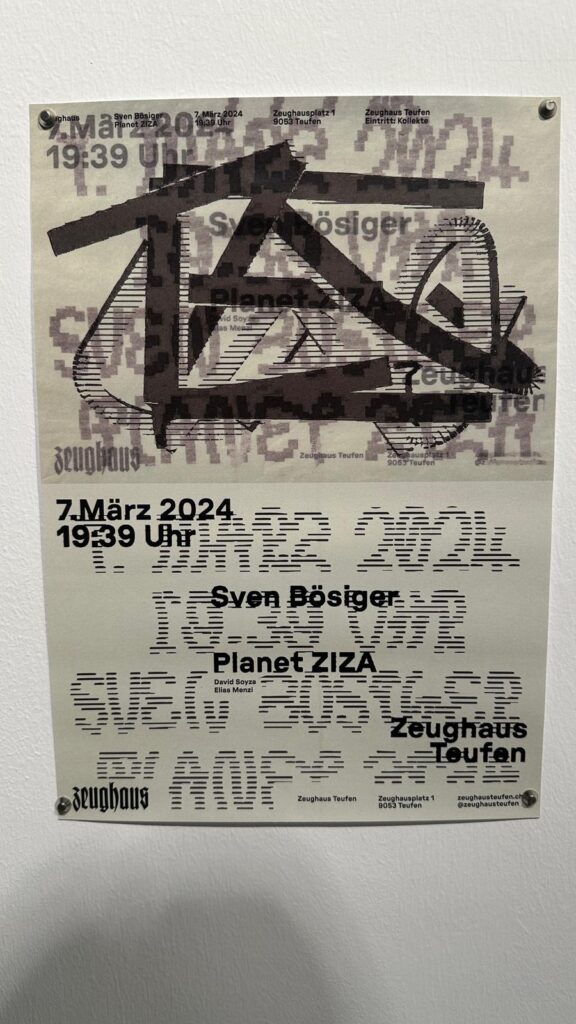
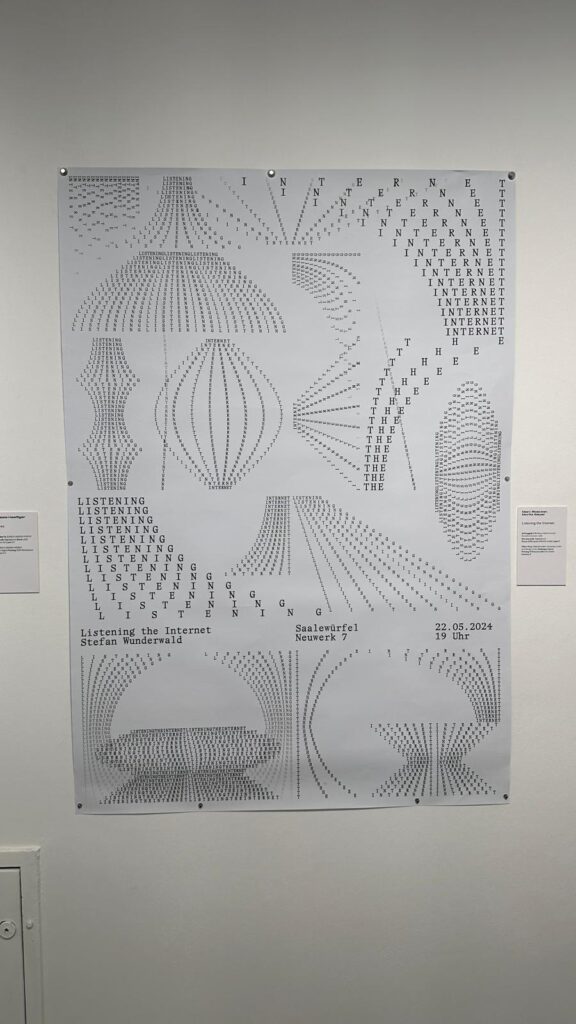
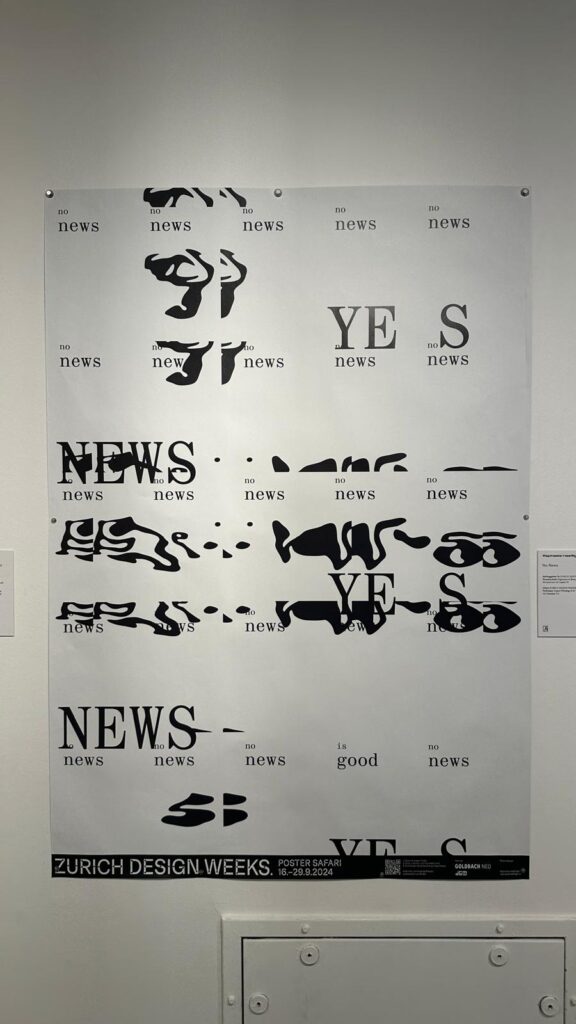
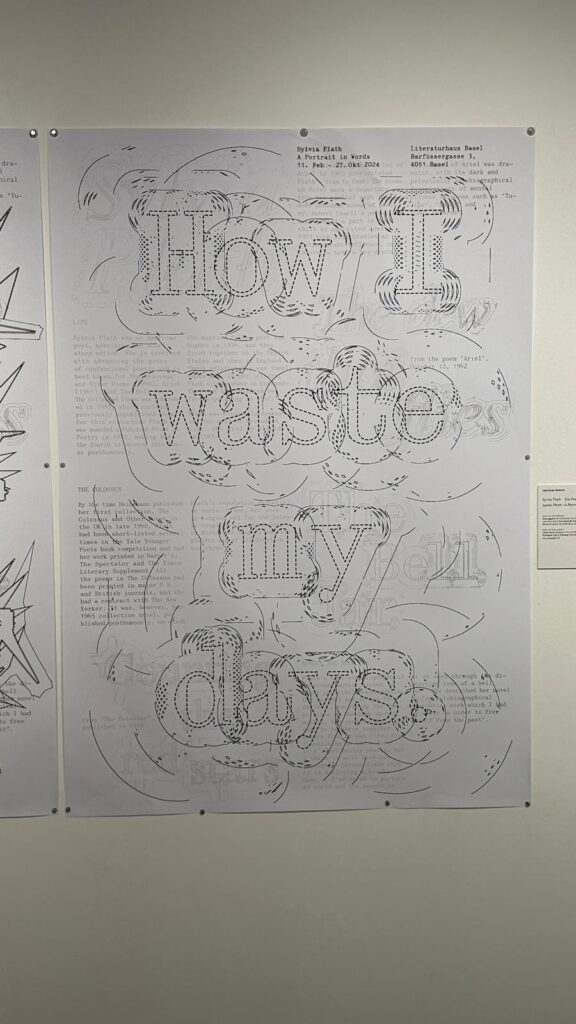
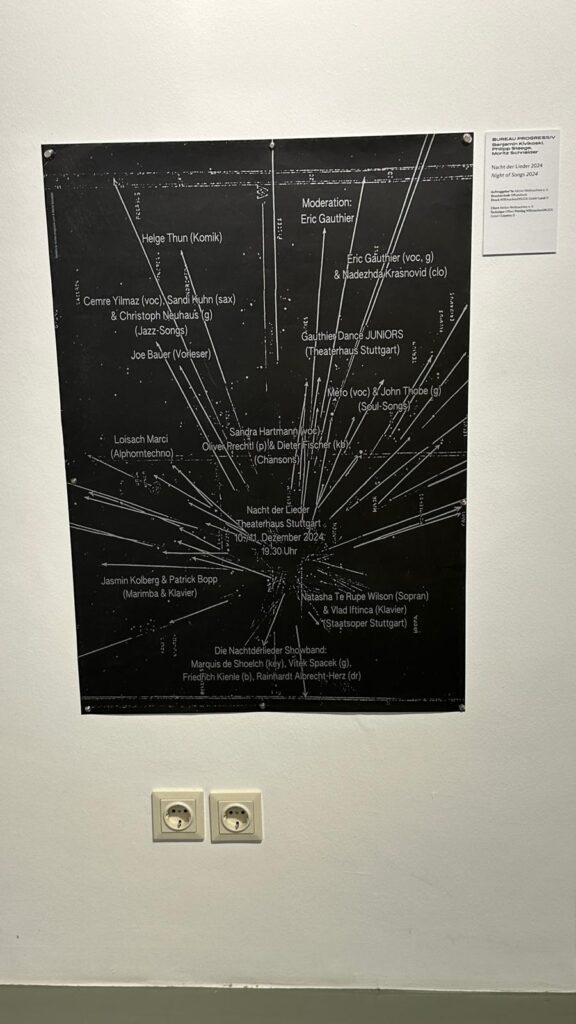
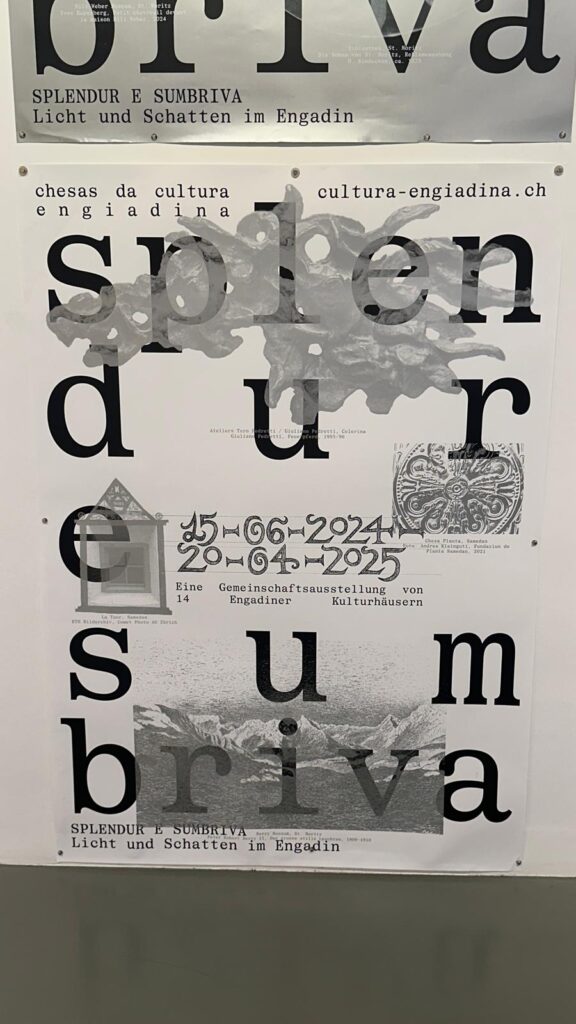
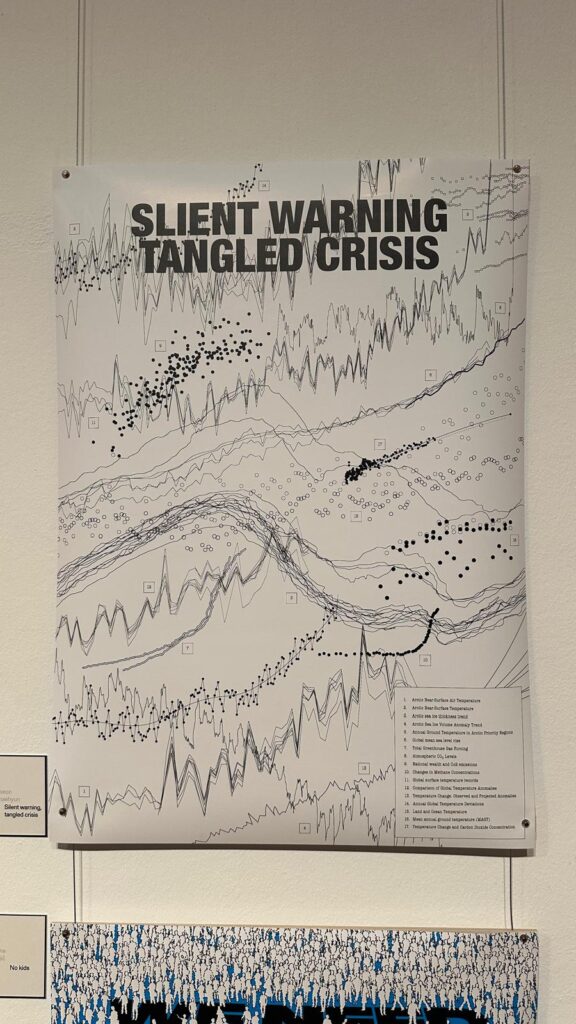
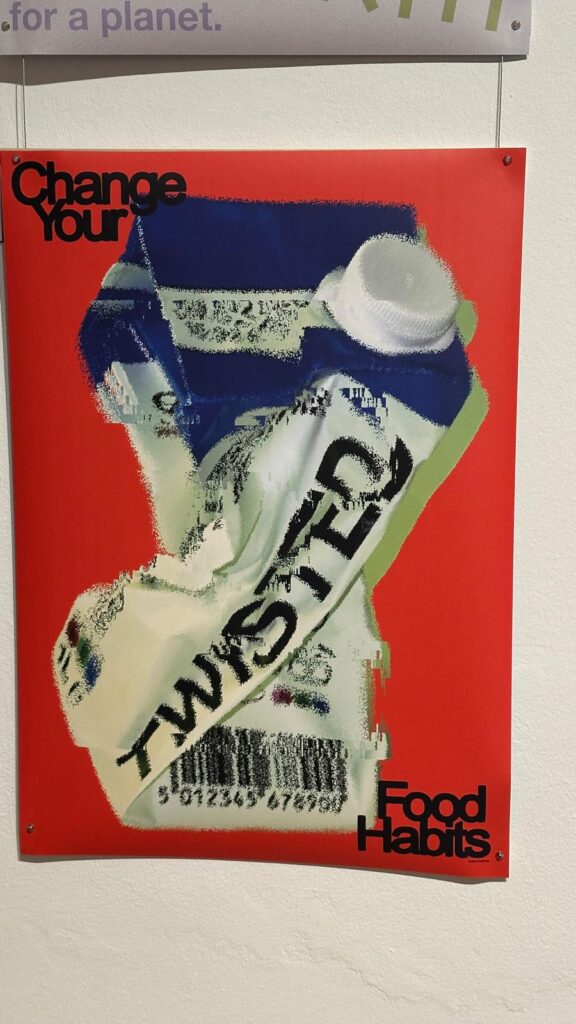
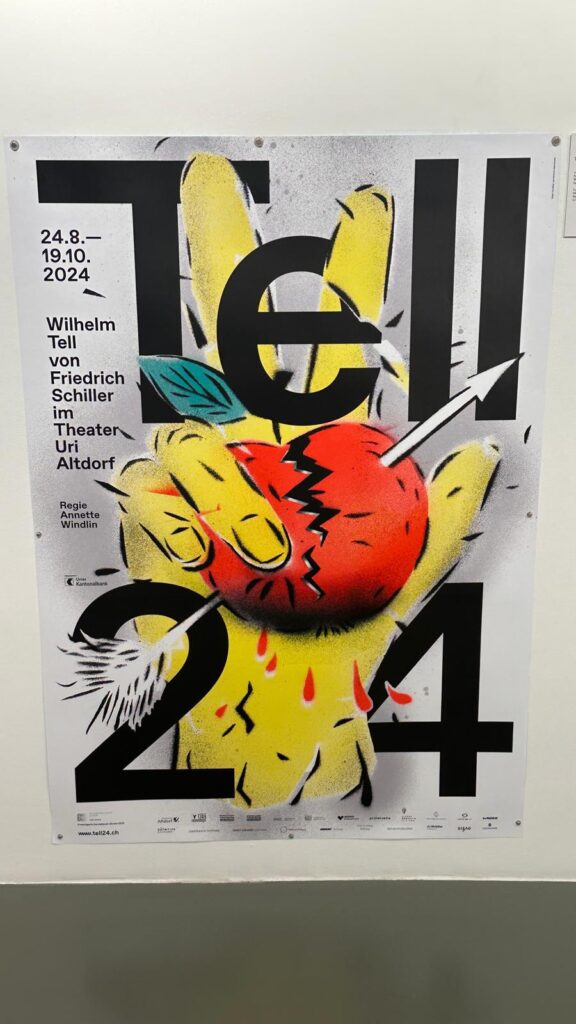
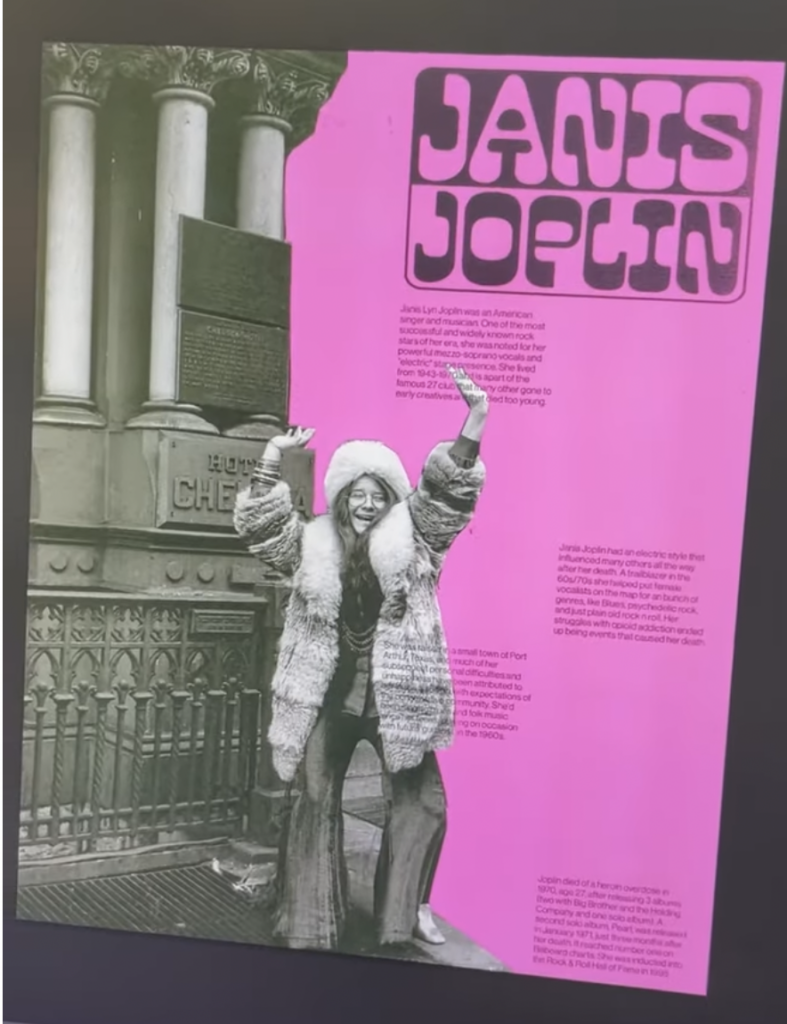
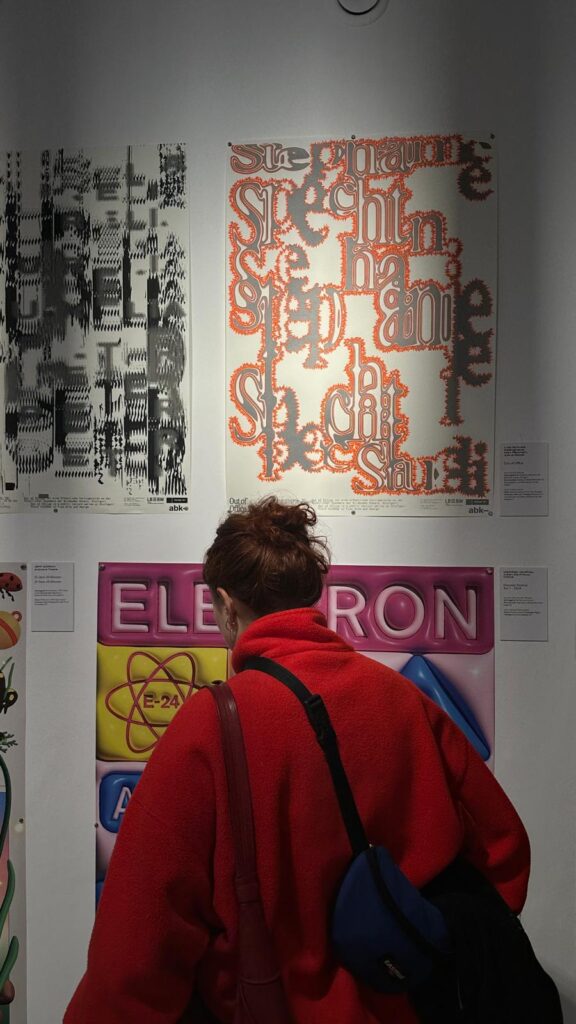
Vor kurzem war ich im MAK Wien in der Ausstellung „100 Beste Plakate 24“, einer jährlichen Schau, bei der die 100 stärksten Plakatgestaltungen aus Deutschland, Österreich und der Schweiz gezeigt werden – ausgewählt aus über 2.500 Einreichungen von mehr als 700 Gestalter:innen. Die Ausstellung ist eine Kooperation des Museums und des 100 Beste Plakate e. V. und bietet einen wirklich breiten Einblick in den aktuellen Stand des Grafikdesigns in der DACH-Region. 
Hier der Link

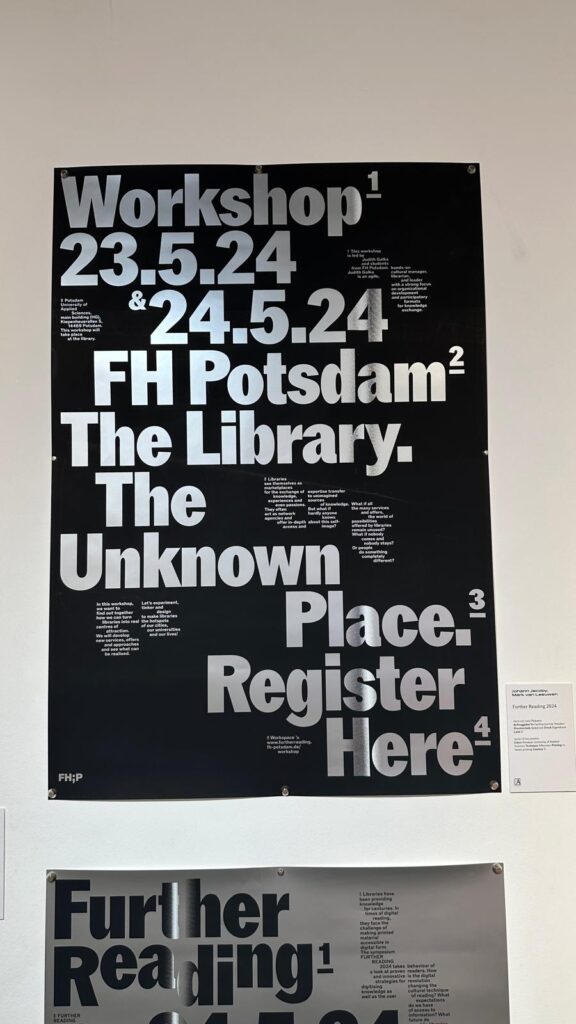
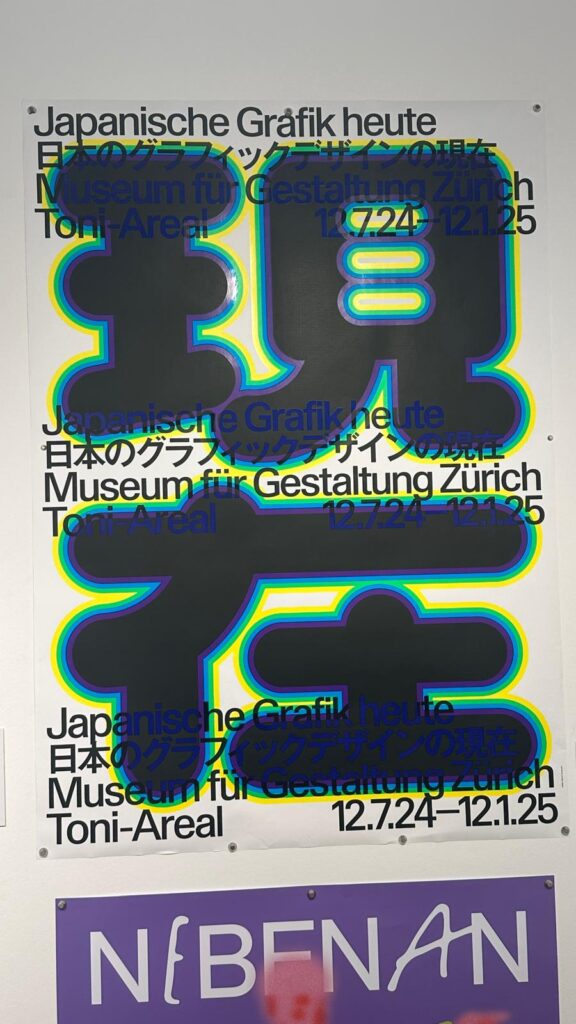
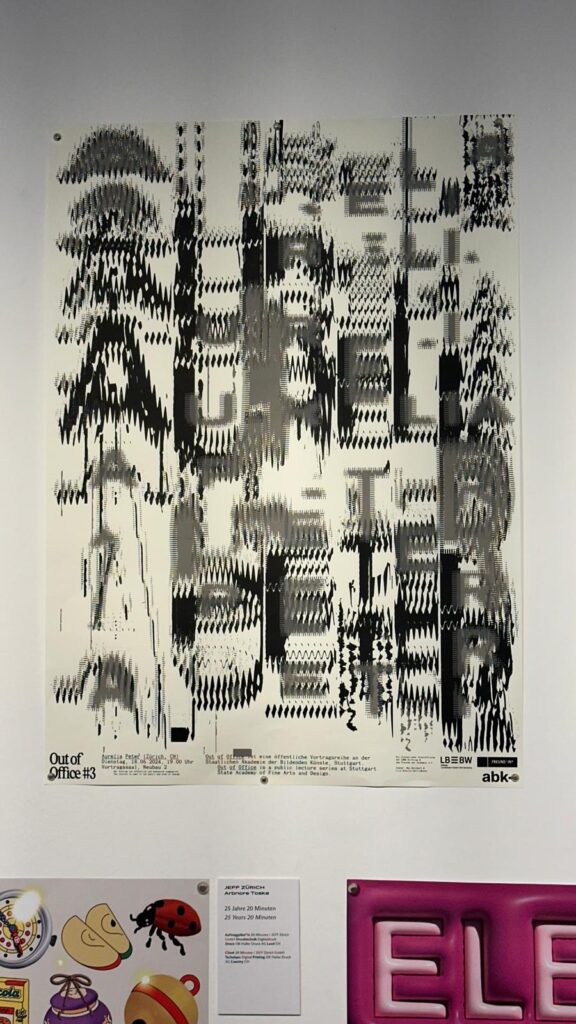
Was mich sofort beeindruckt hat, war die Vielschichtigkeit der Arbeiten. Es geht hier nicht nur um schöne Poster, sondern um visuelle Konzepte, die oft über klassische Informationsvermittlung hinausgehen und zu kleinen visuellen Erzählungen werden. In vielen Arbeiten spielt Typografie eine größe Rolle. Ein Teil der ausgestellten Plakate arbeitet dabei bewusst mit Materialität und Technik: Einige Poster zeigen experimentelle Drucktechniken wie Cyanotypie oder Reliefstrukturen. Es gibt Arbeiten, die erzählerisch wirken und mit vielen Informationen bepackt sind, und solche, die mit minimalistischem Stil starke visuelle Zeichen setzen.

Gerade die Plakate, die nicht einfach eine Botschaft „transportieren“, sondern visuelle Spannung erzeugen, zeigen, wie stark ein Poster als Medium wirken kann, wenn es nicht nur „schön“ gestaltet ist sondern auch starken Kontext schafft.

Mein eigenes Thema – historisch unsichtbar gemachte Frauen sichtbar zu machen – nutzt ebenfalls ein Bildformat, aber bisher habe ich eher im Konzept „hörbar machen“ bzw. „auslagern in Raum und Interaktion“ gedacht. Die Plakate hier zeigen, dass im Medium Poster selbst noch viel mehr erzählerische und expressive Kraft steckt. Nicht nur durch reine Form, sondern auch durch den Einsatz von Technik, Fokus auf Schrift, Materialität und narrativen Ebenen

Und hier sehe ich auch Anschluss an das Feedback aus dem Final Crit:

– Die Frage nach einem politischen, zeitgenössischen Posterformat. Viele der Siegerplakate transportieren nicht nur Information, sondern Haltung – oft politisch, oft gesellschaftlich relevant, ohne dass sie mit klassischen „Protestplakat“-Klischees arbeiten. 

– Die Pop-, Surreal- und Typo-Ansätze lassen sich auch auf mein Vorhaben adaptieren: Interaktive Poster müssen nicht nur technisch funktionieren, sondern sie müssen auch visuell stark sein und den Betrachtenden scheinbar „mehr erzählen“, als auf den ersten Blick sichtbar ist. 

Ein zentraler Gedanke, den ich deshalb aus dem Besuch mitnehme, ist: Interaktivität und visuelle Gestaltung sind keine getrennten Welten, sondern sie können sich gegenseitig verstärken. Für mein Projekt heißt das konkret: Ich will nicht nur bewegte Bilder auf statische Poster werfen, sondern ein Poster-Medium entwickeln, das selbst ein Erzählraum ist: gestalterisch mit Haltung und technisch hybrid. Die Ausstellung im MAK war dafür ein sehr guter Referenzpunkt, weil sie mir zeigt, wie traditionelles Medium und zeitgenössische Gestaltung miteinander kombiniert werden können.
“Working in Public” Book – Impulse #5

I recently read “Working in Public” by Nadia Eghbal (now Asparouhova). I discovered the book during my literature research for the “Proseminar Master Thesis” class with Ursula Lagger and got it through an interlibrary loan. As a former developer-relations researcher at GitHub who interviewed hundreds of developers, she offers a fresh, insightful look at the world of open source that I want to share.

Before diving in, it’s important to understand the difference between “free” and “open source” software. The “free software” movement, started by Richard Stallman, is about freedom, not price. The term “open source” was created later to be more business-friendly, focusing on the practical benefits of shared code rather than the ethics of user freedom.

Eghbal’s book focuses on a key distinction in open source projects today: the size of their audience. She describes two models: the “bazaar,” with many contributors (like Linux), and the “stadium,” with a few maintainers and a huge audience of users. Most projects today are stadiums, often run by a tiny group of 1 to 5 developers.

Many projects follow a similar lifecycle. They often start in private, and once they go public, the creators are looking for engagement and feedback. As a project gets adopted, the role of the maintainers shifts from doing the actual code work to managing the project, the community, and the influx of casual contributors.

This leads to a major challenge: how are these projects financed? For many, the answer is they aren’t. The book details the different ways funding works. There are two main types of funders: institutions (like universities and companies) and individuals. Institutions often care about the quality of the code and their influence on the project’s roadmap. For individuals, the reason for funding is often personal; they might use the project daily and simply want to ensure it continues to exist.

The funding target also matters. Is the money going to a project or an individual? Funding a project makes it easier to manage the money transparently. Funding an individual offers more flexibility, as a developer might work on multiple projects. Asparouhova notes that companies tend to sponsor projects, while individuals tend to fund developers directly through platforms like Patreon or GitHub Sponsors.

This brings me to what I think is the most important takeaway from Eghbal’s work: we need to rethink how we value the different kinds of labor in open source. We tend to celebrate the “creator” – the person who has the initial brilliant idea. But what about the “maintainer”? The person who shows up day after day to fix bugs, answer questions, and keep the project alive. Their work is often less glamorous, but it’s no less critical.

If open source is to be sustainable in the long term, we need to find ways to support the maintainers. This could mean more funding, better tools, or simply a cultural shift in how we think about our responsibilities as users of open source.

As I continue my research, I’m left with a question: How can we, as designers and users, better support the maintainers of the open-source tools we rely on every day? I don’t have the answer yet, but it’s a question I’ll be exploring in the weeks to come.

Ai was used to formulate this blogpost (Gemini + WisprFlow)

IMPULSE №5

During the summer, I had a quiet realization: I would probably have to change my topic. The company I originally wanted to collaborate with decided not to work with students, and for a moment, I felt a bit lost. But instead of seeing it as a setback, I treated it as a reset.

I sat down with a blank sheet of paper and started writing. First, I listed problems I would genuinely like to solve, things that felt meaningful to me. Then I wrote down directions and skills I was curious about and wanted to grow in. To make it more visual (and a bit more fun), I rated everything with stars. I marked the most interesting problems and the most inspiring directions.

When I looked at the results, a pattern appeared. Social problems clearly mattered most to me. And when it came to interests, I couldn’t choose just one: UX/UI, 3D printing, and video editing all felt equally exciting.

For the next few weeks, I kept searching for the right problem. Something that felt personal, but also universal. Eventually, I realized I kept coming back to one idea: preserving relationships. No matter if it’s family, friends, or partners, relationships shape our lives. And that became the problem I wanted to explore and solve.

That’s how my Master’s thesis topic was born: connecting and preserving memories by linking the digital and physical worlds in a fun, playful way.

During the semester, I started exploring what would actually keep people engaged in the digital space – the website. Some ideas felt obvious: creating shared albums, playing small games, sending video notes, or voice messages. But “obvious” wasn’t enough. I kept asking myself: How can this feel special? How can it feel memorable?
That’s when I remembered how powerful animations can be. Usually, animations are just the cherry on top of UX nice, but not essential. But what if animation became the main engagement driver?
I thought about interactions like the weather slider, burning negative stories in How We Feel, or the cracking opening animation in Opal. Those moments stick with people. The only realistic way to build something like that was coding. So, with help from ChatGPT, Claude, and a lot of tutorials, I started learning.

At the same time, another part of the project started forming: the physical object. I want it to feel meaningful, emotionally warm, and easy to carry around, something that feels personal, not just functional. I still don’t know exactly what it will look like, and that’s okay for now. What I do know is that I’ll need to experiment with materials to see which ones work best with NFC tags, maybe 3D prints, air clay, or ceramics.

The connection between the digital and physical worlds will happen through NFC. That part, at least, feels solved

Technically, the project feels challenging but doable. The harder part right now is defining the target group. Because, realistically, everyone has relationships. Everyone has memories.

A meeting with my supervisor, Anika Kronnberger, helped me zoom in. Instead of trying to design for “everyone,” she suggested thinking about specific sectors, like tourism, or focusing on age groups that might find this kind of product especially meaningful and fun.

How to vibe-code: https://youtu.be/fUN2TZoohk8?si=Lfg-rQ7X3cj9Cxi6
Techniques for the web-animation: https://youtu.be/9eHEOAn2FOA?si=FgiUA8sFC0QHerU2
Testing NFC placement materials: https://ragman.net/musings/nfc_sculptures/

I used ChatGPT to check the spelling and grammar of this text

IMPULSE №7

I recently watched a video by Hello Erika called My Secret to Being Creative, and it really got me thinking about how I approach my own projects. Lately, I’ve been trying to figure out new ways to present my thesis idea and keep my mind fresh, but sometimes I feel stuck in the same patterns. This video reminded me that creativity isn’t about waiting for inspiration to strike. It’s about curiosity, small experiments, and giving yourself permission to explore ideas without worrying about being perfect.

In the video, Erika talks about routines that help creativity flow naturally. She emphasizes the importance of observing the world around you, experimenting with small ideas, and embracing failure as part of the process. Creativity doesn’t just happen during big moments of insight. Most of the time, it comes from consistent, playful practice and letting your mind wander without pressure. She also mentions the idea of combining structure with playfulness, like keeping a notebook handy to jot down anything that sparks curiosity or trying small creative exercises regularly.

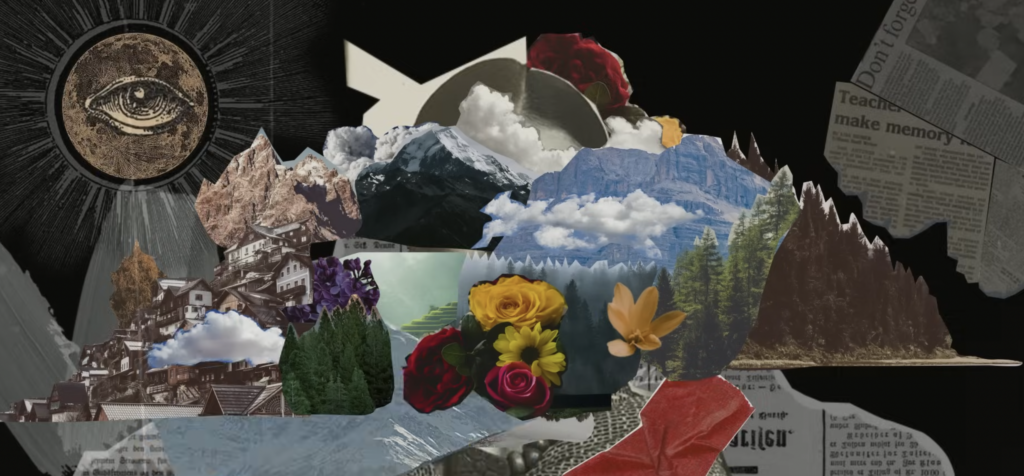
Watching this video gave me a lot to think about in relation to my thesis. I started reflecting on how I could bring these principles into my work on connecting digital and physical memories. One idea that came to mind is using collages as a way to present content. Collages feel playful and exploratory, and they allow for combining different types of media, ideas, and visuals in a way that isn’t rigid. In the context of my project, I could use collages to show memories, emotions, or experiences in a more tactile and interactive way. For example, a digital collage could bring together video snippets, photos, text, and small animations to create a richer story. On the physical side, a collage made of printed photos, textures, or even 3D-printed elements could give users something they can hold and explore.

Around the same time, I had an amazing coaching session with Mr. Horst Hörtner, which gave me even more inspiration for playful interactions. During our discussion, we explored ways to make the website experience more engaging and social without thinking about technical implementation. One idea that came up was tagging other people on the website to create connections between memories. Another concept was combining two objects with NFC tags to reveal shared experiences, like common friends, places visited, or memories created together. It felt like a fun way to bring people into the experience, encouraging them to explore connections and stories in an interactive, playful way.

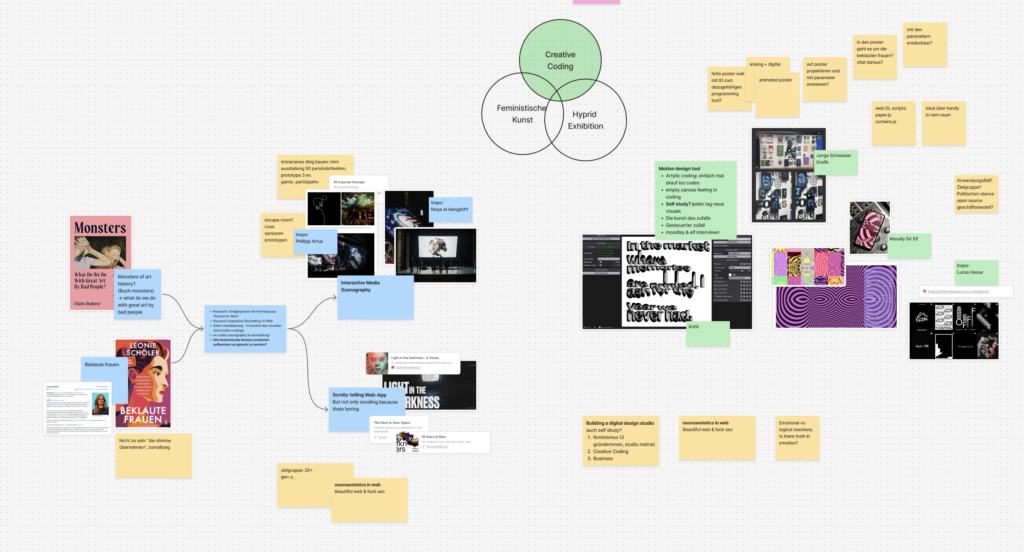
To organize all these ideas, I also started using mind mapping. This technique helps me get a look from above at everything I want to include in my project, from digital features to physical interactions

Overall, both the video and the coaching session motivated me to keep experimenting and stay open to unexpected ideas. It encouraged me to play, to combine approaches, and to see the process itself as part of the creative journey.


Tony Buzan Mind mapping technique: https://youtu.be/lmvjnyZlR9I?si=Gksb4HuaBNvONLwe
YouTube Video by “Hello Erika”: https://youtu.be/_57fz3ogPMk?si=K_VVG23X1Ag5ss93
Collage Animation in CANVA: https://youtu.be/YZTBRLjBek0?si=yDFXfdnSXu76bcGQ

I used ChatGPT to check the spelling and grammar of this text

IMPULSE №6

Watching Abstract: The Art of Design and learning about Es Devlin’s work reminded me why curiosity is such an important part of being a designer. Around the same time, while I was doing research for my thesis, I discovered products on the market that were quite similar to my idea. I remember feeling a bit discouraged when I first saw them. It made me question whether I was too late or if my idea was still worth developing. For a moment, I felt stuck between continuing and starting over again.

The documentary helped me change my perspective. Es Devlin speaks a lot about exploration, experimentation, and following questions instead of trying to be the first person to create something. That idea stayed with me. It made me realize that design is not only about originality. It is about how you interpret an idea, why you build it, and what kind of experience you create for people. Many ideas already exist in some form, but every designer brings their own story, values, and way of thinking into a project. That realization helped me calm down and look at my project in a healthier way.

Around this time, I also had a meeting with Ursula Lagger, and that conversation was very motivating for me. She spoke about the importance of keeping your mind open and staying curious even when things feel uncertain. She reminded me about the 7W method and encouraged me to keep practicing it. Using questions like who, what, when, where, why, in which way, and with whom helped me step back and look at my project from different angles. Instead of focusing only on the fear that similar products already exist, I started focusing on what I could still discover and improve.

This approach helped me shift my mindset. Instead of thinking that I had to create something completely new that nobody has ever thought about before, I started thinking about contribution. I began asking myself better and more specific questions. What is missing in the products that already exist? What emotional value can I add to the experience? How can I make the interaction feel more playful and more human? How can I connect digital and physical memories in a way that feels natural and meaningful for people?

I also realized that finding similar products is not always a negative thing. Sometimes it means that the problem is real and important enough that multiple people are trying to solve it. It can also be a chance to learn. I started analyzing these products more carefully. I looked at what they do well and where they might be lacking. This helped me see opportunities instead of limitations.

Another important part for me was accepting that the design process is not a straight line. Sometimes you feel confident and clear about your direction. Other times you feel lost or unsure. But both phases are part of creating something meaningful. Staying curious helps you move through both phases without giving up too early.

Right now, I try to remind myself that my goal is not to compete with existing products but to add my own perspective and value. I want to create something that reflects my interests in UX, physical interaction, and emotional connection between people. I want to build something that feels warm, playful, and meaningful instead of just functional.

Looking back, the combination of watching the documentary and having the conversation with Ursula helped me continue moving forward. They reminded me that curiosity is a tool that helps you grow, learn, and discover new possibilities. And for me, that is something I want to keep practicing throughout my thesis and beyond.

List with links:
1. Asking The 7 Whys To Get To Your Truth: https://medium.com/@athirahsyamimi/asking-the-7-whys-to-get-to-your-truth-2707d743a818
2. Abstract: The Art of Design: https://youtu.be/jo4aAVjuh2o?si=IX4p7OdNJe2PW68H
3. One of the competitors: https://e-inkify.com/


I used ChatGPT to check the spelling and grammar of this text

IMPULSE #7: Design patterns for search UX in 2025

This talk from WebExpo 2025 focuses on how to design better search experiences for digital products in 2025 — recognizing search as a core part of many user journeys that’s often overlooked.

1. Understanding How People Search Today
Vitaly likely starts with how user expectations around search behavior have evolved — the assumptions users bring, typical frustrations, and common patterns in how they look for information in apps and sites.

2. Designing Better Autocomplete & Type-Ahead
Autocomplete isn’t just a feature — it helps users formulate queries, reduces errors, and speeds up search journeys. Best practices include deciding when and what suggestions to offer, how many to show, and ensuring relevance.

3. Handling Complex Filters & Sorting
Next, the talk addresses faceted search — complex category filters and sorting tools that help users refine results. Design patterns here include placing filters effectively, choosing defaults wisely, using smart previews, and considering filter presets to reduce cognitive load.

4. Building Effective Search Results Pages (SERPs)
A good results page communicates relevance, helps users scan quickly, and gives clear actions. This may include thoughtful info hierarchy, highlighting matched text, using visual cues, and designing for both glanceability and depth.

5. Real-Life Examples, Dos & Don’ts
Throughout, the session shares practical examples of good vs. problematic search interfaces — illustrating how small tweaks (e.g., clearer labeling, better feedback, faster interactions) make a big difference. Expect actionable “aha” moments.

Reflections

I found this talk quite interesting, as it covers one of the overlooked aspects of designing interfaces, which is search interfaces and experiences which is an element that I will be looking into more because it treats search as strategic UX, not an afterthought and it helps craft results pages that balance clarity, functionality, and speed.

Disclaimer: AI was used to fix any grammatical mistakes and for better phrasing.

IMPULSE #6: Sebastião Salgado Photography Exhibition | Paris 2025

Polka Gallery in Paris is where I attended my first photography exhibition.

After some thorough research on the photography exhibitions that were happening at that time in Paris, I found Salgado’s exhibition, who is one of the pioneers of documentary photography, a Brazilian social documentary photographer and photojournalist. Salgado traveled in more than 120 countries for his photographic projects.

The exhibition for me was like a rare gem that I found in an unfamiliar territory; it was based on Salgado’s photographic book ‘Genesis’, a spectacular body of work. It is a documentation of unblemished landscapes, wildlife, and indigenous communities that demonstrate how urgently the need is to protect these subjects. “What I want is the world to remember the problems and the people I photograph,” he said of his work. “What I want is to create a discussion about what is happening around the world and to provoke some debate with these pictures.”

Sebastião Salgado’s vision combined with practical actions through Instituto Terra not only rehabilitated a devastated landscape but also established a scalable model for environmental restoration that engages and benefits local communities, thereby addressing broader ecological challenges.

He and his wife, Lélia Wanick Salgado, significantly contributed to tree planting and environmental restoration in Brazil through the Instituto Terra, established in 1998. This non-profit organization focuses on the reforestation of the Atlantic Forest, which has faced severe degradation over the years.

Stepping into the gallery after getting a fabulous cup of coffee from Terres de Café, I noticed that the gallery is showcasing several other works from world-renowned photographers on the 1st floor and the official exhibition is being exhibited in the next compound. Anyways, I wandered through and found my way to the gallery where Salgado’s work is and started to meander around, admiring the frames one by one. A few people were there, a light vibe in the air, the calm and the whole endeavor had an analog feel to it, apart from the essence of the work displayed and the meaning behind it and the act of walking around steadily and slowly gazing at photographs that were taken at a certain timeframe in a distant place by such a thoughtful artist and human being. Being both a photographer and a designer, you get gifted with the privilege of perceiving the world as a photographer and thinking about reality like a designer and both energies flow eventually and reflect themselves into one’s work and life.

What links this genre of art and the whole endeavor to my thesis and my lane is the lens through which I see the world. I believe that artistic bodies of work are intertwined and woven through an almost invisible web of truth, meaning and enigma, and when you tune in to that web at least once in your career/life, you will see that true art serves a higher purpose and strikes a chord inside every human being that sparks a paradigm shift or a wake-up call that will eventually alters one’s perception to a greater reality.

Later that year on May 23, I was struck by the news that Sebastiao Salgado passed away from leukemia, which made the experience of witnessing his work even more impactful and made me see the artist in a new light.

https://www.artnet.com/artists/sebastião-salgado

https://institutoterra.commercesuite.com.br/livros/artes-e-fotografia-sebastiao-salgado/livro-genesis-pequeno-sebastiao-salgado

Impulse #5: Overlays Exhibition

We recently finished the Overlays Exhibition. I am writing this blog post because I learned so many new things and discovered new fields of interest. Completing the projects for the exhibition opened up a new way of systematic thinking. Creating working systems is now a core interest of mine. The experience at the exhibition also made me rethink my master’s thesis topic. Let me explain why.

My part in the exhibition

I was part of two very different projects, each of which, of course, had its own challenges. Looking back, the biggest hurdle wasn’t the coding itself, but the process of creating the Portfolio Machine Website. We spent a lot of time going back and forth on which technologies to use. However, once we finally agreed on the stack, everything shifted into high gear. We developed the entire system incredibly fast. It taught me that while picking the right tools matters, getting the whole team on the same page is what truly gets the job done. Also learning about different sensors and getting them to work together into a symbiotic system was absolutely fascinating.

The Deep Breath installation was a stressful part of the past few weeks. We were working with servos and electronics, and for some reason, we just couldn’t get it right. For weeks, we were stuck in a cycle of testing and failing. We managed to find the problem just a few hours before the exhibition started, which was a huge relief because the project was successful in the end. It’s fascinating, and a bit exhausting, how deep you sometimes have to research just to find a single solution. Seeing it finally work perfectly for the audience was such a rewarding experience, especially after so much uncertainty.

Rethinking my master’s thesis

Perhaps the most important thing I gained from Overlays was a fresh start for my Master’s Thesis. To be honest, I wasn’t happy with my previous thesis project at all; it felt stagnant, and I was losing interest in its direction. Being able to successfully integrate web development with electronics, using motors and sensors, gave me a new perspective on what’s possible. I’ve now pivoted my thesis to incorporate these new skills. I am not yet sure where this path will lead me, but I am sure it will be a good time.

#5 IMPULS: Shifting/Verfeinerung meines Themas

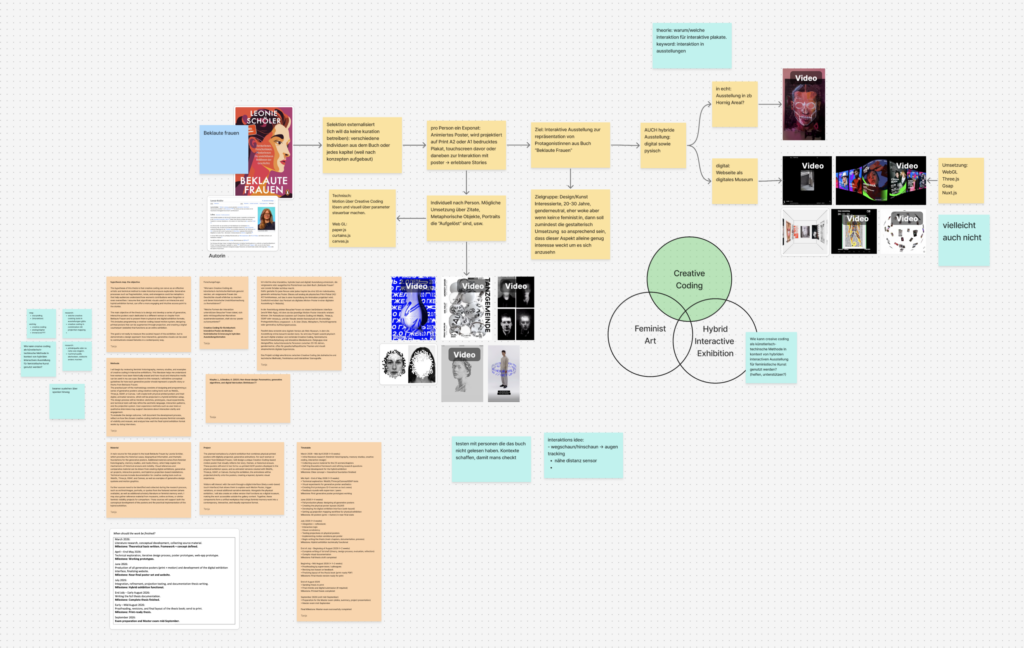
Ich habe meine ersten 3-5 Ideen an Birgit gepitched und ihr Input hat mir sehr geholfen, mein Thema weiter zu denken und auch zu verfeinern. Hier in diesen Screenshot kann man mein erstes Figma Jam board sehen, in dem ich alle Themen mal niedergebracht habe.

Mein Ziel in diesem Step war, meine Idee im Figma Jam einmal sauber runterzubrechen: Also nicht nur „im Kopf“, sondern als Flow, den ich auch Außenstehenden erklären kann. Inhaltlich hat mich dabei das Buch „Beklaute Frauen“ inspiriert – vor allem die Art, wie es über viele einzelne Biografien und Themen-Kapitel hinweg ein größeres Bild aufmacht.

Nach dem Gespräch habe ich mein Board noch weiter verändert und ausgebaut, folgendes ist aber als Grundentscheidung weiterhin notiert geblieben: Die Auswahl soll externalisiert sein. Ich will an der Stelle keine klassische Kuratorin spielen, sondern eher einen Rahmen bauen, in dem sich unterschiedliche Personen aus dem Buch (oder alternativ je Kapitel, weil das Buch konzeptuell aufgebaut ist) abbilden lassen. Also wenn ich individuelle Schicksale zeige, dann will ich die Auswahl der Person externalisieren – oder ich zeige Konzepte und Gesellschaftsstrukturen, die zu diesem Problem geführt haben, dann kann ich auch andere Literatur heranziehen und selbstständig über die Inhalte der Poster bestimmen. Von diesem Punkt habe ich dann weitergearbeitet, und zwar in die Richtung einer interaktiven Ausstellung mit digital/analogen politischen Postern.

Je nachdem, was in dem Poster dann gezeigt wird, wäre der grobe Aufbau:

  • Ein animiertes Poster, das als Projektion auf ein gedrucktes Plakat (A2 oder A1) gelegt wird
  • Dazu Sensoren oder andere Trigger über die man mit dem Poster interagieren kann
  • Ziel: Die Inhalte werden nicht nur gelesen, sondern als erlebbare Story zugänglich

Ich habe mir dazu auch ein bisschen notiert, wie die Visualisierung pro Poster aussehen könnte. Das soll individuell funktionieren – je nachdem, was zum jeweiligem Inhalt passt. Ideen, die ich gesammelt habe:

  • Arbeit mit Zitaten als Einstieg oder „Trigger“
  • Metaphorische Objekte (statt alles nur über Text zu erklären)
  • Porträts, die sich „auflösen“, fragmentieren oder neu zusammensetzen

Technische Idee der Umsetzung von Projektion auf Poster:

Dann habe ich mir das Ganze nochmal als übergeordnetes Ziel formuliert: Am Ende soll es auf eine interaktive Ausstellung hinauslaufen, die die Protagonistinnen aus „Beklaute Frauen“ repräsentiert – nicht als klassische Info-Tafeln, sondern als hybride, visuell starke Stationen.

Ein wichtiger Punkt im Mapping war auch die Zielgruppe: Ich denke da an design-/kunstinteressierte Menschen, eher genderneutral gedacht, tendenziell offen für politische Themen. Und gleichzeitig: Selbst wenn jemand nicht explizit aus einem feministischen Interesse heraus kommt, soll die gestalterische Umsetzung so anziehend sein, dass man trotzdem hängen bleibt und sich darauf einlässt.

Technisch habe ich eine Richtung festgehalten: Motion über Creative Coding, und zwar so, dass ich die visuellen Elemente über Parameter steuerbar mache (damit das System pro Poster variieren kann). Als mögliche Tools/Libs, die ich dafür am Schirm habe: paper.js, curtains.js und klassisch canvas.js/WebGL, je nachdem wie „grafisch“ vs. „shader-lastig“ es am Ende werden soll.

Und ganz am Ende habe ich mir die Klammer nochmal als Frage notiert, weil das eigentlich der Kern für die Masterarbeit werden könnte:

Wie kann Creative Coding als künstlerisch-technische Methode im Kontext einer hybriden interaktiven Ausstellung für feministische Inhalte genutzt werden – also nicht nur „als Effekt“, sondern wirklich unterstützend?

Animierte Poster als Inspo

IMPULSE #5: Sitdowns with Dr Konrad Baumann

In the last few months, I had the pleasure of knowing one of the leading professors at FH Joanneum, who happens to be my master’s thesis supervisor by choice, as he possesses real-world knowledge about the UX realm, its intricacies, and fundamentals.

The meetings consisted of a mix of lunches and dinners that gave me the space to talk freely without the boundaries of meeting someone in an office, speaking my mind about the challenges and hurdles that come with doing my master’s studies while working as a product designer and the hustle to juggle between every aspect, including what life throws at you from other directions.

In addition, I introduced my master’s thesis topic and talked about it in terms of the possibilities of how to achieve it, its potential approaches and the importance of striking a balance between theory and practice. I received some great insights from Dr. Konrad, and he introduced me to some fine books. One of these, a master’s thesis from 2018 by a student of FH Joanneum, is particularly noteworthy. The thesis named Data Driven UX Process for MOOC Design by Jacqueline Kircher, which is basically a user experience improvement of the massive open online course platform iMooX, shares the same DNA with my topic since it addresses the UX issues in a platform dedicated to knowledge management.

Scrolling through the thesis, I found a great deal of valuable information, as well as exploring the structure that was used to form and layout a master’s thesis which made me choose this work to be in my bibliography to use it as a reference. Several other books I checked out of curiosity and found what seemed to me the first spark that made me choose digital design as a future path back in 2014, one of them is The Universal Principles of Design.

In conclusion, more and more I’m realizing how valuable to know people who have good experience under their belt and especially those who are pragmatic in their approach to what is going on around them, both professionally and socially and the epiphany of reminding yourself that the more you know, the more you realize that you don’t know.