3.6 IMPULSE #6

Today, 29/1/2026, we had what was called a “Final Crit.” It wasn’t really a class, but rather a 25-minute one-on-one meeting with Horst Hörtner from Ars Electronica. I went into it still feeling unsure about my master’s thesis topic, and I left with a much clearer sense of what I am not doing anymore, and where I need to look next.

Most of our conversation focused on how I have been framing my topic so far: communicating social anxiety through tangible interaction. While this sounds coherent on paper, I realized during the discussion that it doesn’t fully translate to what I actually want to achieve. Social anxiety is a broad and complex subject. It is experienced differently by everyone, and it can easily become abstract or even misleading if you try to “represent” it too directly.

When I talked about my project, I noticed that I kept drifting into the technical side: how to visualize anxiety, how to show it, how to make it interactive. But that is not really my core intention. I am not interested in creating a visual metaphor of anxiety. What I care about is how people feel in certain spaces and situations, and how interaction design can shape that experience.

One of my initial ideas was to create a space that does not make people feel like they are performing or being put in the spotlight. The feeling of being watched, judged, or evaluated is something many people with social anxiety experience strongly. I wanted to avoid designing something that forces visitors to act, react, or expose themselves. Instead, I imagined a space where interaction is optional, slow, and self-directed.

At the same time, the meeting reminded me of something important: there is no single experience of social anxiety. Some people feel uncomfortable around strangers, while others feel safer with people they do not know. Some enjoy attention, others avoid it. We can never fully know how someone feels when they enter a space. That makes the task more complicated, but also more interesting. It means I am not designing for a fixed emotion, but working with uncertainty, subjectivity, and difference.

What became clearer to me is not a final answer, but a shift in how I need to think about the topic. Instead of trying to “show” social anxiety, I need to rethink what my role is as a designer in relation to it. The question is less about representation and more about how my own perspective, values, and experiences can shape the way I approach this subject.

I don’t yet know what the final form of the work will be. But I do know that I need to move away from purely technical solutions and spend more time clarifying what I actually want to communicate through interaction, space, and material.

AI was used for corrections, better wording, and enhancements.
Impulse #6: Praying by Design? A Critical Look at Prayer Apps

As part of my ongoing research into how digital and interactive media intersect with spiritual and liturgical experiences, I recently took a closer look at contemporary prayer apps. In particular, I explored Hallow, one of the most prominent Catholic prayer apps internationally, as well as the Austrian project einfach beten. Both platforms aim to support spiritual practice through digital means—yet they approach this goal in very different ways.

At first glance, Hallow stands out through its highly polished design. The visual language feels modern, minimal, and clearly targeted at a younger audience. Navigation is intuitive, typography is clean, and the overall aesthetic would not immediately be associated with religious or church-related content. From a purely interface-driven perspective, this neutrality is a strength: it lowers the threshold for entry and avoids overt religious symbolism that might deter hesitant users.

However, the longer I spent with the platform, the more ambivalent my perception became. The absence of real people is striking. Instead, the app relies heavily on illustrations—human figures without faces, stylized and distant. While this may be a deliberate attempt to remain inclusive or universal, it also creates a sense of emotional detachment. The interface feels curated but strangely cold, almost sterile. In some moments, this abstraction even felt unsettling, as if spirituality were being removed from lived human experience and translated into a controlled, aestheticized environment.

A major limitation of Hallow is its strict access model. Without registering—and, in many cases, subscribing—very little content is available. This raises questions about accessibility and inclusivity. Prayer, traditionally understood as a freely accessible spiritual practice, becomes gated behind logins, data collection, and payment models. As several critical articles point out, this creates tension between spiritual support and commercial interests. When prayer becomes a product, the line between guidance and manipulation becomes blurred.

These concerns are echoed in media coverage questioning whether Hallow functions primarily as a spiritual companion or as a tool of subtle influence. The use of persuasive design strategies—such as streaks, reminders, and emotionally framed audio content—can foster dependency rather than reflection. From an interaction design standpoint, this raises ethical questions: When does “supporting spiritual practice” turn into behavioral steering?

In contrast, einfach beten presents a very different approach. Visually, the platform is far less refined. The design feels dated and lacks the clarity and appeal of more contemporary apps. However, what it lacks in aesthetic sophistication, it partially compensates for through openness. Access to audio prayers is fast and uncomplicated, and users can engage with content without immediate registration. This simplicity aligns more closely with traditional understandings of prayer as something accessible, personal, and non-exclusive.

That said, einfach beten also reveals the challenges of translating spiritual practice into digital form. The lack of thoughtful interaction design limits engagement, especially for users accustomed to high-quality digital experiences. While the content may be meaningful, the interface does little to invite reflection or sustained use. This highlights a central tension: accessibility alone does not guarantee meaningful interaction.

Comparing these two platforms has been highly relevant for my master’s thesis. Both apps demonstrate that digital tools can support spiritual practices—but they also show how easily technology can reshape, frame, or even distort them. Neither solution feels fully convincing. One prioritizes design and branding at the risk of commercialization and emotional distance; the other prioritizes content while neglecting experiential quality.

For my research, this comparison reinforces the importance of critical, reflective interaction design in religious contexts. Digital tools should not aim to replace liturgical or spiritual experiences, nor should they instrumentalize them. Instead, they should create spaces that allow for openness, ambiguity, and personal interpretation—qualities that are central to spiritual experience but often difficult to translate into digital systems.

Ultimately, prayer apps reveal less about technology itself and more about the values embedded in their design decisions. They force us to ask: What does it mean to “support” spirituality digitally? Who defines what a good spiritual experience looks like? And how much control should technology exert over practices that are deeply personal and reflective by nature?


Links:

https://religion.orf.at/stories/3232866

https://www.katholisch.at/aktuelles/152900/einfach-beten-app-bietet-neue-gebetsformen-fuer-den-alltag

https://hallow.com/de

https://einfachbeten.app

https://www.br.de/nachrichten/kultur/katholische-gebets-app-hallow-segen-oder-manipulations-werkzeug,UWjjuBo

IMPULSE #4: Sitdown with a UX Consultant at TU Graz

I recently had the pleasure of having dinner with a creative who is a UX consultant at TU Graz and also a professor at FH Joanneum. The sit-down wasn’t based particularly on the field of UX but rather a myriad of other disciplines and life endeavors; however, since meeting with a designer will never end without a good discussion about the intricacies and nuances of the design industry.

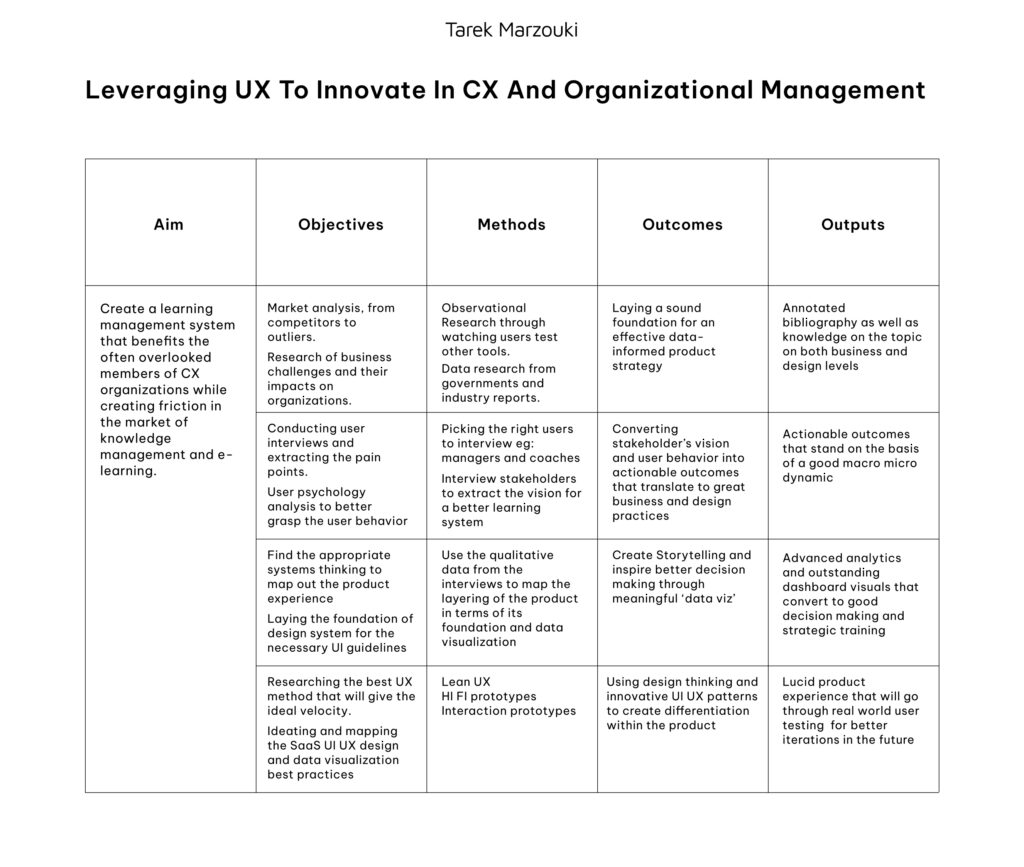
I was keen to share my master’s thesis subject and perhaps gain some insights and a fresh perspective on what’s about to come, and since this individual is well versed in working with learning management systems and has been working on one for the past 8 years with TU Graz, although their LMS is university based unlike my thesis topic which is organizations based, but they share the same DNA persay.

I gained a new perspective on many areas in terms of working on an LMS, for example, how to manage knowledge and distribute it within a software pipeline, instill a service that will benefit the organization and create the chance to benefit other organizations as well, through a SaaS package, also in terms of doing the proper research on how to find the right literature and reduce fluff as much as possible, also to always leave room for healthy ambiguity and explore the differences in UX between School LMS and Org LMS and how much those differences impact the product experience.

Additionally, talking about my master’s thesis, which happens to be a project related to my actual work, outloud with a UX professional gives more substance and breathes more life into the whole venture and creates more room for sincere feedback and constructive criticism, as well as having someone that I will get back to for advice whenever I need advisory in my thesis’s process.

Furthermore, the discussion carried on to deeper dives into the relationship between programming patterns and UX UI patterns and how crucial it is becoming crucial for designers to be more knowledgeable about programming patterns.

In conclusion, the sitdown was truly refreshing for me as a person, a traveler and as a designer, and surely for my thesis project, it gave me many insights about the UX market in Graz and Austria as a whole and made me realize again how important networking is and how much it could expand your horizon and potentially create more opprtunities that you never thought of.

Impulse #5: Attending the episcopal consecration

Last Saturday, I attended the episcopal ordination in Vienna — a liturgical ceremony that unexpectedly felt closer to a large-scale public event than to what many people would associate with a “typical” church service. More than 3,000 people gathered inside the cathedral, while security measures, police controls, media crews, and a precisely choreographed procession shaped the overall experience. The ceremony lasted over two hours and was accompanied by music, live broadcasts, and extensive technical infrastructure. What struck me most was not only the scale of the event, but the atmosphere it created: excitement, anticipation, and even moments of collective jubilation.

Experiencing this ordination made me reflect deeply on the paradox that currently surrounds the Catholic Church. On the one hand, there is a widely discussed and very real distance between the institution of the Church and many people in everyday life. Regular church attendance is declining, and the Church is often perceived as outdated, rigid, or disconnected from contemporary realities. On the other hand, events like this episcopal ordination demonstrate that, under certain circumstances, the Church is still capable of mobilizing large crowds and generating strong emotional engagement.

During the ceremony, the liturgy was carefully structured and staged. The procession, spatial arrangements, musical interventions, and transitions between ritual moments were highly orchestrated. From an interaction design perspective, this revealed how strongly experience design is already embedded within liturgical processes — even if it is rarely framed in those terms. The event felt immersive: attention was guided, emotions were amplified, and a sense of shared significance was created through rhythm, sound, movement, and symbolism.

What made this impulse particularly relevant for my master’s research was the contrast between this intense, collective experience and the everyday distance many people feel toward the Church. It raised an important question for me: why do people who may otherwise feel disconnected from institutional religion still show up for such events and even experience them as meaningful or moving? The ordination functioned almost like a “threshold moment,” temporarily lowering barriers and allowing people to participate without requiring long-term commitment or regular practice.

The strong presence of technology also played a key role. Camera cranes, live streams, microphones, lighting, and coordinated media coverage transformed the ceremony into something that extended beyond the physical space of the cathedral. The liturgy was not only performed for those present, but also for an unseen, remote audience. This hybrid physical-digital setting made the ritual accessible in new ways and highlighted how contemporary liturgical experiences already rely on interactive and mediating systems.

For my master’s thesis, which explores how interactive media can support spiritual or liturgical experiences, this event served as a powerful real-world reference. It showed that interaction does not necessarily mean screens, apps, or explicit user interfaces. Interaction can also be temporal, spatial, embodied, and emotional. The way people moved, stood, watched, listened, and responded collectively was itself a form of interaction — carefully enabled through design decisions.

At the same time, the event raised critical questions. If the Church is capable of creating such impactful experiences on special occasions, why does this not translate into everyday liturgical life? Is it the scale, the rarity, the performative aspect, or the sense of collective importance that makes the difference? And how could interactive media help bridge this gap — not by turning liturgy into spectacle, but by supporting participation, reflection, and personal meaning?

This impulse reinforced my intention not to approach my research from a didactic or missionary perspective. Instead, it encouraged me to observe, analyze, and learn from existing practices. The episcopal ordination made visible how carefully designed processes can shape spiritual experiences — and how interaction design already operates within religious contexts, often implicitly. Understanding these dynamics will be crucial for developing thoughtful, respectful, and meaningful interactive interventions within liturgical or spiritual settings.


Links:  

Dissclaimer: AI was used here for a better wording and structuring

IMPULSE #5 – Escape Room

In my first four blog posts, I was still experimenting and trying out different directions for my thesis topic. I deliberately explored a wide range of activities and formats, not because I was unsure of what I liked, but because I wanted to understand what could meaningfully connect to my field of Interaction Design. Instead of committing too early, I tested ideas, interests, and approaches to see where a consistent theme might emerge.

In December, I finally made a decision about my thesis topic. I realized that many of the things I had been drawn to: books, talks, presentations, videos, and digital experiences, had one thing in common: strong storytelling. This led me to focus on Narrative UX & Interactive Web Storytelling. Looking back, the connection seems obvious, but it took time to translate a general interest in stories into a concrete design-related research direction.

During the Christmas break, I visited an escape room with friends and unexpectedly found a clear connection to this topic.

The Event

The escape room was called Top Secret. The scenario was introduced with the following description:

“You are locked inside a high-security military facility with the mission to steal the plans for a revolutionary weapon. Every step you take is monitored by advanced systems and security traps, so you must act quietly, swiftly, and with precision. Only the best spies can successfully complete this deadly mission and escape without a trace.”

The room had a difficulty rating of 10/10. We had one hour to complete the mission and managed to escape in the very last minute. The puzzles were demanding and required close attention, logical thinking, and collaboration. What stood out to me was not only the complexity of the tasks, but the way every clue, object, and interaction was integrated into the narrative setting.

Escape Rooms as a Form of Storytelling

Escape rooms rely on storytelling in a specific way. Unlike films or books, they do not present a linear narrative. Instead, participants experience the story through interaction with space, objects, and systems. The narrative is gradually revealed through actions rather than explanations.

While playing, I began to see parallels to Interaction Design. The escape room functioned like an interactive system in which users navigate a designed experience. Storytelling was embedded in spatial design, visual cues, sound, and physical interfaces. Each interaction revealed a fragment of the story, similar to how users explore and interpret content in interactive digital environments.

From this perspective, escape rooms can be understood as physical examples of Narrative UX. They demonstrate how narratives can be structured through interaction rather than through traditional storytelling formats.

Why This Was an Impulse for My Research

This experience helped me reconsider how storytelling operates within design. It showed that narratives can emerge from interaction, structure, and user decisions, not only from text or visuals.

For my thesis, this impulse is relevant because it highlights how storytelling principles function across different media. It encourages me to examine how narrative strategies in physical interactive spaces can inform the design of interactive web experiences. Instead of treating storytelling as an additional layer, I now see it as an integral part of interaction design.

The escape room therefore became more than just a leisure activity. It provided a concrete example of how narrative and interaction intersect, which directly relates to my research focus on narrative UX and interactive web storytelling.

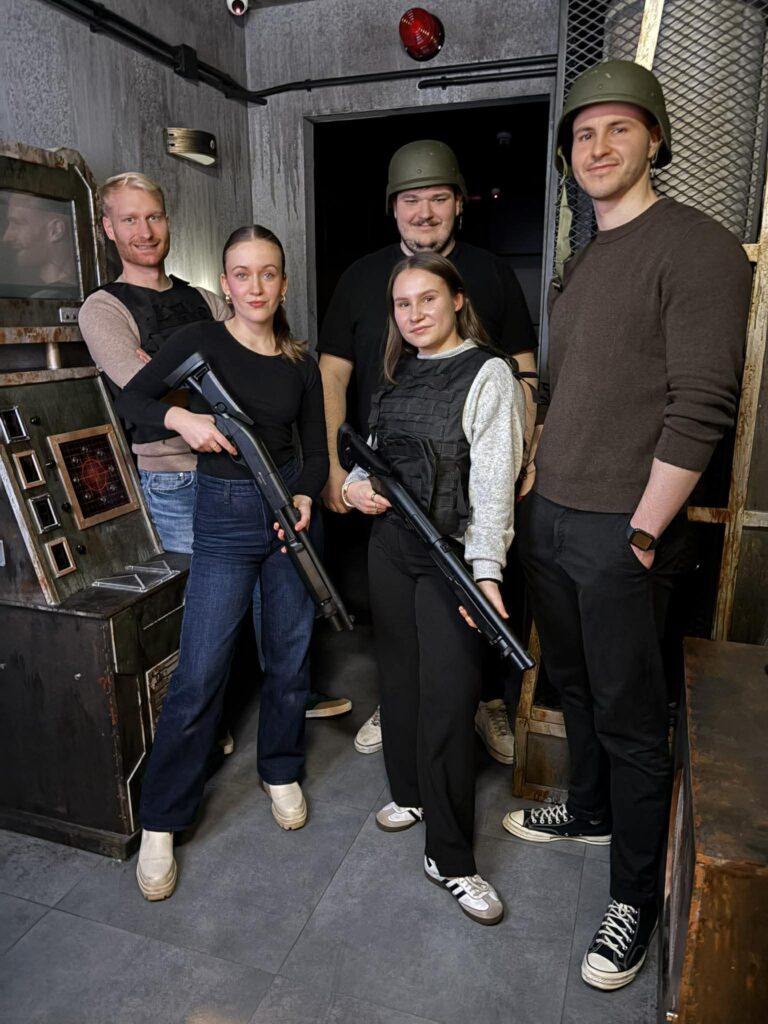
And a cringe photo as a proof that I was there:

Stuff Worth Clicking A.K.A. Accompanying Links

Disclaimer: This blog post was written with the help of AI for better grammar and correct spelling.

Impulse #5 Exploring Digital Activism Through Visual Intervention

As part of my research for my thesis, I conducted an initial exploratory study to better understand how people express emotions, critique, and resistance through visual intervention. The broader context of my thesis focuses on digital activism as a form of action rather than communication, and on how individuals appropriate digital interfaces as cultural spaces.

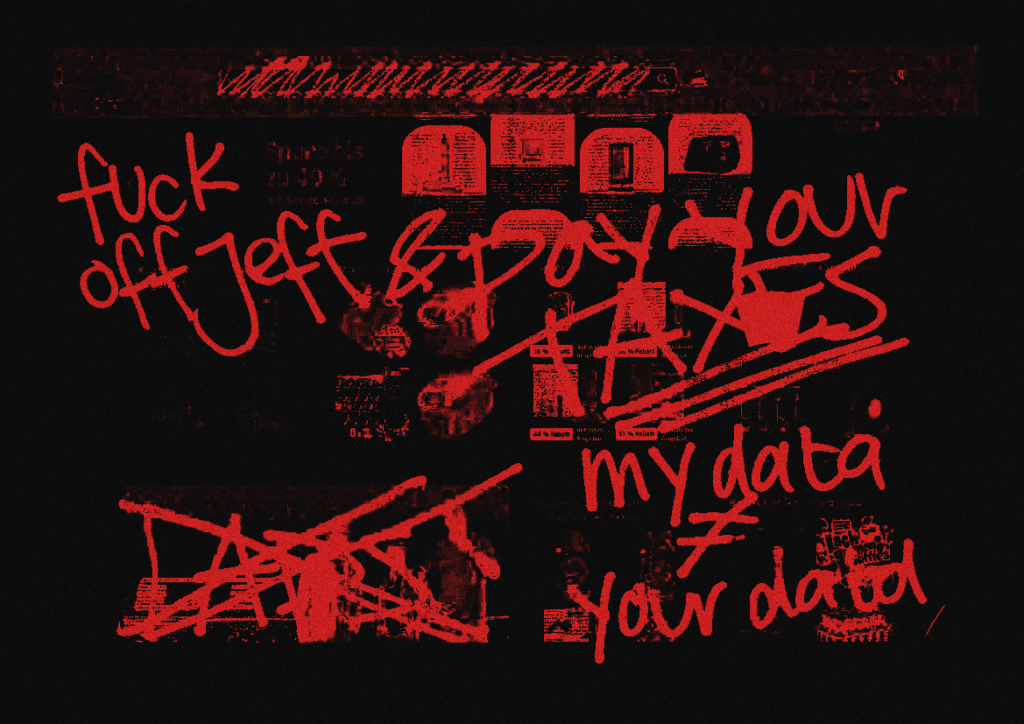
For this first study, I worked with four participants. Instead of using interactive prototypes or digital tools, I chose a deliberately simple and low-tech approach. I selected a range of websites and printed them on paper. These included websites that are often considered controversial by the general public, as well as neutral corporate websites and generic online stores. Each participant received one printed website.

The task was intentionally open-ended. Participants were asked to draw, write, mark, or alter the printed website in any way they wanted. The only instruction given was to express their thoughts and emotions freely and to react honestly to what they saw. There was no specific goal, no design task, and no expectation to improve the interface. Participants were not given a time limit and could stop whenever they felt finished.

To avoid influencing the process, I left the room during the exercise. This decision was made consciously, as I wanted the intervention to feel private and unobserved. The absence of the researcher reduced performance pressure and allowed participants to treat the activity as an emotional outlet rather than a test situation. In this way, the act of drawing or marking became closer to a spontaneous reaction than a designed response.

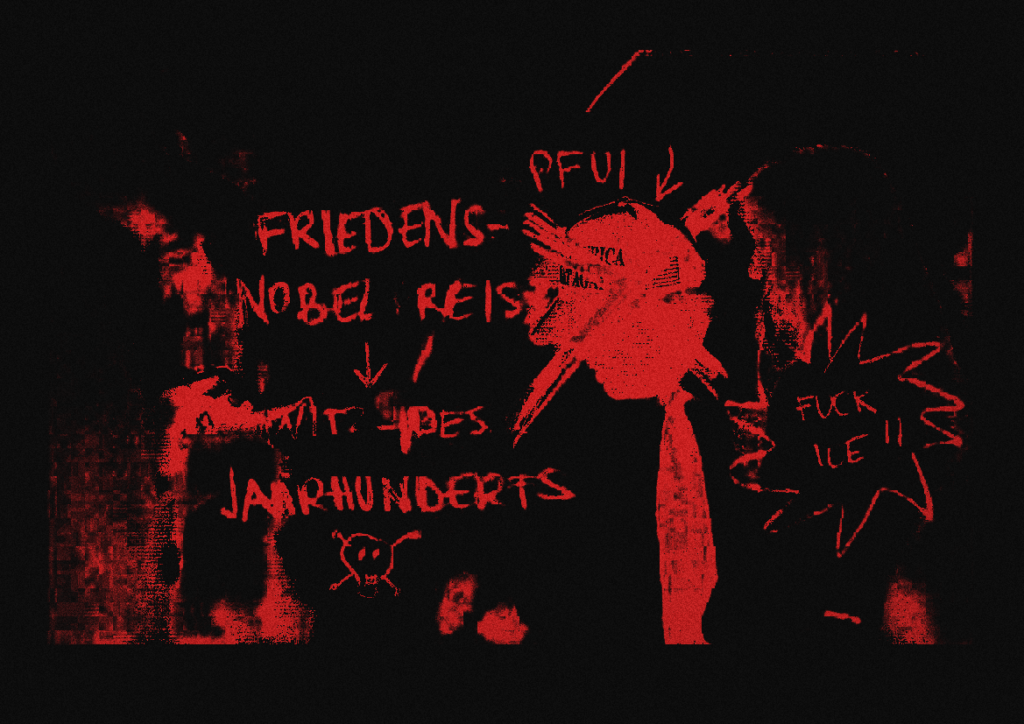
The results of this study are a collection of visual artefacts. Participants crossed out elements, added aggressive or ironic comments, highlighted specific interface components, exaggerated logos, or covered parts of the page entirely. Some interventions were chaotic and emotional, while others were more precise and symbolic. Despite the small number of participants, clear patterns began to emerge. Many participants focused on branding elements, headlines, or images rather than functional components such as navigation or buttons. This suggests that emotional reactions are often directed toward symbolic aspects of an interface rather than its usability.

It is important to note that this study was not intended to evaluate usability, efficiency, or user satisfaction. Instead, it functions as an exploratory intervention study. Its purpose was to observe how people visually appropriate interfaces when they are allowed to act freely and without constraints. In this sense, the printed format proved valuable, as it removed technical barriers and enabled direct physical interaction.

This first experiment strongly influenced the direction of my master’s project. It confirmed that visual intervention can act as a form of expression and critique, even without clear messages or explanations. More importantly, it highlighted how interfaces can become sites of emotional and cultural engagement, not just tools for task completion. These insights directly informed the concept of my final artefact, which aims to translate this act of visual intervention into a digital, but equally non-optimized, environment.

IMPULSE #3: UX Workshop with a Google Representative | Tunis 2019

In 2019, I had the incredible opportunity to attend a UX masterclass/workshop led by a representative from Google. As someone deeply interested in user experience design, this event felt like a stepping stone towards the world of UX, a world that had little online material back then. I remember the anticipation building up to the day, eager to explore and absorb knowledge.

The session kicked off with an overview of core UX principles. Our instructor emphasized the importance of user-centered design and the value of empathy in the design process. I learned how critical it is to understand users’ needs, preferences, and pain points. This knowledge is crucial when crafting experiences that resonate with the target audience.

Through interactive discussions, we explored various methodologies, including personas, user journey mapping, and usability testing. Engaging in group activities helped reinforce these concepts. One of the most impactful exercises involved role-playing as users to gain a deeper understanding of their perspectives. It was a unique way to create empathy, allowing me to see through the eyes of others—something I realized was fundamental in UX design.

Next, we delved into sketching practices. The instructor encouraged us to embrace spontaneity and creativity in our designs. Armed with whiteboards and markers, we transitioned into a hands-on sketching session. I was surprised at how liberating it felt to let go of perfectionism and allow ideas to flow freely.

I sketched a variety of wireframes and mockups, understanding that quick sketches can often convey ideas more effectively than detailed designs. The instructor emphasized that “simple is often better;” it’s about communicating concepts clearly rather than getting bogged down in intricate details. This reminder became a valuable takeaway, highlighting that sometimes the simplest solutions are the most effective.

As we continued, we shifted focus to best UI practices. Our instructor shared insights into visual hierarchy, color theory, and typography. Each element can significantly impact how users interact with a design, and I found myself captivated by the nuances of effective UI design.

We studied case studies from successful apps and websites, analyzing what made them user-friendly and visually appealing. Our instructor also discussed the importance of consistency in design elements, addressing how it contributes to brand identity and user trust. This segment reinforced the understanding that good design goes beyond aesthetics—it has a functional purpose.

Walking away from that masterclass, I felt invigorated and inspired. The combination of theoretical knowledge and practical application left a lasting impression on me. I was grateful for the chance to learn from a Google representative, who shared both industry insights and hands-on techniques.

This workshop not only solidified my understanding of UX principles but also sparked a passion for continual learning in the field. I realized that every project is an opportunity to experiment, iterate, and gather feedback to enhance the user experience further. The importance of empathy and user-centered design became pillars of my approach, guiding my journey as a Product Designer.

Disclaimer: AI was used to fix any grammatical mistakes and for better phrasing.

3.5 IMPULSE #5

It’s been a while since my last blog post, and in that time, my thesis has taken a much more concrete shape. At its core, my research is about social anxiety and emotional tension, and how these inner states can be expressed, explored, and softened through interaction, technology, and tangible experience.

I’m interested in how design can create environments of social comfort rather than pressure. Spaces where people don’t have to perform, explain themselves, or be “good” at interacting. Instead, they can approach their emotions through doing, touching, moving, and experimenting.

Even though the topic sounds serious, play is still at the heart of it. Not play as entertainment, but play as a method. A way to interact with uncertainty, vulnerability, and anticipation in a gentle and non-judgmental way.

That’s why I thought it was a good idea to watch the episode “Cas Holman: Design for Play” from Netflix’s Abstract: The Art of Design. Cas Holman is a play designer who creates open-ended tools and environments for children. Watching her work again felt surprisingly close to what I’m trying to do in my own practice. She doesn’t design toys with instructions, but situations and possibilities.

One sentence from the episode really stayed with me:
“We don’t design the play, we design for the circumstances of play to arise.”

This is exactly what I’m trying to do in my thesis.

My goal is not to tell people how to feel or how to behave. It’s to design the conditions in which certain interactions and emotions can appear on their own. Cas Holman does this with wood, plastic, and other physical materials. I do it with technology, interaction, and systems. Different kinds of materials, but a similar intention.

Her work creates spaces where children feel free to explore without being judged. In my case, I’m interested in creating environments where people can engage with their own tension, vulnerability, and uncertainty, especially in relation to social anxiety. I don’t want to design “solutions” to emotions. I want to design spaces where those emotions are allowed to exist and be explored.

Even though my thesis is not about children, play is still my method. For me, play means:

  • not having to be right
  • not having to perform
  • not having to explain yourself immediately

It’s a way to approach difficult feelings gently, through interaction rather than conversation.

AI was used for corrections, better wording, and enhancements.