5. Cerebellum, Hippocampus, and Amygdala

CEREBELLUM: MUSIC AND MOVEMENT

The cerebellum, primarily known for its role in coordinating movement, plays a crucial part in our rhythmic and physical responses to music. This interaction enhances the emotional experience of music through embodied engagement.

Synchronization with Rhythm: The cerebellum helps align our body’s movements with the rhythm of music. This is why we naturally tap our feet, sway, or dance to a beat. It connects auditory inputs with motor outputs, creating a physical embodiment of musical patterns.
Emotional Amplification: The cerebellum interacts with the brain’s emotional centers, amplifying feelings associated with music. Rhythmic patterns and tempo changes influence the intensity of these emotional responses. For instance, a fast, driving rhythm might energize us, while a slow, steady rhythm can calm us.
Evolutionary Perspective: Levitin suggests that the cerebellum’s role in rhythm and movement likely evolved to foster social cohesion. Group activities like singing and dancing strengthened bonds and facilitated communication in early human societies.

HIPPOCAMPUS: MUSIC AND MEMORY

The hippocampus, essential for memory formation and retrieval, plays a central role in how music connects to our personal histories and emotions, making it a powerful tool for nostalgia and therapeutic interventions.

Music as a Memory Trigger: Music activates the hippocampus, often unlocking vivid memories tied to specific songs. This is why hearing a song from childhood can transport us back in time, complete with emotional context.
Emotional Encoding: Music’s emotional impact strengthens memory encoding. Songs experienced during emotionally significant moments (e.g., a wedding or breakup) are more deeply imprinted in the brain, making them easier to recall later.
Neurological Basis for Music Therapy: Levitin points to studies showing how music engages the hippocampus even in individuals with memory disorders like Alzheimer’s. Familiar songs can evoke memories and emotions that seem otherwise inaccessible, providing a therapeutic effect.

AMYGDALA: MUSIC AND EMOTION

The amygdala, the brain’s emotional processing center, helps explain why music has such a profound effect on our mood and why it can be used to evoke specific emotional states.

Emotional Resonance: The amygdala assesses the emotional content of music, influencing feelings like joy, sadness, or fear. For example, dissonant harmonies can activate the amygdala’s fear response, while consonant melodies may evoke feelings of peace or happiness.
Fight-or-Flight Response to Sound: The amygdala’s evolutionary role in processing auditory stimuli is tied to survival. Sudden, loud sounds might trigger a fight-or-flight response, while gentle, soothing sounds signal safety and relaxation. Music capitalizes on this mechanism to create tension and release, often driving emotional highs.
Interplay with Memory: The amygdala works closely with the hippocampus, reinforcing the emotional weight of memories associated with music. This partnership explains why emotionally charged songs often leave a lasting impression.


4. Exhibition Design

EMOTIONALLY DIRVEN ROOMS

Emotionally driven rooms in interactive design use music and visuals to create specific emotional atmospheres that immerse participants. By pairing the right kind of music with complementary visuals, these rooms evoke feelings such as calmness, excitement, or awe. For instance, a “Calm Room” could feature slow-tempo, minor-key music alongside visuals of flowing water and cool colors like blues and purples, providing a serene atmosphere. In contrast, an “Excitement Room” might use fast-paced, syncopated rhythms paired with sharp, dynamic visuals in warm tones like reds and oranges, generating energy and intensity. To further enhance the experience, environmental factors such as scent or temperature can be incorporated—cool air and the scent of lavender could accompany the calm setting, while the excitement room could feel warmer with energetic vibrations in the floor. Visitors can also influence the tone of the room through touchscreens or voice commands, adjusting the mood and music to create a more personalized emotional response.

Real-world examples of emotionally driven rooms include the “Museum of Ice Cream”, which creates various themed environments using color and music to evoke joy and nostalgia, and “TeamLab Borderless in Tokyo“, where interactive, immersive rooms shift based on visitors’ movements, evoking a range of emotions.

INTERACTIVE MUSIC-VISUAL FEEDBACK SISTEMS

Interactive music-visual feedback systems allow visitors to control both sound and visuals in real-time, giving them agency in shaping their own emotional experiences. Gesture-based systems, for instance, use motion sensors to detect users’ movements, letting them “conduct” music or trigger visual effects through their actions. As visitors move their hands upward, they might increase the pitch of the music, while corresponding changes in lighting or visual elements could brighten or shift in color. Wearable technology, like gloves or bracelets, could be used to control sound parameters such as pitch or tempo, creating a seamless blend of touch and sound that is directly reflected in the visuals. Collaborative interaction is also a possibility—several participants can engage with the system simultaneously, creating a shared musical and visual experience that blends their input into a unique, communal result.

Real-life examples of interactive systems include the “Dandelion Dome at Expo 2020 Dubai”, where visitors could blow on virtual dandelions to trigger sound and visuals, and Google’s AI Experiments, such as the “Chrome Music Lab”, which allows users to manipulate sound and visuals together in a digital format. Another example is the “Wavefield in Montreal“, where users swing on illuminated swings that trigger musical notes and synchronized lighting changes.

Wavefield in Montreal

EMOTIONALLY RESPONSIVE INSTALLATIONS

Emotionally responsive installations use AI and biometric data to dynamically adjust music and visuals based on participants’ emotional states, creating a deeply personalized experience. These systems can monitor facial expressions, heart rate, or skin responses to gauge how a person is feeling. For example, an AI system might detect signs of tension and shift the music to a calming melody while changing the visuals to soothing, fluid patterns. This creates a responsive environment that adapts to the user’s emotions. Additionally, layered responses can allow users to interact with the system, letting them customize aspects such as tempo or color in reaction to the emotional cues detected by the AI. This dynamic interplay between AI and human interaction guides visitors through emotional transitions, helping them move from a state of anxiety or stress to relaxation or excitement.

A real-world example of emotionally responsive technology includes “The Alchemist’s Garden in Prague“, where AI analyzes participants’ emotional states and adjusts the music and visual patterns accordingly. IBM’s Mood Mixer, used in collaboration with the Grammys, also offers a similar experience, where users’ responses help generate a personalized music playlist with visuals designed to match their emotional profile. Refik Anadol’s art installations, such as “Melting Memories,” utilize biometric data to generate dynamic, mesmerizing visual patterns synchronized with ambient soundscapes, further demonstrating the power of AI in creating emotionally responsive art.

Refik Anadol’s art installation “Melting Memories,”

ENHANCEMENTS TO CONSIDER

To enhance the emotional depth of these exhibitions, designers can incorporate immersive technologies like 360-degree projection mapping, spatial audio, or virtual reality (VR). These tools fully envelop the visitor in a multi-sensory environment, heightening emotional engagement. Additionally, exhibitions can serve an educational purpose by showing how music and visuals work together to influence emotion. Visitors might see how specific changes in tempo or key can alter the tone of an environment, or how visual elements like lighting or color shift alongside the emotional trajectory of the music. For a broader impact, cross-cultural elements can also be integrated, showcasing how different cultures use music and visuals to evoke emotions, allowing visitors to explore diverse emotional languages and experiences. Combining these enhancements with sound and visual integration can transform any exhibition into a deeply personal and emotionally engaging journey for each visitor.

3.Integrating Music, Visuals, and Emotional Triggers

Music and visuals have immense power to evoke emotions and immerse participants in interactive experiences. By combining the insights from Chapter 1 of This Is Your Brain on Music with design principles, we can create emotionally engaging designs. Below is a framework for how music, visuals, and interactivity can work together, with examples and practical applications.

EMOTIONAL TRIGGERS AND THEIR INTERACTIVE USES

1. Pattern Recognition and Expectation

An interactive design application could incorporate dynamic lighting that reacts to musical patterns, such as intensifying lights during a crescendo and dimming or shifting colors during resolution. To encourage participation, users could control musical sequences through touch panels or motion sensors, creating harmonious results that satisfy their pattern-seeking instincts and evoke joy. For example, a touch-sensitive wall could allow participants to tap and create melodies, triggering synchronized visual effects like ripples or sparks that align with melodic expectations.

2. Tension and Release

Emotional arcs in music, such as the buildup and resolution of tension, mirror life experiences, making them deeply relatable. Designers can enhance these arcs by pairing music with immersive visuals that reflect emotional shifts. For instance, tense musical passages could be accompanied by jagged, dark visuals, which then transform into soft, flowing imagery as the music resolves. Interactive exhibits can further engage participants by giving them control over tension and release, such as pressing a button to trigger a visual explosion synced with a musical climax. An example could be a VR experience where users navigate an environment that becomes brighter and more colorful as the music resolves, evoking feelings of triumph or relief.

3. Visual Analogies (Colors and Shapes)

The brain naturally links musical qualities with visuals, such as warm colors for happy music or smooth shapes for calm music. Aligning music with complementary visuals amplifies its emotional impact. Designers can map musical elements to visual stimuli, like using higher pitches to trigger vibrant colors (reds, yellows) and lower pitches to evoke cool tones (blues, purples). Rhythmic changes could influence shapes, with sharp angles for fast tempos and flowing curves for slower ones. Interactive experiences can further engage users by allowing them to mix visual effects or adjust color schemes in sync with musical features, fostering a sense of agency over the emotional tone. For example, an interactive light installation could let participants control both the soundtrack and visuals, where selecting a major key generates bright, colorful imagery, while a minor key creates darker, subdued visuals.

“FLORA” light installation, 2015/2016, Philipp Artus

DESIGN CONSIDERATIONS

Designing for maximum emotional impact in interactive exhibitions requires a seamless integration of sound and visuals, leveraging their ability to evoke and amplify emotions. Synchronizing music with visual transitions ensures an immersive and cohesive experience, while personalization fosters a sense of agency, making the interaction deeply engaging and memorable. By incorporating contrast and surprise, designers can mimic music’s tension-and-release mechanism to create emotional highs and lows. Finally, considering cultural contexts ensures the experience resonates universally, honoring diverse interpretations of sound and imagery. Together, these principles can transform exhibitions into powerful, multisensory journeys that connect deeply with audiences.

2. What is Music?

In the opening chapter of This Is Your Brain on Music, Daniel J. Levitin lays the foundation for understanding music as a structured collection of sounds that appeal to our brain’s innate ability to recognize patterns. He breaks down the core components of music-pitch (how high or low a note is), rhythm (the timing of sounds), and harmony (how different notes work together)-and explores their role in eliciting emotional responses.

HOW MUSIC TRIGGERS EMOTIONS IN OUT BRAIN

Levitin emphasizes that music’s emotional power lies in its ability to play with our brain’s expectations. Our brains are wired to predict patterns in sensory information, and music leverages this predictive mechanism to create moments of satisfaction, surprise, or tension. The brain processes music through several interconnected systems:

Pattern Recognition: The auditory cortex is responsible for identifying musical patterns. When a melody resolves in a way our brain predicts, it brings feelings of comfort or pleasure. Conversely, when a pattern is disrupted bye a surprising chord or rhythm, it can evoke excitement, curiosity, or even anxiety.
Tension and Release: Music creates emotional arcs by building tension and then resolving it. For example, a suspended chord creates a sense of unease that resolves when it transitions to the expected harmonic endpoint. This mirrors emotional experiences in life, such as anticipating and resolving conflict, which makes the emotional impact of music relatable.
Dynamic Contrasts: Changes in loudness and tempo can influence the intensity of emotional responses. A gradual crescendo builds excitement and anticipation, while a sudden decrescendo might evoke calmness or introspection.
Cultural and Personal Context: Our emotional reaction to music is shaped by prior experiences and cultural conditioning. For instance, certain scales (like the major scale) are culturally associated with happiness, while others (like the minor scale) are linked to sadness.

EXAMPLES OF EMOTIONAL TRIGGERS

Pitch and Emotion: High-pitched melodies are often perceived as bright or happy, while low-pitched tones convey seriousness or sadness. For instance, a slow cello piece in a minor key might evoke the image of a dark, moody landscape, resonating with feelings of sadness or introspection.
Rhythm and Excitement: Fast, syncopated rhythms (like those in dance music) stimulate the brain’s motor areas, often triggering excitement and a physical urge to move.
Timbre and Texture: The unique “color” of an instrument’s sound can evoke specific associations. For instance, the sharp, brassy timbre of a trumpet might evoke energy or heroism, while the soft timbre of a flute might suggest tranquility or nostalgia.

INSIGHTS

Levitin’s analysis of music in Chapter 1 reveals that the emotions triggered by music stem from the brain’s inherent drive to find order, combined with the sensory and cultural associations we attribute to sound. The visual and color analogies he uses underscore the multi-sensory nature of our emotional experiences with music, showing how sound transcends auditory processing to evoke vivid, almost tangible feelings and images.

#10 Using A/B Testing to Measure Awareness and Behavior Changes Around Digital Footprints

How do we encourage individuals to adopt more sustainable digital habits? One way to find out is by testing the effectiveness of tools designed to raise awareness. A/B testing is a proven method for evaluating whether such tools—like an app to track your digital footprint—can lead to meaningful behavior changes.

In this blog post, I’ll explain the basics of A/B testing, how I plan to use it to test a digital footprint tracker, and share examples of similar research that demonstrate the power of controlled experiments in behavioral studies.

What is A/B Testing?

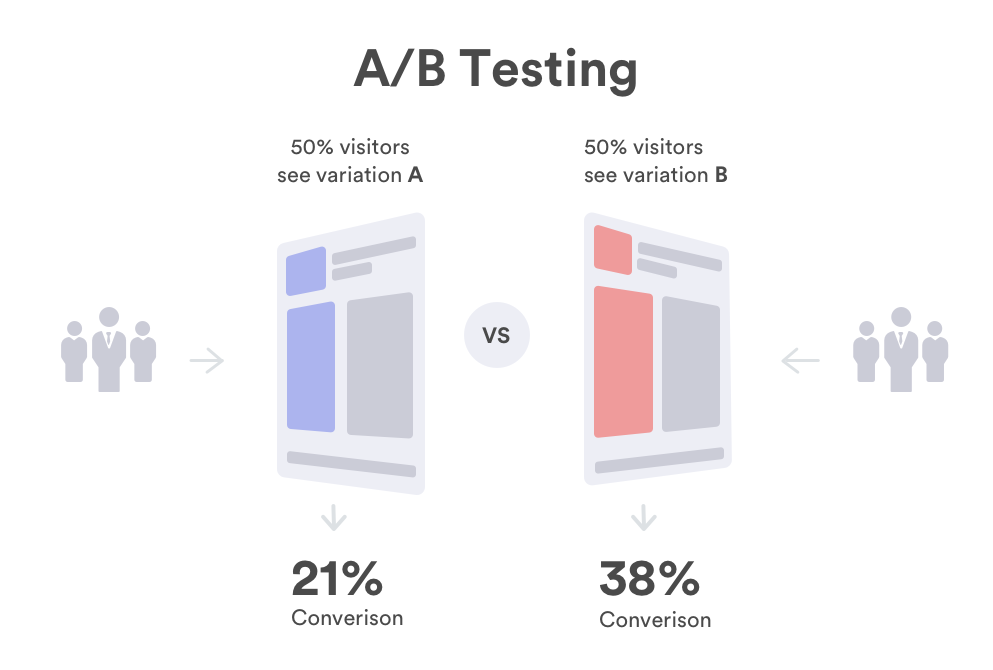
A/B testing is a method of comparing two groups to evaluate the impact of a specific variable. Group A receives the intervention or tool being tested (in this case, the digital footprint tracker), while Group B serves as a control and does not receive it. After a predetermined period, the behaviors, attitudes, or results of the two groups are compared to assess the tool’s effectiveness.

For example, in the context of my proposed app, Group A would use the app to monitor their digital footprint for a set period (e.g., one week or one month). Group B would continue with their regular digital habits without any additional awareness tools.

The Hypothesis

The hypothesis driving this test could be:
“Users who track their digital footprint through the app will demonstrate greater awareness of their digital energy consumption and reduce unnecessary usage compared to users who do not have access to the tracker.”

Designing the A/B Test

  1. Recruiting Participants
    A diverse group of participants would ensure a representative sample. Ideally, this would include individuals with varying levels of digital usage and environmental awareness.
  2. Intervention (Group A)
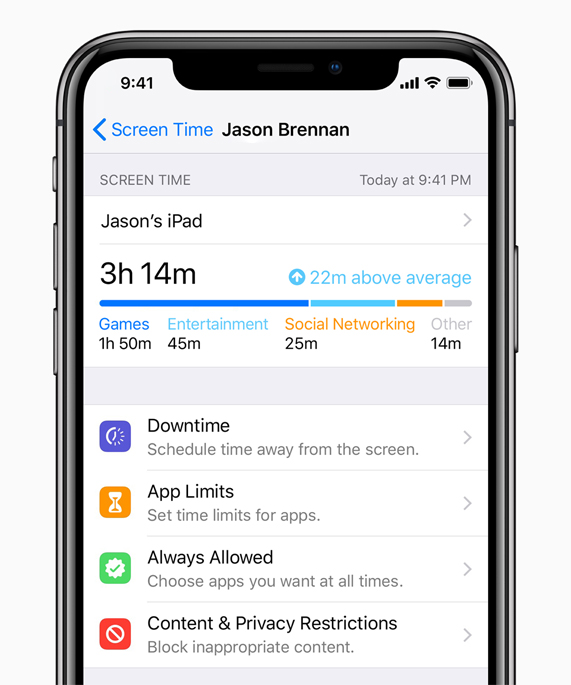
    Group A would be introduced to the app, which would allow them to track activities like time spent on social media, streaming, cloud storage usage, and the corresponding carbon emissions. The app could also provide tips for reducing their footprint.
  3. Control (Group B)
    Group B would not use the app and would continue with their regular habits.
  4. Metrics to Measure
    Metrics could include:
    • Average time spent on digital activities (e.g., social media, streaming).
    • Volume of data stored or transferred (e.g., cloud usage).
    • Self-reported awareness of their digital energy impact (via surveys).
  5. Analysis
    After the testing period, compare the two groups’ behaviors. Did Group A reduce their digital energy consumption more than Group B? Did awareness levels increase? The results would indicate whether the app was effective in driving behavioral change.

Examples of Similar Research

Several studies and experiments have demonstrated the value of A/B testing in behavioral science:

Energy Usage Feedback
A widely cited study by Allcott and Rogers (2014) measured the impact of providing households with real-time feedback about their energy consumption. Households that received feedback via an energy-monitoring device reduced their electricity usage by 2-4% compared to the control group.

The Short-Run and Long-Run Effects of Behavioral Interventions: Experimental Evidence from Energy Conservation

Health and Fitness Trackers
Research on fitness trackers shows that users who monitor their steps and activity levels are more likely to engage in physical exercise than those who do not use tracker. This aligns with the principle that awareness can lead to behavior change.

Digital Well-Being Studies
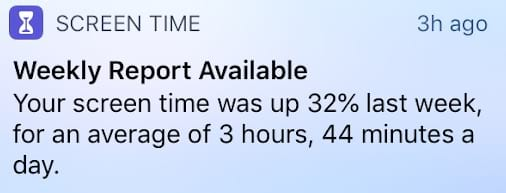
In a study focused on reducing screen time, researchers tested the effects of apps designed to monitor phone usage. Participants who received weekly reports about their screen time reduced their usage by 20% compared to those who did not receive feedback.

Challenges to Consider

While A/B testing is highly effective, it’s important to consider potential challenges:

  • Sample Bias: Participants may alter their behavior simply because they know they’re being observed (the Hawthorne effect).
  • Consistency: Ensuring that both groups adhere to the test conditions is crucial for accurate results.
  • Long-Term Impact: Measuring behavior change over a longer period (beyond one week or one month) may require additional follow-ups.

Using A/B Testing to Inspire Awareness

The results of this test could inform the design and functionality of the digital footprint tracker. For instance:

  • If Group A reduces their cloud usage, the app could highlight the most impactful actions users can take.
  • If awareness alone is insufficient, the app could incorporate behavioral nudges, such as gamification or rewards for sustainable habits.

Ultimately, the findings could shape not just this app but broader efforts to raise awareness about the environmental impact of digital activities.

Conclusion

A/B testing provides a scientific and measurable way to evaluate whether tools like a digital footprint tracker can drive awareness and behavior change. By comparing the actions of two groups, we can gain valuable insights into what motivates people to adopt more sustainable habits—and how design can play a role in fostering awareness.

Resources:

https://vwo.com/ab-testing

The Short-Run and Long-Run Effects of Behavioral Interventions: Experimental Evidence from Energy Conservation

https://publications.jrc.ec.europa.eu/repository/bitstream/JRC133518/JRC133518_01.pdf?utm_source

(PDF) Effectiveness of behavioural interventions to reduce household energy demand: A scoping review

#09 Personal Motivation: Reflecting on My Own Digital Footprint

We live in a hyperconnected world, but how often do we pause to consider the environmental cost of our digital habits? Personally, I rarely did—until now. This blog post is an honest reflection on my digital footprint and how learning about it has motivated me to take small but meaningful steps toward sustainability.

My Digital Habits

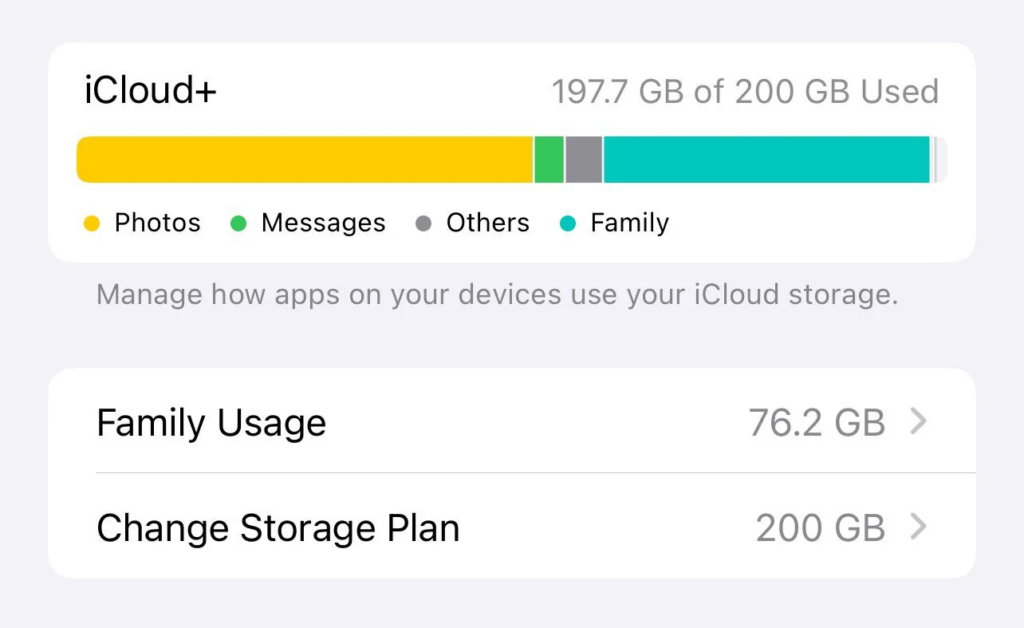
I’m no different from most people. I spend around 43 minutes a day on Instagram, stream Netflix at the end of a long day, and rely on cloud storage to back up my files. These seem like harmless activities, but when I started exploring their environmental impact, I was stunned. For example, I currently pay for 200 GB of iCloud storage, and it’s completely full. I hadn’t thought much about the energy required to maintain this space, but storing data in the cloud isn’t as “weightless” as it seems. Data centers that power services like iCloud are massive energy consumers and a significant source of carbon emissions.

The Digital Footprint of My iCloud Storage

The Medium article, “Carbon and the Cloud”, sheds light on just how energy-intensive cloud storage is. Data centers around the globe account for about 1% of global electricity use and emit as much CO2 annually as the entire aviation industry. Even as these centers become more energy-efficient, the sheer growth in digital activity means their emissions are still rising.

For my 200 GB iCloud plan, storing data in the cloud generates approximately 40 kg of CO2 per year—similar to the emissions from driving a small car 160 km. What’s troubling is that much of this storage is filled with old photos, unused documents, and duplicate files—data I don’t even need but continue to store indefinitely.

This is a reminder of the broader challenge: While cloud storage feels infinite and invisible, it relies on physical infrastructure that consumes vast amounts of electricity, much of which is still generated by fossil fuels.

Calculating My Total Digital Footprint

To better understand the impact of my digital habits, I did some rough calculations:

Instagram: Spending 43 minutes a day creates 0.84 kg of CO2 per week or over 43 kg per year.

iCloud Storage: My 200 GB plan adds another 40 kg of CO2 annually.

Streaming: Watching an hour of Netflix in HD produces roughly 0.4 kg of CO2 , so even two hours a week adds up.

Altogether, my digital habits contribute to over 100+ kg of CO2 annually, the equivalent of flying from London to Paris or powering an average home for a month.

The Emotional Toll of Digital Overload

Beyond the environmental cost, I’ve realized how mentally exhausting my digital clutter can be. My iCloud is filled with thousands of old photos and files I’ll likely never look at again, yet I’ve been reluctant to declutter. Combined with constant notifications and endless scrolling on social media, it’s no wonder I often feel overwhelmed.

Action Steps

Learning about the hidden costs of my digital habits could be a motivation to make some changes:

  1. Decluttering iCloud: Going through old photos, deleting duplicates, and archiving only the essentials.
  2. Reducing Social Media Time: Cutting my Instagram usage to 20 minutes a day has halved its carbon footprint.
  3. Researching Sustainable Practices
  4. Exploring Alternatives: Services like Backblaze offer energy-efficient cloud storage options for those conscious of their footprint.


This journey isn’t about guilt—it’s about awareness. By reflecting on my habits and their environmental impact, I’ve become more intentional about how I use digital spaces. Whether it’s decluttering my iCloud or reducing Instagram time, small actions can add up to meaningful change.

Resources:
https://medium.com/stanford-magazine/carbon-and-the-cloud-d6f481b79dfe

https://greenspector.com/en/6168-2/

#08 How to Show the Problem via Visual Storytelling?

The energy footprint of digital spaces is an abstract problem, but visual storytelling can bring it to life. From infographics to videos, effective visuals can simplify complex data and create an emotional connection to the issue.

What is Visual Storytelling?
Visual storytelling combines imagery, graphics, and narratives to simplify complex topics and evoke emotions. It’s not just about presenting numbers; it’s about making those numbers resonate with people.

What Makes Visual Storytelling Effective?

Simplifying Complex Data
Raw statistics about digital energy consumption can be overwhelming. A well-designed infographic can make this information digestible. For instance, breaking down how a single email with an attachment generates roughly 4 grams of CO2 helps people visualize their daily impact.

Evoking Emotional Connections
Imagery plays a crucial role in storytelling. For example, showing a visual of a large, smoke-belching power plant labeled “This Powers the Cloud” can create a strong association between digital habits and their real-world environmental consequences.

Encouraging Interactivity
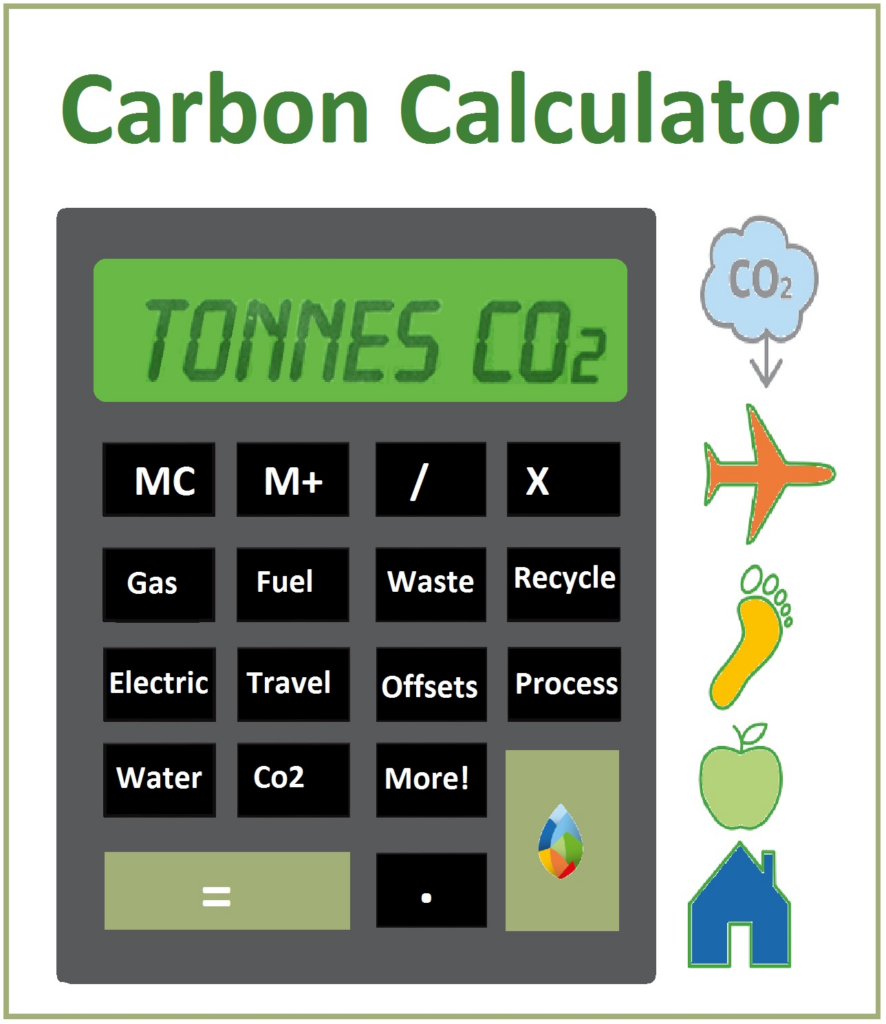
Interactive tools can be even more impactful. Platforms like Carbon Footprint Calculator or Our World in Data allow users to input their habits, such as hours spent streaming or browsing, and see the resulting carbon emissions.

https://www.infographicdesignteam.com/blog/trends-and-principles-of-visual-storytelling/

Examples of Visual Storytelling

Before/After Comparisons: Visualizing the reduction in energy usage when switching to eco-friendly digital practices.

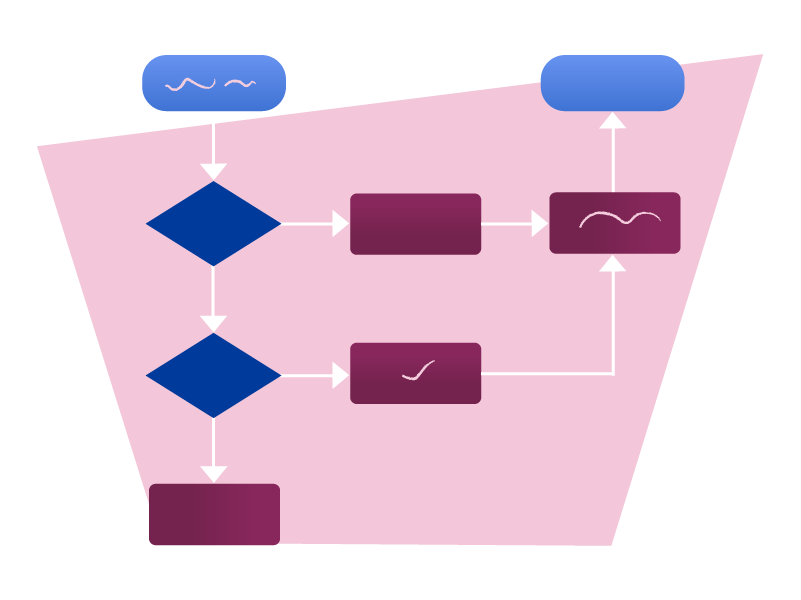
Flowcharts: Illustrate the lifecycle of data in the cloud.

Interactive Tools: Websites like CarbonCalculator.org allow users to input their digital habits to see their energy impact.

Connecting Storytelling with Awareness and Design

Visual storytelling doesn’t just highlight problems—it can also inspire solutions. For instance, designing an application that tracks your digital footprint could combine awareness with interactivity. Users could log their time spent on apps like Instagram or Netflix and instantly see their weekly, monthly, or yearly CO2 emissions. Features like tips to reduce energy use, rewards for sustainable actions, or comparisons with others could gamify the process and motivate change.

Such a tool would serve as both a personal accountability tracker and an educational platform, encouraging more people to adopt sustainable digital practices. Designers could even integrate AR or VR elements to show users a visual representation of their digital footprint, making the issue impossible to ignore.

Why Visual Storytelling Works

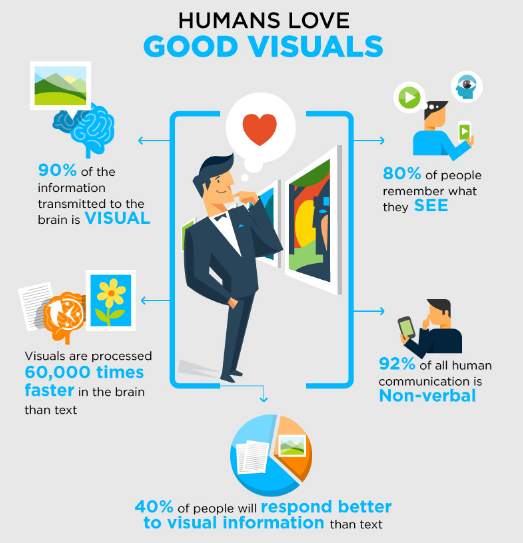
The human brain processes visuals 60,000 times faster than text, making them far more engaging. Combined with the emotional pull of good design, visual storytelling has the potential to spark widespread awareness and inspire behavioral changes.

Conclusion
The invisible nature of the digital energy footprint makes it a challenging issue to address. However, visual storytelling has the unique ability to simplify the complex, evoke emotions, and encourage action. By combining data with creativity, we can bring this hidden problem into the spotlight and empower individuals to make more sustainable choices.

Resources:

10 Trends and Principles of Visual Storytelling That Every Designer Must Follow

09. Scalability in Preventive Healthcare: Building Platforms for the Future

In this post, I will wear the hat of the CEO and try to observe this project in terms of scalability to bring it to masses efficiently. A scalable platform ensures that healthcare solutions can grow efficiently, reaching larger audiences without compromising performance, accessibility, or quality. Well my initiative thought was a collaboration with the government, but since government structures are famous for the bureaucracy and slow implementation I found the new ways:

One of the most effective ways to scale preventive healthcare platforms is through partnerships with private healthcare providers, insurance companies, and wellness organizations. These stakeholders have the infrastructure and resources to integrate preventive measures into their existing services, offering users a seamless experience.

Benefits:

  • Faster implementation compared to government programs.
  • Access to established healthcare infrastructure and patient databases.
  • Potential funding from private investors.

Challenges:

  • Alignment with business goals may prioritize profitability over public health impact.
  • Regulatory hurdles and compliance with privacy laws.
  • Limited accessibility for low-income populations without private insurance

For example, preventive healthcare platforms can be offered as an added benefit to private health insurance plans, encouraging users to engage with their health proactively while reducing long-term costs for insurers

Many companies are investing in employee wellness programs to boost productivity and reduce healthcare costs. Offering preventive healthcare solutions as part of corporate wellness initiatives can drive adoption while creating a healthier workforce.

Benefits:

  • Direct access to large groups of users.
  • Incentives for employees to actively participate in preventive care.
  • Potential for recurring revenue through corporate subscriptions.

Challenges:

  • Employee participation may be low without strong incentives.
  • Privacy concerns about health data shared with employers.
  • Potential exclusion of freelancers, part-time workers, and small businesses.

For instance, a platform could provide tailored health insights, fitness challenges, and mental well-being support, with incentives such as rewards or discounts for achieving health goals.

Collaborating with local community centers, fitness organizations, and non-profits can help introduce preventive healthcare initiatives at the grassroots level.

Benefits:

  • Strong community engagement and trust.
  • Tailored solutions for local populations with specific health needs.
  • Opportunities for pilot testing before scaling further.

Challenges:

  • Limited funding and resources for long-term sustainability.
  • Scaling beyond local communities may be challenging.
  • Difficulty in measuring impact and collecting data efficiently

For example, hosting community health workshops that introduce digital health tools can serve as an entry point for people to adopt preventive healthcare platforms.

Taking a direct-to-consumer approach through mobile apps or web platforms allows individuals to engage with preventive healthcare solutions on their own terms. Using digital marketing, influencer partnerships, and engaging content can help attract and retain users effectively.

Benefits:

  • Full control over branding, messaging, and user experience.
  • Scalable revenue models such as freemium subscriptions.
  • Continuous feedback and improvement through user insights.

Challenges:

  • High marketing costs to attract and retain users in a competitive market.
  • Digital literacy and accessibility issues for certain demographics.
  • Trust barriers, as users may be skeptical of self-managed health solutions.

An example of this approach is a health-tracking app that offers free basic features, with optional premium services such as personalized coaching and advanced analytics.

Partnering with emerging HealthTech startups can help preventive healthcare platforms leverage cutting-edge technology and innovation without starting from scratch. By integrating with existing solutions, scalability can be achieved more efficiently.

Benefits:

  • Access to new technology such as AI-driven analytics and wearable integrations.
  • Faster development and deployment through shared resources.
  • Potential for investment and growth through startup ecosystems.

Challenges:

  • Dependence on startup stability and funding cycles.
  • Potential technology compatibility issues.
  • Balancing innovation with regulatory compliance.

For instance, integrating preventive health features into fitness wearables or telehealth platforms could enhance user engagement and expand market reach.

Collaborating with universities and research institutions provides scientific validation for preventive healthcare platforms while leveraging academic networks to drive adoption. These partnerships can also help attract funding and credibility.

Benefits:

  • Strong scientific backing to enhance trust and effectiveness.
  • Access to grants and funding for innovation.
  • Opportunities to influence public health policies in the future.

Challenges:

  • Slow bureaucratic processes and lengthy approval timelines.
  • Limited commercial scalability without strong industry partnerships.
  • Focus may shift towards research rather than practical implementation.

For example, a platform co-developed with a university can provide data-driven preventive recommendations based on ongoing research studies.

Scalability is a key factor in ensuring that preventive healthcare platforms can reach and benefit as many people as possible. While government support may offer certain advantages, exploring alternative approaches such as corporate partnerships, community engagement, and direct-to-consumer models provides greater flexibility and faster implementation.

By embracing diverse strategies, preventive healthcare platforms can continue to evolve, improve accessibility, and empower individuals to take control of their health on a larger scale.

1.7. Engaging the Senses: Multisensory Design in Museums

Revolutionizing Museum Spaces

Museums are evolving from static to vibrant, interactive spaces designed to engage visitors on a deeper level. Among the most transformative innovations is the incorporation of multisensory experiences, which activate sight, touch, sound, smell, and even taste to create unforgettable moments.

The Benefits of Multisensory Engagement

Multisensory engagement enriches learning by mirroring real-life environments, where information is naturally processed through multiple senses. Research highlights that combining modalities, such as pairing visual stimuli with sound, facilitates faster and more effective learning. This approach not only improves memory retention but also makes museums more accessible to diverse audiences, including people with disabilities [1][2].

Multisensory Solutions Through Design and Technology

Museums are redefining visitor engagement by crafting multisensory experiences that combine traditional methods with cutting-edge technology. Curated scents and immersive soundscapes transport visitors to distinct times and places—whether through the aroma of ancient spices or the ambient noise of a bustling historical market. Similarly, edible exhibits and tasting stations tied to cultural or historical themes deepen emotional connections and leave lasting impressions [5].

Technology enhances these sensory elements by introducing new layers of interaction and immersion. Augmented reality (AR) and virtual reality (VR) bring historical events to life, allowing visitors to explore ancient environments or interact with digital reconstructions of artifacts. Haptic feedback devices simulate the sensation of touch, enabling users to “feel” objects that might otherwise be inaccessible due to fragility or preservation concerns. Furthermore, spatial audio systems adapt soundscapes to visitor movements, creating dynamic, personalized auditory experiences [4][5].

By blending sensory-rich design with innovative technologies, museums are crafting deeply immersive journeys that connect audiences to art, history, and culture in ways never before possible. These integrated approaches encourage visitors not just to observe, but to feel and actively engage, forging emotional and intellectual connections that linger long after their visit.

images source: Ultraviolet by Paul Pairet

Deepening Emotional Connections

Beyond accessibility, multisensory strategies can evoke emotions, foster empathy, and deepen cultural understanding. Experiences like tasting culturally significant foods, hearing ambient sounds of historical sites, and smelling curated scents transport visitors to the essence of different eras and places. This approach strengthens their emotional connection to history and art, enriching their overall museum experience [3][4][5].

The Future of Multisensory Museums

By embracing multisensory design, museums can transcend traditional boundaries, making cultural heritage accessible, inclusive, and engaging for all. As the future unfolds, multisensory solutions stand as a beacon for museum innovation, enhancing visitor experiences and reshaping how we interact with cultural heritage [5].

References

[1] L. Shams and A. R. Seitz, “Benefits of Multisensory Learning,” Trends in Cognitive Sciences, vol. 12, no. 11, pp. 411–417, 2008.
[2] T. Harada, Y. Hideyoshi, E. Gressier-Soudan, and C. Jean, “Museum Experience Design Based on Multi-Sensory Transformation Approach,” in International Design Conference, 2018, pp. 2221–2228.
[3] S. Subramanian, “Creating Multi-Sensory Experiences: Integrating Emotions into Design,” Medium, May 16, 2018. [Online]. Available: https://medium.com/@shriyasub101/creating-multi-sensory-experiences-integrating-emotions-into-design-2ba4cf379643.
[4] D. Luo, L. Doucé, and K. Nys, “Multisensory Museum Experience: An Integrative View and Future Research Directions,” Museum Management and Curatorship, vol. 39, no. 1, pp. 1–22, 2024.
[5] “What Is a Multisensory Experience? 5 Powerful Examples,” Peek, Jan. 2025. [Online]. Available: https://www.peekpro.com/blog/multisensory-experience.

1.10 AI Companions vs. Traditional Therapy

Can Technology Replace Human Connection?

The rise of AI companions has sparked a significant debate: can technology truly replace human therapists in addressing mental health issues? AI-driven systems like Woebot and Wysa offer cognitive-behavioral therapy (CBT) techniques, providing instant support to users. However, while these AI companions are effective in alleviating feelings of loneliness and offering immediate assistance, they still fall short in replicating the depth of human connection provided by traditional therapy.

Image Source: Vice

AI as a Complementary Tool

AI companions offer several advantages, such as accessibility, 24/7 availability, and anonymity, making them valuable tools for individuals who may not have immediate access to human therapists. For instance, 48% of people in the U.S. reported experiencing some form of mental health issue, and AI solutions could help bridge the gap where human therapists are unavailable or overwhelmed by demand. However, they lack the nuanced empathy and relational depth that human therapists bring to therapeutic conversations. Research indicates that while AI companions can provide immediate relief, they do not guarantee substantial long-term improvements in mental health.

The Future of Mental Health Care

Rather than replacing human therapists, AI companions could become part of a hybrid model. AI can handle initial assessments and offer support between therapy sessions, while human therapists provide ongoing treatment for deeper emotional and psychological issues. This collaborative approach can provide a more comprehensive mental health support system, blending the best of both worlds. For example, AI companions have been shown to reduce loneliness among seniors, enhancing their overall well-being.

Effectiveness of AI in Addressing Mental Health Issues

AI companions have demonstrated effectiveness in managing certain mental health conditions:

Anxiety and Depression: AI-driven applications can provide immediate support and coping strategies for individuals experiencing anxiety and depression. They offer tools like mood tracking, mindfulness exercises, and cognitive-behavioral techniques to help users manage symptoms.

Stress Management: AI companions can assist in stress reduction by guiding users through relaxation techniques, meditation, and providing real-time feedback on stress levels.

However, AI companions are less effective in addressing:

Severe Mental Health Disorders: Conditions such as schizophrenia, bipolar disorder, and severe personality disorders require comprehensive treatment plans that include medication management and intensive psychotherapy, areas where AI companions currently fall short.

Crisis Situations: In cases of acute mental health crises, such as suicidal ideation or severe self-harm, immediate human intervention is crucial. AI companions are not equipped to handle such emergencies and may not provide the necessary support.

Sources

  1. “AI In Mental Health: Opportunities And Challenges In Developing Intelligent Digital Therapies.” Forbes. Accessed: Jan. 25, 2024. [Online.] Available: https://www.forbes.com/sites/bernardmarr/2023/07/06/ai-in-mental-health-opportunities-and-challenges-in-developing-intelligent-digital-therapies/
  2. “AI Therapists vs. Human Therapists: Complementary Roles in Mental Health.” mindpeace.ai. Accessed: Jan. 25, 2024. [Online.] Available: https://mindpeace.ai/blog/ai-therapists-vs-human-therapists
  3. “Artificial intelligence in mental health care.” American Psychological Association. Accessed: Jan. 25, 2024. [Online.] Available: https://www.apa.org/practice/artificial-intelligence-mental-health-care
  4. “Exploring the Pros and Cons of AI in Mental Health Care.” Active Minds. Accessed: Jan. 25, 2024. [Online.] Available: https://www.activeminds.org/blog/exploring-the-pros-and-cons-of-ai-in-mental-health-care/
  5. “Can AI Companions Help Heal Loneliness? | Eugenia Kuyda | TED.” YouTube. Accessed: Jan. 25, 2024. [Online.] Available: https://www.youtube.com/watch?v=-w4JrIxFZRA
  6. Lee, E. E., Torous, J., De Choudhury, M., Depp, C. A., Graham, S. A., Kim, H. C., Paulus, M. P., Krystal, J. H., & Jeste, D. V. (2021). Artificial Intelligence for Mental Health Care: Clinical Applications, Barriers, Facilitators, and Artificial Wisdom. Biological Psychiatry: Cognitive Neuroscience and Neuroimaging, 6(9), 856-864. https://doi.org/10.1016/j.bpsc.2021.02.001
  7. “Mental Health Apps and the Role of AI in Emotional Wellbeing.” Mya Care. Accessed: Jan. 25, 2024. [Online.] Available: https://myacare.com/blog/mental-health-apps-and-the-role-of-ai-in-emotional-wellbeing
  8. Thakkar, A., Gupta, A., & De Sousa, A. (2024). Artificial Intelligence in Positive Mental Health: A Narrative Review. Frontiers in Digital Health, 6, 1280235. https://doi.org/10.3389/fdgth.2024.1280235
  9. ” ‘They thought they were doing good but it made people worse’: why mental health apps are under scrutiny.” The Guardian. Accessed: Jan. 25, 2024. [Online.] Available: https://www.theguardian.com/society/2024/feb/04/they-thought-they-were-doing-good-but-it-made-people-worse-why-mental-health-apps-are-under-scrutiny
  10. “Why Some Mental Health Apps Aren’t Helpful?” Greater Good Magazine. Accessed: Jan. 25, 2024. [Online.] Available: https://greatergood.berkeley.edu/article/item/why_some_mental_health_apps_arent_helpful