We live in a hyperconnected world, but how often do we pause to consider the environmental cost of our digital habits? Personally, I rarely did—until now. This blog post is an honest reflection on my digital footprint and how learning about it has motivated me to take small but meaningful steps toward sustainability.
My Digital Habits
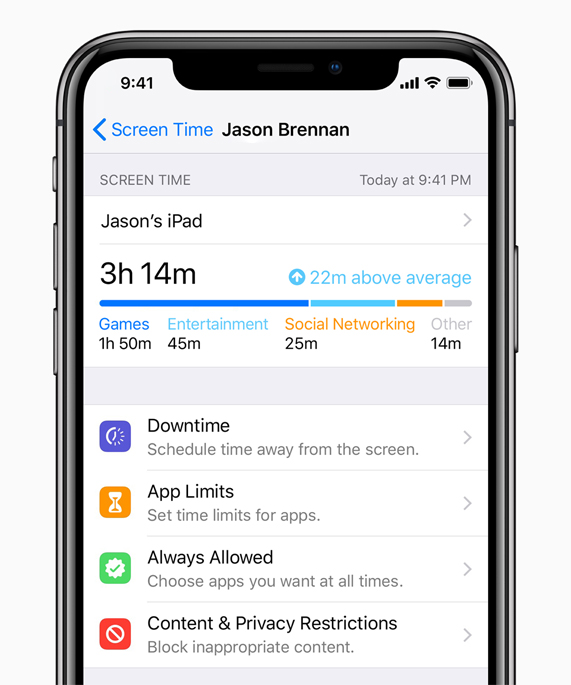
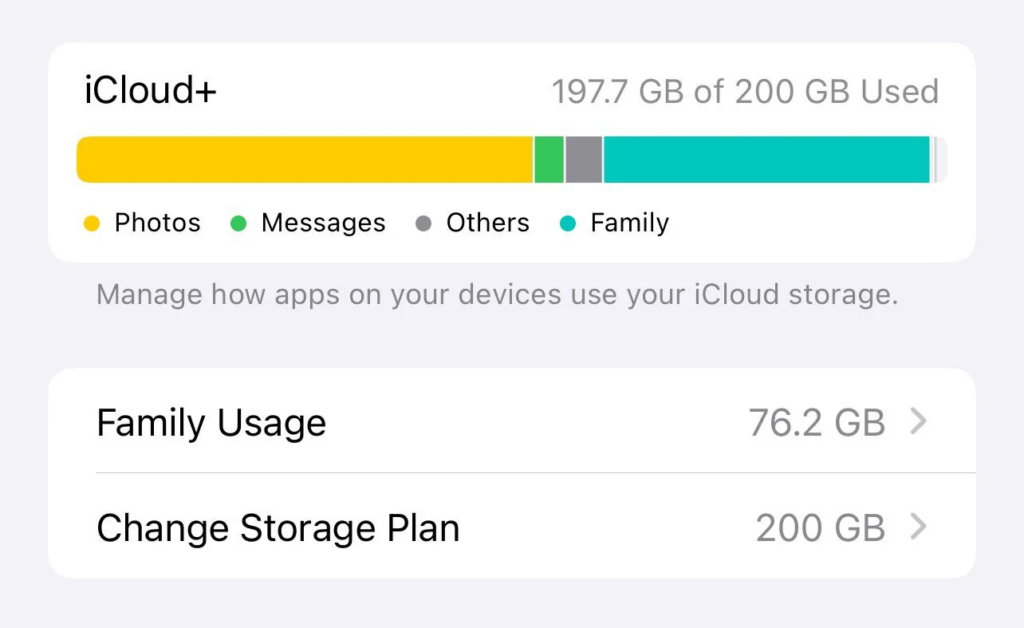
I’m no different from most people. I spend around 43 minutes a day on Instagram, stream Netflix at the end of a long day, and rely on cloud storage to back up my files. These seem like harmless activities, but when I started exploring their environmental impact, I was stunned. For example, I currently pay for 200 GB of iCloud storage, and it’s completely full. I hadn’t thought much about the energy required to maintain this space, but storing data in the cloud isn’t as “weightless” as it seems. Data centers that power services like iCloud are massive energy consumers and a significant source of carbon emissions.
The Digital Footprint of My iCloud Storage
The Medium article, “Carbon and the Cloud”, sheds light on just how energy-intensive cloud storage is. Data centers around the globe account for about 1% of global electricity use and emit as much CO2 annually as the entire aviation industry. Even as these centers become more energy-efficient, the sheer growth in digital activity means their emissions are still rising.
For my 200 GB iCloud plan, storing data in the cloud generates approximately 40 kg of CO2 per year—similar to the emissions from driving a small car 160 km. What’s troubling is that much of this storage is filled with old photos, unused documents, and duplicate files—data I don’t even need but continue to store indefinitely.
This is a reminder of the broader challenge: While cloud storage feels infinite and invisible, it relies on physical infrastructure that consumes vast amounts of electricity, much of which is still generated by fossil fuels.
Calculating My Total Digital Footprint
To better understand the impact of my digital habits, I did some rough calculations:
Instagram: Spending 43 minutes a day creates 0.84 kg of CO2 per week or over 43 kg per year.
iCloud Storage: My 200 GB plan adds another 40 kg of CO2 annually.
Streaming: Watching an hour of Netflix in HD produces roughly 0.4 kg of CO2 , so even two hours a week adds up.
Altogether, my digital habits contribute to over 100+ kg of CO2 annually, the equivalent of flying from London to Paris or powering an average home for a month.
The Emotional Toll of Digital Overload
Beyond the environmental cost, I’ve realized how mentally exhausting my digital clutter can be. My iCloud is filled with thousands of old photos and files I’ll likely never look at again, yet I’ve been reluctant to declutter. Combined with constant notifications and endless scrolling on social media, it’s no wonder I often feel overwhelmed.
Action Steps
Learning about the hidden costs of my digital habits could be a motivation to make some changes:
- Decluttering iCloud: Going through old photos, deleting duplicates, and archiving only the essentials.
- Reducing Social Media Time: Cutting my Instagram usage to 20 minutes a day has halved its carbon footprint.
- Researching Sustainable Practices
- Exploring Alternatives: Services like Backblaze offer energy-efficient cloud storage options for those conscious of their footprint.
This journey isn’t about guilt—it’s about awareness. By reflecting on my habits and their environmental impact, I’ve become more intentional about how I use digital spaces. Whether it’s decluttering my iCloud or reducing Instagram time, small actions can add up to meaningful change.
Resources:
https://medium.com/stanford-magazine/carbon-and-the-cloud-d6f481b79dfe
