Rediscover with Projection Mapping

Projection mapping, also known as spatial augmented reality, uses specialized software to project images and animations onto three-dimensional surfaces. Unlike traditional flat-screen projections, it adapts to the contours of objects, creating dynamic, visually captivating effects. From enhancing historical landmarks to elevating museum exhibitions, projection mapping merges storytelling with technology, providing viewers with an engaging and memorable experience.

What is the impact on Art

Projection mapping offers a unique way to help audiences engage with art and its history. By turning artworks into dynamic, multi-sensory experiences, it allows people to connect more deeply with the stories behind the pieces. This technology can guide viewers through the cultural and historical context that shaped the art, making it easier to understand and appreciate.

One of the key benefits is how it captures attention and draws in people who might not normally feel interested in art. Instead of staring at a static piece, viewers are surrounded by movement, color, and sound that bring the artwork to life. It’s not just about creating a spectacle; it’s about immersing audiences in the time, place, and emotions of the artist’s world. For example, a centuries-old painting can be paired with projected visuals showing its original colors or the environment in which it was created. This adds layers of meaning that make the experience richer and more personal.

Projection mapping also makes art more accessible to broader audiences, including younger generations who might be more accustomed to digital and interactive formats. By blending technology with storytelling, it lowers the barrier for understanding and appreciating traditional works of art, creating a bridge between the past and the present

Case Study: Projection Mapping at the Tokyo National Museum

A great example of this was seen at the Tokyo National Museum during an exhibition called “The Mysteries of Asuka.” One of the key artifacts in the exhibition was the Saru Ishi, or “Monkey Stone,” an ancient carved object.

Projection mapping was used to bring the Monkey Stone to life. Animations lit up its surface, showing its carvings in detail and adding visuals that explained its historical and cultural importance. Visitors could imagine what the world looked like during the Asuka period of Japanese history. Instead of just looking at the stone, they experienced it as part of a bigger story. By projecting historical scenes and explanations onto the artifact, the museum helped visitors better understand the context of its creation and significance.

Van Gogh and the Rise of Projection Mapping in Art

Another popular use of projection mapping is seen in exhibitions like Van Gogh: The Immersive Experience and Van Gogh Alive. These exhibitions transform entire rooms into moving, animated versions of Van Gogh’s iconic works. Walls, floors, and ceilings are covered with projections of his art, accompanied by music and quotes from his letters.

These immersive exhibitions succeed because they provide context in a way that feels immediate and emotional. Instead of just reading about Van Gogh’s struggles or inspirations, visitors are surrounded by the swirling skies of Starry Night or the vibrant yellows of Sunflowers. The combination of visuals and sound pulls audiences into Van Gogh’s world, helping them understand not only his art but also the emotions and events that shaped it. By reimagining his works in this format, these exhibitions make his legacy feel alive and relatable to a modern audience.

Conclusion

Projection mapping is an amazing way to bring the stories behind art to life. It makes it easier to understand and connect with pieces that might otherwise feel distant or hard to relate to.

By making art more engaging, accessible, and contextual, projection mapping has the potential to spark a new level of interest in both classical and contemporary works. The possibilities are endless, and the results could change the way we see and understand art forever.

References:

https://headfull.jp/360-projection-mapping-at-tokyo-national-museum

https://www.jstage.jst.go.jp/article/pjab/100/3/100_pjab.100.012/_pdf/-char/en

https://blooloop.com/technology/opinion/future-of-projection-mapping/

https://vangoghexpo.com

6. Music’s Role in Social and Cultural Contexts

Levitin explores music’s foundational role in shaping and maintaining human social structures, emphasizing its power as a unifying force across cultures and communities.

GROUP BONDING AND SURVIVAL

Music historically served as a tool for fostering cooperation and cohesion within groups.
In early human societies, communal music-making, such as drumming or chanting, likely strengthened social bonds and promoted group survival. This is because coordinated musical activities helped align group members physically and emotionally, enhancing trust and reducing conflict.
Moreover, singing together has been shown to increase oxytocin levels, a hormone linked to bonding and empathy. This chemical connection explains why group singing in choirs, religious rituals, or protests fosters a sense of unity.

CULTURAL IDENTITY AND COMMUNICATION

Music is a universal language but also reflects the unique values, norms, and histories of different cultures, it acts as a repository for cultural memory, preserving traditions, values, and histories through lyrics, melodies, and performance styles. For example, folk songs often encapsulate a community’s shared experiences and struggles. Music transcends spoken language, allowing individuals from different linguistic backgrounds to communicate emotions and ideas. For instance, a mournful melody universally conveys sadness, regardless of cultural context. We also have some examples from history like the role of spirituals during the American Civil Rights Movement or the use of national anthems to foster patriotism. These examples illustrate music’s ability to inspire collective action and express shared identity.

MUSIC AND SOCIAL HEALING

Music is also an effective tool for conflict resolution and emotional healing in social contexts such as some programs like musical collaborations between conflicting cultural groups (e.g., Israeli and Palestinian youth orchestras) have shown how music can build bridges by focusing on shared creative experiences. But also music therapy which can help individuals process trauma, foster empathy, and rebuild relationships after crises or conflicts.

1.8. Types of Museums and Their Exhibitions

Museums come in a variety of types, each catering to unique audiences and subject matter. These differences are reflected in their exhibitions, which are carefully curated to align with their missions and appeal to their visitors.

An Overview of the Types

Science museums feature interactive exhibits to simplify complex scientific concepts through hands-on experiments and immersive simulations. Notable examples include the Exploratorium in San Francisco and the Deutsches Museum in Munich, which features an extensive range of scientific and technological innovations. These museums exemplify the mission to engage and educate through active participation.

image source: Deutsches Museum – Chemistry in everyday life

Art museums focus on visual and emotional impact, curating collections that foster deep connections through paintings, sculptures, and multimedia installations. Notable institutions like the Louvre in Paris and the Museum of Modern Art (MoMA) in New York, showcasing contemporary masterpieces, highlight how art museums create profound connections through their curated selections.

image source: Louvre

History museums use artifacts, dioramas, and multimedia to narrate historical events, making the past resonate with visitors. These techniques ensure that history resonates with diverse audiences. The Smithsonian National Museum of American History in Washington, D.C., and the British Museum in London, which showcases global historical artifacts, are prominent examples of this approach [1].

image source: British Museum

Natural history museums showcase life-size reconstructions and fossils, immersing visitors in Earth’s evolutionary history. Renowned institutions like the Natural History Museum in Vienna. These types of exhibitions highlight the rich diversity of the natural world and its evolutionary history.

image source: Natural History Museum in Vienna

Children’s museums promote learning through playful, sensory exhibits that stimulate creativity and critical thinking. Examples include the Children’s Museum of Indianapolis and KidZania, a global chain offering interactive role-play experiences. These museums create spaces where learning is synonymous with play.

Cultural heritage museums preserve traditions and identities by highlighting artifacts, photographs, and oral histories. For instance, the National Museum of the American Indian in Washington, D.C. and the Museum of New Zealand Te Papa Tongarewa reflect how museums can serve as guardians of heritage and culture.

Crafting the Content: How Exhibitions Are Designed

Exhibition design is a cornerstone of the museum experience, acting as the primary link between institutions and their audiences. Exhibitions are more than just displays; they are carefully crafted to inspire, inform, and entertain while encouraging engagement, spreading knowledge, and influencing perspectives. To achieve this, museums must thoughtfully adapt their design approaches to meet specific goals, balancing educational value with visitor engagement. Whether focused on objects or overarching concepts, well-designed exhibitions have the power to deepen understanding, foster appreciation, and create meaningful connections with audiences. [3][4] 

People Involved in Exhibition Development

Exhibition development is a collaborative process involving various professionals, tailored to each museum’s focus:

  • Science Museums: Scientists, educators, and designers work together to create hands-on experiments that simplify complex concepts.
  • Art Museums: Curators, designers, and artists collaborate to design immersive exhibits with emotional and intellectual appeal.
  • History Museums: Researchers and curators select artifacts and build cohesive narratives to engage visitors with history.
  • Natural History Museums: Experts create lifelike models and interactive displays based on fieldwork to showcase nature.
  • Children’s Museums: Child development specialists and designers create tactile, playful exhibits for young visitors.
  • Cultural Heritage Museums: Collaborating with communities, they ensure authentic representations of cultural traditions.

Across all types, feedback and revisions are key to balancing educational and visitor engagement goals.

Conclusion
By tailoring their exhibitions to their audiences and content, museums ensure that their spaces are not only informative but also memorable and meaningful. Their variety demonstrates the importance of curatorial intent in shaping visitor experiences.

References:
[1] “Museum Types and Categories,” WhichMuseum, Accessed: Jan. 2025. [Online]. Available: https://whichmuseum.com/our-category-system

[2] “What Are the Different Types of Art Exhibitions?,” Contemporary Art Issue, Accessed: Jan. 2025. [Online]. Available: https://www.contemporaryartissue.com/what-are-the-different-types-of-art-exhibitions/

[3] Kamaruddin, N., “An Empirical Understanding on Types of Museum Exhibition Design,” International Journal of Scientific and Research Publications, Oct. 2019. Available: https://www.ijsrp.org/research-paper-1019/ijsrp-p9567.pdf

[4] Kapukotuwa, A., & Anedo, O. A. A., “Museum Exhibition Techniques,” ResearchGate, July 2020.

#08 Regenerative Agriculture


Regenerative agriculture is farming and ranching in harmony with nature. It is a holistic agriculture method that means to restore soil and ecosystem health, address inequity, and leave our land, waters, and climate in better shape for the future.


The World Business Council for Sustainable Development (WBCSD) describes how our food system today “[…] contributes to approximately 25% of greenhouse gas (GHG) emissions, three-quarters of biodiversity loss and is a leading cause of non-communicable disease” (WBCSD, n.d.). They also say that regenerative farming is the way to sustain and enhance the farm ecosystem, in contrary to exhausting it.

The World Economic Forum writes that the rising global population is placing increasing pressure on traditional agricultural systems, which often rely on expanding farmland and using more chemical inputs to boost production – further intensifying the strain on biodiversity. To address this challenge, it is essential to shift from conventional farming methods to a regenerative approach that prioritises and enhances biodiversity. They explain how regenerative agriculture can help:

  • Regenerative agriculture is the way forward to decarbonise the food system and make farming resilient to climate shocks.
  • It won’t happen unless we succeed in making it commercially attractive for the farmers.
  • Farmers must be prioritised as key players in our fight against climate change. (World Economic Forum, 2023)

They also explain that the exact upscaling needed to sufficiently limit climate change is to farm regenerative on 40% of the world’s cropland, which would save around 600 million tons of emissions. But in order to limit climate change to 1.5 degrees, it must be scaled faster, and move from covering around 15 % of global cropland today to 40 % by 2030 (World Economic Forum, 2023).

The World Economic Forum lists 5 benefits from regenerative farming:

1. Climate. It helps mitigate emissions such as through carbon sequestration and improved crop resilience for climate shocks.

2. Soil Health. It improves soil fertility through increased biomass production, thereby preventing soil degradation.

3. Resource use efficiency. Higher nutrient use efficiency (NUE) increases crop yield and optimizes land use efficiency, while improved water use efficiency reduces the stress on freshwater reserves.

4. Biodiversity. More diverse rotation and reduced pesticide usage supports biodiversity on farms while, in some cases, higher crop yields mean more natural habitats can be protected rather than cleared for agriculture.

5. Prosperity. Regenerative agriculture improves long-term farmer livelihood through reduced costs, improved crop yield and crop quality, and greater resilience to market volatility and extreme climate events. It also opens new green revenue streams for farmers, such as rewarding them for carbon capture and storage in the soil.

These are some very attractive benefits that you would think made everyone push for regenerative practises. However, this is not the case. This is because the transitioning fase is very risky and could be costly, which is why it is this is the fase the World Economic Forum prioritises to tackle. They present 5 concrete routes to reach scale:

1. Agree on common metrics for environmental outcomes. Today, there are many disparate efforts to define and measure environmental outcomes. We must move to a set of metrics adopted by the whole food industry, making it easier for farmers to adjust their practices and for positive changes to be rewarded.

2. Build farmers’ income from environmental outcomes such as carbon reduction and removal. We need a well-functioning market with a credible system of payments for environmental outcomes, trusted by buyers and sellers, that creates a new, durable, income stream for farmers.

3. Create mechanisms to share the cost of transition with farmers. Today, all the risk and cost sits with the farmers. It is impossible to achieve systems transformation without sharing the burden and benefits through the value chain.

4. Ensure government policy enables and rewards farmers for transition. Too many government policies are in fact supporting the status quo of farming. That has led us to a broken food system. The food sector must come together and work jointly with regulators to address this.

5. Develop new sourcing models to spread the cost of transition. We must move from sourcing models that take crops from anywhere to models that involve collaboration between off-takers from different sectors to take crops from areas converting to regenerative farming.

(World Economic Forum, 2023).

The solution to both the climate emergency and the food crisis is in the soil, quite literally

To make regenerative farming relevant for my research, I need to look at how design can be implemented. Design can play a crucial role in supporting the transition to regenerative agriculture by raising awareness, or developing innovative tools. Thoughtfully designed educational campaigns, user-friendly digital platforms for tracking environmental outcomes, and collaborative design strategies for farm operations can help farmers adopt sustainable practices with greater confidence.


Sources:

NRDC. (2021, 29th of November). Regenerative Agriculture 101. NRDC. Retrieved from https://www.nrdc.org/stories/regenerative-agriculture-101

WBCSD. (n.d.). Agriculture and Food. Retrieved from https://www.wbcsd.org/actions/agriculture-and-food/

World Economic Forum. (2023, 11th of January). 5 benefits of regenerative agriculture – and 5 ways to scale it. Wold Economic Forum. Retrieved from https://www.weforum.org/stories/2023/01/5-ways-to-scale-regenerative-agriculture-davos23

#07 Permaculture

Having explored different aspects of the nature and climate crisis and the difficulties with trying to combat them, I want to look into other possible solutions. Through researching this topic, I have come by the term “permaculture” and want to explore it further. Permaculture is already connected with design, through “the 12 permaculture design principles”. These I will look into further below.


Permaculture, prior Permanent Agriculture, is systems for growing crops, plants, etc. that cause little damage to the environment and can therefore continue for a long time. Permaculture aims to develop a landscape that will be self-sustaining and productive for generations (Cambridge, n.d.).


Permaculture is not only a gardening system, the Permaculture Magazine explains it as:

  1. An innovative framework for creating sustainable ways of living
  2. It is a practical method of developing ecologically harmonious, efficient and productive systems that can be used by anyone, anywhere

They also write that permaculture focuses on sustainable ways to grow food, build homes, establish communities, and reduce environmental harm. Its principles are continuously evolving, shaped by people around the world in diverse climates and cultures. It promotes resourcefulness and self-sufficiency, offering an ecological design framework rather than a rigid doctrine or belief system. Permaculture helps us address local and global challenges with practical solutions.

The permaculture principles are as following:

  • Observe and interact
  • Catch and store energy
  • Obtain a yield
  • Apply self regulation and accept feedback
  • Produce no waste
  • Use renewable resources and services
  • Design from pattern to detail
  • Integrate rather than segregate
  • Use small and slow solutions
  • Use and value diversity
  • Use edges and value the marginal
  • Creatively use and respond to change

These principles are more like guidelines rather than rules. That means they can be applied to anything from designing your garden to designing an organisation.

The world is in crisis, permaculture gives people the tools and confidence to respond

Permaculture Association

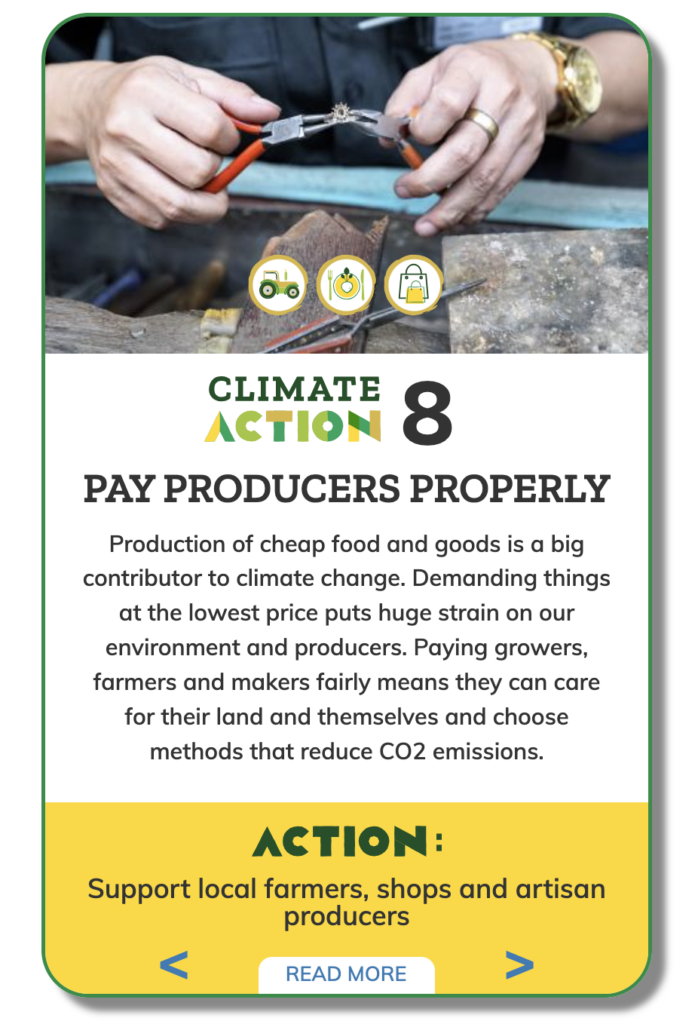
The Permaculture Association is contributing by offering permaculture courses, and contributed in creating the 52 Climate Action page together with 8 other organisations to promote permaculture based solutions to climate change (52 Climate Action, n.d.). This webpage helps people understand their personal power in tackling climate change by showing them tangible, doable actions that anyone can do.

This is an example of one of the 52 actions on this webpage. These 52 actions are chosen as they are powerful, realistic, up-beat and fun – a big contrast to the doomsday crisis news we hear all the time.

By looking at for example how the Permaculture Association´s projects contribute to solving the nature and climate crisis, I may find where I can contribute – as they come with smaller and more tangible solutions that even I myself can participate in. By combining permaculture with design, I can contribute to addressing the climate and nature crisis by creating sustainable, self-sufficient systems that work in harmony with the environment. Using the 12 permaculture design principles, I can develop solutions with a much more tangible framework that can lead me to create something actually useful.

In conclusion, permaculture provides a hopeful and actionable approach to combating the climate crisis. Whether applied to urban planning, agriculture, or community initiatives, these principles offer a practical framework for tackling environmental challenges while fostering innovation and sustainability. By integrating these principles into design, I personally can use this as an inspiration or a framework for a possible design solution.


Sources:

Cambridge. (n.d.). Permaculture. Cambridge Dictionary. Retrieved from https://dictionary.cambridge.org/dictionary/english/permaculture

Permaculture Magazine. (n.d.). What is Permaculture? Retrieved from https://www.permaculture.co.uk/what-is-permaculture/

Permaculture Association. (n.d.). Retrieved form https://www.permaculture.org.uk/index.php

52 Climate Actions. (n.d.). About. Retrieved from https://www.52climateactions.com/about

06 Three factors to consider when digitizing health services

1. Promoting health and preventing disease

Empowering Self-Management: Applications that enable the tracking of symptoms or monitoring of health parameters can help individuals manage conditions better, promoting self-responsibility.

Enhanced preventative care: Digital tools can aid in informing the population about preventative check-ups and vaccinations, ideally through a central platform.

Improved coordination of care: Digital networking among healthcare providers can enhance the coordination of health measures, allowing for more holistic care that takes into account various aspects of health such as nutrition, exercise, and mental well-being.

Telehealth for wider access: Telehealth solutions offer flexible options for receiving medical support, improving care in rural areas and for those with mobility issues.

Support for chronic conditions: Digital tools can provide continuous support for people managing chronic diseases, integrating both analogue and digital services

There are different opinions about weather or not regular checkups reduce mortality rate.  For example: 

Women who participated in mammography screening (Duffy S. et.al. , 2020)had a statistically significant 41% reduction in their risk of dying of breast cancer within 10 years.

A study from 2021 (Liss D. et.al, 2021) did not show a reduction in mortality or cardiovascular events; however, they were linked to enhanced recognition and treatment of chronic diseases, better control of risk factors, increased uptake of preventive services, and improved patient-reported outcomes. Primary care teams can justifiably provide general health checks, particularly for populations at greater risk of missed preventive services, uncontrolled risk factors, low self-assessed health, or limited access to primary care.

2. Climate factors

Telemedicine not only cuts down on travel but can also reduce the energy and resource use of health facilities. This includes decreasing the consumption of disposable medical products and disinfectants and lowering the overall energy demands of hospitals due to fewer in-person visit.

Electronic health records conserve resources and help avoiding unnecessary or duplicate treatments and tests. While digital solutions offer climate benefits, they should not be implemented without considering access equity, digital skills, and societal values.

3. Gender, equal opportunities and inclusivity

Digitalisation and socio-economic factors: Studies indicate that individuals with higher income and education are more likely to use health apps. Also, older and unemployed individuals tend to have a lower usage of digital health offers.

Data Bias: The document raises concerns about potential gender bias in data sets, noting that women may be underrepresented or that data may lack gender breakdowns7. It also warns that AI systems may not adequately consider the anatomical and physiological needs of different genders if their data sets are biased, which could lead to inappropriate symptom evaluations and therapy.

Duffy, S. W., Tabár, L., Yen, A. M., Dean, P. B., Smith, R. A., Jonsson, H., Törnberg, S., Chen, S. L., Chiu, S. Y., Fann, J. C., Ku, M. M., Wu, W. Y., Hsu, C. Y., Chen, Y. C., Svane, G., Azavedo, E., Grundström, H., Sundén, P., Leifland, K., Frodis, E., … Chen, T. H. (2020). Mammography screening reduces rates of advanced and fatal breast cancers: Results in 549,091 women. Cancer, 126(13), 2971–2979. https://doi.org/10.1002/cncr.32859

Liss, D. T., Uchida, T., Wilkes, C. L., Radakrishnan, A., & Linder, J. A. (2021). General Health Checks in Adult Primary Care: A Review. JAMA, 325(22), 2294–2306. https://doi.org/10.1001/jama.2021.6524

BMSGPK (2024): eHealth-Strategie
Österreich. v1.0 im Juni 2024. Bundesministerium für Soziales, Gesundheit,
Pflege und Konsumentenschutz, Wien

https://www.sozialministerium.at/Themen/Gesundheit/eHealth/eHealth-in-Oesterreich.html

07 How to combat Bias

I have talked a lot about what bias is and where it can occur, but not about how it can be mitigated. You will find some ideas on how to deal with bias in this blog post.

1. Spotting Unconscious Bias

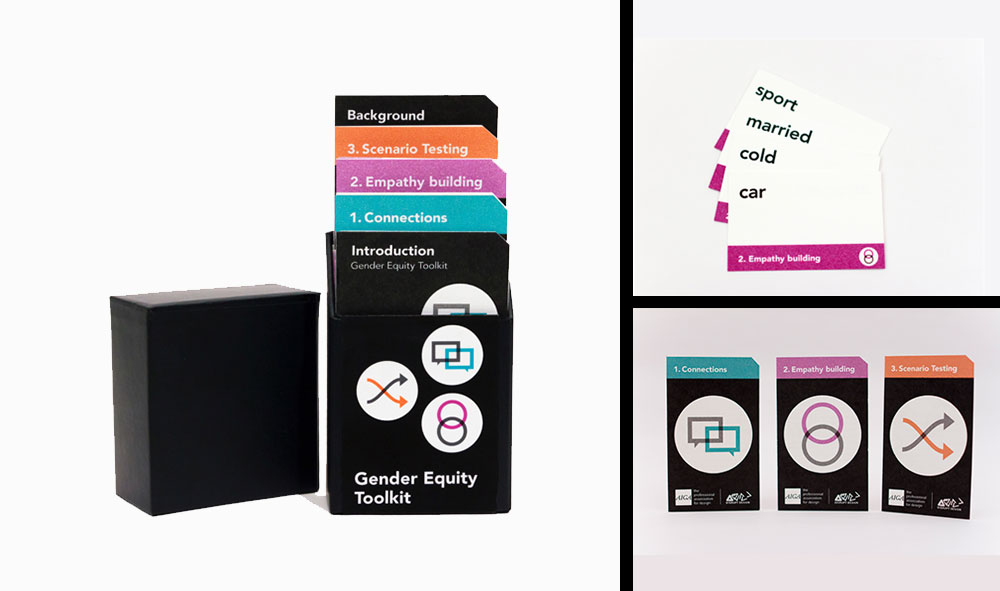
The first step to overcoming unconscious bias is recognizing that it exists. For teams, tools like the Designing for Worldview Framework by Emi Kolawole or AIGA’s Gender Equity Toolkit, can help. If you want to find out, how biased you are towards a certain group of people, check out Harvard’s Project Implicit tests . Knowing your biases is the first step toward fixing them. (cf. UX Booth)

Source

2. Taking Action

Once you’ve spotted your biases, it’s time to do something about them. A great way to start is by consciously designing with different users in mind. Tools like Perspective Cards can help you imagine how your designs might feel to people with different experiences. When working with clients or users, take time to truly listen and understand their perspectives. Let go of your own assumptions—it’s the best way to gain new insights and create designs that work for everyone. (cf. UX Booth)

3. Build Diverse Teams

Diverse design teams are key to creating inclusive experiences. Diversity matters especially in design, a profession that requires professionals to think new thoughts and challenge existing ideas all the time. Different people think a different way, brining them together can result in a pool of new ideas, incorporating different (cf. UX Booth)

4. Keep Learning

Overcoming bias isn’t a one-time thing, it’s a lifelong process. Stay curious and open to feedback. Always think about who you might be leaving out and how you can make your designs more inclusive. By committing to continuous learning and embracing new perspectives, you’ll create better, more universal designs that truly work for everyone. (cf. Medium)

5. Explore the “unhappy paths”

When designing, don’t just focus on the “happy path” — consider the unhappy paths too. These are real-life situations where things break, go wrong, or are misused, and they shouldn’t be ignored as edge cases to fix later. Ask tough questions like, “How could people game the system?” or “Who could use it to harm others?” Addressing these issues early creates more robust and humane products that work for diverse users. While exploring unhappy paths may slow you down initially, it saves time in the long run by preventing costly reworks and ensuring you’re headed in the right direction from the start. (cf. Medium)

6. Make personas challenge assumptions

Personas are a hot topic, with debates on whether they’re necessary or useful, but when done right, they can be a powerful tool to challenge assumptions about users. Start by removing demographic details like age, gender, or income, which can introduce bias. Instead of generic stock photos, use real images of users who defy stereotypes, helping teams confront their unconscious expectations. If real user photos aren’t available, consider inclusive stock photo alternatives like tonl.co. You can also use names from underrepresented groups to further broaden perspectives. Remember, this isn’t about ticking a diversity box — it’s about reflecting real insights and challenging narrow views to design for a wider audience.
(cf. Medium)

7. Designing for a diverse global audience

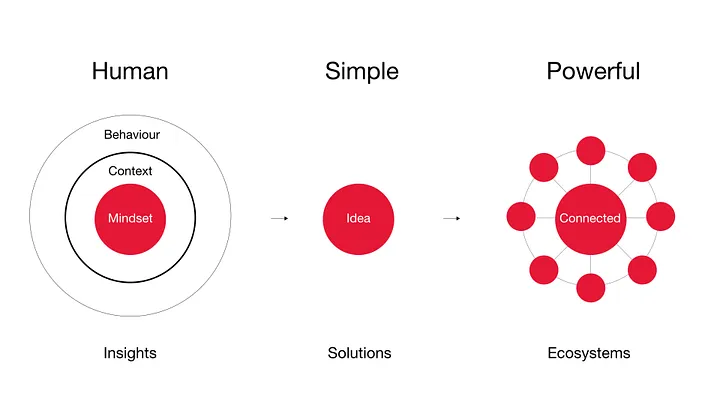
t R/GA, we design for global audiences by leveraging diverse teams and cultural insights from the start. Our “Human, Simple, Powerful” design model ensures diversity and inclusion are baked into the process. The “Human” element focuses on addressing problems through a human lens, considering cultures, customs, and the context of users’ lives. We validate prototypes through user testing with a diverse audience that mirrors the anticipated end users. By mapping touchpoints and breakpoints across different backgrounds and conducting experience mapping globally and locally, we gain a well-rounded view of our users. This approach helps us create focused, inclusive solutions that eliminate ambiguity and meet the needs of diverse audiences. (cf. Medium)

Source

Although completely overcoming bias is probably impossible, you can try to minimize their impact on your work by utilizing some of the methods, I wrote about in this blog post.

06 How Bias effects (UX) Design

“Life can only be understood backwards, but it must be lived forwards” ~ Soren Kierkegaard
A quote that is also very fitting, when talking about bias in design. Most of the time you can only understand, that a decision could have been made due to a bias, after the changes have already been deployed. Looking a bit deeper into the topic of biases and how they affect (UX) design, here are some interesting stories, how products turned out biased towards or against parts of their user groups.

1 – Spotify Shuffle Button

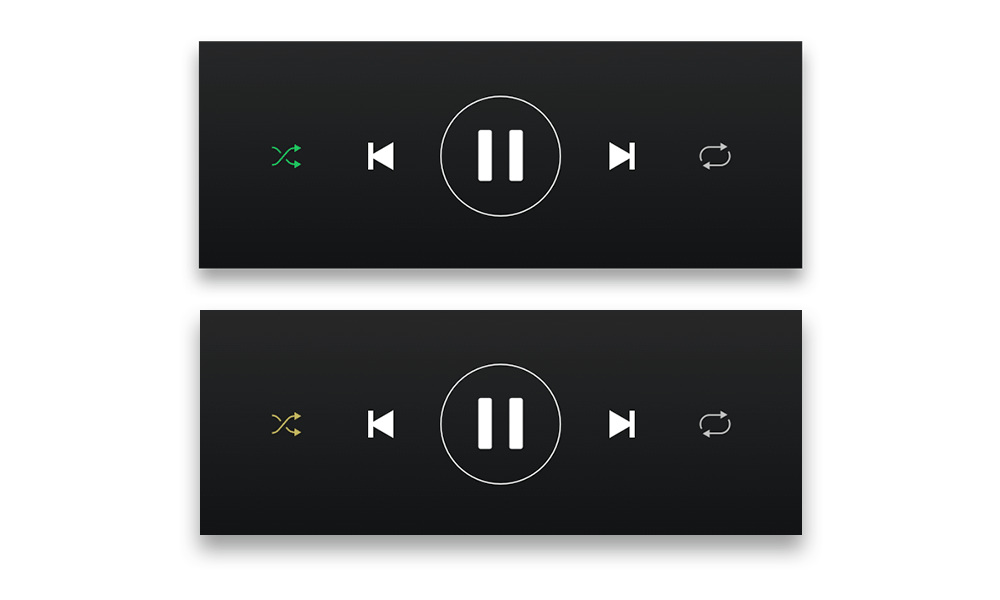
In a reddit form, a user requested, that the shuffle button in the Spotify app would have a circle around it, since they are color blind and have a hard time seeing the difference between the active and inactive shuffle button. (see picture below) (cf. Reddit) Put simply, this might have happened due to a blind spot affecting Spotifys design team. Not all people perceive colors the same way, some have a hard time, especially seeing red and green. Approximately 8% of men and 0.5% of women are affected by this type of color blindness. (cf. the Guardian) This simple change could be a big difference for certain subsets of users.

Approximation of how a colorblind user with protanopia color blindness may see the Shuffle button in Spotify. Source

2 – Cars and Seat Belts 

Here is a fun one, in the 1960s, most crash test for cars were done with crash test dummy, modeled after an average male physique (height, weight & stature). Therefore safety design decisions were mostly tailored to men, neglecting woman, children, smaller or bigger individuals. Although crash test have been conducted with “female” crash test dummies, but they were only placed in the passenger seat. (cf. User interviews) When talking about safety, one hopes, that all possible users have been considered.

This happened very likely due to the “sampling bias”: “Sampling bias occurs when a sample does not accurately represent the population being studied. This can happen when there are systematic errors in the sampling process, leading to over-representation or under-representation of certain groups within the sample.” (Simply Psychology)

3 – Facebooks “Year in Review” 

In 2014 Facebook introduced the “year in review” feature, which showed the user their best performing posts of the past year. The algorithm would identify the “best” posts/moments depending on the amount of likes. Now this is all fun and games, until you see a lost loved one in your year review. While the algorithm might work for most users, some will have a different, less satisfying experience. (cf. Forbes)

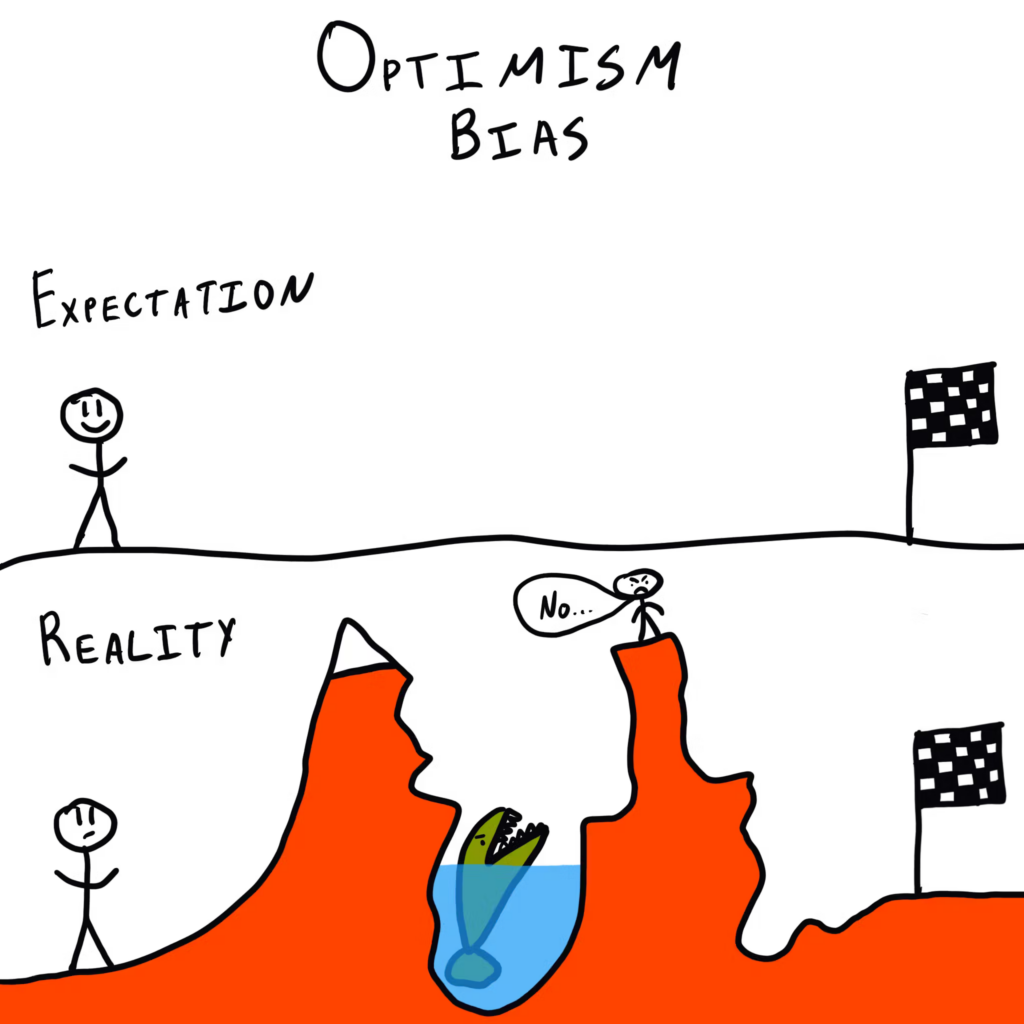
Who ever had the idea for this feature, handed their bias over to the algorithm who automatically creates these reviews. Due to the optimism bias people to believe that they are less likely to experience negative events and more likely to experience positive ones. This bias can lead to overly optimistic expectations about the future, underestimating risks, or failing to prepare for potential challenges. Designers assumed that users’ most engaged photos and moments would always be joyful, leading to a feature that unintentionally surfaced painful memories for some users.(cf. The Decision Lab)

Source

These are just three examples of how biases can affect design and there are many more, this was just the beginning. Although I have noticed, that a lot of bias related “fails” happened, because the designers or researchers focused on one part of their users. There is another bias, that might be the basis for all of this: The majority bias, cognitive bias where people focus on the larger or more visible part of a group, often overlooking minority perspectives. This bias assumes the majority is representative or correct, leading to the neglect of smaller groups or less common viewpoints. Which could lead to neglect of a bunch of smaller groups, which all together would form the majority. (cf Nature)

05 Austria’s 2024-2030 eHealth Strategy

Early on in my research I came across the document “eHealth-Strategie Österreich” created by the Ministry of Social Affairs (Sozialministerium) published in June 2024.

The digitalization of healthcare in Austria was significantly accelerated by the pandemic. For the first time, there were large-scale online appointment bookings and teleconsultations, the hotline 1450 was expanded, and the e-prescription has now become established. To further advance digitalization, the federal government, states, and social insurance will provide an additional 51 million euros annually as part of the healthcare reform. The “eHealth Strategy Austria” defines the focus areas and priorities for implementation in the coming years.

This document presents Austria’s eHealth strategy for 2024–2030, aiming to digitally transform its healthcare system. It outlines strategic and operational goals, including improved digital access, telehealth services, infrastructure development, and data utilisation. The strategy emphasises patient-centric care, incorporates a participatory stakeholder process, and addresses challenges like digital literacy and data governance. Implementation plans and monitoring frameworks are detailed, with a commitment to regular updates. International best practices and the European Health Data Space are also considered.

The Austrian eHealth strategy aims to define a shared vision for eHealth and digitalisation in the health and care sector in Austria, with a focus on further development. The strategy seeks to contribute to the maintenance and restoration of health through the appropriate use of digitalisation. It addresses various target groups, including citizens, patients, healthcare providers, and those involved in research and system management.

Eight strategic goals, each with specific measures are designed to achieve the objectives of the strategy:

  1. Enabling digital access to the healthcare system. This involves ensuring all citizens and healthcare providers have access to the public health telematics infrastructure (GTI) and that digital services are integrated across all levels of care, while maintaining analogue options.
  2. Creating telehealth prevention and care solutions. This aims to develop a network of telehealth services to improve patient care and enhance collaboration among healthcare providers, with clear legal and organisational frameworks.
  3. Further developing the public health telematics infrastructure (Gesundheitstelematik-Infrastruktur GTI). The goal is to establish a robust and convergent infrastructure to support digitalisation in the health and care sectors. This includes ensuring the GTI’s operation, updating its architecture, and expanding its connectivity to all relevant healthcare providers.
  4. Providing central eHealth services/components. This involves offering essential services and components to support participation in the public GTI, utilizing the existing e-government infrastructure.
  5. Establishing registers relevant to healthcare and governance. This focuses on having a defined set of registers for health data, both statutory and virtual, which are essential for improving care quality, patient safety and system management.
  6. Strengthening the secondary use of health data. The strategy aims to create a secure platform for the secondary use of health data in research and system management, ensuring compliance with data protection standards and the European Health Data Space (EHDS).
  7. Making innovation accessible. This involves creating a structured approach to innovation within the public health system, setting up transparent processes for introducing external innovations, and ensuring that innovative projects receive sufficient support and funding.
  8. Strengthening digital skills. The strategy seeks to ensure that both patients and healthcare providers have the necessary digital skills, with readily available training and support.

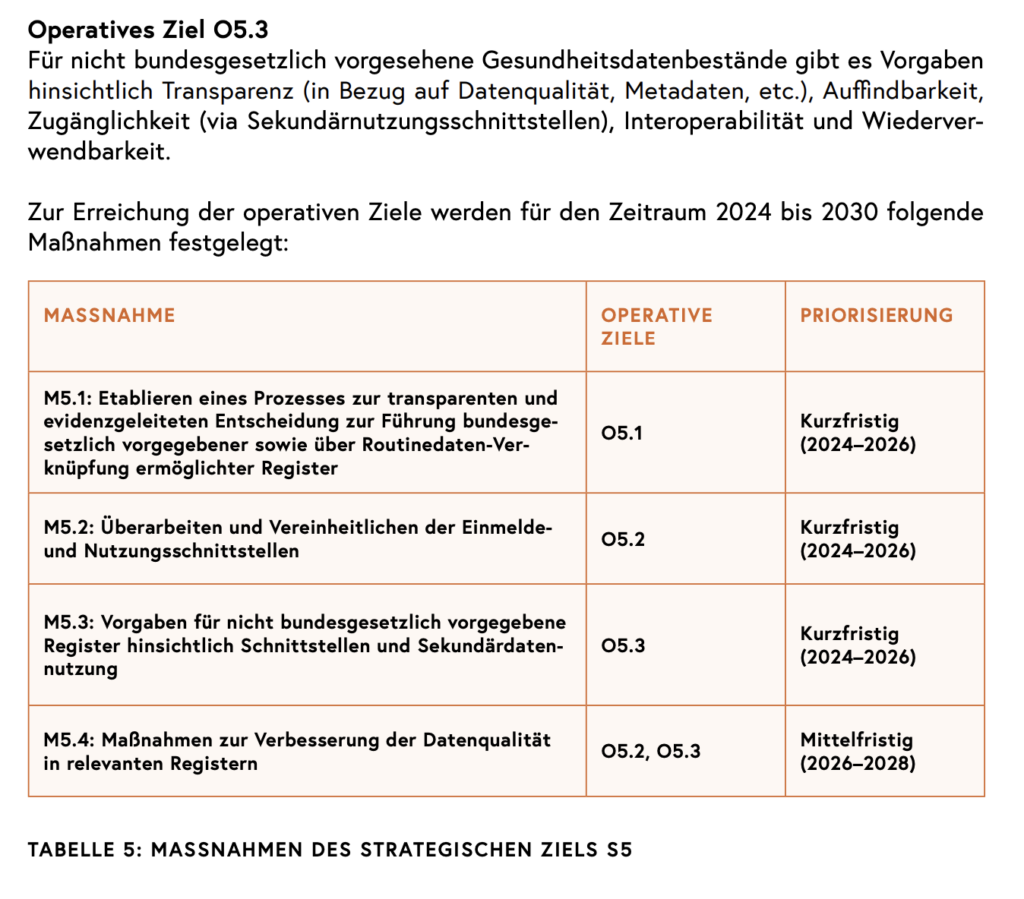
Each goal is then broken down into operational goals and specific measures. The following screenshot shows what this looks like for the 5th goal “Establishing registers relevant to healthcare and governance“.

By actively engaging users in the design and testing phases, the Austrian eHealth strategy aims to create digital health solutions that are both effective and accepted by the public. The paper states that the development process must be user-centred and participatory, involving potential users in the design process.

The strategy is designed to be a living document, and will be updated every five years, aligning with financial equalisation periods. It is also intended to align with the health reform of 2023, the Federal Target-Based Governance Contract of 2024 and the “digital before outpatient before inpatient” (digital vor ambulant vor stationär) principle. The eHealth strategy is designed to be a collaborative effort that involves all relevant stakeholders and aims to create a patient-centred digital health system.


References

BMSGPK (2024): eHealth-Strategie
Österreich. v1.0 im Juni 2024. Bundesministerium für Soziales, Gesundheit,
Pflege und Konsumentenschutz, Wien

https://www.sozialministerium.at/Themen/Gesundheit/eHealth/eHealth-in-Oesterreich.html

#09 Creating Interactive Installations

In this post, I want to explore the process of designing and creating interactive installations.

Process of designing an interactive installation

Creating an interactive art installation involves several steps, from defining the concept and technology to the final implementation.

Defining the concept
The first step is to brainstorm and define the core idea of the installation. Interactive Art flourishes from storytelling and creating memorable experiences. These questions can help defining the concept.

  • What is the main theme or message of the installation?
  • How will the audience engage with the artwork?
  • What emotions or experiences should be evoked?

The focus of the concept should always be on the emotions and the story that is to be conveyed. Immersive and interactive art aims to create connections and often uses human behavior as a narrative element. The theme can be a personal interest, an abstract idea or social problems. The more meaningful and moving the topic, the greater the likelihood that it will appeal to people. 

Additionally, identifying and understanding the target audience is crucial for interactive installations. It helps to tailor the experience to their preferences, needs and behaviors. While designing, accessibility should always be a priority, to ensure that the installation is inclusive and engaging for everyone – regardless of background, ability or familiarity with digital art.

Choose the right setting
The physical environment where the installation should be is crucial for the planning, since it influences technical as well as artistic decisions. Whether the installation is in a museum or in a public place, the size and location of the space, accessibility, light and sound and general infrastructure are important factors that need to be considered. 

Public spaces are particularly suitable for interactive installations as they enable a high level of participation and reach many people in urban areas. Placing art in public spaces not only makes it more accessible but also allows it to be seamlessly integrated into people’s everyday lives. However, designing for public spaces requires careful consideration of any necessary permits and insurance.

Choose Technology and Medium
As soon as the concept is done, the next step is to decide which sensory elements like light, sound and touch will transport the theme the best. If the goal is to create dynamic visuals that transform a space – projection mapping might be the right choice. If there should be different layers of interaction and the viewer should fully immerse with the installation AR or VR might be the right technology. The selection of the right sensor (e.g., motion, touch, proximity) and output devices (e.g., displays, projectors, speakers, actuators) is essential to bring the vision to life. It is also important to determine whether the installation will be physical, digital, or both. Each element and technology should smoothly integrate with each other to enhance the overall experience, creating a seamless and immersive environment for the audience. 1 2 3

Software and Tools that can be used

  • Processing: A simple programming environment to develop visually oriented applications. It is a design and prototyping tool which is used for creating large-scale installations. 4
  • TouchDesigner: A node-based visual programming environment and a great tool for interactive shows and installations. 5
  • Max/MSP: A visual programming language for creating interactive software. 6 
  • Unity: A real-time development platform often used for creating 3D interactive experiences. 7
  • Arduino: An open-source electronics platform based on easy-to-use hardware and software. It’s intended for anyone making interactive projects. 8
  • MadMapper: A reference application for Projection Mapping, LED installations and laser shows. 9
  • Resolume Avenue & Arena: It is the industry-leading software used by VJ’s. 10

Prototyping and Redefining
Prototyping is an essential step before building the full installation, allowing to test and refine the ideas. This phase provides an opportunity to experiment with various interactions and responses to identify the most effective setup. 

Implementing and Testing
Once a working prototype has been created that does justice to the concept, the next step is to build the physical environment of the installation. Whether it’s an entire room, a sculpture or digital screens, this forms the basis for the entire installation. Once the foundation is in place, the next step is to implement the technology – placing the sensors, projectors or programming a computer. After implementing the final installation, it is important to test everything again very carefully to check if all interactions such as movement, touch or other sensors work.

Observing
Interactive installations thrive on the involvement of visitors – it is therefore advisable to be present and observe how people interact with the installation. This way, any adjustments can be made. 1 2 3

Challenges in interactive Installations/art

Although interactive installations or interactive art is very captivating and modern right now, they come with some challenges – whether be technical, creative or logistical. These factors can make creating interactive installations a complex task.

Technical Challenges in Implementation
Interactive installations usually involve different technologies – sensors, software and hardware – which can be a challenge to bring all these individual elements smoothly together. Issues with the accuracy of sensors, the response time from input to output or the stability of the system can complicate the process. It is therefore even more important to test everything carefully before launch.

Balancing artistic vision and technological feasibility
One of the biggest challenges is finding the right balance between artistic creativity and the limitations of technology. It can easily happen that the creative idea is too complex and ambitious and exceeds the possibilities of the technology. It is therefore important to discuss expectations and ideally explore the technical possibilities early on in the concept in order to create a working and realistic interplay between creativity and technology to make the interactive installation a reality.

Collaborative challenges in multidisciplinary teams
In order to create an interaction that captivates people and creates a high level of engagement, it possibly requires the collaboration of different disciplines such as artists, designers, developer, engineers or even psychologists or sociologists. A large interdisciplinary team brings many advantages, and each person can contribute their own ideas and expertise. However, a large team can also quickly become a challenge. It is therefore important to have clear communication so that everyone is on the same page when it comes to the project. This is the only way to ensure good cooperation, which in turn leads to a successful interactive installation. 11


Sources

[1] S. Zafeiriou, „The Ultimate Guide to Immersive Art Installations: Creating Engaging and Interactive Art Experiences | Steve“, Steve Zafeiriou, 18. Januar 2025. https://stevezafeiriou.com/guide-to-immersive-art-installations/

[2] „Exploring Interactive Art Installations: History, Examples, and Creation“, Visual Alchemist, 29. Juni 2024. https://visualalchemist.in/2024/07/22/exploring-interactive-art-installations-history-examples-and-creation/

[3] D. Team, „Interactive Art Installation: Tips & Best Practices“, Daisie Blog, 18. Juli 2023. https://blog.daisie.com/interactive-art-installation-tips-best-practices/#concept-of-interactive-art

[4] „Processing overview“, Processing. https://processing.org/tutorials/overview

[5] Elburz, „What is TouchDesigner? A TouchDesigner FAQ“, The Interactive & Immersive HQ, 8. November 2024. https://interactiveimmersive.io/blog/touchdesigner-lessons/what-is-touchdesigner/

[6] „What is Max? | Cycling ’74“. https://cycling74.com/products/max

[7] „Echtzeit-Entwicklungsplattform von Unity | 3D, 2D, VR- und AR-Engine“, Unity. https://unity.com/de

[8] „Arduino – home“. https://www.arduino.cc/

[9] „MadMapper Home“. https://madmapper.com/

[10] „Avenue & Arena – Resolume“. https://www.resolume.com/software/avenue-arena[11] T. Emb, „The Intersection of Art and Technology in Interactive Installations“, EMB Blogs, 16. April 2024. https://blog.emb.global/art-and-technology-in-interactive-installations/#emotional-impact-of-interactive-art