#08 Interactive Installations

There are various approaches that interaction designers can take to help combat loneliness. It is not only important to tackle loneliness itself, but also to focus on strengthen interpersonal connections and relationships. Since a large part of our lives already takes place online and we spend a lot of time in front of our phones, I would like to pursue an approach that focuses more on the real and analog world – but still does not forego a digital aspect. 

I would like to investigate whether and how interactive installations can contribute to strengthening social interactions in public spaces. Interactive installations have established themselves as an increasingly important medium for combining technology, art and user experience. 1 Such installations not only fascinate but also create a unique experience through active participation and interaction. As noted by Edmonds “interactive art is distinguished by its dynamic behaviour in response to external stimuli, such as people moving and speaking.” Art becomes interactive when audience participation plays a central role in the work. The audience’s actions can influence and alter the artwork itself. When creating interactive art, the artist focuses not only on the visual or auditory aspects of the piece but also on how it engages and interacts with the audience, making this interaction a vital part of its nature. 2 For example, an installation could:

  • Alter the lights, sounds, or visual aspects in response to the people’s presence.
  • Support teamwork, where several users would have to physically and digitally interact with each other in order to activate particular features.
  • Change and improve according to the behavior of a whole audience, which may cause a dynamic and unpredictable outcome.

How interactive installations work

Interactive installations work through input from the audience or the environment. Interaction is achieved through a combination of sensors, software, physical elements or hardware that recognizes and processes the input. These inputs can include:

  • Movement: Motion sensors and cameras record audience movements, triggering the pre-set reactions. 
  • Touch: Pressure-sensitive surface or touchscreens allow for interaction through touch. 
  • Sound: Microphones record and / or respond to volume, pitch, or specific voice commands. 
  • Proximity: Ultrasonic or infrared detectors observe the proximity of a viewer to the installation. 
  • Input Data: Several installations incorporate data from external sources, such as weather, social network trends, or live web feeds. 4

The system takes these inputs and turns them into responses like changes in lights, visuals, sounds, or even mechanical movements. This creates a dynamic, interactive experience where the audience’s actions directly influence how they engage with the piece.
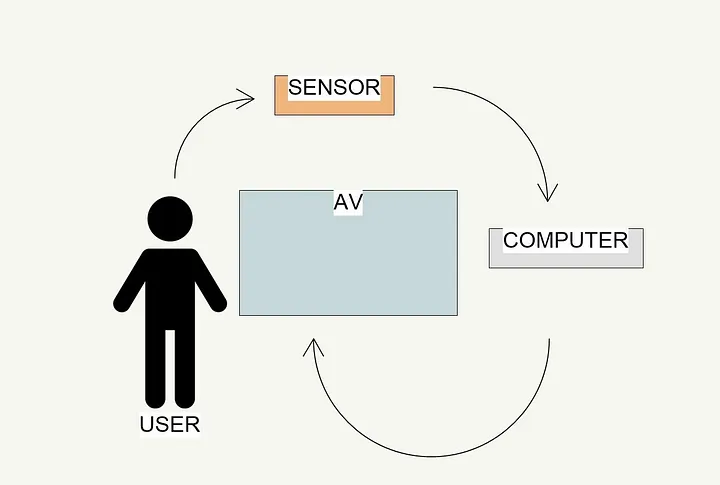
Source: https://medium.com/@steven_tbd/what-is-an-interactive-installation-6e19c98c881

Types of Immersive and Interactive Art Installations

Digital Projections
The projection of digital content is the cornerstone of immersive and interactive art. Advanced projection mapping can transform walls, floors and ceilings into interactive screens and environments and therefore bring the surrounding to life. By incorporating motion graphics and real-time visuals, these installations create multi-sensory environments that transport audiences into new and imaginative worlds.

Sensor-based Installations
The nature of sensor-based installations is that they use motion, touch, or sound sensors to react to human interaction in real-time. Thus, visual elements may change with movement, or perhaps a touch may turn on a certain light. These installations can range from pressure pads to some long-distance proximity sensors or maybe even facial recognition, which can cultivate an intimate space that reacts individually to each individual encounter. 

Sound and Lighting Installations 
Combining surround soundscapes with synchronized lighting systems, the sound and light installations attain a stunning effect. Through the interplay of contrasts, rhythms, and spatial audio, these installations evoke emotions and draw audiences into a compelling sensory world.

Virtual Reality Installations
Virtual reality installations bring interactivity to a new level by immersing participants in fully digital 3D environments. With the VR headsets viewers can navigate through this digital environment, interact with virtual object or even become part of the artwork. These experiences connect storytelling with interactivity, aggregating in deeply personalized experiences for the visitors. Those installations can be used for entertainment or even educational purposes – virtual museums or immersive stories that let people experience scenarios firsthand.

Participatory Installations
Participatory installations directly involves the audience in the creation or completion of the artwork, often through simple, intuitive interfaces that ensure broad accessibility. These installations may feature collaborative elements, where multiple participants work together to contribute to a piece. Examples include digital graffiti walls or crowd-sourced sculptures, which challenge traditional ideas of authorship and create a sense of community within the artwork. This type of interactive installation blurs the lines between artist and viewer, encouraging collective creativity. 4 5 Designing an installation that requires collaboration not only encourages interaction between people and the interface, but also the connection between people and their environment – and above all connection between the people themselves. 1

Interactive installations have the potential to ease feelings of loneliness and strengthen social ties by combining art, technology, and user participation. By combining the physical and digital worlds, these experiences offer new approaches to encouraging meaningful interactions and tackling isolation in shared public areas.


Sources

[1] S. U. Ahmed, „Interaction and Interactivity: In the Context of Digital Interactive Art Installation“, in Lecture notes in computer science, 2018, S. 241–257. doi: 10.1007/978-3-319-91244-8_20.

[2] E. Edmonds, “Interactive Art,” in Interacting: Art, Research and the Creative Practitioner, L. Candy and E. Edmonds, Eds. Faringdon: Libri Publishing Ltd., 2011, pp. 18–32.

[3] T. Emb, „The Intersection of Art and Technology in Interactive Installations“, EMB Blogs, 16. April 2024. https://blog.emb.global/art-and-technology-in-interactive-installations/#:~:text=Technology%20is%20crucial%20for%20interactive,%2C%20sound%2C%20or%20other%20inputs.

[4] S. Zafeiriou, „The Role of Technology in Interactive Installations: How Sensors, Computers, and More Shape Modern Art |“, Steve Zafeiriou, 11. November 2024. https://stevezafeiriou.com/technology-in-interactive-installations/

[5] Fiveable, “Interactive Installations: Study Guide,” Fiveable, 2025. [Online]. Available: https://library.fiveable.me/installation-art/unit-6/interactive-installations/study-guide/rdqjbQtvUFtb8qto. [Accessed: Jan. 25, 2025].
04 E-Health: Transforming Healthcare Through Technology

As I dive into my research on a national healthcare tool in Austria, I’ve come to realize just how crucial it is to understand e-health (also referred as eHealth). This concept is not just a buzzword; it’s a fundamental part of the future of healthcare. Before we get into the specifics of the tool I’m studying, let’s define e-health and see how it’s changing the way we think about healthcare.

What is E-Health (eHealth)?

E-health refers to the use of information and communication technology (ICT) in healthcare. This encompasses a wide range of applications, including telemedicine, electronic health records (EHRs), mobile health (mHealth) applications, and health information exchanges. E-health empowers patients and healthcare professionals by providing easy access to health information, remote consultations, and streamlined data management.

The first attempts to implement eHealth date back to the 1970s, when people were looking for ways to record patients’ medical histories using computers.
The term eHealth was first used in the 1990s in various business magazines and studies by management consultancies. The term found its way into medical journals around the turn of the millennium.

What es M-Health (mHealth)?

Health is a subset of eHealth, focusing specifically on mobile technologies, while eHealth encompasses a broader range of digital health technologies. Both M-Health and E-Health aim to enhance healthcare delivery and improve patient outcomes.

Benefits of E-Health

  1. Improved Access to Care: E-health solutions break down geographical barriers, allowing patients in rural or underserved areas to access medical expertise that may not be available locally. Telehealth services enable virtual consultations with specialists, ensuring timely care without the need for extensive travel.
  2. Enhanced Patient Engagement: E-health tools, such as patient portals and mobile apps, encourage patients to take an active role in their healthcare. Patients can access their medical records, schedule appointments, and communicate with healthcare providers, leading to better adherence to treatment plans.
  3. Streamlined Healthcare Delivery: Electronic health records improve the efficiency of healthcare delivery by consolidating patient information in one accessible location. This reduces administrative burdens, enhances communication among care teams, and minimizes the risk of errors.
  4. Cost-Effectiveness: E-health can lead to cost savings for both patients and healthcare systems. Remote consultations reduce travel expenses, while improved management of chronic conditions can lower the need for expensive emergency care.
  5. Data-Driven Insights: The integration of big data and analytics in e-health facilitates better decision-making. Healthcare providers can analyze patient data to identify trends, improve treatment protocols, and enhance overall health outcomes.

Challenges in E-Health

Despite its numerous benefits, e-health also faces several challenges:

  1. Privacy and Security Concerns: The digitization of health information raises concerns about data security. Protecting patient information from breaches and ensuring compliance with regulations such as HIPAA is paramount.
  2. Digital Divide: Not all patients have equal access to technology. Socioeconomic factors and can limit some individuals’ ability to utilize e-health services, potentially exacerbating health disparities.
  3. Integration Issues: Many healthcare systems still rely on outdated technology, making it difficult to integrate new e-health solutions. Interoperability between different health information systems remains a significant hurdle.
  4. Regulatory Challenges: The rapid pace of technological advancement often outstrips regulatory frameworks, leading to uncertainty regarding the approval and implementation of new e-health solutions.

The Future of E-Health

The future of e-health looks promising as technology continues to evolve. Innovations such as artificial intelligence, machine learning, and wearable devices are poised to revolutionize the way we approach healthcare. For instance, AI can analyze vast amounts of data to assist in diagnosis and treatment planning, while wearables provide real-time health monitoring.

The COVID-19 pandemic has accelerated the adoption of e-health solutions, leading to greater acceptance among both patients and providers. As telehealth becomes more mainstream, we can expect to see ongoing investments in technology and infrastructure to support this shift.

Conclusion

E-health represents a paradigm shift in the delivery of healthcare services, offering a more accessible, efficient, and patient-centered approach. While challenges remain, the potential benefits of e-health are too significant to ignore. As we look to the future, embracing e-health solutions will be crucial for improving health outcomes, enhancing patient engagement, and ultimately transforming the healthcare landscape for the better.

References

  1. Was ist eHealth? (2017, July 2). eGovernment. https://www.egovernment.de/was-ist-ehealth-a-570980/
  2. Galavi, Z., Khajouei, R., & Jahani, Y. (2023). The role of e-health on the public knowledge and behavior in preventing COVID-19. Informatics in Medicine Unlocked, 37, 101193. https://doi.org/10.1016/j.imu.2023.101193
  3. WHO guideline Recommendations on Digital Interventions for Health System Strengthening. Geneva: World Health Organization; 2019. 1, Introduction. Available from: https://www.ncbi.nlm.nih.gov/books/NBK541905/

08. Safeguarding Health Data: Challenges and Solutions

In my previous blog post, I discussed my idea of creating a platform that forecasts potential illnesses based on a patient’s health history. In this post, I will explore the challenges involved and examine possible solutions for implementing an AI-driven forecasting system.

Potential Risks of Storing Patient Health Data:

  1. Data Breaches: Unauthorized access to sensitive information could lead to personal health data being exposed or sold.
  2. Identity Theft: If personally identifiable information is leaked, it could be misused for fraud.
  3. Regulatory Compliance Risks: Failure to meet GDPR or other compliance standards may result in legal penalties and loss of trust.
  4. Insider Threats: Employees or authorized personnel might misuse their access rights.
  5. Third-Party Vulnerabilities: If third-party services are involved, they could become weak links in security.

Solutions to Ensure Data Security:

One of the most effective approaches is end-to-end encryption (E2EE), which ensures that data remains protected both during storage and transmission. By encrypting sensitive user data with algorithms such as AES-256, unauthorized access can be prevented. Additionally, employing secure communication protocols like TLS (Transport Layer Security) guarantees that data exchanged between users and the platform remains confidential.

Another crucial measure is role-based access control (RBAC), which restricts user permissions based on their roles within the system. This approach ensures that only authorized individuals, such as administrators and educators, have access to specific areas of the platform, minimizing the risk of data exposure. Multi-factor authentication (MFA) can further strengthen this security by requiring additional verification steps.

To protect user privacy, privacy-preserving techniques such as anonymization and tokenization can be utilized. Instead of storing personal identifiers, data can be pseudonymized or replaced with tokens to ensure compliance with privacy regulations like GDPR. This reduces the potential impact of data breaches and enhances user trust.

Choosing a secure cloud provider is another critical step in safeguarding data. Opting for reputable providers that offer built-in security features, such as encryption, firewall protection, and compliance with international standards, can significantly reduce security risks. Providers such as Google Cloud, AWS, and Microsoft Azure offer comprehensive security frameworks that align with industry best practices.

Adopting a zero-trust architecture (ZTA) model is an effective way to enhance security by assuming that no entity, whether inside or outside the organization, should be trusted by default. This approach requires continuous verification of users, devices, and applications, ensuring that only authenticated and authorized actions take place.

Finally, conducting regular security audits and monitoring is essential to identify potential vulnerabilities and address them proactively. Utilizing tools that monitor system activity, detect anomalies, and provide real-time alerts can help prevent security incidents before they escalate.

Conclusion

By implementing these security measures, an educational healthcare platform can remain secure, privacy-focused, and compliant without storing sensitive health data. Applying solutions such as encryption, role-based access, secure cloud services, and regular audits ensures user trust and data protection without overcomplicating the system.

07. The Importance of Preventive Healthcare Education

In today’s fast-paced world, healthcare often revolves around treating illnesses rather than preventing them. However, with rising healthcare costs and an increasing burden on medical professionals, preventive healthcare is becoming more critical than ever. Despite the benefits, many individuals still struggle to adopt preventive measures. Education plays a crucial role in empowering individuals to take charge of their health and well-being while simultaneously reducing the workload for doctors, patients, and healthcare providers.

How Health Education Reduces Workload for Stakeholders:

  1. Patients:
  • Empowered with knowledge, patients can take proactive steps to manage their health, leading to fewer hospitalizations and improved self-care.
  • Access to credible information reduces confusion and misinformation, helping patients make informed decisions without unnecessary stress.

2. Doctors:

  • Informed patients require fewer emergency visits and interventions, allowing doctors to focus on more critical cases.
  • Preventive education can reduce consultation time as patients come prepared with a better understanding of their health conditions.

3. Healthcare Providers:

  • Reduced strain on resources as fewer patients require intensive treatments or prolonged care.
  • Preventive strategies improve public health outcomes, leading to cost savings in healthcare infrastructure.
  • According to WHO, countries with strong preventive programs have seen a 30% reduction in healthcare expenditures related to preventable conditions.

The Role of Education in Empowering Individuals

Education serves as a powerful tool to drive behavioral change and promote a culture of prevention. Through easily accessible and digestible information, individuals can:

  • Understand the importance of regular health check-ups and screenings.
  • Learn how lifestyle choices impact their long-term health.
  • Identify early warning signs of potential health issues.
  • Gain confidence in making informed healthcare decisions.

Educational initiatives can take various forms, including online platforms, workshops, social media campaigns, and community outreach programs. By leveraging technology, healthcare education can reach a broader audience and provide personalized learning experiences.

Conclusion

Preventive healthcare education is a crucial step towards building a healthier future. It empowers individuals, reduces healthcare costs, and alleviates the burden on medical professionals. With the right educational tools and initiatives, individuals can take proactive steps towards their well-being.

#06 The Dark Side of Land Use

The most significant threat to biodiversity is land development, not climate change as some might believe

Bernt-Erik Sæther, director of the Centre for Biodiversity Dynamics

The UN’s biodiversity panel, IPBES, ranks “land-use change” as the greatest threat to biodiversity (NTNU Event, 2022, 7:50). In 2022, WWF published a comprehensive report on the frequency and scale of biodiversity and climate changes. The report discusses the “2022 global Living Planet Index,” which shows an average decline of 69% in monitored wildlife populations between 1970 and 2018 (Almond et al., 2022, p. 12). It also highlights how the biodiversity and climate crises are interconnected, like two sides of the same coin—solving one requires addressing the other (Almond et al., 2022, p. 4).

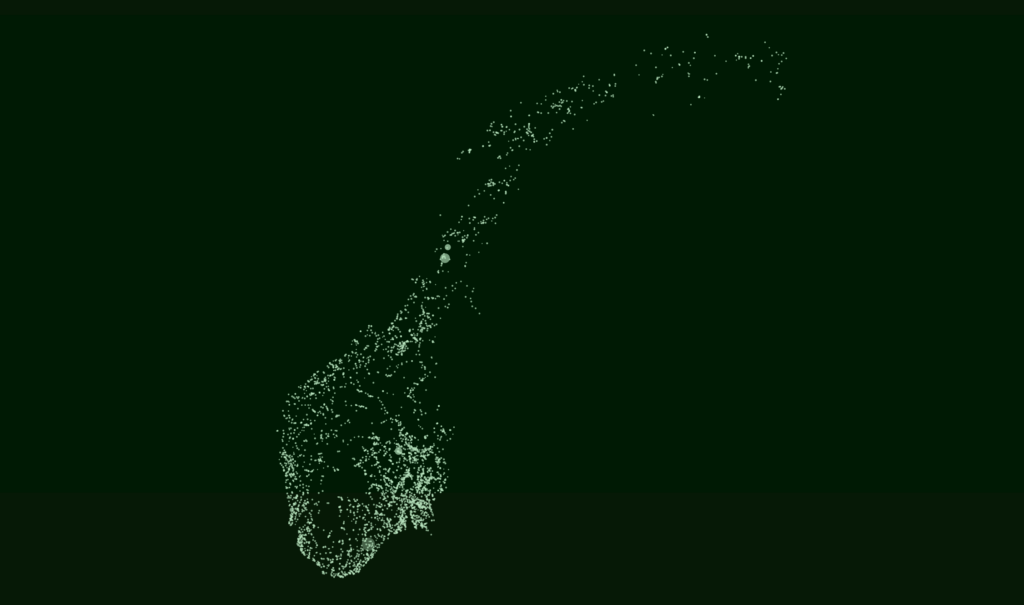
An article titled Norway in Red, White, and Gray from the Norwegian Broadcasting Cooperation (NRK) used artificial intelligence to map 44,000 instances of environmental encroachment in Norway over the past five years (Mon et al., 2023).

Image from NRK´s report (Mon et al., 2023)

However, according to biology researcher Ivar Herfindal from Norwegian University of Science and Technology (NTNU)´s Department of Biology, this mapping only provides a skeletal overview of environmental impacts (NTNU Event, 2024, 22:40). He emphasises that satellite images do not reveal which species are affected by development, requiring more detailed investigations. This means that we have lost a lot more than this map can show us.

The NRK series The Inspector featuring Bård Tufte Johansen, also highlights nature loss, showing how various infrastructure developments—such as roads, wind power, and industry—gradually consume Norwegian nature piece by piece (NRK, 2024). This leads to habitat fragmentation and species extinction.

In his lecture “Why Can’t We Sacrifice Nature for the Green Transition?” professor Dag Hessen argues that nature is often compromised in favour of shorter travel times (Det Norske Vitenskapsakademi, 2023, 12:04). In an interview with Naturviterne, Hessen also emphasises that public engagement and awareness are crucial in influencing political decision-makers and driving change (Hundere, 2024).

But is is not only animals and plants that suffer from the nature shrinking. Humans also have a need for higher biodiversity and bigger green spaces around them – especially those living in urban areas. Urban living provides access to education, healthcare, and diverse cultures, but it often comes at the cost of health and well-being. Studies have linked urban environments—characterised by limited greenspace and high pollution—to increased rates of depression, anxiety, and attention disorders (McDonnell, et. al., 2024). Chronic conditions like cardiovascular disease, high blood pressure, and obesity are also more prevalent in cities. To counter these effects, researchers highlight the benefits of exposure to nature, which can improve cognitive function, mood, and creativity while promoting physical health by encouraging exercise, reducing stress, and lowering blood pressure. Additionally, natural spaces foster social interactions and help combat loneliness.

Despite national environmental goals aimed at preserving important outdoor recreation areas, only 45% of the population in cities and towns have adequate access to nearby nature and walking trails. In the largest cities, this percentage is even lower (WWF, 2021).


Area neutrality involves restoring areas of nature to compensate for the loss of natural land, due to development elsewhere.


Bernt-Erik Sæther, the director of the Centre for Biodiversity Dynamics CBD, discusses in a talk at Arendalsuka – the largest political gathering in Norway – how here is currently a lack of an overarching strategy to identify and regulate which parts of Norway’s natural areas should be preserved (NTNU Event, 2022, 13:33). A strong national framework for regulating land development is needed. Since much of the decision-making power lies with municipalities or landowners, each municipality is left to make decisions independently, often without considering the broader picture.

However, the government is now working on a government report on nature, which is expected to outline how concepts such as area neutrality, nature positivity, and natural accounting will be implemented in Norway (regjeringen.no, 2023). A recent survey also shows that 80 Norwegian municipalities have plans to become “area neutral” (Nyhus, 2023). This is on the foundations of the COP15 in 2022, where governments from around the world came together to agree on a new set of goals to guide global action through 2030 to halt and reverse nature loss (UN, 2022).

Conclusion

Only if Norway and other states establish clear goals to prevent nature loss, define precise terms, and create reliable indicators to measure biodiversity loss, can they effectively strengthen the decline in biodiversity. However, policy alone is not enough – public engagement and awareness are crucial in influencing political decision-makers and driving change.


Sources:

Almond, R.E.A., Grooten, M., Juffe Bignoli,  D. & Petersen, T. (Eds). WWF, Gland, Switzerland. (2022). Living Planet Report 2022 – Building a nature- positive society. WWF. Retrieved from https://media.wwf.no/assets/attachments/lpr_2022_full_report_2023-02-09-115529_ahtx.pdf?_gl=1*16u778x*_up*MQ..*_ga*NjA1MTQ4ODUxLjE3MTQ2NTM5MTQ.*_ga_BB7Z1P8XYM*MTcxNDY1MzkxNC4xLjAuMTcxNDY1MzkxNC4wLjAuMA

Det Norske Vitenskapsakademi. (2023, 8th of November). Dag O. Hessen: Hvorfor kan vi ikke ofre naturen for det grønne skiftet? [Video]. Youtube. Retrieved from https://www.youtube.com/watch?v=rOa2GFtmfu8

McDonnell, Amy S. & Strayer, David L (2024). The influence of a walk in nature on human resting brain activity: a randomized controlled trial. Retrieved from https://www.nature.com/articles/s41598-024-78508-x

Mon, S. T., Solvang, R., Støstad, M. N. (2023). Norge i rødt, hvitt og grått. Retrieved from
https://www.nrk.no/dokumentar/xl/nrk-avslorer_-44.000-inngrep-i-norsk-natur-pa-fem-ar-1.16573560

NRK. (2024). Oppsynsmannen – NRK TV. https://tv.nrk.no/serie/oppsynsmannen

NTNU Event (2022, 16th of August). Hvem bestemmer over norsk natur? – Arendalsuka 2022 [Video].  Youtube. Retrieved from https://www.youtube.com/watch?v=j16EJiCrxSA

Regjeringen.no (2023, 29th of June) Naturavtalen. Retrieved from
https://www.regjeringen.no/no/tema/klima-og-miljo/naturmangfold/innsiktsartikler-naturmangfold/det-globale-kunming-montreal-rammeverket-for-naturmangfold-naturavtalen/id2987476/

UN. (2022). UN Biodiversity Conference (COP 15). Retrieved from https://www.unep.org/un-biodiversity-conference-cop-15

#05 Challenges in Implementing Environmental Policies

While international agreements set the necessary frameworks, their implementation on national and local levels presents challenges. OECDs Climate Action Monitor from 2023 show how many OECD countries have pledged a net-zero target, but only a few of them have made it into law. In 2022, countries slowed down their climate efforts, even bactracking some of the climate action. This was due to geopolitical and macroeconomic shocks from the energy crisis – which also led to countries increasing fossil fuel support to new record levels (OECD, 2023).

In Norway, the government is still working on how they will adhere to the COP15 agreement (regjeringen.no, 2023). However, until formal legislation is in place, actually adhering to the agreement remains voluntary. The municipality of Trondheim in Norway has initiated efforts to implement the agreement. Although a challenge with voluntary follow-up is that it does not guarantee effectiveness, as each municipality makes independent decisions— for example, an industrial company that is denied permission in one municipality may simply establish itself in a neighbouring municipality instead (NTNU Event, 2022, 22:40). Therefore, experts argue that effective engagement and grassroots action are crucial for fostering political commitment and ensuring long-term sustainability (Hundere, 2024).

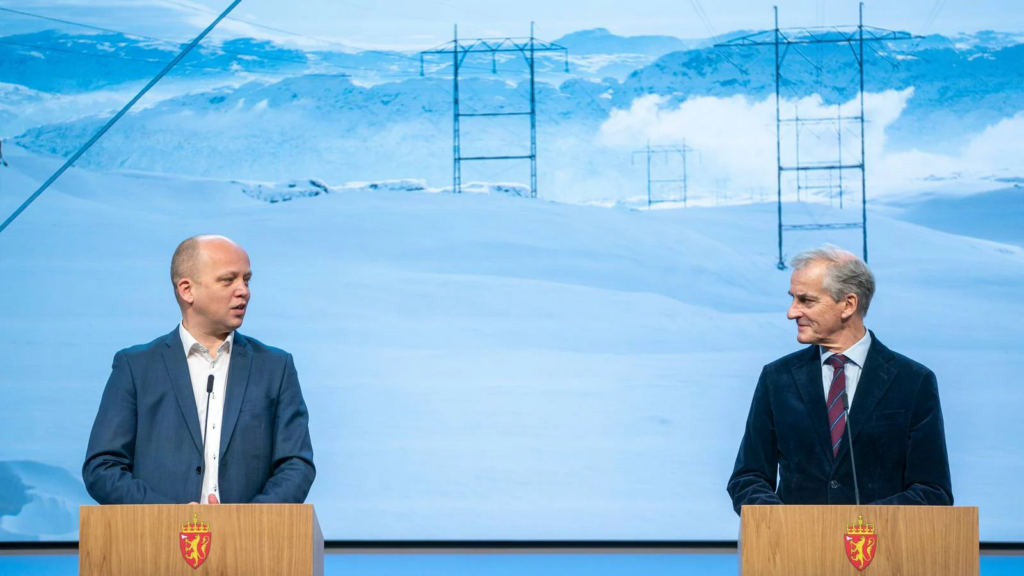
Another example of visible challenges in implementing environmental policies, is the ongoing Norwegian government crisis. It caused by one of Labor Party´s proposal of implementing 3 of the directives from EU´s 4th clean energy package – to show EU cooperation in these scary times. The Centre Party is very against this, due to the consequenses this may have for Norwegian sovereinity. The leader of Senterungdommen, Nils Forren argues: “Norway is an important energy supplier to Europe and should not approach the bureaucrats in Brussels cap in hand. We must prioritise Norwegian interests first and not give away more sovereignty“.

Centre Party-EXIT: Behind closed doors, Trygve Slagsvold Vedum has made it clear that the Centre Party will under no circumstances accept that the Labour/Centre Party government implements the three EU directives under his leadership.
Photo: Terje Pedersen / NTB

This fear of implementing the 4th energy package from the EU, is not irrational. The previous year have shown both Norway and the entire EU how high electricity prices feel like. Many of the Norwegian citizens have blamed our EEA cooperation for the reason of the high electricity prices in Norway – since we are fundamentally self sufficient with waterpower. The criticism of implementing the directives from EU is also regarding our lessened autonomy of our own nature. The fear is that Norway is forced to build solar and wind energy to support the constant higher demand of energy in Europe, sacrificing our nature and biodiversity.

On the other side, with the increasing tensions in the world with Russia waging war, and China and USA waging trade war, the labour party argues that we need to stay close to and strengthen the EU – and that these kind of sacrifices has to be made for the greater good.

How can design help drive political change?

Design can play a crucial role in bridging the gap between policy and action. A design-driven approach can provide ways to communicate complex policies, engage stakeholders, and foster a shared sense of responsibility. For example, the UN encourages cultural influencers and storytellers to participate in the #GenerationRestoration movement, recognising the power of storytelling to drive behavioural change (United Nations, 2019).

Design can help visualise the intrinsic value of nature, promote sustainable lifestyles, and facilitate local community engagement. Even small-scale initiatives that embrace an ecocentric perspective can inspire broader societal shifts.

Conclusion

Political change is crucial for addressing the environmental crises, but it requires persistent efforts at all levels. International agreements like COP15 and the UN Decade on Ecosystem Restoration provide a solid foundation, but their success depends on effective implementation and sufficient public engagement. A for design as a tool, I belive it can act as a powerful mechanism in shaping public perception, influencing policy decisions, and fostering a more sustainable future. The remaining question then is… how exactly?


Sources:

Hundere, T. (2024, February 2). Engasjement kan redusere tap av natur og løse naturkrisen. Naturviterne. Retrieved from https://www.naturviterne.no/naturviterpodden/engasjement-kan-redusere-tap-av-natur-og-lose-naturkrisen

NTNU Event (2022, 16. august). Hvem bestemmer over norsk natur? – Arendalsuka 2022 [Video].  Youtube. https://www.youtube.com/watch?v=j16EJiCrxSA

OECD. (2023). The Climate Action Monitor 2023. Retrieved from https://www.oecd.org/en/publications/2023/11/the-climate-action-monitor-2023_d9ee6e77.html

Regjeringen.no. (2023). Det globale Kunming-Montreal-rammeverket for naturmangfold (Naturavtalen). Retrieved from https://www.regjeringen.no/no/tema/klima-og-miljo/naturmangfold/innsiktsartikler-naturmangfold/det-globale-kunming-montreal-rammeverket-for-naturmangfold-naturavtalen/id2987476/

United Nations. (2019). Strategy of the UN Decade on Ecosystem Restoration. Retrieved from https://www.decadeonrestoration.org/strategy

#04 The Need for Political Change

The number of people exposed to extreme heat is rising rapidly. From 2018 to 2022, over half a billion people in the Organisation for Economic Co-operation and Development (OECD) and partner countries experienced temperatures above 35°C—an 11.3% increase from 1981-2010. In 2022 alone, more than 45% faced at least two weeks of extreme heat (OECD, 2023). Agricultural droughts are intensifying, wildfires have been raging at unprecedented scales with a record-breaking land area burnt and increasing mean temperatures alter rainfall patterns affecting agricultural production and increasing vulnerability. These are just some of the climate impacts OECD have measured the last decades, showing how they are accelerating and becoming even more extreme (OECD, 2023).

There is progress but more ambition and efforts are needed to achieve carbon neutrality by 2050

Political change is essential to addressing these environmental crises we face today. However, achieving meaningful change is a complex and challenging process. Despite the international agreements and national policies, actually seeing these commitments through is difficult.

The role of circular economy and renewable energy

A shift towards a circular economy, inspired by nature’s regenerative processes, could significantly reduce environmental pressures. Greenpeace highlights that transitioning to a circular economy can help preserve resources and minimise waste by promoting reuse and recycling (Holden, 2023). They also write how political will is the only thing missing for this kind of green transition.

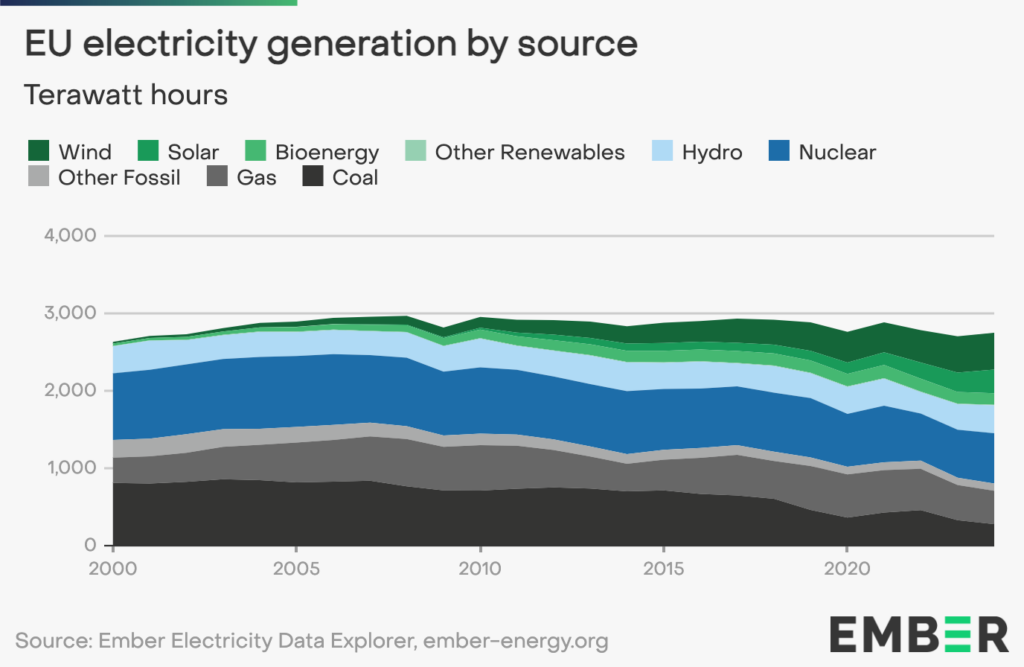
In the energy sector, the EU has made significant steps. Renewable energy sources such as solar and wind now accounting for 22% of total electricity production in 2022, a large increase from previous years. From 2010 to 2022, the EU’s production of solar and wind power increased from 163 to 624 TWh. (Øystese, 2023).

Above we see a graph that shows the changes in EU´s energy source from year 2000 until today (Ember, n.d.). This shows us how the coal usage has been cut in half, and how much renewables have been upscaled. So change is actually doable. But is it quick enough?

The need for political change

Environmental crises, including biodiversity loss and climate change, demand urgent and coordinated political action. The UN has recognised this need by declaring 2021-2030 as the Decade on Ecosystem Restoration, emphasising the importance of preventing, halting, and reversing ecosystem degradation (United Nations, 2019). This initiative highlights the necessity for swift action to combat the climate crisis and biodiversity loss, focusing on fostering a culture of restoration and educating future generations.

Similarly, the Kunming-Montreal Global Biodiversity Framework, adopted at COP15 in December 2022, aims to halt and reverse nature loss. This agreement sets ambitious global targets for conservation, sustainable management, and tackling ecosystem degradation (regjeringen.no, 2023). A key concept introduced in the agreement is “land neutrality,” emphasising the need to balance development with conservation efforts.

What we see is a huge effort on making a sufficient change in makro scale – but are the countries themselves able to see them through? And how much do these environmental policies affect the average EU citizen? What I want to find out is if these policies are actually implemented, and if so, are they making sufficient change? I also wonder If the real fight is the value-change of the citizens these policies affect. If so, this is where I would focus my energy on as a designer.


Sources:

Ember. (n.d.). Electricity Data Explorer. Retrieved from https://ember-energy.org/data/electricity-data-explorer/

Greenpeace. (2023, November 6). Det grønne skiftet i Norge mangler bare politisk vilje. Retrieved from https://www.greenpeace.org/norway/nyheter/energi/det-gronne-skiftet-i-norge-mangler-bare-politisk-vilje/

Nyhus, Håvard. (2025). Sp-ordførarar vil ha Sp-exit: – Elles er vi eit parti utan ryggrad. Retrieved from https://www.nrk.no/vestland/sp-ordforarar-vil-ha-sp-exit_-_-elles-er-vi-eit-parti-utan-ryggrad-1.17221337

OECD. (2023). The Climate Action Monitor 2023. Retrieved from https://www.oecd.org/en/publications/2023/11/the-climate-action-monitor-2023_d9ee6e77.html

Regjeringen.no. (2023). Det globale Kunming-Montreal-rammeverket for naturmangfold (Naturavtalen). Retrieved from https://www.regjeringen.no/no/tema/klima-og-miljo/naturmangfold/innsiktsartikler-naturmangfold/det-globale-kunming-montreal-rammeverket-for-naturmangfold-naturavtalen/id2987476/

United Nations. (2019). Strategy of the UN Decade on Ecosystem Restoration. Retrieved from https://www.decadeonrestoration.org/strategy

WWF. (n.d.). Politisk påvirkning og policy-arbeid. Slik arbeider WWF. Retrieved from https://www.wwf.no/slik-arbeider-wwf/en-politikk-for-mer-natur

Øystese, Kirsten. (22nd March, 2023). I 18 EU-land står sol og vind for mer enn 15 prosent av strøm-produksjonen. Energi og Klima. Retrieved from https://www.energiogklima.no/nyhet/i-18-eu-land-star-sol-og-vind-for-mer-enn-15-prosent-av-strom-produksjonen


#03 Understanding the bigger picture

In my research journey, it is essential to take a step back and examine the broader environmental challenges we face today. Reports from key organisations such as WWF, the United Nations (UN), and the Intergovernmental Science-Policy Platform on Biodiversity and Ecosystem Services (IPBES) provide good and reliable insights into the state of our planet and the actions needed to reverse the damage. In this post, I will summarise key findings from these sources and identify potential areas where design can play a transformative role.

Key Insights from WWF, UN, and IPBES Reports

The WWF Living Planet Report 2022 highlights a 69% decline in monitored wildlife populations between 1970 and 2018, emphasising the urgent need for systemic change (Almond et al., 2022). It identifies biodiversity loss and climate change as interconnected crises, stressing that addressing one requires tackling the other simultaneously. WWF proposes transformative solutions in conservation, food systems, energy, and finance to mitigate these issues.

The UN Decade on Ecosystem Restoration (2019-2030) aims to prevent, halt, and reverse ecosystem degradation worldwide (United Nations, 2019). The strategy emphasise the importance of cultural engagement and empowering future generations. These aspects align closely with the potential of design to foster behavioural change and community engagement.

IPBES identifies “changed land use” as the most significant threat to biodiversity, with habitat destruction being a primary driver of species decline (NTNU Event, 2022).

The IPBES conceptual framework underscores the complex interplay between natural systems and human societies, highlighting the need for integrated approaches that bridge ecological and social dimensions (IPBES, 2015).

Pressing Environmental Challenges and Proposed Solutions

Key challenges identified by these reports include:

  • Land Use Changes: Urban expansion, deforestation, and industrial activities continue to fragment ecosystems and degrade habitats (NTNU Event, 2024).
  • Food Systems: Intensive agriculture contributes to deforestation, soil degradation, and biodiversity loss, necessitating a shift toward sustainable practices such as regenerative farming (Almond et al., 2022).
  • Energy Transition: While renewable energy is crucial, infrastructure development must minimize ecological harm (Det Norske Vitenskaps-Akademi, 2023).
  • Public Awareness and Engagement: Reports stress the importance of mobilising public support and creating awareness through storytelling and education to drive political and behavioural change (Hundere, 2024).


Where Design Can Play a Transformative Role

Design holds the potential to bridge the gap between scientific knowledge and public engagement by:

  • Communication and Storytelling: Utilizing speculative design and behavioral science to create compelling narratives that inspire action, such as visual campaigns and immersive experiences.
  • Urban Planning and Land Use: Implementing nature-positive design principles in urban environments to balance human needs with ecological preservation. This also intertwines with sustainable architecture.
  • Sustainable Product and System Design: Developing solutions that align with regenerative agricultural practices and circular economy models to reduce environmental footprints.

In conclusion, understanding the bigger picture is crucial for identifying where design can contribute to addressing environmental challenges. By getting insights from leading environmental organisations, I can lean on their key findings to quicker understand the most important and pressing issues and solutions to these. This is also how I plan to create a more narrow and tangible area for me to research in.


Sources:

Almond, R.E.A., Grooten, M., Juffe Bignoli, D. & Petersen, T. (Eds). WWF, Gland, Switzerland. (2022). Living Planet Report 2022 – Building a nature-positive society. Retrieved from https://media.wwf.no/assets/attachments/lpr_2022_full_report_2023-02-09-115529_ahtx.pdf

Det Norske Videnskaps-Akademi. (2023). Hvorfor kan vi ikke ofre naturen for det grønne skiftet? Retrieved from https://www.youtube.com/watch?v=rOa2GFtmfu8

Hundere, Torbjørn (2024, 02. februar). Engasjement kan redusere tap av natur og løse naturkrisen. Naturviterne. Retrieved from https://www.naturviterne.no/naturviterpodden/engasjement-kan-redusere-tap-av-natur-og-lose-naturkrisen

IPBES´s Journal Articles (2015). The IPBES Conceptual Framework – connecting nature and people. The Intergovernmental Science-Policy Platform on Biodiversity and Ecosystem Services (IPBES). Retrieved from https://www.ipbes.net/resources/journal-articles

NTNU Event. (2022). Naturen som forsvinner – hva betyr det? Youtube. Retrieved from https://www.youtube.com/watch?v=srRhPF8JLK0

United Nations. (2019). Strategy of the UN Decade on Ecosystem Restoration. Retrieved from https://www.decadeonrestoration.org/strategy

#02 Methodology – how can design contribute

As I continue my research into ecocentric solutions to combat environmental crises, I’m realizing the critical importance of methodology. The scale and complexity of these interconnected issues make it very difficult for me to keep my ground and navigate through it all. I am also a person who finds it very hard to close doors on topics that I find relevant or of importance. In this case – I would need years to cover everything of relevance. Another factor that can become an issue is that I am very personally invested in this topic, which can also make me loose structure. Therefore I see it very necessary to create some guidelines for myself on how to keep a red thread throughout my research journey.

A design-centric approach provides the framework I need to navigate this vast topic, as if I am researching the nature and climate crisis with a set of “design-glasses”. Rather than getting overwhelmed by the enormity of climate change and biodiversity loss, I can focus on how design as a discipline contributes to systemic change of all the sub-topics I pass by. Design is not just about creating objects or visuals; it’s about solving problems through innovative thinking and human-centered approaches. By keeping this perspective at the core of my work, I aim to explore where and how design can address the root causes of these crises, rather than simply reacting to the symptoms.

Methodology also helps me set clear goals and define boundaries for my research. It’s tempting to explore every avenue—politics, agriculture, conservation, energy systems—but a design lens keeps me grounded. It reminds me to ask: how can design principles or interventions make a tangible difference here? For example, I am particularly interested in speculative design and behavioral science, both of which have immense potential to influence societal values and inspire change. These methods allow me to imagine and communicate alternative futures, bridging the gap between ecological ideals and practical action.

Moreover, having a structured methodology gives me the guidelines I need to evaluate my findings and ensure consistency. It helps me stay connected to my central research question: how can ecocentric design foster coexistence with nature? By focusing on design as both a process and an outcome, I can turn broad, systemic problems into manageable, design-driven challenges.

In essence, this methodology is my compass. It keeps me from feeling lost amidst the enormity of the issues, ensuring that my work remains coherent, purposeful, and ultimately impactful. With this foundation, I hope to uncover meaningful ways for design to contribute to a more sustainable and ecocentric world.


Speculative Design is a design practice that involves creating hypothetical artifacts and immersive scenarios to explore and critique potential future developments. This approach is a form of critical design, and encourages reflection on the societal, ethical, and environmental implications of emerging technologies and systems (Neeley, 2024).

Behavioral science is an interdisciplinary field that studies human actions, often seeking to generalize about human behavior in society. It encompasses disciplines such as psychology, sociology, and anthropology, aiming to understand and predict human behavior through systematic observation and experimentation (Augustyn, 2020).


Sources:

Neeley, J. Paul (19th June, 2024). What is Speculative Design?. School of Critical Design. Retrieved 10.01.25 from https://www.critical.design/post/what-is-speculative-design

Augustyn, Adam (31st Jan., 2020). Behavioural Science. Britannica. Retrieved 10.01.25. from https://www.britannica.com/science/behavioral-science?utm_source=chatgpt.com

1.9 The Emotional Intelligence of AI: Can Chatbots Truly Understand Us?

As AI technology advances, chatbots are evolving to recognize emotional cues, providing support in mental health, companionship, and conversational interfaces. By integrating techniques such as natural language processing (NLP), sentiment analysis, and machine learning, these systems aim to simulate empathy and create meaningful interactions. However, the development of empathetic AI comes with challenges, including technological limitations, ethical concerns, and potential risks of over-dependence.

Advancements in Empathetic Algorithms

Empathetic algorithms are designed to detect, interpret, and respond to human emotions using methods such as NLP, voice tone recognition, and facial expression analysis. For example: Woebot employs cognitive-behavioral therapy (CBT) techniques to guide users through stress and anxiety management, leveraging emotional cues from conversations. Wysa uses sentiment analysis to provide customized mindfulness exercises and mood tracking tools for emotional resilience.

Beyond mental health, empathetic algorithms are being integrated into other sectors like education and customer service, tailoring interactions based on emotional cues to improve engagement and satisfaction.

Chatbots as Relationship Simulators

LLMs such as GPT power chatbots like Replika AI and Character AI, which simulate human-like relationships. Replika AI enables users to design virtual companions for friendship, mentorship, or even romantic connections, raising questions about emotional reliance and blurred boundaries between humans and machines. Character AI allows users to interact with AI representations of fictional or historical figures, blending entertainment with relationship simulation.

Replika, Image Source: Every

These developments reflect themes from the movie Her, where an AI operating system becomes a deeply personal companion. While such systems offer emotional support, they highlight risks like over-dependence, which could potentially hinder real-life emotional interactions.

Movie Her, Image Source: IMDb

The Role of Empathy in AI

Empathetic AI is transforming human-AI interactions by making them more intuitive and emotionally aligned. However, achieving true emotional intelligence in machines remains a significant challenge:

  • Complex Emotions: Emotions are shaped by individual, cultural, and situational factors, making them difficult for AI to interpret consistently.
  • Simulated Empathy: Current AI systems simulate empathy by mimicking human responses rather than genuinely understanding emotions.
  • Ethical Concerns: Privacy risks arise from AI’s reliance on sensitive emotional data, making transparency and data security essential.

Applications and Insights from Research

Recent studies emphasize how empathetic algorithms can enhance human emotional intelligence by fostering emotional awareness and resilience. For instance:

  • Educational AI systems: Tailor learning environments to students’ emotional states, adapting content based on signs of frustration or confusion.
  • Healthcare applications: Use empathetic AI to assess patients’ emotional needs and deliver personalized support, improving outcomes for individuals with anxiety or depression.

Despite these advancements, challenges such as cultural biases in emotion recognition and the need for interdisciplinary collaboration remain key areas for growth.

Sources

  1. “Character.ai: Young people turning to AI therapist bots.” BBC. Accessed: Jan. 24, 2025. [Online.] Available: https://www.bbc.com/news/technology-67872693?utm_source=chatgpt.com
  2. ” ‘Maybe we can role-play something fun’: When an AI companion wants something more.” BBC. Accessed: Jan. 24, 2025. [Online.] Available: https://www.bbc.com/future/article/20241008-the-troubling-future-of-ai-relationships?utm_source=chatgpt.com
  3. “Replika CEO Eugenia Kuyda says it’s okay if we end up marrying AI chatbots.” The Verge. Accessed: Jan. 24, 2025. [Online.] Available: https://www.theverge.com/24216748/replika-ceo-eugenia-kuyda-ai-companion-chatbots-dating-friendship-decoder-podcast-interview?utm_source=chatgpt.com
  4. Velagaleit, S. B., Choukaier, D., Nuthakki, R., Lamba, V., Sharma, V., & Rahul, S. (2024). Empathetic Algorithms: The Role of AI in Understanding and Enhancing Human Emotional Intelligence. Journal of Electrical Systems, 20-3s, 2051–2060. https://doi.org/10.52783/jes.1806
  5. “Woebot Health – Mental Health Chatbot.” Woebot Health. Accessed: Jan. 24, 2025. [Online.] Available: https://woebothealth.com/
  6. “Wysa – Everyday Mental Health.” Wysa. Accessed: Jan. 24, 2025. [Online.] Available: https://www.wysa.com/