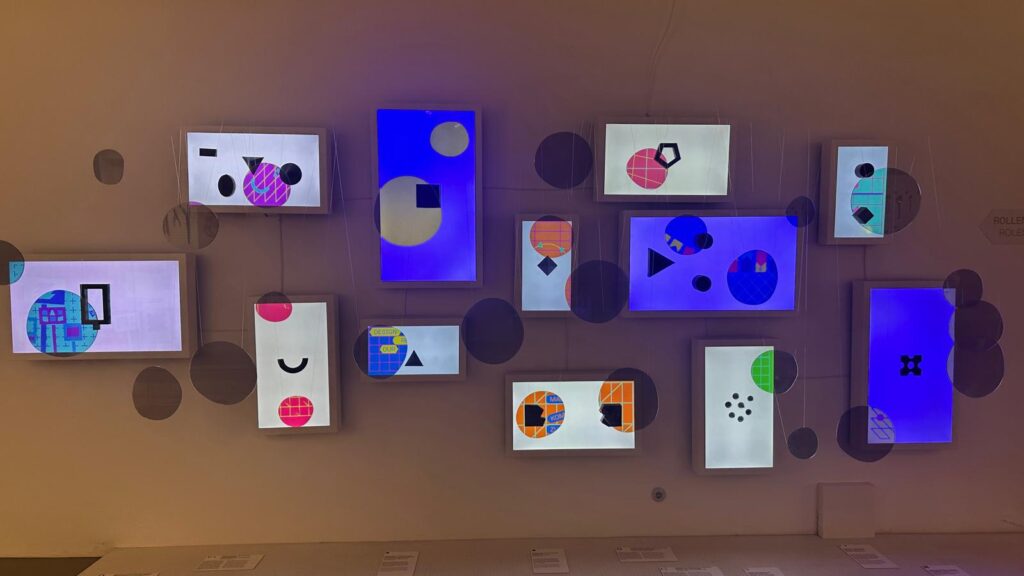
The ideas behind abstract movement or abstract shapes started long before screens or motion graphics. Kandinsky is one of the clearest examples of this. His work demonstrates that movement can be suggested through compositional reletionships rather than animated changes. In descriptions of Kandinsky’s early abstract works, particularly in the Guggenheim catalogue, paintings are often characterized using terms such as drifting, rising, or colliding (Kandinsky, 2015). Although the images are static, they create a strong sense of direction and energy. This effect results from the placement and interaction of forms. Diagonal lines introduce tension, overlapping shapes suggest depth, and variations in scale guide the viewer’s gaze across the canvas. Motion is not depicted directly but implied through visual structure. That feeling of energy comes from how the eye is guided across the image, not from any actual animation as it is a static picture. It’s interesting how a diagonal line or a cluster of circles can suggest direction or tension just by being placed in a certain way.
A central idea in Kandinsky’s theory is “inner necessity.” This means that shapes have their own expressive quality, even without representing anything specific. Meaning does not come from what a shape shows, but from how it works inside a composition. A point, line, or shape can feel calm, tense, or dominant depending on its position, direction, and relation to other elements. This shifts the focus away from symbolism and towards how shapes behave visually. (Liu, 2024).
Composition 8.July 1923 – Oil on canvas – Collection The Solomon R. Gug
As his work developed, Kandinsky reduced objects more and more until they were just pure shapes. The catalogue explains how he let forms stand on their own and turned them into structural elements that hold the painting together . Black lines become anchors. Circles feel like pulses of energy. Small points act like sparks. Nothing needs to be “about” anything to create a strong reaction. The visual meaning appears through how things relate, not what they represent. For motion design, this idea feels incredibly familiar. A movement doesn’t need a story to make sense. Timing, contrast and rhythm are already enough to guide the viewer through a piece. Over time Kandinsky reduceses his objects more and more until only basic shapes remain. These shapes then no longer represent real objects but function as structural elements. Hereby the lines for example help organize the image. Circles often act as visual centers. Small shapes activate the surrounding space. The overall meaning of the painting emerges through balance, contrast, and rhythm rather than through representation.
In animation, movement alone does not automatically create meaning. How something moves is influenced by timing, spacing, repetition, and contrast. Kandinsky’s work shows that movement becomes stronger when the composition already contains tension. Animation can then extend or intensify this tension instead of trying to create it from nothing. Kandinsky often described his paintings using musical terms such as Composition and Improvisation. This reflects his interest in rhythm and structure. Repeating shapes create a visual rhythm, while small changes disturb or shift it. A similar principle exists in motion design, where loops, pauses, and changes in timing influence how movement is perceived.
Kandinsky’s approach offers a useful way to understand abstract animation without using stories or figurative images. It focuses on structure, relationships, and rhythm as the main sources of meaning. From this view, motion is not the starting point, but a continuation of a composition that is already dynamic. Overall, Kandinsky’s work shows that abstraction is not about having less meaning, but about focusing on essential visual relationships. His paintings show that strong visual tension can exist without movement, and that animation works best when it builds on this existing tension.
Bibliography:
Kandinsky, W. (2015). Kandinsky. Parkstone International.
Liu, G. (2024). Kandinsky: Pioneer of Abstract Art and Philosopher of Color. Proceedings of the 2024 8th International Seminar on Education, Management and Social Sciences (ISEMSS 2024), Advances in Social Science, Education and Humanities Research, 867. https://doi.org/10.2991/978-2-38476-297-2_56
On every first Wednesday of the month, the MusicHouse in Graz hosts an open cypher night a very simple powerful and so cool format: there is a microphone, a beat, and whoever feels like it can step up and rap. No tickets or hierarchy, and def no pressure to be professional. You can have years of experience or be on stage for the first time. You just take the mic and start.
I have attended several of these evenings by now, and every time I leave feeling unusually inspired and energized. The atmosphere is raw and spontaneous. Sometimes people perform full verses or prepared tracks, sometimes it turns into playful battles, sometimes it’s just four lines that exist only in that moment and then disappear again. There are always a few experienced regulars who carry the rhythm of the night, but there are also new people each time trying out their voice in public for the first time.
What fascinates me most is how much creativity emerges purely from impulse. There is no overthinking, no polishing, no design process in the classical sense. It’s immediate expression. People react to each other’s lines, pick up words, echo sounds, or build on themes that were mentioned minutes earlier. Language becomes something fluid and collective. It feels less like individual performance and more like a shared system of call and response.
Because these spaces are often still male-dominated, I also joined a Flinta* workshop connected to the cypher. The idea was to create a safer and more supportive environment to experiment with rap and freestyle. During the workshop, we focused on rhyme schemes, multisyllabic rhymes, and even just “sound rhyming” without meaning at first playing with phonetics rather than semantics. We tried to stack syllables, repeat patterns, and gradually move from abstract sounds to actual words. In the end, we also practiced freestyling on the microphone, which felt vulnerable but surprisingly freeing.
This experience made me realize how much rap is about rhythm, structure, and pattern recognition. Even when the content is improvised, there is an underlying framework that holds everything together. Rhyme becomes both a safety net and a playground: it guides you, but it also pushes you to invent new connections.
What does this have to do with communication design?
Although this event seems purely musical at first, I kept thinking about it in terms of design. A cypher is basically a designed communication space. It sets a few simple rules like having a circle, a beat and an open mic and within that framework, people create meaning together. It’s participatory, low-threshold, and highly interactive. In a way, it functions similarly to workshops or co-creation formats in design practice.
More importantly, the way rhymes work in rap feels very close to visual systems. Rhymes create repetition, expectation, and recognition. When a pattern repeats or slightly changes, it produces satisfaction or surprise. These are the same principles we use in layout, typography, or image sequences. It made me wonder if rhyme is not only an auditory phenomenon but a structural one that could also exist visually.
Relevance for my Master’s thesis
Since I am now focusing on the idea of rhyme in visual design for my masters topic, the cypher feels directly connected to it. Experimenting with multisyllabic and mosaic rhymes in the workshop helped me understand rhyme as something physical and rhythmic rather than purely linguistic. It made me more sensitive to patterns, echoes, and variations.
For my research, this raises questions like: How could “visual rhymes” function similarly to sound rhymes? Can repeating shapes, colours, or compositions create a comparable sense of flow and recognition? And could these rhythmic structures make visual communication especially in activist or participatory contexts more engaging or memorable?
The MusicHouse Cypher reminded me that creativity doesn’t always come from perfect planning. Sometimes it emerges from constraints, repetition, and improvisation. For me, this feels like an exciting methodology for design research as well: testing, reacting, iterating in real time.
In that sense, the cypher is not only a music event but also an experimental lab for language, structure, and collective expression and therefore an unexpected but very relevant impulse for my design practice.
Maybe one day i will also have the courage to go up there hehe
Recently, on 22nd of January to exact hehe, we organized and presented our collective exhibition Overlays, a showcase of different Master projects from our program. Even though this exhibition was “our own” and not an external cultural event like a museum or talk, I still want to frame it as an impulse for my Design & Research process, because being part of the organizational team influenced me in a very different and practical way than simply visiting an exhibition would have.
I was part of the speaker group, which meant that we were responsible for coordinating the overall structure of the show and mediating between the different majors: communication, media, sound, and interaction. Our role was less about designing one specific piece and more about holding everything together. We had to make sure everyone contributed, everyone felt represented, and that the exhibition worked as one coherent experience rather than four separate fragments. At the same time, we had to communicate with the professors, manage expectations, deal with budgets, and make sure the whole thing would actually happen in a realistic timeframe. In other words: it slowly turned into project management.
What surprised me was how automatically I slipped into that role. Together with Fiona, I often found myself organizing meetings, following up on tasks, reminding people of deadlines, and making decisions just so things would move forward. It wasn’t something I had consciously chosen. In fact, I don’t necessarily see myself as a “manager type.” But because we wanted to avoid chaos and because we cared about the quality of the exhibition, it became necessary to step in.
At times, this was honestly frustrating. Especially within the communication design group, it was sometimes difficult to motivate people or create a shared sense of responsibility. I noticed how much invisible labor goes into coordination work and emotional labor, too. Encouraging people, negotiating, mediating conflicts, and constantly checking if everyone feels heard. I realized that managing creative people can be more exhausting than the creative work itself, particularly if you feel like you are chasing others instead of building momentum together.
At the same time, there were also very positive moments. Our speaker group was extremely motivated, and despite the stress, there was a strong sense of teamwork. And once the exhibition finally opened, everything came together surprisingly well. The projects were presented in a thoughtful and diverse way, the atmosphere felt supportive, and there was a real sense of community. I also held a speech during the opening, which I initially felt nervous about, but ended up really enjoying. Speaking in front of an audience about our collective work made me realize how much ownership I had developed over the whole process.
What does this have to do with communication design?
This experience made me understand communication design less as “making visuals” and more as facilitating relationships and structures. Organizing the exhibition was essentially a large-scale communication task: aligning different voices, translating between expectations, and designing a shared narrative for the public. In that sense, curating and coordinating became a form of design itself.
It also highlighted how exhibitions are not neutral containers. They are designed experiences that shape how projects are perceived. Decisions about placement, hierarchy, space, and storytelling directly influence meaning. Designing these frameworks felt just as important as designing individual artifacts.
Learning?
My biggest learning is that I seem to naturally take on roles that combine design with organization and mediation. Even if I didn’t plan to, I ended up acting as a connector between people, ideas, and structures. For my future practice, this could mean that I’m not only interested in creating visual outcomes but also in designing processes, systems, and collaborative formats.
Organizing the exhibition showed me that design can mean enabling others to speak. And maybe that is a direction I want to explore further: communication design not only as expression, but as facilitation and infrastructure.
Was ist überhaupt ein Reim, wie ist das Ganze entstanden und was für verschiedene Arten gibt es?
Definition & kurze Geschichte
Wir gehen damit mal kurz zurück in den Deutschunterricht, aber was sind Reime überhaupt? Laut dem Duden sind Reime “gleich klingende [End]silben verschiedener Wörter am Ausgang oder in der Mitte von zwei oder mehreren Versen, Zeilen” (Dudenredaktion, o. J.).
Der Begriff “Reim” kommt ursprünglich von dem französischem Substantiv rime ab und wurde dann im mittelhochdeutsch als rîm verwendet und steht für “Reihe” (Jakobi, 2016).
Die ersten tatsächlichen Reime, die man heutzutage zurückführen kann, befinden sich im Buch der Lieder, eine Gedichtsammlung aus China, welche etwa im 10. Jahrhundert v. Chr. geschrieben wurde (Bauer, 2009, S. 41–43.).
Im Deutschen gilt als erste heruntergeschriebene Schriftdichtung das Evangelienbuch Otfrids von Weißenburg. Es ist eine poetisch Erzählung über das Leben Jesu und aus den vier Evangelien kompiliert und er führt damit den Endreim in die deutsche Literatur ein (von Weissenburg, 2026).
Der Endreim wird dadurch bis zum 20. Jahrhundert als Norm in der Reimsprache und Poesie benutzt, bis die moderne Lyrik sich etwas davon abwendete und sich mehr auf den freien Vers bezog.
Nicht nur in Gedichten, Poesie und Lyrik sind Reime wichtig, sondern vor allem in der Musik der heutigen Zeit – Hip Hop und Rap.
Der Start des Hip Hops wird durch eine Party in New York 1973 definiert, wo Kool DJ Herc das erste Mal nur den Beat eines Liedes nutzte und wiederholte (Moll, 2023). Hierbei geht es aber erstmal nur umd die Beats und nicht um das Sprachliche. Ein kleiner Deepdive in Reddit hilft bei der Reim Recherche; In den frühen 1980er-Jahren war Rap sprachlich noch vergleichsweise einfach strukturiert. Künstler wie Kool Moe Dee und die Treacherous Three experimentierten jedoch bereits 1980 mit schnelleren, fließenderen Vortragsweisen und begannen, interne Reime innerhalb einer Zeile zu nutzen. Dadurch löste sich der Rap zunehmend vom einfachen Endreim und entwickelte einen dichteren, kontinuierlicheren Sprachfluss („stream of consciousness“). Gleichzeitig verschob sich der Fokus bei Künstlern wie Melle Mel von reiner Klangstruktur hin zu inhaltlicher Bildhaftigkeit und narrativem Erzählen. Die Reimschemata blieben formal schlicht, gewannen jedoch durch soziale und politische Themen an Ausdruckskraft (Skechuz421, 2025).
In der Werbung sind Reime Gang und Gebe vor Allem, wenn es um Slogans geht. Der erste bekannte Werbeslogan wurde von der Marke “Beecham Pills” 1859 erstellt und lautete Beecham Pills: Worth a guinea a Box. Es ging hierbei um Abführmittel Pillen (Marinela Potor, 2022). Welches der erste gereimte Werbeslogan ist, konnte ich bisher nicht herausfinden, aber es ist klar, dass es seither undenkbar in der Werbung ist.
Diese Definition & Geschichte platzieren Reime eindeutig im Bereich der Sprache und Klang, daher finde ich es so interessant auch die visuelle Wirkung davon zu erforschen.
Wie lassen sich verschieden Reime differenzieren:
Reime nach ihrer Position im Vers
Reime nach ihrer Klangqualität/ phonologische Struktur
Reime nach Betonung und Rhythmus/ Silbenzahl
Reime nach Reimfolge und Struktur
Reime nach morphologisch-lexikalischen Besonderheiten
Aber dazu mehr im neuen Blogpost 🙂
Literaturverzeichnis
skechuz421. (2025). Hip-Hop-Geschichte der fortgeschrittenen Reime. Reddit.com. https://www.reddit.com/r/hiphop101/comments/1mr3sq2/hip_hop_advanced_rhyming_history/?tl=de. Online-Forum-Post.
Bauer, W. (2009). Wolfgang Bauer: Geschichte der chinesischen Philosophie. Konfuzianismus, Daoismus, Buddhismus – Perlentaucher. In Perlentaucher.de (p. S. 41–43.). C.H. Beck Verlag. https://www.perlentaucher.de/buch/wolfgang-bauer/geschichte-der-chinesischen-philosophie.html
Jakobi, S. (2016). KinderundJugendmedien.de – Reim. Kinderundjugendmedien.de. https://www.kinderundjugendmedien.de/index.php/begriffe-und-termini/lyrik/1816-reim
McGlone, M. S., & Tofighbakhsh, J. (1999). The Keats heuristic: Rhyme as reason in aphorism interpretation. Poetics, 26(4), 235–244. https://doi.org/10.1016/s0304-422x(99)00003-0
Moll, S. (2023). Lebensgefühl, unantastbar . Taz.de. https://taz.de/Ausstellung-50-Jahre-HipHop-in-New-York/!5949715/
von Weissenburg, O. (2026). Otfried von Weißenburg, Evangelienbuch | bavarikon. Bavarikon.de. https://www.bavarikon.de/object/bav:BSB-CMS-0000000000004595
Wolff, L. (1930). Zur bedeutungsgeschichte des wortes reim. Zeitschrift Für Deutsches Altertum Und Deutsche Literatur, 67(4), 263–271. JSTOR. https://doi.org/10.2307/20653085
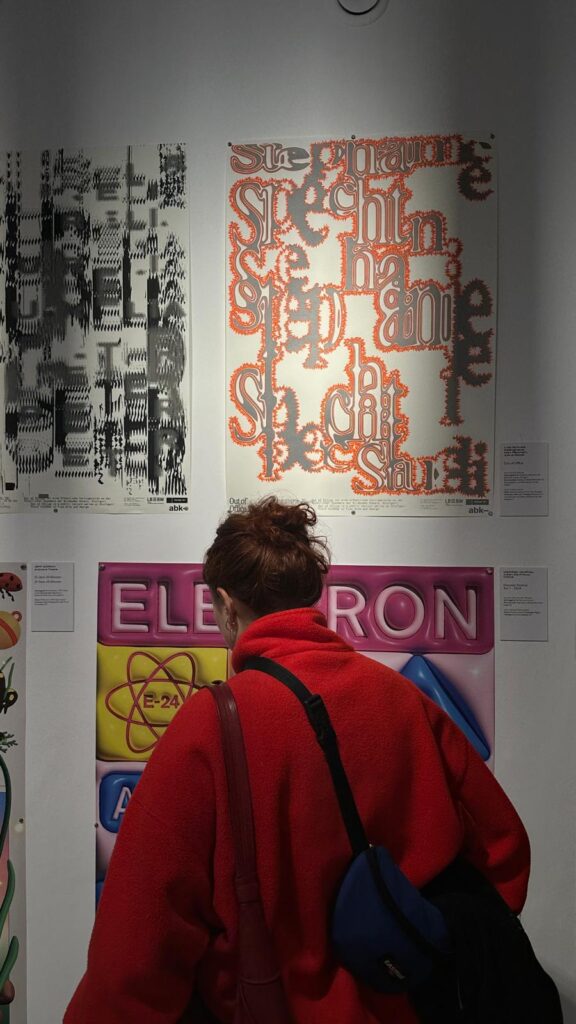
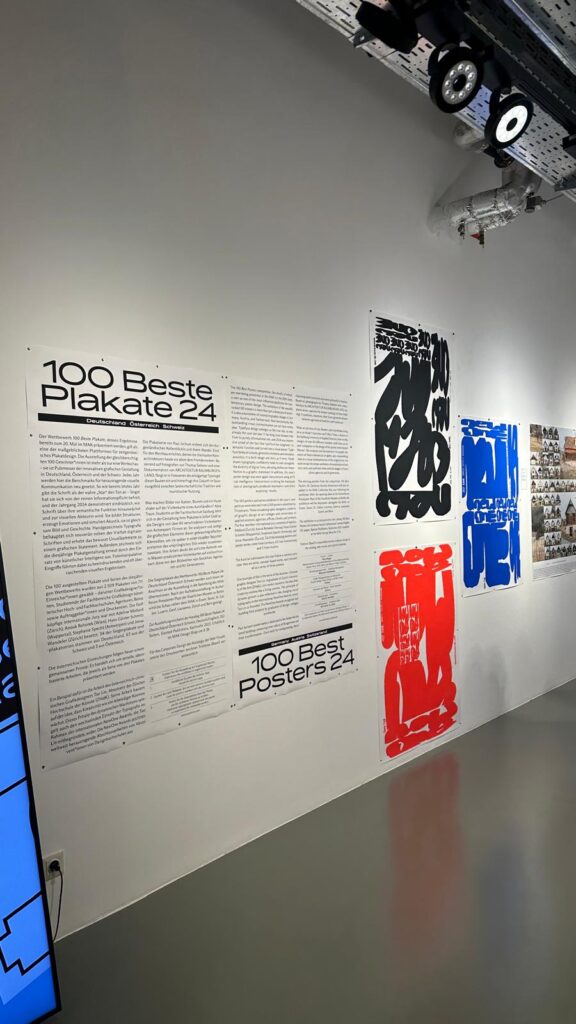
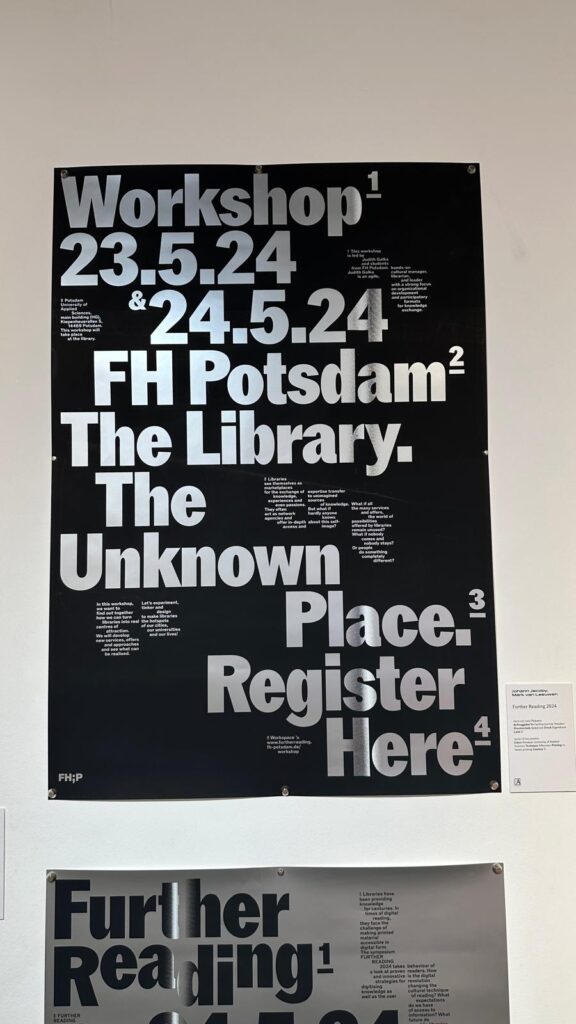
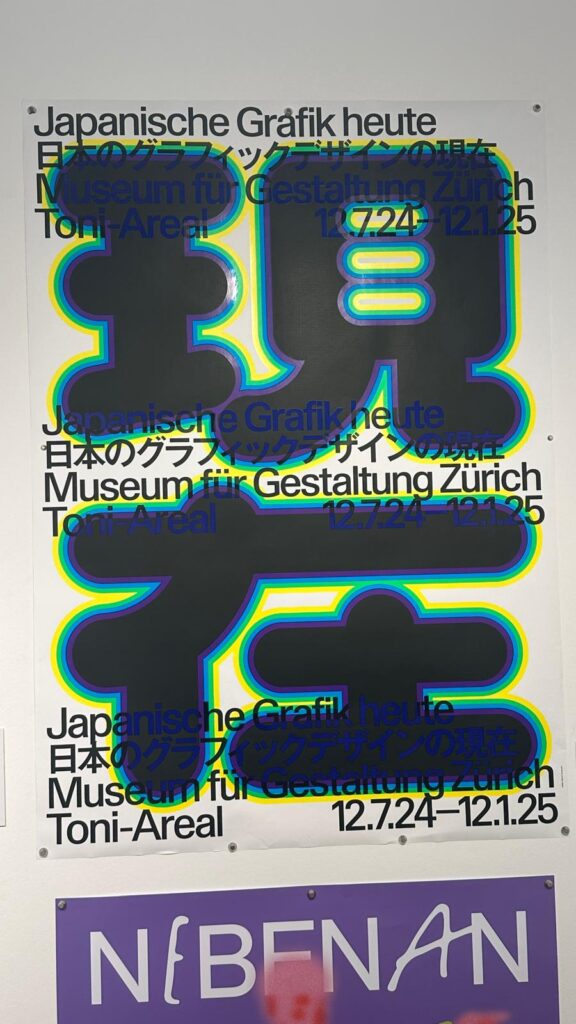
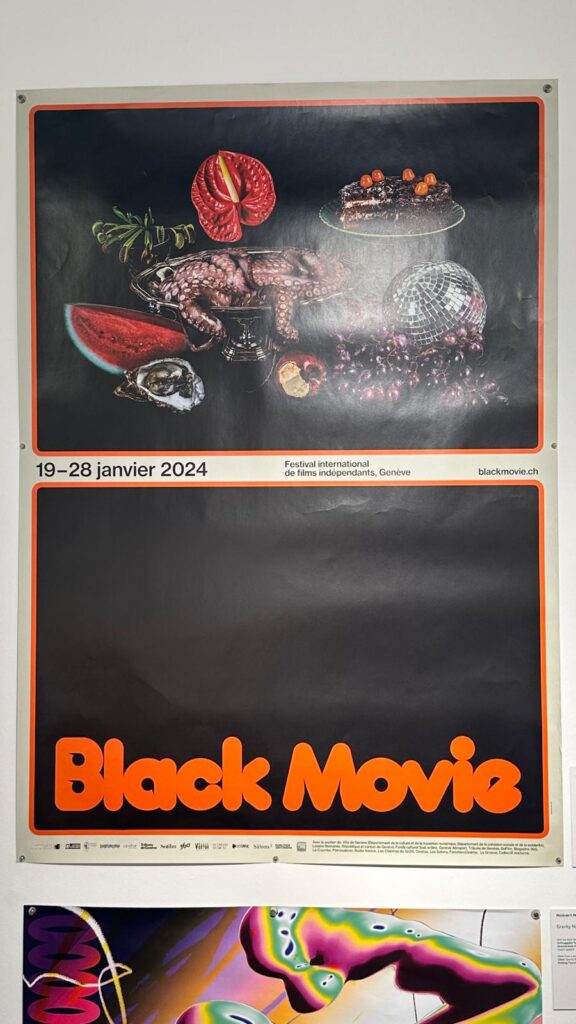
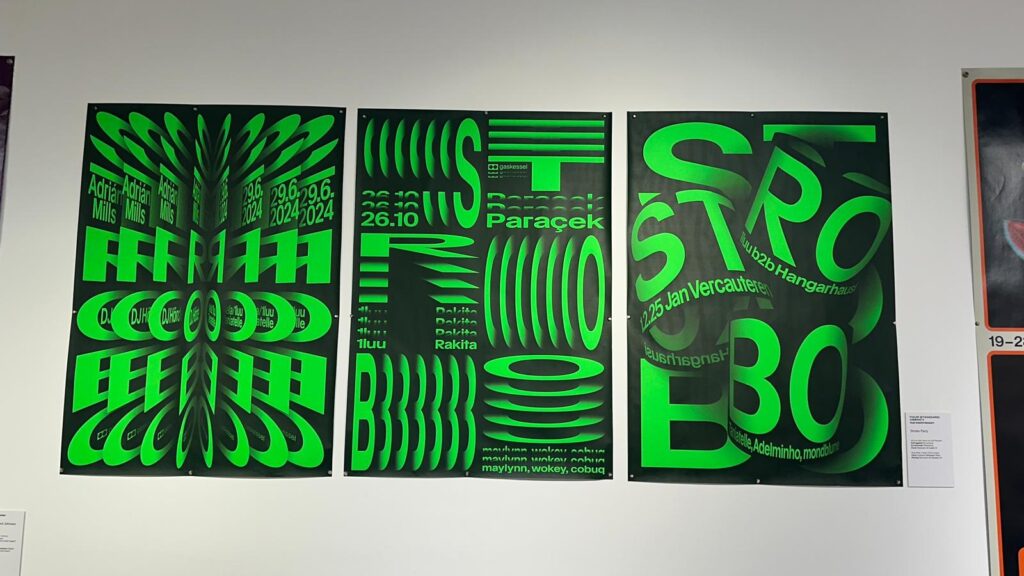
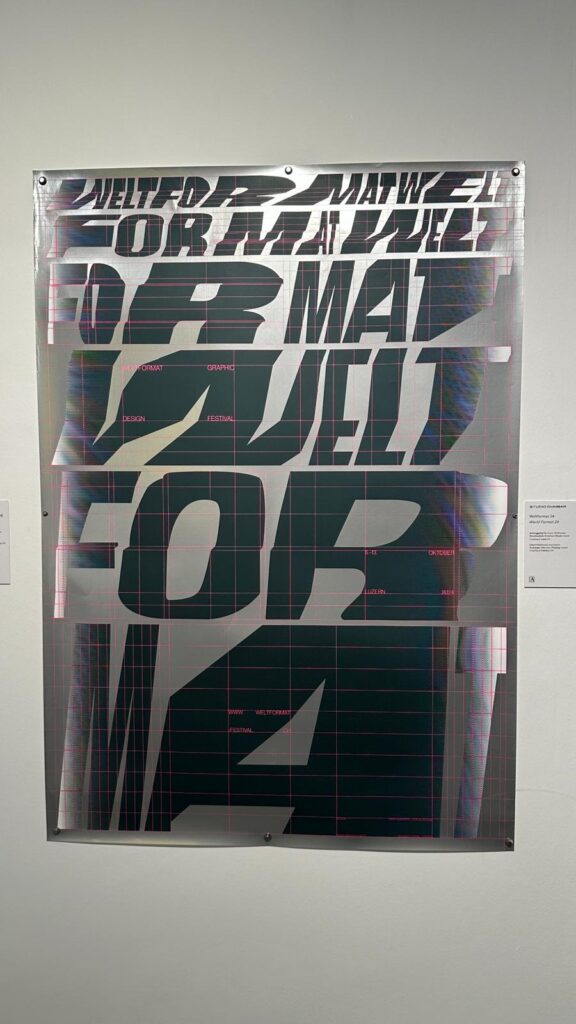
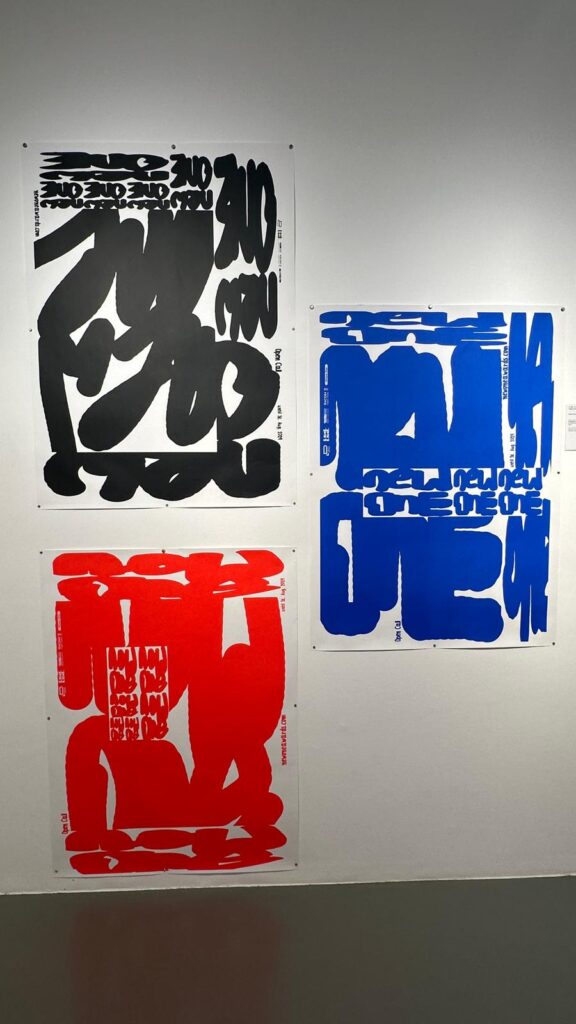
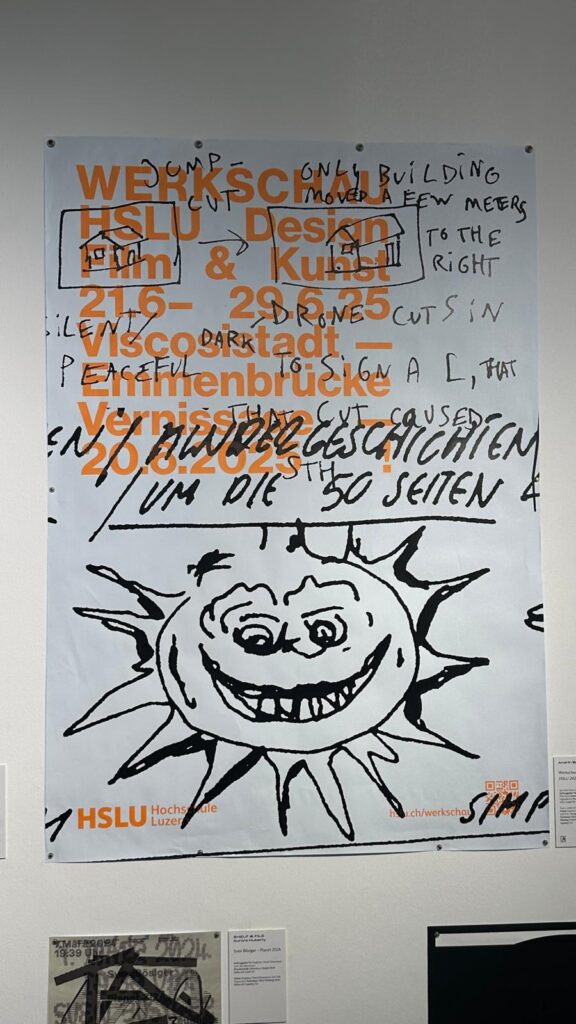
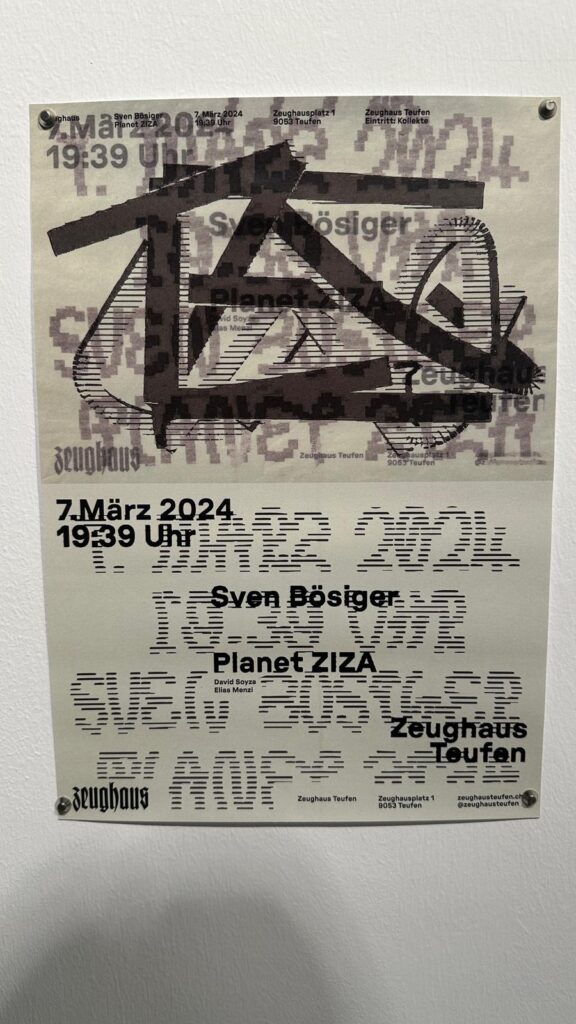
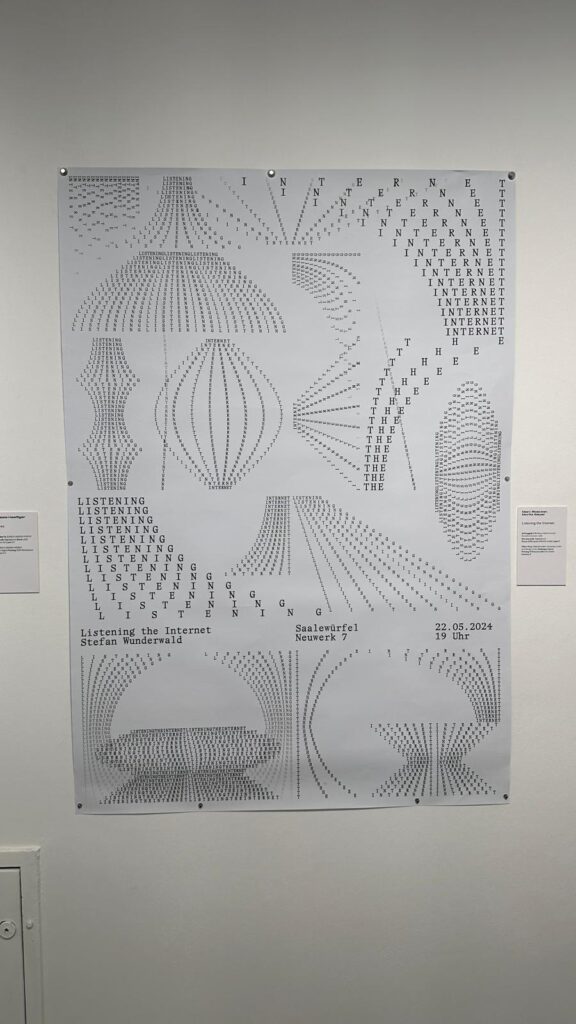
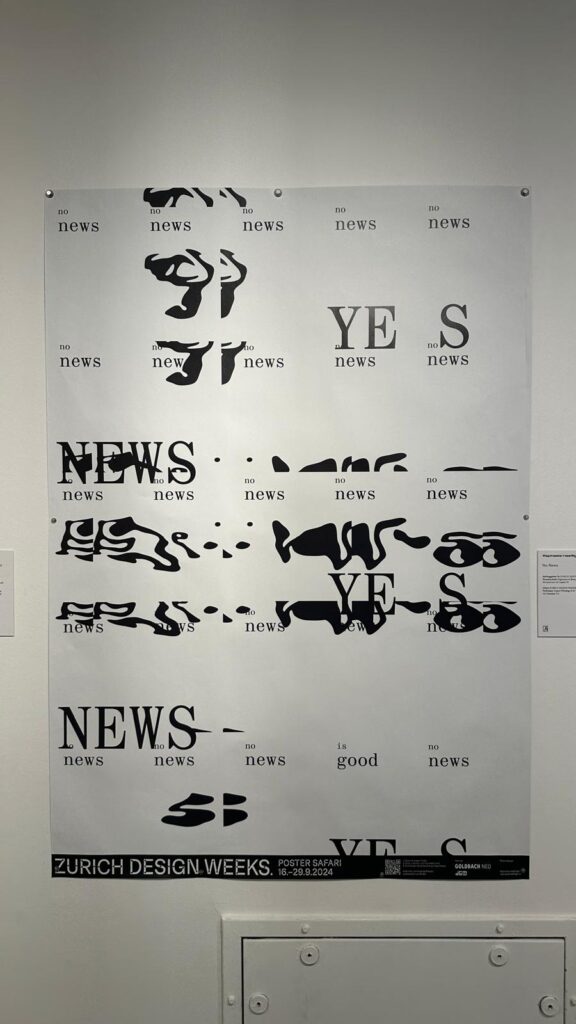
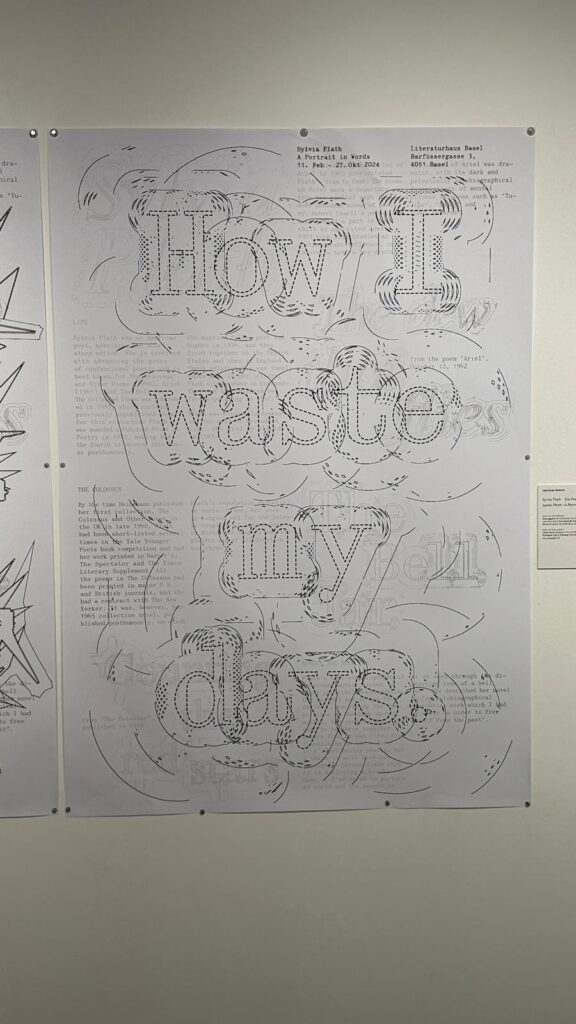
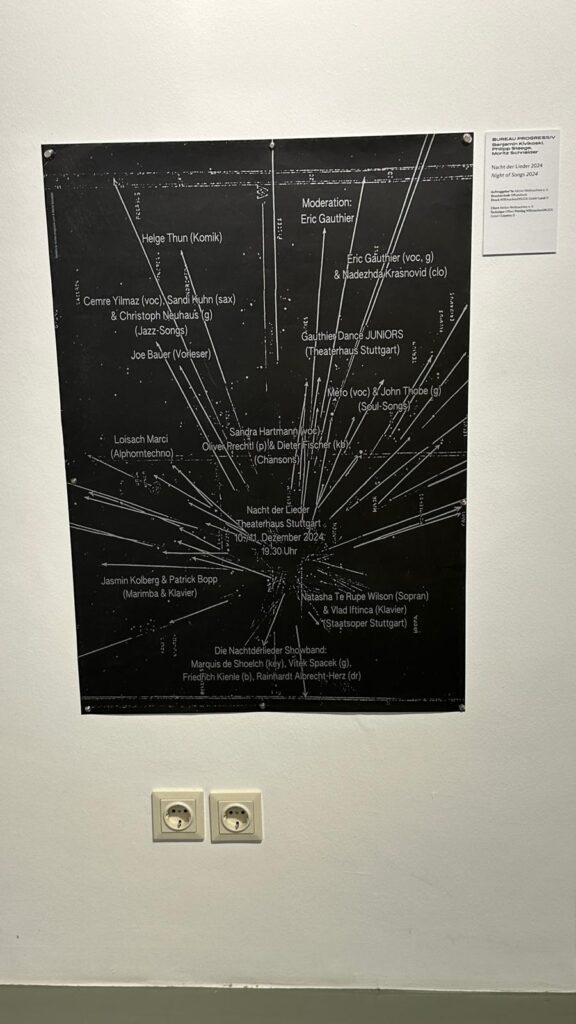
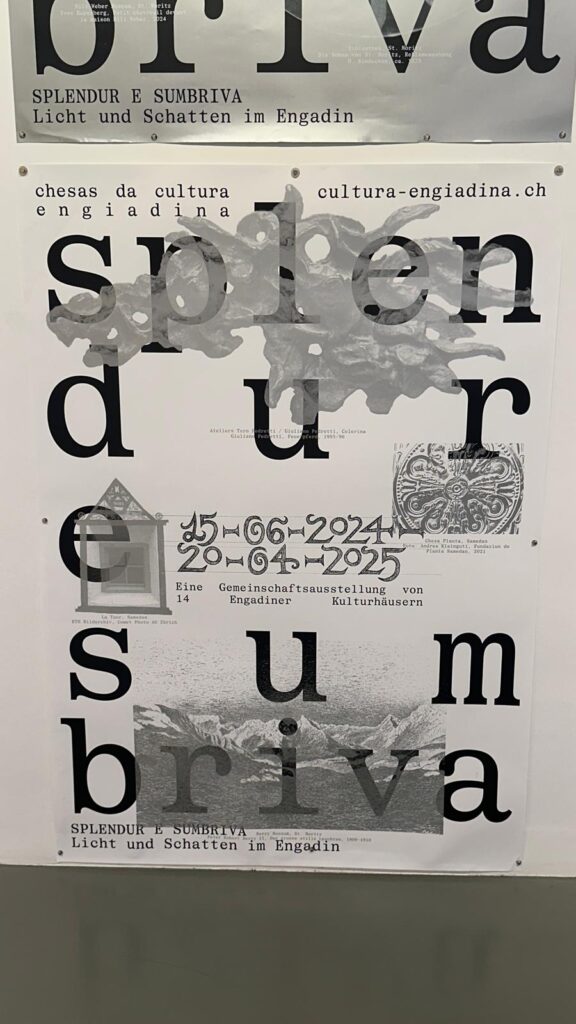
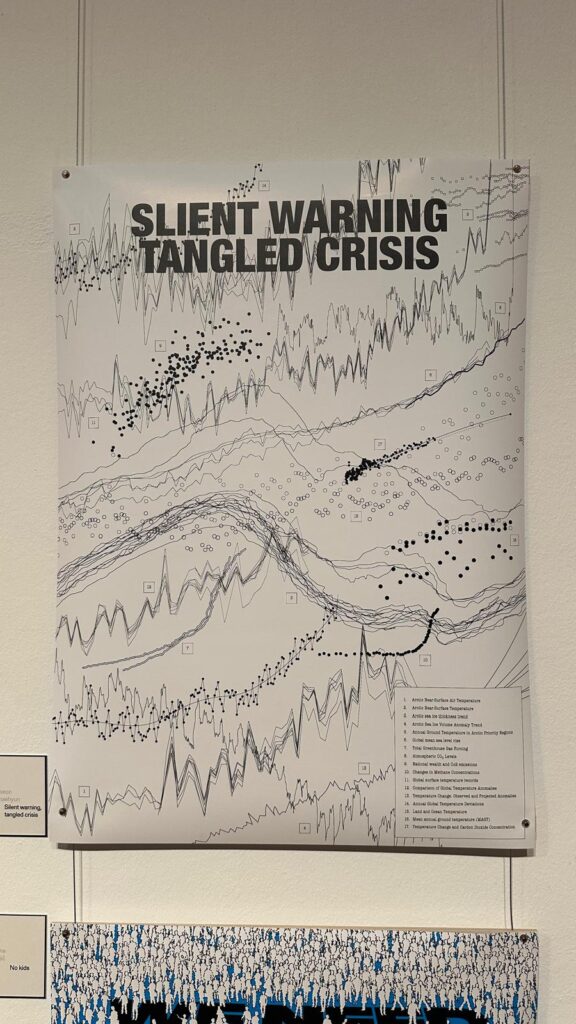
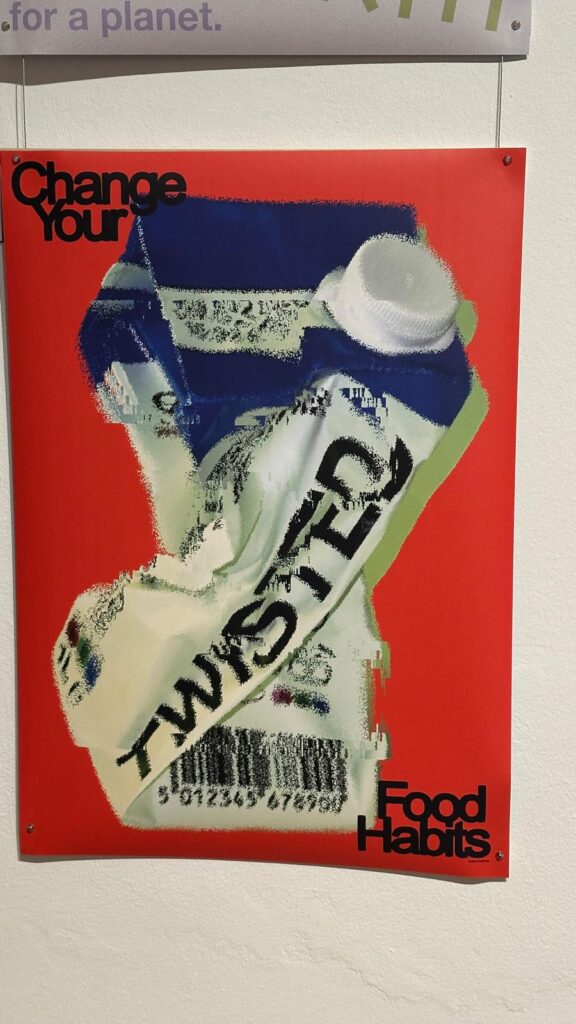
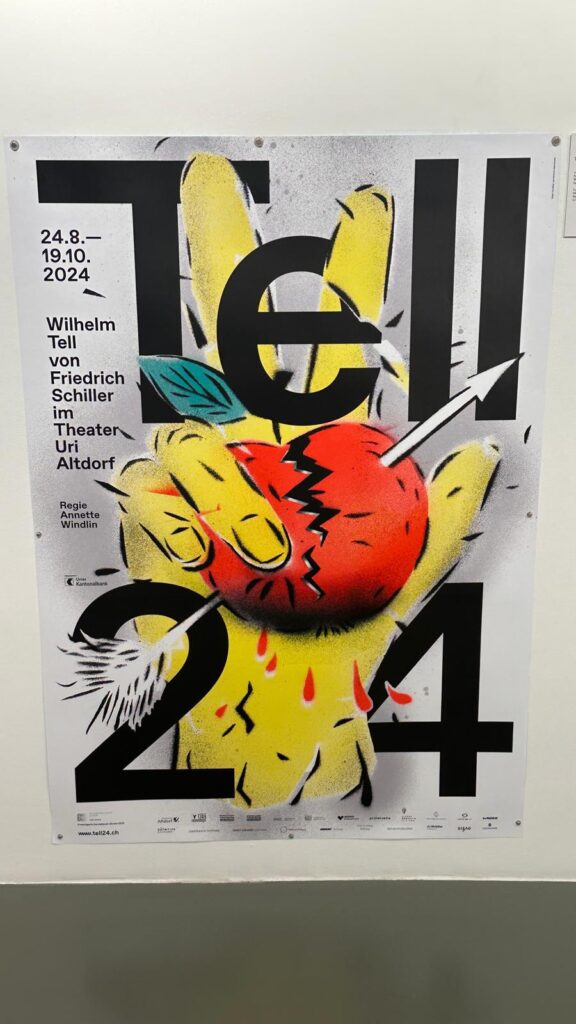
Vor kurzem war ich im MAK Wien in der Ausstellung „100 Beste Plakate 24“, einer jährlichen Schau, bei der die 100 stärksten Plakatgestaltungen aus Deutschland, Österreich und der Schweiz gezeigt werden – ausgewählt aus über 2.500 Einreichungen von mehr als 700 Gestalter:innen. Die Ausstellung ist eine Kooperation des Museums und des 100 Beste Plakate e. V. und bietet einen wirklich breiten Einblick in den aktuellen Stand des Grafikdesigns in der DACH-Region. Hier der Link
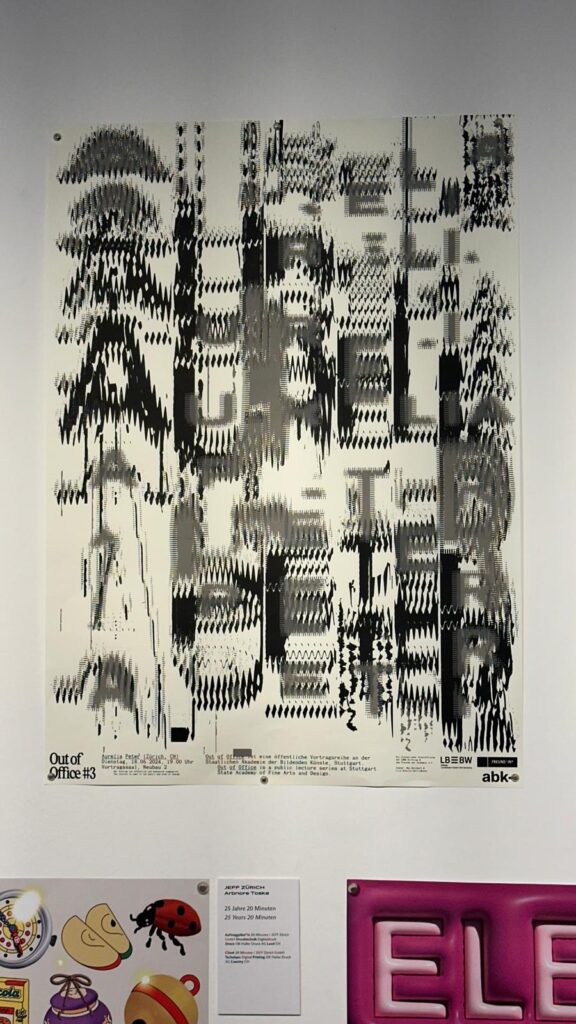
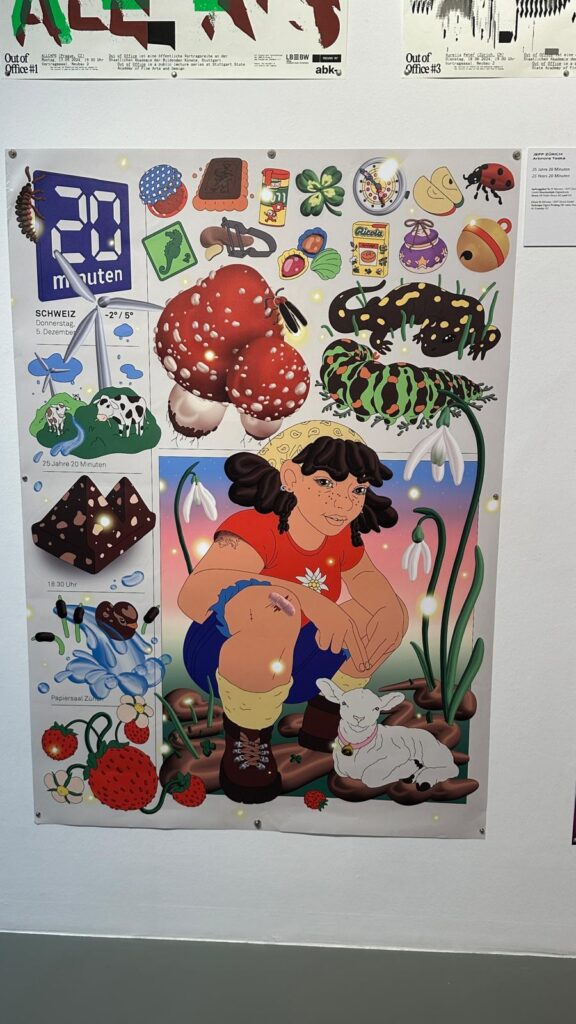
Was mich sofort beeindruckt hat, war die Vielschichtigkeit der Arbeiten. Es geht hier nicht nur um schöne Poster, sondern um visuelle Konzepte, die oft über klassische Informationsvermittlung hinausgehen und zu kleinen visuellen Erzählungen werden. In vielen Arbeiten spielt Typografie eine größe Rolle. Ein Teil der ausgestellten Plakate arbeitet dabei bewusst mit Materialität und Technik: Einige Poster zeigen experimentelle Drucktechniken wie Cyanotypie oder Reliefstrukturen. Es gibt Arbeiten, die erzählerisch wirken und mit vielen Informationen bepackt sind, und solche, die mit minimalistischem Stil starke visuelle Zeichen setzen.
Gerade die Plakate, die nicht einfach eine Botschaft „transportieren“, sondern visuelle Spannung erzeugen, zeigen, wie stark ein Poster als Medium wirken kann, wenn es nicht nur „schön“ gestaltet ist sondern auch starken Kontext schafft.
Mein eigenes Thema – historisch unsichtbar gemachte Frauen sichtbar zu machen – nutzt ebenfalls ein Bildformat, aber bisher habe ich eher im Konzept „hörbar machen“ bzw. „auslagern in Raum und Interaktion“ gedacht. Die Plakate hier zeigen, dass im Medium Poster selbst noch viel mehr erzählerische und expressive Kraft steckt. Nicht nur durch reine Form, sondern auch durch den Einsatz von Technik, Fokus auf Schrift, Materialität und narrativen Ebenen.
Und hier sehe ich auch Anschluss an das Feedback aus dem Final Crit:
– Die Frage nach einem politischen, zeitgenössischen Posterformat. Viele der Siegerplakate transportieren nicht nur Information, sondern Haltung – oft politisch, oft gesellschaftlich relevant, ohne dass sie mit klassischen „Protestplakat“-Klischees arbeiten.
– Die Pop-, Surreal- und Typo-Ansätze lassen sich auch auf mein Vorhaben adaptieren: Interaktive Poster müssen nicht nur technisch funktionieren, sondern sie müssen auch visuell stark sein und den Betrachtenden scheinbar „mehr erzählen“, als auf den ersten Blick sichtbar ist.
Ein zentraler Gedanke, den ich deshalb aus dem Besuch mitnehme, ist: Interaktivität und visuelle Gestaltung sind keine getrennten Welten, sondern sie können sich gegenseitig verstärken. Für mein Projekt heißt das konkret: Ich will nicht nur bewegte Bilder auf statische Poster werfen, sondern ein Poster-Medium entwickeln, das selbst ein Erzählraum ist: gestalterisch mit Haltung und technisch hybrid. Die Ausstellung im MAK war dafür ein sehr guter Referenzpunkt, weil sie mir zeigt, wie traditionelles Medium und zeitgenössische Gestaltung miteinander kombiniert werden können.
I recently read “Working in Public” by Nadia Eghbal (now Asparouhova). I discovered the book during my literature research for the “Proseminar Master Thesis” class with Ursula Lagger and got it through an interlibrary loan. As a former developer-relations researcher at GitHub who interviewed hundreds of developers, she offers a fresh, insightful look at the world of open source that I want to share.
Before diving in, it’s important to understand the difference between “free” and “open source” software. The “free software” movement, started by Richard Stallman, is about freedom, not price. The term “open source” was created later to be more business-friendly, focusing on the practical benefits of shared code rather than the ethics of user freedom.
Eghbal’s book focuses on a key distinction in open source projects today: the size of their audience. She describes two models: the “bazaar,” with many contributors (like Linux), and the “stadium,” with a few maintainers and a huge audience of users. Most projects today are stadiums, often run by a tiny group of 1 to 5 developers.
Many projects follow a similar lifecycle. They often start in private, and once they go public, the creators are looking for engagement and feedback. As a project gets adopted, the role of the maintainers shifts from doing the actual code work to managing the project, the community, and the influx of casual contributors.
This leads to a major challenge: how are these projects financed? For many, the answer is they aren’t. The book details the different ways funding works. There are two main types of funders: institutions (like universities and companies) and individuals. Institutions often care about the quality of the code and their influence on the project’s roadmap. For individuals, the reason for funding is often personal; they might use the project daily and simply want to ensure it continues to exist.
The funding target also matters. Is the money going to a project or an individual? Funding a project makes it easier to manage the money transparently. Funding an individual offers more flexibility, as a developer might work on multiple projects. Asparouhova notes that companies tend to sponsor projects, while individuals tend to fund developers directly through platforms like Patreon or GitHub Sponsors.
This brings me to what I think is the most important takeaway from Eghbal’s work: we need to rethink how we value the different kinds of labor in open source. We tend to celebrate the “creator” – the person who has the initial brilliant idea. But what about the “maintainer”? The person who shows up day after day to fix bugs, answer questions, and keep the project alive. Their work is often less glamorous, but it’s no less critical.
If open source is to be sustainable in the long term, we need to find ways to support the maintainers. This could mean more funding, better tools, or simply a cultural shift in how we think about our responsibilities as users of open source.
As I continue my research, I’m left with a question: How can we, as designers and users, better support the maintainers of the open-source tools we rely on every day? I don’t have the answer yet, but it’s a question I’ll be exploring in the weeks to come.
Ai was used to formulate this blogpost (Gemini + WisprFlow)
Im nächsten Schritt habe ich mein bisher eher offenes Ideen-Setup in ein konkretes Exposé überführt. Ziel war es, meine Gedanken nicht nur visuell (wie im Figma Jam), sondern auch inhaltlich zu schärfen: Was ist eigentlich das Problem, das ich bearbeiten will? Wo setze ich an, und was soll am Ende wirklich entstehen? Hier kommt eine kurze Zusammenfassung, was ich in meinem Exposé festgelegt habe.
Ausgangspunkt meiner Masterarbeit ist die historische Unsichtbarkeit von Frauen, die maßgeblich zu Wissenschaft, Kunst, Politik oder Kultur beigetragen haben. Ein zentraler Bezugspunkt ist dabei das Buch Beklaute Frauen von Leonie Schöler, das sehr deutlich zeigt, wie systematisch weibliche Leistungen über Jahrhunderte hinweg vergessen, marginalisiert oder Männern zugeschrieben wurden. Das ist kein Zufall und auch kein reines Dokumentationsproblem, sondern ein strukturelles: Geschichtsschreibung ist immer von Machtverhältnissen geprägt – und diese waren (und sind) patriarchal.
Was mich dabei besonders interessiert, ist nicht nur das Was (also welche Geschichten fehlen), sondern das Wie: Wie werden diese Geschichten erzählt – und warum erreichen klassische, textlastige Formate viele Menschen heute nur noch begrenzt? Gerade für ein jüngeres, visuell geprägtes Publikum fehlt oft der emotionale Zugang. Genau hier setzt meine Arbeit an.
Meine zentrale Fragestellung lautet daher:
Wie kann Creative Coding als künstlerisch-technische Methode genutzt werden, um vergessene Frauen der Geschichte in einem hybriden Ausstellungsformat visuell erfahrbar zu machen?
Die Idee ist, Erinnerung nicht nur zu vermitteln, sondern erlebbar zu machen. Statt passivem Lesen soll es um Interaktion gehen – um Eingriffe, um Sichtbarmachen, um das Überwinden von Störungen. Daraus ergibt sich auch meine zentrale Annahme: Dass generative, algorithmische Visualisierungen (z. B. Fragmentierung, Rauschen, Überlagerung, Emergenz) starke Metaphern für Auslöschung und Wiederaneignung sein können. Wenn Besucher:innen selbst eingreifen müssen, um Inhalte freizulegen oder zusammenzusetzen, wird Erinnerung zu einem körperlichen, bewussten Akt.
Konkret plane ich, 4–8 interaktive, generative Poster zu entwickeln. Jedes davon widmet sich entweder einer Frau oder einem thematischen Kapitel aus Beklaute Frauen. Diese Poster funktionieren hybrid:
Es gibt ein minimalistisch gestaltetes, gedrucktes Plakat (A1/A2), das im Ausstellungsraum hängt, und darauf eine projektionbasierte Animation, die mittels Creative Coding generiert wird. Die gedruckte Fläche dient dabei bewusst als physischer Anker und Projektionsfläche – nicht als bloßer Träger, sondern als Teil des Konzepts.
Die Animationen reagieren auf Interaktion, voraussichtlich über ein Touch-Interface oder einfache Sensorik. Besucher:innen können Inhalte freilegen, Störungen „wegwischen“, Ebenen verschieben oder neue Zustände auslösen. Wichtig ist mir dabei, dass die Technik nicht Selbstzweck wird, sondern die historischen Inhalte unterstützt und nicht überlagert.
Methodisch arbeite ich nach dem Ansatz Research through Design. Das heißt: Gestalten und Programmieren sind nicht nur Umsetzung, sondern selbst Erkenntnisinstrumente. Neben einer theoretischen Auseinandersetzung mit feministischer Geschichtsschreibung, Memory Studies und Ausstellungsdesign entwickle ich iterativ visuelle und technische Prototypen. Parallel teste ich Materialität, Projektion, Interaktion und Lesbarkeit im Raum.
Die Evaluation erfolgt qualitativ: durch Beobachtungen und Gespräche mit Designer:innen sowie mit einem allgemeinen Publikum. Mich interessieren dabei weniger harte Messwerte, sondern Fragen wie: Wird das Thema verstanden? Entsteht emotionale Nähe? Funktioniert die Metapher?
Am Ende soll kein abgeschlossenes „Museumskonzept“ stehen, sondern ein gestalterischer Ansatz, der zeigt, wie Creative Coding zur feministischen Erinnerungsarbeit beitragen kann. Die Ausstellung möchte ich nach Abgabe meiner Masterarbeit aber tatsächlich, wenn ich einen Raum dafür finde, realisieren.
Feedback zu von Final Crit
Feedback von den zwei profis:
Horst Hörtner is expert in human computer interaction and managing director of the Ars Electronica Futurelab which is known as one of the most important institutions in your study field on the edges of digital media, design, art, science, industry, society.
Er meinte:
super spannendes thema, er möchte gern mehr dazu wissen
Er findet speziell den Umschwung in den 70ern, als human computers von bestehend weiblich auf ein männliches narrativ geändert wurde sehr spannender zeitpunkt, vielleicht da näher darauf eingehen in meiner research
interaktive ausstellung findet er super, aber mit beamer auf poster projezieren diese technik findet er nicht cool.
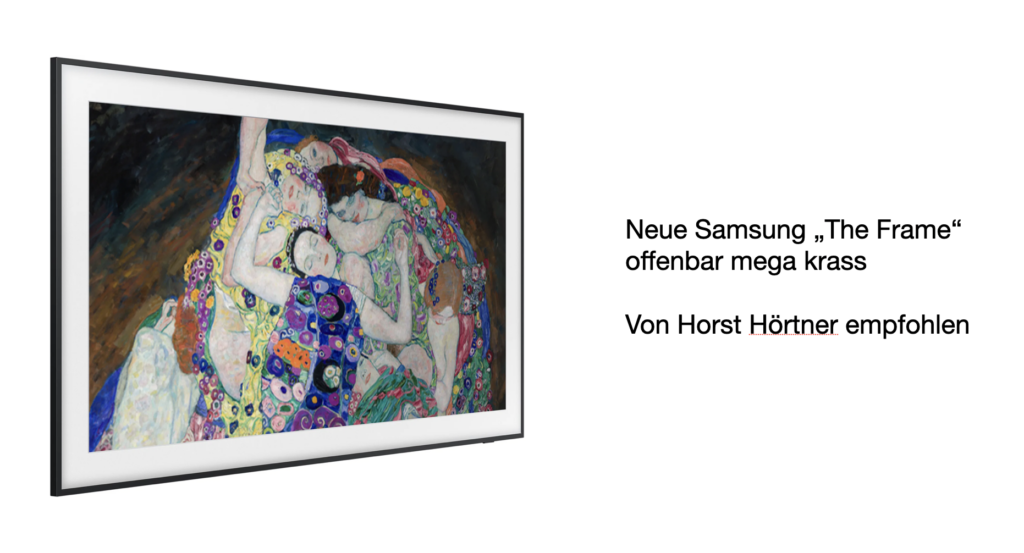
Hat mir gezeigt: der neue Samsung “The Frame” Monitor -> wirkt wie ein Gemälde und man muss komplett nahe gehen um das nicht zu checken. Wenn sich FH leisten kann, wär geil solche zu verwenden. Hier meine Vermutung: eventuell kann ich FH überzeugen, einen solcher bildschirme zu kaufen (kosten so 1200€), aber ich möchte eine ausstellung mit 4-8 solcher poster machen. Das wird sich nicht spielen. Kann man solche bildschirme ausleihen bei samsung? wahrscheinlich nicht.
Für meine weitere Vorstellung der Umsetzung wär mir super wichtig zu wissen, welches Medium ich bedienen werde.
Gespräch Horst Hörtner
Beim Final Crit hatte ich auch ein Gespräch mit Horst Hörtner (HCI-Expertise, Managing Director vom Ars Electronica Futurelab), das für mich vor allem nochmal den größeren Kontext aufgemacht hat. Er meinte direkt, dass er das Thema super spannend findet und gerne mehr darüber wissen würde – was mir gezeigt hat, dass die Richtung nicht nur „nett gestaltet“, sondern auch inhaltlich relevant ist.
Ein konkreter inhaltlicher Hinweis von ihm war, dass ich mir in der Research-Phase ruhig einen bestimmten historischen Kipppunkt genauer ansehen könnte: den Umschwung in den 1970ern, als das Narrativ rund um „human computers“ stärker männlich geprägt wurde, obwohl diese Rolle davor hauptsächlich weiblich besetzt bzw. wahrgenommen war. Er fand diesen Moment als Beispiel für kulturelle Umdeutung extrem spannend – und das passt total zu meinem Grundthema (wer sichtbar ist, wem Leistung zugeschrieben wird, wie Geschichte umgeschrieben wird). Ich nehme das auf jeden Fall als möglichen Fokuspunkt für die theoretische Auseinandersetzung mit.
Zur Umsetzung hat er folgendes gesagt: Die Idee einer interaktiven Ausstellung findet er sehr stark, aber die klassische Lösung „Beamer projiziert auf Poster“ findet er technisch und konzeptuell nicht so überzeugend. Also hier Impuls: weg vom Projection-Setup, hin zu etwas, das im Raum hochwertiger wirkt.
Er hat mir dazu ein sehr konkretes Beispiel gezeigt: den Samsung „The Frame“-Monitor von Samsung. Das Ding wirkt (wenn es gut eingesetzt wird) fast wie ein echtes Bild oder Gemälde – so sehr, dass man ziemlich nah hingehen muss, um überhaupt zu checken, dass es ein Screen ist. Er meinte: Wenn die FH sich sowas leisten kann, wäre das ein extrem gutes Medium für mein Vorhaben, weil es diese „Poster/Art-Objekt“-Ästhetik unterstützt, ohne die typischen Projektion-Probleme.
Gleichzeitig bin ich da direkt in die Realitätsfrage reingelaufen: Ich plane ja eher 4–8 Stationen. Selbst wenn ein Screen „nur“ um die 1200 € kostet, ist das in der Summe unrealistisch. Ich hatte kurz die Idee, ob man sowas eventuell ausleihen könnte (z. B. direkt beim Hersteller), aber ich gehe eher nicht davon aus, dass das easy ist. Trotzdem: Vielleicht kann ich zumindest versuchen, die FH von 1-4 Screens als Prototyp/Leihgerät zu überzeugen? Ich mein wenn der Chef von Ars Electronics so überzeugt von dem Monitor ist, dann könnte man da schon bissl investieren, oder?
Was ich aus dem Gespräch vor allem mitnehme: Für meine nächsten Schritte ist es extrem wichtig, dass ich mich früh auf ein Medium festlege (Screen / Screen + physische Layer / Print + Overlay etc.). Weil davon hängt praktisch alles ab: Gestaltung, Interaktionsidee, Materialität, Setup und auch wie „ausstellungsfähig“ das Ganze am Ende wirkt.
Gespräch Martin Kaltenbrunner
Mein zweites Gespräch war mit Martin Kaltenbrunner (Interface Culture / HCI, Tangible Music Lab, u. a. Reactivision). Er fand die Grundidee – Creative Coding + feministische Erinnerung + interaktive Bild-Formate – direkt spannend und hat ziemlich schnell eine Referenz gedroppt, die thematisch gut passt: den Film „Hidden Figures“. Den kannte ich schon (und mag ihn auch), aber es war trotzdem hilfreich, weil er nochmal bestätigt hat, dass das Thema „Unsichtbarmachung“ und „nachträgliche Sichtbarkeit“ auch außerhalb meiner Buch-Referenz gut ankommt.
Gleichzeitig hat er einen Punkt angesprochen, den ich sowieso schon im Hinterkopf hatte, den ich aber bisher nicht wirklich entschieden habe: Wie stark hängt mein Projekt sichtbar am Buch „Beklaute Frauen“ – und wie gehe ich mit Urheberrecht / Bezugnahme um? Sein Hinweis war ziemlich klar: Entweder ich nehme aktiv Kontakt mit der Autorin (Leonie Schöler) auf, kläre, wie/ob ich Inhalte verwenden darf, oder ich finde einen Weg, das Projekt so zu positionieren, dass das Buch nicht als „so offensichtlicher Ausgangspunkt“ im Vordergrund steht. Also: inspiriert sein ist okay, aber die Arbeit sollte trotzdem als eigenes System funktionieren – mit eigener Auswahl und eigener Narration.
Inhaltlich hat er mir dann noch ein paar Keywords mitgegeben, die ich mir fett notiert habe, weil sie mein Thema gut bündeln:
Interaktivität, dynamisches Bild, politisches Plakat – zeitgenössisch, interaktiv.
Das hat bei mir direkt was ausgelöst, weil es genau diese Richtung verstärkt, die ich eigentlich meine: nicht „nur“ schöne generative Visuals, sondern ein Format, das im öffentlichen Raum oder Ausstellungsraum wie ein Statement funktioniert – nur eben aktualisiert für ein digitales / interaktives Setting.
Auch technisch bzw. vom Setup her kam ein sehr konkreter Vorschlag, den ich super finde: Er meinte, er würde es stärker finden, wenn ich nicht projiziere, sondern mit einem normalen Monitor arbeite, den ich physisch überlagere – zum Beispiel durch Beklebung, Karton, Folien, Schichten oder Material, das das Bild wirklich „verdeckt“. Und dass dann die Interaktion nicht nur „Touch = Effekt“, sondern eher wie ein echtes Freilegen funktioniert: etwas wegrubbeln, abziehen, wegwischen, Schicht für Schicht. Das passt inhaltlich eigentlich gut, weil das „Sichtbarmachen“ dann nicht nur eine Metapher in der Animation ist, sondern wirklich im Material passiert. Wobei ich mir noch nicht sicher bin, ob mir das zu “DIY” wirkt oder ob ich das auch sleek umgesetzt bekomme. Projection Mapping fand er eher weniger professionell und nicht so stark, weil es “nur ein schlechter monitor” ist.
Als letzte Inspiration hat er mich noch aufs Ars Electronica Archiv hingewiesen – als Ort, wo ich Referenzen sammeln kann, die in eine ähnliche Richtung gehen (interaktive Arbeiten, Medienkunst, politische oder gesellschaftliche Themen, die über Interfaces vermittelt werden). Das ist für mich gerade auch deshalb spannend, weil ich dort wahrscheinlich Beispiele finde, die mir helfen, meine eigene Arbeit besser zu verorten: Was ist an meinem Ansatz neu, was ist ähnlich, und wo kann ich bewusst abgrenzen oder weiterdrehen?
Unterm Strich war das Feedback für mich vor allem ein Push in zwei Richtungen: konzeptuell sauberer werden (Buch als Ausgangspunkt vs. eigenes System) und physischer/greifbarer denken (Monitor + Analog statt Projektion).
During the summer, I had a quiet realization: I would probably have to change my topic. The company I originally wanted to collaborate with decided not to work with students, and for a moment, I felt a bit lost. But instead of seeing it as a setback, I treated it as a reset.
I sat down with a blank sheet of paper and started writing. First, I listed problems I would genuinely like to solve, things that felt meaningful to me. Then I wrote down directions and skills I was curious about and wanted to grow in. To make it more visual (and a bit more fun), I rated everything with stars. I marked the most interesting problems and the most inspiring directions.
When I looked at the results, a pattern appeared. Social problems clearly mattered most to me. And when it came to interests, I couldn’t choose just one: UX/UI, 3D printing, and video editing all felt equally exciting.
For the next few weeks, I kept searching for the right problem. Something that felt personal, but also universal. Eventually, I realized I kept coming back to one idea: preserving relationships. No matter if it’s family, friends, or partners, relationships shape our lives. And that became the problem I wanted to explore and solve.
That’s how my Master’s thesis topic was born: connecting and preserving memories by linking the digital and physical worlds in a fun, playful way.
During the semester, I started exploring what would actually keep people engaged in the digital space – the website. Some ideas felt obvious: creating shared albums, playing small games, sending video notes, or voice messages. But “obvious” wasn’t enough. I kept asking myself: How can this feel special? How can it feel memorable? That’s when I remembered how powerful animations can be. Usually, animations are just the cherry on top of UX nice, but not essential. But what if animation became the main engagement driver? I thought about interactions like the weather slider, burning negative stories in How We Feel, or the cracking opening animation in Opal. Those moments stick with people. The only realistic way to build something like that was coding. So, with help from ChatGPT, Claude, and a lot of tutorials, I started learning.
At the same time, another part of the project started forming: the physical object. I want it to feel meaningful, emotionally warm, and easy to carry around, something that feels personal, not just functional. I still don’t know exactly what it will look like, and that’s okay for now. What I do know is that I’ll need to experiment with materials to see which ones work best with NFC tags, maybe 3D prints, air clay, or ceramics.
The connection between the digital and physical worlds will happen through NFC. That part, at least, feels solved
Technically, the project feels challenging but doable. The harder part right now is defining the target group. Because, realistically, everyone has relationships. Everyone has memories.
A meeting with my supervisor, Anika Kronnberger, helped me zoom in. Instead of trying to design for “everyone,” she suggested thinking about specific sectors, like tourism, or focusing on age groups that might find this kind of product especially meaningful and fun.
I recently watched a video by Hello Erika called My Secret to Being Creative, and it really got me thinking about how I approach my own projects. Lately, I’ve been trying to figure out new ways to present my thesis idea and keep my mind fresh, but sometimes I feel stuck in the same patterns. This video reminded me that creativity isn’t about waiting for inspiration to strike. It’s about curiosity, small experiments, and giving yourself permission to explore ideas without worrying about being perfect.
In the video, Erika talks about routines that help creativity flow naturally. She emphasizes the importance of observing the world around you, experimenting with small ideas, and embracing failure as part of the process. Creativity doesn’t just happen during big moments of insight. Most of the time, it comes from consistent, playful practice and letting your mind wander without pressure. She also mentions the idea of combining structure with playfulness, like keeping a notebook handy to jot down anything that sparks curiosity or trying small creative exercises regularly.
Watching this video gave me a lot to think about in relation to my thesis. I started reflecting on how I could bring these principles into my work on connecting digital and physical memories. One idea that came to mind is using collages as a way to present content. Collages feel playful and exploratory, and they allow for combining different types of media, ideas, and visuals in a way that isn’t rigid. In the context of my project, I could use collages to show memories, emotions, or experiences in a more tactile and interactive way. For example, a digital collage could bring together video snippets, photos, text, and small animations to create a richer story. On the physical side, a collage made of printed photos, textures, or even 3D-printed elements could give users something they can hold and explore.
Around the same time, I had an amazing coaching session with Mr. Horst Hörtner, which gave me even more inspiration for playful interactions. During our discussion, we explored ways to make the website experience more engaging and social without thinking about technical implementation. One idea that came up was tagging other people on the website to create connections between memories. Another concept was combining two objects with NFC tags to reveal shared experiences, like common friends, places visited, or memories created together. It felt like a fun way to bring people into the experience, encouraging them to explore connections and stories in an interactive, playful way.
To organize all these ideas, I also started using mind mapping. This technique helps me get a look from above at everything I want to include in my project, from digital features to physical interactions
Overall, both the video and the coaching session motivated me to keep experimenting and stay open to unexpected ideas. It encouraged me to play, to combine approaches, and to see the process itself as part of the creative journey.
Watching Abstract: The Art of Design and learning about Es Devlin’s work reminded me why curiosity is such an important part of being a designer. Around the same time, while I was doing research for my thesis, I discovered products on the market that were quite similar to my idea. I remember feeling a bit discouraged when I first saw them. It made me question whether I was too late or if my idea was still worth developing. For a moment, I felt stuck between continuing and starting over again.
The documentary helped me change my perspective. Es Devlin speaks a lot about exploration, experimentation, and following questions instead of trying to be the first person to create something. That idea stayed with me. It made me realize that design is not only about originality. It is about how you interpret an idea, why you build it, and what kind of experience you create for people. Many ideas already exist in some form, but every designer brings their own story, values, and way of thinking into a project. That realization helped me calm down and look at my project in a healthier way.
Around this time, I also had a meeting with Ursula Lagger, and that conversation was very motivating for me. She spoke about the importance of keeping your mind open and staying curious even when things feel uncertain. She reminded me about the 7W method and encouraged me to keep practicing it. Using questions like who, what, when, where, why, in which way, and with whom helped me step back and look at my project from different angles. Instead of focusing only on the fear that similar products already exist, I started focusing on what I could still discover and improve.
This approach helped me shift my mindset. Instead of thinking that I had to create something completely new that nobody has ever thought about before, I started thinking about contribution. I began asking myself better and more specific questions. What is missing in the products that already exist? What emotional value can I add to the experience? How can I make the interaction feel more playful and more human? How can I connect digital and physical memories in a way that feels natural and meaningful for people?
I also realized that finding similar products is not always a negative thing. Sometimes it means that the problem is real and important enough that multiple people are trying to solve it. It can also be a chance to learn. I started analyzing these products more carefully. I looked at what they do well and where they might be lacking. This helped me see opportunities instead of limitations.
Another important part for me was accepting that the design process is not a straight line. Sometimes you feel confident and clear about your direction. Other times you feel lost or unsure. But both phases are part of creating something meaningful. Staying curious helps you move through both phases without giving up too early.
Right now, I try to remind myself that my goal is not to compete with existing products but to add my own perspective and value. I want to create something that reflects my interests in UX, physical interaction, and emotional connection between people. I want to build something that feels warm, playful, and meaningful instead of just functional.
Looking back, the combination of watching the documentary and having the conversation with Ursula helped me continue moving forward. They reminded me that curiosity is a tool that helps you grow, learn, and discover new possibilities. And for me, that is something I want to keep practicing throughout my thesis and beyond.