Designing Bouldering: What you need for effective communication

Bouldering, at its core, is a problem-solving activity as much as a physical one. Climbers need to interpret routes, assess holds, and navigate a path to the top—all within seconds of visual inspection. From a designer’s perspective, the challenge lies in conveying critical information effectively to climbers, whether they are indoors at a gym or outdoors on natural rock. The goal is to create an intuitive experience that enhances the climber’s ability to understand, engage with, and navigate boulders with ease.

Key Elements to Consider in Bouldering Design

  1. Route Identification and Communication
    Climbers need to identify specific routes or “problems” quickly. A well-designed route should convey its intended difficulty and path without requiring excessive interpretation. Here’s how designers can achieve this:
    • Color Coding: Assigning colors to holds or tape for each route is a widely used method in climbing gyms. Bright, contrasting colors ensure visibility and prevent confusion with adjacent problems.
    • Grading Systems: Displaying a clear grade (e.g., V-scale or Fontainebleau) provides climbers with an immediate sense of the difficulty level. Using universally recognized symbols and minimal text prevents cognitive overload.
    • Hold Shapes and Textures: Designers can use shape and texture variations to signal difficulty. Rounded, slippery holds often signify advanced problems, while larger, textured holds suggest easier routes.
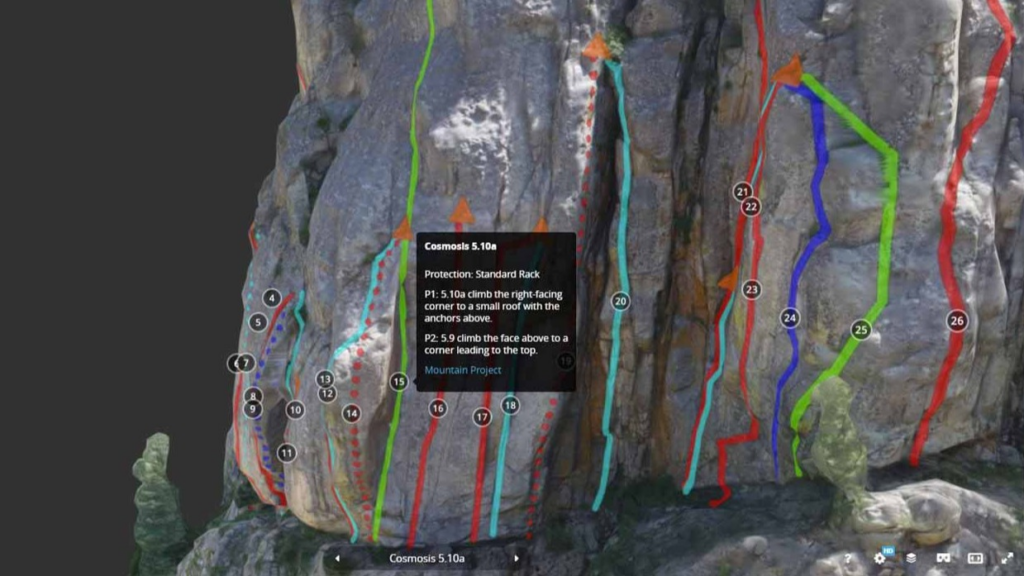
  1. Visual Mapping and Flow
    For outdoor bouldering, climbers often rely on guidebooks or digital maps. Designing intuitive, user-friendly interfaces is crucial:
    • Topographic Markers: Including visual cues like arrows or diagrams on maps helps climbers understand the orientation and approach to a boulder.
    • Digital Enhancements: Mobile apps that use GPS to pinpoint boulder locations, overlay climbing routes, and provide augmented reality (AR) overlays can significantly improve accessibility.
    • Route Names and Descriptions: Context-rich descriptions with visual tags (e.g., start holds, crux sequences) help climbers mentally prepare for the problem.
  2. Environmental Factors
    Outdoor bouldering introduces variables like lighting, weather, and terrain. Designers can minimize these challenges by integrating natural and artificial elements:
    • Markers for High-Traffic Areas: Durable, eco-friendly signs or painted symbols near popular boulders can reduce confusion while preserving the environment.
    • Visibility: In shaded or low-light areas, reflective or glow-in-the-dark markers could enhance visibility.

  1. Human-Centered Safety and Feedback Design
    Safety is paramount in bouldering. Providing clear feedback on danger zones or fall risks allows climbers to make informed decisions:
    • Crash Pad Placement Guides: Visual indicators or AR overlays in outdoor apps can suggest optimal crash pad placement for high-risk sections.
    • Problem Exit Indicators: Including markers to indicate safe descent routes after topping out ensures climbers navigate down safely.
  2. Educational Visuals and Signage
    Especially in gyms or beginner-friendly areas, informative signage can demystify bouldering concepts:
    • Technique Tips: Visual guides explaining body positioning, grip types, or efficient movement can support learning.
    • Community Guidelines: Clear, engaging signs about gym etiquette, grading explanations, and safety rules foster a welcoming and safe environment.

Design Beyond Aesthetics: Usability Meets Performance

In bouldering, the design isn’t just about aesthetics; it’s about functionality and clarity. Whether creating climbing holds, maps, or signage, every element should enhance the climber’s ability to engage with the sport. By combining visual design principles, human-centered interaction, and scientific insights, designers can ensure bouldering becomes not only more accessible but also more enjoyable for climbers of all skill levels.

Bouldering is more than climbing—it’s an experience shaped by the synergy of environment, design, and human effort. Thoughtful design empowers climbers to focus on what they love most: solving problems and reaching new heights.
Sustainability in Filmmaking: Can Smartphones Be the Green Solution in 5-10 Years?

The film industry, long associated with large-scale productions and resource-intensive processes, is now grappling with the pressing need for sustainability. From the environmental impact of energy-intensive equipment to the logistical challenges of transporting massive crews and gear, the carbon footprint of traditional filmmaking is significant. In this context, smartphones, with their compact size and advancing capabilities, are emerging as potential tools for more sustainable filmmaking. But can they truly be the green solution the industry needs in the next 5 to 10 years?

1. The Environmental Footprint of Traditional Filmmaking

A single large-scale film production can produce hundreds of metric tons of CO₂, driven by travel, energy consumption, and the use of non-recyclable materials. High-end equipment consumes significant amounts of power, and transporting gear across locations further amplifies the environmental impact. According to a study by the British Film Institute (BFI, 2021), the average big-budget production emits around 2,840 metric tons of CO₂, equivalent to the annual emissions of over 600 cars.

Smartphones, in contrast, offer a lightweight and energy-efficient alternative. They require less power, eliminate the need for extensive transportation, and can be charged using renewable energy sources like portable solar panels. This streamlined approach reduces the logistical and environmental burdens of traditional film shoots.

2. The Rise of Smartphone Filmmaking

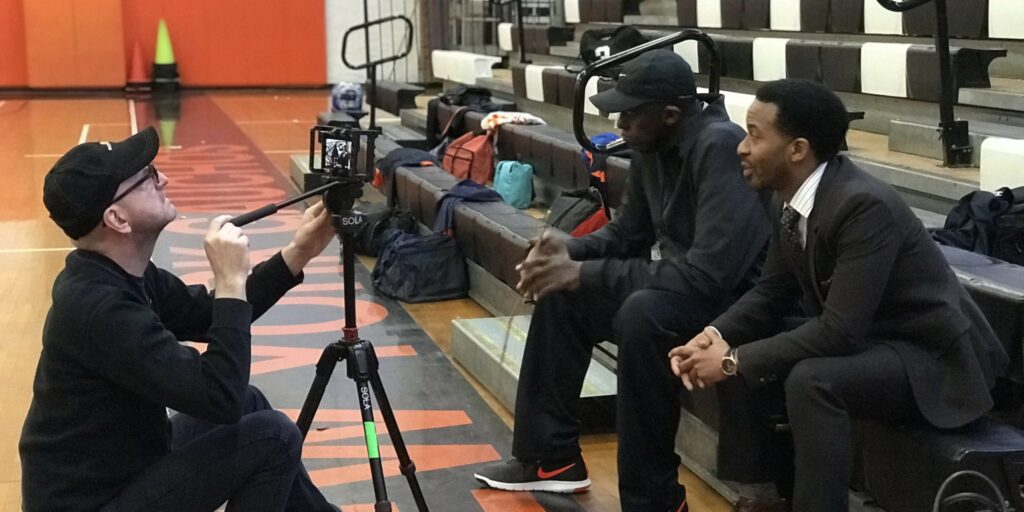
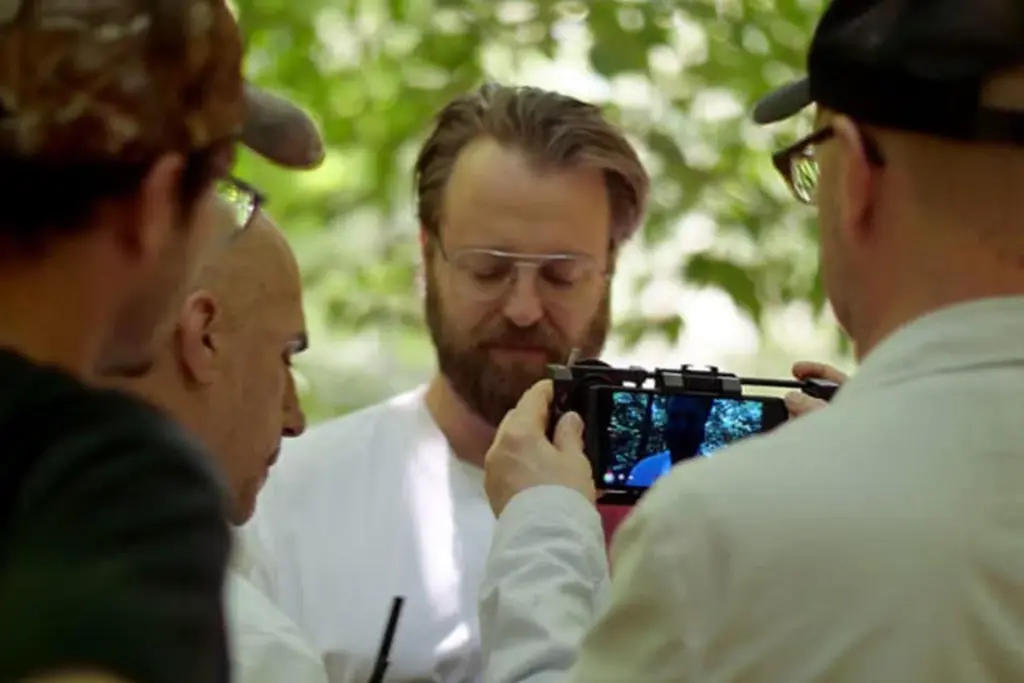
Smartphones are no longer just consumer devices; they are becoming serious tools for professional filmmakers. With their compact design and evolving features, they can simplify productions by reducing the need for extensive setups and heavy equipment. The 2021 feature film “Unsane” by Steven Soderbergh, shot entirely on an iPhone, demonstrated the creative potential of smartphone filmmaking. Similarly, short films like “Snow Steam Iron” by Zack Snyder have proven that powerful storytelling can be achieved with minimal resources.

These examples highlight the potential of smartphones to reduce the environmental footprint of filmmaking by minimizing equipment and energy consumption without sacrificing creativity.

3. Production Efficiencies

Smartphones are inherently portable and versatile, allowing for quicker setups and smaller crews. Traditional film productions require vast amounts of gear—lighting, dollies, cranes, and generators—but smartphones’ built-in features often eliminate the need for additional equipment. Compact productions also mean fewer people on set, reducing the overall environmental impact of catering, accommodation, and transport.

For example, smartphones’ ability to shoot in natural light and their integrated stabilization features enable filmmakers to work efficiently without relying on resource-heavy setups. This efficiency makes them particularly appealing for independent filmmakers and smaller productions aiming to lower their carbon footprint.

4. Challenges and Limitations

While smartphones hold promise as a sustainable tool, they are not without challenges. Their reliance on lithium-ion batteries raises concerns about e-waste and the environmental impact of battery production and disposal. Additionally, frequent updates and the push for newer models encourage a culture of obsolescence, which can offset their sustainability benefits.

Another limitation is scalability. While smartphones may be ideal for smaller, independent projects, large-scale productions often demand a level of control, customization, and durability that smartphones currently cannot fully provide.

5. The Path Forward: Hybrid Models and Green Innovations

The future of sustainable filmmaking may lie in hybrid models that combine smartphones with traditional gear. For example, smartphones can be used for second-unit shoots, behind-the-scenes footage, or aerial shots, while other equipment handles the primary production. This approach leverages the strengths of both technologies while reducing the overall environmental impact.

In addition, smartphone manufacturers are investing in greener technologies, such as recycled materials, modular designs, and energy-efficient components. These advancements will further enhance the sustainability of smartphone filmmaking in the coming years.

6. Industry Impact and Adoption

The growing adoption of smartphones in professional filmmaking is already influencing industry practices. Organizations like the Green Production Guide and the British Film Institute are encouraging the use of sustainable technologies, including smartphones, to reduce the carbon footprint of productions. Film festivals and awards now include categories specifically recognizing eco-friendly filmmaking, further incentivizing the shift toward sustainability.

Conclusion

Smartphones are not a complete replacement for traditional equipment, but they are a powerful tool in the quest for sustainable filmmaking. Over the next 5 to 10 years, their role is likely to expand as technology improves and the industry embraces greener practices. By adopting smartphones and hybrid models, filmmakers can create compelling stories while reducing their environmental impact. The transition to sustainable filmmaking is not just a technological shift but a necessary evolution for an industry looking to balance creativity with responsibility.

References

  • British Film Institute (BFI). (2021). A screen new deal: A route map to sustainable film production. London: BFI.
  • Brown, L. (2023). Greener productions: How technology is shaping eco-friendly filmmaking. Journal of Media and Sustainability, 12(1), 56-72.
  • Johnson, K., & Lee, S. (2022). Smartphone filmmaking and its impact on sustainability in media. Social Media Studies Quarterly, 14(3), 45-62.
  • Miller, R. (2021). Challenges in sustainable film production: Addressing e-waste and obsolescence. Film Studies Today, 23(4), 78-96.
  • Radovanović, B. (2022). Eco-friendly filming practices: Adapting to the green movement. INSAM Journal of Contemporary Media, 9, 112-130.
  • Smith, J., & Sanderson, P. (2022). Hybrid filmmaking models: Balancing innovation and sustainability. Media Innovations Review, 8(2), 34-49.

#10 A Summary

Throughout my research, I have explored the complexity of the climate and biodiversity crises, uncovering both their vast scope and the challenges in addressing them. These crises are deeply interconnected, involving a multitude of factors such as land use, policy decisions, economic structures, and environmental conservation efforts. Understanding this complexity has been essential in identifying viable solutions. Given the broad nature of the problem, I needed a structured approach to navigate my inquiry, which led me to adopt a design-oriented perspective. By framing my research through the lens of design solutions, I had something to navigate by throughout the process.

I began by examining the role of major international organisations such as the United Nations, the World Wildlife Fund (WWF), and the Intergovernmental Science-Policy Platform on Biodiversity and Ecosystem Services (IPBES). These institutions play a critical role in shaping global responses to environmental challenges, setting policy frameworks, and guiding conservation efforts. However, despite their influence, many of the strategies implemented at the international level struggle with enforcement and accountability, often relying on voluntary commitments from nations and industries and a lot of financial support. This highlighted the need for systemic changes that go beyond policy declarations and focus on tangible, enforceable actions.

A significant focus of my research has been the political dimensions of the climate and biodiversity crises. While various policies have been enacted to curb environmental degradation, gaps remain in implementation, enforcement, and long-term commitment. Many policies prioritise economic growth over ecological stability, leading to continued environmental harm. The issue of land use exemplifies this challenge. Land-use change is currently the greatest driver of biodiversity loss, yet responsibility for managing and protecting nature is often diffuse and difficult to assign. This lack of clear accountability makes it difficult to implement lasting solutions, as economic and infrastructural interests frequently take precedence over conservation.

In seeking potential solutions, I explored alternative approaches such as the permaculture movement and regenerative agriculture. Both emphasize sustainable land management practices that restore ecosystems rather than deplete them. Permaculture focuses on designing agricultural and social systems that work in harmony with nature, while regenerative agriculture seeks to improve soil health, increase biodiversity, and create resilient farming practices. These methods demonstrate the potential for human activities to coexist with and even enhance natural systems. However, while promising, they require widespread adoption, supportive policies, and systemic shifts in agricultural practices to have a large-scale impact.

One of the most intriguing topics I have explored is speculative design and future-thinking as a means of addressing environmental challenges.

Large societal transformations are only possible if humanity gets better at imagining and envisioning positive futures

(Corc, et. al., 2023)

Unlike conventional solutions that react to existing problems, speculative design allows for the exploration of potential futures, considering how societies might evolve in response to climate change and biodiversity loss. Future-thinking integrates interdisciplinary knowledge, systems thinking, and design methodologies to anticipate long-term outcomes and create visionary solutions.

Future-thinking offers several advantages in tackling environmental crises. First, it enables proactive rather than reactive decision-making, allowing policymakers, designers, and communities to plan for multiple scenarios. Second, it encourages holistic solutions that consider ecological, social, and technological dimensions simultaneously. Finally, it fosters creativity and adaptability, which are crucial for addressing the unprecedented challenges posed by climate change and biodiversity loss.

Another factor that makes this method superior, is that scenario based future-thinking, can create such immersive and strong future-scenarios that can impact and appeal to the audience in a much stronger degree than other methods. An since value-change and understanding from the audience is what true transformation needs, it is a important factor to take into account.

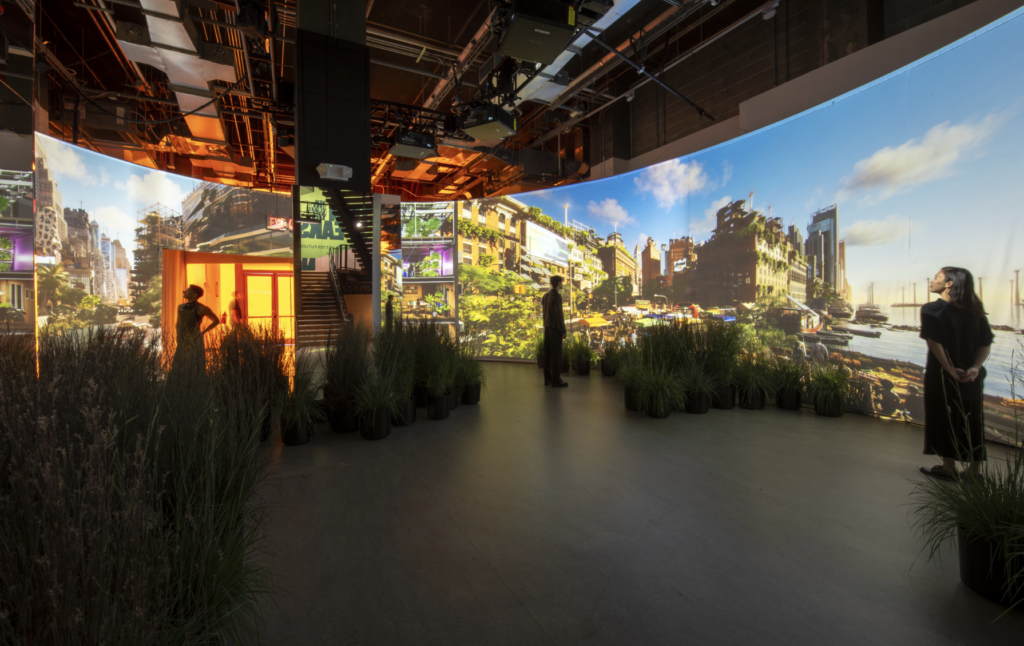
A company called Superflux, makes immersive, real built scenario exhibitions about the future – which allows the audience to use all their senses and truly feel what the future can bring

In a TED Talk “Why We Need To Imagine Different Futures”, the CEO Anab Jain says (Superflux, 2009, 6:30):

One of the most powerful tools for driving change is allowing people to experience the future consequences of their actions today

Anab Jain, CEO of Superflux

From a design perspective, future-thinking is particularly compelling because it provides a framework through which I can contribute meaningfully. Rather than being confined to mitigating existing damage, I can use design to imagine and construct sustainable futures. This might involve creating resilient urban environments that incorporate nature, developing innovative materials and technologies that reduce environmental impact, or designing policies and infrastructures that prioritize ecological health. By merging speculative design with real-world applications, future-thinking allows for the integration of visionary ideas with practical implementation.

As I conclude this phase of my research, I recognise that future-thinking is the most promising and encompassing solution I have encountered. It not only addresses the immediate and long-term challenges of climate and biodiversity crises but also provides a structured, design-oriented methodology that aligns with my expertise. However, this realisation is only the beginning. Moving forward, I intend to dive deeper into the field of future-thinking, exploring its applications in environmental policy, urban planning, and ecological restoration. By continuing this research, I hope to contribute to the development of innovative strategies that bridge the gap between imagination and action, ultimately shaping a future where nature and human progress coexist harmoniously.


Sources:

Cork, S., Alexandra, C., Alvarez-Romero, J.G., Bennet, E.M., Berbés-Blásquez, M., Bohensky, E., Bok, B., Constanza, R., Hashimoto, S., Hill, R., Inayatullah, S., Kok, K., Kuiper, J.J., Moglia, M., Pereira, L., Peterson, G., Weeks, R. & Wyborn, C. (2023). Exploring Alternative Futures in the Anthropocene. Annual Review of Environment and Resources, 48, 25-54. Swinburne University of Technology. Retrieved from https://www.annualreviews.org/content/journals/10.1146/annurev-environ-112321-095011

Superflux. (2017, 19. juni). TED Talk: Why We Need To Imagine Different Futures [Video] Superflux. Retrieved from https://superflux.in/index.php/ted-2017-the-future-you/#

9. Affordances Uses

APPLICATIONS IN INTERACTIVE DESIGN

Affordances are a cornerstone of user experience (UX) and interaction design, as they guide users on how to interact with objects, interfaces, and environments. The goal is to make these interactions intuitive by aligning design elements with users’ expectations and capabilities.

Visual Affordances: Visual cues, such as arrows, color contrasts, or animations, can suggest how to interact with an interface or environment.
In an interactive video mapping installation, glowing pathways might afford movement, while pulsating shapes suggest touch or interaction.
Tactile Affordances: Haptic feedback can reinforce perceived affordances.
A vibrating surface in an interactive installation can signal that it affords touch or proximity.
Auditory Affordances: Sound can provide additional clues about action possibilities.
A rising tone accompanying a visual projection can suggest that a user should raise their hand or move upward.
Dynamic Affordances: In interactive environments, affordances can change in response to user actions.
A visual pattern that spreads outward when touched signals that further interaction is possible.

APPLICATION IN IMMERSIVE EXPERIENCES

In immersive environments like video mapping, interactive exhibitions, or installations, affordances help bridge the gap between users and the system by making interactions natural and engaging. By designing elements with clear affordances, users are encouraged to explore the space and interact. For instance, a visual element that brightens as users approach affords proximity and engagement.
Dynamic affordances are often used in projection mapping to guide user behavior. For example, footsteps that trigger ripple effects in projections afford walking, exploration, and movement. Affordances can guide users through a narrative. For example, a glowing doorway in a visual environment might afford passage and signify the transition to the next part of the story.

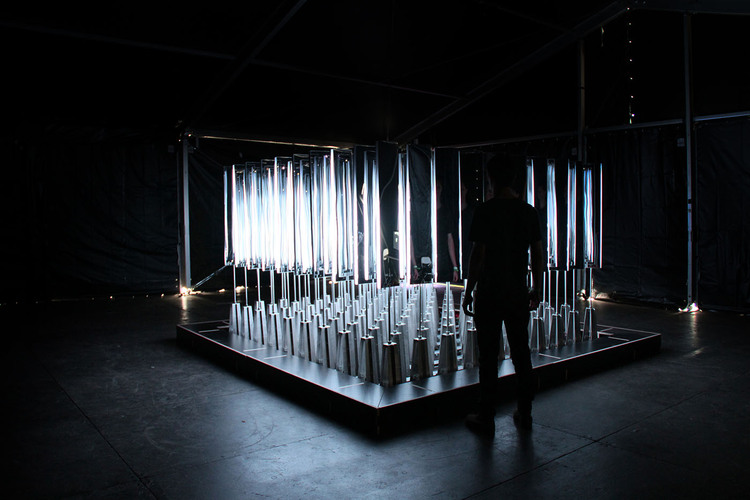
“Volume” is an interactive cube of responsive mirrors that redirect light and sound to spatialize and reflect the excitement of surrounding festival goers.

“Dream Machine” piece was a “multi-sensory scent organ” connected to a network of bicycle pumps that spray scents into the air. Festival-goers can experience a range of human emotions by playing the organ, which activates smells, sound and light to communicate feelings such as contentment, sadness, fear, anger, disgust and shame

CHALLANGES WITH AFFORDANCES

It’s important to keep in mind what the challenges of affordance can be, too many in one environment can overwhelm users, making it unclear where to focus attention or how to interact. Think of a multi-sensory installation, conflicting visual, auditory, and tactile affordances might create confusion. Affordances can be misinterpreted based on cultural contexts, for instance gestures or symbols that afford interaction in one culture might not be understood in another. Beware of misleading users with false affordances, this can result in frustration and disengagement.

8. Affordances

Affordances, a concept originally introduced by James J. Gibson and expanded upon by Don Norman, are central to understanding how we interact with objects, environments, and systems. Diving deeper into affordances involves exploring their origins, types, applications, and implications, particularly in the context of interaction design, audiovisual environments, and immersive experiences.

THE CONCEPT OF AFFORDANCES

In Gibson’s “The Ecological Approach to Visual Perception“, affordances refer to the action possibilities that an environment or object offers to an organism that perceives and behave, that is to say, animals. As an example: A chair affords sitting because its surface is flat and elevated and stairs affords climbing because of its shape and spacing.

Gibson emphasized that affordances exist independently of perception—they are inherent in the object or environment. Whether or not an individual recognizes an affordance depends on their ability to perceive and act upon it.

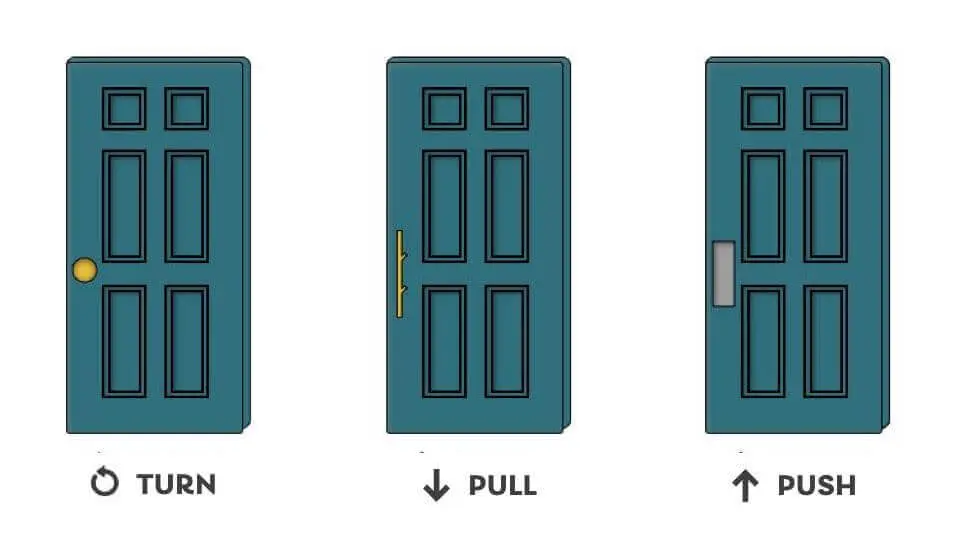
Norman, in “The Design of Everyday Things“, narrowed this concept to perceived affordances, focusing on how design can make these action possibilities obvious and intuitive. A door with a pull handle affords pulling because of the way the handle is shaped and positioned.

TYPES OF AFFORDANCES

Physical Affordances: These are based on the physical properties of an object or environment.
A button affords pressing because it protrudes and can be pushed.
Perceived Affordances: These rely on visual, auditory, or tactile cues that signal how to interact with a object or system.
A glowing touch screen affords interaction by signaling its active state.
Hidden Affordances: These are affordances that exist but are not immediately perceivable.
A touch-sensitive area on a wall projection may afford interaction, but without visual or auditory cues, users might not recognize it.
False Affordances: These occur when an object suggests an affordance that it does not actually provide.
A decorative handle on a door that does not open but looks like it should be pulled.
Cultural Affordances: These are shaped by cultural norms and user expectations.
Red often signals danger or stop in Western cultures, while it may have different meanings in other cultural contexts.

Let them tell their stories

Life is built on stories. Movies are stories, books are stories, every single song is a story. But fine art doesn’t possess the same natural capability to narrate. While other mediums unfold their tales over time, we usually spend only a fleeting moment next to the paintings. Their stories and contexts remain hidden beneath layers of paint. And when we visit museums, the only guide to understanding often comes in the form of a small text label next to the artwork.

This limitation creates a disconnect between art and its audience. Many people feel intimidated by museums and galleries, perceiving art as something they lack the knowledge to understand. This barrier discourages meaningful engagement, leaving artworks shrouded in mystery and misunderstanding. However, technology offers a transformative solution. By using tools like augmented reality, spatial audio, projection mapping, and artificial intelligence, we can break through this divide, making art more accessible, engaging, and comprehensible for everyone.

Why Technology Matters in Art Perception

Art is often considered a bridge between eras, emotions, and cultures, but for many, this bridge can feel inaccessible. Museums and galleries have long struggled with making art relevant and engaging to broader audiences, and technology offers an exciting solution. By weaving interactive and immersive tools into the art experience, we break down the “glass barrier” between viewers and the context of artworks, transforming how people engage with and learn from art.

Moreover, people often feel intimidated by museums and galleries because they think they don’t understand art. This intimidation creates a barrier that discourages many from exploring and appreciating artistic works. With technologies designed to simplify and enrich the understanding of art, we can lower this barrier. By presenting art as an approachable and engaging experience, technology empowers audiences to explore creativity without fear of judgment or confusion.

Enriching Education

Education is at the heart of art appreciation, but traditional methods of conveying context can feel dry or overwhelming. Technology revolutionizes this by presenting historical and cultural narratives in dynamic, interactive ways. Projection mapping, for instance, can transform a painting into an evolving story, visually illustrating its historical background or the artist’s process. Augmented reality overlays can offer real-time insights as viewers explore an artwork, encouraging a richer understanding without detracting from the piece itself. These innovations cater to different learning styles, helping visitors of all ages and backgrounds connect with art on their own terms.

Bridging Generational Gaps

Attracting younger audiences to museums and galleries has always been a challenge, but technology can make art more engaging and relatable. Gamified experiences, interactive AR exhibits, and AI-driven storytelling captivate digital natives accustomed to immersive content. These technologies meet younger generations where they are, transforming museums into hubs of discovery and inspiration. By fostering early interest, they pave the way for lifelong appreciation of art and culture.

Fostering Emotional Connections

One of art’s most profound roles is its ability to evoke emotion, and technology can amplify this impact. Spatial audio, for example, creates immersive soundscapes that enhance the emotional resonance of an artwork. Similarly, projection mapping breathes life into static works, allowing viewers to experience art as a living, breathing narrative. These sensory layers deepen personal connections, making the experience unforgettable.

Building Cultural Understanding

Art serves as a mirror of society, reflecting its values, struggles, and triumphs. By integrating technologies like AI and AR, museums can make these reflections more vivid and accessible. AI tools can uncover hidden patterns or connections between works, illustrating how different cultures and time periods influence one another. Augmented reality can bring to life the stories behind artifacts, showcasing their cultural significance and encouraging empathy for diverse perspectives. This deeper understanding fosters a sense of global interconnectedness, reminding us of our shared humanity.

Enhancing Accessibility

For many, physical or geographic barriers can make art inaccessible. Virtual tours enabled by 3D technology and augmented reality allow audiences to experience masterpieces from anywhere in the world. These tools provide close-up views of intricate details and textures, offering a level of intimacy that even in-person visits may not achieve. Additionally, digital experiences can incorporate accessibility features, such as audio descriptions for visually impaired users or multilingual options, making art truly inclusive.

The Broader Impact of Technology in Art

Incorporating technology into the art world doesn’t just enhance individual experiences—it has far-reaching societal benefits. Museums that embrace these tools often see increased attendance, as interactive exhibits draw in curious visitors who might otherwise feel detached from traditional art spaces. This growth boosts funding opportunities and cultural tourism, contributing to local economies and fostering community pride.

More importantly, these innovations ensure that the stories behind art are preserved and shared with future generations. By making art more accessible, engaging, and inclusive, we protect its relevance in an ever-changing world and invite everyone to explore the depths of creativity, history, and emotion it offers.

References:

https://www.participations.org/18-02-18-wlazel.pdf

https://nancyreyner.com/2024/08/15/art-in-society-the-impact-and-influence-of-art-in-culture-and-community/

https://ejazkhanphotography.com/why-art-is-important-to-society/#:~:text=A%20study%20of%20the%20arts,reality%20with%20greater%20cultural%20appreciation.

https://www.youtube.com/watch?v=zepG-4Y2ZIg&ab_channel=TEDxTalks

https://easylearn.baidu.com/edu-page/tiangong/questiondetail?id=1730185010859166304&utm_source=chatgpt.com

#09 Using future visions to change the world

Before I begin, soundtrack of this post: I´d love to change the world – Ten Years After

Now that I have researched a whole lot of different aspects of the interconnected nature- and climate crisis, I need to look deeper what some of the solutions can be. What are the most efficient ways to create real change? And in this context? Understanding and imagining solutions for societal-scale decision-making is a complex challenge, often called a wicked problem. This complexity arises from the diverse ways people perceive the issues and the uncertainty of decision outcomes. It is also difficult to bring people together at the right scale to reach a shared understanding. Trying to find the answer to this, I have come across Speculative Design and Future Thinking– something that may show it self to be the tools I (/we) need.


Speculative Design explores future possibilities and societal impacts of emerging technology and shifting cultural and social trends, diverging from traditional design to provoke new thought, debate, directions, preferences, and strategy (Neeley, 2024).

Futures-thinking is a diverse scholarship and practice, drawing on multiple disciplines across the sciences, arts, and humanities, that explore the nature of change, how humans conceive of futures, the range of possible (not just probable) futures, and how alternative futures might emerge (Corc, et. al., 2023).

Anthropocene refers to the period since the 1950s, which has seen exponential increases in human impacts on global ecological systems, with implications for the nature and quality of life, across all societies (Corc, et. al., 2023).


Speculative design is an approach that explores possible futures by using design as a tool to imagine and provoke thought about what could be. Unlike traditional design, which focuses on solving existing problems, speculative design pushes boundaries by addressing “what if” scenarios. It challenges assumptions and opens up discussions about potential futures. Speculative design often combines elements of storytelling, critical thinking, and visual representation to create thought-provoking and immersive artifacts, experiences, or scenarios.

The article Exploring Alternative Futures in the Anthropocene on future-thinking was published by a group of scientist by the Swinburne University of Technology about “[…] cognitive, cultural, and institutional constraints on the societal uptake of futures-thinking” (Corc, et. al., 2023). The authors´ objective was to “[…] help newcomers to futures-thinking make sense of what has been happening in scholarship and practice and to encourage existing participants to reflect on past and recent developments”. Therefore, this article is the perfect way into the topic of speculative design.

These scientists, claim that the two critical requirements for transformative change are:

  1. The cognitive and/or institutional capabilities for understanding and acknowledging humanity’s current predicament (i.e., the relationship between people and the planet).
  2. The capabilities to imagine new futures—ones involving possibilities not encountered before—and the possible pathways toward achieving them

They also argue that these requirements are especially poorly developed across humanity, and are therefore also the key vulnerabilities of our era.

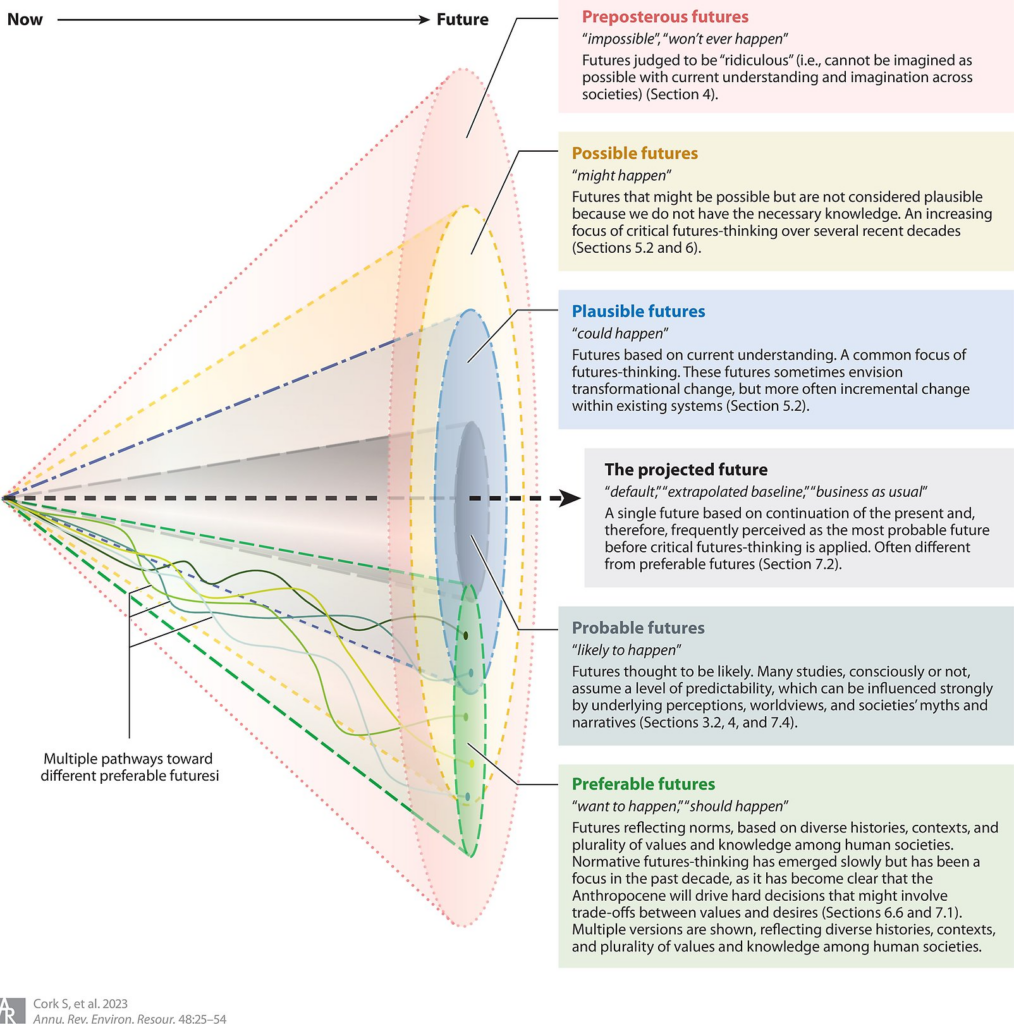
A “future cone”, showing the width of the different futures in front of us – but also the most probable ones (Corc, et. al., 2023).

The scientists summed up their article into 4 important takes:

  1. To achieve the transformations required to address Anthropocene challenges, societies need opportunities that bring a diversity of knowledge and perceptions together to seek shared understandings of current situations and to imagine what alternative futures might be possible, including radical ones never before imagined.
  2. Incremental adjustment within current paradigms and systems is no longer an option that will allow humanity to survive the Anthropocene, let alone achieve sustainable futures with high levels of human well-being and harmonious coexistence with other species.
  3. Lessons from more than seven decades, especially the past two, suggest that the diverse knowledge and expertise embodied in theories, philosophies, approaches, and methods for futures-thinking offer models for achieving the above, although coupling futures-thinking with mainstream decision-making and governance remains a challenge.
  4. Many cognitive, cultural, and institutional constraints on broad societal uptake of futures-thinking exist, but none are insurmountable once understood (Corc, et. al., 2023).

Transformative change is required to meet many of the challenges of the Anthropocene. To make this change happen, people need to better understand the present situation, strengthen their ability to imagine and share hopeful futures, and explore different ways to reach those futures. That is why speculative design or future-thinking will play a crucial role in the great shift that is needed. It will help bridge the gap between scientific data and public engagement by presenting future scenarios in an accessible and emotionally resonant way. Through these methods, we can imagine resilient cities, regenerative agriculture systems, and circular economies that prioritise ecological balance – and maybe start to believe that change is possible.

By using speculative design as a tool, I can challenge existing paradigms in the pursuit of environmental sustainability. Ultimately, speculative design is not just about imagining futures—it is about shaping them, and as a designer, this may be one of the most impactful contributions I can make to addressing the climate and nature crisis.


Sources:

Cork, S., Alexandra, C., Alvarez-Romero, J.G., Bennet, E.M., Berbés-Blásquez, M., Bohensky, E., Bok, B., Constanza, R., Hashimoto, S., Hill, R., Inayatullah, S., Kok, K., Kuiper, J.J., Moglia, M., Pereira, L., Peterson, G., Weeks, R. & Wyborn, C. (2023). Exploring Alternative Futures in the Anthropocene. Annual Review of Environment and Resources, 48, 25-54. Swinburne University of Technology. Retrieved from https://www.annualreviews.org/content/journals/10.1146/annurev-environ-112321-095011

Neeley, J. Paul. (2024, 19th of June). What is Speculative Design? School of Critical Design. Retrieved from https://www.critical.design/post/what-is-speculative-design

#4 Exploring Perspectives: Interviews with “Outsiders” and “Insiders”

Art is one of the most subjective topics you can discuss—people approach it with wildly different ideas of what it is, what it should be, and what it means to them personally. As someone deeply connected to the world of art, I’ve found myself wondering: how do others, especially those outside the creative field, view art? Do their interpretations overlap with ours, or do we live in entirely different worlds?

To answer these questions, I decided to conduct interviews with two distinct groups. The first group, whom I call “outsiders,” includes people who don’t engage with art or design in their daily lives—people who represent the broader public. The second group, “insiders,” consists of my classmates, fellow design students, and other creative minds immersed in the arts.

The goal of these interviews is not to find definitive answers but to explore how personal background, exposure, and context shape people’s understanding of art. By comparing these perspectives, I hope to uncover commonalities, highlight key differences, and better understand the bridges—or gaps—that exist between these two groups.

I chose interviews as my method because they allow for raw, unfiltered insight. Art is such a personal topic, and I wanted each person’s voice to come through authentically. By engaging in conversation, I could also push beyond surface-level responses, asking follow-up questions to explore their thoughts more deeply.This series of blog posts will reflect on my findings. First, I’ll share how outsiders perceive art and its place in their lives. Then, I’ll delve into the perspectives of insiders, exploring how they view art from within the creative bubble. Finally, I’ll examine the connections and disconnections between the two groups, asking whether these perspectives are truly at odds—or whether they complement one another in unexpected ways.

Why Cinema Cameras are still ESSENTIAL in the age of smartphones

The rapid evolution of smartphone technology has transformed video production, making it accessible to a broader audience. Features like “cinematic” modes in devices such as the iPhone enable users to capture high-quality videos with ease. However, despite these advancements, cinema cameras remain indispensable tools in the realm of professional filmmaking. Here’s an exploration of why cinema cameras continue to set the standard in the industry.

Superior Sensor Size and Image Quality

One of the most significant distinctions between cinema cameras and smartphones is sensor size. While smartphones utilize advanced computational photography, their smaller sensors limit dynamic range, depth of field, and low-light performance. Cinema cameras are equipped with larger sensors that capture more detail and deliver richer colors, essential for creating the immersive, cinematic look that audiences expect from high-budget films. For example, the Arri Alexa is renowned in the industry for its exceptional dynamic range and natural color reproduction. These qualities enable filmmakers to capture scenes with nuanced lighting and shadows, generating a depth that smartphones cannot achieve. Additionally, larger sensors facilitate greater flexibility in post-production, enhancing control over color grading and visual effects.

Versatility of Lenses

Another area where cinema cameras outperform smartphones is in lens versatility. While smartphones typically have fixed or limited lens systems, cinema cameras allow filmmakers to interchange lenses to fulfill specific artistic visions. The ability to select the appropriate lens—whether for wide-angle shots or telephoto perspectives—is crucial for effective storytelling.High-quality cinema lenses also create unique visual effects, such as bokeh (background blur) and anamorphic flares, which are difficult to replicate with smartphone cameras. These optical characteristics significantly influence a scene’s mood and tone. For instance, in films like “Blade Runner 2049,” specialized lenses contribute to the creation of a captivating and immersive atmosphere that smartphones cannot replicate.

Professional Control and Customization

Cinema cameras offer a level of control and customization that smartphones cannot provide. Features such as adjustable frame rates, customizable focus pulls, and in-camera RAW recording allow filmmakers to precisely fine-tune every aspect of their shots. This level of control is vital for complex productions that require precision and consistency across various scenes.Furthermore, cinema cameras are designed to seamlessly integrate into professional workflows. They support external monitors, focus-pulling systems, and high-capacity storage solutions, making them ideal for large-scale productions. In contrast, smartphones often necessitate additional accessories to achieve similar functionality, which can be limiting in a professional setting.

Robustness and Reliability

Filmmaking often happens in challenging environments, from dusty deserts to humid rainforests. Cinema cameras are built to endure these conditions, featuring rugged designs that withstand harsh weather and extended shooting hours. While smartphones are durable, they are not engineered for the same level of stress and may fail in demanding situations.Moreover, cinema cameras include redundancy features critical for professional productions, such as dual recording slots and extended battery life. These elements ensure that filmmakers can capture footage without interruptions or technical issues.

Collaborative Filmmaking

Filmmaking is a collaborative process, involving teams that work together to realize a vision. Cinema cameras are designed with this collaboration in mind, offering interfaces and tools that facilitate seamless teamwork among operators, focus pullers, and directors. This level of collaboration is challenging to replicate with smartphones, which are often limited in their usability for multiple users.

Perception and Professionalism

Lastly, the choice of equipment plays a significant role in how a production is perceived. Using cinema cameras conveys a sense of professionalism and quality that resonates with clients, collaborators, and audiences. While smartphones are becoming increasingly capable, high-end productions often rely on cinema cameras to project expertise and artistic integrity.

Conclusion

While smartphones like the iPhone have made remarkable strides in video production, they cannot replace the unique advantages offered by cinema cameras. The superior image quality, lens versatility, professional control, and robustness of cinema cameras make them essential for filmmakers who seek the highest level of performance. As technology continues to evolve, both cinema cameras and smartphones will coexist, each serving its distinct role in the creative ecosystem. Understanding these differences is crucial for making informed choices about the tools that will enhance the artistry and effectiveness of visual storytelling.

  • Brown, L. (2023). Advancements in video production: Why cinema cameras still lead. Journal of Media Studies, 46(1), 34-52.
  • Johnson, K., & Lee, S. (2022). Exploring professional workflows in filmmaking: A comparison of traditional and smartphone cameras. Cinematic Arts Review, 19(3), 45-63.
  • Miller, R. (2021). The technical challenges of smartphone filmmaking: A critical perspective. Film Studies Today, 23(2), 28-46.
  • Radovanović, B. (2022). Professionalism in video production: Why traditional cameras remain superior. INSAM Journal of Contemporary Music, Art, and Technology, 10, 71-89.
  • Smith, J., & Sanderson, P. (2022). Lens versatility and artistic expression in filmmaking. Journal of Visual Arts and Techniques, 29(1), 14-29.

Animated Propaganda

Animation, originally created for entertainment in the late 19th and early 20th centuries, quickly evolved into a persuasive tool that could be used for other purposes. During World War I, its potential to influence public opinion became clear (First World War Cartoons, n.d.). Animated short films encouraged citizens to support war efforts, such as buying war bonds or embracing patriotic values. Its visual nature made it accessible across diverse populations, overcoming barriers like language and literacy. By World War II, animated propaganda became even more prominent. Both the Allied and Axis powers harnessed animation to promote their agendas. Governments recognized that cartoons could simplify complex political or military issues, making them relatable to the general public. The United States collaborated with major studios like Walt Disney and Warner Bros (Chase, 2023) to produce animations that supported the war effort.

Disney’s involvement in wartime propaganda was very different from their usual family-friendly stories. But it showed how flexible animation can be. In The New Spirit (1942), Donald Duck was used to explain why paying taxes was important for supporting the war. The film made the topic of taxes, which can be boring, feel like a personal and patriotic duty. It showed how small actions, like paying taxes, were connected to the bigger fight for freedom. By using Donald Duck, a character people already knew and liked, The New Spirit made the message easier to understand and more relatable. The film explained complex ideas, like how money supports a war, in a simple way that everyone could follow. It encouraged people to feel proud of their contributions and motivated them to take action. At the same time, Warner Bros. used characters like Bugs Bunny to mock Axis leaders. In these cartoons, Hitler, Mussolini, and Hirohito were shown as clumsy and ridiculous (Chase, 2023). This made them seem less threatening and helped people feel like the Allies were clearly on the winning side. These animations worked because they were entertaining while still sending a clear message. The humor and storytelling kept people interested, and the emotions behind the stories shaped their opinions. This way of mixing fun with important messages set the tone for how propaganda would be used in the future.

The Soviet Approach

The Soviet Union had its own style of animated propaganda. State-supported studios like Soyuzmultfilm made films that promoted Marxist-Leninist ideas. These animations often celebrated collective work, criticized capitalism, and showed the successes of socialism.

One example is Buratino v Sovetskom Soyuze, a Soviet version of the Pinocchio story. In this film, the characters are saved from exploitation by working together, showing how collective values can solve problems. The films often used symbols and metaphors to explain socialist ideas. Bright colors, hopeful themes, and unique visuals were common features, designed to make people feel proud and optimistic about the future.

Soviet animations were less about entertainment and more about education (Marshall, 2021). They focused on teaching people about their roles in society, the importance of working together, and the benefits of a planned economy. Unlike Western propaganda, which often tried to reach international audiences, Soviet animations focused mainly on their own people, shaping how they thought and supported state goals.

Transition to the Modern Era

With digital technology and social media, animated propaganda has completely changed. Unlike in the past, where governments controlled most propaganda, today it often comes from unknown or decentralized sources. Platforms like TikTok, YouTube, and Instagram make it easy to create and share short, engaging animations that can go viral in just a few hours and reach millions of people. Political campaigns now use animations to explain complex topics like climate change or healthcare in a simple way. Activist groups also rely on animation to raise awareness or push their messages. These modern examples are similar to wartime cartoons, they’re simple and emotional, but they spread much faster and to a much larger audience.

Sources: 

First World War cartoons. (n.d.). https://www.nfsa.gov.au/collection/curated/harry-julius

Chase, M. (2023, October 26). How Disney propaganda shaped life on the home front during WWII. Smithsonian Magazine. https://www.smithsonianmag.com/history/how-disney-propaganda-shaped-life-on-the-home-front-during-wwii-180979057/

Marshall, C. (2021, April 20). The Beautiful, Innovative & Sometimes Dark World of Animated Soviet Propaganda (1925–1984). Open Culture. https://www.openculture.com/2021/04/the-beautiful-innovative-sometimes-dark-world-of-animated-soviet-propaganda.html?utm_source=chatgpt.com