
Level Up Your Gains: Why People Struggle to Stay Consistent in the Gym

Even though regular exercise has been shown to provide numerous physical and mental health benefits, maintaining gym consistency remains a challenge for many. Research highlights a range of psychological, environmental, and social factors that contribute to this struggle. This blog post explores the underlying reasons why people often fail to stay consistent in the gym and examines evidence-based solutions to overcome these barriers.

1. Lack of Intrinsic Motivation

Intrinsic motivation—engaging in an activity for its inherent enjoyment or personal satisfaction—is a critical factor in long-term adherence to exercise. However, many individuals begin their fitness journey driven by extrinsic motivations, such as improving physical appearance or impressing others.

Ryan and Deci (2000) argue in their Self-Determination Theory that extrinsic motivators are often insufficient for sustaining behaviors over time. When external rewards or pressures lose their appeal, individuals may abandon their gym routines. Building intrinsic motivation by focusing on the joy of movement, the sense of accomplishment, or stress relief can significantly improve adherence.

2. Unrealistic Expectations and Goals

Setting overly ambitious goals can lead to frustration and burnout, particularly when individuals fail to see immediate progress. Many beginners expect rapid physical transformations, but the reality is that fitness improvements often occur gradually. This disconnect between expectations and results is a common reason for dropout.

A study by Norcross et al. (2002) on New Year’s resolutions found that nearly 80% of individuals abandon their fitness-related goals by February. Unrealistic timelines and a lack of patience for the process are primary contributors to this phenomenon.

To counter this, experts recommend setting SMART goals—specific, measurable, achievable, relevant, and time-bound—which are more manageable and can provide a sense of accomplishment along the way.

3. Lack of Knowledge and Guidance

Many people enter the gym without a clear understanding of what to do, which can lead to feelings of intimidation or confusion. Without proper guidance, beginners may struggle to design effective workout programs or use equipment correctly, leading to inefficiency or even injury.

A 2021 study by Ai Xianfeng et al. found that individuals with access to professional guidance, such as personal trainers or structured programs, were more likely to maintain long-term gym attendance. This underscores the importance of education and support in fostering consistency.

4. Time Constraints and Competing Priorities

One of the most commonly cited barriers to gym consistency is a perceived lack of time. Busy work schedules, family responsibilities, and social commitments often take precedence over exercise. However, research suggests that time constraints are often a matter of prioritization rather than actual scarcity.

A study by Trost et al. (2002) found that individuals who view exercise as a high-priority activity are more likely to incorporate it into their routines, even during busy periods. Strategies such as scheduling workouts, opting for shorter, high-intensity sessions, or integrating physical activity into daily life can help address this challenge.

5. Psychological Barriers and Emotional States

Negative emotions such as anxiety, stress, or low self-esteem can significantly impact gym attendance. For instance, gym anxiety—a fear of being judged or embarrassed while working out—is a common deterrent, especially among beginners or individuals with low self-confidence.

Research by Gifford and Nilsson (2014) highlights how emotional and psychological barriers often outweigh logistical ones when it comes to exercise adherence. Addressing these barriers requires creating a supportive and inclusive gym environment, as well as providing resources for mental health support.

6. Social and Environmental Influences

Social and environmental factors play a significant role in gym consistency. For instance, individuals who lack social support from friends or family may struggle to stay motivated. Similarly, gyms that are overcrowded, poorly equipped, or inconveniently located can discourage regular attendance.

In a study by Bauman et al. (2012), social support emerged as one of the strongest predictors of physical activity adherence. Group classes, workout buddies, or even virtual communities can provide the encouragement and accountability needed to sustain a gym routine.

7. Lack of Immediate Rewards

Exercise often involves delayed gratification, with many of its benefits—such as improved physical fitness, weight loss, or muscle gain—taking weeks or months to manifest. This lack of immediate reward can be demotivating for individuals accustomed to instant feedback in other areas of life.

Behavioral scientists suggest incorporating immediate rewards, such as celebrating small victories, tracking progress visibly, or using gamified fitness apps, to bridge the gap between effort and outcome. A study by Looyestyn et al. (2017) found that gamification elements, like points and badges, can enhance motivation in the short term.

Conclusion

The challenge of maintaining gym consistency stems from a complex interplay of psychological, social, and environmental factors. From a lack of intrinsic motivation and unrealistic expectations to time constraints and social influences, there are numerous barriers that can derail even the most well-intentioned fitness plans.

However, the research also highlights actionable strategies to overcome these challenges, such as setting realistic goals, seeking professional guidance, creating supportive environments, and leveraging immediate rewards. By understanding and addressing these underlying factors, individuals can build sustainable fitness habits that stand the test of time.

References

  1. Ryan, R. M., & Deci, E. L. (2000). “Self-Determination Theory and the facilitation of intrinsic motivation, social development, and well-being.” American Psychologist, 55(1), 68–78.
  2. Norcross, J. C., Mrykalo, M. S., & Blagys, M. D. (2002). “Auld Lang Syne: Success predictors, change processes, and self-reported outcomes of New Year’s resolvers and nonresolvers.” Journal of Clinical Psychology, 58(4), 397–405.
  3. Ai, X., et al. (2021). “Mental Health and the Role of Physical Activity During the COVID-19 Pandemic” Frontiers in Psychiatry
  4. Trost, S. G., Owen, N., Bauman, A. E., Sallis, J. F., & Brown, W. (2002). “Correlates of adults’ participation in physical activity: review and update.” Medicine and Science in Sports and Exercise, 34(12), 1996–2001.
  5. Gifford, R., & Nilsson, A. (2014). “Personal and social factors that influence pro-environmental concern and behaviour: A review.” International Journal of Psychology, 49(3), 141–157.
  6. Bauman, A. E., Reis, R. S., Sallis, J. F., et al. (2012). “Correlates of physical activity: why are some people physically active and others not?” The Lancet, 380(9838), 258–271.
  7. Looyestyn, J., Kernot, J., Boshoff, K., et al. (2017). “Does gamification increase engagement with online programs? A systematic review.” PLoS One, 12(3), e0173403.

Blog Post 8: Navigating the IKEA Maze with AR & IoT

I’d like to walk you through a scenario that illustrates how Augmented Reality (AR) and the Internet of Things (IoT) can transform an ordinary shopping trip into a seamless, data-driven, and highly personalized experience.


1. Setting the Stage

Meet Aisha, a busy professional looking for a new couch. She often feels overwhelmed by large stores with unpredictable product availability—who hasn’t spent ages hunting for an item, only to discover it’s out of stock? But thanks to a new retail platform that integrates IoT sensors and AR overlays, Aisha’s furniture-shopping experience is about to change dramatically.

Before Leaving Home

  • Real-Time Inventory Check: The retailer’s mobile app (backed by IoT sensors on each product) shows current stock levels. Aisha sees that the “Modern Loft Sofa” she’s eyeing is in-stock and available in three colors.
  • Personalized Recommendations: The app prompts Aisha with matching items—like throw pillows or side tables—based on her previous purchases. This curated list isn’t random guesswork; it’s informed by analytics on IoT-tracked product popularity, plus Aisha’s own browsing history.
  • Store Layout Preview: An interactive store map highlights the sofa’s location. No more wandering aimlessly: the IoT system updates product placement in real time if displays are moved around.

Armed with this info, Aisha heads to the store feeling confident that her desired couch is in stock, and she has a mental blueprint of where to find it.


2. Arriving at the Store

Upon walking in, Aisha puts on a pair of AR glasses provided at the entrance (alternatively, she could use her smartphone camera):

  • Check-In & Greetings: As soon as the glasses recognize her from the app’s QR code, they display a welcome message. The store’s IoT network knows Aisha has arrived and can tailor her in-store experience accordingly.
  • Dynamic Way finding: A guiding arrow overlays on her field of view, pointing toward the furniture section. This arrow updates in real time if certain areas become crowded (based on foot-traffic sensors) or if any new product promotions pop up.

3. Exploring the Aisles

Aisha follows the AR prompts to the couch section:

  • Live Stock Status: Tiny digital “price tags” float over each item, showing up-to-the-minute availability, color options, and even estimated delivery windows—data pulled from IoT-enabled stock sensors.
  • Reviews & Ratings: Curious about the sofa’s durability? With a quick tap on the AR overlay, she sees aggregated reviews. The IoT platform also tracks how frequently each model is tested by other customers, offering an idea of popularity and return rates.
  • Virtual Try-On for Furniture: By selecting “See This in My Room,” the AR glasses simulate how the sofa’s color and dimensions would look in her living space, thanks to her phone’s stored room measurements. The system uses real-time sensor data to reflect accurate scaling.

With these features, Aisha can quickly assess if the sofa meets her needs—no guesswork required.


4. Hands-On Interaction

Aisha settles on a sofa style she loves but wonders if the fabric feels right:

  • Interactive Fabric Swatch: The store’s IoT platform detects which couch she’s viewing, flashing a prompt: “Try Different Fabrics?” On a nearby kiosk, small AR-coded swatches let her see how different textures appear on the sofa. She can physically touch actual fabric samples while an overlay shows how that sample looks on the entire piece.
  • Accessory Suggestions: As Aisha “tests” each fabric, an AR pop-up recommends matching coffee tables or rugs—based on store inventory and style compatibility. The IoT backend cross-references available stock to ensure each suggested item can be purchased immediately.

This blend of tactile and digital experiences helps Aisha make a more informed decision. She appreciates that the store is simultaneously personalizing her options and respecting her privacy by only offering suggestions relevant to her stated preferences.


5. Making the Purchase

Convinced this is the right couch, Aisha initiates checkout via the AR interface:

  • One-Tap Purchase: Using her linked store account, she taps “Buy Now” on the AR overlay. Instantly, the store’s IoT system reserves the couch in inventory.
  • Delivery Coordination: The glasses prompt her to select a delivery date, factoring in real-time logistics data—like truck availability or any potential shipping delays. She confirms a date next week.

No lines, no awkward fumbling with credit cards at a register. Everything happens securely through an encrypted transaction in the retailer’s system.

Blog Post 7: Scenario Base Study. Grocery Shop

Grocery shopping is a routine part of life—but it’s not always easy or efficient. Long lines, confusing aisles, out-of-stock items, and dietary restrictions can turn a simple errand into a mini-ordeal.

1. Meet Sam, Our Shopper

Sam has a busy schedule and wants to restock groceries quickly while discovering new meal options. Sam has recently switched to a gluten-free diet, so checking labels can be time-consuming.

Checking the Store from Home

Real-Time Inventory Updates: The grocery store’s app shows live product availability—down to which produce is freshest, thanks to IoT sensors monitoring stock levels and temperature.

Smart Meal Planning: Based on Sam’s dietary profile (gluten-free) and personal preferences, the app suggests weekly meal plans. It automatically generates a recommended shopping list, confirming the store has all ingredients in stock. If something is missing, it proposes substitutes or alternative stores.

Tailored Suggestions: Sam can also let the system know if they want quick, 15-minute dinner ideas or a Sunday meal prep plan, and it recommends items accordingly.

Armed with this info, Sam heads to the store feeling confident that their dietary needs and schedule will be met—no more guesswork about availability.

2. Arriving at the Supermarket

Upon entering, Sam logs into the store’s AR interface using a smartphone camera or AR glasses:

Personalized Greetings: “Welcome, Sam! Ready to pick up your weekly meal plan items?”

Store Layout Guidance: A digital path overlaid on the floor points to new products the store’s IoT network recommends—like a brand-new line of gluten-free pasta or fresh seasonal produce.

No more wandering aimlessly—IoT-enabled beacons detect shopper location and push relevant info to the AR interface, ensuring Sam’s path is efficient.

3. Navigating the Produce Section

Sam heads to the fresh produce area first:

Live Freshness Indicators: AR overlays show a color-coded freshness score for each bin, updated by sensors that track temperature and product turnover. Sam sees that the avocados in the back section are at peak ripeness, so they head there.

Recipe Recommendations: The interface suggests an avocado-based dinner recipe for the week. If Sam’s missing cilantro or tomatoes, the overlay points to those items.

This integration of real-time data with AR helps Sam make quick, informed decisions, reducing food waste and saving time.

4. Exploring Aisles & Dietary Filters

Next, Sam goes to the aisles to complete their meal plan list:

AR Filters for Dietary Needs: By activating the “Gluten-Free Filter,” Sam sees a green highlight around relevant products on the shelf. The AR overlay reads product barcodes instantly—no more squinting at tiny labels.

IoT-Triggered Deals: Passing by the baking goods section, Sam’s app notifies them of a sale on gluten-free flour, courtesy of the store’s real-time inventory system noticing a surplus.

In a traditional store, Sam might waste time reading ingredient lists or miss out on deals. Thanks to IoT + AR, they navigate efficiently while discovering savings and meal ideas along the way.

5. Smart Shelves & Instant Info

A few aisles down, Sam spots a recommended snack item highlighted via AR:

Nutritional Snapshots: Tapping the overlay reveals a quick nutrition breakdown, crowdsourced reviews, and even suggested pairings—like dips or spreads.

Inventory Alerts: If the item is running low, the AR interface warns Sam: “Low Stock Alert—Grab One Now!” The info comes from IoT shelf sensors monitoring how many packs remain.

This level of product transparency builds shopper trust. It’s easy to confirm if a product meets dietary needs, and the system ensures Sam never misses out due to last-minute shortages.

6. Check-Out or Skip the Line

After filling their cart:

In-AR Checkout: Sam can finalize payment via the AR interface—no need to stand in a traditional cashier line. The store’s smart scale confirms produce weights directly to the system.

IoT-Enabled Bagging: An IoT-connected bagging station suggests how to distribute items across bags for easier carrying and weight balance.

Sam leaves the store with groceries in hand, confident everything matches their meal plan and dietary preferences.

The Role of Climbing Boards: A Conclusion

Climbing boards have become a cornerstone of bouldering, shaping how climbers train, connect, and engage with the sport. Over the course of exploring various aspects—technology, inclusivity, sustainability, and human-centered design—it is evident that climbing boards are not just tools for physical training but catalysts for innovation and accessibility in bouldering. This conclusion synthesizes insights from the research, reflecting on how climbing boards are redefining the sport.


Technology as a Driving Force

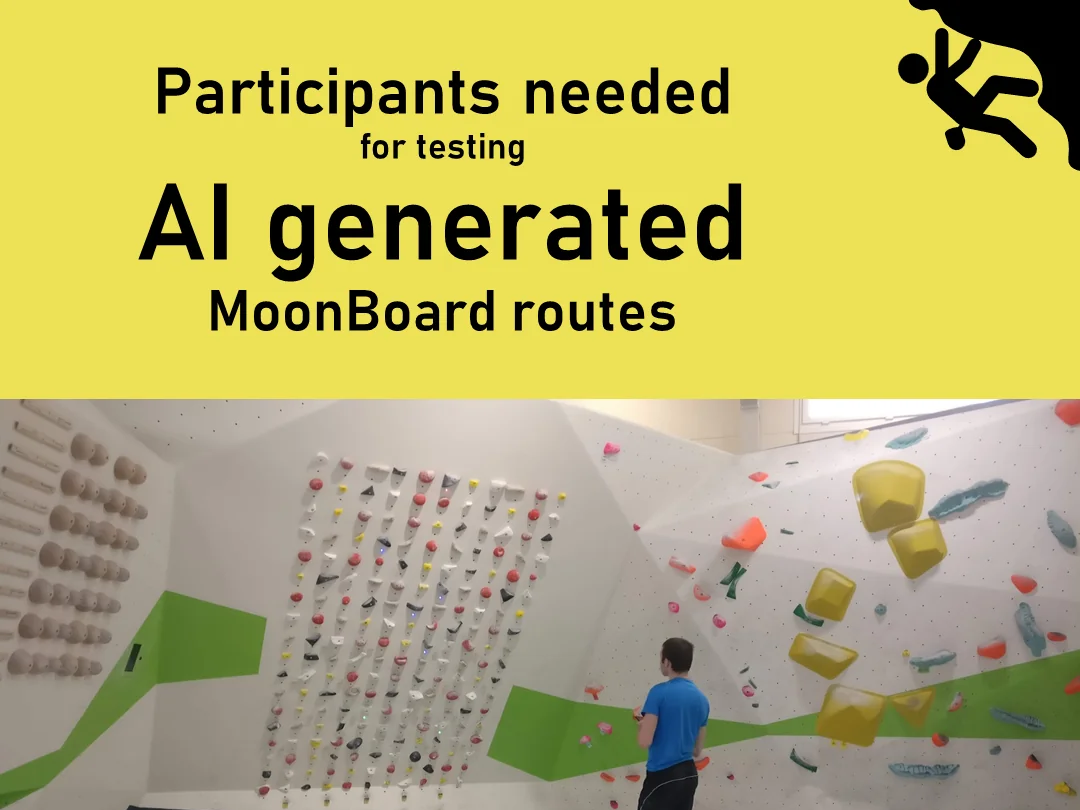
One of the recurring themes across the research is the transformative role of technology. Climbing boards like the MoonBoard, Kilter Board, and Tension Board have paved the way for integrating interactive features such as LED systems, apps, and global route-sharing platforms. These technologies have connected climbers worldwide, enabling standardized training and fostering a global community.

Further innovations like augmented and virtual reality (AR/VR) have added layers of immersion and interactivity. AR projections simplify route guidance, while VR creates safe spaces to practice complex outdoor scenarios. These tools, combined with data-driven insights from wearables and AI, have transformed climbing boards into intelligent systems that personalize training and optimize performance.


Inclusivity and Accessibility

Another critical aspect of climbing boards is their potential to make bouldering more inclusive. Adjustable wall angles, modular holds, and simplified digital interfaces ensure climbers of all abilities can participate. For example, human-centered design principles emphasize the importance of catering to diverse skill levels and physical needs, fostering a welcoming environment.

Community-driven features like collaborative route creation and multiplayer climbing modes further enhance inclusivity. By prioritizing accessibility, climbing boards have the power to break down barriers and bring people together, making the sport truly universal.


Sustainability in Climbing Board Design

Sustainability is an essential consideration in modern climbing board development. The environmental impact of climbing gym equipment is mitigated through the use of recycled materials, energy-efficient systems, and modular designs. Boards that are durable and easy to maintain not only reduce waste but also extend their usability, ensuring long-term value for gyms and climbers alike.

For smaller gyms, creative solutions like projector-based route visualization and DIY board setups offer cost-effective alternatives that align with sustainable practices. These approaches ensure that even gyms with limited budgets can contribute to an eco-conscious bouldering ecosystem.


The Role of Design in Enhancing the Experience

Effective communication through design is at the core of bouldering. Clear route identification, intuitive interfaces, and thoughtful visual hierarchies enhance the climbing experience by reducing cognitive overload and improving engagement. Features like color-coded holds, grading systems, and AR overlays ensure climbers can focus on solving problems rather than deciphering complex layouts.

Moreover, climbing boards have evolved into platforms for storytelling and connection. Imaginative routes, gamified challenges, and collaborative climbing modes demonstrate how design can transcend functionality, creating spaces that inspire creativity and build community.


The Future of Climbing Boards

Looking ahead, climbing boards are poised to become even more sophisticated. From motion-tracking systems that offer real-time feedback to AI-driven personalization and temperature-controlled holds, the possibilities are endless. However, the challenge will be to balance innovation with accessibility and sustainability, ensuring that climbing boards remain inclusive and environmentally friendly.

At the same time, climbing boards have the potential to deepen their role as social hubs. Features that prioritize collaboration and shared experiences can transform bouldering from an individual pursuit into a communal activity, fostering stronger connections among climbers.


Conclusion: A Convergence of Innovation, Inclusivity, and Sustainability

Climbing boards are far more than training tools—they are evolving ecosystems that reflect the future of bouldering. By integrating technology, prioritizing accessibility, and embracing sustainability, these boards have redefined how climbers train and interact with the sport. Whether it’s through AR-guided routes, modular DIY setups, or community-driven features, climbing boards have shown that innovation and simplicity can coexist.

As we move forward, the lessons from this research highlight the importance of designing for both performance and inclusivity. Climbing boards are not just shaping better climbers—they’re creating a better bouldering culture, one that is connected, creative, and mindful of its impact. The future of climbing is bright, and climbing boards will undoubtedly play a central role in guiding the sport to new heights.

The Role of Human-Centered Design in Bouldering Boards

Human-centered design prioritizes the user experience, emphasizing empathy, inclusivity, and adaptability. While current boards like MoonBoard and Kilter Board focus on standardizing training and competition, there’s an opportunity to create climbing boards that also nurture collaboration and community.


Ideas for Enhancing Connection Through Design

1. Collaborative Climbing Modes

  • Concept: Introduce multiplayer features where climbers can solve problems together in real-time.
  • Example: A climbing board mode where two climbers alternate moves to complete a route, with the board lighting up the next hold for the other player.
  • Benefit: Encourages teamwork, communication, and shared problem-solving.

2. Storytelling Through Routes

  • Concept: Use climbing routes to tell a story or explore a theme, engaging climbers on a deeper emotional level.
  • Example: AR or LED-enabled boards could create “adventure routes,” where holds light up sequentially to simulate climbing a famous rock face or solving a mystery through movement.
  • Benefit: Makes training more imaginative and immersive, appealing to climbers beyond raw performance metrics.

3. Community-Led Route Creation

  • Concept: Expand route creation tools to emphasize collaboration, where groups of climbers can design and vote on problems together.
  • Example: A shared app interface where local climbers upload and rank new problems, with the top-voted routes projected on the board for everyone to try.
  • Benefit: Strengthens local climbing communities by giving everyone a voice in shaping the board’s content.

4. Social Performance Metrics

  • Concept: Shift performance tracking from individual competition to group progress.
  • Example: A “team climbing” mode that logs collective achievements, such as the number of problems completed by a group in one session.
  • Benefit: Builds camaraderie and makes training less about competition and more about shared goals.

More then climibing

When we think of climbing boards, we often see them as tools for performance or training. But by incorporating human-centered design principles, they can become something greater—a space for connection, creativity, and shared experiences. By shifting the focus from individual achievement to collective engagement, climbing boards could redefine the way climbers train and interact, both with the wall and with each other.

Revolutionizing Bouldering Boards: Enhancements to Train Smarter and Climb Better

Bouldering boards have long been the minimalist’s training tool—just a wall, a set of holds, and your willpower. But as technology evolves, so do the opportunities to improve this simple foundation. By focusing on creative enhancements, both technological and mechanical, we can elevate the bouldering experience while keeping the essentials intact.


1. Adaptive Holds for Strength and Precision Training

  • Concept: Imagine holds that can adapt in real time. Using built-in mechanisms, these holds could adjust their resistance or texture to simulate different rock types or difficulty levels.

  • Example: A “crimp hold” that tightens its edges to make it progressively harder to grip, or a sloper that becomes slicker to build friction strength.

  • Benefit: Allows climbers to train specific grip techniques without switching walls or holds.

2. Dynamic Angle Adjustment

  • Concept: A bouldering board that shifts its angle mid-session, creating varied terrain such as slabs, verticals, or overhangs. Controlled via an app or manual settings, the board adjusts to challenge different climbing styles.

  • Example: Start with a 10-degree incline for warm-ups, then gradually increase to 45 degrees for power endurance training.

  • Benefit: Simulates outdoor climbing conditions while using minimal space, making it ideal for home gyms or compact training areas.

3. Augmented Reality (AR) Route Guidance

  • Concept: AR projections display climbing routes directly on the wall, showing optimal beta (move sequences), hold usage, and crux highlights.

  • Example: A beginner-friendly mode highlights the easiest path with animated overlays, while an advanced mode removes guidance for added challenge.

  • Benefit: Eliminates the need for tape or LEDs while offering real-time feedback and dynamic problem-solving.

4. Modular and Snap-In Hold Systems

  • Concept: Holds that snap into place without requiring screws or tools. With modular designs, climbers can quickly reconfigure routes or swap out sections of the wall.

  • Example: A pre-programmed route layout that climbers can install in under five minutes by snapping holds into pre-marked slots.

  • Benefit: Encourages creativity and route experimentation without needing a full gym setup.

5. AI-Driven Training Plans

  • Concept: An integrated app tracks your performance and designs personalized training regimens. It evaluates metrics like grip strength, number of attempts, and time spent on problems.

  • Example: After a climbing session, the app suggests routes that target your weaknesses, such as dynamic moves or static strength holds.

  • Benefit: Helps climbers progress more efficiently by focusing on their unique needs.

6. Resistance Bands and Dynamic Holds

  • Concept: Resistance bands attach directly to the holds or the climber to simulate outdoor conditions like rope drag or steep overhang tension.

  • Example: Bands connected to a foothold create extra pull, mimicking the effort needed to stay on a slippery route.

  • Benefit: Adds an extra layer of difficulty, building strength and control.

7. Temperature-Controlled Holds

  • Concept: Holds that adjust their temperature to simulate climbing on warm sandstone or icy granite.

  • Example: A setting for “cold weather climbing” trains your hands to maintain grip in cooler conditions.

  • Benefit: Prepares climbers for seasonal outdoor adventures without leaving the gym.

8. Real-Time Motion Tracking

  • Concept: Built-in sensors and cameras track your body’s movement, offering immediate feedback on technique.

  • Example: After a failed attempt, the system highlights errors like overreaching or poor foot placement.

  • Benefit: Encourages technical improvement and reduces the risk of developing inefficient habits.

#5 Outsiders

Outsiders, or if we can even call them outsiders, are people that are not in touch with art in their daily lifes. Most of the world’s population are outsiders, outsiders of the art bubble that me and my fellow study colleagues live in. Therefore art means something vastly different depending on who you ask. For those not deeply immersed in the art world—people without formal ties to design or creative professions—art is often seen through a lens shaped by tradition, practicality, and relatability. Outsiders offer a refreshing and grounded perspective that challenges some of the more abstract ideas cherished within artistic circles.

Art Is About Skill and Accessibility

During my interviews, a recurring theme emerged: art is widely perceived as something requiring skill—a talent that sets the artist apart from the average person. My grandfather, for instance, emphasized that art involves the ability to create something extraordinary, something that not everyone can do. He struggled to see the artistic merit in works like a banana taped to a wall, dismissing it as requiring “no skill” and therefore is no art.

This sentiment was echoed by several other participants. For many, art seems tied to exceptional talent, something not everyone can do. The idea of “everyday objects” as art—like a used coffee cup displayed in a museum—left most interviewees unconvinced. While they acknowledged that “art lies in the eye of the beholder,” they found it difficult to reconcile the notion of ordinary objects being elevated to art without an obvious display of skill. It seemed like the phrase was engraved in their brain and they quote it whenever they get in contact with art, but they do not truly believe it as their opinion was crystal clear.

The Role of Context: Where Does Art Belong?

Another recurring idea was the importance of context. Most interviewees agreed that they rather see art in curated spaces. My cousin, for instance, felt that while art can exist anywhere, the act of placing something in a museum adds a layer of legitimacy. He even acknowledged that something like the Mona Lisa as a graffiti piece on a wall could be considered art, but he felt it would lose some of its significance outside the Louvre.

This view speaks to a broader discomfort with the idea of art that exists outside traditional frameworks. While street art like Banksy’s is gaining recognition, many outsiders remain skeptical of its value compared to art in established institutions. The museum acts as a gatekeeper, separating “real art” from everyday clutter. Does that mean outsider have a harder time seeing art and therefore tend to oversee it?

The “Crazy Artist” Stereotype

Interestingly, a few participants expressed a belief that the art world is dominated by crazy individuals. My mother described a fine line between art and madness, suggesting that only crazy people see some of the more unconventional works as art. A friend of mine, agrees, for him art must not only display skill but also be visually pleasing and “nice to look at”.

This perspective highlights a gap between the general public and contemporary artists who often embrace ambiguity, abstraction, and even discomfort in their work. The idea that art should be “beautiful” or “understandable” is a hallmark of how many outsiders view the artistic experience, contrasting sharply with the avant-garde’s push to challenge norms and provoke thought.

“Das kauft ja keiner.”

Lastly, there was a recurring association between art and economics. Some participants viewed art as something that should have a practical or monetary value. “Art must make money,” one interviewee stated, reflecting a pragmatic perspective that ties art’s worth to its ability to generate income.

This view may stem from the perception that art is an elite pursuit—something disconnected from everyday life. For outsiders, the economic aspect makes art more relatable, as it connects it to the tangible world of work and value.

Picasso is an artist; an used coffee cup is not 

The outsider perspective on art offers a fascinating contrast to how those in the art world often think. For many, art is defined by skill, beauty, and practicality. Everyday objects or conceptual works struggle to find acceptance without clear intent or craftsmanship. The museum retains its role as a legitimizing force, while the “crazy artist” stereotype persists, further distancing the general public from more experimental forms of art.Ultimately, for those not embedded in art’s everyday discourse, art remains tied to tradition and relatability. Picasso is an artist; a crumpled coffee cup is not. This grounded view serves as a reminder that while art can push boundaries, it must also connect with the broader public to truly resonate.

Sustainability in Climbing Board Design: Materials, Energy, and Durability

Climbing gyms and tech-enhanced climbing boards are at the heart of modern bouldering culture. However, the materials, energy demands, and disposability of these systems can have significant environmental impacts. As the sport continues to grow, adopting sustainable design practices in climbing board creation is essential to reduce waste, conserve energy, and protect the planet. This blog explores how sustainable materials, energy efficiency, and durability can help make climbing boards more eco-friendly without compromising usability.


Sustainable Materials for Climbing Boards

One of the simplest ways to make climbing boards more sustainable is by focusing on the materials used in their construction. Sustainable materials can significantly reduce the carbon footprint of gym equipment:

  • Recycled or Renewable Materials: Using reclaimed wood or recycled plastics for board structures and climbing holds minimizes waste. Renewable options like bamboo are both lightweight and durable, making them ideal for climbing walls.
  • Non-Toxic Finishes: Avoiding toxic adhesives, paints, or sealants protects both the environment and climbers. Opting for low-VOC (volatile organic compound) finishes ensures a safer gym environment and reduces harmful emissions during production.

By integrating eco-friendly materials into climbing board designs, manufacturers can create products that support environmental sustainability without sacrificing quality.


Energy Efficiency in Tech-Enhanced Boards

Tech-heavy climbing boards, such as those equipped with LED lighting or AR projection systems, often consume significant amounts of energy. Reducing energy use in these systems is key to sustainable gym practices:

  • Low-Energy LEDs: Using energy-efficient LED systems with smart dimming features can cut power consumption without compromising performance. LEDs that only light up the holds being used can further optimize energy use.
  • Solar-Powered Solutions: Gyms in sunny climates could explore solar panels to power climbing boards or other equipment, reducing reliance on non-renewable energy sources.
  • Energy-Saving Projectors: For AR-enabled climbing boards, adopting projectors with low power consumption and longer lifespans reduces energy costs and waste over time.

Energy efficiency not only benefits the environment but also reduces operating costs for gyms, making sustainability a win-win.


Durability and Longevity

Durable climbing boards and holds are essential to minimizing waste and promoting sustainability. Designing for longevity ensures that equipment remains functional for years without frequent replacements:

  • Robust Materials: Holds made from high-quality, wear-resistant materials can withstand heavy use without cracking or degrading, reducing the need for frequent replacements.
  • Modular Systems: Boards designed with modular components allow gyms to replace or upgrade specific parts instead of the entire system. For example, individual LED panels or hold placements can be swapped out as needed, extending the board’s lifespan.
  • Maintenance-Friendly Designs: Boards that are easy to clean, repair, and maintain ensure that gyms can maximize their investment while minimizing waste.

Durable and modular designs save money, reduce material waste, and enhance the overall sustainability of climbing boards.


Conclusion

Sustainability in climbing board design is not just a trend; it’s a necessity. By prioritizing sustainable materials, energy-efficient technologies, and long-lasting designs, manufacturers and gyms can significantly reduce their environmental impact. These practices not only benefit the planet but also create cost-effective and durable solutions for climbing spaces.

Adopting eco-friendly practices in climbing board design ensures that the sport we love continues to thrive without compromising the environment. By making conscious choices today, we can help shape a sustainable future for climbing enthusiasts around the world.

Inclusive Design for Climbing Boards: Making Bouldering Accessible to All

Bouldering has always been a sport of creativity, strength, and problem-solving. However, for it to truly thrive, it must be accessible to everyone. Inclusive design in climbing boards has the power to break down barriers, making the sport more welcoming to climbers of all abilities and backgrounds. By focusing on physical, cognitive, and community-based inclusivity, climbing boards can transform into tools that empower every climber to reach their potential.


Addressing Physical Accessibility

Physical accessibility is essential to ensure climbers of varying abilities can participate fully in bouldering. Inclusive design principles for climbing boards can address this by:

  • Designing Holds and Routes for All Abilities: Using a variety of hold shapes, sizes, and textures allows climbers with different grip strengths or mobility challenges to engage with problems. Holds can also include features that make them easier to identify or grasp for climbers with limited dexterity.
  • Adjustable Board Angles: Boards like the Kilter Board or Tension Board often include adjustable angles, making it possible to modify the difficulty of routes. Gentle angles can accommodate beginners or climbers with reduced strength, while steeper angles challenge advanced users. Adjustable systems ensure that climbing boards remain versatile for a wide range of users.

Cognitive Accessibility

Designing for cognitive accessibility ensures that climbers with learning differences or cognitive challenges can easily engage with climbing boards and their associated systems. This involves:

  • Simplified and Clear Route Visuals: Overly complex route markings or color schemes can overwhelm some climbers. Clear, bold visuals—such as color-coded holds with distinct contrast—make it easier to identify and follow routes.
  • Intuitive Digital Interfaces: Apps and digital systems associated with climbing boards must be user-friendly. Avoiding cluttered interfaces, using clear labels, and providing simple navigation paths ensures climbers can focus on the experience rather than struggling with technology.

Community Involvement in Inclusive Design

Inclusive design cannot succeed without the input of the community it serves. Engaging climbers with diverse needs ensures that climbing boards meet real-world challenges. Here’s how:

  • Feedback from Diverse Climbers: Regularly collecting feedback from climbers with disabilities, beginners, or other underrepresented groups can guide improvements in design. Focus groups, surveys, and user testing sessions can provide valuable insights into barriers and solutions.
  • Highlighting Inclusive Gym Spaces: Gyms that have successfully implemented inclusive climbing boards can serve as models for others. For example, adaptive climbing programs that use adjustable boards or sensory-friendly environments showcase the power of thoughtful design.

Conclusion

Inclusivity in climbing board design is not just a nice-to-have feature—it’s essential for the growth and sustainability of the sport. By addressing physical and cognitive accessibility and involving the community in the design process, climbing boards can become powerful tools for inclusivity. When everyone has the opportunity to engage with bouldering, the sport becomes richer, more diverse, and more impactful.

Let’s prioritize inclusivity as a core aspect of climbing board design, ensuring that bouldering remains a sport for everyone—regardless of ability, background, or experience. Together, we can create climbing spaces that inspire and empower climbers of all kinds.

The Role of Interaction Design in Climbing Boards: Merging Technology with Usability

As climbing boards like MoonBoard, Kilter Board, and Tension Board become more prominent in gyms, the importance of interaction design in their development cannot be overstated. These boards blend physical climbing with advanced technology, creating a unique user experience that requires thoughtful design. Interaction design ensures that these systems remain intuitive, engaging, and accessible for climbers of all skill levels. This blog explores how merging technology with usability can revolutionize climbing training.


Why Interaction Design Matters for Climbing Boards

Climbing boards are more than just tools; they are platforms for growth, learning, and community. Poorly designed interfaces or systems can hinder climbers’ progress, frustrate users, and reduce the overall value of the technology. Interaction design bridges the gap between the climber and the system, ensuring that every feature—from route visualization to feedback—is intuitive and user-friendly.


Principles of Interaction Design in Climbing Boards

1. Visibility

Visibility ensures climbers can easily interpret and engage with the system. On climbing boards, this might include:

  • Clear Hold Identification: LED lighting systems that highlight active holds with bright, distinct colors.
  • Interface Design: Mobile apps with clean layouts that prioritize essential features like route selection, grading, and progress tracking.

2. Feedback

Interactive feedback helps climbers adjust and improve in real-time. Effective climbing boards provide:

  • Immediate Responses: LEDs that light up when a hold is touched or AR projections that track movement.
  • Performance Metrics: Apps that record attempts, successes, and time taken to complete problems, offering actionable insights.

3. Affordance

Designing affordance means ensuring climbers intuitively understand how to interact with the system. Examples include:

  • Tactile Hold Design: Holds that clearly indicate their intended use (e.g., footholds vs. handholds) through texture and shape.
  • Interactive Interfaces: Drag-and-drop route creation tools in apps that feel natural and easy to use.

4. Accessibility

Accessible design ensures climbers of all abilities can benefit from the technology. This involves:

  • Customizable Difficulty: Apps that allow users to tailor problems to their skill level.
  • Inclusivity in Design: Hold placements and route designs that accommodate climbers of various heights and abilities.

Challenges in Interaction Design for Climbing Boards

  1. Balancing Complexity with Simplicity: Advanced features, like AR overlays or detailed analytics, can overwhelm users if not designed carefully. Interaction designers must prioritize simplicity without sacrificing functionality.
  2. Physical and Digital Integration: Ensuring seamless interaction between the physical board and its digital counterpart (e.g., apps or LED systems) is crucial for a cohesive experience.
  3. Diverse User Needs: Climbing boards are used by a wide range of climbers, from beginners to experts. Designing systems that cater to all skill levels requires flexibility and foresight.

The Future of Interaction Design in Climbing Boards

As technology advances, interaction design will play an even greater role in climbing boards. Future developments may include:

  • AI-Powered Feedback: Systems that analyze climbing techniques and provide personalized advice.
  • Enhanced AR Features: Projections that guide climbers through optimal movements or suggest alternative solutions.
  • Gamification: Incorporating elements like achievements, leaderboards, and challenges to increase engagement and motivation.

Conclusion

Interaction design is the key to unlocking the full potential of climbing boards. By focusing on visibility, feedback, affordance, and accessibility, designers can create systems that are not only functional but also enjoyable and engaging. As these technologies continue to evolve, thoughtful interaction design will ensure that climbing boards remain a powerful tool for training, community building, and personal growth.

For climbers, the wall is a canvas. For designers, it’s an opportunity to craft an experience that inspires and empowers—one hold at a time.