As climbing boards like MoonBoard, Kilter Board, and Tension Board become more prominent in gyms, the importance of interaction design in their development cannot be overstated. These boards blend physical climbing with advanced technology, creating a unique user experience that requires thoughtful design. Interaction design ensures that these systems remain intuitive, engaging, and accessible for climbers of all skill levels. This blog explores how merging technology with usability can revolutionize climbing training.
Why Interaction Design Matters for Climbing Boards
Climbing boards are more than just tools; they are platforms for growth, learning, and community. Poorly designed interfaces or systems can hinder climbers’ progress, frustrate users, and reduce the overall value of the technology. Interaction design bridges the gap between the climber and the system, ensuring that every feature—from route visualization to feedback—is intuitive and user-friendly.
Principles of Interaction Design in Climbing Boards
1. Visibility
Visibility ensures climbers can easily interpret and engage with the system. On climbing boards, this might include:
- Clear Hold Identification: LED lighting systems that highlight active holds with bright, distinct colors.
- Interface Design: Mobile apps with clean layouts that prioritize essential features like route selection, grading, and progress tracking.
2. Feedback
Interactive feedback helps climbers adjust and improve in real-time. Effective climbing boards provide:
- Immediate Responses: LEDs that light up when a hold is touched or AR projections that track movement.
- Performance Metrics: Apps that record attempts, successes, and time taken to complete problems, offering actionable insights.

3. Affordance
Designing affordance means ensuring climbers intuitively understand how to interact with the system. Examples include:
- Tactile Hold Design: Holds that clearly indicate their intended use (e.g., footholds vs. handholds) through texture and shape.
- Interactive Interfaces: Drag-and-drop route creation tools in apps that feel natural and easy to use.
4. Accessibility
Accessible design ensures climbers of all abilities can benefit from the technology. This involves:
- Customizable Difficulty: Apps that allow users to tailor problems to their skill level.
- Inclusivity in Design: Hold placements and route designs that accommodate climbers of various heights and abilities.
Challenges in Interaction Design for Climbing Boards
- Balancing Complexity with Simplicity: Advanced features, like AR overlays or detailed analytics, can overwhelm users if not designed carefully. Interaction designers must prioritize simplicity without sacrificing functionality.
- Physical and Digital Integration: Ensuring seamless interaction between the physical board and its digital counterpart (e.g., apps or LED systems) is crucial for a cohesive experience.
- Diverse User Needs: Climbing boards are used by a wide range of climbers, from beginners to experts. Designing systems that cater to all skill levels requires flexibility and foresight.
The Future of Interaction Design in Climbing Boards
As technology advances, interaction design will play an even greater role in climbing boards. Future developments may include:
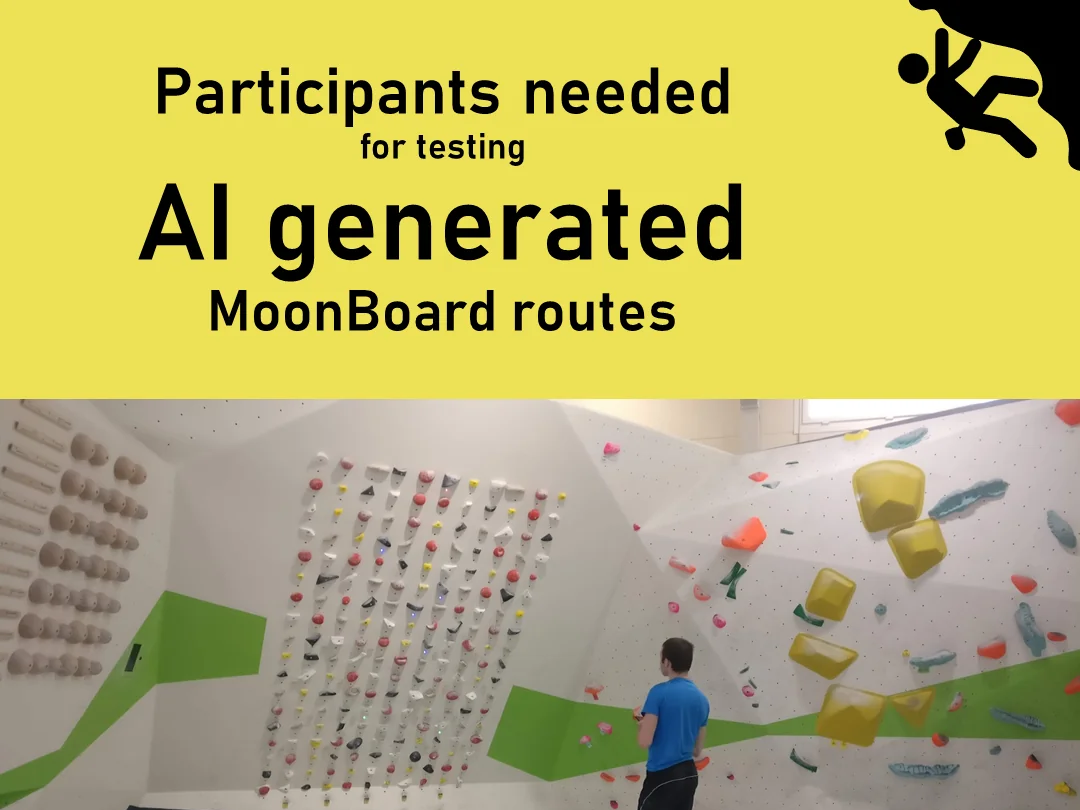
- AI-Powered Feedback: Systems that analyze climbing techniques and provide personalized advice.
- Enhanced AR Features: Projections that guide climbers through optimal movements or suggest alternative solutions.
- Gamification: Incorporating elements like achievements, leaderboards, and challenges to increase engagement and motivation.
Conclusion
Interaction design is the key to unlocking the full potential of climbing boards. By focusing on visibility, feedback, affordance, and accessibility, designers can create systems that are not only functional but also enjoyable and engaging. As these technologies continue to evolve, thoughtful interaction design will ensure that climbing boards remain a powerful tool for training, community building, and personal growth.
For climbers, the wall is a canvas. For designers, it’s an opportunity to craft an experience that inspires and empowers—one hold at a time.
