IMPULS 1 – CREATIVE NIGHT GRAZ 2025 – Besuch bei “Unter Freiem Himmel”, Thema Gründen eines Studios

Am 10.10 fand die CREATIVE NIGHT GRAZ 2025 statt. 

Einen Abend lang öffnen die Studios und Agenturen der Stadt ihre Türen und die Kreativschaffende aus Graz geben Einblick in ihre Arbeitswelt und stellen sich einem breiten Publikum vor. Die Creative Night bietet den Besucher:in die Gelegenheit, Einblicke in die Arbeit der Kreativschaffenden zu erlangen, potenzielle Arbeitgeber:innen in den Creative Industries kennenzulernen oder mehr über Arbeitsprozesse und aktuelle Projekte zu erfahren, sowie neue Kontakte im lokalen Netzwerk zu knüpfen.

Viele Stationen haben wir persönlich nicht geschafft, aber wir haben das meiste aus den versch. Stationen rausgeholt!


Besonders unser Besuch bei Unter freiem Himmel hat mich sehr motiviert und inspiriert (und auch den finalen Impuls für meine Masterarbeit gegeben) – daher auch der Impuls-Beitrag dazu!

Meine Insights bzw. der Impuls lässt sich in zwei Themenbereiche gliedern
– Insights zum Thema Studio-Gründen nach dem Studium und Selbstständigkeit
– Insights zum Thema Character Animation

Da ich viele Worte dazu gefunden habe werden dass vermutlich ZWEI Impulsbeiträge, ich hoffe das ist in Ordnung?

INSIGHTS zum Gründen eines Studios 

Bei unserem Besuch konnten wir mit zwei von drei Personen des 3-köpfigen Studios quatschen. Grundsätzlich ist es ein Animationsstudio, vorallem 2D Animation, und sie machen animierte Image- und Werbespots, Trickfilme, Explainer, Motion Graphics und allgemein Visual Content. Sie haben auch einige Projekte gezeigt, wobei vieles davon in die Erklärfilm-Richtung ging – dazu später mehr.


Der erste Interessante Punkt war die Teilung der verschiedenen Arbeitsbereiche/Aufgabengebiete/Skills
– Gernot ist die Stimme des Studios „Konzept und Kommunikation“ und macht vorallem Konzepte, Texte Kundenkommunikation
– Michael beschäftigt sich mit allem rund um Illustration und 3D
– Benjamin, den wir leide nicht persönlich kennenlernen konnten, ist für Animation und VFX zuständig.

Die drei haben sich an der FH Joanneum kennengelernt und was für mich, also eine von 3 in unserem eigenen, zukünftigen Studio, auch sehr interessant war, war der Sprung aus der Uni in die Selbstständigkeit.

Bei Unter freiem Himmel hat sich das wie folgt entwicklet:
Einer der drei hat schon direkt nach dem Bachelor sein eigenes Studio gegründet, während die anderen beiden noch einen Master an ihr Studium angehängt haben. Nach dem Ende des Studiums haben sie dann zu dritt das heutige Studio gegründet, eine OG. Sie haben s als großen Vorteil genannt, schon vor dem Studienbeginn jemanden draußen in der Berufswelt zu haben, da so zum Zeitpunkt der Gründung schon ein paar Kund:innen da waren und man nicht bei Null starten musste.
Das sehe ich auch bei „Studio-noch-ohne-Namen“ von Tanja, Nadja (die dritte im Bunde) und mir als sehr vorteilhaft, denn zwar macht es die Work-Life-Balance derzeit etwas schwierig, aber sowohl Tanja als auch ich sind nun schon seit Jahren nebenher Selbstständig in unseren jeweiligen Bereichen und bringen jeweils einen kleinen Kundenstamm (und die Chance auf ein bisschen Mundpropaganda) mit in das gemeinsame Unternehmen. Auch kann man sie mehr Kapazität und auch in versch. Bereichen bei den bestehenden Kund:innen anbieten – alles super! 

Weiter mit den Insight: 

Die ersten 3 Jahre nach der Gründung wurden als eher „schwer und trist“ beschrieben und sie waren auch so ehrlich und haben uns auch von internen Deadlines erzählt: Wenn as ganze nach 3 Jahren nicht flüssig läuft müssen wir’s lassen“.
Sie haben in dieser Zeit sehr viel Akquise, Networking und Bio betrieben und auch die kleinsten Aufträge (für viel zu wenig Budget) umgesetzt. Damals waren sie auch noch sehr breit aufgestellt, mit Film Co. als Zusatz zu den eigentlichen Animations-Leistungen. „Hauptsache raus in die Welt“, damit man sie, das Studio und Co. als solches kennt und das Portfolio auch wirklich „echte“ Projekte, anstatt nur Studenten-Filme zu bieten hat. Es gab, wie so oft, auch einige andere Krisen zu überwinden und durchzustehen.

Aber nach 3,5 Jahren wurde dann plötzlich alles super – das ganze wurde ein Selbstläufer und man musste weniger Energie in aktive Akquise stecken.

Sie bieten seit einem Rebranding vor wenigen Jahren auch nurmehr Animation an, aber dafür in unterschiedlichsten Styles – denn „Animation ist schon Nische genug“ so groß sei der Markt dann auch nicht.

Sie haben uns außerdem ans Herz gelegt auch die Connections zur FH zu wahren. Nicht nur weil’s schön ist dort auch Kurse geben zu könne, sondern vor allem weil es ein breit gefächertes kreatives Netzwerk ist, dass sich nach dem Studium in der ganzen Welt verteilt.

Ein Ratschlag war es auch, sich am Anfang nicht entmutigen zu lassen. Es sei schwer und man soll schon realistisch bleiben und sich auch Gedanken um das „was wenn’s nicht klappt“ und „ab wann sagen wir STOPP“ machen – aber trotzdem ist eine eine super spannende und positive Sache, die einem Freude machen soll“

Abschließend ist „Mundpropaganda“ und Networking das aller wichtigste, heißt: Weiterhin RAUS in die Welt, nicht nur am Schreibtisch sitzen, freundlich und zugänglich bleiben und allen sagen dass unser „Studio-noch-ohne-Namen“ eine super Sache ist! 

(Weiter geht’s im Beitrag 2 zum Thema Character Animation)
LINKS:
https://www.unterfreiemhimmel.net/projekte/netformic/
https://www.cis.at/event/creative-night-graz-2025/
https://www.unterfreiemhimmel.net/

IMPULSE: Doku Girls & Gods

Als zweiten Impuls für meine Blog Beiträge habe ich mir die 2025 erschienene Dokumentation Girls & Gods angesehen, in der Inna Shevchenko die Zuseher:Innen durch unterschiedliche Dialoge zum Thema Feminismus und Religion führt. Der Film scheut nicht davor zurück, Konflikt zu zeigen, entgegengesetzte Meinungen und Weltansichten zu thematisieren und so zu einem Dialog und einem Nachdenken über das Thema anzuregen.

Mit meiner Masterarbeit im Hinterkopf war es besonders spannend zu sehen, dass Interviews in Dokumentationen keineswegs immer neutral und objektiv geführt werden müssen. Shevchenko hat in ihren Konversationen mit unterschiedlichen Frauen aus diversen Religionen, Kulturen, und Überzeugungen sehr klar Stellung zu den Themen bezogen und auch ihr Hintergrund als feministische Aktivistin wird klar thematisiert. Damit steht sie in vielen der Gesprächen als ganz klare Gegenspielerin zu den oftmals streng-gläubigen Frauen und deren patriarchalen Überzeugungen.

Und obwohl sie in keinem der Interviews je respektlos oder angreifend wird, erkennt man ganz klar ihre Meinung und auch ihre Leidenschaft zu gewissen Themen. Als Zuseher:In fühlt man sich stark geneigt, ebenfalls Shevchenkos Überzeugungen zu teilen und auf ihrer Seite der Diskussionen zu stehen. Die Dokumentation hat meiner Meinung nach aber trotzdem beide Seiten des Themas ganz klar beleuchtet und auch durch Shevchenkos Art und Weise ruhige, respektvolle und interessierte Gespräche mit Personen zu führen, deren Überzeugungen das genaue Gegenteil ihrer eigenen darstellten, hat Zuseher:Innen das Gefühl gegeben, einem ausgeglichenen und produktiven Dialog beizuwohnen.

Girls & God behandelt ein extrem polarisierendes Thema ohne es jedoch mit Samthandschuhen anzufassen. Die Filmemacher nehmen eine ganz klare Position ein und schaffen es trotzdem aus dem Film keine Hetze gegen “die Anderen” zu machen, sondern ein passioniertes und doch respektvolles Gespräch zwischen Personen, die teils völlig konträre Lebenseinstellungen und Prinzipien haben und es dennoch schaffen, einander auf Augenhöhe zu begegnen. Nun, ich sage nicht, dass diese Art von respektvollem Dialog nur darauf zurückzuführen ist, dass in dem Film lauter weiblich gelesene Personen zu Wort kamen, aber ich sage auch nicht, dass ich das völlig ausschließe.

Mein Fazit zu dem Film ist, dass er es unglaublich gut schafft, in den Zuseher:Innen genau die richtige Mischung aus Empörung, feministischer Solidarität, und Weltoffenheit zu erzeugen, um wichtige Gedanken und Dialoge anzustoßen. Während Girls & Gods ganz klar zeigt, wie wichtig es ist, das Gespräch mit denjenigen zu suchen, deren Weltanschauung sich ganz stark von der eigenen unterscheidet, hat er Zuseher:Innen auch dazu an, darüber hinaus nicht unsere Gemeinsamkeiten zu vergessen.

Die Dokumentation zeigt bewusst unterschiedliche Meinungen und Überzeugungen und lässt nicht die Argumente der anderen einfach weg, während sie trotzdem sehr klar Stellung zu den thematisierten Problemen bezieht, ohne predigend, abwertend oder ignorant zu sein.

Für meine eigene Arbeit lässt sich diese Art und Weise der Konfliktdarstellung vielleicht aufgreifen, da ich zwar ganz klar Stellung beziehen will zu Nachhaltigkeit im Tourismus, gleichzeitig aber nicht jede Person die regelmäßig fliegt oder jede Kreuzfahrtgesellschaft verteufeln und pauschal als schlecht darstellen will. Stattdessen würde ich gerne einen Raum für Dialog schaffen, der es Zuseher:Innen ermöglicht, das ganze Bild zu sehen und sich eine eigene Meinung zu machen, sowie für ihr eigenes Leben vielleicht die passenden Schritte in Richtung Nachhaltigkeit zu setzen.

Impuls 4: “The Easy Way to Not Suck at Lighting” by Luc Forsyth

Ist man, wie ich, eher ein visueller Lerner und sucht deshalb vorrangig nach Lerninhalten in Videoform (und hat eine ausgeprägte Youtube-Sucht), so wird man für fast alle Filmthemen wohl keinen besseren Lehrer als Patrick O Sullivan (den Wandering DP) finden, der in der gesamten Szene in etwa den Status eines Halbgottes hat. Einziges Problem dabei ist, dass bei über 500 (meist mehr als einstündigen) Podcastfolgen und circa ebenso vielen Youtube-Videos die Auswahl meist etwas schwerer fällt. Umso lustiger fand ich daher, dass ich heute über ein Video gestolpert bin, in dem dieses Problem einfach gelöst wird. Für “The Easy Way to Not Suck at Lighting” hat Forsyth nämlich kurzerhand bei O Sullivan selbst nachgefragt und ihn mehr oder weniger seine 500 Podcastfolgen ganz schnell für Beginner zusammenfassen lassen. Im Anschluss hat er dann diese Ratschläge in einem echten Setup umgesetzt. Hier also was ich davon lernen konnte.

Essenzielles Setup

Bei der Erklärung was für O Sullivan das essenziellste Setup ist, mit dem er auf einen Dreh fahren würde, hat er die Fragestellung, in der es hieß “ohne ein Vermögen dafür auszugeben”, glaube ich ziemlich ernst genommen, denn auch wenns kein Vermögen ist, ists schon ziemlich viel Kohle´´. Dennoch aber sind einige interessante Gedanken hängen geblieben: Oft heisst es ja, je stärker das Licht desto besser, und mehr Energie sei nie schlecht. O Sullivan jedoch empfiehlt lieber mehr kleine, als wenige große Lichter, um das Bild besser formen zu können. So hat er in seinem essenziellen Setup nur ein einziges klassisches COB Licht als Key, dafür aber haufenweise negative fill und diffundierende Stoffe. Zusätzlich benutzt er noch weitere kleine LED´s, meist mit Fresnel oder drop-in Filtern, um das Licht zu formen und dem Hintergrund Struktur geben zu können.

Herangehensweise

Auch seine Herangehensweise ist sehr interessant, denn er startet nicht klassisch mit dem Key, sondern beginnt eigentlich mit dem Ambient light. Dies hat für ihn mehrere Vorteile, hauptsächlich kann es einem so nicht passieren das Key Light falsch (also aus einer unmotivierten Richtung, aus der es in der Umgebung auf natürliche Weise nie kommen könnte) aufzustellen, oder die Szene überzubelichten. Er holt also als ersten Schritt alle natürlichen Lichtquellen in den Frame und schaltet auch alle Practicals an, dann exposed er für diese und sieht sich an aus welcher Richtung das Key natürlicherweise kommen sollte. Dann stellt er das Key auf. Im nächsten Schritt den negative fill, der seiner Meinung nach wichtiger ist als jedes Licht (Zitat: “ich hätte lieber unendlich negative fill und kein Licht als unendlich Licht und kein negative fill”) und wenn er quasi die Beleuchtung des Subjekts abgeschlossen hat, kommt der Hintergrund dran. Heißt: Er versucht so viele Kontraste zwischen hell und dunkel wie möglich ins Bild zu bekommen, meist dann eben über Lichter mit Filtern oder Linse, die er auf einzelne Merkmale im Hintergrund fokussiert, um diese hervorzuheben. Manchmal aber auch mit so klassischen Mini LEDs wie den Aputure MCs.

Fazit

Seine Ansicht darüber was man eigentlich wirklich braucht, hat mich auch dahingehend, was der Black Friday bei mir ins Haus spülen wird, etwas beeinflusst. Ich finde die Idee mit vielen einzelnen Lichtern echt interessant, und seine Frames sprechen definitiv für sich. Auch im Umgang mit negative fill, für noch stärkere Kontraste, werde ich mich in meinem Filmgenre noch öfter auseinandersetzen, denke ich.

Impulse #1 – CoSA

Last week I visited CoSA – Center of Science Activites in Graz. CoSA offers twelve different areas, where visitors can explore technical and scientific relations and phenomena in a hands-on way. Instead of a strict and typical ‘do not touch’ they follow the rule of ‘please touch’, encouraging a playful discovery. I visited three of the areas: The Experimentarium, The MedLab and Technology.

The Experimentarium is a playful, curiosity-driven space full of scientific phenomena and hands-on surprises. Introductions and exhibits were hidden, and you needed to find the tiny drawers and covered elements spread throughout the room. The space felt like a playground and as a visitor you got invited to poke around, test things, explore and discover at your own pace.

In the MedLab you could discover the world of medical research. You could slip into the shoe of a medical professional, either as a doctor or a lab technician. There were three patients that needed to be examined, and you could even take a blood sample with real liquid in the syringe. The blood sample needed to be analyzed in the lab to find out the correct diagnosis, which made the experiment surprisingly realistic.

In the Technology Area focused engineering and mobility. You could build your own vehicle by selecting the different components needed for a car. For each component there were even different options to use, like a diesel engine, gasoline engine or electric motor. Once the car was assembled, you can test it in a racing simulation and fine-tune it based on the performance. It was a fun and very interactive way to learn about something complex as a vehicle.

I completely lost track of time during my visit and felt totally immersed in the exhibition. I was genuinely fun. When I reflected on why I enjoyed the exhibition so much, I realized it gives visitor a place to experiment, explore, and play. I felt a bit like a curious kid again.

And that feeling connects to what I want to research about in my master thesis: how interaction design can foster playful, imperfect and low-pressure creativity. We live in a world which pushes us towards productivity, efficiency and optimization and I think we all forgot how it feels to simply just mess around and play without expecting a result. As children playing was our way of learning, discovering new things and processing our environment and I think unfortunately we lost that as adults.

And maybe that is what we should bring that back in our lives. Play more, experiment more and just try things, without judgment and without pressure. This is where the idea for my project is coming from: I want to create an interactive web playground for creatives. A digital space where the goal is not to produce something ‘useful’, but to create something without pressure, where we can set our perfectionism aside and simply create something for the joy of creating.

So, I think this is a reminder for myself, that play isn’t a distraction of creative work, maybe it is a form of creative work; and the kind that brings back energy, curiosity, and inspiration.

AI was used to check spelling and grammar and better clarity.

Product IV: Image Extender

Semantic Sound Validation & Ensuring Acoustic Relevance Through AI-Powered Verification

Building upon the intelligent fallback systems developed in Phase III, this week’s development addressed a more subtle yet critical challenge in audio generation: ensuring that retrieved sounds semantically match their visual counterparts. While the fallback system successfully handled missing sounds, I discovered that even when sounds were technically available, they didn’t always represent the intended objects accurately. This phase introduces a sophisticated description verification layer and flexible filtering system that transforms sound retrieval from a mechanical matching process to a semantically intelligent selection.

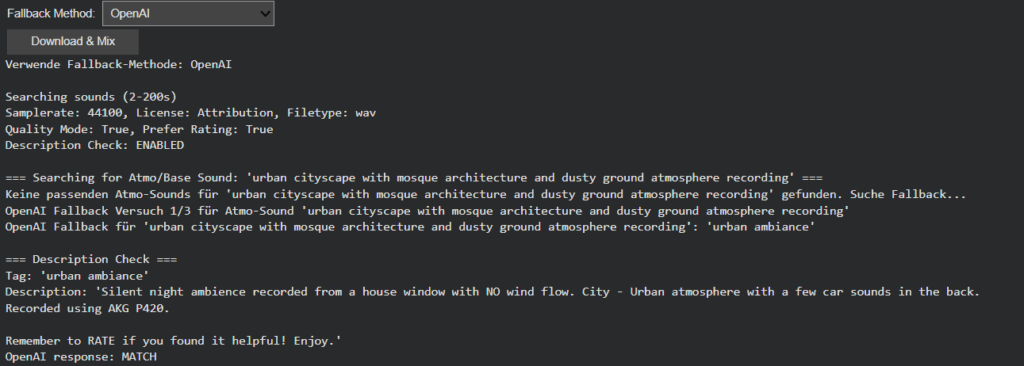
The newly implemented description verification system addresses this through OpenAI-powered semantic analysis. Each retrieved sound’s description is now evaluated against the original visual tag to determine if it represents the actual object or just references it contextually. This ensures that when Image Extender layers “car” sounds into a mix, they’re authentic engine recordings rather than musical tributes.

Intelligent Filter Architecture: Balancing Precision and Flexibility

Recognizing that overly restrictive filtering could eliminate viable sounds, we redesigned the filtering system with adaptive “any” options across all parameters. The Bit-Depth filter got removed because it resulted in search errors which is also mentioned in the documentation of the freesound.org api.

Scene-Aware Audio Composition: Atmo Sounds as Acoustic Foundation

A significant architectural improvement involves intelligent base track selection. The system now distinguishes between foreground objects and background atmosphere:

  • Scene & Location Analysis: Object detection extracts environmental context (e.g., “forest atmo,” “urban street,” “beach waves”)
  • Atmo-First Composition: Background sounds are prioritized as the foundational layer
  • Stereo Preservation: Atmo/ambience sounds retain their stereo imaging for immersive soundscapes
  • Object Layering: Foreground sounds are positioned spatially based on visual detection coordinates

This creates mixes where environmental sounds form a coherent base while individual objects occupy their proper spatial positions, resulting in professionally layered audio compositions.

Dual-Mode Object Detection with Scene Understanding

OpenAI GPT-4.1 Vision: Provides comprehensive scene analysis including:

  • Object identification with spatial positioning
  • Environmental context extraction
  • Mood and atmosphere assessment
  • Structured semantic output for precise sound matching

MediaPipe EfficientDet: Offers lightweight, real-time object detection:

  • Fast local processing without API dependencies
  • Basic object recognition with positional data
  • Fallback when cloud services are unavailable

Wildcard-Enhanced Semantic Search: Beyond Exact Matching

Multi-Stage Fallback with Verification Limits

The fallback system evolved into a sophisticated multi-stage process:

  1. Atmo Sound Prioritization: Scene_and_location tags are searched first as base layer
  2. Object Search: query with user-configured filters
  3. Description Verification: AI-powered semantic validation of each result
  4. Quality Tiering: Progressive relaxation of rating and download thresholds
  5. Pagination Support: Multiple result pages when initial matches fail verification
  6. Controlled Fallback: Limited OpenAI tag regeneration with automatic timeout

This structured approach prevents infinite loops while maximizing the chances of finding appropriate sounds. The system now intelligently gives up after reasonable attempts, preventing computational waste while maintaining output quality.

Toward Contextually Intelligent Audio Generation

This week’s enhancements represent a significant leap from simple sound retrieval to contextually intelligent audio selection. The combination of semantic verification, adaptive filtering and scene-aware composition creates a system that doesn’t just find sounds, it finds the right sounds and arranges them intelligently.

Impulse #3 Daniel Bauer

My third Impulse is about our meeting with Daniel Bauer, which turned out to be much more insightful than I expected. From the moment we started talking, it was clear that he had a very good sense of what makes a story emotionally engaging and how certain narrative decisions can shape the way an audience connects to a film. One of the first things he recommended was reaching out to Yue-Shin Lin, especially in relation to our topic of discrimination. He felt that her expertise could add depth to our project and help us approach the subject with more nuance. I immediately understood what he meant, because the topic is sensitive and it requires perspectives from people who are professionally and personally involved in that field.

After that, Daniel talked a lot about what makes characters and stories relatable. He explained that relatability is not just a stylistic choice, but something that is strongly connected to psychological principles. He mentioned empathy, cognitive fluency, social comparison processes, context shifts and narrative transportation. At first, these terms sounded quite academic, but the way he explained them made them very accessible. Empathy, for example, is about whether we emotionally understand or feel with a character. Cognitive fluency basically describes how easy or difficult it is for viewers to process what they see. Social comparison happens automatically, because people tend to compare themselves to characters on screen. Context shifts can open up fresh ways of looking at familiar topics, and narrative transportation is what happens when a story pulls us in so deeply that we forget the world around us.

What I found interesting was how naturally Daniel linked these ideas to filmmaking. He made it clear that these psychological processes are not abstract theories but actually influence how people respond to films. He used the example of the film Adolescence, which he said resonated strongly with him. Hearing him talk about it helped me understand how important emotional honesty and clarity are. A film does not need to be overly complicated or full of dramatic twists to work. It needs to create a feeling that stays with the audience, something they can relate to or recognise in themselves.

For me, one of the biggest takeaways from the meeting was the idea of really knowing the target audience. Daniel said that if you want your film to have an impact, you need to know who you are speaking to and what kind of emotional experience you want to create for them. This means thinking beyond the story itself and considering how every decision supports the atmosphere, the tone and the overall message. It also means being intentional about how the viewer should feel at certain moments and how the film guides them through that emotional journey.

Overall, the meeting reminded me that filmmaking is not only about visuals or structure. It is also about psychology, emotion and understanding how people experience stories. Daniel helped me see that these aspects are not separate from the creative process but a fundamental part of it. I left the conversation with a much clearer idea of what matters in our project and how we can shape the film so that it truly resonates with the people who watch it.

Impulse #2 Framework

After Watching a lot of Wandering DP Episodes (https://www.youtube.com/@wanderingdp) I took my notebook and wrote down the basics, that he talks about all the time.

He calls it the Framework and he presents it as a practical system that guides the entire process of lighting and visual design. Patrick, also known as The Wandering DP, uses these six core elements to approach every scene in a clear and efficient way. The Framework gives filmmakers a structured method, especially when time, equipment or the location itself impose limitations.

1. Upstage Lighting and the Pareto Principle
The first component of the Framework is Upstage Lighting. This means placing the main light on the far side of the subject in relation to the camera. Upstage lighting shapes the face naturally and introduces pleasing shadows that help define the subject within the space. Patrick connects this idea to the Pareto Principle because he believes that this method provides most of the visual quality with very little effort. It is fast to set up, reliable in almost any situation and instantly produces a cinematic look. In demanding situations where decisions must be made quickly, this approach becomes extremely valuable.

2. Point of Control
The second element is the Point of Control. This idea is about recognising which elements in a location can be controlled and which cannot. Every room has fixed conditions such as window placement, wall color or natural light direction. Patrick suggests starting by identifying the element that is least controllable. Once this is understood, all other choices can be made around it. This mindset stops filmmakers from fighting the location and instead encourages them to work with what is available. It creates clarity and helps build a stable lighting plan.

3. The Lighting Triad
The Lighting Triad forms the third part of the Framework. It consists of the key light, negative fill, edge light and ambient. The key light defines the emotional direction of the scene. Negative fill is used to remove unwanted spill and strengthen contrast. The edge light separates the subject from the background and reinforces depth. Ambient light provides the base atmosphere without competing with the more intentional lights. When these four components work together, the scene gains structure, dimension and balance. Patrick views the triad as the core toolkit for almost any lighting situation.

4. Room Tone
The fourth component is Room Tone. This is the gentle lifting of shadows in a controlled and natural way. Room tone does not mean simply flooding the space with uncontrolled ambient light. Instead, it is a subtle adjustment that makes the environment feel realistic and prevents overly harsh contrast. By shaping the shadows carefully, the cinematographer can guide attention and maintain visual harmony.

5. The L of the Room
The fifth concept is the L of the Room. Patrick encourages shooting in a way that shows two walls of the space whenever possible. Displaying the corner or depth of a room helps the viewer understand its shape and dimensionality. It adds realism and makes the visual world feel lived in and grounded.

6. Salt and Pepper
The final element is Salt and Pepper. This refers to adding small variations of light and shadow throughout the frame. These details keep the image interesting and dynamic. They act like a visual rhythm that guides the viewer’s eye and prevents the frame from feeling flat.

Together, these six components form Patrick’s Framework, a structured, efficient and creative approach to lighting that supports both the technical craft and the emotional experience of a film.

Impulse #1 Movie Afternoon

My first Impulse Post is about an afternoon I spent with Magda and Noah watching a series of short films. We had planned the session mainly to see different approaches to campaign films and socially critical storytelling, but it turned into something much more interesting. We ended up not just watching films but really discussing what makes certain stories stay with us and why others, even when technically impressive, do not leave the same emotional mark.

We went through a mixture of campaign videos, social awareness films and artistic shorts. The overall production quality was high in almost all of them. You could tell that the filmmakers cared about their topics and that a lot of work went into cinematography, editing and sound. Yet despite this level of craft, only a few of the films truly resonated with me. This surprised me because I assumed that technical excellence alone would strongly influence my reaction. Instead, I noticed that films with flawless visuals sometimes felt distant or overly polished, while simpler ones with emotional clarity had a much stronger impact.

After every film we paused to talk about what worked well and what did not. These discussions were surprisingly honest and open. All three of us had different backgrounds and preferences, and that made the conversation more interesting. Sometimes one of us connected deeply with a film that the others found unremarkable, and other times we all reacted in exactly the same way. Through these reactions we slowly started to identify patterns.

By the end of the afternoon we realised that a few specific criteria were consistently important for us. One of them was the number of protagonists. Films felt stronger when they focused on one or two characters rather than trying to spread attention across many. This made the emotional connection more direct, because the film had the time and space to explore a character’s inner world. Another important factor was the intelligence of the story. We liked narratives that had a twist or a surprising detail but still remained grounded in reality. When a film tried too hard to be clever, it often lost emotional authenticity. When it was too straightforward, it sometimes felt predictable.

What worked best for us were the films that took a real-life issue or problem and presented it through a relatable and emotionally engaging story. This combination made the message feel more grounded and impactful. Instead of feeling like we were being lectured, we experienced the issue through a human perspective. It became less about the abstract concept and more about what that concept means in someone’s life. Films like Break the Cycle of Disadvantage or The Robbery showed exactly how powerful this approach can be. Both managed to take a social topic and embed it into a story that felt honest, personal and human.

In the end, the afternoon taught me something important about filmmaking. A film does not need to be complicated or visually overwhelming to make a point. What it needs is emotional clarity and a connection to experiences people can understand. When a story is built around real human moments, even a short film can feel meaningful and stay with the audience long after it ends.

My favorite films where:

Impulse #3 Harry Potter Exhibition London

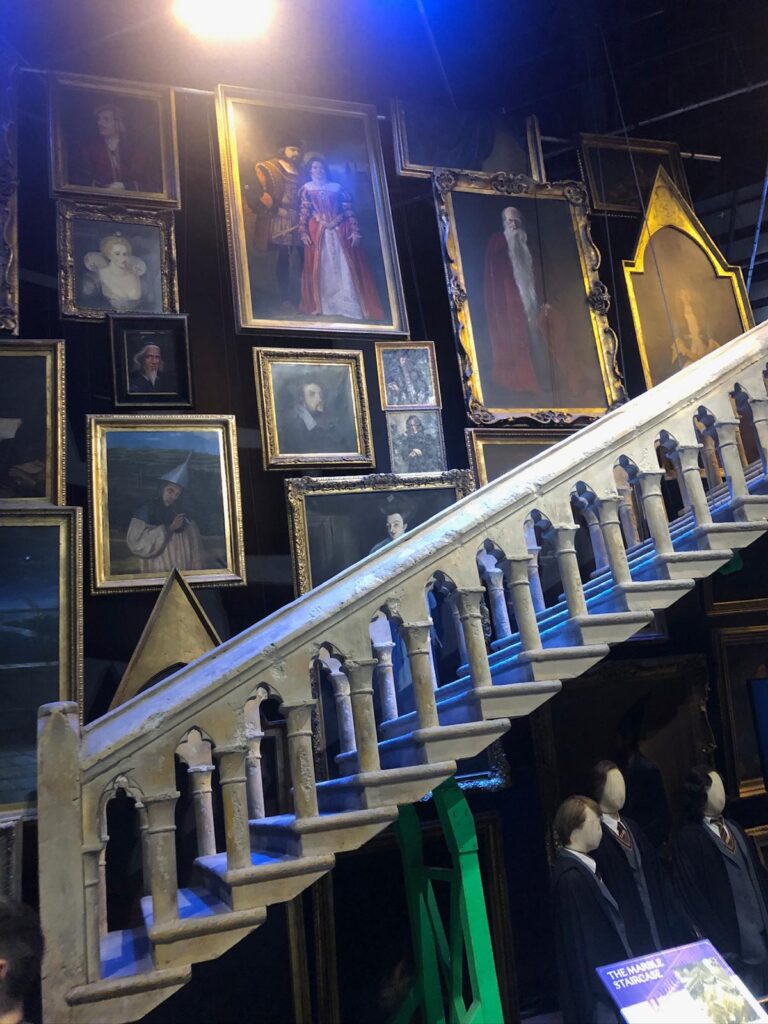
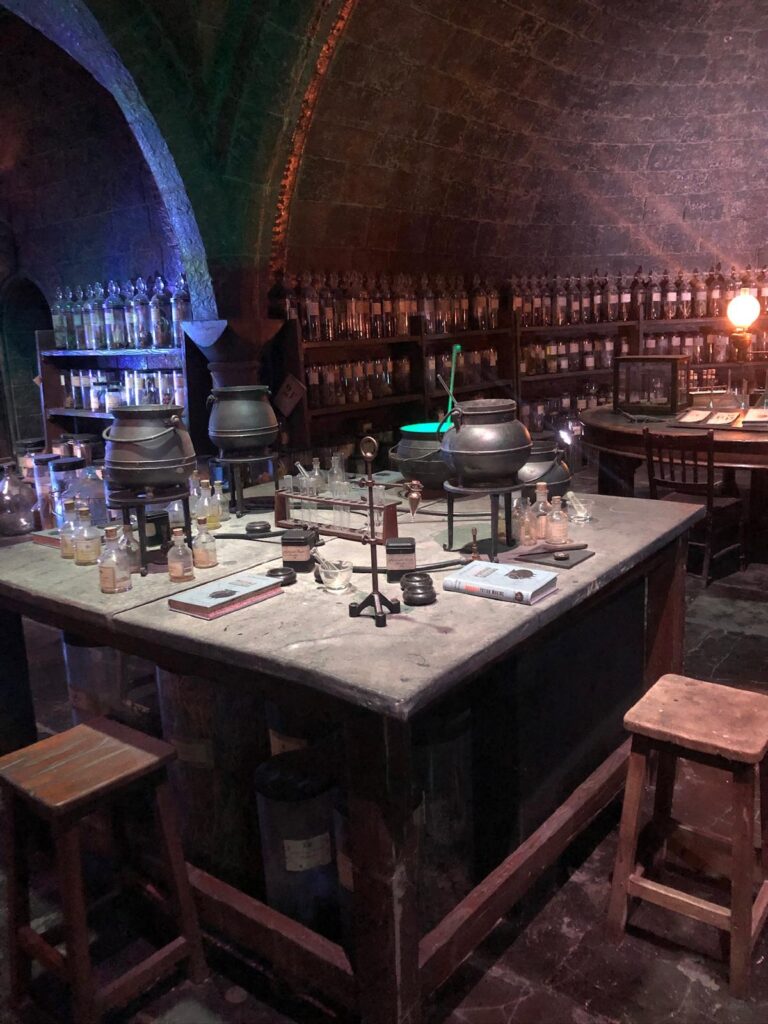
While I wrote the Blogpost to the Spiderwick Books I got the idea to wrote about an other fantasy world. This Year in May I visited togehter with my sister the Warner Brothers Studio Tour in London. It’s an immersive, behind-the-scenes experience that lets you step inside the real sets, props, and artwork used to bring the Harry Potter films to life. Of course I’d love to see all the bog sets, costumes and requesites but there where also a lot of concept art and illustrations which is really intresting. That’s really interesting, and I want to record my memories in this blog article and gather further inspiration on this and, of course, share it.

A Deeper Dive at the Concept Art – My Take Away from the Tour

One of the most impressive parts of the Harry Potter Studio Tour is the huge amount of concept art and illustration work that was created for the films. Many visitors come for the big sets, but the real magic starts much earlier with the artists who imagined the world long before a single scene was filmed.

TAt the Harry Potter Studio Tour, you quickly realize that the art is not just decoration, it’s part of the story itself. The concept art, illustrations, and sketches helped the filmmakers decide how the story would look, feel, and even work emotionally.

Before a single scene was filmed, artists drew Hogwarts, Hogsmeade, the Burrow, and the Forbidden Forest. These drawings weren’t just ideas on paper they defined the tone of the story.

  • A dark, twisted sketch of the Forbidden Forest tells you it’s dangerous.
  • A cozy, warm illustration of the Burrow tells you it’s a safe, loving home.

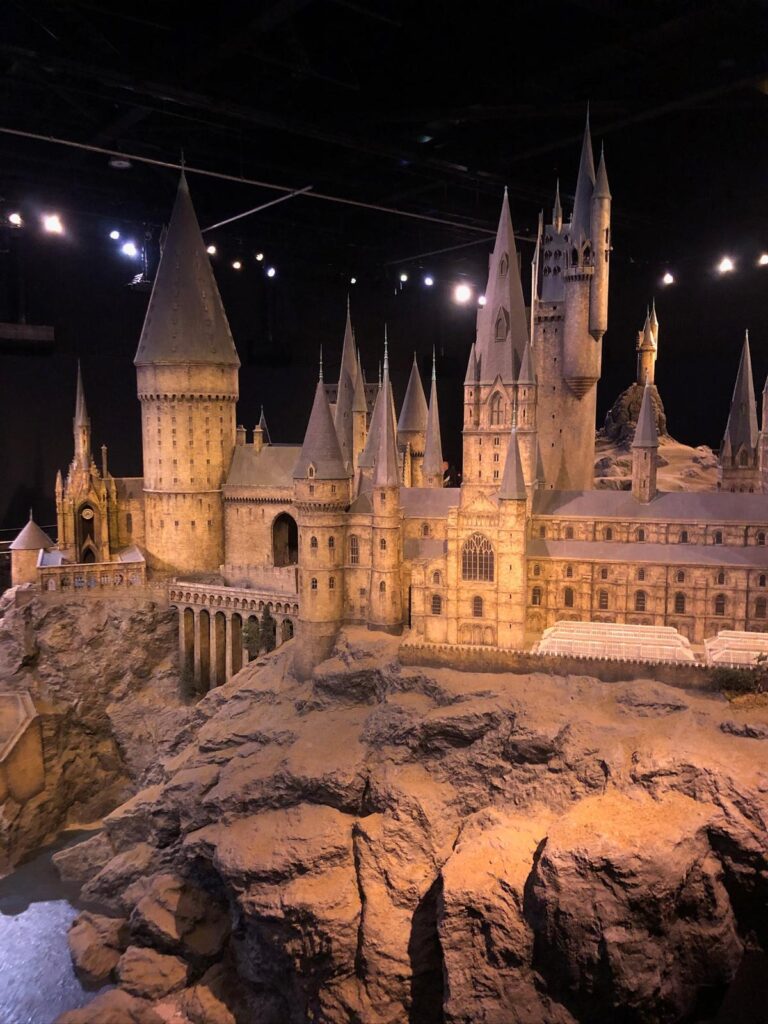
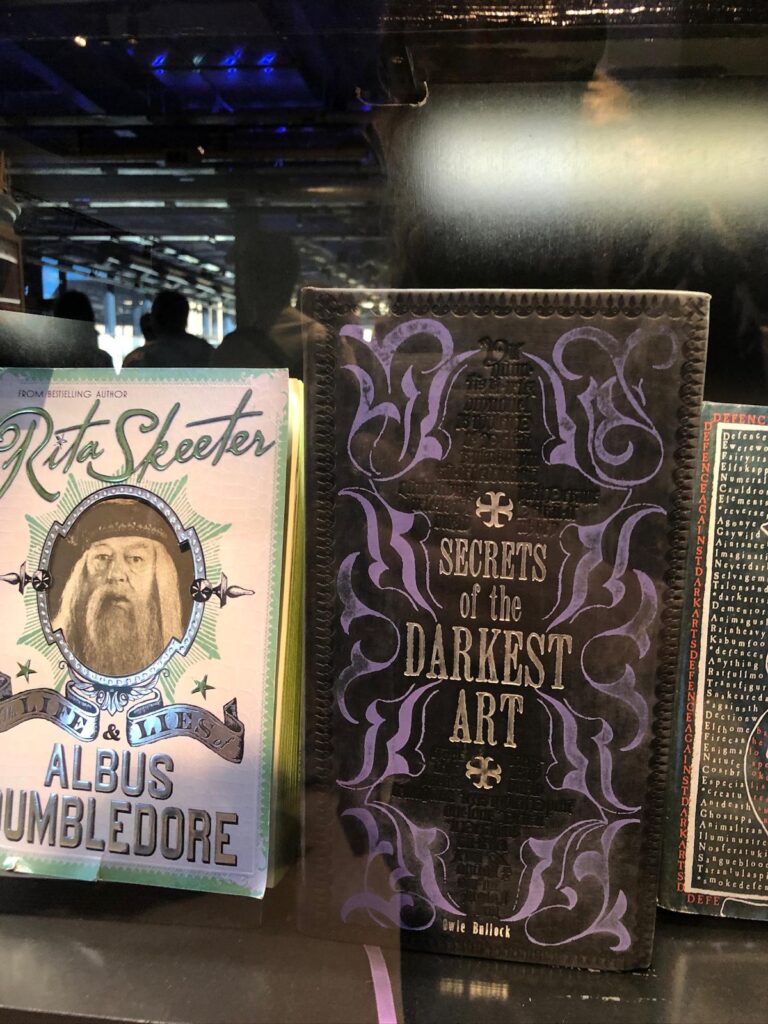
By looking at the illustrations first, the filmmakers could see the story visually. It helped them decide where characters should go, how scenes should be lit, and what emotions each space should create. Concept Art is very often used to created and finally build architekture, rooms or sets. One really cool set is the tiny hogwarts castle at the end of the exhibition. Depend on when you are visiting the exhibition, there could be snow around it. What stuck in my mind is that this iconic Hogwarts castle model (1:24) was built by a team of 86 artists and crew and was used for wide exterior shots in many of the films. There were many bright windows, and I checked how many of them were installed. 2500. And thats a lot of tiny glass.

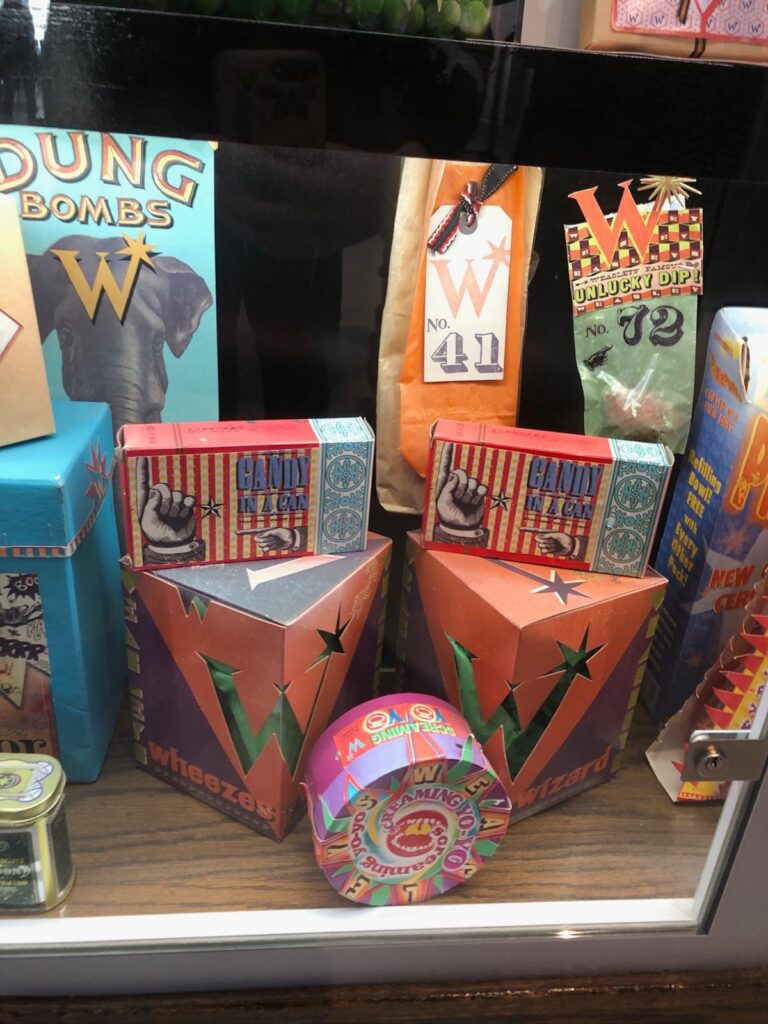
One design duo also stuck in my mind because I found their art very impressive. MinaLima designed an incredible number of props: from potion books to newspapers such as the Daily Prophet to candy wrappers. Over 40 different editions of the Daily Prophet were created, and to make it look old, it was dipped in coffee after printing. It’s nice to see that graphic designers also have a place in such a great film project (so maybe there’s still hope). If you intrested in such Art, looked at their work it’s so inspiring and fascinating.

Creature design tells personality and story

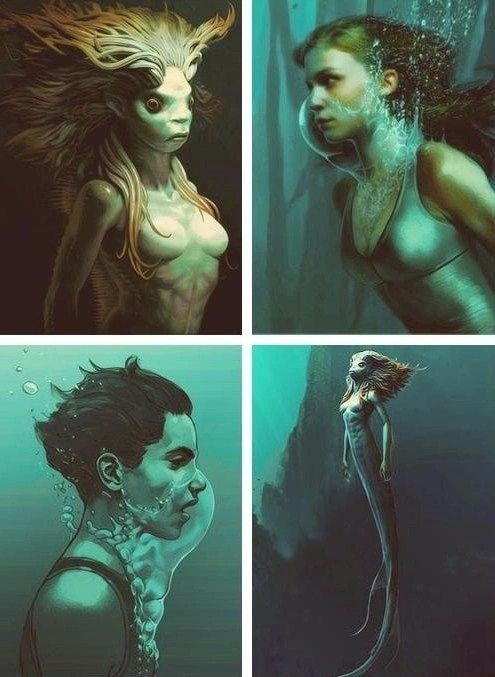
Concept art was especially important for magical creatures. Every sketch helped the filmmakers understand how a character behaves, thinks, and feels.

For example:

  • Dobby’s sketches show him scared, happy, or mischievous. Seeing these expressions on paper first helped the filmmakers bring him to life in a way that felt real.
  • Buckbeak’s designs explored strength, grace, and fear. Choosing the right look made the story believable the audience immediately understands who the creature is without explanation.

Illustrations like these are a storytelling tool. They guide how the audience experiences characters and the world.

Art helps tell emotion and atmosphere

Every painting, drawing, and sketch in the tour contributes to the story’s mood and atmosphere.

  • Shadows, colors, shapes, and textures show fear, joy, mystery, or wonder.
  • The smallest details, like a crooked sign in Diagon Alley or a book cover in the library, make the world feel real and lived-in.

This is why illustration isn’t just “pretty art” it’s essential storytelling. The world on paper tells the audience where the story lives and how it should feel, before a single line of dialogue or special effect exists.

Illustration bridges imagination and reality

The Harry Potter films started as books, which rely on imagination. Concept art translates those imaginative ideas into something tangible. It’s the bridge between the author’s words and the visual world on screen.

Without this art, Hogwarts might look different every time, creatures could feel inconsistent, and the story might lose its emotional clarity. The illustrations give the filmmakers a shared visual language that everyone on set can understand.

Conclusion

Illustration and concept art are the backbone of visual storytelling at the Harry Potter Studio Tour. They don’t just show what things look like they shape the story, define the characters, and set the emotional tone. For anyone interested in storytelling, art, or design, seeing these sketches and paintings is inspiring because it shows how much power art has in bringing a story to life. And, of course, it’s worth it for all the wizards among you to take a day trip there and experience the feeling of living history for a day.

Impulse #2 Spiderwick

One of my favorite book series in my childhood was the Spiderwick Chronicals. Its written by Holly Black and illustrated by one of my role model illustrators Tony DiTerlizzi. Ever since I read the books as a child, I have been fascinated by his art style and the way he draws, which seems so easy and joyful at the same time. I think his art in this book was one of the reasons why I started drawing as a child and why I still love to lose myself in imaginary worlds today. I recently reread the books and remembered how much I enjoyed them, especially the illustrative narrative style.

How the Illustrations Made the Spiderwick Books so Special

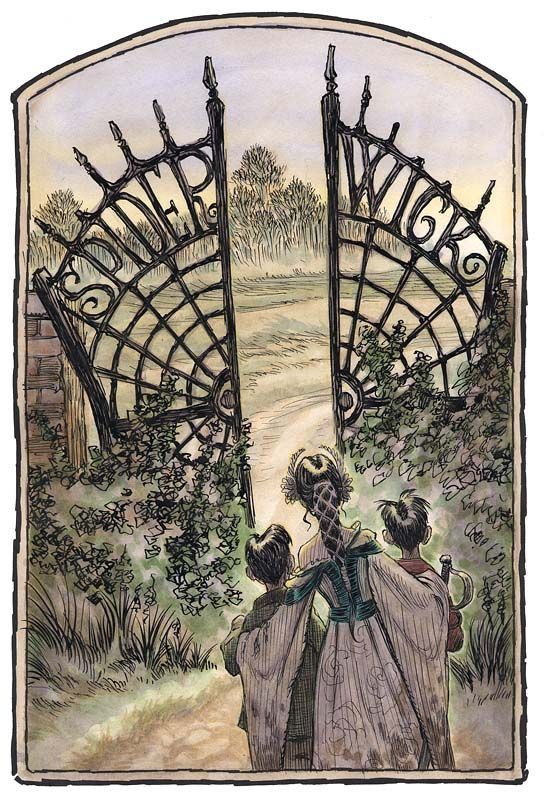
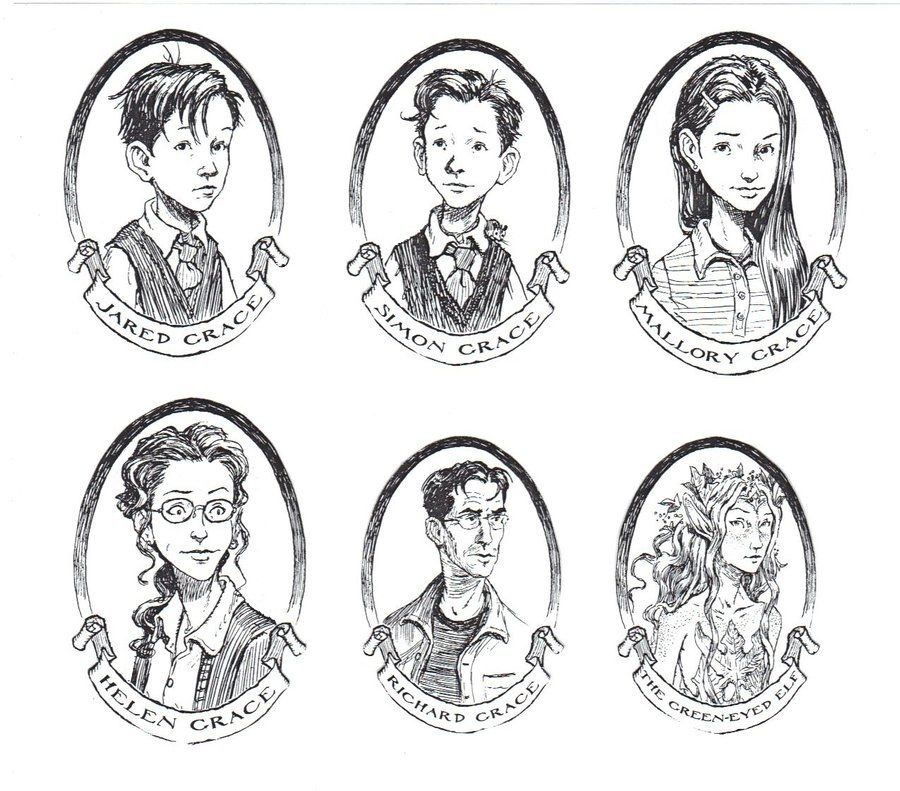
The Spiderwick series is one of those children’s book series you don’t forget easily. This is not only because of the exciting story about Jared, Simon, and Mallory Grace, but also because of the illustrations that make every book feel like a little adventure. The drawings by Tony DiTerlizzi are a big reason why the series became so successful.

Why the illustrations are so important

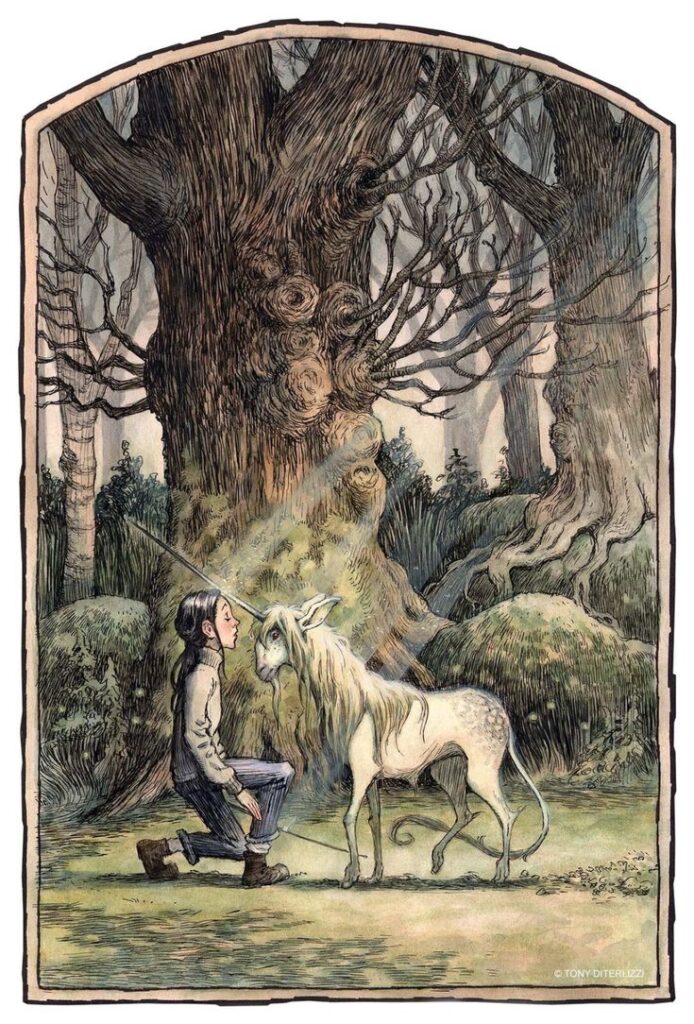
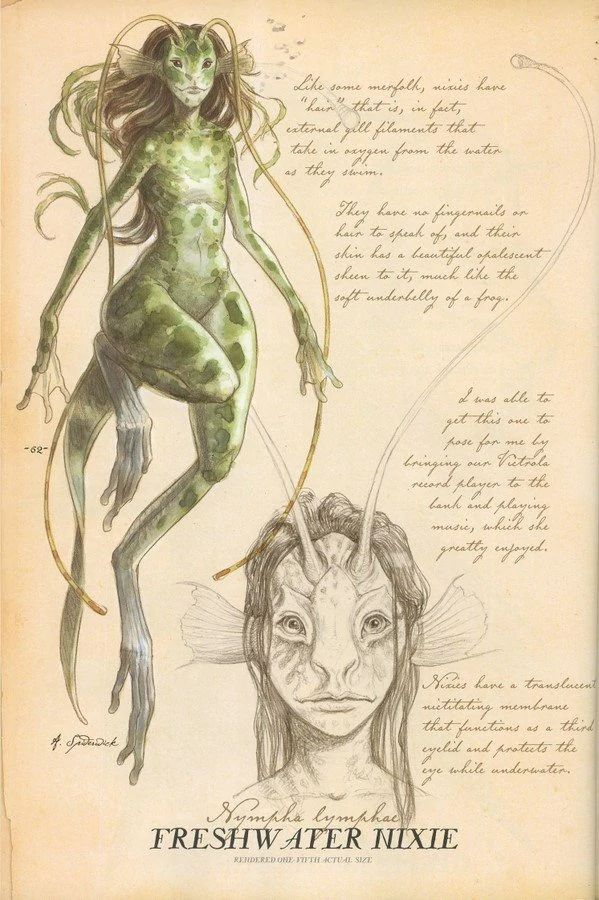
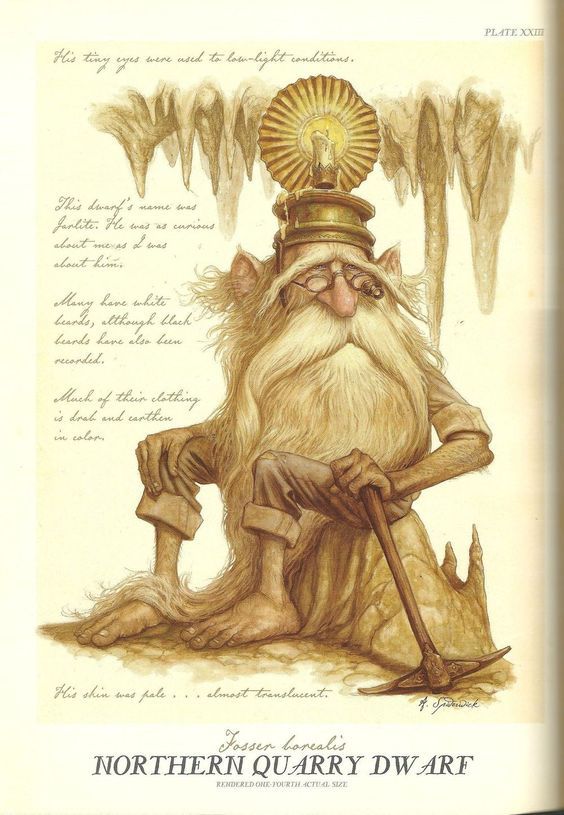
Many children’s books have a few small pictures here and there. Spiderwick is different: the illustrations are an important part of the story. They show the magical creatures the children discover and make the world feel more real.

DiTerlizzi’s style looks a bit like old scientific sketches: detailed, careful, sometimes beautiful, sometimes a bit spooky. Because of this, it feels almost as if these creatures were actually studied and recorded somewhere

Was this a new Way of Narrative Book at this Time

Of course, illustrated books have always existed. But for older children and young teens, it was unusual to have so many pictures in a novel especially pictures of such high quality.

Spiderwick sat right in the middle:

  • more illustrations than normal novels,
  • but more serious and atmospheric than a typical picture book.

This mix felt fresh and new at the time. Another illustrated book from my childhood I can remember pretty well was Alice in Wonderland. (Maybe I should study this book at some point as well, cause there are a lot of differnt versions of it. ) But this novel was not especially for children. It was more a new way to present the classic books.

Why Spiderwick became so successful

There are several reasons I found why the series was so popular that they even made a film out of it:

1. The pictures made the story feel real

The drawings looked like they came from a real field guide about fairies and goblins. Many children loved this “found notebook” feeling.

2. The books were quick and fun to read

Each book was short, fast-paced, and exciting. The illustrations helped set the mood right away.

3. The style was perfect for the age group

Many children don’t want “kids’ books” anymore, but big text-only books can feel too difficult. Spiderwick was exactly in between.

4. The magical world felt unique

Holly Black’s ideas and Tony DiTerlizzi’s artwork fit perfectly together. The fairy world felt new, interesting, and beautifully designed.

Tony DiTerlizzi – the artist behind the magic

Tony DiTerlizzi was already known as a fantasy illustrator before Spiderwick. He loves old fairy drawings and classic natural studies, and you can see that in his art. For Spiderwick, he didn’t draw “cute” creatures. Instead, he created beings that look like they could really be hiding in the woods or the garden. This mix of fantasy and realism attracted many readers.

My Take Away

Without the illustrations, Spiderwick would not be the same. The drawings give the series its special character and played a big part in its success. They make the world feel real and alive, and they helped the books stand out from many others.

Books like Spiderwick are also the reason why I enjoy illustrated books so much. I love it when the artwork has soul and personality, just like in this series. Looking at books like these inspires me for my own creative work. They help me understand what truly works, what feels meaningful, and what makes a story stay in someone’s mind.