MA: #4 Marktrecherche

Memory Boxes, Gedenkseiten, Erinnerungsbücher – der Markt ist nicht leer. In den letzten Jahren sind zahlreiche Produkte und Plattformen entstanden, die versprechen, Erinnerung festzuhalten und Trauer zu begleiten. Viele davon erfüllen eine wichtige Funktion. Sie geben Halt, Struktur und manchmal auch Trost. Und doch zeigen sich bei genauerem Hinsehen Schwächen, die vor allem dann sichtbar werden, wenn Erinnerung nicht als einmaliger Akt, sondern als langfristiger Prozess verstanden wird.

Physische Erinnerungsboxen sind oft der erste Impuls. Sie sammeln Dinge: Fotos, Briefe, kleine Objekte. Alles bekommt einen Platz. Doch genau darin liegt auch ihre Begrenzung. Häufig sind diese Boxen statisch gedacht. Einmal gefüllt, werden sie geschlossen. Die Erinnerung wird archiviert, nicht begleitet. Das Objekt signalisiert Abschluss – auch wenn dieser emotional noch lange nicht erreicht ist.

Digitale Gedenkseiten verfolgen einen anderen Ansatz. Sie sind dynamisch, erweiterbar und jederzeit zugänglich. Fotos können hochgeladen, Texte ergänzt, Erinnerungen geteilt werden. Sie ermöglichen Austausch und Gemeinschaft. Gleichzeitig bleiben sie körperlos. Die Erinnerung findet hinter dem Bildschirm statt, eingebettet in Interfaces, die oft von anderen Inhalten überlagert werden. Trauer teilt sich den Raum mit Alltag, Werbung und Benachrichtigungen.

Was beiden Formen häufig fehlt, ist die Verbindung von Zeit, Körper und Handlung. Erinnerung braucht nicht nur einen Ort, sondern auch eine Geste. Etwas, das bewusst passiert. Ein Öffnen, ein Herausnehmen, ein Innehalten. Etwas, das nicht ständig präsent ist, sondern gezielt aufgesucht wird.

Diese Arbeit versucht, genau diese Lücke zu schließen. Nicht durch ein weiteres Produkt, das Erinnerung fixiert, sondern durch ein Objekt, das sich entwickeln darf. Ein Objekt, das verändert werden kann – mit der Zeit, mit der Trauer, mit den Menschen, die es benutzen. Es ist weder abgeschlossen noch endgültig. Es ist offen.

Statt Erinnerung zu ordnen, soll sie begleitet werden. Statt Inhalte vorzugeben, werden Räume angeboten. Physische Elemente stehen gleichberechtigt neben digitalen Inhalten. Beides darf existieren, ohne sich gegenseitig zu verdrängen. Die Erinnerung bleibt greifbar, ohne starr zu werden.

Ein solches Objekt versteht sich nicht als Lösung, sondern als Angebot. Es zwingt zu nichts. Es wartet. Und genau darin liegt seine Stärke. Denn Trauer ist nicht planbar. Sie kommt in Wellen, verändert ihre Form und verschwindet nie ganz. Ein Erinnerungsobjekt muss das aushalten können.
MA: #3 Gutes Design – Ansätze von Don Norman im Bezug zum praktischen Teil

Trauer zu gestalten ist heikel. Zu schnell wirkt etwas kitschig, zu schnell zu kühl. Design bewegt sich hier auf einem schmalen Grat zwischen Funktion und Emotion. Jede Form, jede Farbe, jedes Material sendet eine Botschaft – und genau darin liegt die Herausforderung. Was für die eine Person tröstlich ist, kann für eine andere distanziert oder sogar verletzend wirken.

In Gesprächen mit Trauerbegleiter:innen und Betroffenen wurde schnell deutlich: Es gibt kein „richtiges“ Trauern. Manche Menschen suchen Nähe, andere Abstand. Manche möchten erinnern, andere vergessen – zumindest zeitweise. Trauer verläuft nicht linear, sie lässt sich nicht planen und schon gar nicht standardisieren. Genau deshalb muss ein Produkt in diesem Kontext offen bleiben. Es darf nichts verlangen. Es darf keine Erwartungen formulieren. Es sollte nicht erklären, wie man sich fühlen sollte.

Gestaltung kann hier nur anbieten, nicht führen. Ein Objekt in der Trauerarbeit muss aushalten, dass es vielleicht lange nicht benutzt wird. Oder dass es plötzlich, nach Jahren, wieder Bedeutung bekommt. Es muss sowohl Anwesenheit als auch Abwesenheit respektieren. Diese Offenheit ist keine Schwäche, sondern eine bewusste Haltung.

Gutes Design in der Trauerarbeit zeichnet sich daher weniger durch starke, expressive Formen aus, sondern durch Zurückhaltung. Materialien, die altern dürfen und Gebrauchsspuren annehmen. Oberflächen, die nicht perfekt bleiben müssen. Farben, die nicht dominieren, sondern begleiten. Eine Gestaltung, die nicht im Mittelpunkt steht, sondern Raum lässt – für Erinnerungen, für Gefühle, für Stille.

Auch Funktionen sollten nicht erklärt werden müssen. Je mehr ein Objekt „bedient“ werden will, desto mehr kann es überfordern. Gerade in emotionalen Ausnahmesituationen ist Einfachheit entscheidend. Eine Handlung sollte intuitiv sein, fast selbstverständlich. Öffnen, schließen, berühren. Keine Anleitung, keine richtige Reihenfolge.

Das Ziel ist dabei nicht, Gefühle zu erzeugen oder Emotionen zu verstärken. Design ist kein Ersatz für Trauer, kein Trostversprechen. Vielmehr geht es darum, Gefühle zuzulassen. Einen Rahmen zu schaffen, in dem Trauer stattfinden darf – ohne bewertet zu werden. Ohne zeitlichen Druck. Ohne Ziel.

Vielleicht ist das die wichtigste Erkenntnis: Dass gutes Design in der Trauer nicht sichtbar sein will. Es drängt sich nicht auf. Es ist da, wenn man es braucht. Und es tritt zurück, wenn man es nicht braucht. Gerade dadurch kann es Halt geben – leise, respektvoll und menschlich.

MA: #2 Erste Gedanken zum Produkt (Praktischer Teil)

Unsere Erinnerungskultur befindet sich im Umbruch. Während früher Fotoalben, Briefe oder persönliche Gegenstände zentrale Träger von Erinnerung waren, verlagert sich heute vieles ins Digitale. Erinnerungen sind überall – aber nirgends wirklich verortet.

Soziale Netzwerke zeigen uns Jahrestage, Geburtstage Verstorbener tauchen weiterhin in Kontaktlisten auf, digitale Gedenkseiten entstehen. Das alles zeigt: Das Bedürfnis zu erinnern ist unverändert stark. Die Formen haben sich verändert.

Gleichzeitig beobachten wir eine zunehmende Entmaterialisierung. Fotos werden kaum noch ausgedruckt, Briefe kaum noch geschrieben. Dinge verlieren ihre physische Präsenz. Und genau hier entsteht eine Lücke: Denn Trauer ist etwas Körperliches. Sie braucht Berührung, Gewicht, Zeit.

Design kann an dieser Stelle vermitteln. Nicht als Lösung für Trauer – das wäre vermessen –, sondern als Werkzeug. Gestaltung kann helfen, Strukturen zu schaffen, Übergänge zu markieren oder Handlungen anzubieten. Rituale sind dabei besonders wichtig: Sie geben Halt, ohne Worte zu brauchen.

In der Recherchephase dieser Arbeit wurde deutlich, dass viele bestehende Angebote entweder sehr emotional aufgeladen oder extrem funktional sind. Entweder Kerzen, Schmuckstücke und Symbolik – oder rein digitale Plattformen. Was oft fehlt, ist die Verbindung aus beidem.

Diese Beobachtung bildet die Grundlage für das weitere Konzept: Ein Erinnerungsobjekt, das sowohl analog als auch digital funktioniert. Etwas, das man anfassen, öffnen, erkunden kann – und das dennoch moderne Medien integriert.

MA: #1 Einleitung (erste Gedanken zusammengefasst)

Was bleibt von einem Menschen, wenn er stirbt?
Diese Frage klingt erst einmal groß, fast philosophisch – und genau deshalb schieben wir sie im Alltag gern beiseite. Doch spätestens dann, wenn wir einen geliebten Menschen verlieren, steht sie plötzlich ganz konkret im Raum. Da sind Gegenstände, Fotos, vielleicht handgeschriebene Notizen oder digitale Spuren auf dem Smartphone. Dinge, die vorher selbstverständlich da waren und nun zu etwas Kostbarem werden.

Der Ausgangspunkt dieses Projekts liegt genau hier: in dem Versuch zu verstehen, wie Erinnerung funktioniert – und wie wir ihr einen Platz geben können. Denn Erinnerungen sind nicht nur immateriell. Sie hängen an Dingen, an Gerüchen, an Oberflächen, an Stimmen. Gleichzeitig leben wir in einer Zeit, in der Erinnerungen zunehmend digital werden: Fotos in der Cloud, Nachrichtenverläufe, Sprachnachrichten. Vieles ist da, aber nichts wirklich greifbar.

Der persönliche Anlass für diese Arbeit ist kein einzelnes Ereignis, sondern eine Beobachtung: Wie unterschiedlich Menschen mit Verlust umgehen – und wie oft sie dabei allein gelassen werden. Trauer ist gesellschaftlich akzeptiert, solange sie leise, kurz und funktional bleibt. Für alles darüber hinaus fehlen oft Räume, Rituale oder Objekte.

Ziel dieser Arbeit ist es daher, ein Produkt zu entwickeln, das Erinnerung nicht konserviert, sondern begleitet. Kein klassisches Erinnerungsstück, das im Regal verstaubt, sondern ein Objekt, das benutzt werden darf – und vielleicht sogar benutzt werden muss. Die zentrale Fragestellung lautet:
Wie kann Design Trauer und Erinnerung unterstützen, ohne sie zu überformen oder zu bewerten?

Dabei geht es nicht um die eine richtige Lösung. Vielmehr geht es um Möglichkeiten. Um einen Entwurf, der offen genug ist, um individuell gefüllt zu werden, und klar genug, um Halt zu geben. Ein Objekt, das nichts erklärt, sondern Raum lässt.

IMPULSE #10 – Final Check‑In with Supervisor Baumann

Before I really dive into my master thesis research, I wanted to meet my supervisor FH‑Prof. Baumann one more time. This was a two‑hour talk where we went through everything: my plan, possible contacts, how to start and also some real‑life stories. It felt like a good send‑off before I move back to Vienna and start the fieldwork.

We first talked about contacts and experts. I told him about the UX Graz Speed Dating the evening before. I spoke with an employee from AVL, the company that builds parts for Audi and has specialists in e‑mobility. Since my girlfriend’s father has an Audi e‑tron, we decided to focus my thesis on Audi. It makes sense – I can test real Audi systems and interfaces. Baumann liked that and said it gives my work a clear focus.

Then he shared a personal story that stuck with me. His neighbours bought an electric car, but they live in an apartment without their own wallbox or garage. So he offered them the extra parking spot at his house. They run a long extension cable from their apartment, through his garden, to the car. He showed me a photo – it looks like a DIY solution, but it works for now. This story shows the infrastructure gap: people want EVs, but the system is not ready yet. You still have to get creative or struggle.

We also discussed different charging types, which I want to explain early in my thesis. There are private options like normal sockets (slow, 2.3 kW) or wallboxes (up to 22 kW AC). Then public chargers: slow AC (Type 2, up to 22 kW), fast DC (CCS2 up to 350 kW), and some older ones like CHAdeMO. Audi uses CCS2, which is standard in Europe for fast charging. Cables look different – home ones are thinner, fast chargers thicker and heavier. I will make a simple table for this.​https://ev-orientrise.com/blogs/blog-1/complete-adapter-guide-for-european-ev-owners-from-ccs-to-chademo
https://evniculus.eu/de-fr/pages/ev-charging-adapters-1

Looking to the future, we talked about Plug & Charge, where you just plug in and the car app handles payment automatically. EU rules (AFIR) will make this standard soon – all new public chargers must support ISO 15118 by 2025, and Plug & Charge by 2027. We also mentioned inductive charging (wireless on the street), but that is still speculative. These visions show where onboarding could go: seamless, no cards, no apps needed.​https://alternative-fuels-observatory.ec.europa.eu/general-information/news/european-commission-publishes-delegated-acts-afir-open-consultation

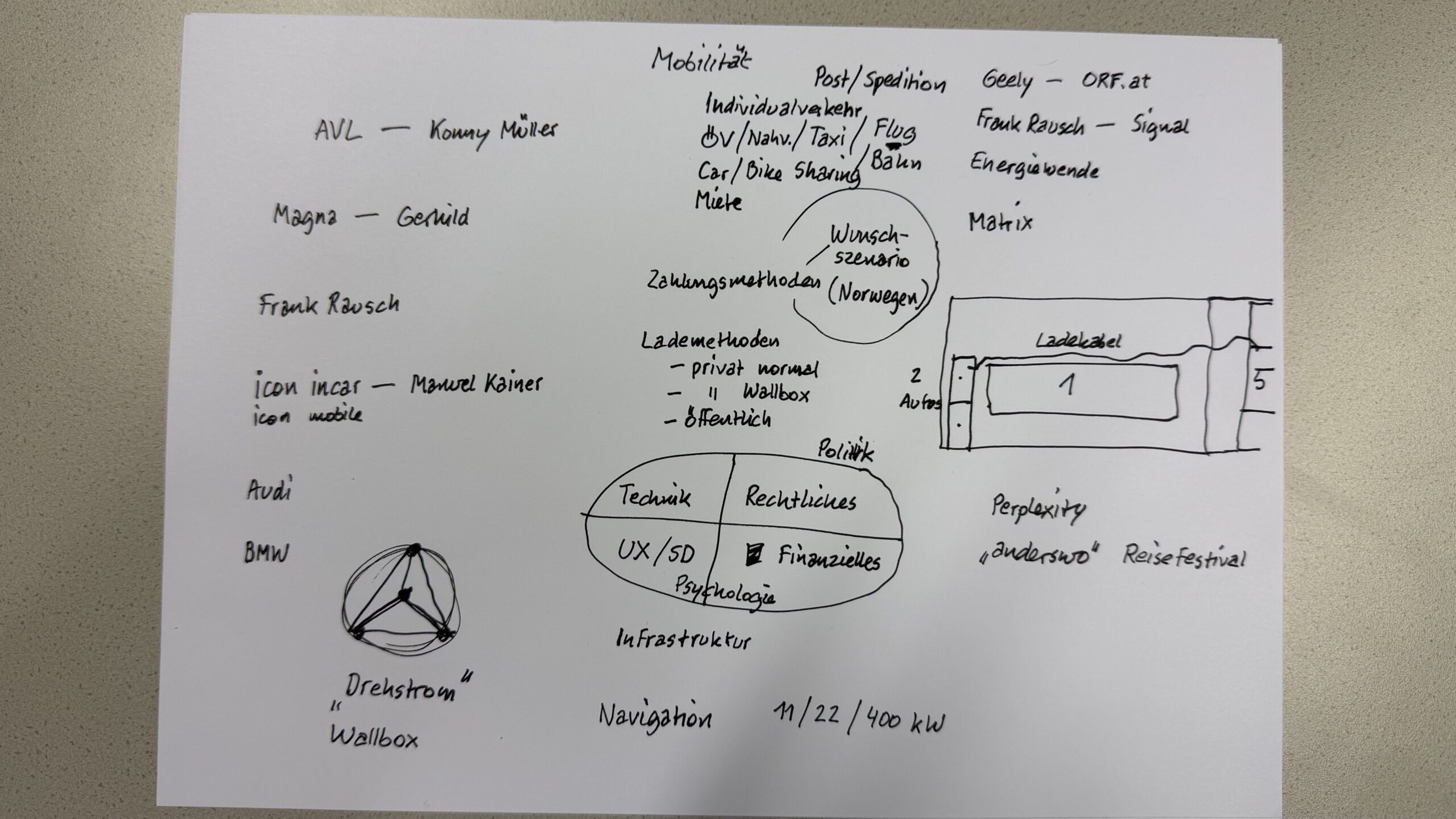
The big discussion was about the whole system. Charging is not just one thing. It depends on technology (connectors, power), legal rules (contracts, roaming), UX and service design (apps, instructions, psychology of trust), money (prices, tariffs), and infrastructure (parking, cables). We drew a quick diagram: all parts connect, and if one fails, the whole experience breaks. This system thinking fits perfectly with my service blueprint plan.

This talk was important because it gave me confidence. We prepared interview questions and who to contact next (AVL, Audi experts). Baumann’s neighbour story reminded me: my research is not abstract – it solves real problems people have today. Now I feel ready to start: first the literature and system analysis, then interviews with first‑time users. The Audi focus makes it concrete. I am excited to see what happens when I test these touchpoints myself.


Disclaimer: This post was written with help from AI for structure and grammar, but all content, stories and reflections are from my own experience and conversation with my supervisor.

IMPULSE #9 – Onfield Observation

For this impulse I decided to just sit, watch and listen. No laptop, no papers. Only me, two public charging stations and forty minutes each.

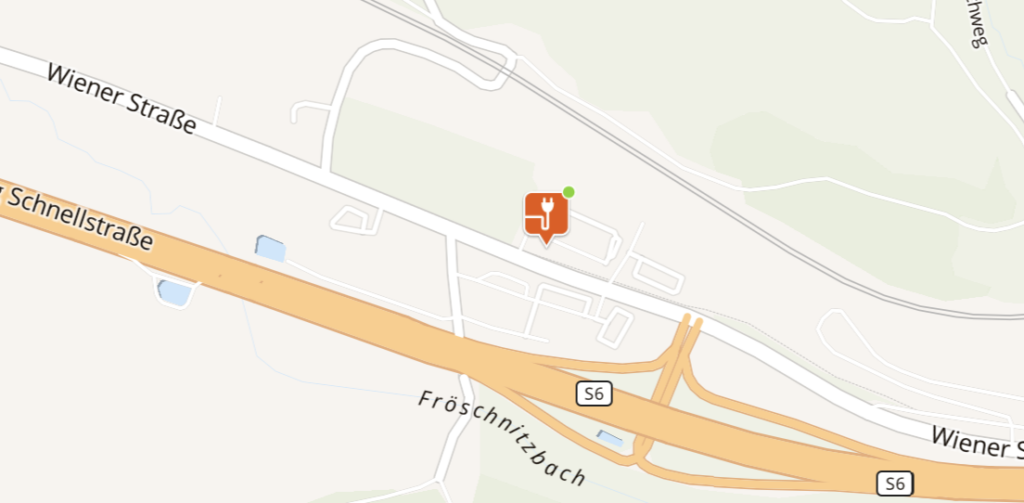
Location 1: Mürzzuschlag MER Charger

The first location was a busy highway charger near Mürzzuschlag, next to a McDonald’s. The provider was MER AT and there were three stations with six plugs in total. When I arrived, it was already quite full. I plugged in my car and then tried to look casual while secretly observing everyone else.

Very quickly I saw one big pattern: people arrived, slowed down, looked around… and then left again, because everything was taken. I saw this several times. At least three cars did a small sad circle and drove away. In that moment I thought: “So many apps show the charger on the map, but not clearly if it is actually free when you arrive.” For a first‑time user this must feel terrible.

While I was staring at all this, I started thinking about reservations. Would it help if you could reserve a charger for, say, 3 p.m.? But then I imagined another car arriving at 2:30 p.m., starting to charge, and then getting cut off at 3 p.m. by a cold software rule. That also sounds like a recipe for anger. So in my notebook I wrote: “Reservation might solve one problem, but create new ones.”

Another thing I noticed: people carry many different charging cards. Some drivers opened their wallets like playing cards and tried one after another on the reader. It looked like a strange card game: “Does this one work? No.Next card. Maybe this one.” It is almost funny, until you remember they are standing in the cold with a low battery.

The classic behaviour at this highway spot was also very clear. Most people plugged in, checked the screen nervously for a few seconds, then walked straight into McDonald’s. I assume many of them used the time to eat. One or two people just went to the toilet and then waited in their car until the charge was finished.

Two scenes really caught my attention. Twice I saw someone drive to a free station, get out, try to plug in, and then something clearly went wrong. One man tapped around on the screen, looked confused, and then even hit the interface lightly with his hand. After that he simply unplugged and drove away. I would have loved to ask him, “What exactly happened?” but he was gone faster than I could move.

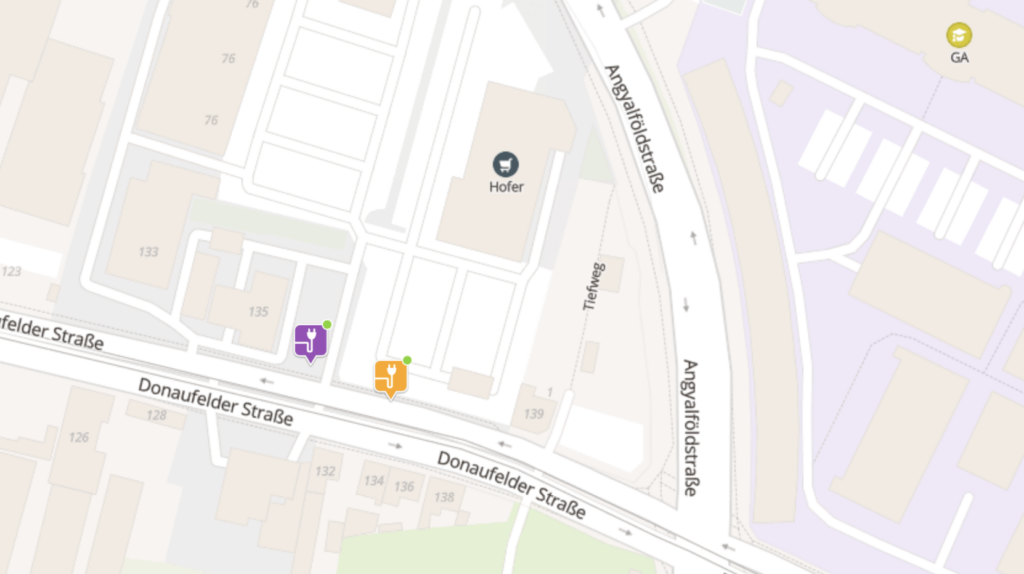
Location 2: Vienna Charger at HOFER

The second observation place was very different. It was a charger on a Hofer parking lot in Vienna. Much less traffic, much less drama. People drove in, connected the cable, checked quickly if it started, and then walked into the Hofer. When they came back with their groceries, they unplugged and left. Everything looked calm and routine.

My feeling is that many of these users already know this charger well. Maybe they shop there every week and charge at the same time. So the station is part of their normal habit, not a big unknown adventure. That might be one reason why there were fewer visible problems.

Comparing both locations was very interesting. The highway charger showed all the typical pain points: queues, no real‑time visibility, card chaos, technical errors and stressed people. The supermarket charger felt more like a quiet background service that just works for the locals. For my master thesis this contrast is important. The same technology can create very different experiences depending on context, frequency of use and user familiarity.

The next logical step for me would be to talk to these people, not only watch them. Interviews could help me understand what they really feel in these moments: stress, boredom, routine, anger, or maybe even satisfaction. But already now, just standing there for forty minutes at each place gave me a rich view into the real life of public EV charging – far away from clean diagrams and perfect user journeys.

Disclaimer: This post was written with help from AI for structure and grammar, but all content, stories and reflections are from my own experience.

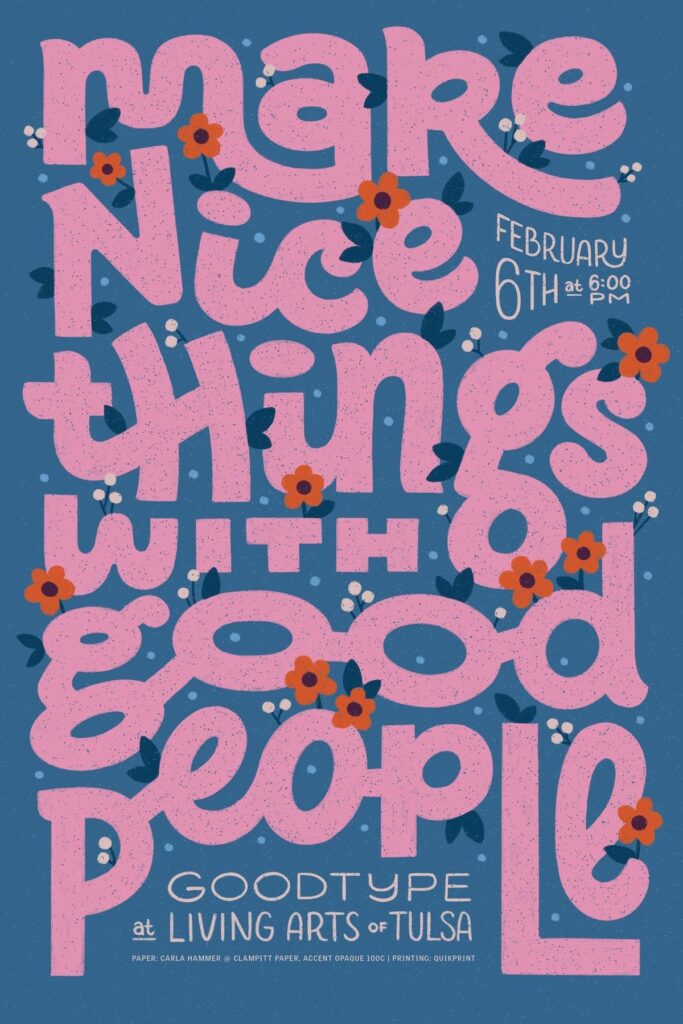
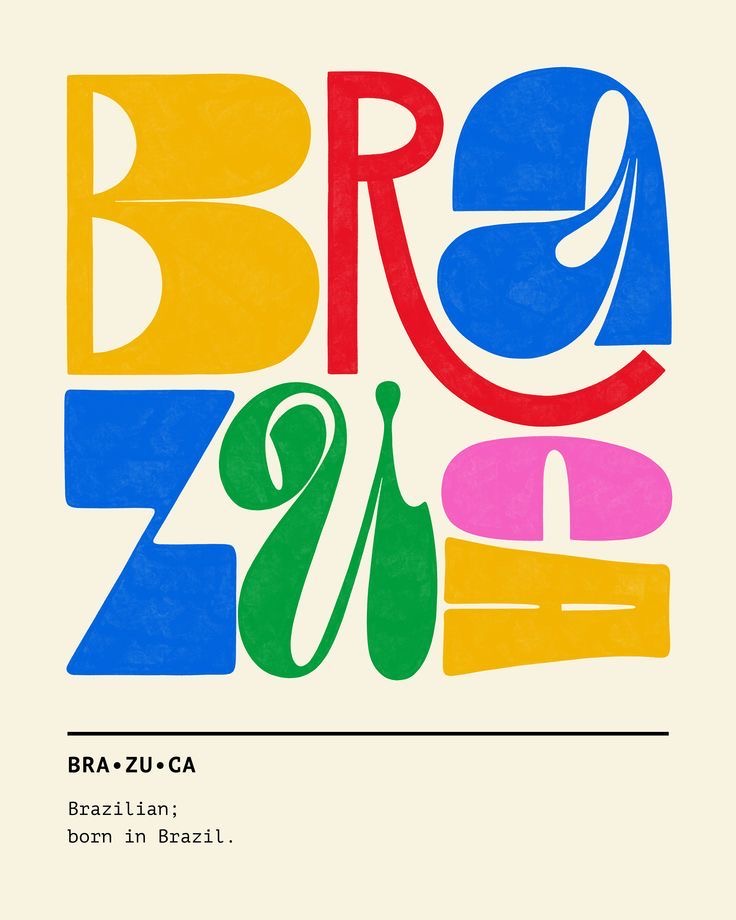
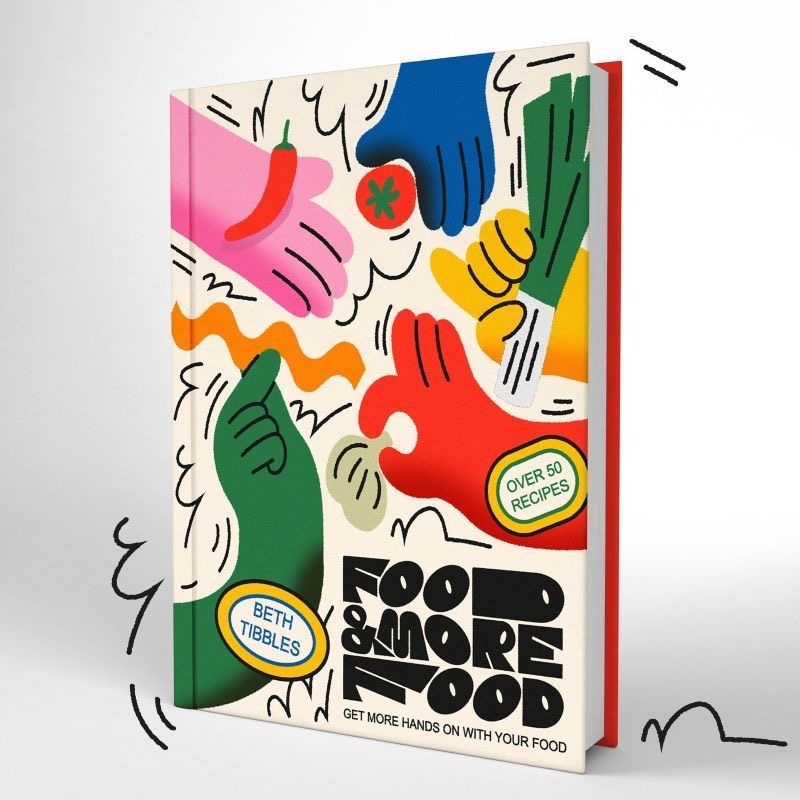
#19 Illustrative Typography

After writing my previous article about illustration and typography, I came across some incredible examples of illustrated typography, and I wanted to dive deeper into the topic. I’ve tried illustrating letters myself a few times, and it can be so much fun, but also a bit frustrating.

Illustrated typography is exactly that mix of challenge and play. It’s where type stops being just text and becomes part of an image, a visual expression, or even a little scene on its own. I wanted to explore why it works, how it’s used today, and how illustrators and designers can experiment with it.

What Is Illustrated Typography?

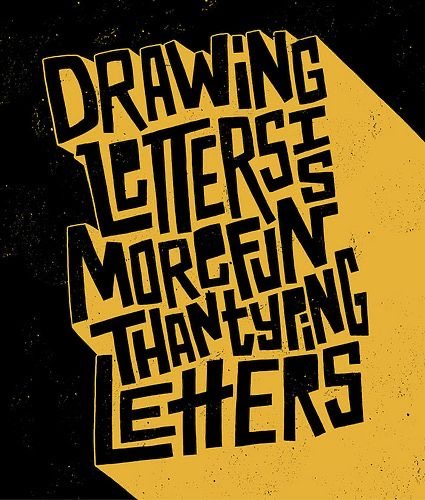
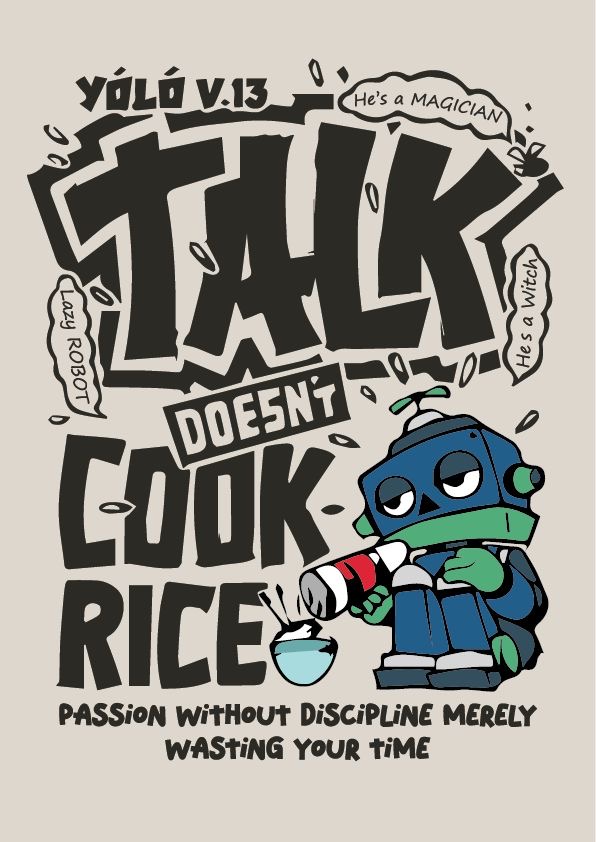
Illustrated typography is any lettering that’s been decorated, drawn, or visually enhanced. It’s not just choosing a cool font, it’s making each letter part of an image. This can be hand-drawn, digitally illustrated, painted, or even animated.

Illustrated typography comes in many forms:

  • Hand-lettering, like carefully drawn quotes or posters.
  • Fonts with illustration elements, where each letter has a small decoration or design.
  • Mixed media, combining watercolor, collage, or 3D textures.
  • Motion typography, where letters move, change, or transform on screen.

In all of these, the key is that the letters themselves are part of the visual story, not just a container for words.

Why It Works

Illustrated typography does something regular text can’t.

  • Gives personality: A font might feel serious or playful, but illustrated letters feel alive
  • Draws attention: On a poster, cover, or social media post, it instantly stands out.
  • Adds emotion: Letters can look happy, dramatic, soft, or chaotic, and it’s all felt before the reader finishes the sentence.
  • Blends text and image: In some designs, letters become part of a bigger illustration, turning a word into a small scene.

Basically, it makes words feel like art, not just information.

Examples and Inspiration

There are tons of places where illustrated typography is used and make sense:

  • Magazines and Editorial
  • Advertising and Posters
  • Social Media (check out @goodtype )
  • Motion Design

Trends and the Future

Illustrated typography is having a bit of a renaissance. People are moving away from purely digital fonts that feel cold and uniform. Hand-made letters, texture, and playful designs are back in style. Social media encourages it too the more visual, the more shareable. And with animation tools, letters can now move, giving illustration and typography a new, lively life online. It’s a trend that works in branding, editorial design, posters, and online content. And it’s fun because it combines two things designers and illustrators love: words and pictures.

Tips for Trying It By Myself

If you want to play with illustrated typography, here are some simple tips I wrote down for myself:

  1. Think about balance: Letters should complement your illustration, not compete with it.
  2. Keep it readable: Even if it’s decorative, people still need to understand the words.
  3. Experiment with texture and color: Small details, shadows, or watercolor effects make letters feel alive.
  4. Start small: Try a quote, a social media post, or a poster (don’t feel like you need a book cover right away.)
  5. Mix hand and digital: Scan sketches and refine them digitally, or add digital textures to hand-lettering.

Final Thoughts

Illustrated typography shows that letters don’t have to be boring. They can tell a story, set a mood, or just make you pause and smile. From my own experience trying it, it can be frustrating at times, but that’s part of the fun and part of why it’s so rewarding. Whether you’re an illustrator, a designer, or someone who loves creative visuals, experimenting with letters as art is a playful way to mix illustration and design. I’m a fan.


Sources

https://www.rmcad.edu/blog/illustrative-typography-merging-text-and-image/

https://bluelavaart.com/art-education/illustrative-typography

https://www.rmcad.edu/blog/typography-meets-illustration-integrating-lettering-into-visual-art/

https://beckyhtaylor.wordpress.com/2012/11/18/illustrative-typography/

https://www.instagram.com/goodtype

Impuls #5 Steal like an Artist

I discovered the book Steal Like an Artist by Austin Kleon through an Illustrator-Influencer on Instagram. Later, I found the audiobook version on YouTube. Because I am very interested in creative thinking and inspiration, I decided to listen to it and found the content very intresting and helpful. In this blogpost, I summarize the main ideas of the book and what creative people can take from it.

Nothing Is Truly Original

One of the main ideas of the book is simple: Nothing is completely original.

Every creative work is influenced by other ideas, images, books, films, or people. Creativity does not mean creating something from nothing. It means taking existing ideas and turning them into something new This thought can be very freeing for creatives. You don’t have to wait for a perfect idea you can start by building on what already exists.

Choose Your Influences Carefully

Austin Kleon explains that creative people are collectors. But it is important to choose good influences. What you read, watch, and listen to shape your work. If you surround yourself with inspiring content, your own ideas will grow stronger.

Copy to Learn, Not to Steal

The book encourages copying as a learning tool. By copying the work of artists you admire, you can understand how they think and work. It is important to learn from many different people, not just one. Your mistakes and personal changes while copying will slowly become your own style.

Start Before You Feel Ready

Many creatives wait until they feel confident or “good enough.” Kleon’s message is clear: start anyway. You discover your style by working, not by waiting. Feeling unsure is part of the creative process.

Use Your Hands

Another key idea is to work away from screens sometimes. Drawing, writing, cutting, or sketching by hand can help ideas flow more naturally. Thinking often comes after doing, not before.

Conclusion: What I Took Away From This Book

Steal Like an Artist made me feel more relaxed about being creative. It shows that feeling unsure, stuck, or not good enough is completely normal especially when you care about what you make and create. If you struggle with self-doubt or perfectionism, this book can really help. It reminds you that you don’t have to be perfect to start. You don’t need a big, original idea right away. You are allowed to learn from others, try things out, and make mistakes along the way. One of the most helpful ideas for me was to stop waiting until I feel “ready.” Creativity doesn’t work like that. You become more confident by doing the work, not by thinking about it forever. Overall, the book encourages a softer, more playful approach to creativity. Just start, stay curious, and trust that even messy, imperfect work is part of the process.

And at the end of this post, a pretty nice quote from T.S.Eliot which summs it up in a poetic way:

Immature poets imitate;
mature poets steal;
bad poets deface what they take,
and good poets make it into something better or at least something different.

The good poet welds his theft into a whole of feeling
which is unique, utterly different from that from which it was torn.

IMPULSE #8 – Im Schatten des Orangenbaums

Der Film erzählt Erinnerungen nicht laut oder dramatisch, sondern fragmentarisch, beinahe beiläufig. Genau das fühlt sich für mich sehr nah an der Realität von Erinnerung an. Erinnerungen tauchen selten vollständig auf. Sie sind oft bruchstückhaft, verbunden mit einzelnen Bildern, Gefühlen oder Situationen. Im Film passiert viel zwischen den Zeilen: Blicke, Stille, unausgesprochene Gedanken. Diese Leerstellen haben für mich besonders gut gezeigt, dass Erinnern nicht immer erklärbar ist – und vielleicht auch nicht sein muss.

Auch der Ort des Erlebens war entscheidend. Das Kino als dunkler, abgeschlossener Raum schafft eine besondere Form von Konzentration und Intimität. Man sitzt still, blickt nach vorne, teilt den Raum mit anderen Menschen – und erlebt doch etwas sehr Persönliches. Diese Kombination aus kollektiver Situation und individueller Wahrnehmung finde ich extrem spannend für meine Arbeit. Erinnerungen entstehen oft genau in diesem Spannungsfeld: Sie gehören uns, sind aber trotzdem eingebettet in soziale und räumliche Kontexte.

Während des Films hatte ich mehrfach das Gefühl, selbst in Erinnerungen einzutauchen – nicht nur in die des Protagonisten, sondern auch in meine eigenen. Bestimmte Szenen haben Gefühle ausgelöst, ohne dass ich sie direkt benennen konnte. Genau darin liegt für mich eine große Stärke: Erinnerung funktioniert nicht rational, sondern emotional und körperlich. Man spürt etwas, bevor man es versteht. Für meine Masterarbeit bestätigt das die Idee, dass Erinnerungsräume nicht erklärend oder informierend sein müssen, sondern vor allem atmosphärisch.

Besonders berührt hat mich die Perspektive des Kindes im Film. Kindliche Erinnerungen wirken oft intensiv, gleichzeitig aber unscharf. Sie sind emotional aufgeladen, ohne logisch strukturiert zu sein. Das erinnert mich daran, dass Erinnerungen keine klaren Archive sind, sondern lebendige Prozesse. Sie verändern sich mit der Zeit, mit Abstand, mit neuen Erfahrungen. Im Film wird diese Veränderlichkeit spürbar – Erinnerungen erscheinen weich, verletzlich und manchmal schmerzhaft, aber nie abgeschlossen.

Im Kontext meiner Masterarbeit nehme ich aus diesem Kinobesuch vor allem eines mit: Erinnerung braucht Raum, Zeit und Offenheit. Sie entsteht dort, wo man nicht alles vorgibt, sondern Platz lässt. Der Film und das Kino haben mir gezeigt, wie wirkungsvoll Zurückhaltung sein kann. Nicht alles muss erklärt werden, nicht jede Erinnerung muss vollständig sein. Gerade das Unvollständige, das Leise und das Persönliche machen Erinnern würdevoll und menschlich.

Der Kinobesuch war damit nicht nur ein kulturelles Event, sondern ein sehr stimmiger Impuls für meine Arbeit – als Beispiel dafür, wie Erinnerungen erlebt, nicht nur dargestellt werden können.

https://kizroyalkino.at/#/movie/6592

IMPULSE #3 – Graz Museum Schlossberg

Interessant war es für mich vor allem wegen der Verbindung von Geschichte, Raum und Barrierefreiheit. Beim Durchgehen habe ich gemerkt, wie wichtig Orte für Erinnerungen sind. Erinnern passiert nicht einfach irgendwo – es braucht Räume, die etwas in uns auslösen, die Gefühle, Bilder oder Gedanken anstoßen. Genau das hat das Museum bei mir gemacht.

Besonders hängen geblieben ist mir das interaktive Stadtpanorama. Ich fand es richtig spannend, wie man Vergangenheit und Gegenwart direkt nebeneinander sehen und vergleichen konnte. Man schaut auf dieselbe Stadt, aber in unterschiedlichen Zeiten – und merkt, wie viel sich verändert hat und wie viel trotzdem geblieben ist. Das hat mich stark daran erinnert, wie Erinnerungen im Kopf funktionieren. Alte Bilder vermischen sich mit neuen Eindrücken, manches ist klar, anderes verschwommen, und dazwischen entstehen Lücken oder neue Bedeutungen. Erinnerung ist nie objektiv oder abgeschlossen. Genau dieses Überlagern und Neuinterpretieren könnte man gestalterisch unglaublich gut nutzen, um Erinnern interaktiv erlebbar zu machen, statt es nur zu erzählen oder auszustellen.

Mega spannend fand ich auch das taktile Panorama und generell die barrierefreie Gestaltung des Museums. Das hat mir nochmal deutlich gemacht, wie wichtig es ist, dass Erinnerungsräume für alle zugänglich sind. Erinnerung darf nichts sein, das nur für bestimmte Menschen funktioniert. Gerade in meinem eigenen Thema spielt Würde eine große Rolle – und ich glaube, eine Erinnerung ist nur dann wirklich würdevoll, wenn jede Person die Möglichkeit hat, sie zu erleben. Egal, wie alt jemand ist, welche körperlichen oder sensorischen Fähigkeiten er oder sie hat oder in welchem emotionalen Zustand man sich befindet. Das Museum zeigt, dass Inklusion nicht kompliziert sein muss, sondern selbstverständlich Teil guter Gestaltung sein kann.

Was mich außerdem sehr inspiriert hat, war der Blick über die Stadt von oben. Man sieht alles auf einmal, sehr klar und strukturiert, aber gleichzeitig fühlt man sich emotional ein bisschen distanziert. Man ist nah dran – und doch nicht wirklich Teil davon. Dieses Gefühl hat mich total an die Art erinnert, wie man manchmal auf Verstorbene zurückschaut. Sie sind einem nahe, man trägt sie in sich, denkt an gemeinsame Orte oder Momente, und trotzdem sind sie weit weg. Diese Mischung aus Nähe und Distanz fand ich unglaublich stark und emotional.

Insgesamt hat mir der Besuch im Schlossbergmuseum gezeigt, wie sensibel Erinnerungsräume sein können – und wie viel Potenzial in ihnen steckt. Durch Raum, Perspektive, Interaktion und Barrierefreiheit wird Erinnerung hier nicht nur vermittelt, sondern erfahrbar gemacht. Nicht laut oder aufdringlich, sondern ruhig, respektvoll und menschlich. Genau das hat mich nachhaltig beeindruckt.

Takeaways für mein Projekt:

  • Erinnerungen können räumlich erzählt werden, nicht nur visuell.
  • Barrierefreiheit = Würde.
  • Mehrschichtige Geschichten sind natürlicher als lineare.

Links:
https://www.grazmuseum.at/schlossberg