Shot on iPhone Music Videos: Comparing iPhone Cameras to Professional Cinema Cameras

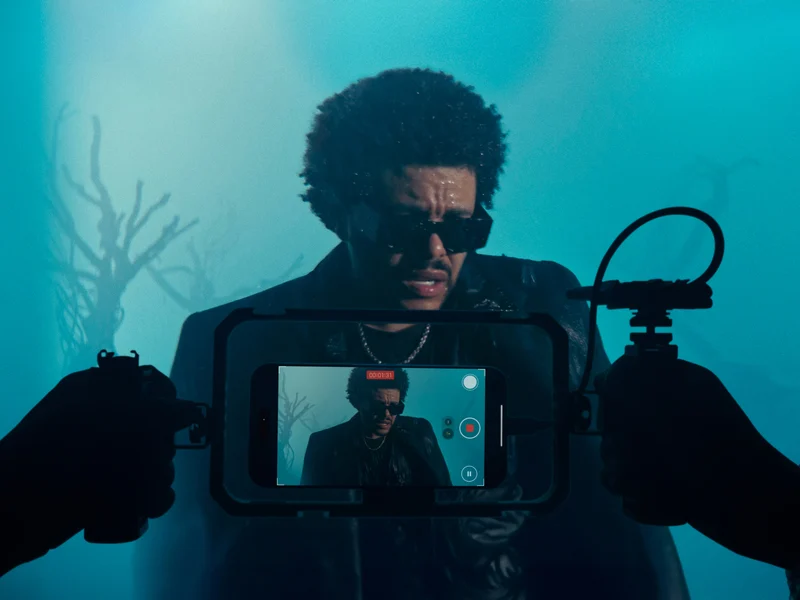
In the past years, Apple’s “Shot on iPhone” campaign has revolutionized the perception of smartphones video capabilities, extending its reach even to music videos. By highlighting projects such as Olivia Rodrigo’s “Get Him Back!” or The Weeknd’s “Dancing in the Flames” the campaign demonstrates that smartphones can produce high-quality, engaging content traditionally associated with professional cinema cameras. However, the question remains. Are iPhones the better choice for modern video production, particularly for platforms like social media, or do cinema cameras still hold their ground?

iPhones excel in creating versatile, mobile, and cost effective solutions for video production. Music videos shot on iPhones showcase their ability to deliver sharp, vibrant visuals using features like HDR and Cinematic Mode. For example, in Olivia Rodrigo’s video, the production team used the iPhone’s portability to create intimate, dynamic shots that align with the raw, authentic aesthetic popular on platforms like TikTok and Instagram.

However, while iPhones changed video creation, they have notable limitations compared to professional cinema cameras. One key distinction lies in the dynamic range. Professional cameras, such as a ARRI Alexa or RED cameras, are designed to capture more details in light and shadow, a crucial feature for cinematic storytelling. iPhones just cannot match the precision and depth that larger sensors offer. Music videos demanding visual aesthetics and complex lighting setups, like those in traditional cinematic productions, often require the capabilities of a cinema camera.

Cameras like the Sony FX3 finds itself in the very middle. As a compact cinema camera, it offers the versatility of a mobile device while still having features such as full frame sensors, manual controls and proper image quality. For content creators focusing on both short form and long form productions, the FX3 provides a balanced solution. Its size and portability make it a practical choice for run and gun shooting, similar to an iPhone, while its advanced features enable better post production workflow. Projects that need to transition seamlessly between social media and professional platforms often benefit from cameras like the FX3.

When deciding between an iPhone, a mirrorless camera, or a traditional cinema camera, the intended platform plays the deciding role. For social media, where immediacy and volume are key, iPhones are often the best fit. They cater to trends that prioritize authenticity and relatability, delivering results that resonate with audiences on platforms like Instagram and TikTok.

In the debate between iPhones and cinema cameras, the best choice depends on the project’s goals, budget, and platform. For quick, cost effective content optimized for social media, iPhones offer the best convenience and quality. For more complex productions requiring professional aesthetics, cinema cameras are the way to go.

Literature Supporting This Analysis

How Social Media Has Changed Video Production: The Rise of Smaller Budgets and Leaner Teams

The rapid evolution of social media has fundamentally transformed video production. What was once dominated by large teams with significant budgets has shifted to a domain where smaller budgets and agile teams thrive. Platforms like TikTok, Instagram, and YouTube have redefined audience expectations, prioritizing authenticity and immediacy over polished perfection. This transformation has changed not only how videos are produced but also who creates them.

Before the rise of social media, video production was largely controlled by traditional media like television and cinema. These productions required substantial resources, including large teams, professional equipment, and extensive post-production processes. Social media disrupted this model by introducing platforms that favor quick, engaging, and relatable content. As user behavior evolved, so too did the demands placed on video creators.

According to Hutchinson (2021), platforms like TikTok and Instagram prioritize videos that feel organic rather than overproduced. Their algorithms are designed to promote content that generates high engagement. As a result, polished videos often take a backseat to raw, authentic footage shot on a smartphone for example.

One of the most significant changes brought by social media is the drastic reduction in production costs. Modern smartphones are equipped with cameras that rival professional equipment, and apps like Capcut make editing accessible to anyone. This accessibility has removed the need for costly software or large-scale post-production facilities. Social media thrives on consistent output, with creators and companies often producing multiple videos weekly or even daily. This level of frequency would be unsustainable with traditional production budgets. Furthermore, platforms enable brands to test and iterate content quickly, allowing them to produce several low-cost options and identify what resonates most effectively with their audience.

Social media has also led to smaller production teams. Previously, video production involved specialized roles such as directors, Dops, and sound designer. Today, one person can manage all these tasks using just a smartphone or an entry camera and basic editing software. This shift has changed video production forever, allowing independent creators and small businesses to compete with large companies. Platforms like Instagram and TikTok reward creativity and storytelling over technical perfection, providing opportunities for individuals and lean teams to shine.

Changing audience expectations have also driven the move toward smaller budgets and teams. Social media audiences value authenticity, wanting content that feels genuine and relatable. For example, brands like Duolingo and Ryanair have embraced this trend by producing humorous, low-budget videos that resonate with younger viewers. Duolingo’s playful TikTok videos, often featuring their owl mascot, consistently achieve high engagement without requiring professional production teams. Similarly, Ryanair’s short, relatable videos use simple humor and quick editing to connect with audiences, a strategy that has earned them a massive following.

The transition to leaner production processes doesn’t come without challenges. The pressure to produce high volumes of content can lead to burnout, particularly for creators managing every aspect of production themselves. Additionally, balancing quality and speed remains a key issue. While audiences favor authenticity, poorly executed videos can harm a brand’s image.

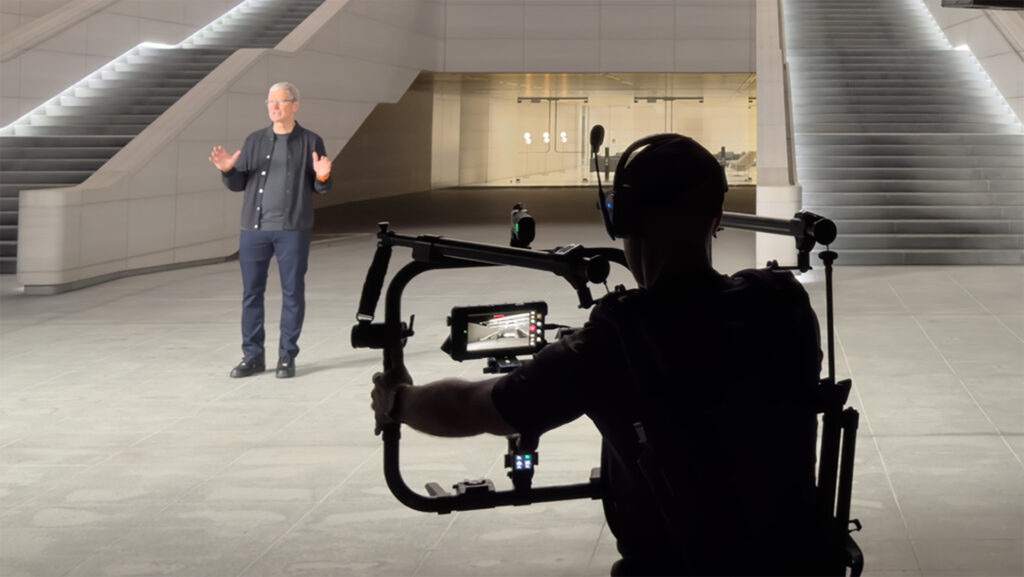
Case studies further show how brands are adapting to this new landscape. Nike, for instance, continues to produce high-budget campaigns for traditional advertising but complements them with authentic, behind-the-scenes content for Instagram. These videos often feature athletes in their natural environments, telling personal stories that resonate on a human level. Similarly, Apple’s “Shot on iPhone” campaign highlights user-generated content, showcasing professional-quality results from everyday devices. The campaign is often seen as a great example of authentic, user-generated content. While it does showcase photos and videos taken with an iPhone, the production process tells a different story. Apple often uses high-end lenses and large professional sets to make the content look as polished as possible.

This shows that Apple is trying to combine an “authentic” look with the high quality people expect from the brand. It’s a clever way to keep the content relatable while still maintaining a premium image. However, it also shows that not all “authentic” content is as simple or natural as it might seem.

Tbh, T. (2024, 18. November). A Case Study on Apple’s “Shot on iPhone” Brand Campaign. The Brand Hopper. https://thebrandhopper.com/2024/01/07/a-case-study-on-apples-shot-on-iphone-brand-campaign/

Rival IQ. (n.d.). Duolingo TikTok marketing strategy. https://www.rivaliq.com/blog/duolingo-tiktok-marketing-strategy/

Social Insider. (n.d.). Ryanair social media strategy. https://www.socialinsider.io/blog/ryanair-social-media-strategy/

Sprout Social. (2022). Unpacking authenticity on social media. https://sproutsocial.com

Vernuccio, M., & Ceccotti, F. (2015). Strategic and organizational challenges in the digital era. Journal of Business Research, 68(1), 89–97. https://doi.org/10.1016/j.jbusres.2014.05.001

Brand Identity Theories

Before diving into the aspects of visual branding, and the world of K-Pop, I decided to first explore the general theories of brand identity.

Brand Identity Theories by Wally Olins and David Airey

Branding and identity theory have seen significant evolution in recent decades, with influential persons like Wally Olins and David Airey shaping present understandings of how brands are built, communicated, and maintained. 

Both Olins and Airey emphasize that brand identity is far more than a logo or a tagline, it is a complex, strategic process that involves visual, verbal, and emotional elements to create lasting connections with consumers. While their approaches differ in certain aspects, both theorists highlight the dynamic and interdisciplinary nature of brand identity.

Wally Olins

Wally Olins, a British branding expert, is widely regarded as a foundational figure in corporate identity and brand management. In his seminal work “Corporate Identity: Making Business Strategy Visible Through Design” (1989), Olins introduced the concept of “corporate identity” as the total expression of an organization’s personality. He argued that brand identity extends beyond design elements like logos and colors; it encompasses an organization’s ethos, values, and business strategy. For Olins, brand identity is a key strategic asset that shapes an organization’s culture, reputation, and success.

Olins identified several core components of brand identity, which he categorized into visual, verbal, and experiential elements. He believed that for a brand to succeed, these components must be carefully integrated and consistently communicated across all touchpoints, from advertising to internal communications. 

Visual Identity: Olins emphasized the importance of design in shaping brand perception. Visual elements such as logos, typography, and color schemes serve as the first point of contact with consumers and are crucial for establishing a strong, immediate connection. 

Verbal Identity: In addition to visual elements, Olins also stressed the importance of a brand’s language and messaging. The verbal identity—comprising the brand name, tagline, tone of voice, and messaging—must align with the company’s core values and mission, creating a consistent narrative across all communications.

Experiential Identity: Olins recognized that the brand experience extends beyond what consumers see and hear. It includes every interaction a consumer has with the brand, from product usage to customer service. A cohesive and consistent brand experience across all touchpoints, according to Olins, is essential for building trust and emotional engagement with customers.

David Airey

David Airey, a designer and branding expert, has made significant contributions to modern branding theory, particularly in the territory of logo design and brand communication. In his book “Logo Design Love”, Airey emphasizes that branding is not limited to a company’s visual identity but encompasses the entire experience and perception a customer has of the brand. Like Olins, Airey views branding as a dynamic process that involves not just design but also strategic thinking, research, and communication. For Airey, branding is about building emotional connections and offering a clear, consistent message to consumers.

One of Airey’s key contributions is his focus on the logo as the cornerstone of brand identity. He argues that a logo is more than just a design: it is a visual shorthand for the brand’s values and personality. Airey places a high value on brand consistency, stressing that a logo must be used consistently across all touchpoints to reinforce the brand’s identity and ensure recognition.

Unlike earlier theories that saw brand identity as fixed, Airey argues that a brand must be flexible and adapt to changing market conditions and consumer expectations. 

Logo and Visual Identity: Airey’s approach to visual identity builds on Olins’ ideas, emphasizing the importance of logos as a key tool for brand recognition. However, Airey adds a dimension of versatility, noting that a logo must be adaptable to various contexts and remain effective across different platforms. This flexibility ensures that the brand maintains coherence, regardless of where or how it is encountered.

Emotional and Strategic Branding: Airey places particular emphasis on the emotional aspects of branding. He believes that brands should not only communicate functional benefits but also create emotional connections with consumers. This emotional resonance is what creates loyalty and advocacy. 

Research and Strategy: Airey argues that effective branding begins with research—an understanding of the market, the competition, and the target audience. This research-driven approach informs the creation of a brand identity that is both distinctive and meaningful. Moreover, Airey advocates for collaboration between designers, marketers, and business leaders, recognizing that branding requires input from diverse stakeholders to ensure success.

The Shared Idea

While Olins and Airey have individual emphases in their work, both share a broad, strategic view of brand identity. Olins, with his focus on consistency and integration, and Airey, with his emphasis on emotional engagement and research-driven strategy, converge on the idea that brand identity is not static but evolves. Both theorists stress the importance of coherence across all touchpoints—visual, verbal, and experiential—and highlight the need for brands to resonate emotionally with consumers.

Sources:

Branding and identity Theory by Wally Olins: https://books.google.at/books?hl=de&lr=&id=01bGDwAAQBAJ&oi=fnd&pg=PT190&dq=branding+and+identity+theory+wally+olins&ots=5nlYtfx-dj&sig=CuhCg50qvQubtbvkuyVw5CTrglU#v=onepage&q=branding%20and%20identity%20theory%20wally%20olins&f=false

Branding and identity Theory by David Airey: https://books.google.at/books?hl=de&lr=&id=Tg2IDwAAQBAJ&oi=fnd&pg=PP1&dq=branding+and+identity+theory+david+airey&ots=ck8NMFCgIi&sig=TFDXvBqhgvFES6gg1RIHuwqbkKU#v=onepage&q=branding%20and%20identity%20theory%20david%20airey&f=false

Roger Deakins’ Approach

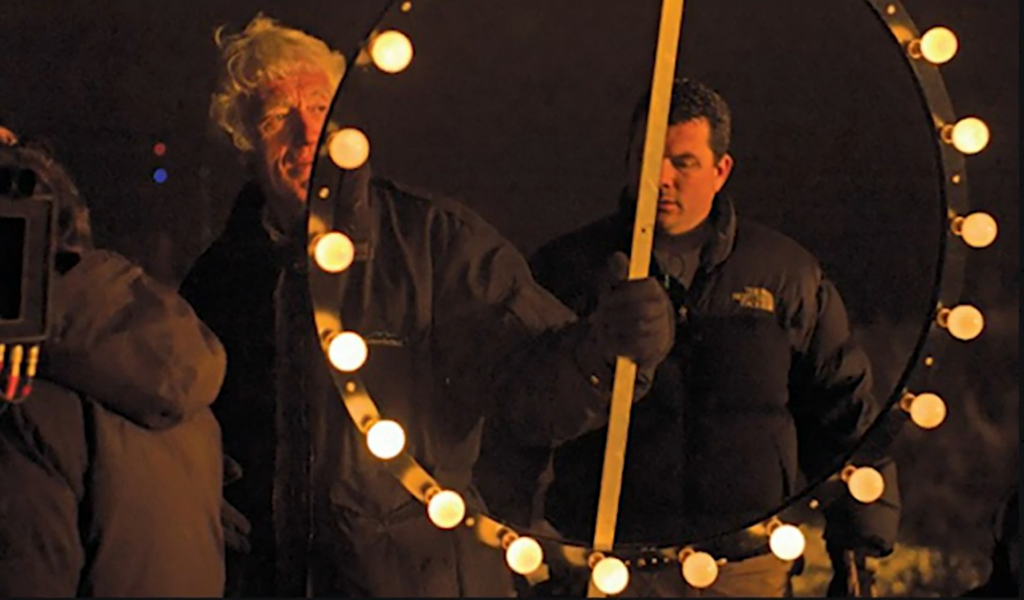
Roger Deakins gehört zu den einflussreichsten Kameramännern unserer Zeit. Mit seinem unverkennbaren Stil hat er moderne Kinoklassiker geprägt und visuell einzigartige Welten geschaffen. Als Beispiel nenne ich die Arbeit an Skyfall (2012) und Blade Runner 2049 (2017), die beide eindrucksvoll zeigen, wie Deakins Licht nutzt, um Geschichten zu erzählen und Emotionen zu transportieren. In diesem Beitrag beleuchten wir seine Techniken und die Wirkung seiner Lichtgestaltung in diesen beiden Filmen.


Grundelemente von Roger Deakins’ Lichtstil

  1. Natürlichkeit mit gezielter Steuerung
    Deakins bevorzugt eine realistische Lichtgestaltung, die oft auf natürliche Lichtquellen zurückgreift, wie Lampen, Straßenlaternen oder Neonlichter. Diese natürlichen Lichtquellen werden jedoch raffiniert ergänzt, um die Szene emotional und visuell zu verstärken.
  2. Emotionale Erzählung durch Licht
    Licht und Schatten sind bei Deakins zentrale Werkzeuge, um die Stimmung und Emotionen einer Szene zu unterstreichen. Seine Vorliebe für Chiaroscuro-Licht – starke Kontraste zwischen Hell und Dunkel – verleiht seinen Bildern Tiefe und Bedeutung.
  3. Präzision und Kontrolle
    Deakins arbeitet extrem präzise. Er setzt oft weiches, diffuses Licht ein, das eine fast gemäldeartige Qualität hat. Jedes Detail im Bild ist sorgfältig durchdacht, um das Gesamtbild stimmig zu machen.
  4. Technologische Innovation
    Deakins ist bekannt dafür, neue Technologien wie digitale Kameras und moderne Lichtsysteme frühzeitig zu nutzen. Besonders bei Blade Runner 2049 hat er die Möglichkeiten der digitalen Technik voll ausgeschöpft, um futuristische und atmosphärische Welten zu erschaffen.
  5. Kreativität
    Er ist bekannt dafür eigenen Lichtanordnungen zu kreieren, die das echte Licht im Frame unterstützen und erweitern

Lichttechniken in Skyfall

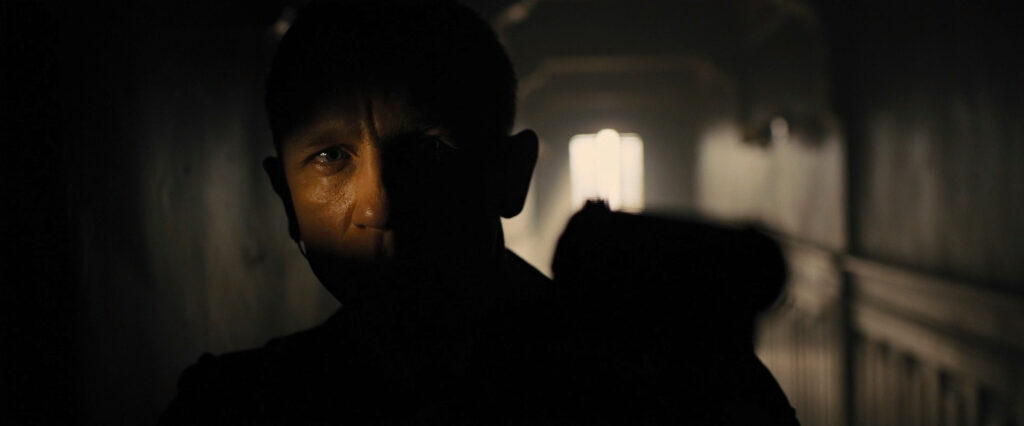
Unter der Regie von Sam Mendes schuf Deakins in Skyfall eine visuelle Reise, die Bond in düstere, intime und epische Welten führt. Licht spielt dabei eine zentrale Rolle:

  1. Schatten und Silhouetten
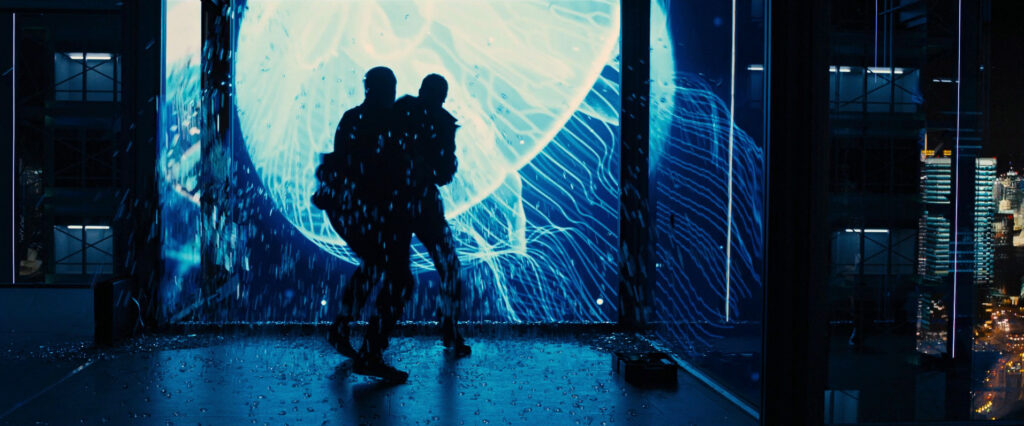
    • In der Shanghai-Sequenz werden die Charaktere in dramatische Silhouetten gegen neonbeleuchtete Hintergründe gesetzt. Deakins verwendet hier Glaswände und LED-Bildschirme, um abstrakte Lichtmuster zu erzeugen, die die Spannung und Kälte der Szene verstärken.
  2. Wärme und Kälte
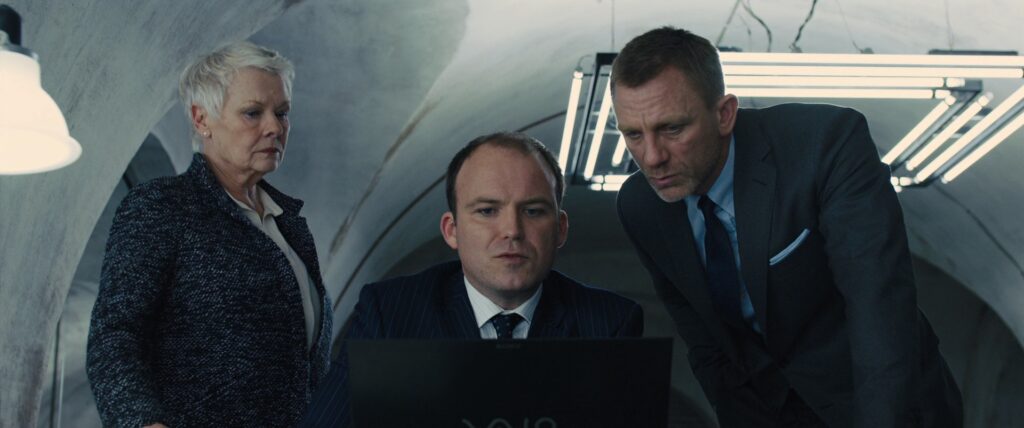
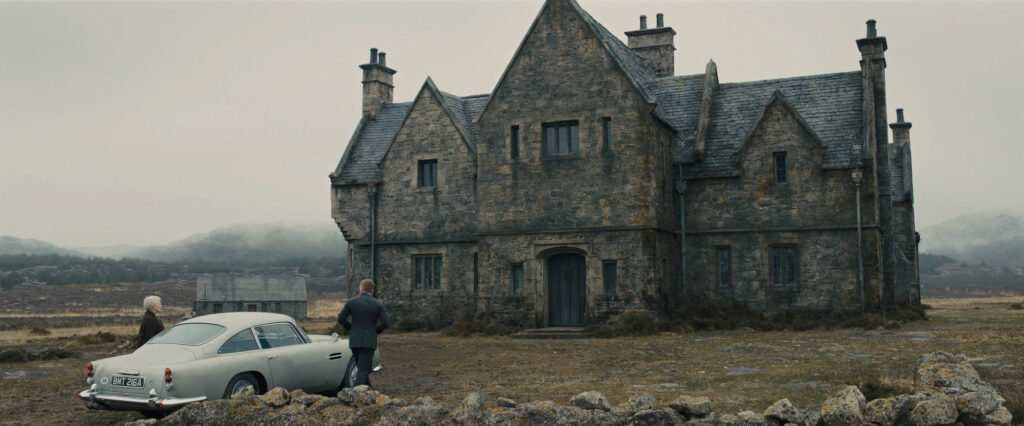
    • Deakins arbeitet mit einem bewussten Kontrast aus warmen und kalten Lichtstimmungen. In Bonds Kindheitshaus, Skyfall Lodge, erzeugen warme, goldene Töne ein nostalgisches Gefühl. Im Gegensatz dazu wirken die Szenen in MI6 mit ihrem kühlen, blauen Licht steril und distanziert, was die professionelle und gefühllose Welt von Bond reflektiert.
  3. Einsatz von praktischen Lichtquellen
    • Deakins integriert Lichtquellen, die in der Szene sichtbar sind, wie das große Feuer am Ende von Skyfall Lodge. Diese praktischen Lichtquellen werden durch zusätzliche Lichtquellen ergänzt, um eine realistische, aber dennoch dramatische Beleuchtung zu erzeugen.

Lichttechniken in Blade Runner 2049

Blade Runner 2049 bot Deakins die Möglichkeit, eine dystopische Zukunft mit atemberaubenden visuellen Mitteln darzustellen. Seine Arbeit an diesem Film brachte ihm seinen ersten Oscar für die Beste Kamera ein.

  1. Mutige Farbwahl
    • Deakins nutzt Farben, um die emotionale und thematische Aussage von Orten zu verstärken. Das orangefarbene Leuchten in der verlassenen Wüste von Las Vegas vermittelt ein Gefühl von Giftigkeit und Einsamkeit. Diese Wirkung wurde durch Natriumdampflampen und viel Haze erzielt.
  2. Verschachtelte Licht- und Schattenebenen
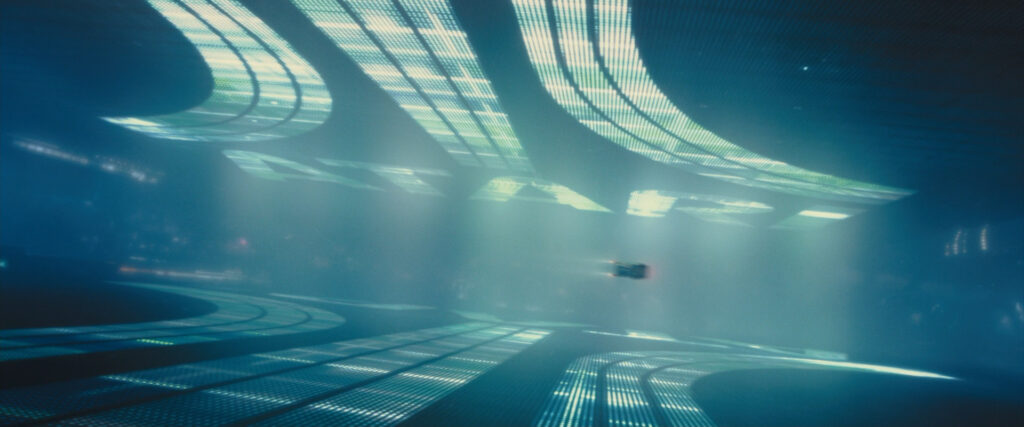
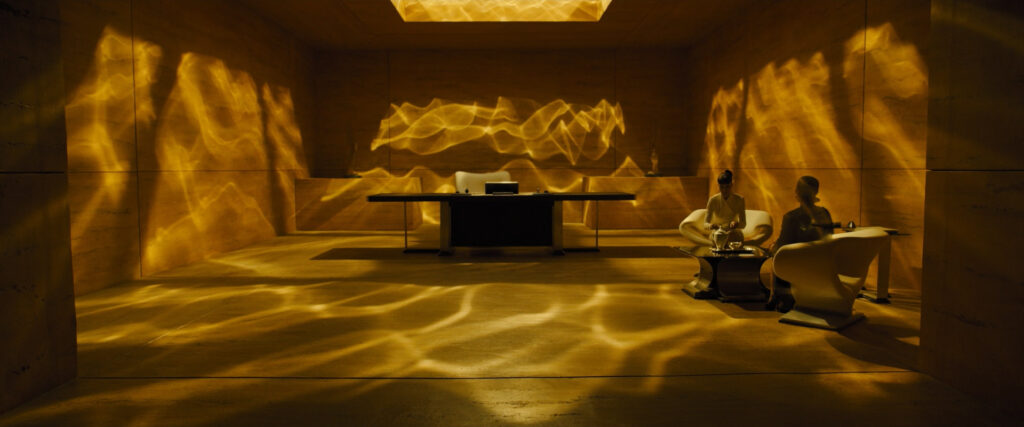
    • Viele Szenen in Blade Runner 2049 sind meisterhaft geschichtet, mit Licht, das durch Nebel oder Wasser reflektiert wird. Im Hauptquartier der Wallace Corporation kreiert Deakins mit minimalistischen Lichtquellen und Wasserreflexionen eine geradezu übernatürliche Atmosphäre. Wie dieser Effekt zustande kommt ist ein Thema für einen Weiterführenden Blogpost.
  3. Integration von realen und künstlichen Lichtquellen
    • Besonders in den actiongeladenen Szenen, wie in der holografischen Nachtclub-Sequenz, synchronisiert Deakins Licht und Ton, um ein immersives Erlebnis zu schaffen. Deakins nutzt das Atmosphärische Licht als einer seiner Hauptquellen.

Light Analysis: https://www.youtube.com/watch?v=9SZjWkHiyAY (Wandering DP, Simple isn’t easy)


Deakins’ Philosophie: Licht als Teil der Geschichte

Roger Deakins betont immer wieder, dass seine Arbeit als Kameramann die Geschichte unterstützen muss. Licht ist für ihn nicht einfach ein ästhetisches Mittel, sondern ein Werkzeug, um die Emotionen, die Themen und die Atmosphäre des Films zu transportieren. In Skyfall und Blade Runner 2049 wird diese Philosophie perfekt umgesetzt: Jede Szene nutzt Licht, um visuell beeindruckend zu sein, aber auch, um die Handlung und die Charakterentwicklung zu vertiefen.


Fazit: Ein Meister der visuellen Erzählung

Roger Deakins hat mit seiner Arbeit an Skyfall und Blade Runner 2049 gezeigt, wie Licht nicht nur ein visuelles Element, sondern ein entscheidender Teil des Geschichtenerzählens sein kann. Sein präziser Einsatz von Farben, Schatten und Lichtquellen schafft nicht nur ikonische Bilder, sondern trägt auch dazu bei, die Emotionen und Themen eines Films auf einer tieferen Ebene zu vermitteln. Als Pionier moderner Kamerakunst bleibt Deakins ein Vorbild für Generationen von Filmemachern. Das alles klingt natürlich viel einfacher als es in Wirklichkeit ist. Das Video von Wandering DP zeigt wie kompliziert einfaches Licht eigentlich ist und, dass das nicht jeder einfach so kann. Es gehört viel Vorstellungsvermögen und eine klare Vision dazu. Außerdem muss einem bewusst sein was jede noch so kleine Lichteinstellung oder auch Kameraeinstellung (welche ja nochmal ein eigenes Thema sind), ausmacht und übermittelt.

Deakins, R. (2017). Roger Deakins on Blade Runner 2049: Cinematography and Storytelling. Retrieved from rogerdeakins.comMendes, S., & Deakins, R. (2012). Skyfall: Cinematic Choices and Lighting Design. Interview in American Cinematographer.Villeneuve, D., & Deakins, R. (2017). Blade Runner 2049: A Visual Odyssey. Interview in Variety.

Die visuellen Effekte von ‘Godzilla Minus One’: Ein kleines Team, große Wirkung

Der japanische Film Godzilla Minus One hat nicht nur Fans des Kaijū-Genres begeistert, sondern auch Kritiker weltweit in Erstaunen versetzt. Besonders die beeindruckenden visuellen Effekte stachen hervor und brachten dem Film einen Oscar in der Kategorie „Beste visuelle Effekte“ ein. Beeindruckend ist vor allem, dass diese Leistungen von einem kleinen Team realisiert wurden, das trotz begrenzter Mittel eine außergewöhnliche Qualität erreichte. Dieser Beitrag beleuchtet die zentrale Rolle des kleinen Teams und dessen innovativen Ansatz bei der Umsetzung des Films.


Ein kleines Team, große Verantwortung

Während Hollywood-Produktionen oft mit Teams von Hunderten oder gar Tausenden Visual Effects Artists arbeiten, bestand das Team hinter Godzilla Minus One aus lediglich 35 Personen. Diese kleine Crew arbeitete unter der Leitung von Takashi Yamazaki, der nicht nur Regie führte, sondern auch als Drehbuchautor und VFX-Supervisor fungierte. Diese Mehrfachrolle erlaubte es, kreative und technische Entscheidungen nahtlos miteinander zu verbinden und eine kohärente Vision für den Film umzusetzen.

Mit einem Produktionszeitraum von nur acht Monaten und einem limitierten Budget konzentrierte sich das Team darauf, Effizienz mit kreativen Lösungen zu verbinden. Jede Szene wurde sorgfältig geplant, und die Ressourcen wurden gezielt eingesetzt, um den größten visuellen und emotionalen Effekt zu erzielen. Yamazaki beschrieb den Ansatz des Teams als eine Mischung aus Präzision und Leidenschaft, wobei die Geschichte stets im Mittelpunkt stand.

Takashi Yamazaki sagt folgendes:

“Given our limited resources, we knew we had to maximize what we could do to put the best possible interpretation of Godzilla on this screen. From a VFX perspective, there was some degree of taking inventory of what the team was capable of. Having said that, I never let that distract me from writing a good story, which is the most fundamental component in making a good film. Once we have a good story, we think about what VFX we can do that would put the best spotlight on that story. In this instance, though, there were some exceptions to your point about the story informing the VFX or vice versa.”


Der kreative Workflow: Qualität statt Quantität

Das Team setzte auf eine strukturierte Arbeitsweise, um die Herausforderungen eines kleinen Teams zu meistern:

  1. Konzentration auf Kernkompetenzen:
    Jeder Künstler übernahm mehrere Rollen und arbeitete an unterschiedlichen Aspekten der visuellen Effekte. Ein Animator war beispielsweise nicht nur für die Bewegung von Godzilla verantwortlich, sondern auch für die Integration von Effekten wie Staub und Trümmern in die Szenen.
  2. Softwareauswahl:
    Das Team verwendete leistungsstarke Tools wie Houdini für Animationen, ZBrush für die Modellierung und Nuke für das Compositing. Diese Programme sind in der Branche Standard, wurden jedoch durch Tricks und Improvisationen an die spezifischen Anforderungen des Projekts angepasst.
  3. Iterative Prozesse:
    Aufgrund des engen Zeitplans wurden Szenen mehrmals durchlaufen, um die optimale Balance zwischen Realismus und erzählerischer Wirkung zu erreichen. Dabei wurde der Fokus stets auf die Story gelegt: Effekte, die nicht zur emotionalen Tiefe beitrugen, wurden verworfen.

Die Rolle von Yamazaki als Führungskraft

Takashi Yamazaki war der treibende Motor hinter dem kreativen und technischen Erfolg des Films. Seine Vielseitigkeit ermöglichte es ihm, das Team effizient zu leiten, ohne die kreative Freiheit der einzelnen Künstler einzuschränken. Er ermutigte die Crew, ihre Ideen einzubringen, und nutzte deren Vorschläge, um den Film weiterzuentwickeln.

Ein Beispiel für diesen kooperativen Ansatz war die Integration realistischer Wassereffekte. Ein junger Animator präsentierte Yamazaki seine Experimente mit Wassersimulationen. Beeindruckt von der Qualität der Arbeit, entschied Yamazaki, zusätzliche Ozeanszenen in das Drehbuch aufzunehmen: “Wir hatten einen sehr jungen Compositor, das war seine Rolle im Unternehmen, aber es stellte sich heraus, dass er eine große Leidenschaft für VFX hatte. Eines Tages brachte er eigenständig zu Hause erstellte Wassersimulationen mit ins Büro. Wir waren beeindruckt und sagten: „Wow, das ist eine wirklich hochwertige Wassersimulation!“ Das ermöglichte es mir, mehr Szenen in die Handlung einzubauen, die auf dem Ozean spielen. Es veränderte die Geschichte zwar nicht grundlegend, aber es beeinflusste die Verteilung der verschiedenen Aufnahmen im Film. Ein großer Vorteil war, dass ich gleichzeitig Autor, Regisseur und VFX-Supervisor war. Dadurch konnten viele Prozesse in meinem Kopf effizient ablaufen. Ich wusste immer, wie die finale Aufnahme aussehen sollte, und so war uns in jeder Phase der Produktion klar, dass wir uns Stück für Stück diesem Endergebnis näherten.”


Traditionelle Techniken treffen auf moderne Technologie

Trotz des Einsatzes moderner CGI-Techniken blieb das Team den Wurzeln der japanischen Filmindustrie treu. Miniaturmodelle wurden verwendet, um das Tokio der Nachkriegszeit darzustellen. Diese Miniaturen, kombiniert mit CGI, ermöglichten es, eine glaubwürdige und visuell beeindruckende Welt zu schaffen. Dieser Ansatz war nicht nur eine Hommage an das klassische Tokusatsu-Kino, sondern auch eine praktische Methode, um mit begrenzten Mitteln eine hohe Detailgenauigkeit zu erreichen.

Die Verbindung traditioneller und moderner Techniken zeigt sich auch in der Gestaltung von Godzilla selbst. Um eine mythische, fast göttliche Präsenz zu schaffen, verzichtete das Team bewusst auf hyperrealistische Muskelanimationen. Stattdessen konzentrierte man sich auf die Darstellung von Godzilla als eine Naturgewalt, die sich durch die Landschaft wälzt – unaufhaltsam und furchteinflößend.


Ein einzigartiges Ergebnis

Das Ergebnis dieser koordinierten Bemühungen war ein Film, der sowohl technisch als auch emotional überzeugt. Godzilla Minus One ist nicht nur ein Beweis für die Innovationskraft und den Einfallsreichtum eines kleinen Teams, sondern auch ein Beispiel dafür, wie Leidenschaft und Kreativität große Herausforderungen überwinden können.

Die visuelle Gestaltung, die erzählerische Tiefe und die Hommage an traditionelle Techniken machten den Film zu einem Meisterwerk, das auch außerhalb Japans großen Anklang fand. Der Oscar für die besten visuellen Effekte ist daher mehr als verdient – er ist eine Anerkennung für das Engagement und die Hingabe eines außergewöhnlichen Teams.


Schlusswort

Godzilla Minus One zeigt, dass großartige Filme nicht von der Größe eines Teams oder Budgets abhängen. Vielmehr kommt es auf die Leidenschaft, die Zusammenarbeit und die klare Vision an, die ein Projekt antreiben. Dieses kleine Team hat bewiesen, dass es möglich ist, selbst mit begrenzten Mitteln ein visuelles und erzählerisches Meisterwerk zu schaffen – ein Meilenstein, der die Filmindustrie nachhaltig inspirieren wird.


Quellen (APA)

Falls du noch weitere Schwerpunkte setzen möchtest, lass es mich wissen!

The Creator und die Zukunft der Visual Effects

Die Welt der Visual Effects (VFX) entwickelt sich ständig weiter, aber selten haben wir ein so bahnbrechendes Beispiel wie The Creator, den neuen Science-Fiction-Film von Gareth Edwards. Bekannt für seine visuell beeindruckenden Filme wie Rogue One: A Star Wars Story, setzt Edwards erneut auf Innovation und Zusammenarbeit, um ein einzigartiges visuelles Erlebnis zu schaffen. Insbesondere die VFX-Umsetzung von The Creator und die enge Zusammenarbeit zwischen Edwards, dem Director of Photography (DoP) und den VFX-Teams, darunter die legendäre Firma Industrial Light & Magic (ILM), sorgen für Aufsehen. In diesem Blogpost werfen wir einen Blick auf den außergewöhnlichen Ansatz von The Creator und wie ILM das Visuelle zum Leben erweckt hat.

Eine neue Ära der Visual Effects

Für The Creator entschied sich Edwards, einen “realistischeren” und “organischeren” Ansatz für die Visual Effects zu wählen, um die Geschichte von künstlicher Intelligenz und menschlicher Entfremdung auf authentische Weise zu erzählen. Ein markanter Unterschied zu vielen Blockbustern ist der Verzicht auf die gängigen, stark digitalen und computergenerierten Hintergründe. Stattdessen kombinierte ILM digitale Effekte mit praktischen, realen Setaufbauten, realen Locations, um eine symbiotische Beziehung zwischen der physischen Welt und den virtuellen Welten zu erzeugen.

Dieser “Hybrid-Ansatz” war nicht nur ästhetisch, sondern auch funktional. Der Einsatz von VFX ging Hand in Hand mit den visuellen und erzählerischen Anforderungen des Films. So wurden die VFX zu mehr zu einem Teil des Films, da sie immer einen Ursprung in der Realität hatten und Roboter oder Sonstige CGI-Figuren, komplett ersetzt wurde. Und falls diese doch ganz ersetzt wurden, gab es immer eine gute Referenz des Schauspielers, der auf Kamera war.

ILM’s einzigartige VFX-Umsetzung: Das Digitale trifft auf das Physische

Die Magier von ILM haben bei The Creator erneut bewiesen, dass sie die Kunst der nahtlosen Integration von praktischen Effekten und digitalen Kreationen perfektioniert haben. Besonders hervorzuheben ist der innovative Einsatz von LED-Wänden und realen Modellen, um eine atmosphärische und immersive Welt zu erschaffen.

Ein Beispiel für diese innovative Technik ist die Darstellung der futuristischen Städte und der künstlichen Intelligenz im Film. Anstatt vollständig auf CGI-basierte Stadtlandschaften zu setzen, verwendete ILM 2D Zeichnung die 3d projiziert wurden, um die Illusion von riesigen, pulsierenden Metropolen zu schaffen. Dadurch konnte sehr zeitsparend und effizient gearbeitet werden. Dies erlaubte es den Schauspielern, auf realen Sets zu interagieren, die nur teilweise von digitalen Effekten ergänzt wurden. Die Endszenen im Weltall wurden mit Live-Hintergrundprojektionen am Set kreiert.

Ein weiteres faszinierendes Beispiel sind die Roboter und KI-Charaktere im Film. ILM nutzte hierfür Motion-Capture-Technologie, um den KI-Charakteren eine menschliche Präsenz zu verleihen.

Die Rolle von Gareth Edwards und DoP Greig Fraser/Oren Soffer

Ein zentraler Bestandteil des innovativen visuellen Stils von The Creator war die enge Zusammenarbeit zwischen Regisseur Gareth Edwards und den Director of Photography (DoP) Greig Fraser und Oren Soffer, der bereits durch seine Arbeit an Dune und The Mandalorian bekannt wurde. Edwards wollte einen natürlichen, fast dokumentarischen Look für den Film erreichen, was in gewisser Weise den VFX-Ansatz beeinflusste.

Ein entscheidendes Element war, dass Edwards und Fraser bei den Dreharbeiten viele der visuellen Effekte direkt auf der Kamera und nicht in der Postproduktion einfangen wollten. Dies führte zu einer intensiven Zusammenarbeit mit ILM, um sicherzustellen, dass die VFX perfekt in den natürlichen Look des Films integriert wurden. Besonders bemerkenswert war die Entscheidung, viele der Szenen im natürlichen Licht und in realen Umgebungen zu filmen, wobei digitale Effekte oft erst nachträglich hinzugefügt wurden.

Das Location Scouting wurde auch als Vorwand genutzt, Footage von Einheimischen bei ihrem täglichen Leben zu sammeln. Szenen wo Roboter oder Hybride auf Motorrädern fahren oder Rauchen oder einfach da sitzen, stammen von diesen Tests.

Fraser/Soffer setzte dabei stark auf natürliches Licht und practical Effects, was den VFX-Teams ermöglichte, ihre Arbeit harmonisch einzubinden. Die visuelle Dichte des Films, bei der VFX nie die Narrative überlagern, sondern immer im Dienst der Geschichte stehen, war das Ergebnis dieser engen Zusammenarbeit zwischen Regisseur, Kameramann und VFX-Teams.

Die Wahl der Kamera und des Equipments basierte auf praktischen Faktoren. Die Sony FX3 ist eine kleine Kamera, die es möglich machte, die ganzen bewegten Action Shots aufzunehmen und ohne viele mühen damit zu reisen. So konnte Viele Locations abgefahren werden und viel praktisch eingefangen werden. Auch wurden in diesem Film nur natürliches Licht oder LED-Lichter verwendet. Dies war genauso eine Entscheidung für einen schnelleren Workflow, um so die Effizienz zu erhöhen. Die Bilder Leiden dadurch kaum.

ILM’s Einfluss auf den Look von The Creator

Gareth Ewards startete den Prozess damit, einheimische Menschen in ihrem Lebensumfeld zu filmen und die dies an ILM zu schicken. Ohne Tracking Marker oder sonstiger Hilfstechnologie. Diese Versuchten dann einen Prozess zu finden Teile vom Kopf durch Roboterartiger Stücke zu ersetzen, manchmal auch ganz mit Robotern zu ersetzten. Dadurch bekamen die Hybriden einen anderen Emotionalen Zugang, da es immer echte Menschen waren.

Beispielhafte VFX-Szenen aus The Creator
Um einen besseren Eindruck von den beeindruckenden VFX-Arbeiten zu bekommen, lohnt es sich, die folgenden Videos und Behind-the-Scenes-Materialien anzusehen:

Fazit: Der VFX-Ansatz von The Creator

Durch die Enge Zusammenarbeit der Departments und durch das viele Testen im Voraus, konnte ein einzigartiger Film kreiert werden, der mit wenig Budget auskommt. Die Frage stellt sich, ob es auch andere Firmen als ILM gibt, die die Ressourcen haben solche Filme umzusetzen, wo es so wenig Referenzen für die VFX gibt. Insgesamt ist der Ansatz im Nachhinein zu Entscheiden, was CGI werden wird und was nicht ein ganz Neuer.


Quellen:

  • Edwards, Gareth (Regisseur), The Creator (2024). Behind-the-Scenes VFX Documentary.
  • Industrial Light & Magic (2024). “The Future of VFX: Integrating Practical and Digital Effects.”
  • Fraser, Greig, Interview in American Cinematographer (2024). “Lighting and Filming in a Digital World.”

Storytelling: The Art of Manipulation

The following images contain historical representations of Nazi symbols and propaganda. They are for documentation and analysis purposes only and are not endorsed

At its core, storytelling is the art of creating narratives that inspire the audience. This includes creating different characters, developing plots, and evoking different emotions. Effective storytelling can transport audiences to other worlds, inspire empathy, and change perspectives. As Steve Jobs once said, “The most powerful person in the world is the storyteller. The storyteller sets the vision, values, and agenda of an entire generation that is to come.” (Raja, 2023). This as another example highlights the immense power of storytelling. 

Propaganda, on the other hand, is the active dissemination of information – facts, arguments, rumors, half-truths, or lies – to influence public opinion. When combined with storytelling tactics, propaganda becomes even more effective. By creating captivating narratives, propagandists can bypass critical thinking and thus appeal to deep-seated emotions and exploit them for their own ends. In certain cases, methods such as ‘scapegoating’ are used, where a person or group is used to achieve a specific purpose. This method has the purpose of transferring the blame to them and thus presenting the image that all problems are caused by this group and must therefore be eliminated (Prejudice in Society: Sociological Perspectives, 2015). The ‘knife in the back’ myth was a central component of National Socialist propaganda. It was used to explain the defeat in the Second World War and to shift the blame away from the Nazi leadership. By claiming that the German people had been ‘betrayed’ from within, the Nazis were able to fuel hatred towards certain groups and deny their own responsibility for the regime’s crimes (Hindenburg Spreads “Stab-in-the-Back” Myth, n.d.). 

When it comes to Storytelling various methods were used, including the simplification of complex issues. As a result, complex problems and themes were simplified. Among other things, simple solutions were then also offered to such complex problems, which were mostly black-and-white thinking and did not consider the complexity at all. Again, the methods mentioned above were used making it easier to communicate to a broader audience. Another variant was repetition, where important messages were repeated again and again to get them into people’s heads. As a result, many messages were later internalized at a subconscious level and inner action or thinking changed. For propaganda purposes, emotional appeal was also an important way of reaching people. Stories were designed to evoke strong emotions, such as fear, anger, and pride. The use of symbols in National Socialist propaganda contributed significantly to shaping public opinion and promoting a sense of national unity. Symbols such as the swastika, the eagle, and the oak leaf were carefully selected and used to evoke certain emotions and associations. These visual cues simplified complex ideological concepts and enabled the Nazi regime to create a strong and enduring visual identity. By integrating these symbols into every aspect of public life, from architecture to art to everyday objects, the Nazis sought to create a totalizing environment that left no room for dissent (Takala & Auvinen, 2016). 

One of the most notorious examples of Nazi propaganda is Leni Riefenstahl’s film “Triumph of the Will” (1935). This documentary, chronicling the 1934 Nuremberg Rally, employed a range of cinematic techniques to create a visually stunning and emotionally charged spectacle (Candler, 2016). Riefenstahl masterfully manipulated viewers’ emotions through her use of music, camera angles, and editing. Soaring orchestral scores, coupled with sweeping aerial shots and close-ups of adoring faces, fostered a sense of collective euphoria. Hitler, portrayed as a charismatic leader bathed in spotlights, commanded the unwavering devotion of the masses, further reinforcing the image of an unstoppable and unified Nazi movement. The sheer scale of the rallies, with thousands of uniformed party members marching in perfect synchronization, instilled awe and intimidation (Candler, 2016). 

Although film and others were powerful instruments, they were just one small piece of the Nazi propaganda machine. Radio programs became an omnipresent platform for the dissemination of news and speeches, often infused with nationalist and anti-Semitic rhetoric. Newspapers, which were tightly controlled by the regime, picked up on these messages and suppressed all alternative voices. Posters that were displayed in public places used bold images and simple slogans designed to evoke fear, anger, and blind obedience (Fürstenau, 2020). The color red became the symbol of strength, power, and revolution – a visual representation of Nazi ideology. Black, on the other hand, was used to demonize the ‘enemy’, while white symbolized Aryan purity (zsong@conncoll.edu, n.d.). Similarly, bold, sans-serif fonts were used in propaganda materials to convey a sense of urgency and absolute authority.

How the Nazis mastered propaganda techniques has had a lasting impact on the world. Even today, these methods continue to be used by authoritarian regimes and extremist groups to manipulate public opinion and justify violence

References:

Raja, M. (2023, June 2). Why Do We Fall For Narratives? – love what you make – Medium. Medium. https://medium.com/love-what-you-make/why-do-we-fall-for-narratives-a5605d55726c

Hindenburg spreads “Stab-in-the-Back” myth. (n.d.). https://encyclopedia.ushmm.org/content/en/timeline-event/holocaust/before-1933/hindenburg-spreads-stab-in-the-back-myth

Prejudice in Society: Sociological Perspectives. (2015). Science Direct. https://www.sciencedirect.com/topics/social-sciences/scapegoating#:~:text=Scapegoating%20Theory,-Scapegoating%20theory%20says&text=Similarly%2C%20the%20theory%20of%20scapegoating,failure%20to%20some%20vulnerable%20group.

Candler, P. (2016). How a Nation Lost Its Mind. La Review of Books. https://lareviewofbooks.org/article/nation-lost-mind/

Fürstenau, M. (2020, November 30). How the Nazis used poster art as propaganda. dw.com. https://www.dw.com/en/how-the-nazis-used-poster-art-as-propaganda/a-55751640

Takala, T., & Auvinen, T. (2016). The Power of Leadership Storytelling: Case of Adolf Hitler. In Tamara : Journal for Critical Organization Inquiry (Vols. 14–14, Issue 1, pp. 21–34). Kozminski University. https://jyx.jyu.fi/bitstream/handle/123456789/49268/etamara%20art%20adolf%20hitler%20storytelling.pdf?sequence=1

Introduction to the power of propaganda

This blog series will dive deep into the world of propaganda, exploring its history, its techniques, and its transformation into the digital age using new platforms such as TikTok and Instagram. One of the focuses will be on how propaganda was used by the NSDAP and how it has evolved and is used by other right-wing parties today. In addition, these blog posts will look at storytelling within propaganda techniques, the importance of telling good stories, and how certain techniques can influence and spread messages.

Hereby starting with introducing the term propaganda, according to Bildung (2024) propaganda is “the attempt to deliberately influence people’s thoughts, actions and feelings,” most of the time used within politics, but also used in advertisement to a certain point. Propaganda is characterized by the fact that it does not present the different sides of an issue; rather, it mixes opinions and information. Those who engage in propaganda do not want to discuss and convince with proper arguments, but use all kinds of ways to influence people’s emotions and behavior, for example by drawing from negative emotions such as anger or fear. Within politics, the form of propaganda not only uses emotional appeals but also name calling, scare tactics, manipulating information, and the use of symbols, stereotypes, and slogans among many other ways (Cuncic, 2023).

Propaganda is not a modern invention. It has been around for a long time and already started in ancient times when the government used propaganda to advance their political cause for their own benefit. Within that time one of the people that used it to their advantage was Octavian. He carried out an aggressive propaganda campaign to destroy his rival Marcus Antonius and thus became emperor of Rome (Sifuentes & Raddato, 2024). These early techniques amongst many others laid the groundwork for the more advanced methods also seen in regimes like Nazi Germany during the 1930s, which had perfected the use of film, posters, and speeches to manipulate public opinion.

The start of Nazi propaganda as it was later known started in the period after the First World War. The economic dysfunction and dissatisfaction of the Weimar Republic provided a fertile ground for extremist ideologies. This dysfunction and dissatisfaction amongst the people could later be utilized by the Nazi Party. Under the leadership of Adolf Hitler, the party capitalized on this discontent by, presenting a seductive and appealing narrative that promised a new positive future for Germany. Joseph Goebbels, the propaganda minister, was a master at manipulating public opinion. He knew how to use the power of emotional appeals, repetition, and simplification. His propaganda machine produced a large amount of messages aimed at finding enemies to against, glorifying the Führer and conveying a certain sense of national unity. (Propaganda and the Nazi Rise to Power – the Holocaust Explained: Designed for Schools, 1923). With his campaign, he managed to create an image of Hitler which was later known as the “The Hitler Myth” portraying an image of him as “Superman” and as a heroic leader of his political party (Ian Kershaw, n.d.).

Nowadays, the typical term propaganda can mainly be associated in connection with authoritarian or totalitarian states. Here it is usually used with different forms of information being controlled by direct censorship or the monopolization of the media.

However, even today, different ways of propaganda are still being used through new social media platforms and so-called TikTok campaigns by right-wing political parties such as AfD or FPÖ. Hereby the essence of propaganda lies in its storytelling and visual approach. Through the use of carefully crafted images and narratives, emotions such as fear, pride, and hope are used to convey messages that resonate strongly with the platform’s viewers. Platforms such as TikTok also allow for short, emotionally charged videos that combine engaging visuals with persuasive messaging (Reinders, n.d.). With this strategy, they can reach a much younger and broader target audience.

In the following blog series, other topics and questions are going to be explored such as: How was propaganda used in the media during the Nazi regime? What storytelling techniques made propaganda so effective in evoking emotions and influencing opinions? How do visual elements like color, typography, and video editing enhance propaganda’s impact?

References:

Bildung, B. F. P. (2024, January 22). Was ist Propaganda? bpb.de. https://www.bpb.de/themen/medien-journalismus/krieg-in-den-medien/130697/was-ist-propaganda/

Sifuentes, J., & Raddato, C. (2024). The propaganda of Octavian and Mark Antony’s civil war. World History Encyclopedia. https://www.worldhistory.org/article/1474/the-propaganda-of-octavian-and-mark-antonys-civil/

Ian Kershaw. (n.d.). The Hitler myth. In historytoday.com. http://history-groby.weebly.com/uploads/2/9/5/6/29562653/hitler_myth.pdf

Propaganda and the Nazi rise to power – The Holocaust Explained: Designed for schools. (1923, November 9). https://www.theholocaustexplained.org/the-nazi-rise-to-power/the-nazi-rise-to-power/propaganda/

Reinders, S. (n.d.). Modern propaganda: hiding in plain sight. Scot Scoop News. https://scotscoop.com/modern-propaganda-hiding-in-plain-sight/

Cuncic, A., MA. (2023, November 29). How does propaganda work? Verywell Mind. https://www.verywellmind.com/how-does-propaganda-work-5224974

Defining Documentaries

docere
– meaning “to teach” in Latin is the root of the word “document”, leading to “documentary”, a term John Grierson first used in 1926 (Jack, 2005). And although he already provided a definition for this new film genre almost 100 years ago when he described it as “a creative treatment of actuality”, there has been a continuous effort to find a more precise, less vague definition ever since (Plantinga, 2005).

But why do we so desperately need to define what makes a documentary? Why do we keep searching?
Well, names carry meanings. They build expectations and they create responsibility.
This is especially impactful for the documentary genre where many movies communicate a – either very obvious or rather subtle – call to action to their viewers (Aufderheide, 2007).
The label “documentary” suggests to the viewers a certain level of accuracy, truthfulness and trustworthiness. How issues and topics are portrayed in documentaries can significantly shape the public’s perception of reality and impact how they act (Aufderheide, 2007).

And while many might just define documentaries as a genre simply “documenting reality”, this is not and can never be the case. Not with any type of medium, because as soon as we try to capture reality, we inherently change it. And this also rings true for documentaries. They are not real life, they merely use real life as a basis, from which they construct a story they intend to tell. During the process of selectively recording certain scenes, then editing them, arranging them and sorting through the footage, the documentary’s creators already manipulate the story at heart and thus change our perception of reality (Juel, 2006).

Now that we know that stories can never be told without manipulating them to a certain extent, an important question arises: How much manipulation is allowed in documentaries? This question has been around since the first American feature-length documentary movie “Nanook of the North”. In the movie created by Robert Flaherty, the portrayed Inuit were in fact directed heavily by Flaherty, like actors in a fiction movie. They were portrayed acting naive and ignorant about things they actually knew and they were shown acting in ways they no longer did in real life. At some point during the movie “Nanook”, which also was not his real name, bites into a gramophone record, pretending to not understand such modern technology, even though he routinely helped Flaherty with his camera equipment. Moreover, the Inuit in the movie were often compared to animals, living closed off from civilisation when that was far from the truth (Wikipedia – Nanook of the North, 2024). It remains difficult to determine, how much manipulation is acceptable, especially because some form of manipulation is already happening through the mere presence of a camera team which will influence people’s behaviour one way or another.

What remains important though is that documentaries have the responsibility to fulfil viewers’ expectations concerning truthfulness. Issues do not have to be portrayed objectively, as that is nearly impossible, and documentaries do not have to show the whole truth, but what viewers do expect is an honest and fair representation of real life. This agreement made with the audience is one that every film maker has to keep in the back of their mind (Aufderheide, 2007).

Another important aspect in defining documentaries is the purpose they follow. Unlike many fiction movies, documentaries aim to achieve something. That something might be a change in how the audience views certain topics or acts on certain issues. This is where the aforementioned “call to action” comes into play. Many documentaries aim to bring difficult topics to light. They want to show the public sides of a story they had not seen before and thus make them change their view. This brings incredible power and influence to documentaries but also comes with a lot of responsibility (Jack, 2005).

Now, all of these aspects of documentaries mostly focus on ethics, content and purpose. There are of course also a lot of technical aspects that play into making and defining documentaries. I will however, get back to the technicalities of documentaries at a later point.

To briefly conclude what we know about documentaries and their definition: not very much, but also quite a lot at the same time. Documentaries can be described as portraying reality without claiming to be real, they promise truthfulness without having to tell the whole truth and they may or may not openly admit to wanting to change and influence their audience.
As one can see, trying to define this genre will remain complicated and confusing, but at the same time incredibly important.

Literature:

#01 The Hidden Cost: Does the energy footprint of digital/online spaces matter?

When we think of the internet, we often imagine a clean, limitless, and weightless space. It’s easy to forget that every Google search, YouTube video, or Instagram scroll has a physical cost, one that’s measured in energy consumption and carbon emissions. Unlike the cars we drive or the factories we see, the internet’s energy footprint is invisible, which makes it all the more important to understand and address.

Understanding the impact

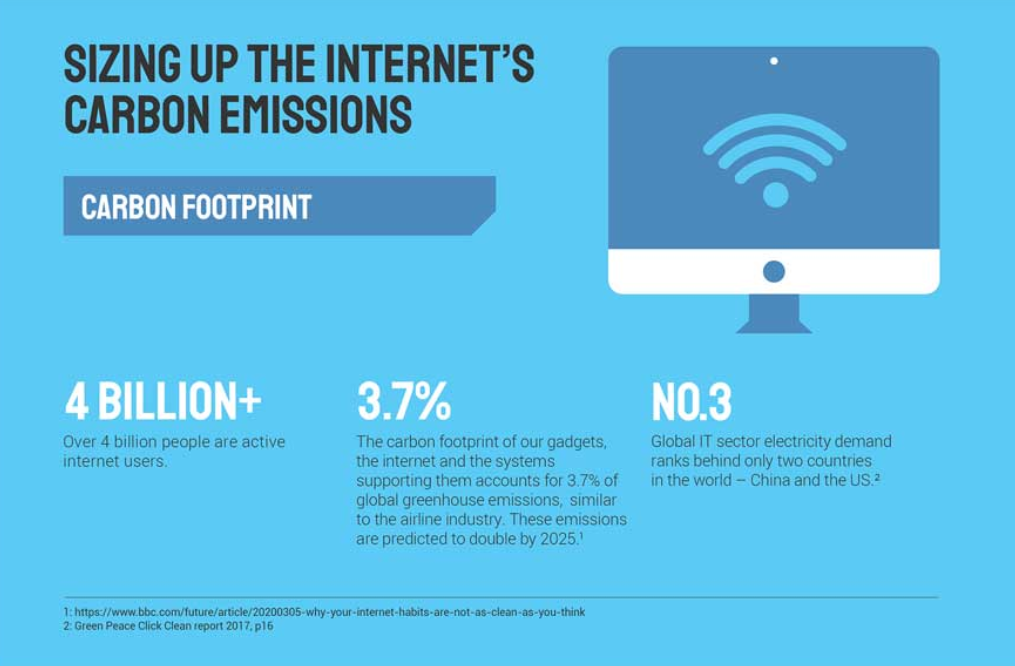
Every online activity requires energy. For instance, streaming a standard-definition video for one hour generates approximately 36g of CO2, while high-definition streaming nearly doubles that to 86g of CO2. Multiply this by the millions of users streaming videos every second, and the environmental price becomes suprising. ClimateImpact’s infographic reveals that the internet’s carbon footprint is comparable to that of the airline industry—a sector notoriously known for its environmental impact.

Beyond streaming, other seemingly trivial actions also contribute to this growing footprint. Sending an email with a large attachment, conducting a simple Google search, or saving files in cloud storage might feel inconsequential, but they all require energy-intensive processes that add up over time.

The carbon footprint of the internet, Infographic

The carbon footprint of the internet, Infographic

Exposing the unnoticed energy footprint

The challenge lies in the invisibility of the internet’s environmental impact. Unlike smog-filled skies or plastic-littered beaches, the energy footprint of digital spaces is hidden behind sleek user interfaces and seamless connectivity. This lack of visibility makes it harder to create a sense of urgency or inspire change.

One potential solution, is the growing concept of “app sobriety.” This approach emphasizes the design of apps and websites that are lightweight, energy-efficient, and mindful of users’ time and data consumption. By optimizing digital products for efficiency, developers can significantly reduce the energy demands of everyday online activities. Application and website design can have a direct impact on reducing the ecological footprint of digital spaces, from simplifying user interfaces to minimizing background processes that consume unnecessary energy.

Additionally, the debate between digital and paper-based communications is evolving. It’s not always clear whether digital is more environmentally friendly than paper. While digital platforms save resources like paper, they come with their own hidden energy costs in the form of data storage and the energy used to maintain vast digital infrastructures. The key is efficiency—both in how we design our digital systems and how we manage our data.

https://www.inxsoftware.com/wp-content/uploads/2023/08/Blog-Image-Template-paper-vs-digital-1.webp

Why Should We Care?

As the internet continues to grow, so too does the environmental impact. The rapid expansion of cloud computing, the rise of video streaming, and the surge in online gaming and virtual meetings have all contributed to an increase in the demand for data storage and transmission. In fact, recent studies have shown that digital technologies are responsible for a significant portion of global carbon emissions. Therefore, it’s crucial to address these issues head-on and implement solutions that minimize the negative impact of our growing digital dependence.

The internet is no longer just a tool for communication, it’s a complex ecosystem that supports everything from e-commerce and social media to education, healthcare, and entertainment. Yet, as we continue to rely on digital technologies, we must consider the toll these innovations take on our planet.

How design could help to raise awareness of this issue?

Design can play a transformative role in raising awareness of the hidden energy footprint of digital spaces by making the invisible visible and inspiring actionable change.

Through visually compelling tools like infographics and real-time dashboards, it can translate abstract data into understandable insights. Eco-feedback embedded in interfaces, such as showing the carbon impact of streaming options, encourages greener choices. Gamification and educational prompts can nudge users toward sustainable habits without disrupting their experience. Minimalist, energy-efficient design styles not only reduce consumption but also serve as a blueprint for sustainable digital practices.

Additionally, designers can collaborate on impactful awareness campaigns using social media and interactive exhibits to spotlight this often-overlooked issue. By blending education, creativity, and technology, design has the power to drive both awareness and behavioral shifts toward a more sustainable digital future.

Researching the energy footprint of digital spaces comes also with several challenges.

Data Availability and Accuracy

Reliable and comprehensive data on the energy consumption of digital activities and infrastructure can be hard to find, as much of this information is proprietary or estimated.

Complexity of Digital Ecosystems

The interconnected nature of servers, devices, and networks makes it challenging to pinpoint the exact energy costs of specific actions, such as sending an email or streaming a video.

Rapid Technological Changes

The fast-paced evolution of technology means that data and findings can quickly become outdated, requiring ongoing monitoring and updates.

Lack of Awareness or Priority

Many companies and users, may not recognize the importance of addressing the internet’s energy footprint, which can limit access to resources or support for research.

Comparative Analysis Difficulties

Evaluating the environmental impact of digital solutions versus traditional methods (e.g., digital versus paper) often involves complex trade-offs and assumptions, making it hard to draw clear conclusions.

In the upcoming blog posts, I will describe in more detail the selected problem and its possible solutions by design.

Resources:

https://www.readings.com.au/news/an-extract-from-the-dark-cloud#

https://www.bbc.com/future/article/20200305-why-your-internet-habits-are-not-as-clean-as-you-think

https://www.climateimpact.com/news-insights/insights/infographic-carbon-footprint-internet

https://except.eco/knowledge/is-digital-more-environmentally-friendly-than-paper