Bringing Paintings to Life with 3D Printing

3D printing has expanded its applications in the art world, moving beyond sculptures and artifacts to include the replication of paintings. By capturing and recreating not just the colors but also the textures, relief, and even the gloss of original works, this technology opens up transformative possibilities for museum interactions. This post delves into how 3D printing of paintings enhances visitor engagement and interaction.

Tactile Exploration of Paintings

Traditionally, paintings have been viewed from a distance to preserve their integrity. However, 3D printing allows for the creation of touchable replicas that maintain the visual and physical characteristics of the original works. For example, museums can reproduce the brushstrokes, texture, and relief of a Van Gogh painting, enabling visitors to physically feel the intricacies of the artist’s technique.
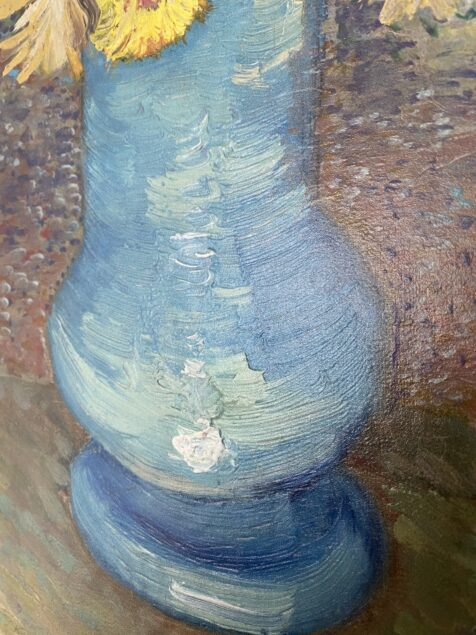
Close-up of a 3D print of Vincent van Gogh, Flowers in a Blue Vase, 1885, oil on canvas, 61.5 x 28.5 cm. Kröller-Müller Museum, Otterlo. Photo by author.

This tactile approach is particularly beneficial for visually impaired visitors. Being able to touch the contours and textures of a painting offers a unique sensory experience, allowing them to perceive the artwork in ways that were previously inaccessible.

Interactive Exhibits with 3D-Printed Paintings

3D-printed paintings can play a key role in interactive exhibits, making art more engaging and educational. Museums can encourage visitors to compare printed replicas with digital displays or augmented reality overlays to understand artistic techniques and historical context. Workshops could even invite visitors to paint or modify 3D-printed replicas, fostering creativity and deeper connections with the artwork.

Additionally, in a 3D print aspects of a work can be magnified and physicalized. For example, enlarging the eye of Vermeer’s Girl with a Pearl Earring makes it possible to understand the artist’s technique and the material changes the work has been through (e.g. the cracks on the surface become clearly visible).
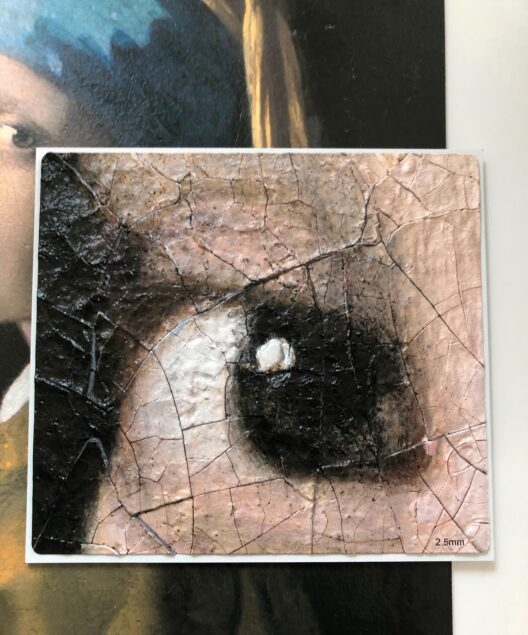
10 times enlarged 3D printed eye of Johannes Vermeer’s Girl with a Pearl Earring, 1665, oil on canvas, 44 x 39 cm. Mauritshuis, The Hague. Photo by author.

This technology also allows for recreations of lost or damaged paintings, providing a window into art history that might otherwise remain closed. Visitors can see and touch pieces of art that no longer exist in their original form, enriching their understanding of the artistic and cultural legacy.

Bridging the Gap Between Art and Audience

While curators may worry about the loss of aura associated with original paintings, 3D printing helps bridge the gap between art and audience by making these works more approachable. Replicas can be displayed in high-traffic areas, touched during guided tours, or used in educational settings without the risk of damaging the originals.

By creating interactive and tactile experiences, museums can attract younger audiences, families, and those who might feel intimidated by traditional gallery settings. This approach transforms the museum visit from a passive viewing experience into an active engagement with art.

Ethical Considerations and Challenges

Despite its advantages, 3D printing of paintings raises important ethical questions. How should replicas be labeled to distinguish them from originals? Could the availability of high-fidelity reproductions diminish the value of authentic artworks? Museums must navigate these issues carefully, ensuring transparency and maintaining the integrity of their collections.

Additionally, there is a need for precision and quality in reproductions. Capturing the intricate details of a painting’s texture and gloss requires advanced scanning and printing techniques, which may not always be accessible or cost-effective for smaller institutions.

A New Frontier for Museum Interaction

3D printing is reshaping how museums approach paintings, transforming them into interactive, accessible, and educational experiences. By providing tactile opportunities, fostering creativity, and connecting visitors more deeply with art, this technology brings a new dimension to the museum world. While challenges remain, the potential for innovation and engagement makes 3D printing an invaluable tool for the future of art and cultural heritage.

As museums continue to embrace this technology, they have the chance to redefine the way audiences experience paintings—not just as objects to admire but as pieces to explore and connect with on a profoundly personal level.
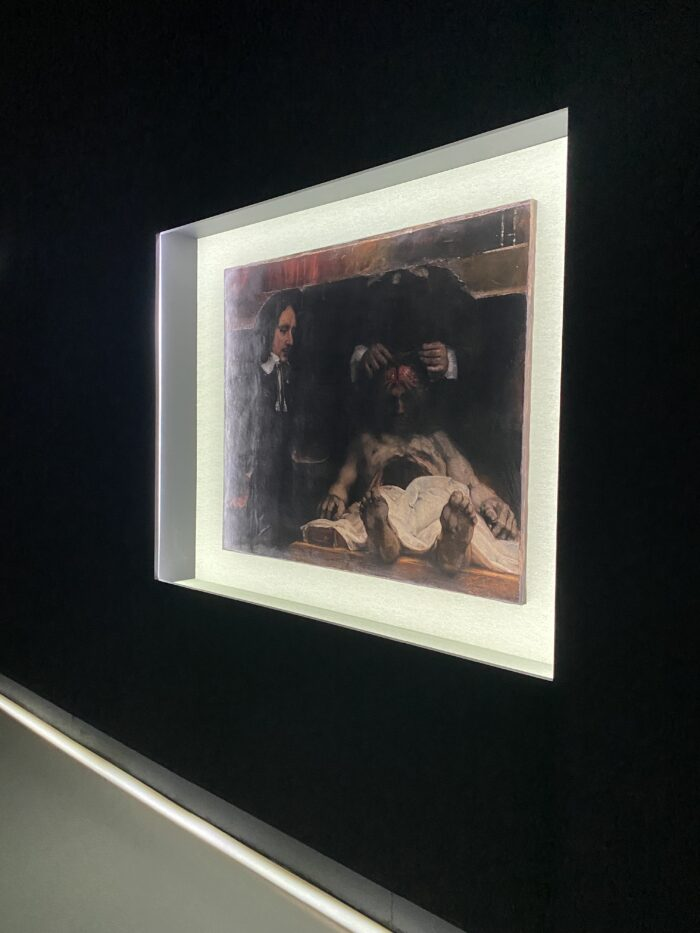
 3D print of Rembrandt van Rijn, The Anatomy Lesson of Dr. Deijman, 1656, oil on canvas, 100 x 134 cm, Amsterdam Museum, Amsterdam
Photo by author, 3D print by Factum Foundation

References:

https://www.codart.nl/feature/museum-affairs/3d-printing-works-of-art-an-opportunity-or-nightmare-for-curators/

https://www.cambridge.org/core/journals/advances-in-archaeological-practice/article/you-can-handle-it-3d-printing-for-museums/5FDE2B8896E09D879B75D77C4530ED1A

https://www.museumnext.com/article/how-museums-are-using-3d-printing/

https://theconversation.com/3d-printing-is-helping-museums-in-repatriation-and-decolonisation-efforts-126449

Reproduction of Gloss, Color and Relief of Paintings using 3DScanning and 3D Printing

The Future of Art Reproduction: Capturing Every Detail with 3D Scanning and Printing

In the realm of art preservation and reproduction, achieving the perfect balance between technology and authenticity is a challenging endeavor. A research from 2017 (W.S. Elkhuizen, T.T.W. Essers, B. Lenseigne, C. Weijkamp, Y. Song, S.C. Pont, J.M.P. Geraedts, and J. Dik) presented in their groundbreaking paper, “Reproduction of Gloss, Color and Relief of Paintings using 3D Scanning and 3D Printing,” offers a revolutionary approach to this challenge. Their work integrates advanced methods to capture and replicate the color, relief, and gloss of paintings.

The Challenge of Authentic Reproductions

High-fidelity reproductions of artworks have long been a goal for museums and cultural institutions. While earlier technologies could reproduce color and surface relief with relative success, replicating gloss—a critical visual component of a painting’s appearance—remained elusive. Gloss plays a pivotal role in how viewers perceive the depth, texture, and overall aesthetic of an artwork. Traditional methods often fell short in accurately capturing the spatially varying gloss, which significantly contributes to a painting’s visual identity.

The Breakthrough: Integrated 3D Scanning and Printing

The research team introduced an innovative system that addresses these limitations. Their approach integrates:

  1. Advanced Gloss Measurement: Using the principles of reflectance polarization, the system measures spatially varying gloss by sampling specular reflection at the Brewster angle. This method provides precise gloss data for every point on a painting’s surface.
  2. Relief and Color Capture: In addition to gloss, the system employs high-resolution 3D scanning to capture the surface relief and advanced imaging techniques to record color details. Together, these components ensure a comprehensive digital representation of the artwork.
  3. Data Processing and Optimization: One of the challenges addressed in this study is the presence of shadows in gloss measurements caused by surface relief. The team devised a technique to mask and interpolate surrounding gloss information, ensuring a seamless and accurate reproduction.

Validating the System

To demonstrate the efficacy of their system, the researchers reproduced a painting titled “Two Wrestling Figures in the Style of Van Gogh.” This reproduction served as a testbed for assessing the accuracy of the gloss, color, and relief measurements. The results showed remarkable fidelity, proving that the system could replicate the nuanced visual properties of the original artwork.

Implications for Museums and Cultural Institutions

This advancement holds transformative potential for art preservation and accessibility:

  1. Preservation: High-quality reproductions reduce the need for handling original artworks, minimizing wear and tear. This is particularly vital for fragile or historically significant pieces.
  2. Accessibility: Reproductions can be shared globally, allowing audiences to experience iconic artworks that might otherwise be inaccessible due to location or conservation concerns.
  3. Educational Opportunities: Museums can use these replicas for educational programs, enabling hands-on interaction without risking damage to the originals.
  4. Exhibitions: Institutions can display reproductions in interactive or immersive environments, enhancing visitor engagement while preserving the original artworks.

Conclusion

This technology stands to redefine how people interact with art in museums. By enabling the creation of high-fidelity reproductions, museums can provide more immersive and interactive experiences. Visitors could touch and closely examine replicas without fear of damaging the originals, fostering a deeper understanding of the artwork’s texture, relief, and gloss. Additionally, this technology can be used to create multisensory exhibits, where audiences engage with art through sight, touch, and even augmented reality overlays. Such innovations make art more accessible to diverse audiences, including those with visual impairments, and enrich the educational value of museum visits.

References:

https://diglib.eg.org/server/api/core/bitstreams/03f416a4-92bd-4a74-9d51-f1724f46994c/content

The technology of 3D Scanning and Printing

Exploring Tim Zaman’s Revolutionary 3D Scanning of Paintings

In 2013, Tim Zaman embarked on a groundbreaking project that bridged the worlds of technology and art, developing a super-high-resolution, large-format 3D scanner tailored to capturing the intricate topography of paintings. This remarkable innovation brought new insights into the materiality of art and how we perceive it, focusing on iconic works by masters such as Rembrandt and Van Gogh.

The Vision Behind the Technology

Paintings, often treated as two-dimensional artworks, are deeply influenced by the physical properties of paint. Late Rembrandt self-portraits, for instance, achieve their dramatic effects through the interplay of light and shadow on textured surfaces. Similarly, Van Gogh’s bold, impasto strokes create a tangible depth. Tim Zaman’s work highlights how paint’s texture, glossiness, and transparency significantly shape a painting’s aesthetic—aspects often overlooked or underappreciated.

The 3D Scanning Process

To capture these details, Zaman’s 3D scanner used a hybrid system combining stereo vision (dual cameras) and fringe projection (a projector). This setup allowed for ultra-high-resolution imaging, capturing 40 million XYZ (3D space) and RGB (color) data points per scan. For large works like The Jewish Bride by Rembrandt, spanning 160×120 cm, the system gathered over a billion data points by merging multiple scans. This unparalleled level of detail was essential for faithfully documenting the subtle undulations and surface features of the paintings.

Scanning Equipment

“The scanning equipment is actually very straightforward, and only consists out of these parts. The rest of the parts is just cables and stuff to make the camera move in X and Y”.

Capture device(2x) Nikon D800E
LensesNikon 80mm PC-E scheimpflug & polarisation filters
ProjectorOptoma PK301 Pico-Projector fitted with a crossed polarisation filter

Zaman’s project also delved into the realm of reproduction. Collaborating with Océ (a Canon Group company), the scanned data was used to create high-fidelity 3D prints of paintings. These reproductions—complete with textured surfaces—represented a significant leap beyond traditional flat posters. While impressive, they underscored the complexity of accurately replicating the originals, particularly when it came to glossiness and transparency—elements that remain elusive even with advanced technology.

Future Directions

Zaman’s work set the stage for ongoing research into the physicality of paintings. While the 3D prints captured the texture and color of the originals, they lacked the dynamic qualities imparted by brushstrokes and the interaction of light with varying paint properties. This gap highlighted the multifaceted nature of paintings, where factors like material reflectivity and translucency play critical roles in their visual impact. Current efforts aim to model glossiness, transparency, and other overlooked elements. By combining cutting-edge technology with a deep respect for artistic heritage, Zaman’s project serves as a powerful reminder of the endless possibilities at the intersection of science and art.

Tim Zaman’s innovative approach continues to inspire researchers and art enthusiasts alike, showcasing how technology can uncover new dimensions of creativity and history.

In the upcoming blog, I will explore the advancements in newer technologies aimed at addressing the missing elements like glossiness and transparency, building upon the foundation of Zaman’s work.

References:

http://www.timzaman.nl/3d-scanning-paintings

https://www.youtube.com/watch?v=NxfNaZ2vUSE&ab_channel=TEDxDelft

https://delta.tudelft.nl/en/article/scanning-paintings-depth

01. #03 Cognitive processes in learning how to read

The process of learning to read is complex and involves a variety of cognitive mechanisms that interact with each other. Key components include phonological awareness, decoding, and the roles of phonological and visual memory. These components are central to many theoretical models, such as the Simple View of Reading by Gough & Tunmer (1986), which describes reading as a combination of decoding and language comprehension.

Phonological awareness
This is the ability to recognize and consciously manipulate the sound structure of language. It includes identifying syllables, rhymes, and individual sounds (phonemes) in spoken words. Children need the ability to break spoken language into its sound components to understand the principle of letter-sound correspondence. Activities like syllable segmentation and phoneme analysis help to foster this ability.

Decoding
Decoding refers to the process of translating written letters (graphemes) into their corresponding sounds (phonemes) to read words. It is one of the first skills acquired when learning how to read. Decoding is essential for reading new and unfamiliar words. It requires precise knowledge of letter-sound correspondences and the automatic application of these rules. Words can be decoded phonologically by decoding individual letter-sound correspondences. Frequently encountered words are recognized as whole units without decoding as they are stored in our memory.

The role of phonological memory
Phonological memory is a component of working memory that allows for the short-term storage and processing of speech sounds. It enables the retention of letters and sounds in working memory to combine them into words. It supports the ability to read longer words and process multi-syllabic words.

The role of visual memory
Visual memory is the ability to store and recall visual information, such as the shapes and structures of letters and words. It plays a crucial role in the automatic recognition of words. Decoding and visual memory go hand in hand. Once the same word has been decoded time and time again, it turns over to visual memory and we start recognizing the words just by the shapes of every letter in the word.

In conclusion: Learning to read requires the collaboration of various cognitive processes: Phonological awareness and decoding are essential for understanding the alphabetic principle, while phonological and visual memory play key roles in processing and storing information

Research on the African events

After intensive research into the selected festivals, I found that it was surprisingly difficult to find detailed information about the individual events. Some of these festivals and events are somewhat more international and commercial due to their size, which makes it easier to find information.

A good example of this is the AFCON, which radiates far beyond the African region due to its long tradition and the popularity of football. The importance of this tournament is also reflected in the extensive availability of information on the logo language and design of the event.
Interestingly, the logos have hardly changed over the decades. They were also rarely adapted to the respective venues. Instead, there was a general logo in which only the name of the host nation was changed, while the design remained unchanged. There was one notable exception in 2010, when the logo was revised and retained in this form until 2023. It was only for the tournament in Côte d’Ivoire that a fresh look was developed, combining the trophy with the national colors. Whether this new logo, like its predecessors, will remain in place in the long term had not yet been officially confirmed in December 2024.

On the other side is the FESTAC, which was only recently revived after a break of almost 50 years. With a completely new logo, which has not yet undergone any variations, it marks a new beginning in its visual identity.

Other events such as the DIFF or the Cape Town Jazz Festival also have logos, but these remain unchanged for each edition. Only the design of the media in which the logo is used – for example on posters or websites – varies.

The other major events listed, such as the Marathon des Sables or AFRIMA, do not change their logo design. The Lake of Stars Festival even uses a simple lettering as its logo, which only appears in a different font depending on the motto.

Imprint of Time: History of Rubber Stamps

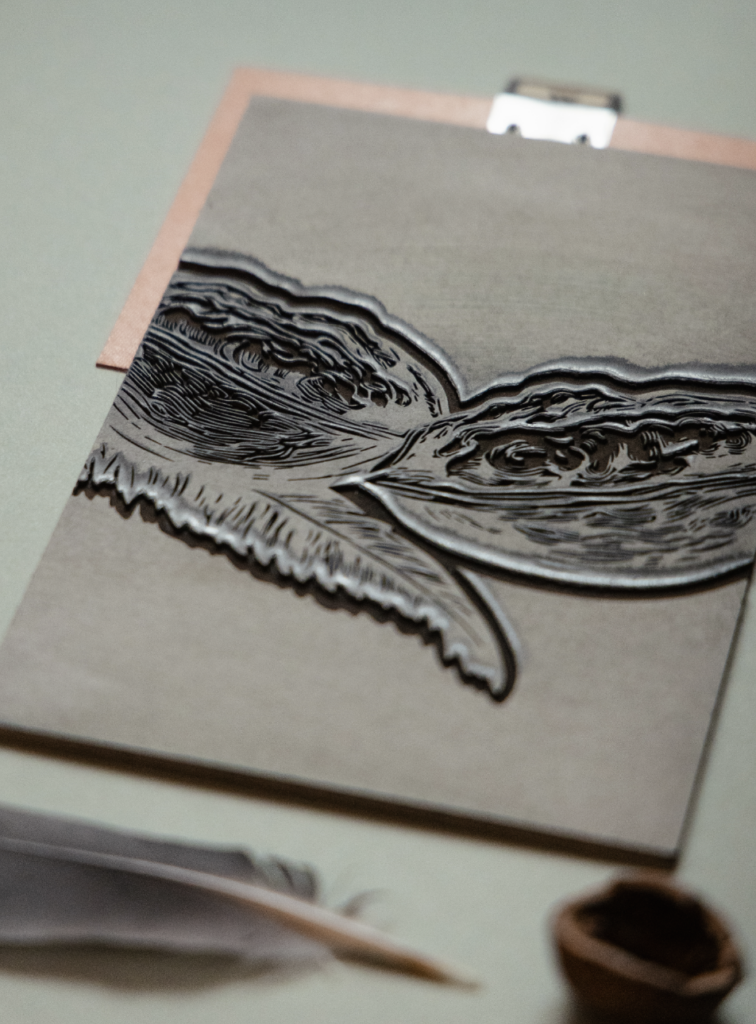
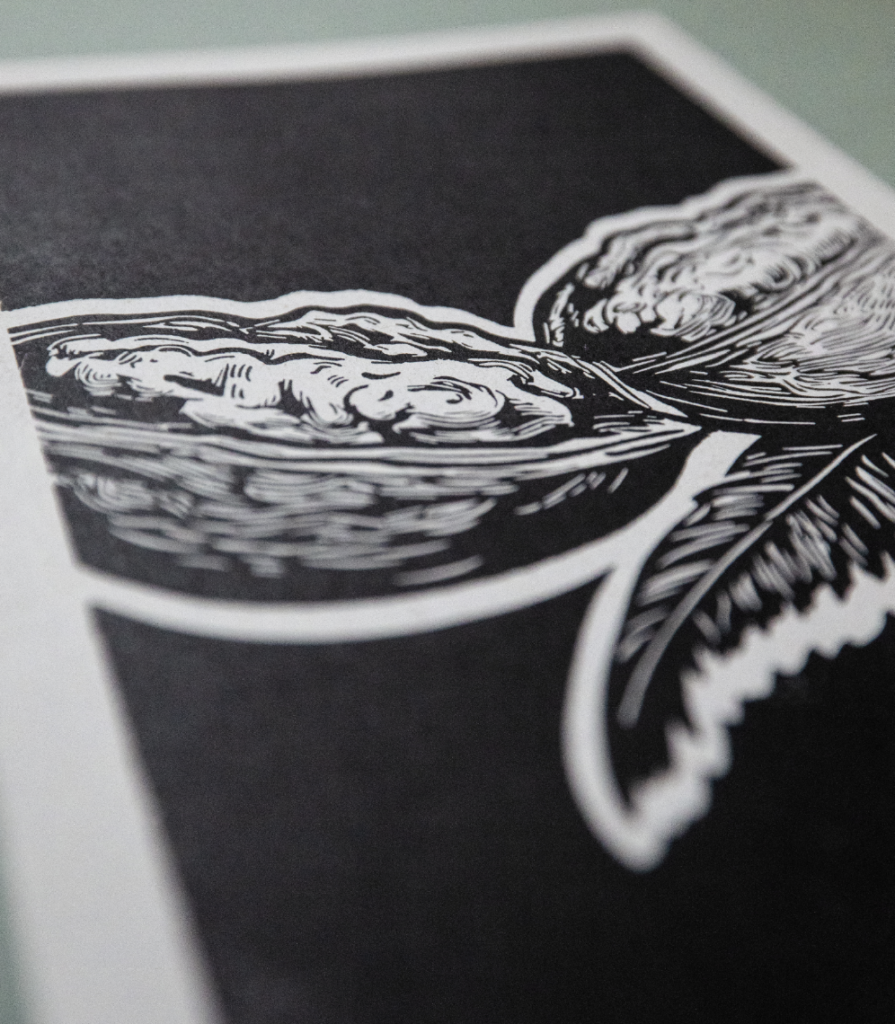
Because I researched possibilities of our laser cutter in the FAB Lab, I now want to dive deeper into the topic of stamps. This is because I experimented with engraving lino sheets which worked out really well.

Long before ink pads and rubber stamps, crafty folk were making their mark with seals. The earliest evidence of this comes from Ancient Mesopotamia (a region of modern-day Iraq) where archaeologists have found examples of clay being embossed with custom seals. Back then, seals were usually carved out of bone or stone.

The First Form of Stamping: Wax Seals

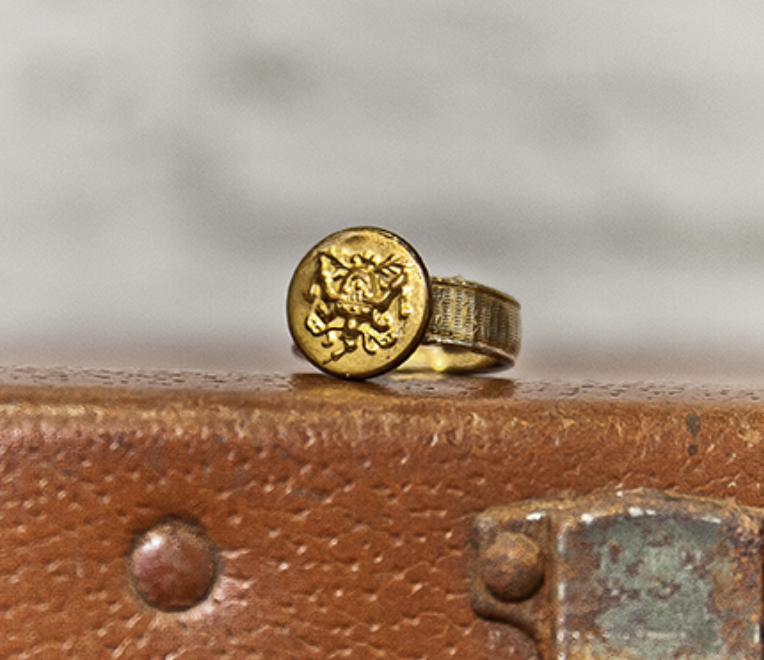
The oldest use of a tool resembling a stamp is an application that commonly didn’t use ink: the seal. Today, seals – usually in wax – are mostly used for decorative purposes, but for millennia they were critical for verifying the authenticity of products, correspondence, and official documents. Signet rings, which allowed a person’s seal to be worn accessibly on his or her hand as jewelry, rose in popularity during the Middle Ages as wax sealing became more common.

The use of wax seals in everyday life was made largely obsolete by two modern day things that we often take for granted: widespread literacy and gummed envelopes. With signatures replacing the seal as a sign of authenticity for everyday documents, and gummed envelopes providing security against contents being read or tampered with, the wax seal has faded into ceremonial and decorative use.

Woodblock printing

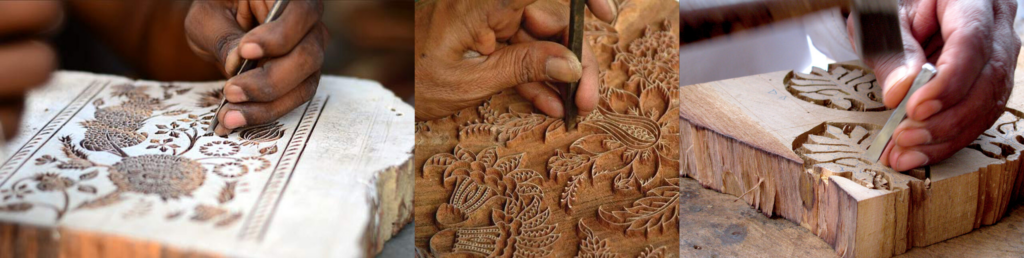
Woodblock printing more closely resembles what we now call stamping. It’s believed these early ‘stamps’ probably first originated in China, but were soon used around the whole world. Images and text would be meticulously carved into wooden surfaces by hand, and then stamped with ink onto fabrics or paper. 

In Asia, woodblock printing was used extensively to create both textiles and books. Early samples of multi-colored woodblock printing on silk can be seen as far back as 220 AD in China. Although movable type was known in Asia at that time, it was not easy to apply the technique to the Chinese language, which contains thousands of characters. Instead, entire pages of text were produced as woodblocks as a way to print books. Also the influence of Indian block printing on stamp design epitomizes the enduring legacy of this ancient craft.

The Birth of Rubber Stamps

Although the Mayans and Aztecs had been using rubber for centuries, the rest of the world didn’t catch on until 1736. The invention of stamps began in the 1700s when explorers encountered a sticky, bouncy substance in South America – rubber. An American chemist, Charles Goodyear, developed the first ever vulcanized rubber. According to connecticuthistory.org, Goodyear accidentally discovered this process in 1839 by combining rubber and sulfur upon a hot stove. This allowed rubber to be hardened and made durable, opening the door to various applications. However, it wasn’t until the latter half of the century that the rubber stamp made its debut.

Although the official inventor of rubber stamps is up for debate, officemuseum.com claims they were invented sometime between 1864-1866. In 1866, a patent for a rubber hand stamp was issued to James Woodruff, marking the official birth of rubber stamps as we know them today. These early rubber stamps were made by mounting engraved rubber plates on wooden handles, and they quickly gained popularity for their efficiency and versatility. The original rubber stamp model was a hand stamp made by attaching the rubber to wood. Today we can clearly see the resemblance in our traditional wooden hand stamp bodies.

In 1866, a salesman named J.F.W. Dorman was introduced to the rubber stamp and was the first to successfully commercialize the product. 

The Rubber Stamp Evolution

The late 19th and early 20th centuries witnessed the rubber stamp’s transition from factories to offices. Companies started using rubber stamps for various tasks, including marking invoices, addressing envelopes, and endorsing checks. Customization became increasingly important, allowing businesses to include their names, addresses, and other specific information on stamps. As technology evolved, so did rubber stamp production methods. In the 20th century, photomechanical processes allowed for greater precision in stamp design. This paved the way for more intricate and personalized custom rubber stamps. Additionally, innovations like self-inking stamps reduced the mess associated with traditional ink pads.
Custom rubber stamps also found a place in the world of arts and crafts. From scrapbooking to handmade greeting cards, rubber stamps became an indispensable tool for adding unique and artistic touches to projects.

Stamping Today: The Digital Age & Beyond

In a world where everything is increasingly digital, custom rubber stamps serve as a tangible link to the past, a reminder of simpler times when a simple press of ink on paper carried a powerful message. Their continued popularity is a testament to their versatility and enduring charm.

Whether it’s for marking important documents or adding a personal touch to handmade creations, custom rubber stamps continue to make their mark on history, leaving a lasting impression on the pages of time. It’s our privilege to continue the legacy of custom rubber stamps, offering our customers the means to leave their own unique mark on the world.

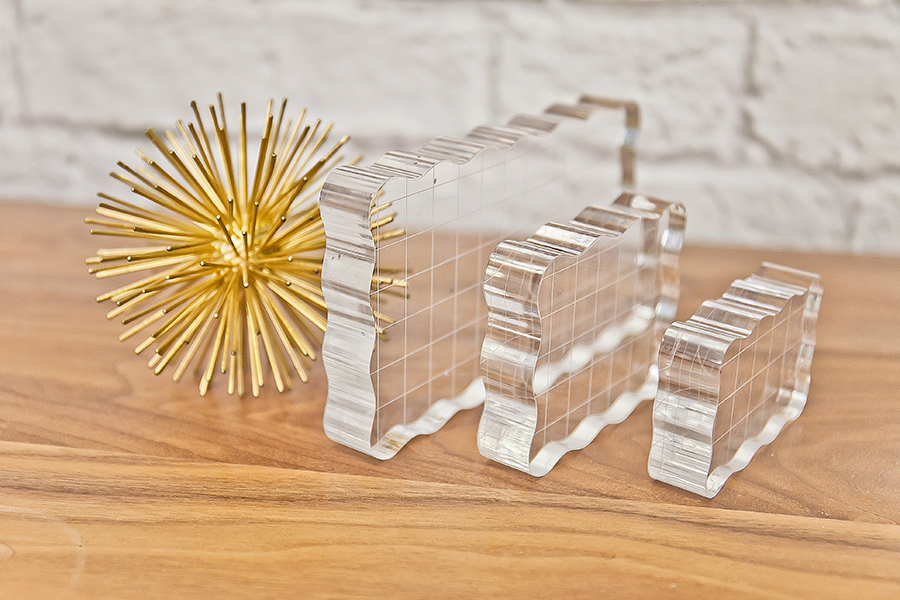
With advancements in technology, the last decade has also seen photopolymer stamps rise into overwhelming popularity. Photopolymer stamps, more commonly known as clear acrylic stamps, are stamps made out of photopolymer. They are transparent, coming on plastic sheets, and used with acrylic blocks to add onto desired surfaces. Acrylic stamps have risen in popularity for a couple main reasons. Because they are photopolymer, they are clear, meaning with the use of a clear acrylic block, the stamper can see the exact positioning of his or her stamp, prior to leaving a mark on the page. The second reason is cost. Acrylic stamps are much less expensive to make, making them much more accessible.

Resources

Topic Alternatives: FHJ Arctic Expedition Team

After some new developments, I have been considering to change my research topics, as I will have the opportunity to join the FHJ Arctic Expedition team on its trip to Greenland. As one of two design students, I will be co-responsible for documenting the expedition and provide all-around media, PR and marketing support. Thus, with the following blog posts I will explore the possibilities in terms of possibly integrating this topic into a master’s thesis project.

To gain a better understanding of the foundation of the FH JOANNEUM Arctic Expedition Team, a short overview will be given over the scope of the project, its contents, goals and execution.

Over the course of the next semester, a group consisting of students, researchers and teachers will organize and participate in an expedition to the Sermilik Polar Research Institute in Greenland. The goal of the expedition is to educate the next generation of Arctic experts and researchers, thus participants will gain knowledge of relevant technology and research topics in order to be able to independently lead further arctic expeditions. During the time in Greenland, the team will develop new use cases and prototypes from different files such as aviation, industry, health, and more. The relevance of this kind of expedition is easily explained with its unique environment and the possible research topics it offers. Furthermore, it is rather rare that scientific expeditions take place in the arctic due to the logistical challenges despite it being such a worthwhile research area.

The FH JOANNEUM Arctic Expedition Team is a unique endeavor that will provide not only valuable insight into various research fields, it is also a pristine example for interdisciplinary measures taken by FH JOANNEUM, as it connects students and professionals from different fields and specialities in a completely new setting. The team will come together and plan the expedition within the framework of its very own course „Arctic Technology“. These classes offer a unique approach to mentoring and educating the next generation of researchers with the peak being the implementation of the expedition in August 2025. Each (student) participant had to hand in an individual project/research proposal, which they will be working on implementing for the excursion. The respective research projects are yet to be revealed to the participants and in time, students will then be supporting each other in realizing the plans.

Students are offered professional support by teachers and experts that are joining the team to round up the experience. 

So, in short: The FH JOANNEUM Arctic Expedition Team is an entirely new interdisciplinary approach to connecting students and professionals from different fields of expertise while supporting research endeavors in the unique field of the arctic. 

As mentioned above, the design students will be in charge of documenting the journey and supporting the media output of the expedition. Thus, this could offer a range of possibilities in terms of a topic for a possible master’s thesis. 

The following angles might be worth exploring: 

  • Creation of a multi-platform/multi-channel multimedia and communication  concept for an Arctic Expedition / Arctic Research including planning, theoretical foundation and execution 
  • Media research communication with an emphasis on arctic research 
  • Reaching out with research: communicating science in popular media/social media with storytelling  

These explorations would offer for an opportunity to research the foundations of science communication in various media / channels while at the same time being able to implement the findings into an actual long-term project. 

Current considerations in terms of media documentation / communication include the following:

  • AET Blog -> A blog series that gives regular insights into the contents of the Arctic Expedition Team, including regular updates on the individual participants 
  • AET Podcast -> On-Site recorded podcast with personal stories of the daily events and research findings 
  • AET Social -> Implementation of a Social Media channel that follows the personal stories of the AET with regular personal updates, project insights, interactive content etc. 
  • AET PR Concept -> Development and implementation of a communication strategy and concept
  • AET Documentary -> An allround-documentary covering everything including the planning/classes, introduction of research projects and the eventual implementation over the course of the expedition itself.

Each of these approaches would support the project, as it is planned to establish the Arctic Expedition Team a long-term project, as well as offer the opportunity of interpreting and analyzing the effectiveness of each measure taken after the expedition itself has taken place, making it possible to stretch this project over the course of the next 1-2 years.

Warum selbst in Historienfilme historische Ungenauigkeiten sinnvoll sein können

Historienfilme und -Serien ziehen Zuschauer in vergangene Epochen und entführen sie in die Welt des Mittelalters und der frühen Neuzeit. Doch wie viel historische Authentizität braucht ein solcher Film, wenn es sich dabei nicht um einen Dokumentarfilm handelt? Ist es immer notwendig, jedes Detail akkurat darzustellen, oder bis zu welchen Grad kann es sinnvoll sein, von der Geschichte abzuweichen, um eine spannendere Geschichte zu erzählen? Dieser Artikel beleuchtet den Konflikt zwischen Realismus und künstlerischer Freiheit, untersucht die Gründe für historische Ungenauigkeiten und zeigt anhand von Beispielen, wie eine Balance zwischen beiden Ansätzen gelingen kann.

Authentizität vs. künstlerische Freiheit

Filme und Serien sind in erster Linie Geschichten und während Dokumentationen versuchen, die Realität und die darin thematisierten Charaktere und Ereignisse so objektiv wie möglich darzustellen, haben Historienfilme oft ein anderes Ziel: Sie wollen unterhalten und emotional bewegen. Dabei entsteht ein natürlicher Konflikt zwischen Realismus und künstlerischer Freiheit.

Historische Genauigkeit sorgt für Glaubwürdigkeit und Immersion. Zuschauer, die sich für eine bestimmte Epoche oder ein historisches Ereignis interessieren, erwarten häufig ein hohes Maß an Detailtreue. Authentizität hilft dabei, die Komplexität und Nuancen einer historischen Zeit zu verstehen – von politischen Strukturen bis hin zu sozialen Dynamiken.
Ein Beispiel hierfür ist Master and Commander (2003). Der Film zeichnet sich durch seine präzise Darstellung des Lebens an Bord eines Kriegsschiffs im frühen 19. Jahrhundert aus. Von den Uniformen der Offiziere über die Navigationsinstrumente bis hin zur Sprache der Besatzung – alles wurde sorgfältig recherchiert und authentisch inszeniert. Diese Detailtreue schafft eine immersive Atmosphäre, die es dem Publikum ermöglicht, tief in die maritime Welt der Napoleonischen Kriege einzutauchen.

Trotz aller Bedeutung der Authentizität bleibt ein Film ein erzählerisches Medium, das darauf abzielt, Emotionen zu wecken und Geschichten zu erzählen. Historische Fakten allein reichen oft nicht aus, um eine packende Handlung zu erzeugen. Hier kommt die künstlerische Freiheit ins Spiel, die es Filmemachern erlaubt, die Realität zu dramatisieren, zu verkürzen oder sogar zu verändern, um eine mitreißende Erzählung zu schaffen.

Ein Paradebeispiel für den Einsatz künstlerischer Freiheit ist Ridley Scotts Gladiator (2000). Der Film nimmt sich viele Freiheiten bei der Darstellung des antiken Roms, von der Figur des Kaisers Commodus bis hin zur Arena-Kultur. Doch diese Änderungen dienen dem Zweck, eine eine klare Heldenreise zu erzählen, die Zuschauer emotional anspricht. Die Konflikte und Kämpfe von Maximus sind archetypisch und universell, was den Film für ein breites Publikum zugänglich macht, auch wenn die historische Genauigkeit darunter leidet.

Dieser Konflikt prägt die Produktion vieler Historienfilme und zieht sich bis hin zu der Darstellung von Kämpfen und Duellen.

Gründe für Ungenauigkeiten

1. Dramatische Wirkung: Der Kampf als emotionaler Höhepunkt

Kampfszenen sind oft der Höhepunkt eines Films oder einer Serie. Sie dienen nicht nur dazu, den Konflikt aufzulösen, sondern auch, die Zuschauer emotional zu packen.

Ein authentischer bewaffneter Kampf war oft schnell und chaotisch. Ein einziger Treffer konnte, je nach Rüstungsgrad der Kontrahenten, tödlich sein, und Duelle dauerten selten länger als wenige Minuten. Diese Realität ist jedoch für Zuschauer häufig wenig befriedigend, daher verlängern Filme Kämpfe, übertreiben Bewegungen oder inszenieren spektakuläre Wendungen, um mehr Spannung aufzubauen.

Beispiel: The Last Duel (2021) zeigt ein realistisch wirkendes Duell, das jedoch dramaturgisch aufgearbeitet wurde und dementsprechend atypische Handhabung der darin vorkommenden Breitschwerter inne hat, um die Spannung und Intensität des Kampfes zu steigern. Die Choreografie bleibt, im Vergleich zu anderen Filmen, auf der eher authentischen Seite, aber die emotionale Bedeutung des Kampfes wird durch Stilisierung verstärkt.

2. Charakterentwicklung: Waffen und Kampfstile als Ausdruck von Persönlichkeit

Die Wahl von Waffen und Kampfstilen kann viel über die Charaktere eines Films aussagen. Hierbei spielt die Authentizität oft eine untergeordnete Rolle, da die Inszenierung wichtiger ist als historische Details. Sie spielen in Filmen oft eine zentrale Rolle bei der Charakterentwicklung und sind mehr als bloße Werkzeuge oder Kampftechniken – sie dienen als visuelles und erzählerisches Mittel, um die Persönlichkeit, Werte und Entwicklung einer Figur zu unterstreichen, worunter die Authentizität dementsprechend leiden kann.

So wird in The Princess Bride (1987) der Fechtstil jedes Charakters genutzt, um dessen Persönlichkeit zu unterstreichen. Die Kämpfe sind choreografisch anspruchsvoll, aber absichtlich überzogen und humorvoll gestaltet, um die märchenhafte Stimmung des Films zu unterstützen. Mehr dazu im nächsten Blog.

Ein anderes, etwas fantasievolleres Beispiel sind Geralt von Rivas zwei Langschwerter aus “The Witcher” 2019 – eines aus Stahl für Menschen und eines aus Silber für Monster – spiegeln nicht nur seine Berufung als Hexer wider, sondern verdeutlichen auch seine Dualität zwischen zwei Welten: der menschlichen und der magischen.

Dieses Beispiel von Connor Chamberlain1 demonstriert die dramaturgische Stilisierung von Geralts Kampfszene in Form von zeitlischer Mainpulation sowie der teils theatralischen und wenig realistischen Handhabung des Langen Schwerts (Minute 9:03).

3. Praktische Gründe: Machbarkeit für Schauspieler

Historische Techniken können je nach Komplexität und Waffe schwer zu erlernen sein. Schauspieler haben oft nur wenige Wochen Zeit, um komplexe Choreografien einzuüben und die Wenigsten sind enthusiastische Fechter:Innen, wodurch die Sicherheit und Routine mit der Waffe fehlt. Um Verletzungen zu vermeiden, werden ebenjene Kampfszenen an die Fähigkeiten der Darsteller angepasst. Das Ergebnis sind oft Bewegungen, die stilisiert und vereinfacht werden, um sicher und gleichzeitig eindrucksvoll zu wirken. So sind beispielsweise in Braveheart (1995) die Schlachten visuell beeindruckend, aber die Kämpfer führen oft für deren Ausbildung (beispielsweise die trainierten und ausgebildeten Soldaten eines Kommandanten) im Kampf sehr ausladende, ungeschützte und daher oft unrealistische Bewegungen aus, die hauptsächlich für das Storytelling entworfen wurden.

Historische Ungenauigkeiten sind nicht automatisch ein Makel. Sie können vielmehr dazu beitragen, eine Geschichte zugänglicher, spannender und emotionaler zu gestalten. Die besten Historienfilme sind jene, die Authentizität als Werkzeug nutzen, aber gleichzeitig den Mut haben, die Realität dort anzupassen, wo es für die Dramaturgie notwendig ist, ohne sich dabei zu stark von der Glaubwürdigkeit weg zu bewegen.

Letztendlich ist es die Fähigkeit, historische Elemente respektvoll zu adaptieren, die diese Filme und Serien auszeichnet. Sie können uns die Vergangenheit näherbringen und gleichzeitig unterhalten – ein Spagat, der nicht leicht zu meistern ist, aber enorme kreative Möglichkeiten bietet.

Ob authentische Schwertkämpfe, überzeichnete Duelle oder epische Schlachten – das Ziel bleibt immer, die Zuschauer zu begeistern und sie in eine andere Zeit zu entführen. Wenn dies gelingt, spielt es oft keine so große Rolle, ob jedes Detail der Realität entspricht, denn die Geschichte lebt durch die Emotionen, die sie vermittelt.

  1. Denver Historical Fencing Academy
    https://denverhistoricalfencing.com/ ↩︎

LiDAR / Projection In Nature / Digital Wood Design

///Topics:

  • Design Experimente: iPhone 13 Lidar, GaussianSplatting
  • Inspiration: Philipp Frank
  • Literatur: Digital Wood Design

Design Experimente – iPhone 13 Max LiDAR Tests

Mit einem iPhone 13 Pro Max aus dem MediaCenter habe ich einen Spaziergang durch den Stadtpark in Graz gemacht, um mit der App Polycam (https://poly.cam) erste eigene LiDAR-Scans zu erstellen. Dabei habe ich mich auf Skulpturen konzentriert, die leicht zugänglich waren, drei Scans aufgenommen und die Ergebnisse später zu Hause ausgewertet.

Dabei ist mir aufgefallen, dass die Mesh-Dichte bei meinen Scans deutlich niedriger ausfällt als bei anderen Beispielen auf der Polycam-Webseite. Auf den ersten Blick wirken die Objekte zwar detailreich, was jedoch vor allem an der hochaufgelösten Textur liegt. Entfernt man diese, bleibt eine recht einfache Low-Poly-Auflösung übrig.

Ich frage mich, ob dies an dem etwas älteren LiDAR-Scanner des iPhone 13 Pro Max liegt oder an den Algorithmen von Polycam. Das werde ich in weiteren Tests noch genauer untersuchen müssen.


Inspiration/Fanboy – Philipp Frank

Ein Künstler, der mich in letzter Zeit beeindruckt hat, ist der Medienkünstler Philipp Frank. Seine Video-Mappings könnten für meine Arbeit hilfreich sein, vor allem, weil der Ort, an dem er sie zeigt, eine besondere Rolle spielt.

Frank projiziert seine Lichtinstallationen oft in der Natur – auf Bäume, Felsen oder sogar Pilze. Dabei entstehen nicht nur atemberaubende visuelle Effekte, sondern auch eine Verbindung zwischen Technologie und Natur. Auf seiner Website zeigt er eine ganze Reihe seiner Projekte, und jedes davon macht deutlich, wie viel Gespür er für Technik und Umgebung hat. Zum Beispiel Projektionen auf Felsen an der Küste, auf Bäume im Abendlicht oder mitten im Wald auf Pilze. Seine Kunst hebt die Schönheit der Natur hervor und gibt ihr durch Licht und Technologie einen neuen Twist.

Was ich an seinen Arbeiten besonders spannend finde, ist, wie er es schafft, die Grenze zwischen der reinen Natur und technischer Innovation verschwimmen zu lassen. Er bringt uns dazu, unsere Umgebung mit ganz anderen Augen zu sehen.

https://www.instagram.com/philipp.frank_


Literaturrecherche

Digital Wood Design

Innovative Techniques of Representation in Architectural Design

Bei meiner Literaturrecherche in der FH Online-Bibliothek bin ich zufällig auf ein spannendes Buch gestoßen: Digital Wood Design von Fabio Bianconi und Marco Filippucci. Nach einem ersten Querlesen habe ich einige Themen identifiziert, die sich gut in meine Arbeit integrieren lassen könnten.

1. Digitales Mapping und Oberflächeninteraktion

Das Buch behandelt innovative digitale Techniken zur Darstellung und Gestaltung von Holzstrukturen im architektonischen Design. Auch wenn der Fokus auf Holz liegt, beleuchtet es die digitale Erfassung und Projektion von komplexen Oberflächenstrukturen, was für Video Mapping extrem relevant ist:

  • Material- und Oberflächenwirkung: Holz hat durch seine Maserung und Textur eine besondere visuelle Eigenschaft. Das Verständnis, wie digitale Techniken mit solchen Oberflächen interagieren, könnte auf die Projektion in Kirchen oder natürlichen Räumen übertragen werden.
  • Geometrie und Form: Viele Video-Mapping-Projekte basieren auf der Anpassung visueller Inhalte an die Geometrie eines Raumes. Die technischen Verfahren zur Erfassung und Visualisierung in „Digital Wood Design“ könnten helfen, präzise Mappings für komplexe architektonische Strukturen zu entwickeln.

2. Wahrnehmungspsychologische Aspekte von Materialien und Räumen

  • Emotionale Wirkung von Materialität: Das Buch erforscht, wie digitale Techniken Materialien wie Holz visuell aufwerten. Diese Überlegungen lassen sich auf die Frage übertragen: Wie beeinflussen visuelle Reize, die sich an die Struktur eines Raumes anpassen, die emotionale Wahrnehmung?
  • Dynamische Licht- und Schatteneffekte: Projektionen auf strukturierten Oberflächen (wie Holz, Steine oder Kirchenwände) erzeugen dynamische visuelle Effekte. Diese beeinflussen, wie Betrachter den Raum und die Tiefe wahrnehmen.

3. Raumwahrnehmung und Embodied Cognition

Das Buch könnte Erkenntnisse darüber liefern, wie digitale Darstellungen und Gestaltungen die physische Interaktion mit Räumen verändern:

  • Veränderte Raumwahrnehmung: Durch digitale Techniken wird die Wahrnehmung von Raumstrukturen beeinflusst. Mapping-Projektionen erzeugen eine Erweiterung oder Neuinterpretation der Architektur. Dies ist insbesondere bei großen, offenen Räumen wie Kirchen relevant.
  • Körperliche Bewegung im Raum: Architektur beeinflusst, wie Menschen sich bewegen. Projektionen, die auf diese Bewegungen abgestimmt sind, können eine immersive Wirkung erzielen, was auch im Kontext von „Embodied Cognition“ eine wichtige Rolle spielt.

4. Technische und ästhetische Ansätze für Video Mapping

Das Buch zeigt innovative technische Verfahren zur digitalen Gestaltung und Visualisierung, die:

  • Inspiration für Video Mapping liefern könnten, um architektonische Oberflächen visuell zu transformieren.
  • Eine Schnittstelle zwischen Technologie und Wahrnehmung schaffen, die im Bereich des Lichtdesigns und der Projektionen relevant ist.

Fazit:

Obwohl das Buch einen spezifischen Fokus auf Holzstrukturen legt, bietet es spannende Erkenntnisse zu:

  • der digitalen Erfassung und Projektion von Oberflächen,
  • der Wirkung von Materialien und Strukturen auf die Wahrnehmung,
  • und der Integration von Architektur und digitalen Visualisierungen.

Diese Erkenntnisse lassen sich direkt auf die Fragen zu Raumwahrnehmung, Embodied Cognition und emotionalen Aspekten im Kontext von Video Mapping übertragen.

Styling as a branding tool in K-Pop

At the core of K-Pop’s global success is its ability to create visually appealing, easily recognizable, and memorable identities for its idols and groups. K-Pop styling is carefully planned and coordinated, being an important tool for communicating with the audience. Each comeback, performance, and music video is an opportunity to reinforce the group’s image, update its concept, and reach new audiences through new aesthetics.

Styling is, therefore, the cornerstone of K-Pop branding, as it allows groups to position themselves within the landscape, serve specific target markets, and set their identity in an increasingly globalized entertainment industry.

Fashion as Personal Branding and Group Cohesion

While K-Pop groups often have a cohesive group identity, each member is also encouraged to develop their own individual fashion persona. This balance between individuality and group cohesion is key to the overall success of K-Pop, as fans become emotionally invested not only in the group as a whole but also in the unique characteristics of individual members.

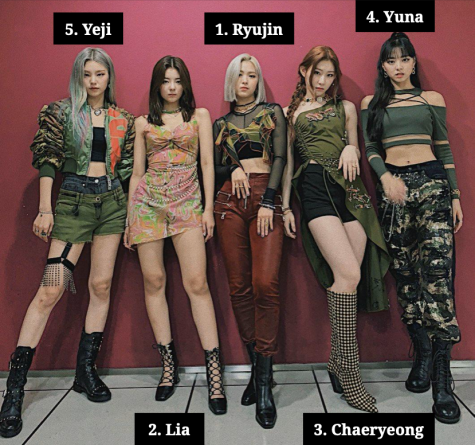
For example, in the case of ITZY, each member has a unique fashion style that mirrors her individual personality and role within the group. Yeji often opts for bold, edgy outfits that reflect her fierce, confident persona, while Lia’s wardrobe leans more towards soft, elegant styles that highlight her graceful and calm nature. This contrast in their styles allows fans to connect with each member on a deeper level, while the group’s overall aesthetic remains unified and dynamic.

ITZY:

left to right: Yeji, Lia, Ryunjin, Chaeryeong, Yuna

In addition to personal branding, fashion in K-Pop also serves to reinforce the group’s concept. The iconic “power” concept of groups like (G)I-DLE and Twice is reinforced through strong, bold fashion choices—such as leather jackets, studs, and sharp silhouettes—that visually communicate the group’s strength and independence.

(G)I-DLE:

Twice:

Fashion, therefore, becomes a tool for both individual expression and collective identity, creating a balanced narrative that supports both the music and the group’s image.

The Role of Fashion in Fan Culture and Merchandise

K-Pop fans, known for their passionate support, often emulate the fashion choices of their favorite idols, buying merchandise and clothing items associated with the group. This consumer behavior plays a significant role in the dissemination of K-Pop’s visual identity.

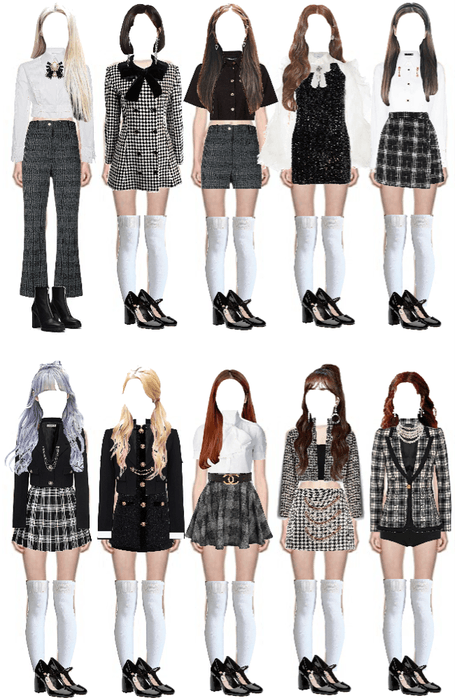
For instance, the popularization of certain trends can often be traced back to K-Pop styling. Items such as oversized hoodies, chunky sneakers, and brightly colored hair became popular worldwide after being featured in K-Pop music videos and performances. The rise of “K-Pop fashion” can be attributed to the influence of idols who are often seen wearing streetwear, designer pieces, or collaboration items with well-known fashion houses. Groups like *TWICE* and *Stray Kids* have contributed to making specific trends mainstream, while their fans, known as “K-Pop stans,” frequently purchase merchandise or emulate the style of their favorite idols.

Stray Kids Fashion Inspo:

Twice Fashion Inspo:

Furthermore, K-Pop’s styling is often inclusive, with a wide range of looks—spanning from hyper-feminine to androgynous, from hip-hop to avant-garde fashion—allowing fans of all gender identities and cultural backgrounds to find a connection to their favorite groups. K-Pop idols, with their diverse styling, encourage self-expression and empower fans to embrace their own individuality. 

In this way, K-Pop styling also functions as a tool of identity creation, both for the artists and for their followers. Fans view their favorite idols as representatives of certain ideals, and styling becomes a visual shorthand for these ideals—be it youthfulness, power, luxury, or rebellion.

Conclusion

K-Pop styling is far more than a tool for aesthetics—it is a multifaceted branding mechanism that helps define the identity of both the artists and the industry. Through careful and strategic styling, K-Pop groups are able to create distinct personas, connect with diverse audiences, and influence global fashion trends. Fashion, makeup, and hair in K-Pop are integral to creating memorable, iconic images that resonate with fans and allow groups to maintain relevance in the fast-paced entertainment industry. 

In a globalized entertainment landscape where image is everything, K-Pop has mastered the art of styling as a branding tool, proving that visual identity is just as essential as music in building a lasting, influential global presence.

Sources:

Han, S. (2019). Branding K-Pop: The Art of Creating Global Identities. Journal of Global Pop Culture, 7(2), 134-146.

Kim, Y. (2020). Fashion in K-Pop: Identity, Influence, and Global Appeal. Seoul University Press.

Lee, M. (2021). Styling K-Pop: A Study on Fashion’s Role in K-Pop Branding 

Kim, Y. (2020). Fashion and K-Pop: The Role of Style in the Globalization of Korean Pop Culture. Seoul University Press.

Jung, E. (2018). The Visual Aesthetics of K-Pop: Fashion, Identity, and Global Influence. Asian Media Studies Journal, 12(3), 45-59.

Lee, M. (2019). K-Pop and Fashion: The Intersection of Music, Art, and Style. K-Pop Industry Review, 8(4), 78-91.

Nam, J. (2021). Fan Culture and Fashion: How K-Pop Influences the Global Fashion Landscape. Global Pop Culture Studies, 16(2), 112-130.

https://www.voguecollege.com/articles/the-power-of-fashion-how-k-pop-incorporates-fashion-to-create-visual-identity

https://medium.com/free-code-camp/what-k-pop-can-teach-us-about-design-6253a85f469c