Because I researched possibilities of our laser cutter in the FAB Lab, I now want to dive deeper into the topic of stamps. This is because I experimented with engraving lino sheets which worked out really well.
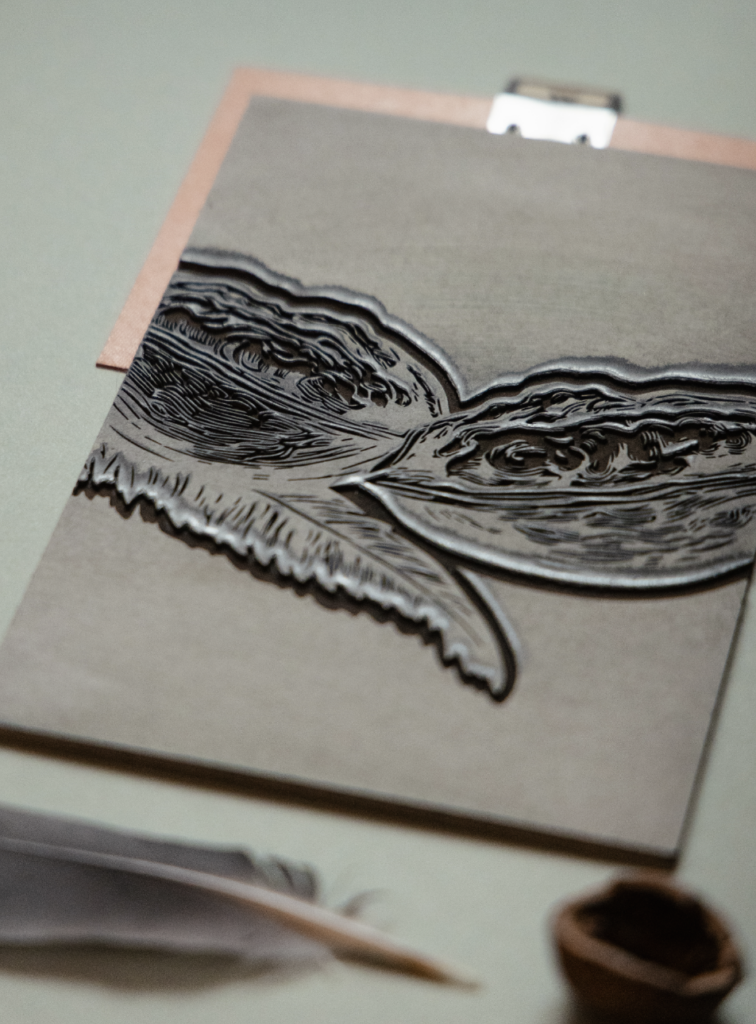
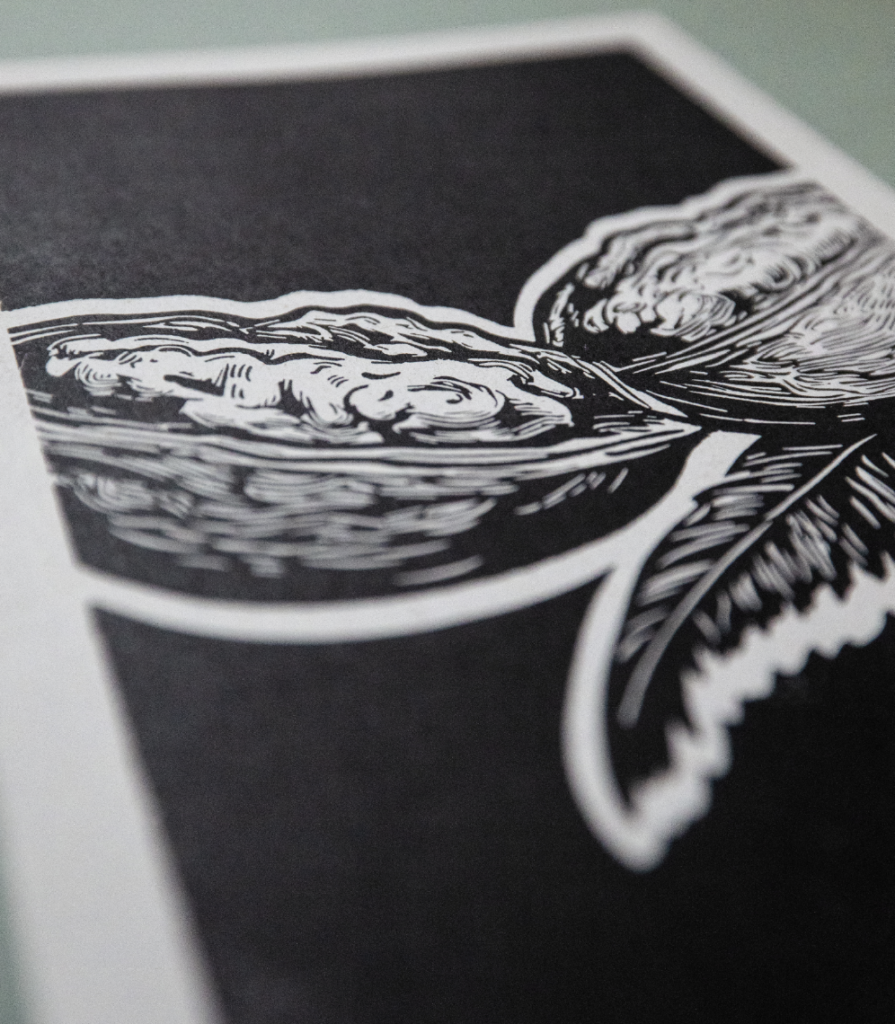
Long before ink pads and rubber stamps, crafty folk were making their mark with seals. The earliest evidence of this comes from Ancient Mesopotamia (a region of modern-day Iraq) where archaeologists have found examples of clay being embossed with custom seals. Back then, seals were usually carved out of bone or stone.
The First Form of Stamping: Wax Seals
The oldest use of a tool resembling a stamp is an application that commonly didn’t use ink: the seal. Today, seals – usually in wax – are mostly used for decorative purposes, but for millennia they were critical for verifying the authenticity of products, correspondence, and official documents. Signet rings, which allowed a person’s seal to be worn accessibly on his or her hand as jewelry, rose in popularity during the Middle Ages as wax sealing became more common.
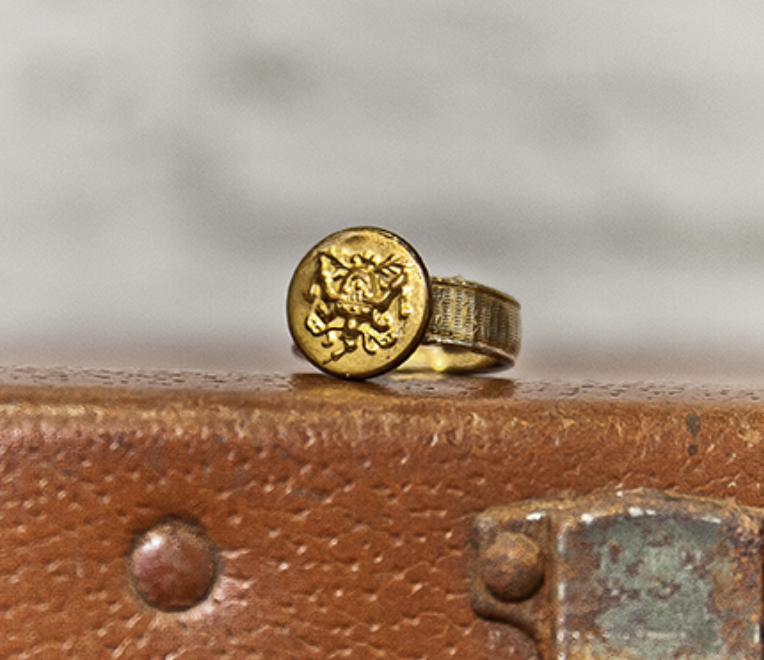
The use of wax seals in everyday life was made largely obsolete by two modern day things that we often take for granted: widespread literacy and gummed envelopes. With signatures replacing the seal as a sign of authenticity for everyday documents, and gummed envelopes providing security against contents being read or tampered with, the wax seal has faded into ceremonial and decorative use.
Woodblock printing
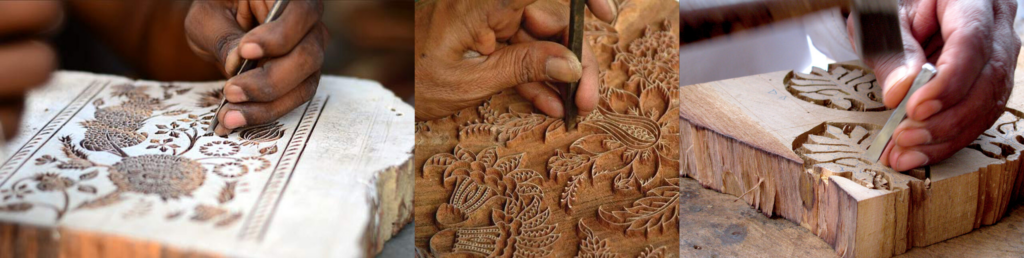
Woodblock printing more closely resembles what we now call stamping. It’s believed these early ‘stamps’ probably first originated in China, but were soon used around the whole world. Images and text would be meticulously carved into wooden surfaces by hand, and then stamped with ink onto fabrics or paper.
In Asia, woodblock printing was used extensively to create both textiles and books. Early samples of multi-colored woodblock printing on silk can be seen as far back as 220 AD in China. Although movable type was known in Asia at that time, it was not easy to apply the technique to the Chinese language, which contains thousands of characters. Instead, entire pages of text were produced as woodblocks as a way to print books. Also the influence of Indian block printing on stamp design epitomizes the enduring legacy of this ancient craft.
The Birth of Rubber Stamps
Although the Mayans and Aztecs had been using rubber for centuries, the rest of the world didn’t catch on until 1736. The invention of stamps began in the 1700s when explorers encountered a sticky, bouncy substance in South America – rubber. An American chemist, Charles Goodyear, developed the first ever vulcanized rubber. According to connecticuthistory.org, Goodyear accidentally discovered this process in 1839 by combining rubber and sulfur upon a hot stove. This allowed rubber to be hardened and made durable, opening the door to various applications. However, it wasn’t until the latter half of the century that the rubber stamp made its debut.
Although the official inventor of rubber stamps is up for debate, officemuseum.com claims they were invented sometime between 1864-1866. In 1866, a patent for a rubber hand stamp was issued to James Woodruff, marking the official birth of rubber stamps as we know them today. These early rubber stamps were made by mounting engraved rubber plates on wooden handles, and they quickly gained popularity for their efficiency and versatility. The original rubber stamp model was a hand stamp made by attaching the rubber to wood. Today we can clearly see the resemblance in our traditional wooden hand stamp bodies.
In 1866, a salesman named J.F.W. Dorman was introduced to the rubber stamp and was the first to successfully commercialize the product.
The Rubber Stamp Evolution
The late 19th and early 20th centuries witnessed the rubber stamp’s transition from factories to offices. Companies started using rubber stamps for various tasks, including marking invoices, addressing envelopes, and endorsing checks. Customization became increasingly important, allowing businesses to include their names, addresses, and other specific information on stamps. As technology evolved, so did rubber stamp production methods. In the 20th century, photomechanical processes allowed for greater precision in stamp design. This paved the way for more intricate and personalized custom rubber stamps. Additionally, innovations like self-inking stamps reduced the mess associated with traditional ink pads.
Custom rubber stamps also found a place in the world of arts and crafts. From scrapbooking to handmade greeting cards, rubber stamps became an indispensable tool for adding unique and artistic touches to projects.
Stamping Today: The Digital Age & Beyond
In a world where everything is increasingly digital, custom rubber stamps serve as a tangible link to the past, a reminder of simpler times when a simple press of ink on paper carried a powerful message. Their continued popularity is a testament to their versatility and enduring charm.
Whether it’s for marking important documents or adding a personal touch to handmade creations, custom rubber stamps continue to make their mark on history, leaving a lasting impression on the pages of time. It’s our privilege to continue the legacy of custom rubber stamps, offering our customers the means to leave their own unique mark on the world.
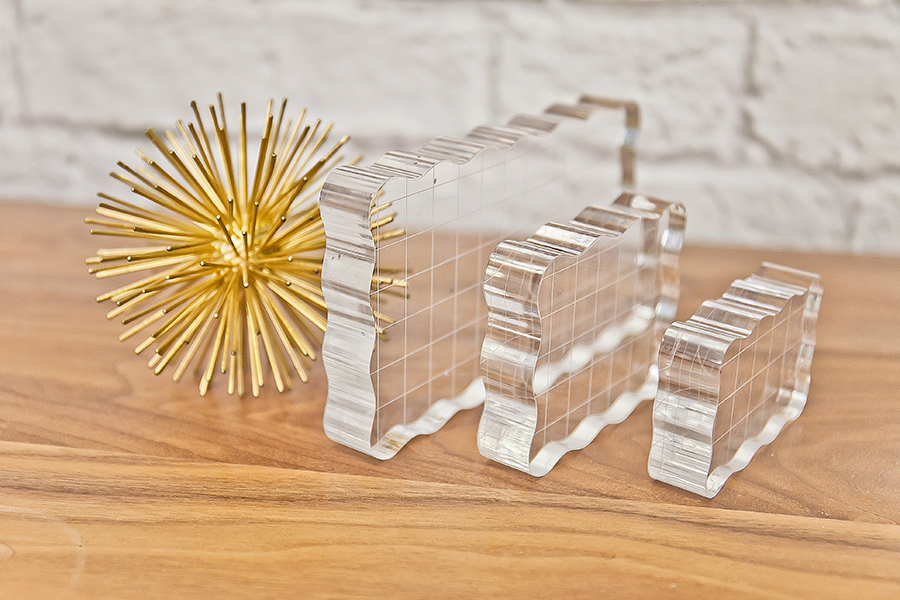
With advancements in technology, the last decade has also seen photopolymer stamps rise into overwhelming popularity. Photopolymer stamps, more commonly known as clear acrylic stamps, are stamps made out of photopolymer. They are transparent, coming on plastic sheets, and used with acrylic blocks to add onto desired surfaces. Acrylic stamps have risen in popularity for a couple main reasons. Because they are photopolymer, they are clear, meaning with the use of a clear acrylic block, the stamper can see the exact positioning of his or her stamp, prior to leaving a mark on the page. The second reason is cost. Acrylic stamps are much less expensive to make, making them much more accessible.
Resources
- https://www.scrapbook.com/articles/the-history-of-stamping
- https://www.simplystamps.com/blog/the-imprint-of-time-a-brief-history-of-custom-rubber-stamps
- https://blog.stampjam.com/history-of-stamp-making-rubber-to-virtual-stamp/
- https://getstamped.co.uk/the-amazing-history-of-rubber-stamps/#:~:text=Woodblock%20printing%20more%20closely%20resembles,ink%20onto%20fabrics%20or%20paper.
- https://www.mrrubberstamps.com.au/the-history-of-rubber-stamps-from-ancient-seals-to-modern-customisation
- https://www.rubberstampking.co.uk/rubber-stamp-history.html
- https://stuartmorris.co.uk/2024/01/11/captivating-artistry-exploring-indian-block-printing-in-stamp-design/
