Welche Leute braucht ein Typisches Filmset als eigentlich?

Filmsets sind faszinierende Mikrokosmen von Zusammenarbeit und Effizienz. Jeder Film, egal ob Blockbuster oder Indie-Projekt, ist das Ergebnis eines hochspezialisierten und straff organisierten Teams. Aber was braucht es wirklich an Positionen und Abläufen, um ein Filmset am Laufen zu halten? Diese Frage lässt sich anhand der Ergebnisse aus dem Dokument „That’s A Wrap!“ sowie der gängigen Praxis in der Filmindustrie beantworten.


Minimalbesetzung: Die grundlegenden Positionen

Ein erfolgreiches Filmset benötigt eine klar definierte Hierarchie und Arbeitsverteilung. Folgende Schlüsselpositionen gelten als unverzichtbar:

  1. Regisseur – Die kreative Führungskraft, die die Vision des Films steuert.
  2. Kameraabteilung:
    • Kameramann/-frau (Director of Photography, DoP) – Verantwortlich für die visuelle Umsetzung.
    • Kameraassistent/-in – Zuständig für die technische Unterstützung und Fokussierung.
  3. Tonabteilung:
    • Tonmeister/-in – Verantwortlich für die Tonaufnahme am Set.
  4. Licht- und Grip-Team:
    • Beleuchter/-in (Gaffer) – Kontrolliert die Lichtgestaltung.
    • Grip – Zuständig für das Handling von Kamerabewegungen und Aufbau.
  5. Regieassistenz (AD) – Koordiniert das Set und sorgt für die Einhaltung des Drehplans.
  6. Skriptbetreuung – Überwacht die Kontinuität und Protokollführung.
  7. Produktionsteam:
    • Produktionsleiter/-in – Überwacht das Budget und die Logistik.
    • Set-Runner – Unterstützt bei allen organisatorischen Aufgaben.

Effiziente Abläufe: Was macht ein Filmset effektiv?

Laut der Untersuchung von Lisa C. Cook gibt es mehrere grundlegende Prinzipien, die den Erfolg eines Filmsets ausmachen:

  1. Ergebnisorientierung – Filmcrews sind bekannt für ihren Fokus auf Resultate. Der Drehplan ist das Herzstück, und jede Abweichung bedeutet Zeit- und Kostenverlust.
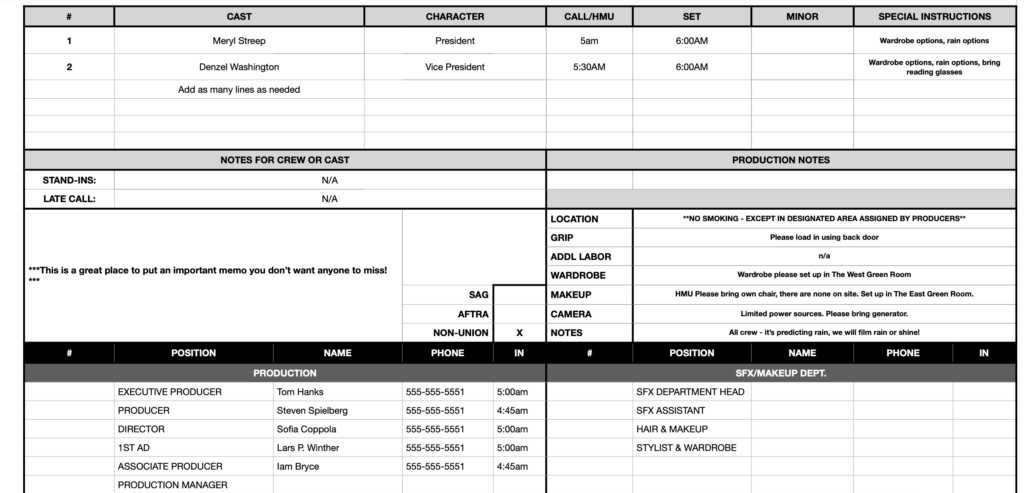
  2. Klare Hierarchie – Wie in einer militärischen Struktur weiß jede Person genau, was ihre Aufgabe ist und wer die Entscheidungsträger sind. Die Hierarchie wir immer im Call-Sheet angegeben.
  3. Flexibilität und Problemlösung – Filmsets erfordern ständige Anpassung an unerwartete Herausforderungen, z. B. Wetter oder technische Probleme.
  4. Pragmatischer Ansatz – Protokolle und Regeln sind wichtig, aber das Ziel, „den Tag zu schaffen“, hat höchste Priorität.
Die Balance zwischen Minimierung und Qualität

Minimalistische Filmsets können erstaunliche Ergebnisse liefern, wenn die richtigen Leute und eine effiziente Organisation vorhanden sind. Allerdings erfordert dies von allen Beteiligten ein hohes Maß an Fachwissen, Disziplin und die Fähigkeit zur Zusammenarbeit. Ein „Minimalteam“ kann unter den richtigen Bedingungen genauso effektiv sein wie größere Crews.

Für kleinere Produktionen oder Low-Budget-Filme können diese Grundlagen als Leitfaden dienen, um mit minimalem Aufwand maximale Wirkung zu erzielen.

Quellen:

Cook, L. C. (2012). That’s a wrap! The organizational culture and characteristics of successful film crews (Master’s Thesis). University of Central Florida. Abgerufen von https://stars.library.ucf.edu/etd/2113

SetHero. (n.d.). Ultimate film crew positions breakdown + infographic. SetHero. Abgerufen am 25. Januar 2025, von https://sethero.com/blog/film-crew-positions-breakdown-guide-with-infographic/

09. Scalability in Preventive Healthcare: Building Platforms for the Future

In this post, I will wear the hat of the CEO and try to observe this project in terms of scalability to bring it to masses efficiently. A scalable platform ensures that healthcare solutions can grow efficiently, reaching larger audiences without compromising performance, accessibility, or quality. Well my initiative thought was a collaboration with the government, but since government structures are famous for the bureaucracy and slow implementation I found the new ways:

One of the most effective ways to scale preventive healthcare platforms is through partnerships with private healthcare providers, insurance companies, and wellness organizations. These stakeholders have the infrastructure and resources to integrate preventive measures into their existing services, offering users a seamless experience.

Benefits:

  • Faster implementation compared to government programs.
  • Access to established healthcare infrastructure and patient databases.
  • Potential funding from private investors.

Challenges:

  • Alignment with business goals may prioritize profitability over public health impact.
  • Regulatory hurdles and compliance with privacy laws.
  • Limited accessibility for low-income populations without private insurance

For example, preventive healthcare platforms can be offered as an added benefit to private health insurance plans, encouraging users to engage with their health proactively while reducing long-term costs for insurers

Many companies are investing in employee wellness programs to boost productivity and reduce healthcare costs. Offering preventive healthcare solutions as part of corporate wellness initiatives can drive adoption while creating a healthier workforce.

Benefits:

  • Direct access to large groups of users.
  • Incentives for employees to actively participate in preventive care.
  • Potential for recurring revenue through corporate subscriptions.

Challenges:

  • Employee participation may be low without strong incentives.
  • Privacy concerns about health data shared with employers.
  • Potential exclusion of freelancers, part-time workers, and small businesses.

For instance, a platform could provide tailored health insights, fitness challenges, and mental well-being support, with incentives such as rewards or discounts for achieving health goals.

Collaborating with local community centers, fitness organizations, and non-profits can help introduce preventive healthcare initiatives at the grassroots level.

Benefits:

  • Strong community engagement and trust.
  • Tailored solutions for local populations with specific health needs.
  • Opportunities for pilot testing before scaling further.

Challenges:

  • Limited funding and resources for long-term sustainability.
  • Scaling beyond local communities may be challenging.
  • Difficulty in measuring impact and collecting data efficiently

For example, hosting community health workshops that introduce digital health tools can serve as an entry point for people to adopt preventive healthcare platforms.

Taking a direct-to-consumer approach through mobile apps or web platforms allows individuals to engage with preventive healthcare solutions on their own terms. Using digital marketing, influencer partnerships, and engaging content can help attract and retain users effectively.

Benefits:

  • Full control over branding, messaging, and user experience.
  • Scalable revenue models such as freemium subscriptions.
  • Continuous feedback and improvement through user insights.

Challenges:

  • High marketing costs to attract and retain users in a competitive market.
  • Digital literacy and accessibility issues for certain demographics.
  • Trust barriers, as users may be skeptical of self-managed health solutions.

An example of this approach is a health-tracking app that offers free basic features, with optional premium services such as personalized coaching and advanced analytics.

Partnering with emerging HealthTech startups can help preventive healthcare platforms leverage cutting-edge technology and innovation without starting from scratch. By integrating with existing solutions, scalability can be achieved more efficiently.

Benefits:

  • Access to new technology such as AI-driven analytics and wearable integrations.
  • Faster development and deployment through shared resources.
  • Potential for investment and growth through startup ecosystems.

Challenges:

  • Dependence on startup stability and funding cycles.
  • Potential technology compatibility issues.
  • Balancing innovation with regulatory compliance.

For instance, integrating preventive health features into fitness wearables or telehealth platforms could enhance user engagement and expand market reach.

Collaborating with universities and research institutions provides scientific validation for preventive healthcare platforms while leveraging academic networks to drive adoption. These partnerships can also help attract funding and credibility.

Benefits:

  • Strong scientific backing to enhance trust and effectiveness.
  • Access to grants and funding for innovation.
  • Opportunities to influence public health policies in the future.

Challenges:

  • Slow bureaucratic processes and lengthy approval timelines.
  • Limited commercial scalability without strong industry partnerships.
  • Focus may shift towards research rather than practical implementation.

For example, a platform co-developed with a university can provide data-driven preventive recommendations based on ongoing research studies.

Scalability is a key factor in ensuring that preventive healthcare platforms can reach and benefit as many people as possible. While government support may offer certain advantages, exploring alternative approaches such as corporate partnerships, community engagement, and direct-to-consumer models provides greater flexibility and faster implementation.

By embracing diverse strategies, preventive healthcare platforms can continue to evolve, improve accessibility, and empower individuals to take control of their health on a larger scale.

1.7. Engaging the Senses: Multisensory Design in Museums

Revolutionizing Museum Spaces

Museums are evolving from static to vibrant, interactive spaces designed to engage visitors on a deeper level. Among the most transformative innovations is the incorporation of multisensory experiences, which activate sight, touch, sound, smell, and even taste to create unforgettable moments.

The Benefits of Multisensory Engagement

Multisensory engagement enriches learning by mirroring real-life environments, where information is naturally processed through multiple senses. Research highlights that combining modalities, such as pairing visual stimuli with sound, facilitates faster and more effective learning. This approach not only improves memory retention but also makes museums more accessible to diverse audiences, including people with disabilities [1][2].

Multisensory Solutions Through Design and Technology

Museums are redefining visitor engagement by crafting multisensory experiences that combine traditional methods with cutting-edge technology. Curated scents and immersive soundscapes transport visitors to distinct times and places—whether through the aroma of ancient spices or the ambient noise of a bustling historical market. Similarly, edible exhibits and tasting stations tied to cultural or historical themes deepen emotional connections and leave lasting impressions [5].

Technology enhances these sensory elements by introducing new layers of interaction and immersion. Augmented reality (AR) and virtual reality (VR) bring historical events to life, allowing visitors to explore ancient environments or interact with digital reconstructions of artifacts. Haptic feedback devices simulate the sensation of touch, enabling users to “feel” objects that might otherwise be inaccessible due to fragility or preservation concerns. Furthermore, spatial audio systems adapt soundscapes to visitor movements, creating dynamic, personalized auditory experiences [4][5].

By blending sensory-rich design with innovative technologies, museums are crafting deeply immersive journeys that connect audiences to art, history, and culture in ways never before possible. These integrated approaches encourage visitors not just to observe, but to feel and actively engage, forging emotional and intellectual connections that linger long after their visit.

images source: Ultraviolet by Paul Pairet

Deepening Emotional Connections

Beyond accessibility, multisensory strategies can evoke emotions, foster empathy, and deepen cultural understanding. Experiences like tasting culturally significant foods, hearing ambient sounds of historical sites, and smelling curated scents transport visitors to the essence of different eras and places. This approach strengthens their emotional connection to history and art, enriching their overall museum experience [3][4][5].

The Future of Multisensory Museums

By embracing multisensory design, museums can transcend traditional boundaries, making cultural heritage accessible, inclusive, and engaging for all. As the future unfolds, multisensory solutions stand as a beacon for museum innovation, enhancing visitor experiences and reshaping how we interact with cultural heritage [5].

References

[1] L. Shams and A. R. Seitz, “Benefits of Multisensory Learning,” Trends in Cognitive Sciences, vol. 12, no. 11, pp. 411–417, 2008.
[2] T. Harada, Y. Hideyoshi, E. Gressier-Soudan, and C. Jean, “Museum Experience Design Based on Multi-Sensory Transformation Approach,” in International Design Conference, 2018, pp. 2221–2228.
[3] S. Subramanian, “Creating Multi-Sensory Experiences: Integrating Emotions into Design,” Medium, May 16, 2018. [Online]. Available: https://medium.com/@shriyasub101/creating-multi-sensory-experiences-integrating-emotions-into-design-2ba4cf379643.
[4] D. Luo, L. Doucé, and K. Nys, “Multisensory Museum Experience: An Integrative View and Future Research Directions,” Museum Management and Curatorship, vol. 39, no. 1, pp. 1–22, 2024.
[5] “What Is a Multisensory Experience? 5 Powerful Examples,” Peek, Jan. 2025. [Online]. Available: https://www.peekpro.com/blog/multisensory-experience.

Mainstream brand collaborations: Best practise examples

The Chunky Dunky Nike x Ben & Jerry’s brand collab

The Chunky Dunky is an unexpected maximalist collaboration between Nike and Ben & Jerry’s. Nike released the shoe in very limited quantities, with a box specially designed to look like the Ben & Jerry’s flavor that inspired it, Chunky Monkey.

The shoe was one of the most hyped sneakers of 2020, selling out immediately. If you want a pair, they’re currently going for almost $3,000 on resale markets.

Luxury kitchen appliances: SMEG x Dolce & Gabanna

Have you ever felt like your kitchen appliances weren’t getting enough attention?

Then Dolce & Gabbana’s product coloration with Smeg is perfect for you. The luxury fashion house teamed up with the home appliance manufacturer to product a series of loud, colorful, (and expensive) toasters, kettles, juicers, and blenders.

In einem ersten Projekt kreierten Dolce & Gabbana und Smeg gemeinsam eine Sonderedition des Kühlschranks FAB28 – und schufen wahre Kunstwerke. 100 exklusive, handbemalte Kühlschränke, von denen jeder mit einzigartigen Bildern renommierter sizilianischer Künstler versehen ist: Zitronen, das Symbol der Trinacria, Wagenräder, mittelalterliche Ritter und Schlachtenszenen – allesamt unverwechselbare Elemente der Ästhetik von Domenico Dolce und Stefano Gabbana.

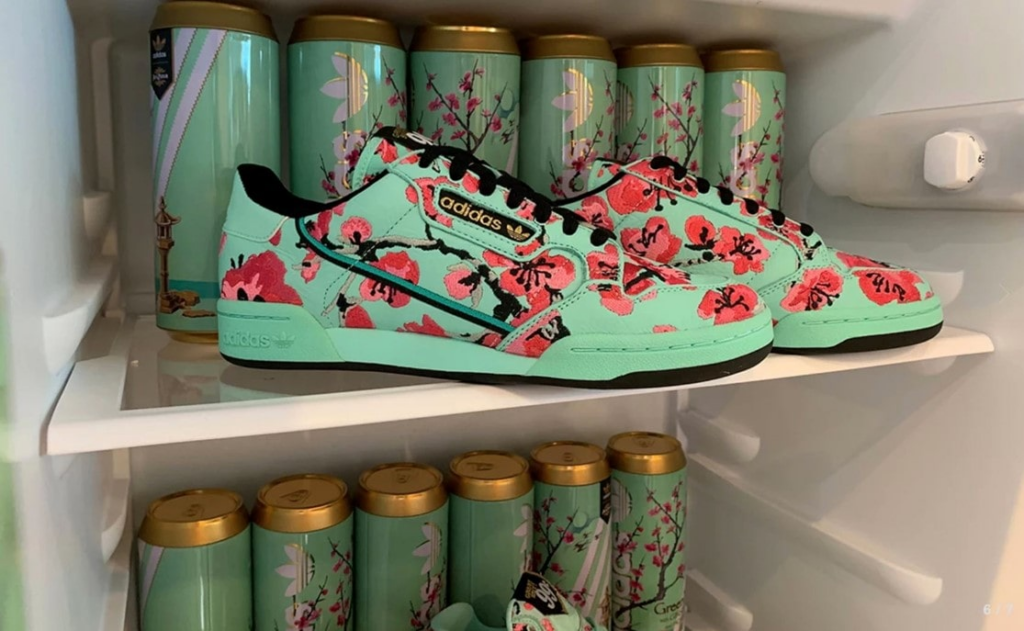
Adidas x Arizona Ice Tea

In this brand collab, Adidas teamed up with Arizona Iced Tea to create a limited-edition sneaker with the iced tea brand’s famous price tag: 99-cents.

Of course, this was more of a marketing play than an attempt at real profits. But it worked. The release of the Arizona Adidas sneakers was so hyped police had to shut down the New York pop-up store. The collab is going for almost $2,000 on resale markets today—a tidy profit for those who managed to buy the shoe for 99-cents.

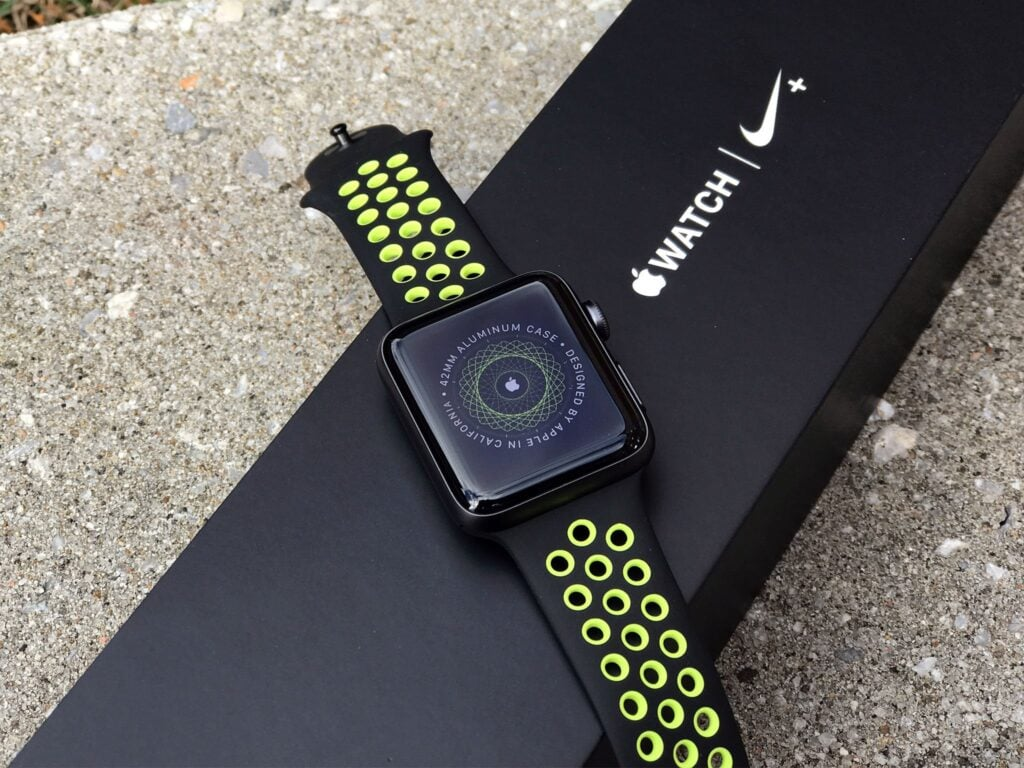
Nike x Apple: Collaborating on the Apple Watch

A major reason why this partnership has been so successful is the seamless handoff between both platforms, a trademark of Apple’s ecosystem. This has helped drive brand loyalty and new customer acquisition for both brands. 

Doritos x Taco Bell: The Doritos Locos Tacos

The Doritos Locos Tacos is an excellent example of two complementary mainstream brands coming together to create a product that was a surefire hit with their overlapping customer bases. 

Doritos Locos Tacos combined the popular Doritos tortilla chip with classic taco flavors to create a memorable snack full of flavor that customers could only get at Taco Bell. 

Lego x Star Wars

The LEGO and Star Wars collaboration is an excellent example of two world-leading consumer brands creating something special for their customers. The special edition LEGO sets brought the iconic Star Wars universe to life, including characters, locations, and even vehicles from the hit film franchise. 

The collaboration delighted fans of all ages, leading to a range of spinoff products. 

Heinz x Absolute

The Heinz x Absolut collaboration is a great example of how to piggyback off a trend successfully. Noticing the surge in tomato and vodka pasta recipes on social media, Heinz partnered with vodka brand Absolut to create the UK’s first tomato vodka pasta sauce. 

A hugely successful social media campaign saw food influencers sharing their reactions to the sauce as well as recipes for using it. Within a week of the product release, the campaign had received over 6.2 million views on TikTok, and sales of Heinz pasta sauces were up more than 50% in the two months following.

Supreme x OREO

In 2020, Supreme collaborated with Oreo to create a limited edition of Oreo cookies featuring the iconic Supreme logo and its signature red brand color. Both brands are known for their fun, youthful values, and their customers snapped up the cookies as they hit the shelves.  

The eye-catching cookies gained colossal buzz online, with one Supreme fan’s tweet about the cookie receiving almost 19,0000 retweets and over 67,000 likes. The cookies quickly sold out and could be found for extortionate sums on resell sites like eBay. 

Conclusion: Why These Mainstream Brand Collaborations Are Best Practice Examples

The success of the collaborations highlighted above demonstrates the immense potential of creative partnerships between mainstream brands. These examples represent best practices in brand collaboration due to their ability to merge unique brand identities, resonate with shared customer bases, and create memorable, limited-edition products that drive both cultural relevance and commercial success.

  1. Uniqueness and Creativity
    Each collaboration, from Nike x Ben & Jerry’s to Heinz x Absolut, showcases a unique fusion of the partners’ strengths. Whether it’s transforming sneakers into collectible art pieces or turning viral recipes into retail products, these campaigns lean into creative storytelling and product innovation to excite audiences.
  2. Cultural Relevance
    These collaborations reflect or even shape cultural moments. For example, Heinz x Absolut capitalized on a viral food trend, while Supreme x Oreo and Adidas x Arizona Iced Tea brought fun and accessibility to their branding. The ability to tap into the zeitgeist ensures lasting buzz and strong engagement.
  3. Strategic Use of Limited Editions
    The use of limited-edition releases, such as the Chunky Dunky sneakers or Supreme Oreos, creates scarcity that drives consumer demand and amplifies exclusivity. Resale markets thriving with high prices only add to the allure, as customers view these items as status symbols.
  4. Cross-Market Synergies
    These collaborations excel by blending overlapping audiences and market strengths. For example, the Doritos Locos Tacos capitalized on a shared love of bold flavors, while Lego x Star Wars merged pop culture fandoms. This strategic alignment ensures that both brands mutually benefit from wider exposure.
  5. Leveraging Digital and Social Media
    Successful campaigns like Heinz x Absolut and Supreme x Oreo harnessed social media to amplify their impact. Viral content, influencer engagement, and shareable moments drive buzz and allow brands to stay at the forefront of online culture.
  6. Driving Brand Loyalty and Sales
    These collaborations not only generate buzz but also deepen brand loyalty and drive sales. From Taco Bell’s cult-like following for Doritos Locos Tacos to the resurgence in Heinz pasta sauce sales, the commercial success of these projects underscores their impact.

My Takeaway

The best mainstream brand collaborations prove that partnerships rooted in creativity, cultural relevance, and consumer insight can elevate both brands involved. By offering unique products, limited editions, and digital-first campaigns, these collaborations leave lasting impressions, build cultural cachet, and deliver measurable business results. Designers, marketers, and brand strategists can take inspiration from these examples to create future campaigns that innovate, connect with audiences, and stand the test of time.

Designers, marketers, and brand strategists can draw from the surrealist approach to challenge conventions, create emotional connections, and turn everyday products into cultural touchpoints that delight and inspire.

Resources

Prada X Redbull – State of the Art Advertising & Best Practise

Taking a closer look at a best practise example in the context of luxury brand meets mainstream company. Prada presents its ongoing partnership with Red Bull to promote events and special initiatives focussing on sport and innovation.

Digital first approach: Storytelling

The first part of this collaboration is Reshapes, a documentary film about the famous French snowboarder Pierre Vaultier, which tells the story of his technical, human and sporting achievements, which are unrivalled in the world of snowboarding. The video shows the athlete’s intensive preparation for his return to the top of the world and follows his impressive acrobatic jumps on a fascinating course conceived and designed by Vaultier himself – in the centre of the Serre Chevalier ski resort in the Hautes-Alpes province of France. In tackling this extraordinary challenge, Pierre Vaultier is happy to draw on the experience of Prada Linea Rossa, which has always combined fashion and high-performance sportswear.

The Role of Digital Platforms

  • Documentary as a Medium: Using a documentary film allows Prada to dive into long-form storytelling, offering more depth than traditional advertisements.
  • Social Media Amplification: Teasers and behind-the-scenes footage from Reshapes can create buzz on platforms like Instagram, TikTok, and YouTube, driving engagement among younger, digitally native audiences.

Best Practices for Digital Storytelling in Luxury Collaborations

  • Personalization: Tailoring content for different audiences (e.g., athletes vs. fashion enthusiasts) can maximize impact.
  • Multi-Platform Strategy: Leveraging documentaries, short-form content, and live events ensures consistent storytelling across all digital touchpoints.
  • Collaborating with Real Stories: Using authentic figures like Vaultier creates emotional resonance and builds trust, avoiding the pitfalls of inauthentic celebrity endorsements.

Build a theme / series

Prada Linea Rossa for Red Bull athlete Kriss Kyle

Prada Linea Rossa is partnering with more than one Red Bull athlete.

They also collaborated with the BMXer Kriss Kyle, who has taken on an extreme challenge. Set in the UNESCO World Heritage Site of Lavaux, Switzerland, the rider has expanded his horizons riding through the striking nature of this location, never explored before by any mountain biker. This reoccuring pattern of storxtelling builds trust & momentum and viewers of the campaign know what to expect.

Outlook

Further campaigns for future researches could be the collaboration Prada x Adidas. his collaboration embodies a unique intersection of high-end fashion and functional sportswear, making it an interesting case study.

Resources

1.10 AI Companions vs. Traditional Therapy

Can Technology Replace Human Connection?

The rise of AI companions has sparked a significant debate: can technology truly replace human therapists in addressing mental health issues? AI-driven systems like Woebot and Wysa offer cognitive-behavioral therapy (CBT) techniques, providing instant support to users. However, while these AI companions are effective in alleviating feelings of loneliness and offering immediate assistance, they still fall short in replicating the depth of human connection provided by traditional therapy.

Image Source: Vice

AI as a Complementary Tool

AI companions offer several advantages, such as accessibility, 24/7 availability, and anonymity, making them valuable tools for individuals who may not have immediate access to human therapists. For instance, 48% of people in the U.S. reported experiencing some form of mental health issue, and AI solutions could help bridge the gap where human therapists are unavailable or overwhelmed by demand. However, they lack the nuanced empathy and relational depth that human therapists bring to therapeutic conversations. Research indicates that while AI companions can provide immediate relief, they do not guarantee substantial long-term improvements in mental health.

The Future of Mental Health Care

Rather than replacing human therapists, AI companions could become part of a hybrid model. AI can handle initial assessments and offer support between therapy sessions, while human therapists provide ongoing treatment for deeper emotional and psychological issues. This collaborative approach can provide a more comprehensive mental health support system, blending the best of both worlds. For example, AI companions have been shown to reduce loneliness among seniors, enhancing their overall well-being.

Effectiveness of AI in Addressing Mental Health Issues

AI companions have demonstrated effectiveness in managing certain mental health conditions:

Anxiety and Depression: AI-driven applications can provide immediate support and coping strategies for individuals experiencing anxiety and depression. They offer tools like mood tracking, mindfulness exercises, and cognitive-behavioral techniques to help users manage symptoms.

Stress Management: AI companions can assist in stress reduction by guiding users through relaxation techniques, meditation, and providing real-time feedback on stress levels.

However, AI companions are less effective in addressing:

Severe Mental Health Disorders: Conditions such as schizophrenia, bipolar disorder, and severe personality disorders require comprehensive treatment plans that include medication management and intensive psychotherapy, areas where AI companions currently fall short.

Crisis Situations: In cases of acute mental health crises, such as suicidal ideation or severe self-harm, immediate human intervention is crucial. AI companions are not equipped to handle such emergencies and may not provide the necessary support.

Sources

  1. “AI In Mental Health: Opportunities And Challenges In Developing Intelligent Digital Therapies.” Forbes. Accessed: Jan. 25, 2024. [Online.] Available: https://www.forbes.com/sites/bernardmarr/2023/07/06/ai-in-mental-health-opportunities-and-challenges-in-developing-intelligent-digital-therapies/
  2. “AI Therapists vs. Human Therapists: Complementary Roles in Mental Health.” mindpeace.ai. Accessed: Jan. 25, 2024. [Online.] Available: https://mindpeace.ai/blog/ai-therapists-vs-human-therapists
  3. “Artificial intelligence in mental health care.” American Psychological Association. Accessed: Jan. 25, 2024. [Online.] Available: https://www.apa.org/practice/artificial-intelligence-mental-health-care
  4. “Exploring the Pros and Cons of AI in Mental Health Care.” Active Minds. Accessed: Jan. 25, 2024. [Online.] Available: https://www.activeminds.org/blog/exploring-the-pros-and-cons-of-ai-in-mental-health-care/
  5. “Can AI Companions Help Heal Loneliness? | Eugenia Kuyda | TED.” YouTube. Accessed: Jan. 25, 2024. [Online.] Available: https://www.youtube.com/watch?v=-w4JrIxFZRA
  6. Lee, E. E., Torous, J., De Choudhury, M., Depp, C. A., Graham, S. A., Kim, H. C., Paulus, M. P., Krystal, J. H., & Jeste, D. V. (2021). Artificial Intelligence for Mental Health Care: Clinical Applications, Barriers, Facilitators, and Artificial Wisdom. Biological Psychiatry: Cognitive Neuroscience and Neuroimaging, 6(9), 856-864. https://doi.org/10.1016/j.bpsc.2021.02.001
  7. “Mental Health Apps and the Role of AI in Emotional Wellbeing.” Mya Care. Accessed: Jan. 25, 2024. [Online.] Available: https://myacare.com/blog/mental-health-apps-and-the-role-of-ai-in-emotional-wellbeing
  8. Thakkar, A., Gupta, A., & De Sousa, A. (2024). Artificial Intelligence in Positive Mental Health: A Narrative Review. Frontiers in Digital Health, 6, 1280235. https://doi.org/10.3389/fdgth.2024.1280235
  9. ” ‘They thought they were doing good but it made people worse’: why mental health apps are under scrutiny.” The Guardian. Accessed: Jan. 25, 2024. [Online.] Available: https://www.theguardian.com/society/2024/feb/04/they-thought-they-were-doing-good-but-it-made-people-worse-why-mental-health-apps-are-under-scrutiny
  10. “Why Some Mental Health Apps Aren’t Helpful?” Greater Good Magazine. Accessed: Jan. 25, 2024. [Online.] Available: https://greatergood.berkeley.edu/article/item/why_some_mental_health_apps_arent_helpful

#08 Interactive Installations

There are various approaches that interaction designers can take to help combat loneliness. It is not only important to tackle loneliness itself, but also to focus on strengthen interpersonal connections and relationships. Since a large part of our lives already takes place online and we spend a lot of time in front of our phones, I would like to pursue an approach that focuses more on the real and analog world – but still does not forego a digital aspect. 

I would like to investigate whether and how interactive installations can contribute to strengthening social interactions in public spaces. Interactive installations have established themselves as an increasingly important medium for combining technology, art and user experience. 1 Such installations not only fascinate but also create a unique experience through active participation and interaction. As noted by Edmonds “interactive art is distinguished by its dynamic behaviour in response to external stimuli, such as people moving and speaking.” Art becomes interactive when audience participation plays a central role in the work. The audience’s actions can influence and alter the artwork itself. When creating interactive art, the artist focuses not only on the visual or auditory aspects of the piece but also on how it engages and interacts with the audience, making this interaction a vital part of its nature. 2 For example, an installation could:

  • Alter the lights, sounds, or visual aspects in response to the people’s presence.
  • Support teamwork, where several users would have to physically and digitally interact with each other in order to activate particular features.
  • Change and improve according to the behavior of a whole audience, which may cause a dynamic and unpredictable outcome.

How interactive installations work

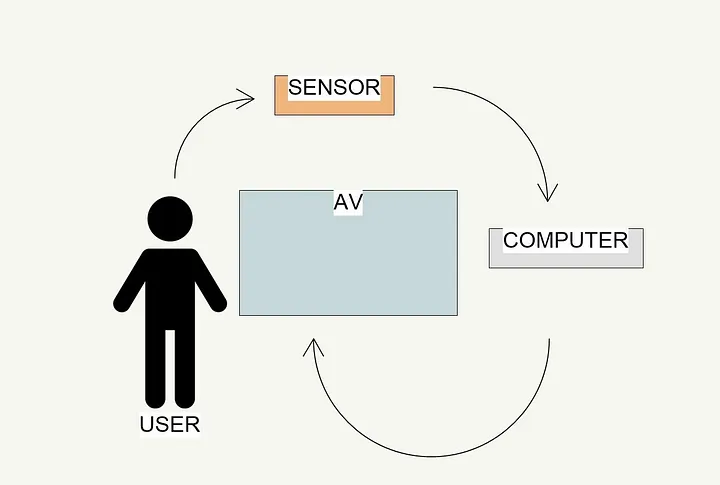
Interactive installations work through input from the audience or the environment. Interaction is achieved through a combination of sensors, software, physical elements or hardware that recognizes and processes the input. These inputs can include:

  • Movement: Motion sensors and cameras record audience movements, triggering the pre-set reactions. 
  • Touch: Pressure-sensitive surface or touchscreens allow for interaction through touch. 
  • Sound: Microphones record and / or respond to volume, pitch, or specific voice commands. 
  • Proximity: Ultrasonic or infrared detectors observe the proximity of a viewer to the installation. 
  • Input Data: Several installations incorporate data from external sources, such as weather, social network trends, or live web feeds. 4

The system takes these inputs and turns them into responses like changes in lights, visuals, sounds, or even mechanical movements. This creates a dynamic, interactive experience where the audience’s actions directly influence how they engage with the piece.

Source: https://medium.com/@steven_tbd/what-is-an-interactive-installation-6e19c98c881

Types of Immersive and Interactive Art Installations

Digital Projections
The projection of digital content is the cornerstone of immersive and interactive art. Advanced projection mapping can transform walls, floors and ceilings into interactive screens and environments and therefore bring the surrounding to life. By incorporating motion graphics and real-time visuals, these installations create multi-sensory environments that transport audiences into new and imaginative worlds.

Sensor-based Installations
The nature of sensor-based installations is that they use motion, touch, or sound sensors to react to human interaction in real-time. Thus, visual elements may change with movement, or perhaps a touch may turn on a certain light. These installations can range from pressure pads to some long-distance proximity sensors or maybe even facial recognition, which can cultivate an intimate space that reacts individually to each individual encounter. 

Sound and Lighting Installations 
Combining surround soundscapes with synchronized lighting systems, the sound and light installations attain a stunning effect. Through the interplay of contrasts, rhythms, and spatial audio, these installations evoke emotions and draw audiences into a compelling sensory world.

Virtual Reality Installations
Virtual reality installations bring interactivity to a new level by immersing participants in fully digital 3D environments. With the VR headsets viewers can navigate through this digital environment, interact with virtual object or even become part of the artwork. These experiences connect storytelling with interactivity, aggregating in deeply personalized experiences for the visitors. Those installations can be used for entertainment or even educational purposes – virtual museums or immersive stories that let people experience scenarios firsthand.

Participatory Installations
Participatory installations directly involves the audience in the creation or completion of the artwork, often through simple, intuitive interfaces that ensure broad accessibility. These installations may feature collaborative elements, where multiple participants work together to contribute to a piece. Examples include digital graffiti walls or crowd-sourced sculptures, which challenge traditional ideas of authorship and create a sense of community within the artwork. This type of interactive installation blurs the lines between artist and viewer, encouraging collective creativity. 4 5 Designing an installation that requires collaboration not only encourages interaction between people and the interface, but also the connection between people and their environment – and above all connection between the people themselves. 1

Interactive installations have the potential to ease feelings of loneliness and strengthen social ties by combining art, technology, and user participation. By combining the physical and digital worlds, these experiences offer new approaches to encouraging meaningful interactions and tackling isolation in shared public areas.


Sources

[1] S. U. Ahmed, „Interaction and Interactivity: In the Context of Digital Interactive Art Installation“, in Lecture notes in computer science, 2018, S. 241–257. doi: 10.1007/978-3-319-91244-8_20.

[2] E. Edmonds, “Interactive Art,” in Interacting: Art, Research and the Creative Practitioner, L. Candy and E. Edmonds, Eds. Faringdon: Libri Publishing Ltd., 2011, pp. 18–32.

[3] T. Emb, „The Intersection of Art and Technology in Interactive Installations“, EMB Blogs, 16. April 2024. https://blog.emb.global/art-and-technology-in-interactive-installations/#:~:text=Technology%20is%20crucial%20for%20interactive,%2C%20sound%2C%20or%20other%20inputs.

[4] S. Zafeiriou, „The Role of Technology in Interactive Installations: How Sensors, Computers, and More Shape Modern Art |“, Steve Zafeiriou, 11. November 2024. https://stevezafeiriou.com/technology-in-interactive-installations/

[5] Fiveable, “Interactive Installations: Study Guide,” Fiveable, 2025. [Online]. Available: https://library.fiveable.me/installation-art/unit-6/interactive-installations/study-guide/rdqjbQtvUFtb8qto. [Accessed: Jan. 25, 2025].

#10 The meaning of colors in diffrents cultures

Colours play a huge role in branding, marketing and illustration. They can convey feelings, create connections and influence the way we see things. It is important for artists, designers and companies to understand what colours mean in different cultures in order to convey the right message and create a lasting impact. A colour that signifies trust in one culture may symbolise danger in another. In advertising in particular, brands also differentiate their designs for different countries in order to be able to respond to cultural preferences and differences.

Red: Passion, Danger, and Luck

Western Cultures: In many Western cultures, red is associated with passion, love, and energy. It can also represent danger and anger. Red is used to grab attention, as seen in advertising or traffic signals.

Chinese Culture: In China, red is a symbol of luck, prosperity, and success. It is used in celebrations like weddings and Chinese New Year, often in the form of red envelopes with money to wish for good fortune.

Indian Culture: In India, red signifies fertility, prosperity, and marriage. Brides often wear red, as it is considered auspicious and brings blessings.

Blue: Calm, Spirituality, and Grief

Western Cultures: Blue is associated with calmness, peace, and trust. It symbolizes the sky and the sea, evoking a sense of freedom and tranquility.

Japanese Culture: In Japan, blue also represents spirituality and purity. It can be seen in traditional art forms like calligraphy and flower arrangements. It is also linked to mourning, though not as strongly as in Western cultures.

African-American Culture: In African-American culture, blue is tied to sadness and resilience.

Green: Nature, Renewal, and Misfortune

Western Cultures: Green symbolizes nature, growth, and renewal. It represents the spring season and is often linked to health and prosperity.

Islamic Culture: In Islam, green is a sacred color, representing paradise and closeness to God. The Prophet Muhammad often wore green, and it is a significant color in Islamic art and architecture.

Vietnamese Culture: In Vietnam, green can symbolize misfortune, as it is linked to spirits and darkness in certain contexts.

Yellow: Joy, Envy, and Risk

Western Cultures: Yellow is commonly associated with joy, sunshine, and optimism. It is a color of energy and is used in advertising to create a sense of happiness.

Indonesian Culture: In Indonesia, yellow is associated with envy and jealousy. It can have a negative connotation, especially in rituals or certain social contexts.

African Cultures: In many African cultures, yellow represents wealth, prosperity, and enlightenment. It is also seen as a color of positive change and progress.

Black: Power, Death, and Elegance

Western Cultures: Black is the color of mourning and death in Western cultures. It symbolizes the end, darkness, and grief. However, it is also associated with elegance and formality, particularly in fashion.

African Cultures: In many African cultures, black symbolizes power, respect, and authority. It is often worn by leaders or royalty to assert their position.

Chinese Culture: In China, black represents the concept of Yin (the feminine principle) and is linked to spiritual and philosophical meanings. It can also symbolize bad luck or disharmony in certain contexts.

Conclusion

Colours are more than just what we see; they are connected to culture, history and traditions. For branding and illustration, it is important to know what colours mean in different cultures. A colour that is seen as good in one culture may be negative in another. When companies and creatives understand this, they can better connect with people around the world and make sure their message is clear. By thinking about the cultural meaning of colour, brands can build a strong identity, trust and emotional connections with their audience.

Resources

cieden.com – book/sub-atomic/color/color-symbolism-and-meanings

summalinguae.com – language-culture/colours-across-cultures

toppandigital.com – translation-blog/colour-culture-similarities-differences

atmos.earth – over-the-rainbow-color-perception-science design4users.com – design-for-diversity-of-cultures-perception-of-colors

04 E-Health: Transforming Healthcare Through Technology

As I dive into my research on a national healthcare tool in Austria, I’ve come to realize just how crucial it is to understand e-health (also referred as eHealth). This concept is not just a buzzword; it’s a fundamental part of the future of healthcare. Before we get into the specifics of the tool I’m studying, let’s define e-health and see how it’s changing the way we think about healthcare.

What is E-Health (eHealth)?

E-health refers to the use of information and communication technology (ICT) in healthcare. This encompasses a wide range of applications, including telemedicine, electronic health records (EHRs), mobile health (mHealth) applications, and health information exchanges. E-health empowers patients and healthcare professionals by providing easy access to health information, remote consultations, and streamlined data management.

The first attempts to implement eHealth date back to the 1970s, when people were looking for ways to record patients’ medical histories using computers.
The term eHealth was first used in the 1990s in various business magazines and studies by management consultancies. The term found its way into medical journals around the turn of the millennium.

What es M-Health (mHealth)?

Health is a subset of eHealth, focusing specifically on mobile technologies, while eHealth encompasses a broader range of digital health technologies. Both M-Health and E-Health aim to enhance healthcare delivery and improve patient outcomes.

Benefits of E-Health

  1. Improved Access to Care: E-health solutions break down geographical barriers, allowing patients in rural or underserved areas to access medical expertise that may not be available locally. Telehealth services enable virtual consultations with specialists, ensuring timely care without the need for extensive travel.
  2. Enhanced Patient Engagement: E-health tools, such as patient portals and mobile apps, encourage patients to take an active role in their healthcare. Patients can access their medical records, schedule appointments, and communicate with healthcare providers, leading to better adherence to treatment plans.
  3. Streamlined Healthcare Delivery: Electronic health records improve the efficiency of healthcare delivery by consolidating patient information in one accessible location. This reduces administrative burdens, enhances communication among care teams, and minimizes the risk of errors.
  4. Cost-Effectiveness: E-health can lead to cost savings for both patients and healthcare systems. Remote consultations reduce travel expenses, while improved management of chronic conditions can lower the need for expensive emergency care.
  5. Data-Driven Insights: The integration of big data and analytics in e-health facilitates better decision-making. Healthcare providers can analyze patient data to identify trends, improve treatment protocols, and enhance overall health outcomes.

Challenges in E-Health

Despite its numerous benefits, e-health also faces several challenges:

  1. Privacy and Security Concerns: The digitization of health information raises concerns about data security. Protecting patient information from breaches and ensuring compliance with regulations such as HIPAA is paramount.
  2. Digital Divide: Not all patients have equal access to technology. Socioeconomic factors and can limit some individuals’ ability to utilize e-health services, potentially exacerbating health disparities.
  3. Integration Issues: Many healthcare systems still rely on outdated technology, making it difficult to integrate new e-health solutions. Interoperability between different health information systems remains a significant hurdle.
  4. Regulatory Challenges: The rapid pace of technological advancement often outstrips regulatory frameworks, leading to uncertainty regarding the approval and implementation of new e-health solutions.

The Future of E-Health

The future of e-health looks promising as technology continues to evolve. Innovations such as artificial intelligence, machine learning, and wearable devices are poised to revolutionize the way we approach healthcare. For instance, AI can analyze vast amounts of data to assist in diagnosis and treatment planning, while wearables provide real-time health monitoring.

The COVID-19 pandemic has accelerated the adoption of e-health solutions, leading to greater acceptance among both patients and providers. As telehealth becomes more mainstream, we can expect to see ongoing investments in technology and infrastructure to support this shift.

Conclusion

E-health represents a paradigm shift in the delivery of healthcare services, offering a more accessible, efficient, and patient-centered approach. While challenges remain, the potential benefits of e-health are too significant to ignore. As we look to the future, embracing e-health solutions will be crucial for improving health outcomes, enhancing patient engagement, and ultimately transforming the healthcare landscape for the better.

References

  1. Was ist eHealth? (2017, July 2). eGovernment. https://www.egovernment.de/was-ist-ehealth-a-570980/
  2. Galavi, Z., Khajouei, R., & Jahani, Y. (2023). The role of e-health on the public knowledge and behavior in preventing COVID-19. Informatics in Medicine Unlocked, 37, 101193. https://doi.org/10.1016/j.imu.2023.101193
  3. WHO guideline Recommendations on Digital Interventions for Health System Strengthening. Geneva: World Health Organization; 2019. 1, Introduction. Available from: https://www.ncbi.nlm.nih.gov/books/NBK541905/

08. Safeguarding Health Data: Challenges and Solutions

In my previous blog post, I discussed my idea of creating a platform that forecasts potential illnesses based on a patient’s health history. In this post, I will explore the challenges involved and examine possible solutions for implementing an AI-driven forecasting system.

Potential Risks of Storing Patient Health Data:

  1. Data Breaches: Unauthorized access to sensitive information could lead to personal health data being exposed or sold.
  2. Identity Theft: If personally identifiable information is leaked, it could be misused for fraud.
  3. Regulatory Compliance Risks: Failure to meet GDPR or other compliance standards may result in legal penalties and loss of trust.
  4. Insider Threats: Employees or authorized personnel might misuse their access rights.
  5. Third-Party Vulnerabilities: If third-party services are involved, they could become weak links in security.

Solutions to Ensure Data Security:

One of the most effective approaches is end-to-end encryption (E2EE), which ensures that data remains protected both during storage and transmission. By encrypting sensitive user data with algorithms such as AES-256, unauthorized access can be prevented. Additionally, employing secure communication protocols like TLS (Transport Layer Security) guarantees that data exchanged between users and the platform remains confidential.

Another crucial measure is role-based access control (RBAC), which restricts user permissions based on their roles within the system. This approach ensures that only authorized individuals, such as administrators and educators, have access to specific areas of the platform, minimizing the risk of data exposure. Multi-factor authentication (MFA) can further strengthen this security by requiring additional verification steps.

To protect user privacy, privacy-preserving techniques such as anonymization and tokenization can be utilized. Instead of storing personal identifiers, data can be pseudonymized or replaced with tokens to ensure compliance with privacy regulations like GDPR. This reduces the potential impact of data breaches and enhances user trust.

Choosing a secure cloud provider is another critical step in safeguarding data. Opting for reputable providers that offer built-in security features, such as encryption, firewall protection, and compliance with international standards, can significantly reduce security risks. Providers such as Google Cloud, AWS, and Microsoft Azure offer comprehensive security frameworks that align with industry best practices.

Adopting a zero-trust architecture (ZTA) model is an effective way to enhance security by assuming that no entity, whether inside or outside the organization, should be trusted by default. This approach requires continuous verification of users, devices, and applications, ensuring that only authenticated and authorized actions take place.

Finally, conducting regular security audits and monitoring is essential to identify potential vulnerabilities and address them proactively. Utilizing tools that monitor system activity, detect anomalies, and provide real-time alerts can help prevent security incidents before they escalate.

Conclusion

By implementing these security measures, an educational healthcare platform can remain secure, privacy-focused, and compliant without storing sensitive health data. Applying solutions such as encryption, role-based access, secure cloud services, and regular audits ensures user trust and data protection without overcomplicating the system.