Parallels Between Mainstream and Luxury Design: Today vs. the 1980s

Design trends in mainstream and luxury branding have evolved over time, but some parallels between today and the 1980s reveal how both eras reflect broader cultural and technological shifts. By comparing the two periods, we can see how each balances bold consumerism and aspirational exclusivity while adapting to contemporary needs.


1. Bold Visuals and Maximalism

  • 1980s:
    Mainstream media in the 1980s embraced bold, loud, and maximalist designs, with bright neon colors, dynamic compositions, and oversized typography. Luxury brands like Gucci and Dior, while more restrained, also leaned into bold aesthetics through dramatic photography, vibrant colors, and heavily styled shoots that exuded confidence and glamour.
  • Today:
    Maximalism has returned in both mainstream and luxury design, particularly in Gen Z-driven trends and luxury rebrands that seek to stand out in a crowded marketplace.
    • Mainstream: Brands like TikTok, Spotify, and fast-fashion giants embrace bright, colorful, and eye-catching graphics. Packaging and ads often use clashing patterns, gradients, and dynamic motion graphics reminiscent of 1980s pop culture.
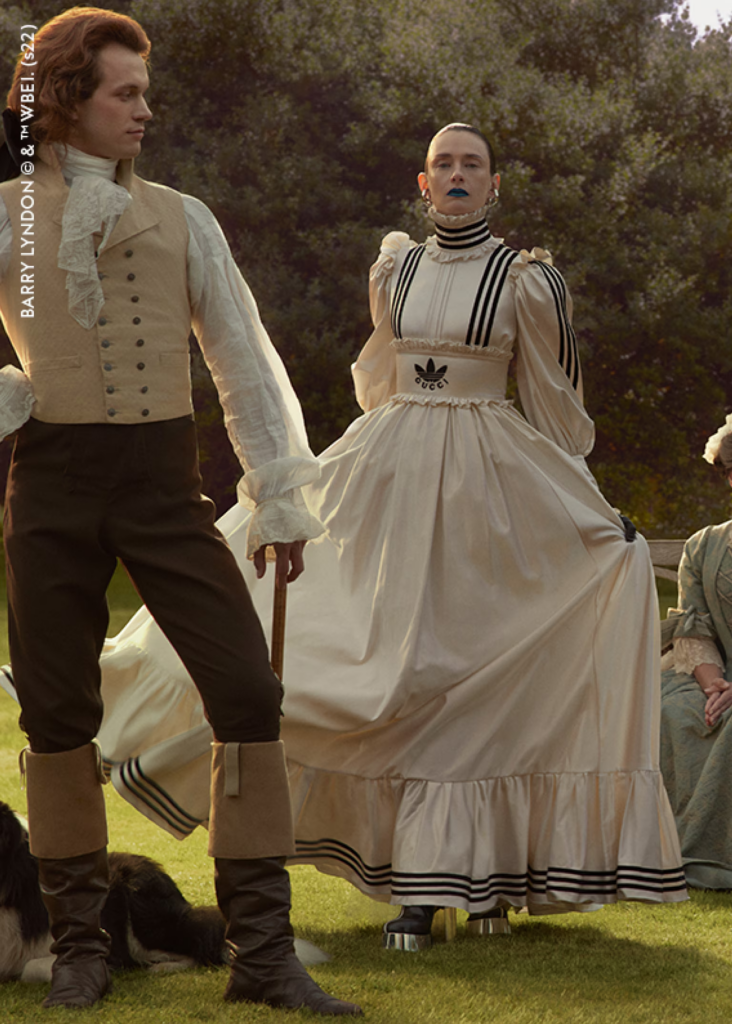
    • Luxury: Gucci and Balenciaga, for instance, use a similar maximalist approach, blending modern digital art with retro references. Gucci’s Exquisite campaign, for example, draws inspiration from cinematic surrealism while staying bold and playful.

Parallels: Both eras leverage maximalism to reflect cultural energy and technological progress, using boldness to attract attention and define an aspirational mood.


2. Nostalgia as a Central Theme

  • 1980s:
    Both mainstream and luxury design in the 1980s often referenced past decades. For instance:
    • Mainstream advertising leaned on a nostalgic connection to Americana or mid-century optimism (e.g., Coca-Cola campaigns like Have a Coke and a Smile).
    • Luxury brands borrowed from classic Hollywood glamour and timeless European fashion.
  • Today:
    Nostalgia remains a key driver, with both sectors reinterpreting past aesthetics for modern audiences:
    • Mainstream: Retro influences from the 1980s, 1990s, and early 2000s dominate branding, particularly in music, fashion, and social media. Brands like Nike and Adidas revive retro sneaker lines, and products often include retro filters and vintage-inspired logos.
    • Luxury: High-fashion brands also engage with nostalgia. Dior reissues its classic Saddle Bag, and Gucci collaborates with heritage brands or revives archival patterns.

Parallels: Nostalgia is a timeless marketing tool, used in both eras to evoke emotion, build brand loyalty, and balance modernity with familiarity.


3. Technology-Driven Design Innovations

  • 1980s:
    The advent of personal computers, video games, and VHS gave rise to futuristic and tech-driven designs.
    • Mainstream ads often mimicked digital aesthetics (e.g., grid patterns, pixelated effects, or neon lighting inspired by sci-fi).
    • Luxury brands subtly embraced this tech-forward aesthetic by experimenting with photography, metallics, and abstract visuals.
  • Today:
    The rise of digital technology and social media has amplified tech-inspired designs in both realms:
    • Mainstream: Brands create dynamic, interactive campaigns that live on digital platforms. Motion design, AR filters, and AI-generated visuals dominate social media.
    • Luxury: High-end brands integrate digital innovation with exclusivity, using NFTs (Gucci Vault NFTs), virtual fashion collections, and immersive shopping experiences.

Parallels: Both eras are defined by their adoption of cutting-edge technology in visual design and storytelling, with mainstream brands democratizing tech while luxury brands make it exclusive and aspirational.


4. Consumerism, Inclusivity vs. Exclusivity

  • 1980s:
    • Mainstream: Advertising celebrated mass consumerism, often showing diverse audiences enjoying relatable products. However, the approach could sometimes be shallow, focusing more on universality than true representation.
    • Luxury: Exclusivity was a hallmark of 1980s luxury branding. Gucci and Dior emphasized unattainability, using elite settings, models, and dramatic styling to distance themselves from mainstream culture.
  • Today:
    • Mainstream: Inclusivity is central to modern branding, with campaigns that celebrate diversity, gender fluidity, and authenticity. Brands like Dove (Real Beauty) and Target focus on representing broader audiences.
    • Luxury: While exclusivity remains a key pillar, many luxury brands now strive for cultural relevance by collaborating with mainstream artists or embracing social causes (e.g., Dior x Travis Scott or Gucci x Adidas).

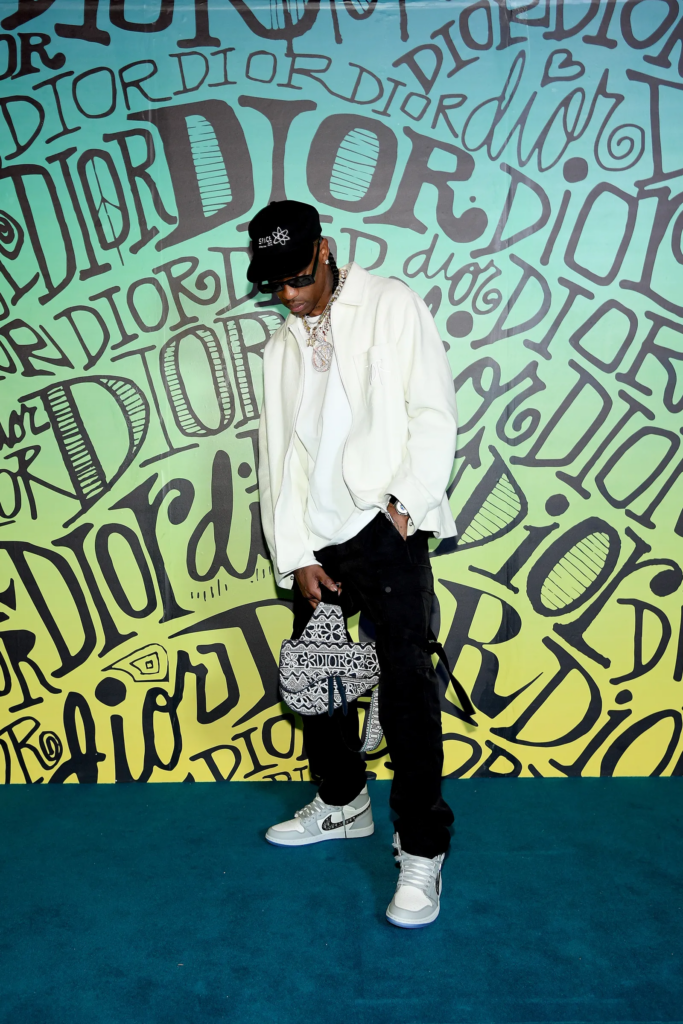
Parallels: Both eras play on aspirational values, but while the 1980s reinforced exclusivity, today’s inclusivity efforts blur the lines between mainstream and luxury.


5. Typography Trends

  • 1980s:
    Typography was bold and experimental across both sectors.
    • Mainstream design used big, impactful display fonts (e.g., Futura Extra Bold, Broadway) with a focus on readability and energy.
    • Luxury brands opted for elegant, geometric sans-serifs like Helvetica and Garamond, emphasizing timeless sophistication.
  • Today:
    Typography in both mainstream and luxury design has become more fluid and playful.
    • Mainstream: Brands experiment with type that bends, warps, or interacts with visuals (e.g., wavy and stretched fonts popular on Instagram).
    • Luxury: High-fashion campaigns mix modern sans-serifs with bold serif typefaces, creating contrast while maintaining elegance (e.g., Balmain or Prada using bold serif headers).

Parallels: Typography in both eras reflects cultural energy—bold and daring for the mainstream, refined yet experimental for luxury.


6. Celebrity and Cultural Influences

  • 1980s:
    Celebrity endorsements were significant in both luxury and mainstream ads.
    • Mainstream: Michael Jackson for Pepsi or Arnold Schwarzenegger for bodybuilding products.
    • Luxury: Supermodels like Naomi Campbell and Claudia Schiffer defined high-fashion campaigns.
  • Today:
    Celebrity endorsements remain critical but have shifted to include digital influencers.
    • Mainstream: Social media stars like TikTok influencers, often drive campaigns for major brands.
    • Luxury: Brands now collaborate with a mix of celebrities and cultural icons like Zendaya (Dior), ASAP Rocky (Gucci), or Blackpink’s Lisa (Celine).


Parallels: Both eras use cultural icons to bridge brand identity with popular culture, but today’s influencers provide more direct engagement with audiences.

Conclusion

Both the 1980s and today showcase a dynamic interplay between mainstream and luxury design, shaped by cultural trends, technological innovation, and shifting consumer expectations. While the 1980s emphasized a clearer divide—mainstream was loud and accessible, luxury was elite and aspirational—today’s design world often blurs those boundaries, with luxury embracing elements of mainstream appeal and vice versa. This fusion reflects a more interconnected and globalized design ethos, where exclusivity and accessibility coexist more seamlessly than ever before.

Resources

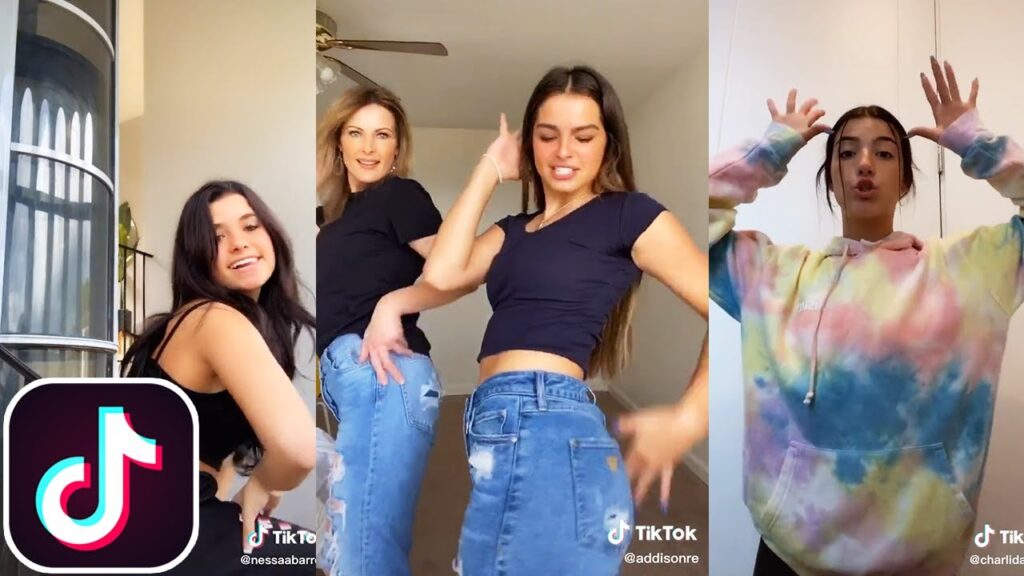
TikTok as the New Stage: How Musicians leverage Mini Music Videos to Promote Their Music

As social media has developed, TikTok has become a revolutionary tool for musicians seeking to advertise their music. The platform, through its short-form video format, allows artists to connect directly with fans by creating engaging, bite-sized music videos that can go viral and boost streams. The days when radio play or conventional advertising were the only options are over; TikTok is the platform, and mini music videos are the act. Consider the triumph of Megan Thee Stallion’s “Savage.” Due to a user-generated dance challenge that ignited millions of reproductions, the song became a viral TikTok phenomenon. The choreography, which was both uncomplicated and lively, enabled users to participate and personalize the song, thus transforming it into a cultural phenomenon. This organic engagement helped elevate the song to mainstream success, with its popularity spilling over into streaming platforms and the Billboard charts.

Sosa La M’s track “Butcher” offers another example of how rappers are utilizing TikTok to promote their music. The artist posted a series of mini music videos that showcased creative transitions and gritty street visuals, encouraging fans to create their own versions. This strategy didn’t just boost streams—it solidified Sosa La M as a fresh voice in the rap scene, thanks to the platform’s viral potential.

Rappers like Saweetie have also found success on TikTok, where her track “Tap In” became a favorite for fitness and lifestyle creators. The song’s catchy beat and empowering lyrics inspired users to pair their workouts, outfits, and achievements with the track, making it a staple on TikTok’s For You page. This grassroots promotion turned “Tap In” into an anthem for a wide audience while increasing Saweetie’s visibility as a multi-faceted artist.

What makes TikTok unique is its focus on creativity and participation. Musicians no longer need to rely on high-budget music videos; instead, they can release snippets of their songs accompanied by simple visuals or challenges. Rappers such as Jack Harlow have leveraged this by sharing behind-the-scenes footage or snippets of unreleased songs, sparking anticipation and engagement from fans.

TikTok’s duet and stitch features add another layer of engagement, allowing fans to interact directly with an artist’s content. A recent campaign by rapper Flo Milli encouraged fans to duet her mini music video for “Conceited,” turning TikTok into a collaborative platform. This level of interactivity strengthens the bond between artists and their audience, making fans feel like active participants in a song’s success.

The business impact of TikTok’s music videos is undeniable. Songs that go viral on TikTok often experience significant increases in streams on platforms like Spotify and Apple Music. Additionally, TikTok’s built-in analytics allow artists to track the performance of their music in real time, refining their strategies based on what resonates with users.

However, leveraging TikTok is not without challenges. The platform’s algorithm often prioritizes trends over artistic depth, potentially pressuring musicians to create music that’s more “TikTok-friendly” than authentic. Additionally, the rapid pace of TikTok trends means that songs can quickly fade from popularity, making it difficult for artists to sustain long-term success.

Despite these challenges, TikTok remains a powerful tool for music promotion. By embracing the platform’s unique features and focusing on authenticity, musicians can use mini music videos to not only promote their songs but also build lasting connections with their audience. From catchy dance challenges to emotional storytelling, TikTok’s influence on the music industry is undeniable, and its impact is only growing.


References

  • Brown, L. (2023). The power of authenticity in visual media: Why raw content resonates. Journal of Media Studies, 45(3), 112-128.
  • Johnson, K., & Lee, S. (2022). Exploring short-form video trends in music promotion: A TikTok case study. Social Media Research Quarterly, 14(2), 34-49.
  • Miller, R. (2021). The challenges of adapting to TikTok trends: Artistic freedom vs. virality. Music and Media Review, 22(1), 58-72.
  • Smith, J., & Sanderson, P. (2022). The streaming impact of viral music trends on TikTok. Music Industry Analytics Journal, 29(1), 76-91.

Revolutionizing Commercial Production: iPhones in Advertising

It’s no secret that also advertising relies on visuals to captivate audiences, often requiring expensive cameras, lighting rigs, and skilled crews. Yet, in recent years, the iPhone has emerged as a surprising contender in commercial production, disrupting traditional workflows and redefining creative possibilities. Think about a globally recognized sportswear brand showcasing athletes in action, every breathtaking moment captured on an iPhone. This is not a low-budget shortcut but a deliberate choice to highlight storytelling over extravagance.

One notable example is a campaign by Nike, where sports sequences were shot on an iPhone 12 Pro Max. The lightweight, versatile smartphone allowed the team to follow athletes through intense movements, capturing raw energy which felt authentic and relatable. As Johnson and Lee (2022) suggest, such ads thrive because they connect with audiences on a more personal level, breaking the barrier of overly polished production.

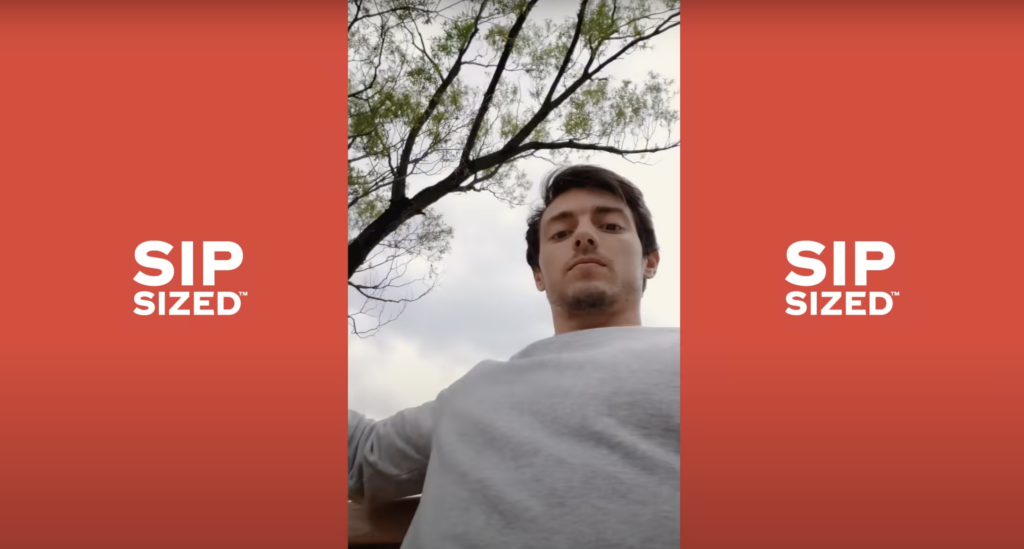
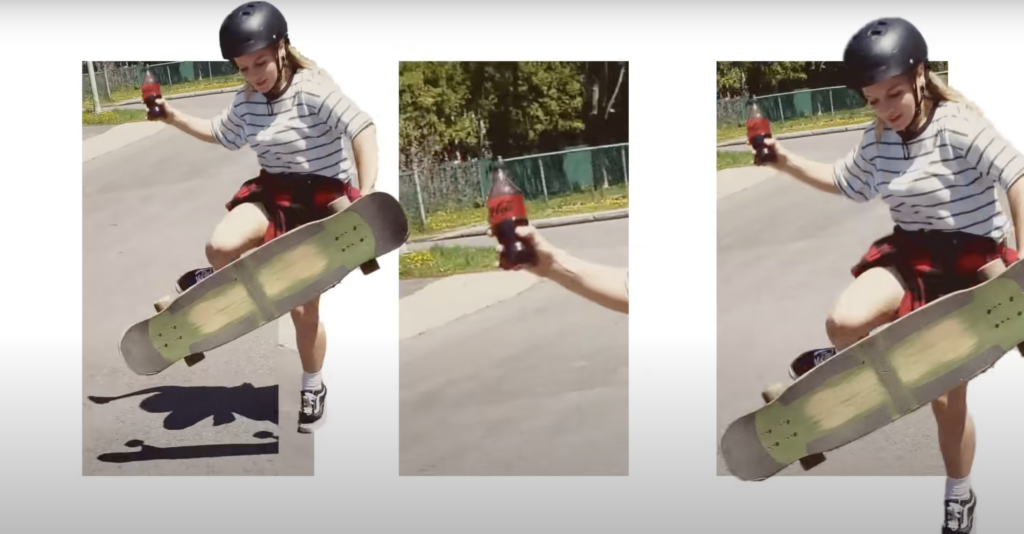
Another groundbreaking use of iPhones came from the beverage industry. Coca-Cola’s “Moments in Every Sip” campaign used an iPhone 13 Pro to create vibrant, close-up shots of fizzing drinks and smiling faces in everyday settings. By leveraging the smartphone’s advanced color grading and cinematic mode, Coca-Cola delivered a campaign that felt fresh and approachable without sacrificing visual quality. Brown (2023) emphasizes that brands adopting smartphone cinematography often find success by aligning their visuals with consumer preferences for authenticity.

Small and emerging brands are also tapping into iPhones to produce standout commercials. A vegan skincare startup recently filmed a social media campaign entirely on an iPhone 14 Pro, utilizing the device’s macro lens to emphasize the texture and natural ingredients of their products. This approach not only saved costs but also gave the campaign a crisp, modern aesthetic that resonated with eco-conscious audiences.

The appeal of iPhone-shot commercials lies in more than just accessibility. It’s about the creative freedom that comes with shooting on a compact, user-friendly device. Filmmakers can experiment with angles and techniques that would be cumbersome with traditional equipment. For instance, a car company filmed a high-energy advertisement by mounting an iPhone on a drone, capturing stunning aerial shots that conveyed speed and elegance. Smith and Sanderson (2022) note that these innovative methods are reshaping how we think about visual storytelling.

However, there are challenges. Critics argue that relying too heavily on smartphones could lead , same as with musicvideos, to an oversaturation of similar-looking ads. Additionally, iPhones still face limitations in areas like depth of field and lens versatility compared to high-end cameras (Miller, 2021). Yet, these drawbacks haven’t deterred brands from embracing this new frontier of filmmaking.

The rise of iPhones in advertising is about more than budget or convenience—it’s a testament to the changing landscape of media production. Whether it’s a sportswear brand capturing athleticism, a beverage company showcasing everyday joy, or a startup highlighting its eco-friendly ethos, iPhones are empowering creators to tell stories that resonate. As smartphone technology advances, the gap between traditional and mobile filmmaking continues to close, paving the way for even more groundbreaking innovations.

  • Brown, L. (2023). The power of authenticity in visual media: Why raw content resonates. Journal of Media Studies, 45(3), 112-128.
  • Johnson, K., & Lee, S. (2022). Exploring minimalism in commercial production: Case studies on innovative brands. Advertising Arts Review, 19(2), 67-85.
  • Lee, T. (2021). Smartphone filmmaking: How mobile devices are shaping the future of video production. Cinematic Arts Quarterly, 18(2), 78-94.
  • Miller, R. (2021). The challenges of low-budget filmmaking: A critical analysis. Film Studies Today, 23(1), 34-50.
  • Smith, J., & Sanderson, P. (2022). Audience preferences in advertising aesthetics: A generational study. Marketing and Media Research, 31(1), 102-119.

Die Rolle digitaler Technik und kleiner Kameras in der heutigen Filmproduktion

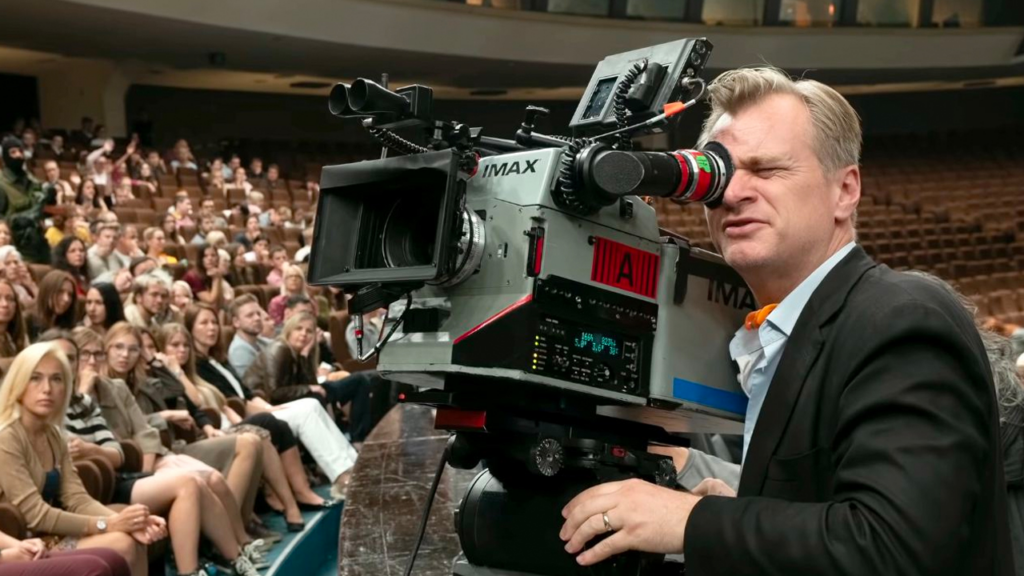
Da sich nicht nur die Lichttechnik, sondern auch die Kameratechnik ändert, erklärt dieser Blogpost den Unterschied zischen Analog und digitalfilm. Die Landschaft der Filmproduktion hat sich mit der Einführung digitaler Technik und kompakter Kameras grundlegend verändert. Während analoger Film weiterhin durch seine einzigartige Ästhetik besticht, dominieren die Effizienz, Flexibilität und Kostenvorteile digitaler Lösungen zunehmend die moderne Filmlandschaft. Ein herausragendes Beispiel ist der Film The Creator, bei dem innovative Technologien und die Nutzung der Sony FX3 die Möglichkeiten des Kinos neu definieren.


Digitale Technik: Zeitersparnis am Set

Ein zentraler Vorteil der digitalen Filmproduktion liegt in der erheblichen Zeitersparnis während der Dreharbeiten. Mit sofortiger Wiedergabe können Regisseure Szenen direkt überprüfen und so Fehler und unnötige Nachdrehs minimieren. Kompakte digitale Kameras wie die Sony FX3, die in The Creator zum Einsatz kam, ermöglichen zudem schnelle Setups und eine größere Mobilität. Diese Kameras sind leicht, tragbar und bieten Funktionen, die früher größeren und schwereren Filmkameras vorbehalten waren.

Darüber hinaus eliminieren digitale Workflows zeitaufwändige Prozesse wie die Filmentwicklung. Wie im Buch Digital Cinematography: Fundamentals, Tools, Techniques, and Workflows von David Stump hervorgehoben wird, optimieren digitale Formate die Postproduktion durch nahtlose Integration in Schnitt- und Farbkorrektursoftware. Dies erlaubt es Filmemachern, sich auf ihre kreative Vision zu konzentrieren und gleichzeitig enge Produktionszeitpläne einzuhalten.


Kompakte Kameras in Aktion: Das Beispiel The Creator

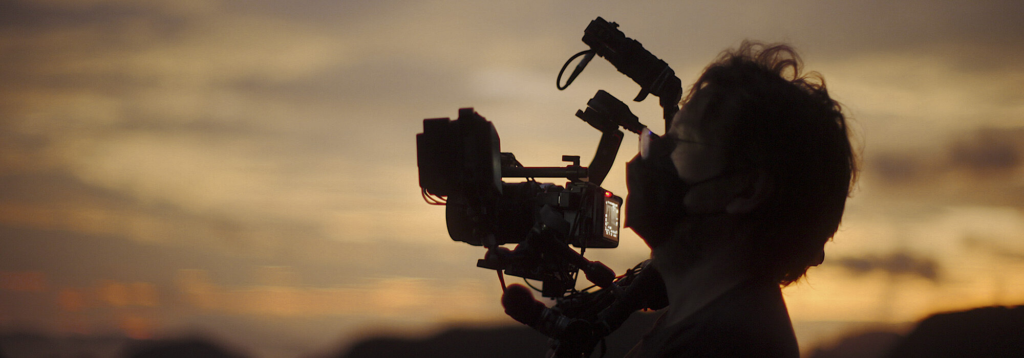
The Creator zeigt eindrucksvoll, wie kompakte digitale Kameras die moderne Filmproduktion bereichern. Gedreht mit der Sony FX3, verdeutlicht der Film, wie kleine und vielseitige Kameras beeindruckende visuelle Ergebnisse liefern können. Die FX3 überzeugt durch fortschrittlichen Autofokus, einen hohen Dynamikbereich und eine hervorragende Videoauflösung, was es dem Produktionsteam ermöglichte, dynamische Szenen auch unter schwierigen Bedingungen zu drehen. Durch die geringe Größe der Kamera konnten zudem einzigartige Perspektiven eingefangen werden, die mit herkömmlichen, sperrigen Setups nicht möglich gewesen wären. Auch das Reisen zu den Drehorten wurde dadurch um ein vielfaches erleichtert.

Auch die finanziellen Vorteile kompakter Kameras sind nicht zu unterschätzen. Produktionen können mit einem kleineren Team arbeiten, was die Gesamtkosten reduziert, ohne an Qualität einzubüßen. Die FX3 ist zudem weitaus erschwinglicher als traditionelle Filmkameras, was sowohl Indie-Filmemachern als auch großen Studios zugutekommt.


Der zeitlose Reiz des analogen Films

Trotz des Aufstiegs digitaler Technik hat analoger Film nach wie vor seine Daseinsberechtigung. Seine unverwechselbare Ästhetik – geprägt von satten Farben, tiefem Kontrast und nostalgischem Korn – bleibt einzigartig und schwer von digitalen Formaten nachzuahmen. Die Textur analoger Filme verleiht vor allem Projekten, die eine zeitlose oder künstlerische Note erfordern, einen besonderen Charme.

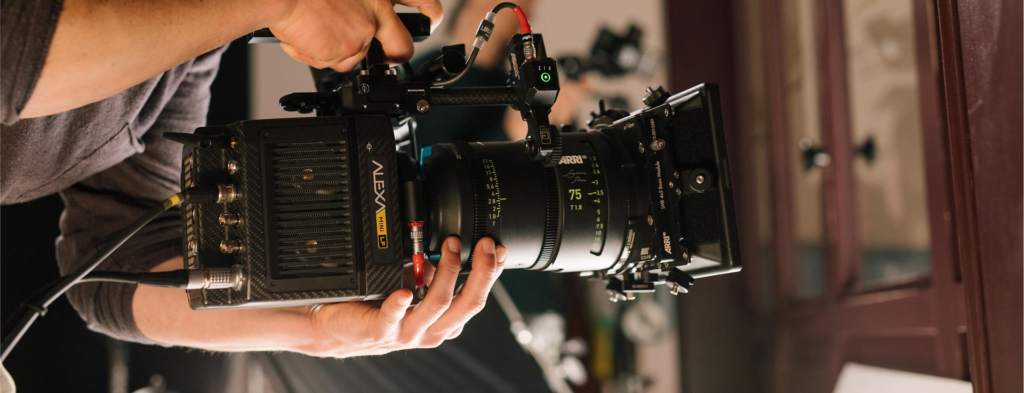
Das größte “Problem” beim Analogenfilm ist Zeitaufwand und der Preis. Ein 65mm Film (sehr Hochqualitativer Film) hat bei einer Länge von 304m und 25fps, eine Laufzeit von 8:32 Minuten. Dies Kostet dann 1430, 64€ nach jetzigem Preis. (https://www.kodak.com/content/products-brochures/Film/Kodak-Motion-Picture-Products-Price-Catalog-EAMER.pdf) Also auf Länge eines Spielfilms, OHNE den 15 Takes die während dem Dreh passieren, also nur die länge des durchschnittlichen Spielfilms, wären das allein 14.304,4€. Wenn man dies nun in Takes beim Dreh rechnet sind dass locker über 1 Million Euro, allein für Materialkosten. Dabei wurden die Entwicklung und Scan kosten noch nicht einmal eingerechnet. Im Vergleich: eine Digitale Speicherkarte (Cfast 2.0) kostet mit 1tb Speicherplatz ca. 650€. (https://www.calumetphoto.de/product/angelbird-av-pro-cf-1tb-cfast-2-0/angavp1tbcf?utm_source=google&utm_medium=cpc&utm_campaign=pmax_shopping_outofstock_new_at-ch_cal&utm_id=18898488380&gad_source=1&gclid=CjwKCAiAkc28BhB0EiwAM001TTQVGy0e1M3k_KWTRRnL1p9gc8ni-zGlrs0empUBcA9L_YGNZstWMhoCtFwQAvD_BwE) Dies bedeutet umgerechnet 1 Stunde Videomaterial in ARRI RAW Open Gate 3,4k. (https://vmedia-digital.translate.goog/memory-card-database/arri-alexa-mini-compatible-memory-cards-recording-times/?_x_tr_sl=en&_x_tr_tl=de&_x_tr_hl=de&_x_tr_pto=sc)


Die Balance zwischen analog und digital

Filmemacher müssen heute ihre Optionen sorgfältig abwägen, basierend auf der Geschichte, die sie erzählen möchten, ihrem Budget und den logistischen Anforderungen ihres Projekts. Hybride Workflows gewinnen immer mehr an Bedeutung, da sie die Direktheit digitaler Technik mit der unübertroffenen Qualität von Analogfilm verbinden.

Filme wie The Creator zeigen, wie kompakte digitale Kameras die kreativen Möglichkeiten erweitern, während der analoge Film in bestimmten Projekten weiterhin seine Relevanz beweist. Mit dem ständigen technologischen Fortschritt liegt die Zukunft der Filmproduktion in der Verbindung der besten Eigenschaften beider Welten, um fesselnde visuelle Erzählungen zu schaffen.


Durch die Kombination moderner digitaler Technik mit der bewährten Qualität des analogen Films haben Filmemacher Zugriff auf ein beeindruckendes Toolkit, das sicherstellt, dass das Kino weiterhin innovativ und inspirierend bleibt. So bleibt am Ende immer die Entscheidung, welches Material ich für mein Projekt brauche und was Sinn macht zu benutzen.

Quellen:

Stump, D. (2022). Digital Cinematography: Fundamentals, Tools, Techniques, and Workflows (2. Auflage). Routledge. ISBN: 978-0-429-46885-8.

Daisie. (n.d.). Analog vs digital film: Understanding the pros and cons. Abgerufen am 24. Januar 2025, von https://blog.daisie.com/analog-vs-digital-film-understanding-the-pros-and-cons/

Eastman Kodak Company. (n.d.). Kodak Motion Picture Products Price Catalog EAMER. Abgerufen am 24. Januar 2025, von https://www.kodak.com/content/products-brochures/Film/Kodak-Motion-Picture-Products-Price-Catalog-EAMER.pdf

VMedia Digital. (n.d.). ARRI Alexa Mini kompatible Speicherkarten und Aufnahmezeiten. Abgerufen am 24. Januar 2025, von https://vmedia-digital.translate.goog/memory-card-database/arri-alexa-mini-compatible-memory-cards-recording-times/

Creativity Unleashed: Music Videos Shot on iPhones

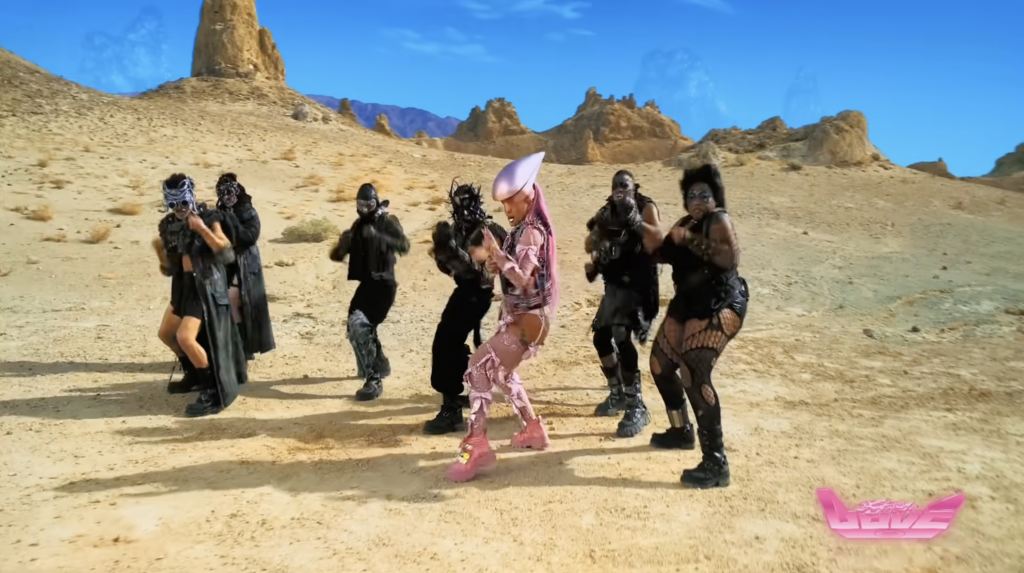
In a world where technology is constantly reshaping how we create and consume media, the rise of iPhone-shot music videos feels nothing short of revolutionary. Imagine this: Lady Gaga an artist known for her extravagant visuals dancing under a vibrant pink sky and every moment captured on a simple iPhone 11 Pro. This wasn’t a low-budget experiment, it was her bold vision for the music video for “Stupid Love.” The choice to use a smartphone wasn’t just a technical decision, it symbolized a new era where creativity could triumph over costly equipment.

Lady Gaga wasn’t alone in embracing this trend. Selena Gomez did the same with the simplicity and intimacy of “Lose You to Love Me.” Shot entirely in black and white on an iPhone. The videos raw emotion captivated viewers, proving that storytelling isn’t about flashy effects but about connection. Gomez’s close-ups felt almost confessional, drawing us into her world. Experts like Johnson and Lee argue that this minimalistic approach aligns perfectly with the themes of heartbreak and self-discovery.

Even Billie Eilish’s early visuals laid the groundwork for this movement. Though not exclusively filmed on smartphones, her DIY aesthetic inspired countless creators to pick up their iPhones and start shooting. Research supports this shift, with studies by Smith and Sanderson (2022) showing that younger audiences are increasingly drawn to less commercialized, more authentic content.

What’s driving this trend? First, consider the technical advances in smartphone cameras. The iPhone 11 Pro’s stabilization, color accuracy, and low-light performance rival professional gear, making it a viable tool for high-quality production (Lee, 2021). Second, think about the cost. For emerging artists or those on tight budgets, using an iPhone democratizes access to professional-grade visuals. Suddenly, you don’t need a massive crew or expensive cameras—just a vision and a phone.

But the story doesn’t end with technical perks. The rise of iPhone filmmaking is reshaping the music industry itself. Audiences are craving authenticity in an era dominated by overly polished media. Raw, unfiltered visuals—whether it’s Gaga dancing in the desert or Gomez’s tearful close-ups—feel more real, more human. As Brown (2023) points out, this shift toward authenticity is especially significant for younger generations who value relatability over perfection.

Of course, there are challenges. Not everyone is thrilled about this trend. Critics worry that the accessibility of iPhone filmmaking could lead to an oversaturation of similar-looking videos. And while smartphone cameras are impressive, they can’t yet replace the depth and flexibility of high-end equipment for certain types of visuals (Miller, 2021). Still, these concerns haven’t slowed the momentum.

The success of these iPhone-shot music videos tells us something profound: storytelling isn’t about the tools you have but how you use them. Whether it’s Lady Gaga’s futuristic landscapes, Selena Gomez’s emotional intimacy, or Billie Eilish’s raw vulnerability, these artists are proving that creativity knows no bounds. As smartphone technology continues to evolve, we can only imagine the stories yet to be told—all from the palm of a hand.

  • Brown, L. (2023). The power of authenticity in visual media: Why raw content resonates. Journal of Media Studies, 45(3), 112-128.
  • Johnson, K., & Lee, S. (2022). Exploring minimalism in music video production: Case studies on Selena Gomez. Media Arts Review, 12(4), 56-72.
  • Lee, T. (2021). Smartphone filmmaking: How mobile devices are shaping the future of video production. Cinematic Arts Quarterly, 18(2), 78-94.
  • Miller, R. (2021). The challenges of low-budget filmmaking: A critical analysis. Film Studies Today, 23(1), 34-50.
  • Smith, J., & Sanderson, P. (2022). Audience preferences in music video aesthetics: A generational study. Music and Media Research, 29(1), 89-102.

07. The Importance of Preventive Healthcare Education

In today’s fast-paced world, healthcare often revolves around treating illnesses rather than preventing them. However, with rising healthcare costs and an increasing burden on medical professionals, preventive healthcare is becoming more critical than ever. Despite the benefits, many individuals still struggle to adopt preventive measures. Education plays a crucial role in empowering individuals to take charge of their health and well-being while simultaneously reducing the workload for doctors, patients, and healthcare providers.

How Health Education Reduces Workload for Stakeholders:

  1. Patients:
  • Empowered with knowledge, patients can take proactive steps to manage their health, leading to fewer hospitalizations and improved self-care.
  • Access to credible information reduces confusion and misinformation, helping patients make informed decisions without unnecessary stress.

2. Doctors:

  • Informed patients require fewer emergency visits and interventions, allowing doctors to focus on more critical cases.
  • Preventive education can reduce consultation time as patients come prepared with a better understanding of their health conditions.

3. Healthcare Providers:

  • Reduced strain on resources as fewer patients require intensive treatments or prolonged care.
  • Preventive strategies improve public health outcomes, leading to cost savings in healthcare infrastructure.
  • According to WHO, countries with strong preventive programs have seen a 30% reduction in healthcare expenditures related to preventable conditions.

The Role of Education in Empowering Individuals

Education serves as a powerful tool to drive behavioral change and promote a culture of prevention. Through easily accessible and digestible information, individuals can:

  • Understand the importance of regular health check-ups and screenings.
  • Learn how lifestyle choices impact their long-term health.
  • Identify early warning signs of potential health issues.
  • Gain confidence in making informed healthcare decisions.

Educational initiatives can take various forms, including online platforms, workshops, social media campaigns, and community outreach programs. By leveraging technology, healthcare education can reach a broader audience and provide personalized learning experiences.

Conclusion

Preventive healthcare education is a crucial step towards building a healthier future. It empowers individuals, reduces healthcare costs, and alleviates the burden on medical professionals. With the right educational tools and initiatives, individuals can take proactive steps towards their well-being.

#06 The Dark Side of Land Use

The most significant threat to biodiversity is land development, not climate change as some might believe

Bernt-Erik Sæther, director of the Centre for Biodiversity Dynamics

The UN’s biodiversity panel, IPBES, ranks “land-use change” as the greatest threat to biodiversity (NTNU Event, 2022, 7:50). In 2022, WWF published a comprehensive report on the frequency and scale of biodiversity and climate changes. The report discusses the “2022 global Living Planet Index,” which shows an average decline of 69% in monitored wildlife populations between 1970 and 2018 (Almond et al., 2022, p. 12). It also highlights how the biodiversity and climate crises are interconnected, like two sides of the same coin—solving one requires addressing the other (Almond et al., 2022, p. 4).

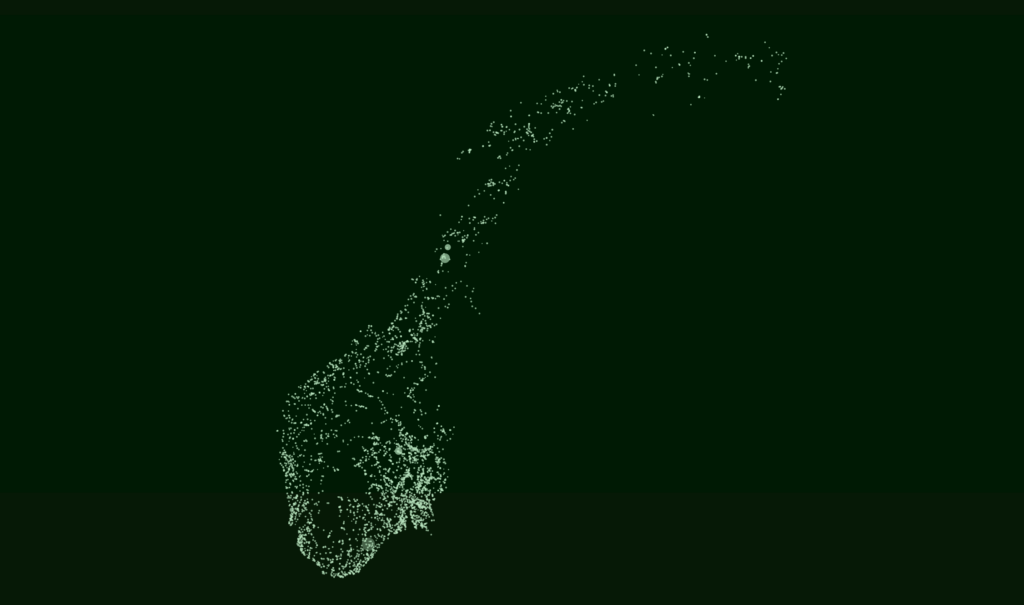
An article titled Norway in Red, White, and Gray from the Norwegian Broadcasting Cooperation (NRK) used artificial intelligence to map 44,000 instances of environmental encroachment in Norway over the past five years (Mon et al., 2023).

Image from NRK´s report (Mon et al., 2023)

However, according to biology researcher Ivar Herfindal from Norwegian University of Science and Technology (NTNU)´s Department of Biology, this mapping only provides a skeletal overview of environmental impacts (NTNU Event, 2024, 22:40). He emphasises that satellite images do not reveal which species are affected by development, requiring more detailed investigations. This means that we have lost a lot more than this map can show us.

The NRK series The Inspector featuring Bård Tufte Johansen, also highlights nature loss, showing how various infrastructure developments—such as roads, wind power, and industry—gradually consume Norwegian nature piece by piece (NRK, 2024). This leads to habitat fragmentation and species extinction.

In his lecture “Why Can’t We Sacrifice Nature for the Green Transition?” professor Dag Hessen argues that nature is often compromised in favour of shorter travel times (Det Norske Vitenskapsakademi, 2023, 12:04). In an interview with Naturviterne, Hessen also emphasises that public engagement and awareness are crucial in influencing political decision-makers and driving change (Hundere, 2024).

But is is not only animals and plants that suffer from the nature shrinking. Humans also have a need for higher biodiversity and bigger green spaces around them – especially those living in urban areas. Urban living provides access to education, healthcare, and diverse cultures, but it often comes at the cost of health and well-being. Studies have linked urban environments—characterised by limited greenspace and high pollution—to increased rates of depression, anxiety, and attention disorders (McDonnell, et. al., 2024). Chronic conditions like cardiovascular disease, high blood pressure, and obesity are also more prevalent in cities. To counter these effects, researchers highlight the benefits of exposure to nature, which can improve cognitive function, mood, and creativity while promoting physical health by encouraging exercise, reducing stress, and lowering blood pressure. Additionally, natural spaces foster social interactions and help combat loneliness.

Despite national environmental goals aimed at preserving important outdoor recreation areas, only 45% of the population in cities and towns have adequate access to nearby nature and walking trails. In the largest cities, this percentage is even lower (WWF, 2021).


Area neutrality involves restoring areas of nature to compensate for the loss of natural land, due to development elsewhere.


Bernt-Erik Sæther, the director of the Centre for Biodiversity Dynamics CBD, discusses in a talk at Arendalsuka – the largest political gathering in Norway – how here is currently a lack of an overarching strategy to identify and regulate which parts of Norway’s natural areas should be preserved (NTNU Event, 2022, 13:33). A strong national framework for regulating land development is needed. Since much of the decision-making power lies with municipalities or landowners, each municipality is left to make decisions independently, often without considering the broader picture.

However, the government is now working on a government report on nature, which is expected to outline how concepts such as area neutrality, nature positivity, and natural accounting will be implemented in Norway (regjeringen.no, 2023). A recent survey also shows that 80 Norwegian municipalities have plans to become “area neutral” (Nyhus, 2023). This is on the foundations of the COP15 in 2022, where governments from around the world came together to agree on a new set of goals to guide global action through 2030 to halt and reverse nature loss (UN, 2022).

Conclusion

Only if Norway and other states establish clear goals to prevent nature loss, define precise terms, and create reliable indicators to measure biodiversity loss, can they effectively strengthen the decline in biodiversity. However, policy alone is not enough – public engagement and awareness are crucial in influencing political decision-makers and driving change.


Sources:

Almond, R.E.A., Grooten, M., Juffe Bignoli,  D. & Petersen, T. (Eds). WWF, Gland, Switzerland. (2022). Living Planet Report 2022 – Building a nature- positive society. WWF. Retrieved from https://media.wwf.no/assets/attachments/lpr_2022_full_report_2023-02-09-115529_ahtx.pdf?_gl=1*16u778x*_up*MQ..*_ga*NjA1MTQ4ODUxLjE3MTQ2NTM5MTQ.*_ga_BB7Z1P8XYM*MTcxNDY1MzkxNC4xLjAuMTcxNDY1MzkxNC4wLjAuMA

Det Norske Vitenskapsakademi. (2023, 8th of November). Dag O. Hessen: Hvorfor kan vi ikke ofre naturen for det grønne skiftet? [Video]. Youtube. Retrieved from https://www.youtube.com/watch?v=rOa2GFtmfu8

McDonnell, Amy S. & Strayer, David L (2024). The influence of a walk in nature on human resting brain activity: a randomized controlled trial. Retrieved from https://www.nature.com/articles/s41598-024-78508-x

Mon, S. T., Solvang, R., Støstad, M. N. (2023). Norge i rødt, hvitt og grått. Retrieved from
https://www.nrk.no/dokumentar/xl/nrk-avslorer_-44.000-inngrep-i-norsk-natur-pa-fem-ar-1.16573560

NRK. (2024). Oppsynsmannen – NRK TV. https://tv.nrk.no/serie/oppsynsmannen

NTNU Event (2022, 16th of August). Hvem bestemmer over norsk natur? – Arendalsuka 2022 [Video].  Youtube. Retrieved from https://www.youtube.com/watch?v=j16EJiCrxSA

Regjeringen.no (2023, 29th of June) Naturavtalen. Retrieved from
https://www.regjeringen.no/no/tema/klima-og-miljo/naturmangfold/innsiktsartikler-naturmangfold/det-globale-kunming-montreal-rammeverket-for-naturmangfold-naturavtalen/id2987476/

UN. (2022). UN Biodiversity Conference (COP 15). Retrieved from https://www.unep.org/un-biodiversity-conference-cop-15

#05 Challenges in Implementing Environmental Policies

While international agreements set the necessary frameworks, their implementation on national and local levels presents challenges. OECDs Climate Action Monitor from 2023 show how many OECD countries have pledged a net-zero target, but only a few of them have made it into law. In 2022, countries slowed down their climate efforts, even bactracking some of the climate action. This was due to geopolitical and macroeconomic shocks from the energy crisis – which also led to countries increasing fossil fuel support to new record levels (OECD, 2023).

In Norway, the government is still working on how they will adhere to the COP15 agreement (regjeringen.no, 2023). However, until formal legislation is in place, actually adhering to the agreement remains voluntary. The municipality of Trondheim in Norway has initiated efforts to implement the agreement. Although a challenge with voluntary follow-up is that it does not guarantee effectiveness, as each municipality makes independent decisions— for example, an industrial company that is denied permission in one municipality may simply establish itself in a neighbouring municipality instead (NTNU Event, 2022, 22:40). Therefore, experts argue that effective engagement and grassroots action are crucial for fostering political commitment and ensuring long-term sustainability (Hundere, 2024).

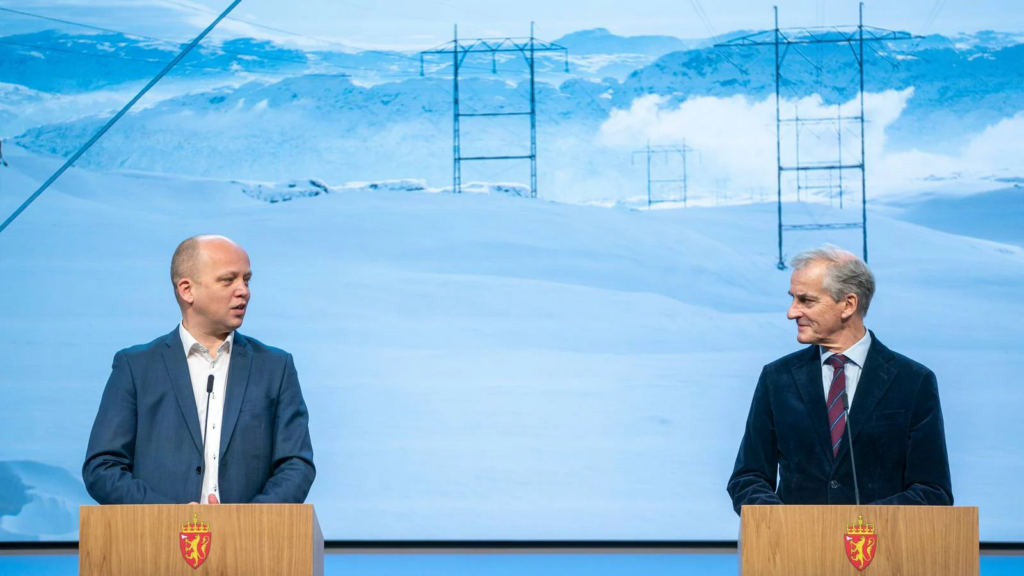
Another example of visible challenges in implementing environmental policies, is the ongoing Norwegian government crisis. It caused by one of Labor Party´s proposal of implementing 3 of the directives from EU´s 4th clean energy package – to show EU cooperation in these scary times. The Centre Party is very against this, due to the consequenses this may have for Norwegian sovereinity. The leader of Senterungdommen, Nils Forren argues: “Norway is an important energy supplier to Europe and should not approach the bureaucrats in Brussels cap in hand. We must prioritise Norwegian interests first and not give away more sovereignty“.

Centre Party-EXIT: Behind closed doors, Trygve Slagsvold Vedum has made it clear that the Centre Party will under no circumstances accept that the Labour/Centre Party government implements the three EU directives under his leadership.
Photo: Terje Pedersen / NTB

This fear of implementing the 4th energy package from the EU, is not irrational. The previous year have shown both Norway and the entire EU how high electricity prices feel like. Many of the Norwegian citizens have blamed our EEA cooperation for the reason of the high electricity prices in Norway – since we are fundamentally self sufficient with waterpower. The criticism of implementing the directives from EU is also regarding our lessened autonomy of our own nature. The fear is that Norway is forced to build solar and wind energy to support the constant higher demand of energy in Europe, sacrificing our nature and biodiversity.

On the other side, with the increasing tensions in the world with Russia waging war, and China and USA waging trade war, the labour party argues that we need to stay close to and strengthen the EU – and that these kind of sacrifices has to be made for the greater good.

How can design help drive political change?

Design can play a crucial role in bridging the gap between policy and action. A design-driven approach can provide ways to communicate complex policies, engage stakeholders, and foster a shared sense of responsibility. For example, the UN encourages cultural influencers and storytellers to participate in the #GenerationRestoration movement, recognising the power of storytelling to drive behavioural change (United Nations, 2019).

Design can help visualise the intrinsic value of nature, promote sustainable lifestyles, and facilitate local community engagement. Even small-scale initiatives that embrace an ecocentric perspective can inspire broader societal shifts.

Conclusion

Political change is crucial for addressing the environmental crises, but it requires persistent efforts at all levels. International agreements like COP15 and the UN Decade on Ecosystem Restoration provide a solid foundation, but their success depends on effective implementation and sufficient public engagement. A for design as a tool, I belive it can act as a powerful mechanism in shaping public perception, influencing policy decisions, and fostering a more sustainable future. The remaining question then is… how exactly?


Sources:

Hundere, T. (2024, February 2). Engasjement kan redusere tap av natur og løse naturkrisen. Naturviterne. Retrieved from https://www.naturviterne.no/naturviterpodden/engasjement-kan-redusere-tap-av-natur-og-lose-naturkrisen

NTNU Event (2022, 16. august). Hvem bestemmer over norsk natur? – Arendalsuka 2022 [Video].  Youtube. https://www.youtube.com/watch?v=j16EJiCrxSA

OECD. (2023). The Climate Action Monitor 2023. Retrieved from https://www.oecd.org/en/publications/2023/11/the-climate-action-monitor-2023_d9ee6e77.html

Regjeringen.no. (2023). Det globale Kunming-Montreal-rammeverket for naturmangfold (Naturavtalen). Retrieved from https://www.regjeringen.no/no/tema/klima-og-miljo/naturmangfold/innsiktsartikler-naturmangfold/det-globale-kunming-montreal-rammeverket-for-naturmangfold-naturavtalen/id2987476/

United Nations. (2019). Strategy of the UN Decade on Ecosystem Restoration. Retrieved from https://www.decadeonrestoration.org/strategy

#04 The Need for Political Change

The number of people exposed to extreme heat is rising rapidly. From 2018 to 2022, over half a billion people in the Organisation for Economic Co-operation and Development (OECD) and partner countries experienced temperatures above 35°C—an 11.3% increase from 1981-2010. In 2022 alone, more than 45% faced at least two weeks of extreme heat (OECD, 2023). Agricultural droughts are intensifying, wildfires have been raging at unprecedented scales with a record-breaking land area burnt and increasing mean temperatures alter rainfall patterns affecting agricultural production and increasing vulnerability. These are just some of the climate impacts OECD have measured the last decades, showing how they are accelerating and becoming even more extreme (OECD, 2023).

There is progress but more ambition and efforts are needed to achieve carbon neutrality by 2050

Political change is essential to addressing these environmental crises we face today. However, achieving meaningful change is a complex and challenging process. Despite the international agreements and national policies, actually seeing these commitments through is difficult.

The role of circular economy and renewable energy

A shift towards a circular economy, inspired by nature’s regenerative processes, could significantly reduce environmental pressures. Greenpeace highlights that transitioning to a circular economy can help preserve resources and minimise waste by promoting reuse and recycling (Holden, 2023). They also write how political will is the only thing missing for this kind of green transition.

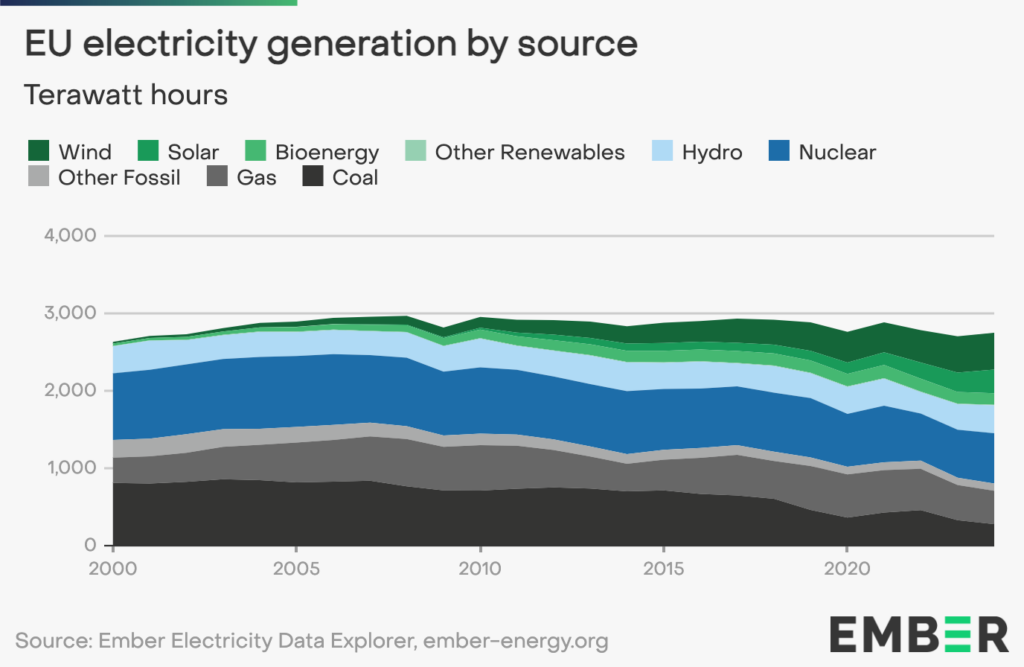
In the energy sector, the EU has made significant steps. Renewable energy sources such as solar and wind now accounting for 22% of total electricity production in 2022, a large increase from previous years. From 2010 to 2022, the EU’s production of solar and wind power increased from 163 to 624 TWh. (Øystese, 2023).

Above we see a graph that shows the changes in EU´s energy source from year 2000 until today (Ember, n.d.). This shows us how the coal usage has been cut in half, and how much renewables have been upscaled. So change is actually doable. But is it quick enough?

The need for political change

Environmental crises, including biodiversity loss and climate change, demand urgent and coordinated political action. The UN has recognised this need by declaring 2021-2030 as the Decade on Ecosystem Restoration, emphasising the importance of preventing, halting, and reversing ecosystem degradation (United Nations, 2019). This initiative highlights the necessity for swift action to combat the climate crisis and biodiversity loss, focusing on fostering a culture of restoration and educating future generations.

Similarly, the Kunming-Montreal Global Biodiversity Framework, adopted at COP15 in December 2022, aims to halt and reverse nature loss. This agreement sets ambitious global targets for conservation, sustainable management, and tackling ecosystem degradation (regjeringen.no, 2023). A key concept introduced in the agreement is “land neutrality,” emphasising the need to balance development with conservation efforts.

What we see is a huge effort on making a sufficient change in makro scale – but are the countries themselves able to see them through? And how much do these environmental policies affect the average EU citizen? What I want to find out is if these policies are actually implemented, and if so, are they making sufficient change? I also wonder If the real fight is the value-change of the citizens these policies affect. If so, this is where I would focus my energy on as a designer.


Sources:

Ember. (n.d.). Electricity Data Explorer. Retrieved from https://ember-energy.org/data/electricity-data-explorer/

Greenpeace. (2023, November 6). Det grønne skiftet i Norge mangler bare politisk vilje. Retrieved from https://www.greenpeace.org/norway/nyheter/energi/det-gronne-skiftet-i-norge-mangler-bare-politisk-vilje/

Nyhus, Håvard. (2025). Sp-ordførarar vil ha Sp-exit: – Elles er vi eit parti utan ryggrad. Retrieved from https://www.nrk.no/vestland/sp-ordforarar-vil-ha-sp-exit_-_-elles-er-vi-eit-parti-utan-ryggrad-1.17221337

OECD. (2023). The Climate Action Monitor 2023. Retrieved from https://www.oecd.org/en/publications/2023/11/the-climate-action-monitor-2023_d9ee6e77.html

Regjeringen.no. (2023). Det globale Kunming-Montreal-rammeverket for naturmangfold (Naturavtalen). Retrieved from https://www.regjeringen.no/no/tema/klima-og-miljo/naturmangfold/innsiktsartikler-naturmangfold/det-globale-kunming-montreal-rammeverket-for-naturmangfold-naturavtalen/id2987476/

United Nations. (2019). Strategy of the UN Decade on Ecosystem Restoration. Retrieved from https://www.decadeonrestoration.org/strategy

WWF. (n.d.). Politisk påvirkning og policy-arbeid. Slik arbeider WWF. Retrieved from https://www.wwf.no/slik-arbeider-wwf/en-politikk-for-mer-natur

Øystese, Kirsten. (22nd March, 2023). I 18 EU-land står sol og vind for mer enn 15 prosent av strøm-produksjonen. Energi og Klima. Retrieved from https://www.energiogklima.no/nyhet/i-18-eu-land-star-sol-og-vind-for-mer-enn-15-prosent-av-strom-produksjonen


#03 Understanding the bigger picture

In my research journey, it is essential to take a step back and examine the broader environmental challenges we face today. Reports from key organisations such as WWF, the United Nations (UN), and the Intergovernmental Science-Policy Platform on Biodiversity and Ecosystem Services (IPBES) provide good and reliable insights into the state of our planet and the actions needed to reverse the damage. In this post, I will summarise key findings from these sources and identify potential areas where design can play a transformative role.

Key Insights from WWF, UN, and IPBES Reports

The WWF Living Planet Report 2022 highlights a 69% decline in monitored wildlife populations between 1970 and 2018, emphasising the urgent need for systemic change (Almond et al., 2022). It identifies biodiversity loss and climate change as interconnected crises, stressing that addressing one requires tackling the other simultaneously. WWF proposes transformative solutions in conservation, food systems, energy, and finance to mitigate these issues.

The UN Decade on Ecosystem Restoration (2019-2030) aims to prevent, halt, and reverse ecosystem degradation worldwide (United Nations, 2019). The strategy emphasise the importance of cultural engagement and empowering future generations. These aspects align closely with the potential of design to foster behavioural change and community engagement.

IPBES identifies “changed land use” as the most significant threat to biodiversity, with habitat destruction being a primary driver of species decline (NTNU Event, 2022).

The IPBES conceptual framework underscores the complex interplay between natural systems and human societies, highlighting the need for integrated approaches that bridge ecological and social dimensions (IPBES, 2015).

Pressing Environmental Challenges and Proposed Solutions

Key challenges identified by these reports include:

  • Land Use Changes: Urban expansion, deforestation, and industrial activities continue to fragment ecosystems and degrade habitats (NTNU Event, 2024).
  • Food Systems: Intensive agriculture contributes to deforestation, soil degradation, and biodiversity loss, necessitating a shift toward sustainable practices such as regenerative farming (Almond et al., 2022).
  • Energy Transition: While renewable energy is crucial, infrastructure development must minimize ecological harm (Det Norske Vitenskaps-Akademi, 2023).
  • Public Awareness and Engagement: Reports stress the importance of mobilising public support and creating awareness through storytelling and education to drive political and behavioural change (Hundere, 2024).


Where Design Can Play a Transformative Role

Design holds the potential to bridge the gap between scientific knowledge and public engagement by:

  • Communication and Storytelling: Utilizing speculative design and behavioral science to create compelling narratives that inspire action, such as visual campaigns and immersive experiences.
  • Urban Planning and Land Use: Implementing nature-positive design principles in urban environments to balance human needs with ecological preservation. This also intertwines with sustainable architecture.
  • Sustainable Product and System Design: Developing solutions that align with regenerative agricultural practices and circular economy models to reduce environmental footprints.

In conclusion, understanding the bigger picture is crucial for identifying where design can contribute to addressing environmental challenges. By getting insights from leading environmental organisations, I can lean on their key findings to quicker understand the most important and pressing issues and solutions to these. This is also how I plan to create a more narrow and tangible area for me to research in.


Sources:

Almond, R.E.A., Grooten, M., Juffe Bignoli, D. & Petersen, T. (Eds). WWF, Gland, Switzerland. (2022). Living Planet Report 2022 – Building a nature-positive society. Retrieved from https://media.wwf.no/assets/attachments/lpr_2022_full_report_2023-02-09-115529_ahtx.pdf

Det Norske Videnskaps-Akademi. (2023). Hvorfor kan vi ikke ofre naturen for det grønne skiftet? Retrieved from https://www.youtube.com/watch?v=rOa2GFtmfu8

Hundere, Torbjørn (2024, 02. februar). Engasjement kan redusere tap av natur og løse naturkrisen. Naturviterne. Retrieved from https://www.naturviterne.no/naturviterpodden/engasjement-kan-redusere-tap-av-natur-og-lose-naturkrisen

IPBES´s Journal Articles (2015). The IPBES Conceptual Framework – connecting nature and people. The Intergovernmental Science-Policy Platform on Biodiversity and Ecosystem Services (IPBES). Retrieved from https://www.ipbes.net/resources/journal-articles

NTNU Event. (2022). Naturen som forsvinner – hva betyr det? Youtube. Retrieved from https://www.youtube.com/watch?v=srRhPF8JLK0

United Nations. (2019). Strategy of the UN Decade on Ecosystem Restoration. Retrieved from https://www.decadeonrestoration.org/strategy