#5 Visual Supports (Pictures and Symbols) in Language Learning

The Role of Visual Elements in Learning

Visual elements, such as pictures and symbols, serve as powerful tools in early childhood education. They bridge the gap between abstract concepts (words) and concrete understanding, making it easier for children to grasp and retain information. The combination of visual stimuli with verbal information supports language development, vocabulary acquisition, and cognitive growth.

How Visual Elements Affect Word Understanding

  1. Facilitating Concept Formation:
    • Pictures provide a concrete representation of abstract words, helping children form mental images of the concepts they are learning.
    • For instance, when children see the letter “A” alongside a picture of an apple, they not only recognize the letter but also associate it with a tangible object, reinforcing the meaning of the word.
  2. Scaffolding Vocabulary Development:
    • Pictures act as scaffolding tools, allowing children to infer the meaning of words even before they can decode them.
    • For example, a child may not know how to read the word “sun,” but seeing a picture of a sun paired with the word creates a contextual connection that facilitates understanding.
  3. Supporting Early Literacy Skills:
    • Visual elements help children make the connection between phonemes (sounds) and graphemes (letters) by providing a contextual cue.
    • This approach strengthens phonemic awareness as children begin to associate sounds with corresponding visual symbols.

The Impact of Visual Elements on Memory

  1. Dual Coding Theory:
    • Allan Paivio’s Dual Coding Theory suggests that information is encoded and stored in memory through two channels: verbal and non-verbal (visual).
    • When children encounter words paired with images, both channels are activated, leading to deeper cognitive processing and stronger memory traces. For example, pairing the word “dog” with a picture of a dog ensures that children encode the word both visually and verbally, making it easier to recall later.
  2. Picture Superiority Effect:
    • Research shows that images are more memorable than words alone, a phenomenon known as the picture superiority effect. This is because images are processed more quickly and efficiently by the brain, creating stronger memory associations.
    • In educational contexts, visual elements can serve as memory anchors, helping children recall words and concepts even after extended periods.
  3. Engaging the Brain’s Visual Processing System:
    • The human brain is wired to process visual information more efficiently than text. Approximately 90% of the information transmitted to the brain is visual, and it processes images up to 60,000 times faster than words.
    • By leveraging this innate visual processing ability, educational tools can significantly enhance children’s retention of new vocabulary and concepts.

Benefits of Visual Elements in Learning Materials

  1. Increased Engagement:
    • Bright, colorful visuals capture children’s attention and sustain their focus during learning activities. This increased engagement leads to better cognitive absorption and retention.
    • For example, a learning card with a bold, colorful image of a zebra paired with the letter “Z” is more likely to hold a child’s attention than the letter “Z” alone.
  2. Fostering Emotional Connections:
    • Visuals often evoke emotions, which play a critical role in memory formation. A picture of a happy cat, for example, can create a positive association with the letter “C,” making the learning experience enjoyable and memorable.
  3. Supporting Multilingual and Diverse Learners:
    • Visual elements are especially helpful for children who are learning a second language or who come from diverse linguistic backgrounds. Pictures provide a universal reference point, allowing children to understand concepts without relying solely on verbal explanations.
  4. Catering to Different Learning Styles:
    • Visual learners, who make up a significant portion of children, benefit immensely from picture-based learning materials. These materials provide an alternative pathway for understanding concepts, complementing auditory and kinesthetic methods.

Sparx Services. (n.d.). Visual learning techniques for kids unveiled. Retrieved from https://www.sparxservices.org/blog/visual-learning-techniques-for-kids

Wikipedia. (n.d.). Picture superiority effect. Retrieved from https://en.wikipedia.org/wiki/Picture_superiority_effect

EduJournal. (n.d.). The impact of visual learning in education. Retrieved from https://www.edujournal.com/the-impact-of-visual-learning-how-school-curriculum-videos-enhance-student-understanding

#4 Phonological Awareness and Phoneme-Grapheme Correspondence

Understanding Phonological Awareness

Phonological awareness refers to the ability to identify and manipulate the sound structures of language, such as syllables, rhymes, and phonemes (the smallest units of sound). It is a foundational skill that allows children to decode words when reading and encode them when writing. Importantly, it is not about recognizing letters or reading words but instead focuses solely on the auditory recognition of sounds in spoken language.

The Role in Reading Development

Phonological awareness is essential for developing strong reading skills because it bridges spoken and written language. Children with well-developed phonological awareness are better equipped to:

  • Recognize the correspondence between phonemes (sounds) and graphemes (letters).
  • Decode unfamiliar words by breaking them into sounds.
  • Develop fluency, as recognizing patterns in sounds and words makes reading smoother and faster.

For example, the ability to segment a word like “cat” into its individual sounds (/k/, /a/, /t/) enables children to match those sounds to letters, thereby decoding the word when reading. This process is also critical for blending sounds together to form words.

The Role in Writing Development

Phonological awareness is equally important for writing. When children hear a word and can segment it into its individual sounds, they can then map those sounds to letters to spell the word. For instance, if a child hears the word “bat,” the ability to identify the three phonemes (/b/, /a/, /t/) allows them to spell the word correctly. Over time, this process strengthens spelling skills and encourages more confident written expression.

Phonological Awareness as a Predictor of Literacy Success

Research consistently shows that phonological awareness is a strong predictor of later reading and writing success. Children who struggle with phonological awareness are more likely to encounter difficulties with decoding, reading comprehension, and spelling. Conversely, strong phonological skills provide a solid foundation for literacy, enabling children to progress more effectively through the stages of learning to read and write.

Educational Applications

To support the development of phonological awareness, educational tools and activities should focus on reinforcing the connection between sounds and letters. For example:

  1. Sound-Grapheme Associations: Tools like learning cards that combine letters with corresponding sounds are highly effective. A card for “S,” for example, might display the letter “S,” an image of a “sun,” and the word “sun” written below. This pairing helps children connect the visual symbol with its sound and a real-world object.
  2. Segmentation and Blending Activities: Activities where children break down words into individual sounds (e.g., /d/, /o/, /g/ for “dog”) or blend sounds to form words are critical. Cards can guide these activities by providing cues or prompts.
  3. Multisensory Approaches: Combining auditory, visual, and kinesthetic elements—such as tracing the letter “S” while vocalizing the /s/ sound—reinforces learning through multiple sensory pathways.
  4. Rhyming and Alliteration Games: Including cards with rhyming words (e.g., “cat” and “hat”) or alliteration (e.g., “big blue ball”) can further develop the auditory discrimination necessary for recognizing sound patterns in words.

International Literacy Association. (2019). Phonological awareness in early childhood literacy development [Position statement]. International Literacy Association. Retrieved from https://www.literacyworldwide.org/docs/default-source/where-we-stand/ila-phonological-awareness-early-childhood-literacy-development.pdf

Moats, L., & Tolman, C. (2009). Why phonological awareness is important for reading and spelling. Reading Rockets. Retrieved from https://www.readingrockets.org/topics/early-literacy-development/articles/why-phonological-awareness-important-reading-and

National Center on Improving Literacy. (n.d.). How we learn to read: The critical role of phonological awareness. Retrieved from https://improvingliteracy.org/brief/how-we-learn-read-critical-role-phonological-awareness

#3 Multisensory Learning

Multisensory learning refers to teaching methods that engage multiple senses—visual (sight), auditory (hearing), and kinesthetic (touch and movement)—to reinforce learning.

Relevance of Multisensory Learning to Language Development

Multisensory learning is particularly relevant to language development and reading acquisition for the following reasons:

  1. Enhanced Memory Retention:
    • Research indicates that combining sensory inputs improves memory encoding and recall. For example, children who see a letter, hear its corresponding sound, and trace its shape are more likely to retain that information.
    • The interplay between visual and auditory cues strengthens phonological awareness, which is crucial for decoding words during reading.
  2. Improved Engagement:
    • Young children learn best through play and exploration. Multisensory techniques make learning interactive and fun, capturing their attention and sustaining motivation.
    • Kinesthetic activities (e.g., tracing or physically manipulating letters) provide a hands-on, tangible way for children to connect with abstract concepts like the alphabet.
  3. Building Neural Pathways:
    • Early exposure to multisensory learning helps build neural connections in the brain that support language processing. For example, when a child hears the word “apple” while seeing an image and tracing the letter “A,” these sensory pathways work together to reinforce meaning.

Practical Applications in Language Development and Reading Acquisition

1. Visual Stimuli:

  • Impact: Visual elements like bright colors, pictures, and clearly printed letters help children associate abstract symbols with concrete objects or ideas.
  • Example: ABC Learning Cards with large, bold letters and corresponding images (e.g., “A” for “apple”) provide a clear visual representation, allowing children to connect letters to familiar objects.

2. Auditory Cues:

  • Impact: Auditory input, such as hearing letter sounds or associated words, strengthens phonemic awareness. Listening to letter sounds or songs aids in auditory discrimination and sound-symbol recognition.
  • Example: Cards could include QR codes linking to short audio clips where the letter and word are pronounced or sung, reinforcing auditory learning.

3. Kinesthetic Activities:

  • Impact: Movement-based activities like tracing letters, forming them with clay, or using finger paints enhance muscle memory and motor skills while reinforcing letter recognition.
  • Example: Tactile cards with raised letters allow children to trace the shape of a letter while saying its sound, creating a multi-layered learning experience.

Key Benefits of Multisensory Learning

  1. Inclusivity: Multisensory approaches accommodate diverse learning styles, including children with learning differences such as dyslexia or ADHD.
  2. Scaffolding: By starting with simple sensory tasks (e.g., associating a picture with a letter) and gradually increasing complexity (e.g., blending letters into words), children are guided through incremental learning stages.
  3. Motivation and Confidence: The use of multisensory techniques fosters a sense of accomplishment, encouraging children to engage actively with the learning process.

Example: Tactile Letters for Tracing

One practical example of multisensory learning is the use of tactile letters for tracing. These letters could be made from textured materials (e.g., sandpaper or felt) and paired with auditory instructions. A child could:

  1. See the letter “B” printed in a bright color.
  2. Hear the sound “Buh” while tracing the letter.
  3. Associate it with a visual (e.g., an image of a ball) to reinforce understanding.

This integration of sensory inputs ensures that the child not only learns the letter but also internalizes its sound and meaning.


Atlantis Press. (n.d.). The effect of multisensory method on children’s language development. Retrieved from https://www.atlantis-press.com/article/55907495.pdf

Collaborative Classroom. (n.d.). Multisensory instruction: What is it and should I bother? Retrieved from https://www.collaborativeclassroom.org/blog/multisensory-instruction-what-is-it-and-should-i-bother/

National Center for Improving Literacy. (n.d.). Phonics instruction: The value of a multisensory approach. Reading Rockets. Retrieved from https://www.readingrockets.org/topics/curriculum-and-instruction/articles/phonics-instruction-value-multi-sensory-approach

National Library of Medicine. (2015). Multisensory integration and child neurodevelopment. PubMed Central. Retrieved from https://www.ncbi.nlm.nih.gov/pmc/articles/PMC4390790/

Read and Spell. (n.d.). A multi-sensory approach to reading. Retrieved from https://www.readandspell.com/us/multi-sensory-approach-to-reading

US Department of Education. (2019). The impact of multi-sensory language teaching on young English learners’ reading comprehension. ERIC. Retrieved from https://files.eric.ed.gov/fulltext/EJ1195281.pdf

#10 Experimenting with Letterforms: Intersection of 3D Letterforms and Typography

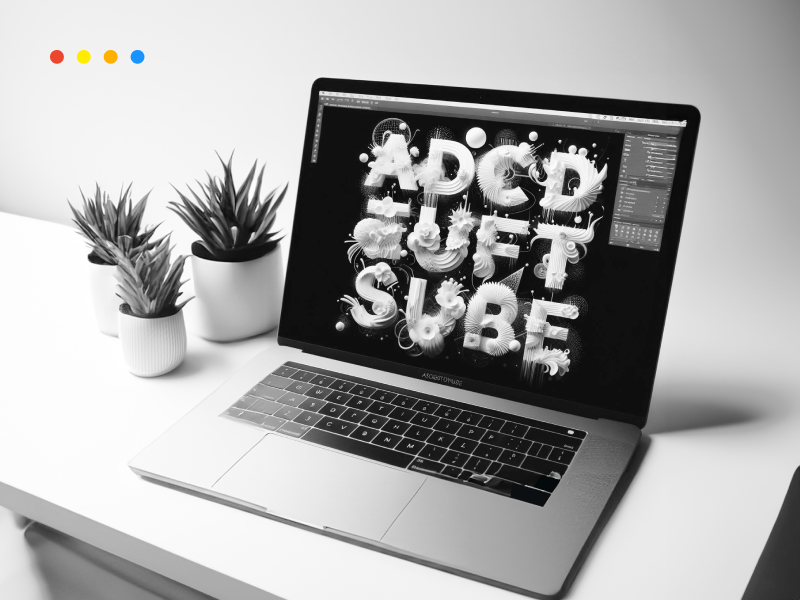
Typography, traditionally limited to two dimensions, has been transformed with the rise of 3D design. With advancements in technology, particularly in digital media, designers can now create typographic elements that seem to leap off the screen, interact with the viewer, and evoke a physical presence. This evolution has opened new possibilities for how text can be used not just as a means of communication but as a dynamic, engaging visual experience.

The Key Drivers of 3D Type

The shift from print to digital has paved the way for 3D typography, allowing designers to create text that feels interactive and lifelike. Advancements in software and rendering tools enable more intricate and realistic 3D designs, while the immersive nature of 3D typography captures attention and enhances user experience. As designers continue to explore new creative possibilities, 3D typography offers an exciting and innovative medium for expression. The future of 3D typography looks bright, with ongoing technological advancements and increasing demand from designers and brands. As augmented reality (AR) and virtual reality (VR) continue to grow, 3D typography will play a crucial role in shaping interactive and immersive experiences. The integration of AI and machine learning could also elevate the creation and use of 3D text, offering even more possibilities for designers.

Amsterdam: i am amsterdam Schriftzug

Experimental 3D typography is revolutionising design by offering new ways to captivate audiences and communicate messages. By pushing beyond traditional typography, designers are crafting innovative and engaging visual experiences. With technology constantly advancing, the potential for 3D typography is boundless, paving the way for an exciting future in this ever-evolving field.

Source:

https://www.instagram.com/p/C6dwkYpMGrl/?igsh=aDZvaWZtNjJmcTVj&epik=dj0yJnU9aDhYM05qNUlMUmZsdDB3QzB3UFU2bjN5Zy02UXJIaDImcD0wJm49aV9zbUlFV0lfVXktTDFQSVh3VlNXUSZ0PUFBQUFBR2VaRENn (img1)

↬ Profanierung nach Agamben

Agamben beschreibt die Profanierung als das Zurückführen von Dingen oder Praktiken aus einem „sakralisierten“ oder „entfremdeten“ Zustand in den Bereich des Alltäglichen und Menschlichen. Es geht darum, das, was durch bestimmte Systeme (z. B. Religion, Staat, Kapitalismus) entzogen und zweckentfremdet wurde, für den freien Gebrauch und die persönliche Erfahrung wieder verfügbar zu machen.

Im Kontext der Fotografie:

  • Die digitale Fotografie ist durch die Mechanismen von Social Media und Konsumkultur „säkularisiert“, aber zugleich entfremdet: Bilder dienen oft kommerziellen oder sozialen Zwecken (Likes, Marketing, Reichweite). Sie sind funktionalisiert, standardisiert und flüchtig.
  • Die analoge Fotografie hingegen entzieht sich diesen Mechanismen teilweise. Sie wird „profan“, indem sie sich wieder als persönliches, greifbares und zeitlich begrenztes Medium zeigt, das uns erlaubt, Momente auf eine intime und bewusste Weise zu erleben.


Wie passt das zur analogen Fotografie?

  1. Rückeroberung des Bildes
    • In der digitalen Fotografie wird das Bild oft zu einem Konsumobjekt: Millionen von Fotos werden gemacht und geteilt, um Reaktionen (Likes, Kommentare) zu generieren. Analoge Fotografie hingegen könnte als ein Akt der Profanierung verstanden werden, da sie den Fotograf*innen die Kontrolle und Intention über die Bilder zurückgibt. Ein analoges Bild ist kein Mittel für Massenkonsum, sondern ein individuelles und konkretes Objekt.
  2. Materialität als Profanierung
    • Agamben sieht die Profanierung oft in der Wiederherstellung des ursprünglichen Gebrauchs eines Objekts. Die Materialität der analogen Fotografie (Film, Negative, Prints) macht sie profan: Sie gehört nicht mehr nur dem virtuellen Raum (wie digitale Fotos), sondern kann physisch erlebt, geteilt und besessen werden – ohne dass ein kommerzielles System eingreift.
  3. Zeitlichkeit und Vergänglichkeit
    • Analoge Fotografie entschleunigt die hyperaktive Produktion und Zirkulation von Bildern. Sie fordert Geduld und Hingabe – Eigenschaften, die in der digitalen Kultur oft verloren gehen. Diese Entschleunigung könnte als eine Rückkehr zu einer menschlicheren, alltäglicheren Nutzung von Bildern interpretiert werden.
  4. Spiel als Akt der Profanierung
    • Agamben beschreibt Profanierung auch als eine Form des Spiels: Ein bewusster Umgang mit Objekten, der sie ihrer ursprünglich zugeschriebenen Funktionalität entreißt. Die bewusste Nutzung von analogen Kameras (inklusive der „Fehler“ und Einschränkungen) könnte genau in diesem spielerischen Akt bestehen. Fehler werden nicht als Mängel, sondern als wertvolle Aspekte des Mediums selbst angesehen.

Source: Buch Profanierungen von Giorgio Agamben

ABB.: https://www.ndr.de/ratgeber/verbraucher/Analoge-Fotos-digitalisieren-so-gehts,foto542.html

#9 Experimenting with Letterforms: Kinetic Typography

In the last post I spoke about the Variable Font technique. This leads me to another interesting topic which is getting bigger every year and is a widely spread trend in the field of graphic design. Which web technologies evolving and the ability to have a range of a typeface design which can be changed by axis regulation, interesting things can be created. Animating type on screen is not a recent innovation—it originated in the 1950s with the rise of film title design as a creative discipline. However, its popularity has surged dramatically in recent years.

What and Why?

Kinetic typography, or moving text, combines animation with typography to bring letters to life, allowing them to shrink, expand, move, change colors, or distort in creative ways. This technique pushes the boundaries of traditional text, enabling designers to emphasize ideas, evoke emotions, and transform simple text into impactful messages. With modern tools and faster web speeds, creating dynamic text animations has never been more accessible, making it a versatile choice for everything from web design to advertising and delivering memorable visual experiences.

Apple Kinetic Type Campain

Source:

https://www.linearity.io/blog/kinetic-typography

https://www.instagram.com/reel/C0MyGO1L8_T/?utm_source=ig_embed (example2)

#8 Experimenting with Letterforms: Unlocking Design Flexibility with Variable Fonts

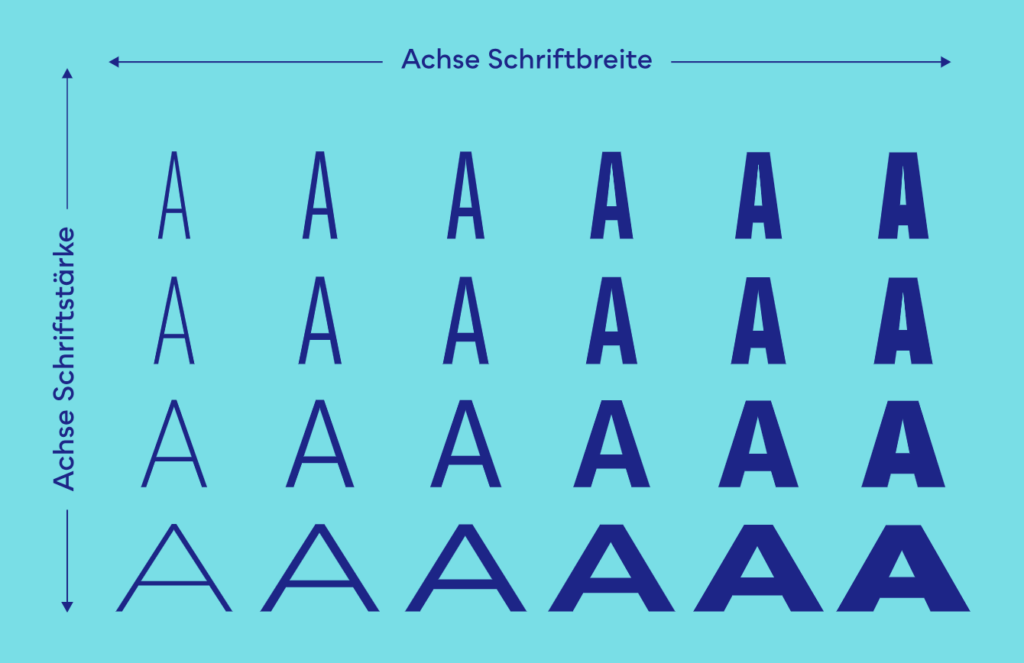
The advent of variable fonts has revolutionized web typography, offering unprecedented flexibility and efficiency in digital design. By leveraging CSS attributes, designers can now adjust font weight, style, and width dynamically, eliminating the need to embed multiple font files. This innovation not only enhances creative possibilities but also improves website performance by reducing load times.

Streamlining Web Typography

In traditional web design, each font weight or style required embedding a separate font file, increasing the website’s loading time and potentially impacting user experience. Variable fonts, however, consolidate these styles into a single file. Designers can modify attributes like Light to Bold or Condensed to Extended without loading additional resources. This reduces the strain on bandwidth and ensures faster rendering of text, creating a seamless user experience.

Infinite Possibilities for Creative Expression

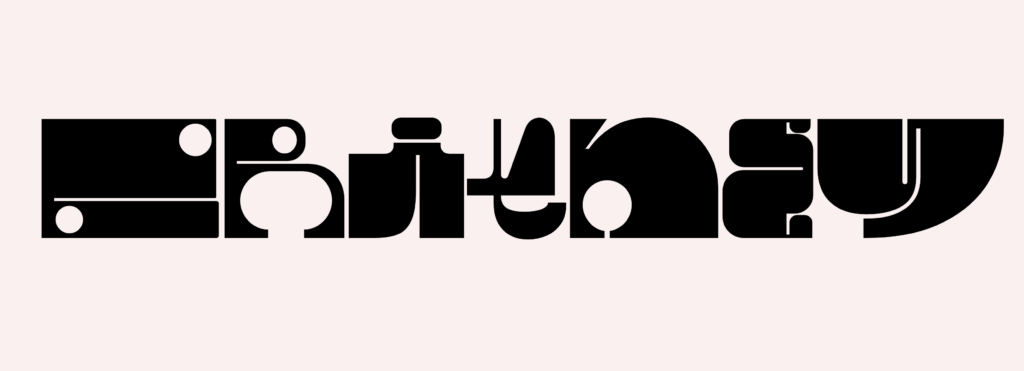
Variable fonts provide incredible control over letterforms. For instance, font width can now be adjusted via CSS numeric values without distorting the design’s integrity. This precision ensures that letters maintain their aesthetic quality, avoiding the “stretched” or “compressed” look common with traditional fonts. Beyond width, attributes like stroke thickness, italicisation, slant, and even optical sizing can be customised, opening up limitless design opportunities while preserving the essence of the typeface.

Variable fonts are not just a tool for better performance—they are a canvas for creativity, enabling designers to create dynamic, responsive, and visually stunning typography that elevates the digital experience.

Source:

https://www.lukas-rudrof.de/blog/variable-fonts-potenzial-webdesign (img1)

https://www.clementcases.com/articles/britney-typeface (img2)

#7 Experimenting with Letterforms: Digital Era

The rise of digital technology has broadened the possibilities for experimental typography. With a wide range of design software and tools available, designers can now craft complex typographic works more easily than ever before. The addition of animation and interactive features enhances the experience, making the interface more engaging and dynamic. As digital technology progresses, typographic experiments continue to lead the way in design innovation, influencing how we experience and engage with text in the digital age.

The Freedom of Digital Font Creation

One of the most exciting aspects of experimenting with letterforms today is the ability to design custom fonts with precision and ease. Software like Glyphs, FontForge, and Adobe Illustrator empowers designers to create typefaces from scratch, allowing for unique interpretations of traditional letterforms. Variable fonts take this further, offering dynamic typefaces that can shift weight, width, and slant in real-time, adapting to different contexts and devices. This flexibility opens up endless possibilities for creative exploration in branding, web design, and more.

Interactive Typography: Text Comes to Life

Digital tools enable designers to integrate animation and interactivity into their typographic experiments. Words can morph, rotate, or even respond to user input, creating an immersive experience for audiences. Interactive typography is widely used in websites, apps, and digital art installations, where text transcends static representation to become a living, breathing part of the design. This approach not only enhances engagement but also challenges how audiences perceive and interact with language.

Pushing Boundaries with Digital Layouts

Digital design has revolutionised typographic layouts, allowing for experimentation that was previously impossible in print. Responsive web design enables type to adapt seamlessly to different screen sizes, while tools like Figma and Adobe XD give designers the ability to test unconventional grids and overlapping text. Layering, distortion, and asymmetrical compositions are just a few techniques that designers use to break traditional rules and redefine how letterforms are presented.

Source:

https://medium.com/%40ameermuaviaa116/exploring-experimental-typography-pushing-the-boundaries-of-text-b30fdd2bbf74 (img1)

https://www.monotype.com/resources/introduction-software-type-design?utm_source=chatgpt.com

https://alphaefficiency.com/experimental-typography?utm_source=chatgpt.com (img2)

Blog post 9: Summary of the blog posts

Below is a direct summary of the key points covered in the previous eight blog posts. Each post delves into specific aspects of Augmented Reality (AR) and the Internet of Things (IoT) in the context of in-store retail, aiming to highlight both practical applications and design considerations.

Introduction to Augmented Reality

Discussed the fundamental concept of AR and its potential to enhance physical shopping. Covered how digital overlays can provide product information, interactive demos, or personalized promotions. Emphasized the importance of a clear, user-friendly interface that maintains focus on the real environment.

Key Point: AR can highlight products in a physical setting, offering immediate context and potentially improving the decision-making process for shoppers.

Detailed Look at the Research Process (Methods & Insights)

Described the methodology behind the prototypes and scenarios—such as user observations, case-study reviews, and early prototyping. Emphasized how learning about AR toolkits, IoT platforms, and user-centered testing informed the scenarios outlined in previous posts.

Key Point: A mix of real-world observation, theoretical exploration, and iterative testing underpins each example, helping refine solutions that genuinely address user needs.

Understanding IoT in Retail

Explained the core elements of IoT—sensors, connectivity, and real-time data processing—and how these enable features like smart shelves, automated inventory updates, and accurate stock visibility. Stressed that reliable data collection and synchronization are crucial for a seamless experience.

Key Point: IoT sensors produce instant and accurate product data, laying the groundwork for advanced retail functions such as live inventory tracking and location-based services.

Designing AR/IoT Interactions

Provided guidelines for integrating AR visuals with IoT-generated information. Highlighted the need for consistent visual design, minimal friction in user interactions, and real-time synchronization. Mentioned the importance of balancing information density so as not to overwhelm users.

Key Point: A successful AR/IoT experience demands coherence in both interface design and data flow, ensuring users receive timely, relevant details without confusion.

Security and Privacy Considerations

Identified common vulnerabilities in IoT-enabled environments, such as weak credentials and outdated firmware. Addressed data privacy challenges when integrating personal information with sensor networks. Emphasized adherence to strong encryption, user consent, and robust security practices to build trust.

Key Point: IoT systems must incorporate security measures (e.g., encrypted communication, frequent software updates) and transparent data policies to safeguard consumer privacy.

Store Experience Scenario (AR + IoT)

Presented a scenario illustrating how a shopper could use AR and IoT data in a general store environment. Showed how real-time inventory updates, guided navigation, and interactive product details improve efficiency. Suggested methods for user testing and prototyping such experiences.

Key Point: Integrating AR with accurate sensor-driven data can resolve everyday retail pain points, like item location or low-stock frustration, while enriching the overall shopping process.

Enhanced Grocery Experience with Meal Planning

Expanded on the grocery theme by showing how IoT can track stock levels for recommended meal ingredients. Displayed how an AR overlay might guide shoppers to items and confirm dietary requirements. Showed how integrated meal planning can save time and reduce waste.

Key Point: When linked with dietary preferences and smart recipe suggestions, AR and IoT solutions can transform a trip to the supermarket into an efficient, personalized, and potentially health-driven activity.

Navigating the IKEA Maze with AR Assistance

Applied similar AR/IoT concepts to a large furniture store environment. Showed how augmented overlays could guide shoppers through a complex showroom, highlight product details (dimensions, colors, materials), and link to immediate inventory checks or alternative options.

Highlight: The notoriously confusing layout of big-box stores can be tamed using AR wayfinding and precise IoT stock data, allowing quicker decisions and fewer wrong turns.

Die Neuinterpretation der Architektur: Raum, Licht und Klang im Einklang

Architektur ist mehr als nur der Bau von Strukturen – sie prägt, wie wir Räume wahrnehmen, erleben und fühlen. Besonders sakrale Gebäude wie Kirchen bieten durch ihre hohe Decke, ihre Akustik und ihre symbolische Bedeutung eine Bühne für außergewöhnliche audiovisuelle Installationen. Solche Projekte erweitern die Grenzen der Architektur und erlauben eine neue Interpretation des Raumes. Mit Licht, Klang und Bewegung können architektonische Details hervorgehoben, Räume transformiert und die Wahrnehmung der Besucher verändert werden.

Audiovisuelle Installationen laden dazu ein, Räume nicht nur als physische Orte, sondern als emotionale und kulturelle Erlebnisse wahrzunehmen. Kirchen eignen sich besonders gut, da sie durch ihre akustischen und visuellen Eigenschaften eine Atmosphäre schaffen, die Immersion und Inspiration fördert.

Warum ein mobiler Projektor mein kreatives Potenzial entfalten könnte

Die Möglichkeit, mit einem mobilen Projektor-Setup zu arbeiten, eröffnet neue kreative Freiheiten. Statt an feste Locations gebunden zu sein, bietet ein tragbares System die Flexibilität, spontan an inspirierenden Orten zu arbeiten – sei es in einer kleinen Kapelle, einem verlassenen Gebäude oder mitten in der Natur.

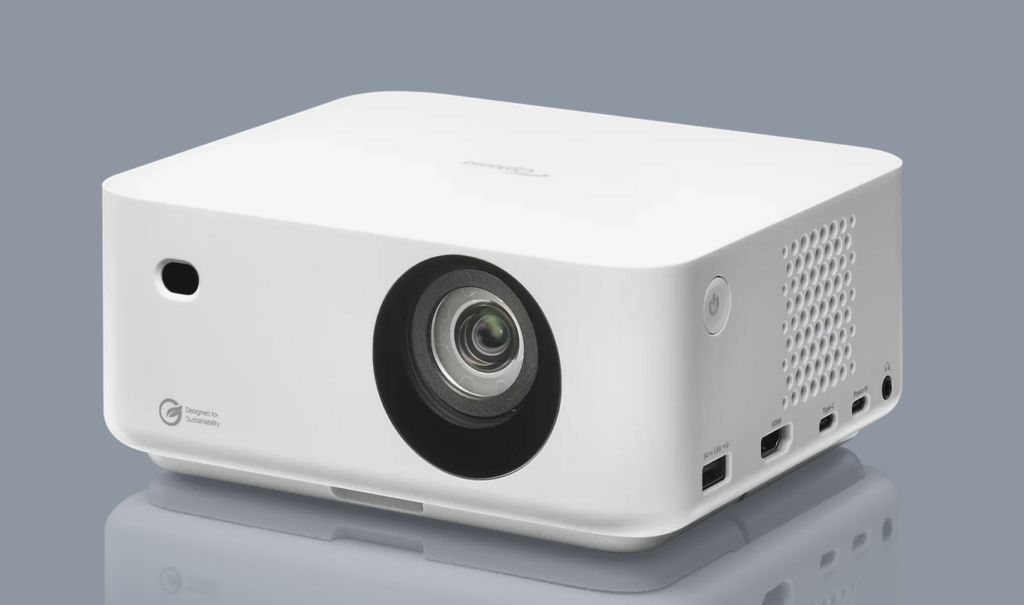
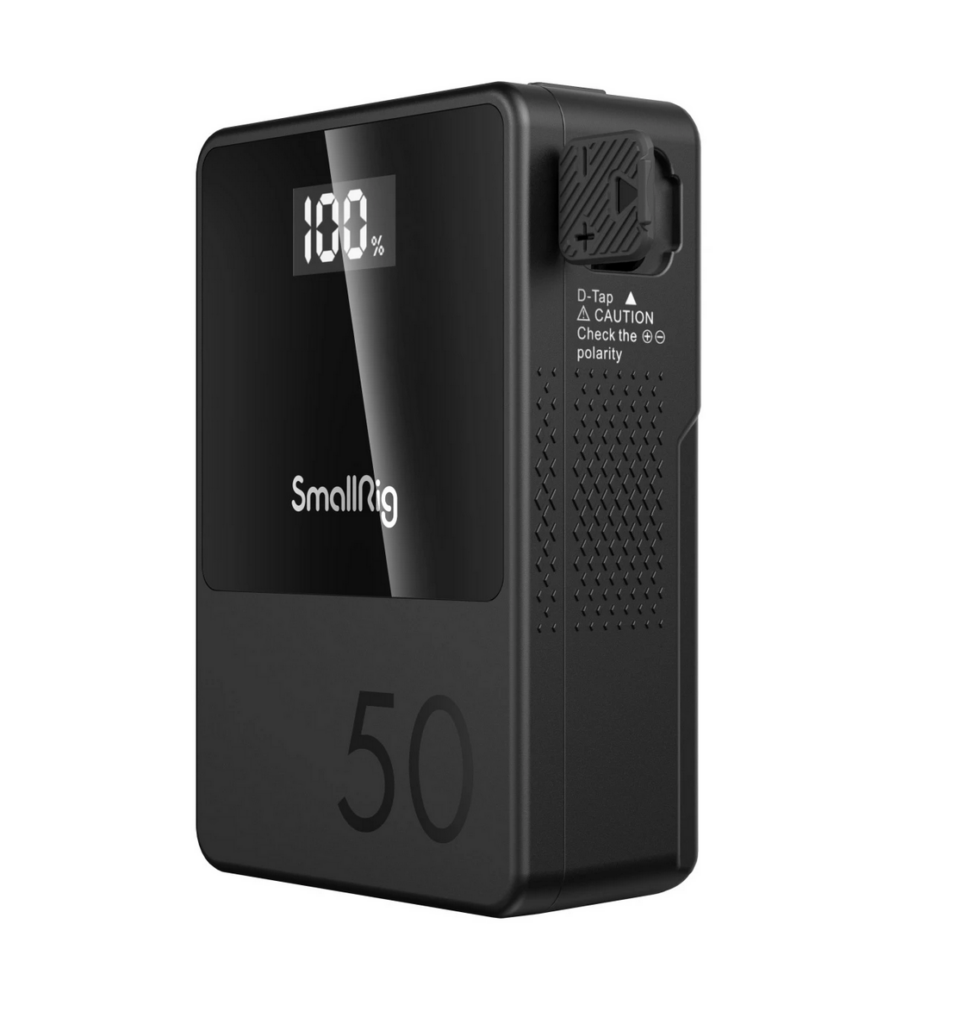
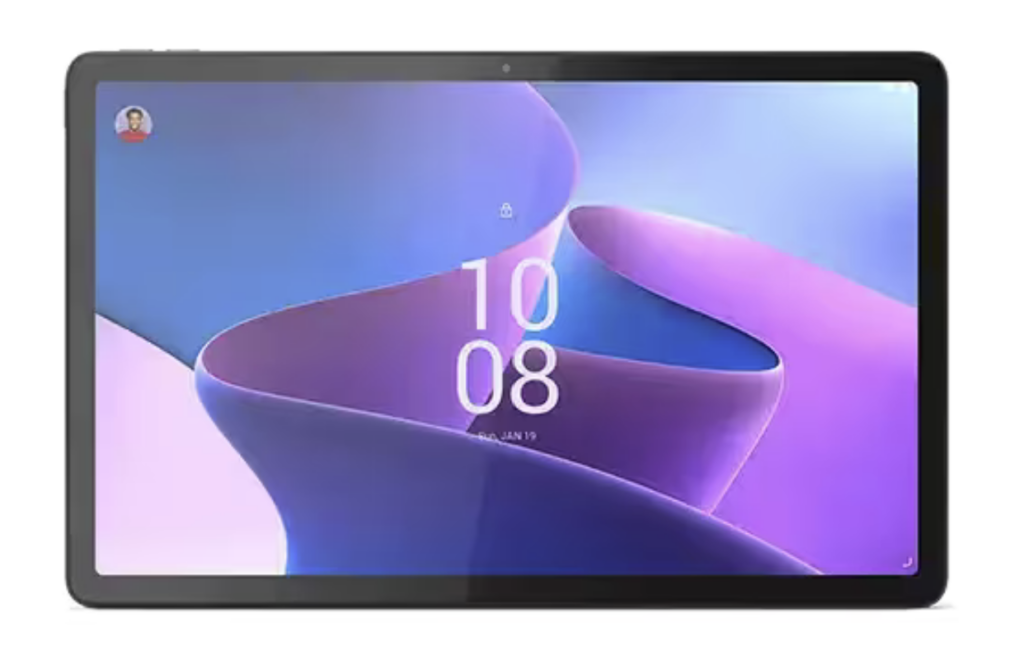
Mein geplantes Setup umfasst den kompakten LED-Projektor Optoma ML1080, die portable Batterie SmallRig V-Mount VB50 sowie ein Tablet zur Steuerung. Mit dieser Kombination ist es möglich, unabhängig vom Stromnetz kreative Inhalte zu projizieren und anzupassen. Allerdings birgt ein mobiles Setup auch Herausforderungen, etwa die begrenzte Helligkeit von tragbaren Projektoren oder die Notwendigkeit, Inhalte vor Ort präzise zu kalibrieren.

Die Inspiration für dieses Projekt stammt von Künstlern wie Phillip Frank, der mit seinen mobilen Installationen zeigt, wie flexibel und wirkungsvoll solche Setups sein können. Auch Künstler wie Cory Arcangel motivieren mich, Technologie auf spielerische Weise neu zu nutzen und innovative künstlerische Projekte zu entwickeln.

Mit einem mobilen Projektor-Setup kann ich einzigartige Orte neu interpretieren, Architektur in einem anderen Licht zeigen und ortsspezifische Kunstwerke schaffen, die nicht nur den Raum, sondern auch die Wahrnehmung der Zuschauer verändern.