2.1. Prototyping & Reflection of the Speed-Dating

My previous topic focused on the physical and digital worlds surrounding museums. Currently, my research does not provide any concrete ideas on what this entails. So, for this task, my thought process has led me to consider creating something that doesn’t rely on technology for its primary function. As a result, I created a collection of three prototype pencil holders. I chose to work with cardboard as my primary material because it is lightweight, easy to cut and shape, and allows for quick iteration. This choice allowed me to try out different structures and improve my ideas without the limits of more rigid materials.

Prototype 1: The House
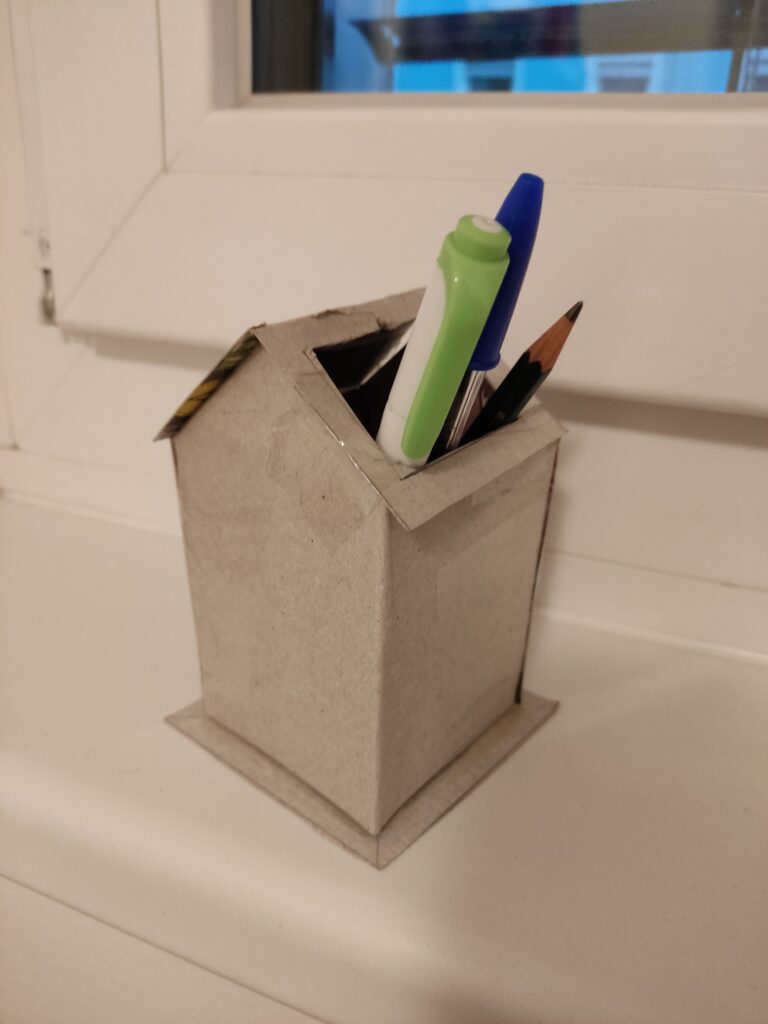
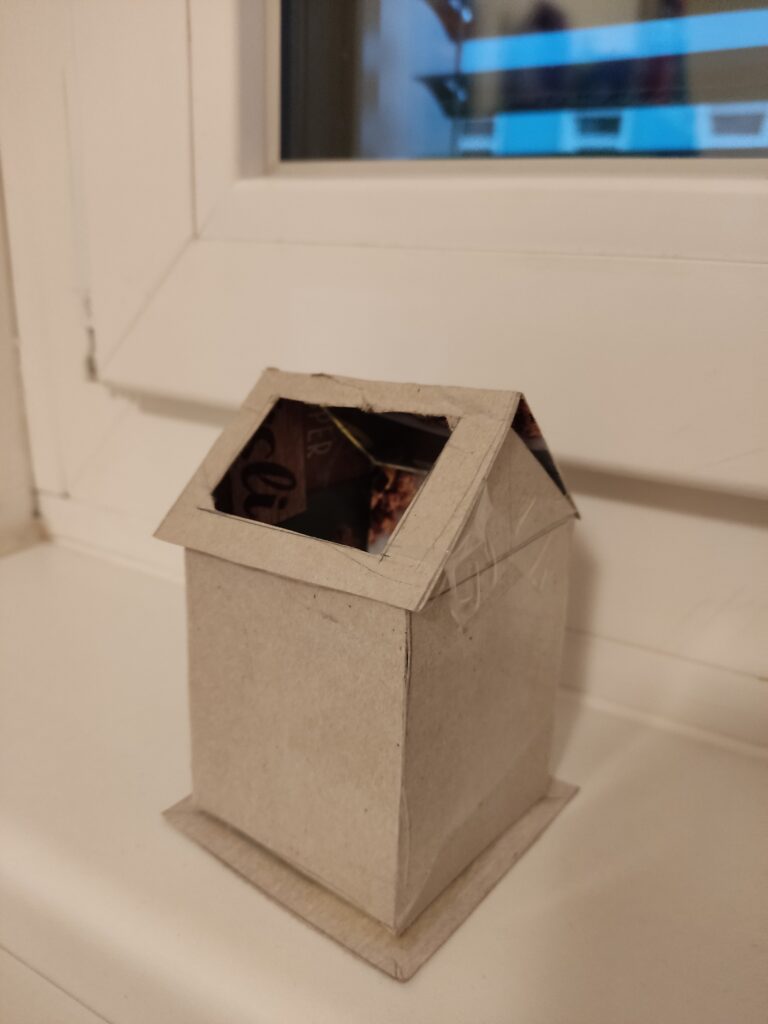
The first prototype takes the form of a small house, featuring a hole in its roof for storing pens, pencils, markers, and other writing instruments. This was the most complex design of the three, and due to its complexity, it took the longest to construct as I had to experiment with the angles of the roof and the positioning of the storage opening to achieve the right balance between aesthetics and usability.
Prototype 2: The Cube
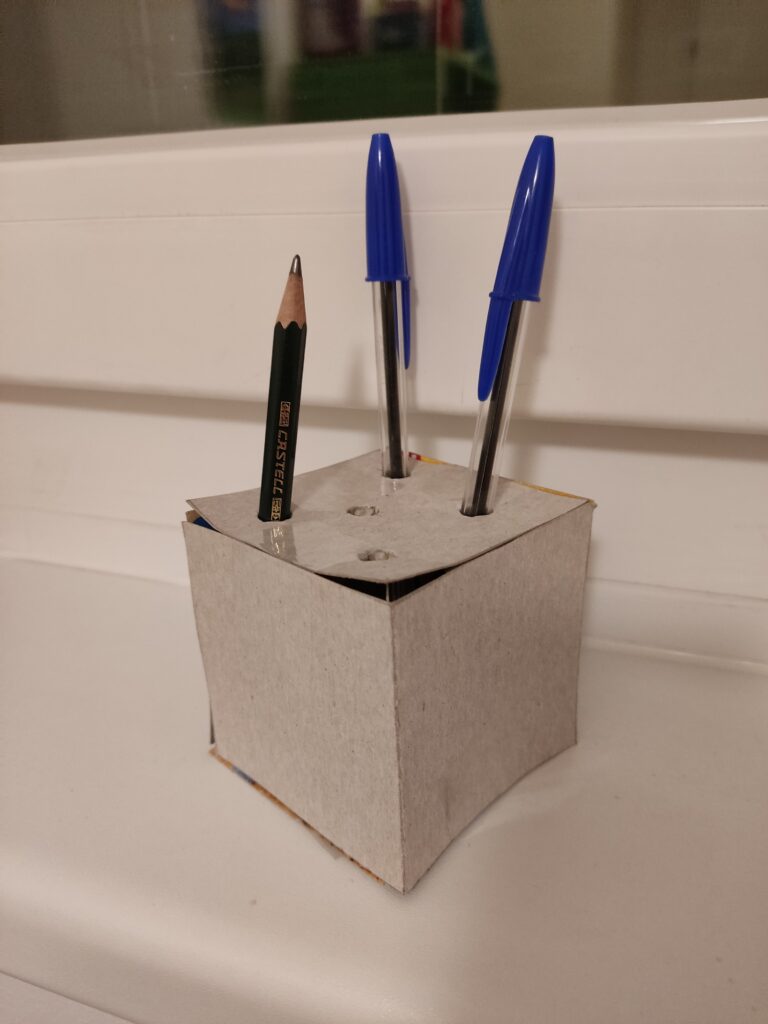
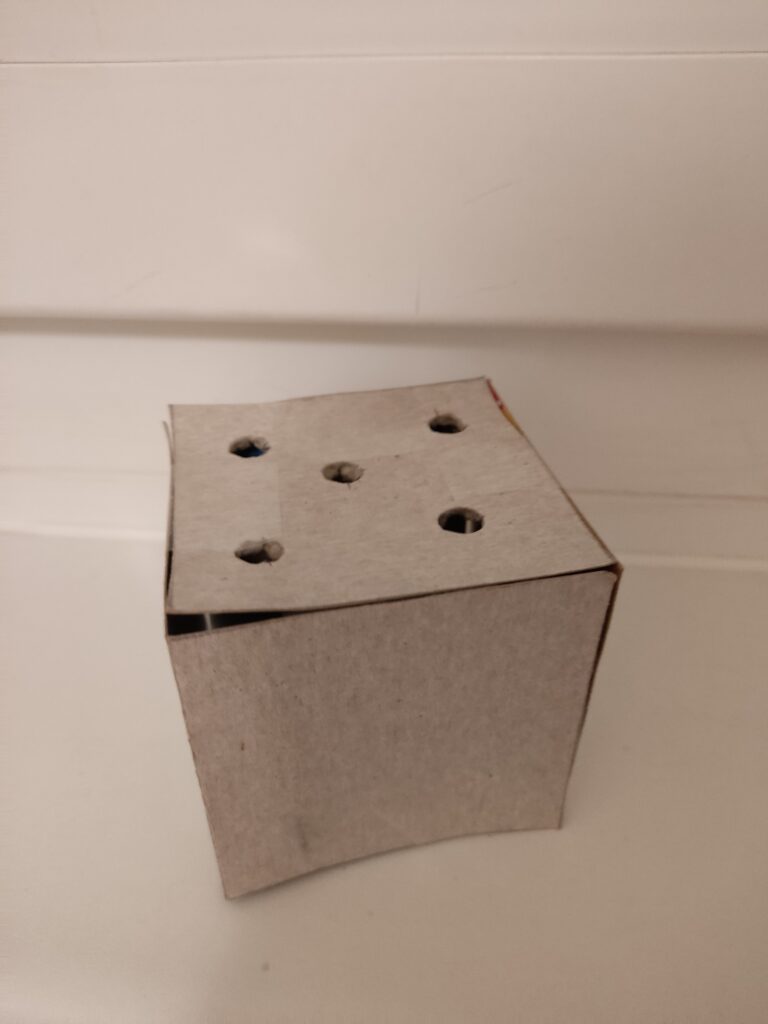
The second prototype is a simple cube with five holes on one side, designed to hold pens and pencils perfectly. Its geometric structure made it the easiest to assemble, as I only needed to ensure that the holes were the right size for standard writing tools.
Prototype 3: The Abstract Shape
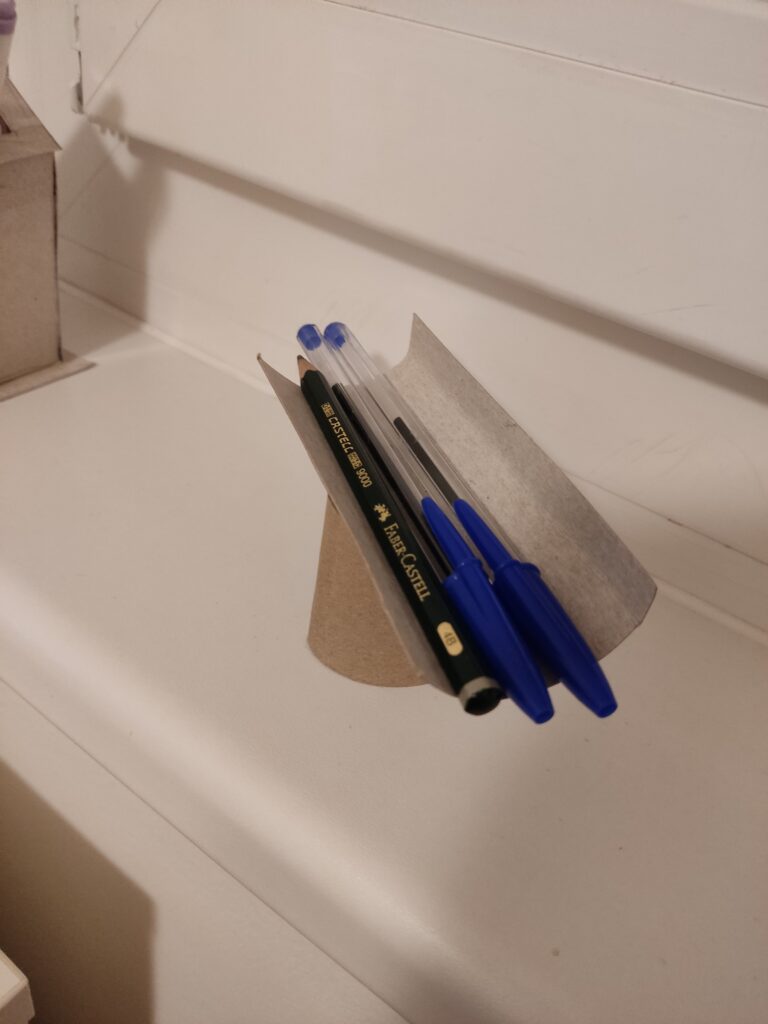
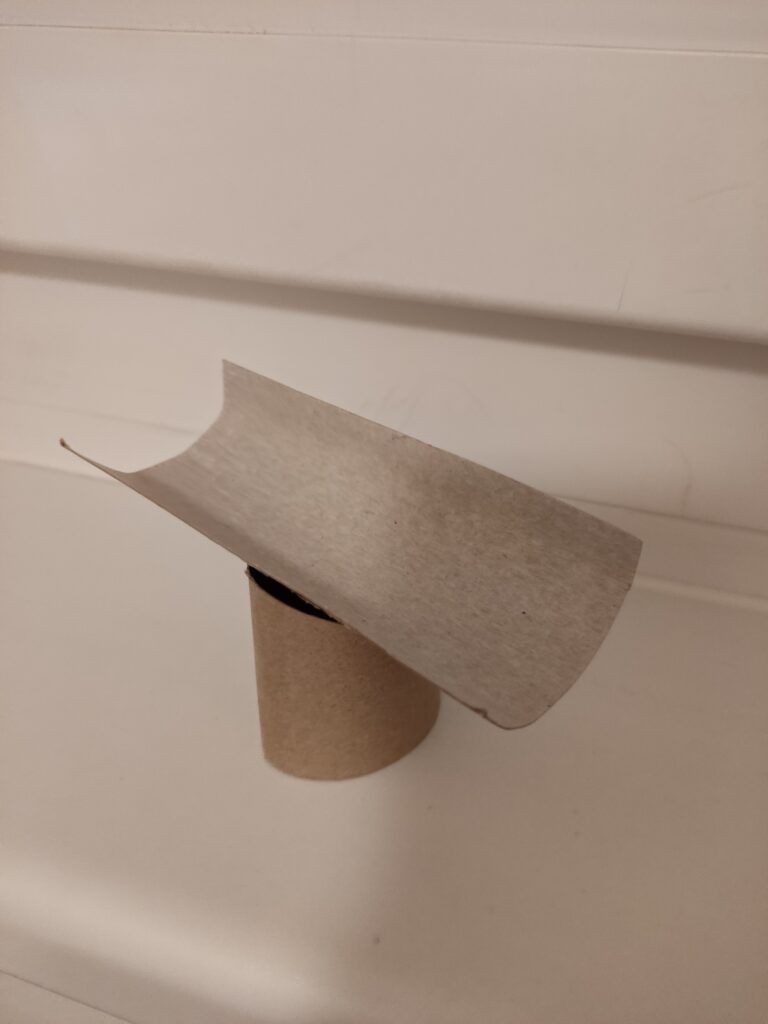
The third prototype differs from traditional forms, featuring a curved plank resting on a cylindrical base. Unlike the first two, which have clear, recognizable shapes, this design leans toward abstraction. Although this was the fastest prototype to construct, it required the most conceptual thinking. I spent a lot of time considering its form and how it could function as a pencil holder. The final piece is a sculpture that sparks interest while also being useful.
Observations from the Speed-Dating Session
For the in-class speed-dating session, I decided to bring Prototype 3. Given its abstract form, I was particularly interested in seeing how people would interpret it without any prior explanation. As the session began, people appeared uncertain about its intended function. Instead of immediately revealing its purpose, I encouraged them to make guesses based on its shape and structure.

Many speculated that it might serve as a rest for the chin or arm, while others imagined it as a support for chopsticks or another type of tool. When I revealed that it was meant to be a pencil holder, people had mixed reactions. Some were surprised, while others wondered if it really worked well for that purpose.

The most valuable feedback from this session suggested refining the concept by focusing on holding a single, special object rather than multiple everyday writing tools. One person suggested that the design could be changed from a typical pencil holder to a display case for a special calligraphy pen or another important writing tool. This idea created new options for how the prototype could become a more meaningful object.

Overall Thoughts
The speed-dating experience proved to be a valuable exercise in the iterative design process. Observing how people engaged with my prototype, interpreted its function, and provided feedback allowed me to rethink my approach and the intended use of the design. I realized that the way something looks affects how people understand and use it. It’s important to create ideas that clearly show what they are for or, on the other hand, encourage people to engage with them through uncertainty.
11-Quick Concept Prototype and Speed Dating Session

Early Prototype: Designing the Home Screen for an Information Scrubbing and Management Tool

From Idea to Prototype

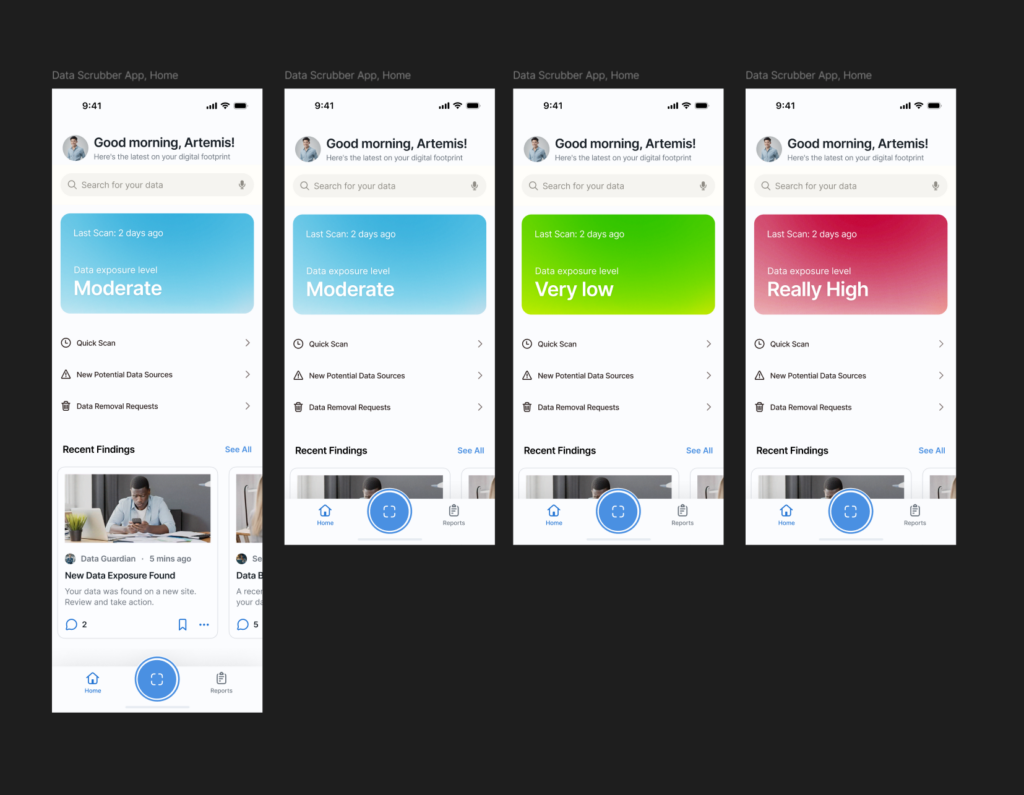
For my latest project work, I started sketching out the home screen/dashboard for an information scrubbing tool, a mobile app designed to help users find and remove their personal data from the internet with ease. For some context, I’m planning on working on a thesis about effectively managing our digital footprints on the internet, and as part of that, I started sketching out the home screen/dashboard for a privacy scrubbing tool—a possible mobile app designed to help users find and remove their personal data from the internet easily. Since privacy management can often feel overwhelming, my goal was to make the interface simple, clean, and user-friendly right from the start.

I created a prototype, exploring the ways users could interact with the tool. Since this is meant to be a mobile app, I focused on layouts that would feel intuitive on a phone screen. The main elements I worked on included:

  • A clear status overview (showing how much data has been found and removed).
  • A quick action button for immediate scanning.
  • Navigation tabs for different privacy tools and settings.

I focused on the layout, content structure, and information hierarchy to see what felt the most natural.

What I Learned from Testing

After creating the prototype, I brought it to class for testing. The feedback was reassuring—most people understood the purpose of the app right away, with very little explanation. That was a good sign that the design was intuitive. There was also curiosity about what additional features could be included in future iterations, which gave me ideas for expanding its functionality.

Speed Dating and Unexpected Insights

During class, we did a fun rapid feedback session where we shared our prototypes in short, fast-paced rounds. Each person I spoke with provided different perspectives, and I got some valuable insights:

  • People grasped the concept quickly, meaning the layout and flow were already on the right track.
  • They were excited about seeing more features, suggesting that users would appreciate a more in-depth look at what the tool could do beyond just scrubbing data.
  • If my project had a “dating personality,” it would be ‘careful’—which makes sense, given that the app is all about privacy and cautious data management!
  • We were asked to give the most unexpected feedback on our prototypes and one date gave feedback that the “scan now” button felt like a button to launch the camera for a QR code scanner (this means the icon definitely needs some work🤣🤣)

This session helped me validate the direction I was going while also giving me fresh ideas to improve the user experience. Next, I’ll refine the prototype based on this feedback and start thinking about more detailed interactions.

2.1 Documentation & Reflection: Speed-Dating My Lo-Fi Prototype

Last semester, my research focused on how UX/UI design can make mental health apps more calming and accessible, and how AI can provide personalized, empathetic support. I explored micro-interactions, color psychology, and AI-driven emotional intelligence to understand what makes digital mental health tools effective.

This time, I wanted to explore physical, tangible interactions for well-being—something that doesn’t require a screen or notifications but still guides users toward emotional regulation.

The Three Prototypes

For this exercise, I created three lo-fi prototypes:

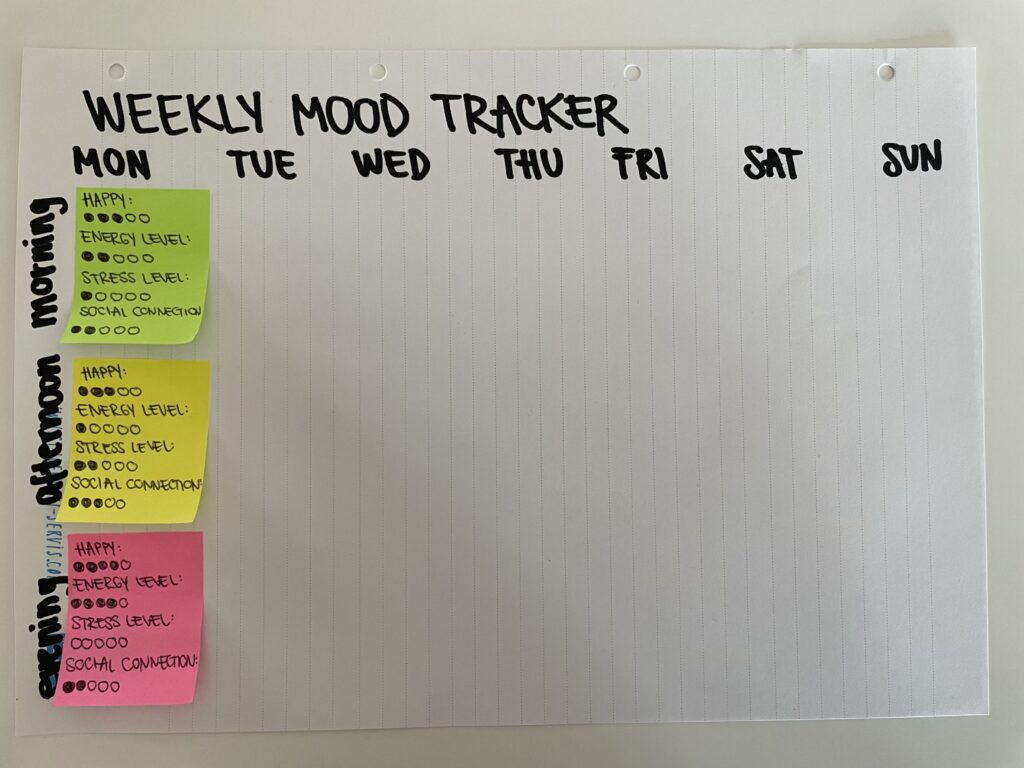
Weekly Mood Tracker: A simple, analog way to log emotions over the week using color-coded entries for easy reflection.

Self-Reflection Cards: A deck of prompts designed to encourage mindful self-exploration and emotional processing.

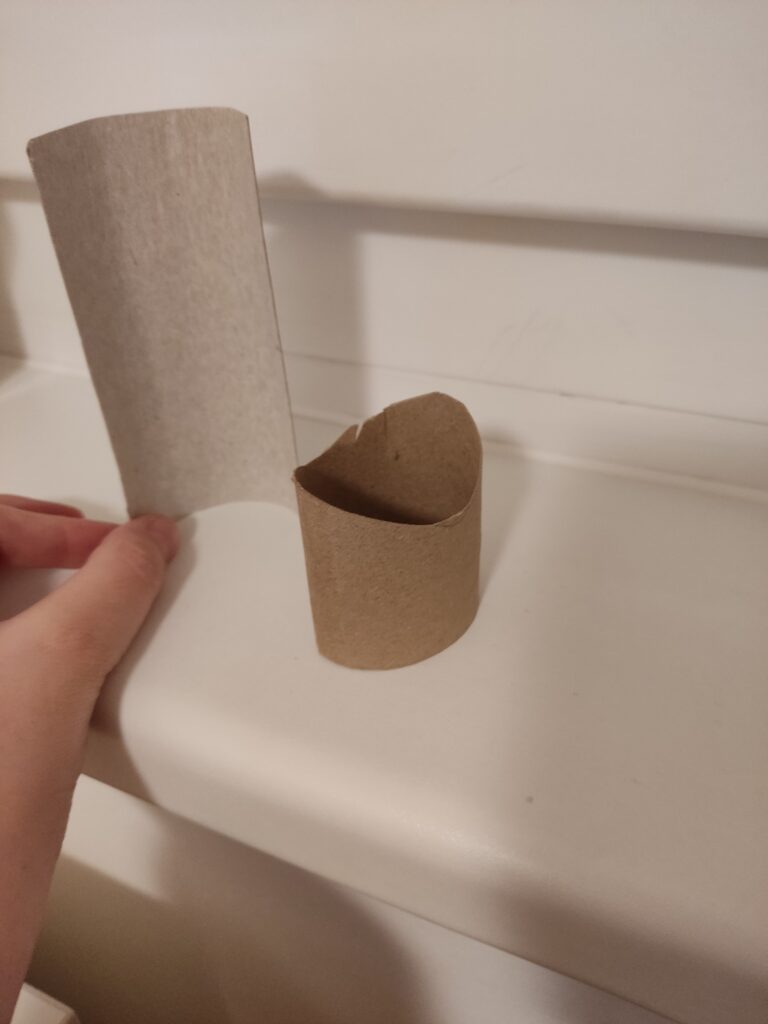
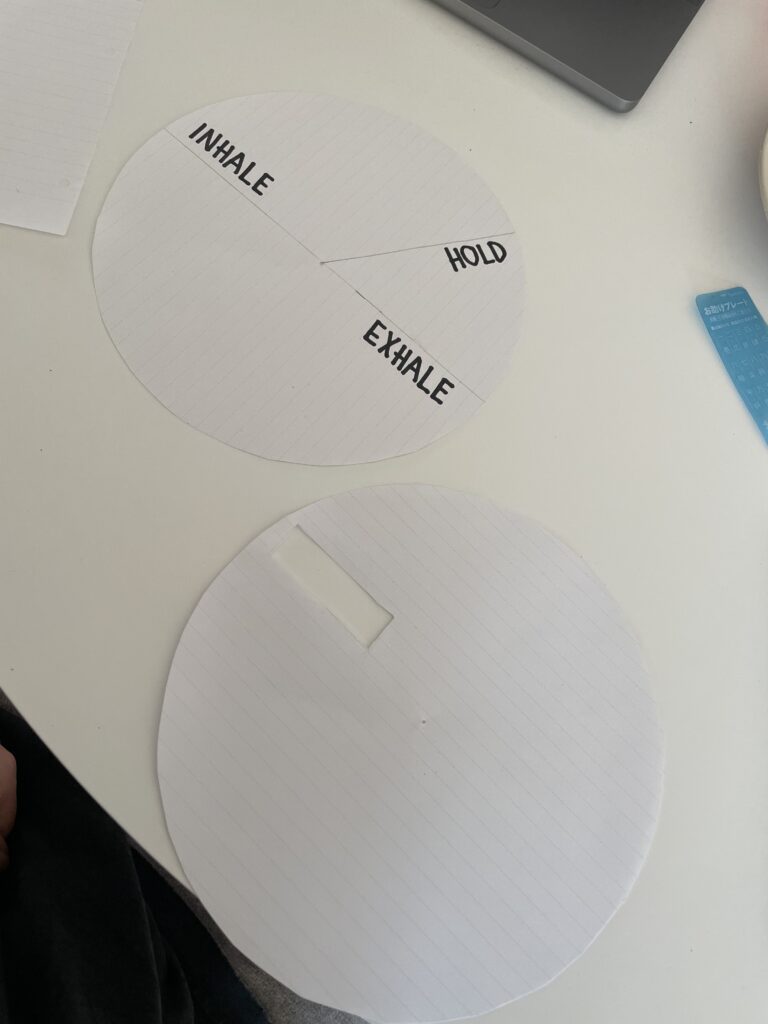
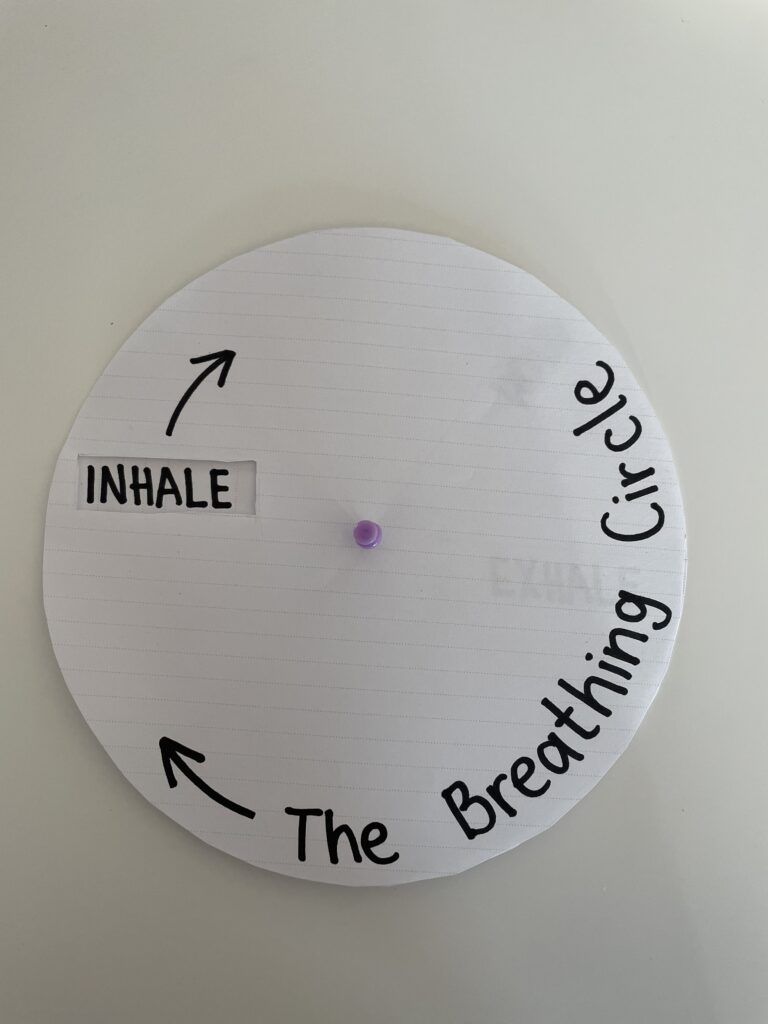
Breathing Circle: A guided breathing tool made of paper, where users rotate a circular element to synchronize their breath with a visual cue.

Choosing the Breathing Circle

While all three prototypes engage users in self-awareness and well-being, I chose to bring the breathing circle to class because it best embodies my research goal: designing interfaces that guide users toward calmness in a simple, intuitive way. Unlike mood trackers or reflection tools, the breathing circle introduces a hands-on, meditative experience that requires minimal effort—ideal for moments of stress.

Speed-Dating My Prototype

In class, we shared our prototypes in a Speed-Dating/Sharing session, presenting them to different classmates in quick succession. This was an exciting way to gather feedback and refine ideas. Some of the key insights from my classmates included:

  • Great for children in schools – One student noted that the breathing circle could be useful in classrooms, similar to a fidget gadget, helping children focus while also providing a calming mechanism.
  • Ideal for bedtime – Another student said they would love to use it before bed to relax, which sparked the idea of making the prototype more tactile with textures and even usable in the dark.
  • A minimalist, portable tool – Someone pointed out that, since it’s thin and can be small, it’s perfect for carrying on public transport or while traveling. Its minimalistic design keeps the focus solely on breathing, without distractions.
  • A sensory experience – A classmate suggested adding resistance to the movement (like a soft fabric hinge) to make turning it feel more grounding.

What is My Prototype Trying to Address?

The breathing circle is designed to address a key challenge in mental health support: how to create intuitive, low-effort tools for emotional regulation. Unlike mood-tracking apps or chat-based AI support, this tool is immediate and physical—it doesn’t require users to think, analyze, or type, just breathe. This prototype is particularly suited for:

  • Commuters and travelers – Its thin, compact design makes it easy to use on the go, whether on public transport, at an airport, or in a waiting room.
  • Children and adults needing focus – It can function as a calming fidget tool, helping with concentration in schools, workplaces, or even at home.
  • People looking for a screen-free relaxation method – No notifications, no distractions—just a simple, intuitive breathing guide.

Potential Features & Future Iterations

Based on the feedback, I’d love to explore:

  • Tactile Elements – Soft materials, textured surfaces, or raised patterns to enhance sensory engagement.
  • Glow-in-the-Dark or Low-Light Adaptation – So it can be used before bed without needing external light.
  • Personalization – Adjustable speed settings, so users can customize their breathing pace.
  • Elastic Resistance – Adding a slight resistance to the movement to make it more grounding and engaging.

If My Prototype Had a Dating Profile …

“Looking for a mindful moment? I’m a simple, no-fuss tool that helps you slow down and just breathe. I work best in quiet moments, whether you’re feeling stressed, anxious, or just need to unwind. Small, discreet, and always ready to help—swipe right for relaxation!”

Final Thoughts

This session reinforced how valuable it is to test even the simplest ideas. The breathing circle started as a basic paper prototype, but through conversation and iteration, it could evolve into something more immersive and widely useful. The feedback also reminded me that not all mental health tools need to be digital—sometimes, the most powerful solutions are the simplest, most tangible ones.

#2.01 Prototyping and Speed Dating

Recap from last semester

In my last ten blog posts I researched about loneliness and social isolation, focusing on how we as interaction designers can combat loneliness and how we can design for connection. I started by defining loneliness and social isolation, discussing how they are measured, and sharing statistics on who is most affected and their impact on mental and physical health. I then introduced the Theory of Third Places, and how important public spaces are for well-being and social connectedness. This led to an exploration of Human-Centered Design for public spaces and how interaction design can help shape these environments to encourage social interactions. Since a large part of our lives takes place online already, I want to take a more analog approach but still does not forego a digital aspect. This brought me to interactive installations and how they can strengthen social interactions in public spaces. I looked at how to design engaging interactive installations and key factors to consider ensuring people participate and connect with each other.


Prototyping

The first task in Design & Research 2 was to create three lo-fi prototypes, ideally linked to our Master thesis. To be honest, I am not sure if I want to continue with this topic for my Master Thesis, but for now my three prototypes are connected to it.


Prototype 01 – COMMUNITY APP

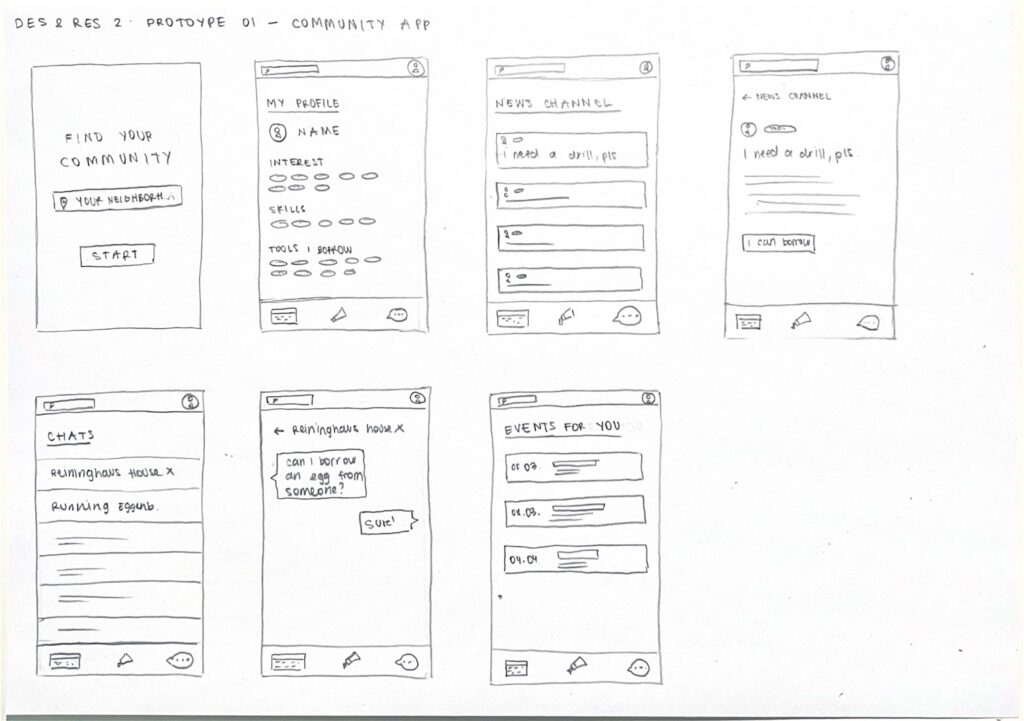
Although I wanted to take a more analog approach to the topic of loneliness, I wrote down all ideas that came to my mind and the first one was a community app. An app where you can connect with people in your neighborhood. You can find people with the same interests and hobbies, borrow tools you don’t own, arrange pet sitters while you are on vacation, get help with household repairs and discover local events.


Prototype 02 – SMART SOCIAL BENCH

A bench equipped with a small display that lights up when someone sits down, signaling an invitation for others to join. The display offers small conversation prompts such as “Tell me about your day” or “What’s your favorite song?” to encourage interaction. Additionally, a two-player mini games are included to further facilitate engagement and interaction.


Prototype 03 – INTERACTIVE INSTALLATION

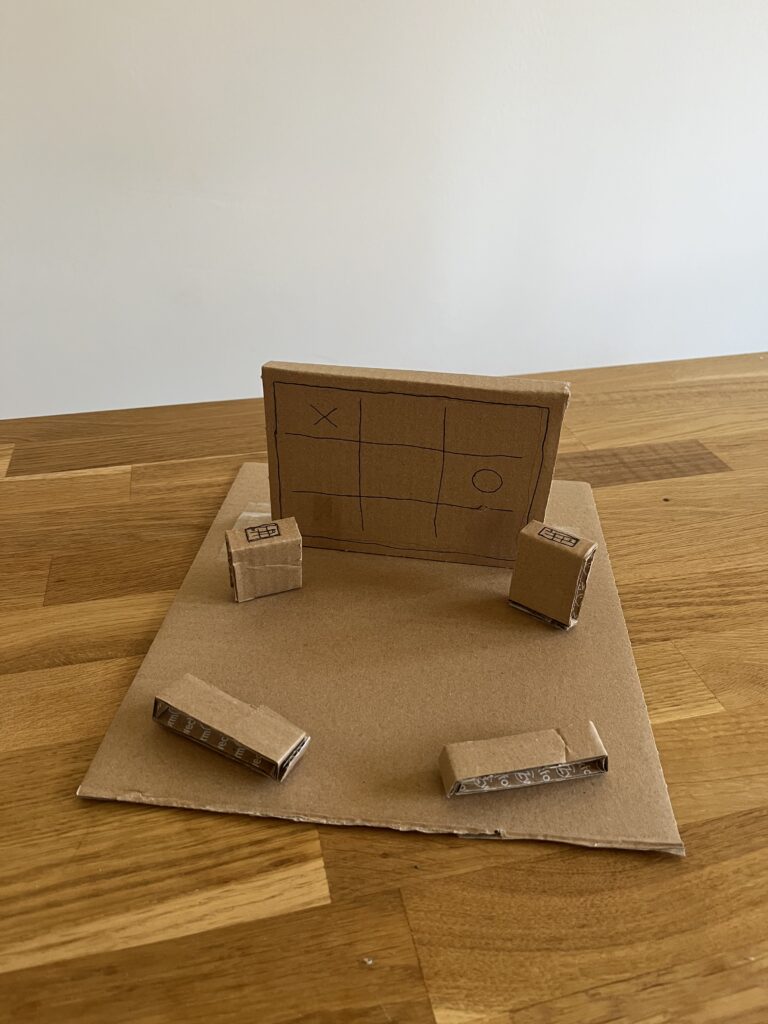
The last prototype is what I already thought about during the first semester – an interactive installation. A large screen installed in a public space, accompanied by two interactive tablets or screens that allow people to play mini games together, such as Tic-Tac-Toe for example. The setup is designed to encourage spontaneous social interactions among strangers or friends passing by. To make the space more inviting and inclusive, seating options are added nearby, providing a comfortable spot for people to watch the game, cheer on players, or even join in when a new round begins. This setup transforms the public space into a casual, engaging meeting point, fostering social connection through play and shared experiences.

Speed Dating

For the next class of Design & Research 2 we had to bring one of our prototypes. Since I already wrote about interactive installations, I brought my third prototype. We did a speed dating where we talked about our prototype with a different person every round to get more different insights, feedback and ideas. In the five rounds we got different task: guessing what the prototype was, suggesting additional features, describing it as if it is a dating profile, imagining a TED Talk about it, and reflecting about the most unexpected feedback.

Insights
  • Everyone I spoke with understood that my prototype is an interactive installation designed for two people to engage with each other.
  • One person suggested that instead of having a large screen with two control elements, I could use multiple small tables with built-in screens, allowing more people to interact rather than just two.
  • The description of the installation’s dating profile would be: Fun hanging out with.
  • Since I want to place the installation in a public space, I need to consider changing weather conditions and use waterproof materials. Additionally, the individual components should be securely built to prevent theft.

11 First Prototypes and Speed Dating

Th first new task I got this semester was to write six more blog posts and create (3) prototypes, of a possible project for my masters thesis. So naturally I asked myself, what could be a possible masters thesis and four different possible themes came to mind: 1. I could continue my bachelors thesis about digital mental health support programs. 2. I recently got into workshop facilitation & meeting facilitation, I thought the combination of being able to run workshops could be a great asset to every designer. 3. I could continue my research from last semester and deepen my knowledge in the understanding of biases. 4. Lastly I may get the opportunity to work together with a company to write about Design Systems.

Brainstorming

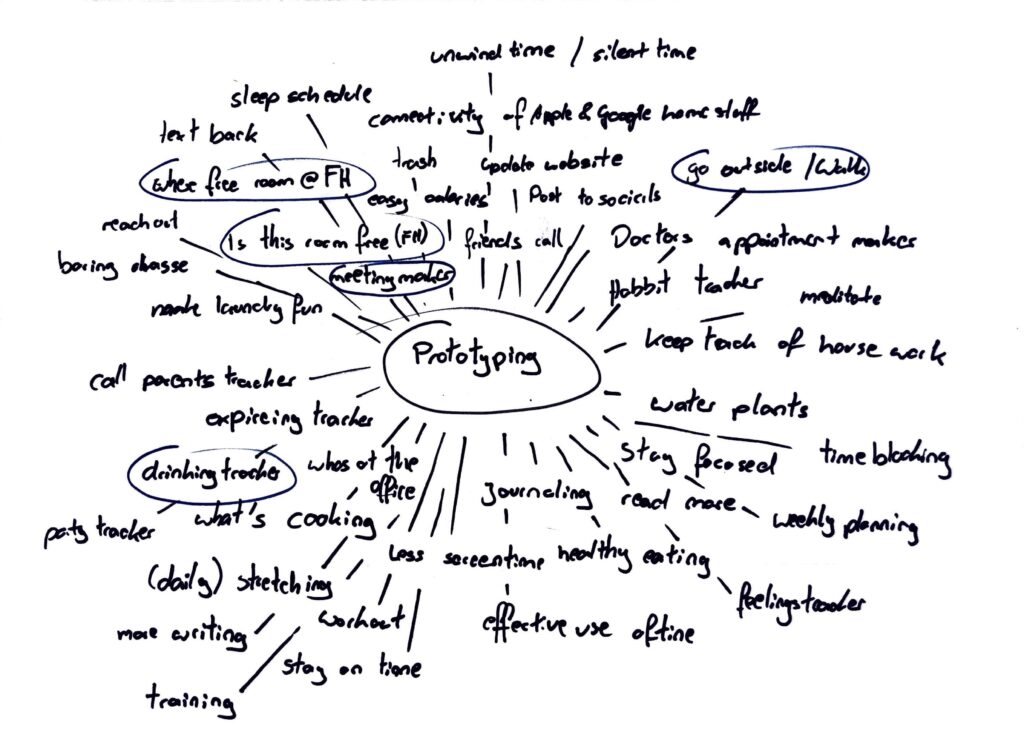
Naturally I couldn’t figure all of this out in one week, so I just started brainstorming, to figure out what problems I could solve with a quick prototype. On the picture below, you can see my ideas.

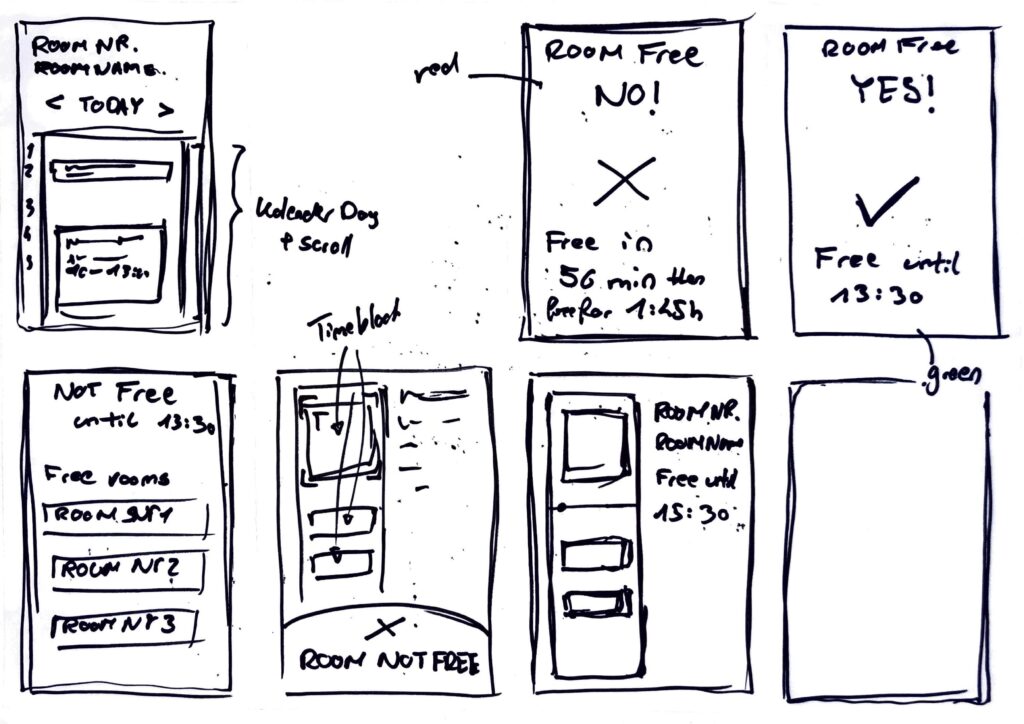
Four topics stuck with me: An app or similar digital solution that reminds you to go for a walk and motivate you to go outside. A drinking tracker, so you know how much you drank last night. A meeting maker, to help make meetings less confusing and draining. Lastly a solution for not finding a room at FH that is not occupied, to eat and work in.

Prototype 1

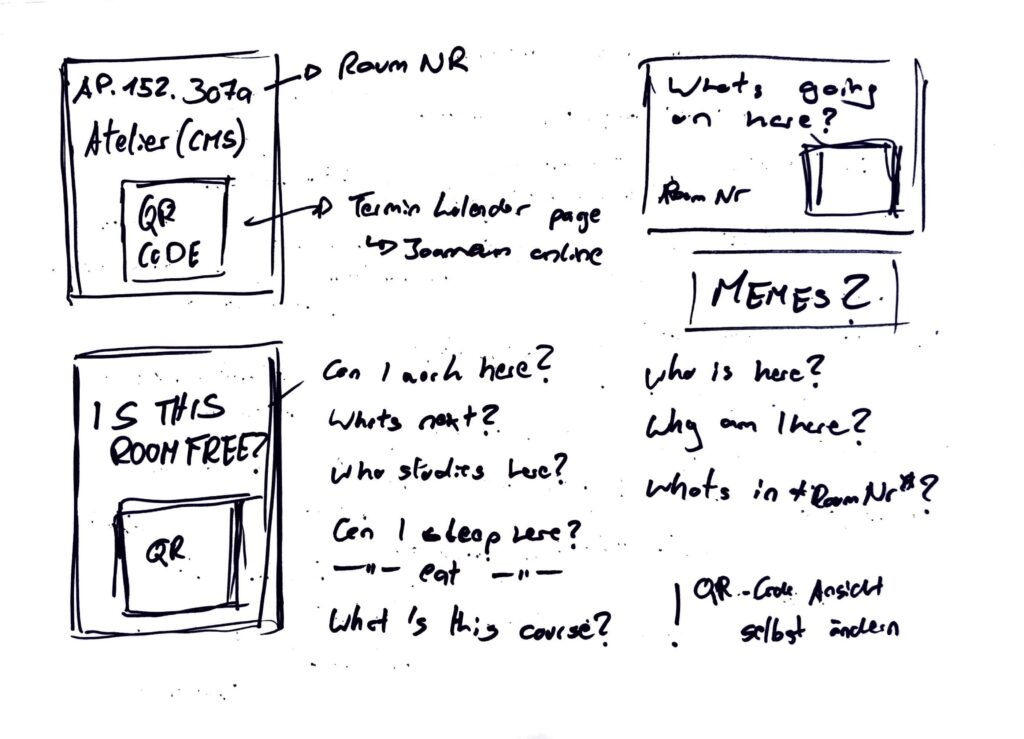
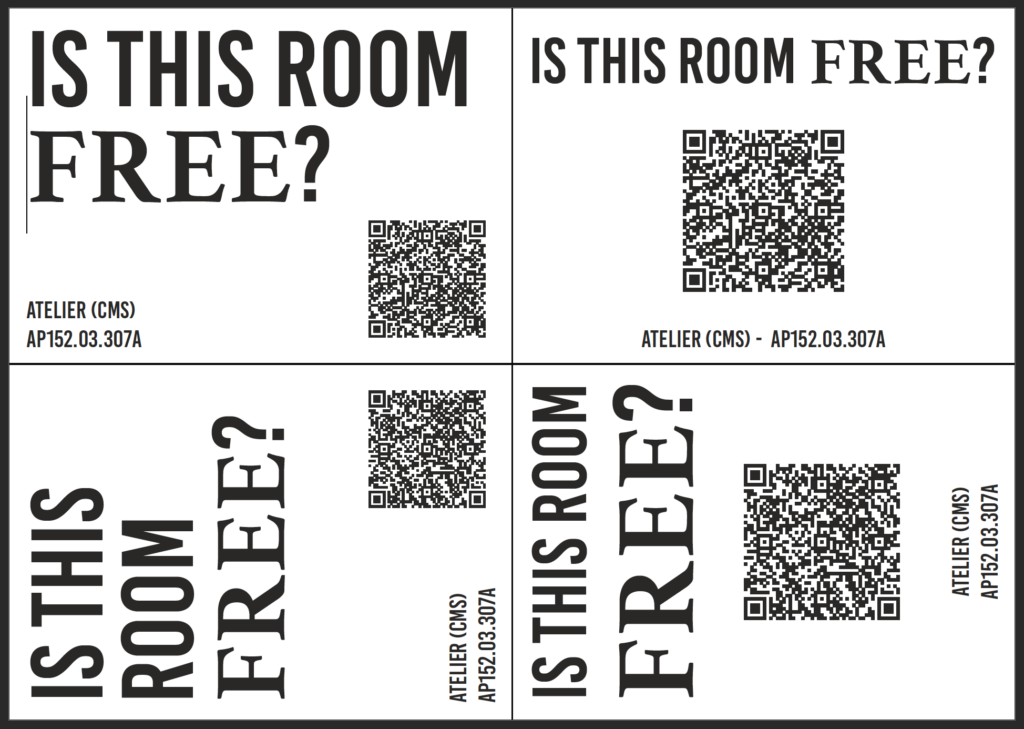
The last topic really stuck with me so I started a 20 minute timer and started sketching. After a quick research I found a way to see unoccupied rooms using Joanneum Online, but it’s confusing. So I tried a new approach, what if the process of checking a rooms schedule could be easier. My idea was to stick QR codes, next to every rooms sign, that lead to the rooms schedule. I started by sketching first ideas, of the signs and had just enough time to also create a first “mockup” of a sign. Later funny quotes or memes could be added to the signs, to make them more interesting.

Prototype 2

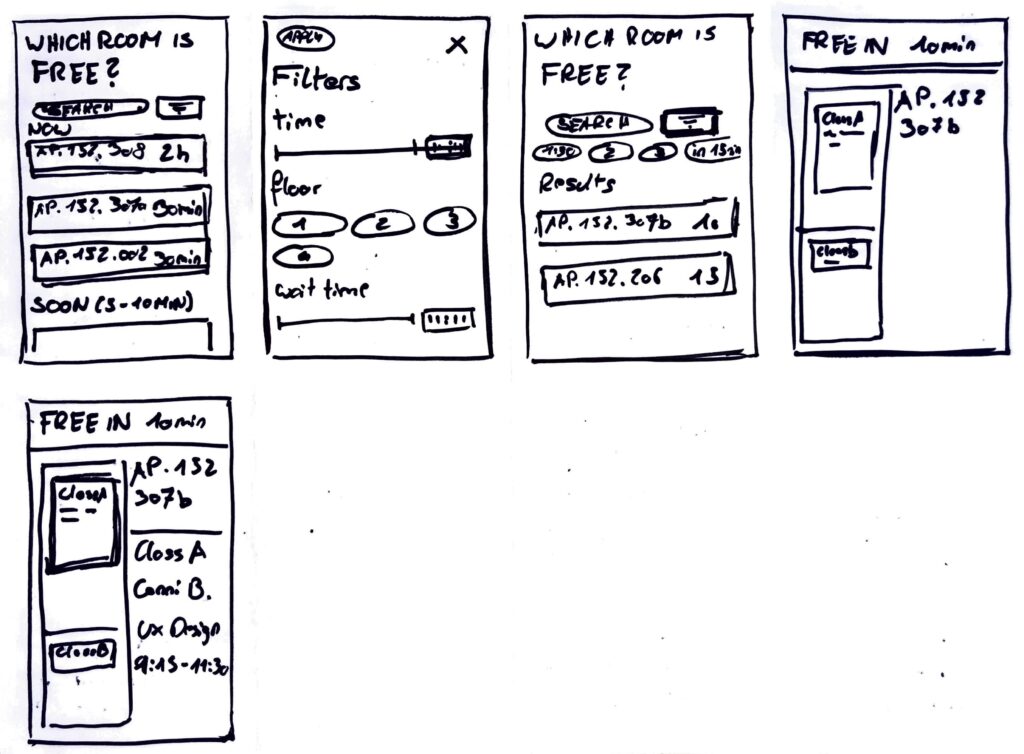
After creating the first prototype I got stuck on the idea of having an easy way to check for free rooms at our FH building. So continuing with the previous idea, I started another timer and started to generate first ideas for a website, that could display the desired information in a better way. Faster and easier to understand for the users. Since I love the crazy eight method, I used it to create this prototype

Prototype 3

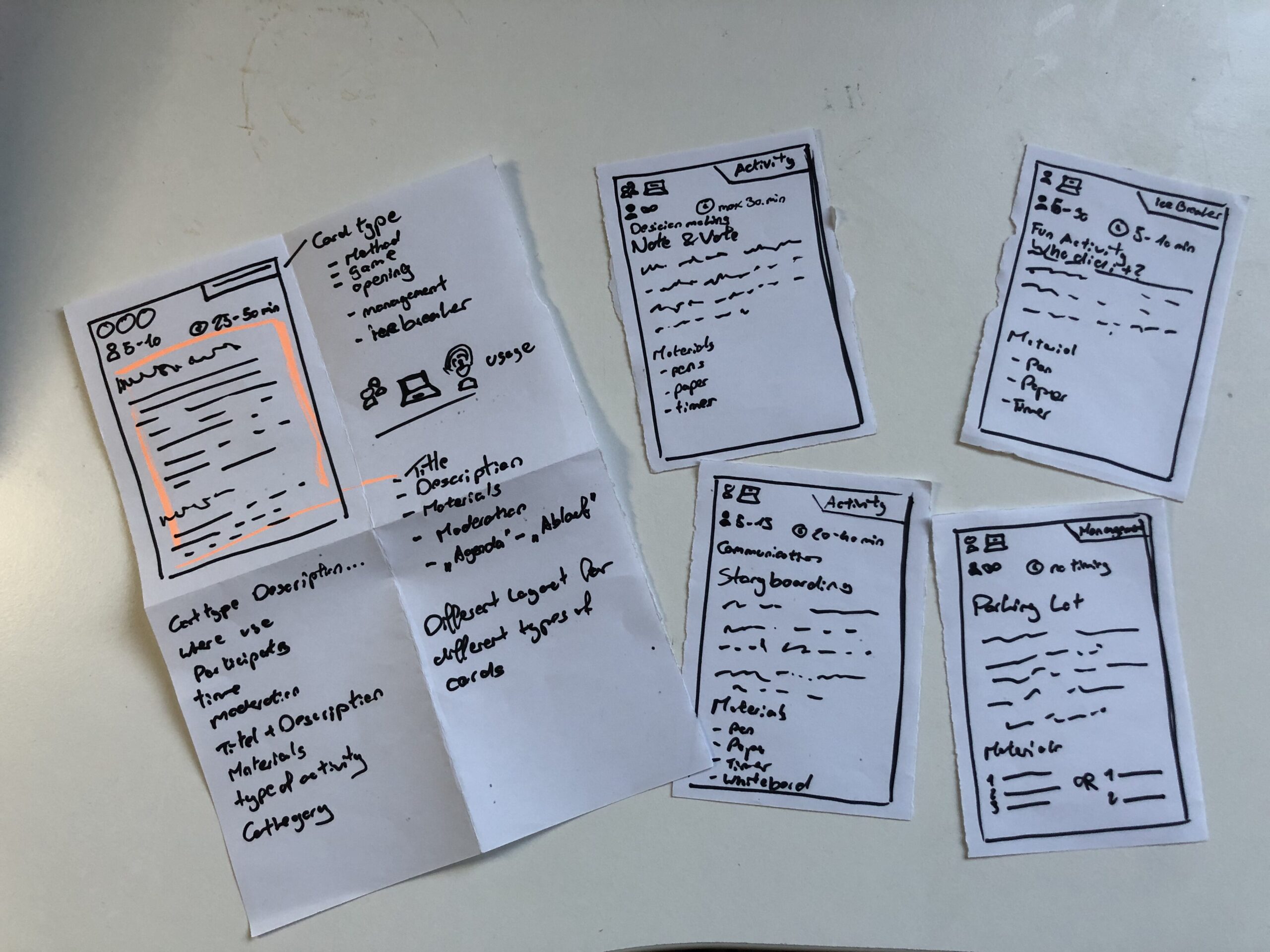
The last prototype went into a whole different direction, I still wanted to create something, that I could use for my masters thesis. So I just sat in my room thinking and then I had an idea. I could create a prototype for a card deck, that informs its owner about different work shop facilitation techniques. (Theoretically a card deck can be created for any topic, so I could also do one for biases and how to combat them) This is also the prototype I then brought to class, to discuss with my class mates.
The cards show what type of method you hold in your hands, if it can be used online or only live, how many people Ould participate, how long each activity takes, what you need to run it and of course the name and description of the method.

Speed Dating

So with my Prototype I headed to class, no clue, what was going to happen. In class we sat together, one on one and were given a task. Five rounds, each round with a new person and a new tasks. First we let the other person take a wild guess and describe the prototype to us. Next the partner had to give an idea for a new feature, without knowing the full potential of the prototype. This, was to create a dating profile for each prototype. Fourth, thinking big about the future and your prototype, maybe you are hosting a TED talk. Lastly we talked about the most unexpected feedback about our prototype. A very fun and insightful session, next I want to share my takeaways.

  1. Almost all of my “dates” mistook my playing cards, as wireframes for an app. Maybe, we all are a little biased towards digital solutions. But thinking about it makes something clear, my playing card prototype, doesn’t look like playing cards. Maybe it’s the size, the material or the way I drew on the paper.
  2. When I didn’t explain the prototype all of my partners needed the “instructions” to understand what the prototype was about and for what it could be used. This was also feedback I received, to add more and better instructions. ;D
  3. Additionally, most of them didn’t know, what to do with these flimsy pieces of paper. I figured, they didn’t want to break it.
  4. One “date” suggested to add QR codes to make the instructions on each card more accessible.
  5. I saved the best for last: When talking about the future of the prototype, I said I would have sold or given out a lot of decks and would be holding a TED Talk about a second version. Everything would be Creative Commons and open source, for everyone to use. The Interview partner then called me “the new Mark Zuckerberg, but with a conscious mind”.

Customer Experience (CX) and its relation to User Experience (UX) in Product Design

Customer experience (CX) and user experience (UX) in UI/UX design are closely intertwined concepts that directly impact how users interact with products or services. While CX refers to the overall experience a customer has with a brand or company, UX specifically deals with the user’s interaction with a product or service, particularly in terms of interface and design. Here are some key insights into their relationship and how they influence each other:

1. CX Encompasses the Entire Journey; UX Focuses on Specific Interactions

  • Customer Experience (CX) refers to the cumulative experience a customer has with a brand across all touchpoints—whether it’s in-store, on a website, via customer support, or through social media interactions. It’s about how the customer feels throughout the entire process of discovering, purchasing, and using a product or service.
  • User Experience (UX), on the other hand, is more focused on the user’s experience when interacting with specific digital interfaces (websites, apps, etc.). It focuses on the ease of use, functionality, and satisfaction during the interaction with a product’s interface, and it’s a subset of CX.

2. UX Design Drives Positive CX

The design of digital interfaces directly impacts the customer’s overall experience. A well-designed interface that is intuitive, aesthetically pleasing, and easy to navigate will improve the user’s experience and contribute to a positive overall perception of the brand.

Example: If a customer is able to easily find and purchase a product through a brand’s mobile app, the smooth interaction boosts their overall customer experience with that brand. A complicated or frustrating UX, on the other hand, can lead to negative CX, causing users to abandon the process or develop negative perceptions of the brand.

3. CX and UX Are Both About Satisfaction

While UX design focuses on the user’s satisfaction during the interaction with the product, CX is about the satisfaction derived from the brand’s overall offering, including service, support, and communication. Positive experiences in both areas often go hand-in-hand.

5. Customer Feedback and Continuous Improvement

Both CX and UX thrive on continuous improvement based on user feedback. For UX design, user testing, and behavioral analysis help identify friction points, improve usability, and address user pain points. In turn, customer feedback from the broader CX perspective (e.g., satisfaction surveys, social media comments) helps refine the overall customer journey.

6. Emotion and Brand Perception

Both UX and CX heavily influence how a customer feels about a brand. UX focuses on the emotional connection a user has during interactions with the product, whereas CX involves how a customer feels about the entire brand, including its mission, communication, and product quality.

Example: A well-designed website with a simple checkout process (good UX) can make users feel empowered and positive about the brand. Conversely, if the company’s customer service is slow and unhelpful (poor CX), the overall experience may be tainted, even if the website interaction was flawless.

7. Personalization and User-Centered Design

Personalization plays an important role in both UX and CX. Personalizing digital experiences, such as recommending products based on a user’s browsing history or customizing an app’s interface to the user’s preferences, makes the interaction more relevant and engaging.

8. UX Metrics Impact CX Strategy

UX metrics such as task completion rate, user satisfaction, and time on task offer valuable insights into how users engage with a product. These metrics can inform broader CX strategies. For instance, if UX testing shows that users frequently abandon the checkout process, it signals that the CX strategy should be adjusted to address these pain points (e.g., by improving the checkout experience).

Conclusion

In summary, user experience (UX) and customer experience (CX) are deeply connected and mutually influential. UX focuses on optimizing interactions with the product’s interface, while CX encompasses the overall brand experience across all touchpoints. A seamless, enjoyable UX directly contributes to a positive CX, leading to customer satisfaction, loyalty, and advocacy. By prioritizing both UX and CX, companies can create holistic, user-centered experiences that drive long-term success.

References

Robbio Alex, User Experience Is Now Your Business Strategy, Forbes 2019

Shatny Alex, Top UX KPIs and UX Metrics to Measure the Success of Your Design, Softteco.com 2022

Marketing Success Through Augmentation

There is no such thing as a commodity. All goods and services are differentiable. Though the usual presumption is that this is more true of consumer goods than of industrial goods and services, the opposite is the actual case.

In the marketplace, differentiation is everywhere. Everybody—producer, fabricator, seller, broker, agent, merchant—tries constantly to distinguish his or her offering from all others. This is true even of those who produce and deal in primary metals, grains, chemicals, plastics, and money. Says Theodore Levitt in his marketing piece in Harvard Magazine in January 1980.

In most cases, these differences are not salient. More important are the characteristics of the expected components of the product.

The Augmented Product

Differentiation is not limited to giving customers what they expect. What they expect may be augmented by things they have never thought about. When a computer manufacturer implants a diagnostic module that automatically locates the source of failure or breakdown inside his equipment (as some now do), the product goes beyond what was required or expected by the buyer. It has become an augmented product. When a securities brokerage firm includes with its customers’ monthly statements a current balance sheet for each customer and an analysis of sources and disposition of funds, that firm has augmented its product beyond what was required or expected by the buyer. When a manufacturer of health and beauty aids offers warehouse management advice and training programs for the employees of its distributors, that company too has augmented its product beyond what was required or expected by the buyer.

These voluntary or unprompted “augmentations” to the expected product are shown in Exhibit 1 by the irregular band that surrounds the expected product.

In every case, the supplier has exceeded the normal expectations of the buyer. In the steel example, it can be done by developing better ways of fabricating and coating the product or by reducing thickness to cut weight. The seller may provide other unexpected but moderately helpful aids, such as new delivery scheduling ideas, more “interesting” terms, different ways of delivering batches so as to reduce the buyer’s handling problems and costs, and invoicing systems that give more information about the use patterns of the generic product by the buyer’s various plants, divisions, or brands.

Not all customers for all products and under all circumstances, however, can be attracted by an ever-expanding bundle of differentiating value satisfactions. Some customers may prefer lower prices to product augmentation. Some cannot use the extra services offered. Steel users, for instance, once dependent on mills for applications help and engineering support, gradually grew sufficiently sophisticated to free themselves of that dependence—a freedom which, incidentally, led to the rapid growth of independent steel distribution centers in competition with the mills.

(Now the centers, which have distinguished themselves from the mills by faster delivery on standard grades and sizes, a wider item mix, and ability to handle small orders, have augmented their product by doing more minor fabricating and adding certain specialty steel application services.)

As a rule, the more a seller expands the market by teaching and helping customers to use his or her product, the more vulnerable that seller becomes to losing them. A customer who no longer needs help gains the flexibility to shop for things he or she values more—such as price.

At this point, it makes sense to embark on a systematic program of customer-benefiting, and therefore customer-keeping, product augmentation. The seller should also, of course, focus on cost and price reduction. And that’s the irony of product maturity: precisely when price competition heightens, and therefore when cost reduction becomes more important, is when the seller is also likely to benefit by incurring the additional costs of new product augmentation.

The augmented product is a condition of a mature market or of relatively experienced or sophisticated customers. Not that they could not benefit from or would not respond to extra services; but when customers know or think they know everything and can do anything, the seller must test that assumption or be condemned to the purgatory of price competition alone. The best way to test a customer’s assumption that he or she no longer needs or wants all or any part of the augmented product is to consider what’s possible to offer that customer.

References

Marketing Success Through Differentiation by Harvard Business Review

Customer Segmentation as a Leading Line to Innovation

Customer segmentation plays a critical role in the development and success of product innovation. By understanding the different needs, preferences, and behaviors of various customer groups, businesses can tailor their products to meet specific demands more effectively. Here are some insights into how customer segmentation influences product innovation:

1. Identifying Unique Needs

Customer segmentation allows businesses to understand the unique needs of different groups. For example, a company that creates outdoor gear might segment customers based on their activity types—hikers, climbers, or cyclists. This segmentation helps the company innovate by creating specialized products, such as lightweight backpacks for hikers or weather-resistant jackets for climbers, ensuring that each group’s specific needs are met.

2. Targeted Product Features

Through segmentation, brands can prioritize the features that matter most to each customer group. For instance, if a company is targeting environmentally-conscious consumers, it might innovate by developing eco-friendly materials or sustainable packaging. Conversely, if the target audience consists of tech-savvy consumers, the focus might be on incorporating cutting-edge technology into the product (such as smart features in wearables or appliances).

3. Customization and Personalization

With advancements in data collection and analysis, companies can create highly personalized products or services. Segmentation allows brands to recognize differences not just between broad groups but also within them. Personalized products, whether through customization options or data-driven features, can lead to deeper customer satisfaction and loyalty. For example, a cosmetics brand may develop product lines tailored to different skin types or tones.

4. Pricing Strategies

Segmentation helps businesses understand the purchasing power and price sensitivity of different customer groups. Innovating with different price points for various segments can be effective. For instance, a brand may develop a premium version of a product for high-income customers, while offering a more affordable, feature-limited version for cost-conscious buyers. This type of differentiation ensures that the product appeals to a wider audience, each with their unique price expectations.

5. Innovating for Niche Markets

Customer segmentation also opens doors for innovation in niche markets. By targeting smaller, underserved segments, companies can introduce products that directly address the pain points of these specific groups. This can often lead to highly successful products that may not appeal to the mass market but become beloved by a loyal, niche customer base. For instance, a vegan snack company might innovate by offering plant-based alternatives that cater to vegan or lactose-intolerant customers.

6. Feedback and Continuous Improvement

Understanding customer segmentation enables companies to gather valuable feedback from different customer groups. This feedback can be used to drive continuous product innovation, ensuring that the product evolves in ways that align with the preferences and needs of the target market. Engaging with specific segments allows for iterative improvements and faster adaptation to changing customer expectations.

7. Differentiation and Brand Positioning

By segmenting customers, brands can position themselves as leaders in specific niches rather than trying to appeal to everyone. A company that focuses on a particular segment can innovate and differentiate its products in ways that build a strong brand identity. For example, a brand that targets athletes with high-performance gear can differentiate itself with superior functionality, design, and innovation that appeals directly to that group’s needs.

8. Creating Brand Loyalty

When companies innovate to meet the specific needs of a customer segment, they foster a sense of loyalty. Consumers are more likely to stick with a brand that they believe truly understands their needs. By innovating with a deep understanding of a particular segment, brands can not only attract new customers but also build long-term relationships that result in repeat purchases and brand advocacy.

Conclusion

Customer segmentation is integral to effective product innovation, as it helps businesses create products that resonate with specific consumer groups. Whether through tailoring features, personalizing offerings, or developing specialized solutions for niche markets, segmentation enables brands to innovate more strategically and effectively. By aligning product innovation with the distinct preferences of different customer segments, companies can enhance customer satisfaction, drive brand loyalty, and carve out a sustainable competitive advantage in the market.

References

Product Differentiation: How to Satisfy Your Customers by Linkedin

Unpopular Brands that Leveraged Product Differentiation Neatly

In today’s competitive market, many brands strive to stand out from the crowd by using product differentiation and innovation. While some brands achieve widespread recognition, others successfully carve out niche markets by offering unique products or solutions that cater to specific consumer needs. These brands often rely on innovative features, creative marketing, and a strong sense of identity to appeal to their target audiences. By focusing on what makes them different, they not only create a distinct value proposition but also build a loyal customer base. Here are a few examples of relatively lesser-known brands that have used product differentiation and innovation to find success.

Here are a few examples of relatively unpopular or niche brands that successfully used product differentiation and innovation to carve out a unique space in the market:

1. Patagonia (Outdoor Apparel)

Differentiation & Innovation: While Patagonia is not as universally known as some outdoor apparel giants, it has built a strong reputation among outdoor enthusiasts and environmentally-conscious consumers. It innovated with eco-friendly materials like recycled fabrics and introduced the “Worn Wear” program, which encourages customers to buy used products or trade in old items for store credit, reinforcing its sustainability focus.

Impact: This unique environmental and ethical focus differentiated Patagonia from its competitors, earning it a loyal, niche customer base and a powerful brand identity around sustainability.

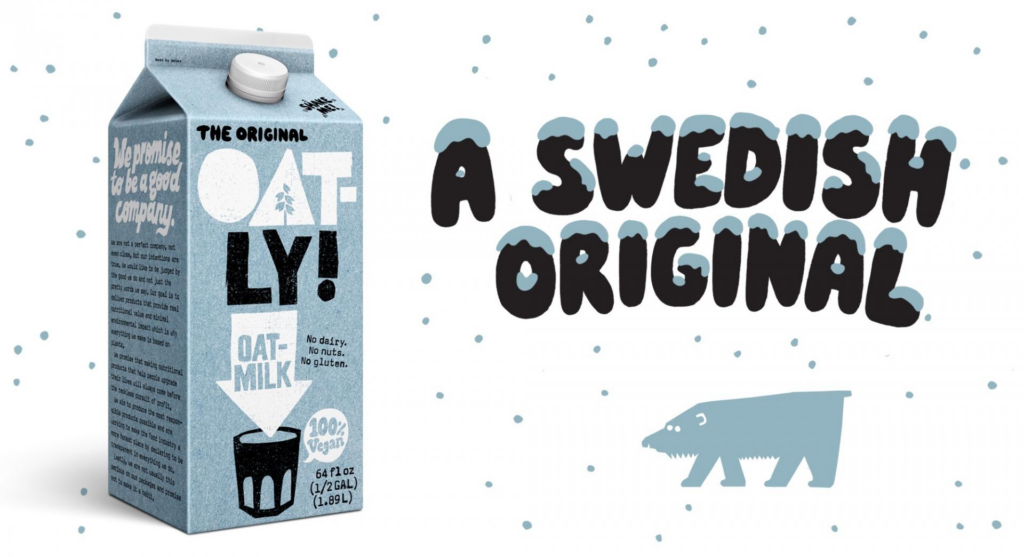
2. Oatly (Plant-based Milk)

Differentiation & Innovation: Oatly is one of the more recognized plant-based milk brands, but it stands out in the crowded market for its creative approach. The company focused on a high level of transparency with quirky, fun branding and an innovative oat-based milk product that emphasizes sustainability.

Impact: The use of oats instead of almonds or soy and the bold marketing messaging helped Oatly carve out a niche among health-conscious and eco-aware consumers, despite facing competition from larger dairy alternatives.

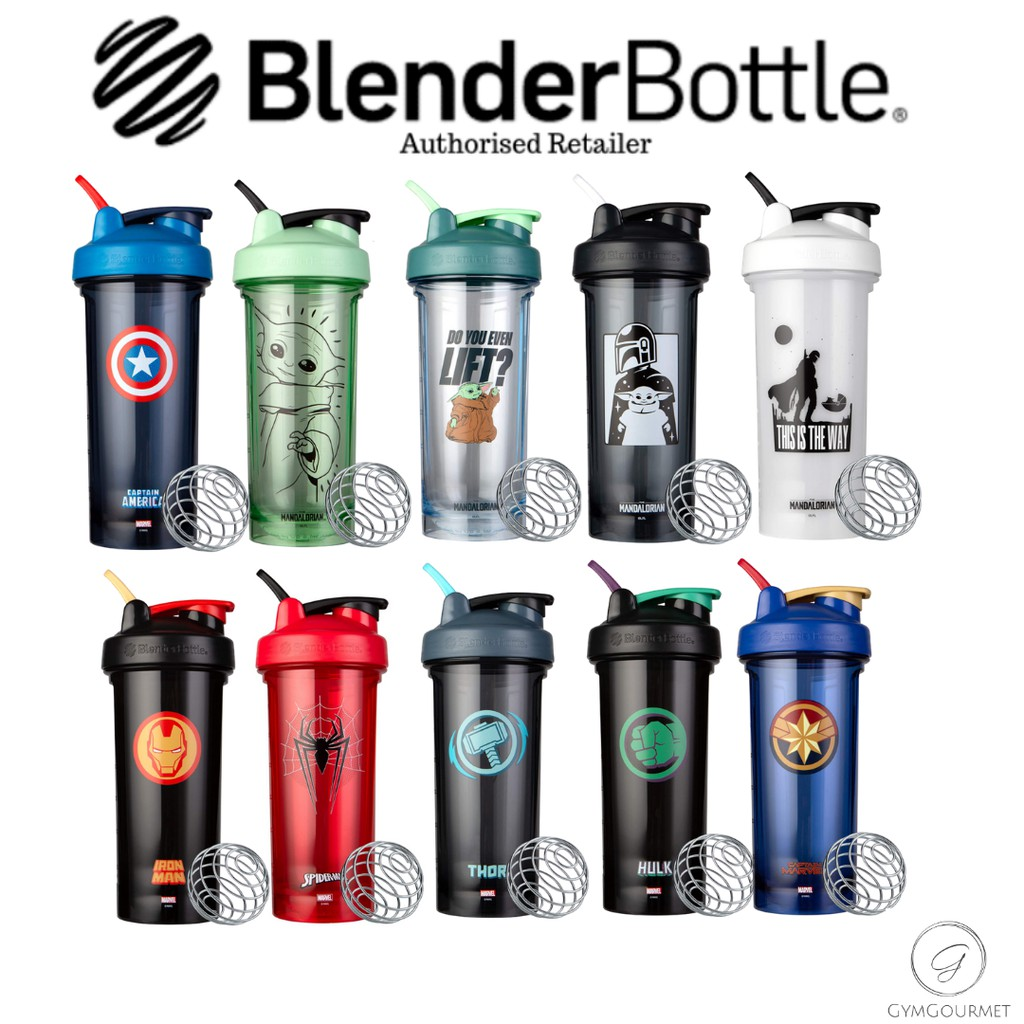
3. BlenderBottle (Fitness & Lifestyle)

Differentiation & Innovation: This brand revolutionized the way fitness enthusiasts mix their protein shakes. While there were plenty of shaker bottles on the market, BlenderBottle’s design incorporated a patented whisk ball that improved mixing consistency. Additionally, the brand created a highly functional, portable product that catered to active lifestyles.

Impact: Though not a mainstream giant, BlenderBottle became a beloved brand in the fitness space, thanks to its functional innovation, which helped build a strong following among gym-goers.

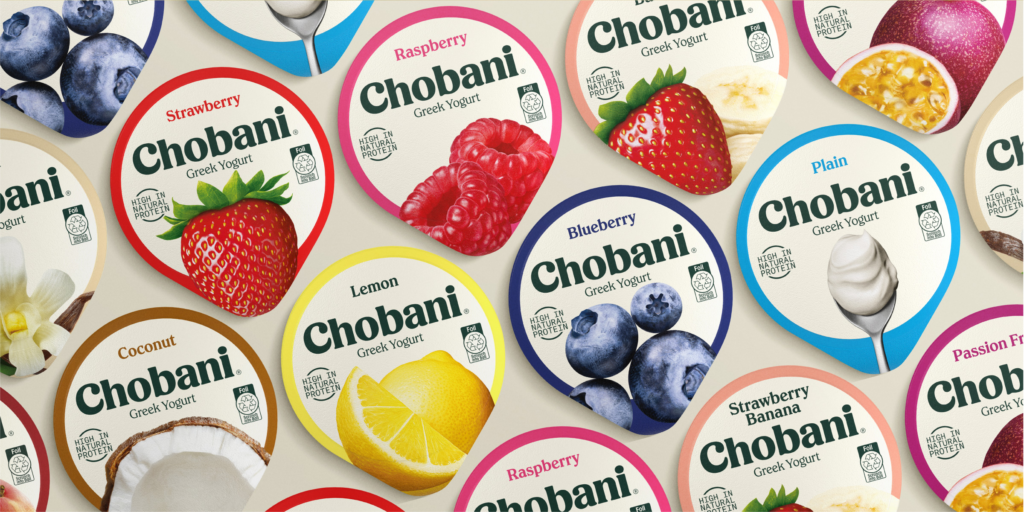
4. Chobani (Greek Yogurt)

Differentiation & Innovation: While Greek yogurt was already popular in some areas, Chobani turned it into a mainstream product in the U.S. by introducing a new take on the category. They innovated with flavors, packaging, and marketing strategies that made Greek yogurt seem both exotic and accessible.

Impact: Through product differentiation in the crowded yogurt market, Chobani grew to become one of the top players in the space, though it was a smaller, niche brand in the early years.

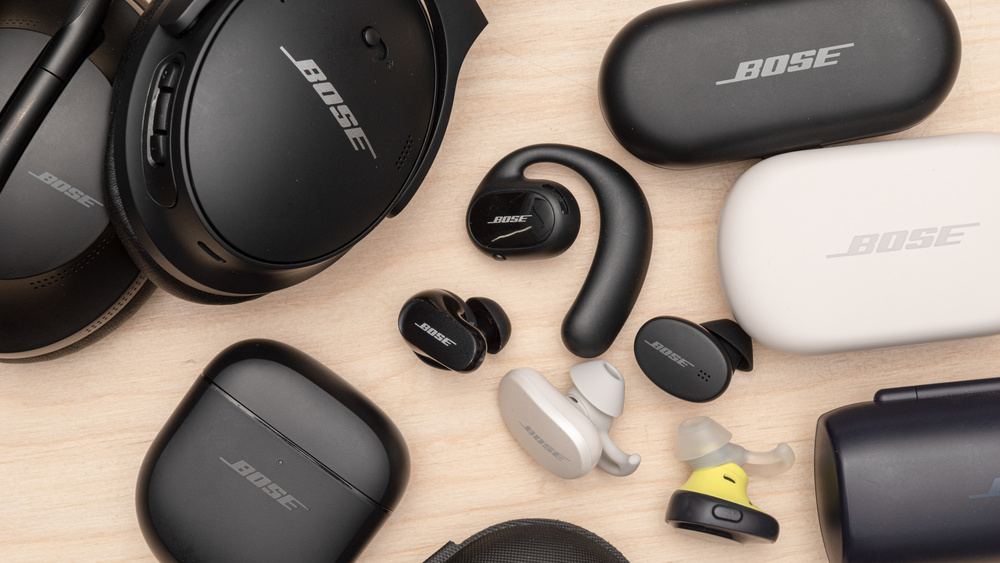
5. Bose (Audio Equipment)

Differentiation & Innovation: While Bose is more well-known, it was once considered a niche player in the audio market. The company became known for its noise-cancelling technology, which was groundbreaking at the time, and its premium sound quality in both speakers and headphones.

Impact: Bose’s technological innovation and superior sound quality helped it differentiate itself in a market that included much larger players like Sony. It built a loyal customer base among audiophiles and professionals seeking high-quality audio.

6. Allbirds (Sustainable Footwear)

Differentiation & Innovation: Allbirds used natural, renewable materials like merino wool and eucalyptus tree fiber to create shoes that are both sustainable and comfortable. They focused on simple designs and a commitment to transparency about their materials and supply chain.

Impact: Allbirds differentiated itself in the footwear market by focusing on sustainability and comfort, appealing to eco-conscious consumers despite being a relatively niche brand in the early stages.

Conclusion

In conclusion, product differentiation and innovation are powerful tools that allow brands, regardless of their size or popularity, to establish a unique position in the market. By offering something distinct—whether through design, technology, sustainability, or consumer experience—these brands have succeeded in creating a strong identity and building loyal customer bases. Even in highly competitive industries, standing out through innovation can turn a niche brand into a market leader, proving that success doesn’t always require being the most famous, but rather offering something genuinely different and valuable.

References

20+ Product Differentiation Examples – Simplicable by Anna Mar

Where do we go from here? Possible approaches for designing connection

What I’ve discovered is that there’s a strong awareness of loneliness as a problem, especially in the research community. There are countless studies, statistics, and even political measures addressing it, but what’s missing are concrete steps and ideas on how to tackle it.
There are some considerations, such as guidelines for urban planners and architects, that lay the groundwork. But direct, creative, and innovative approaches are harder to find. Most existing solutions focus on open spaces, but few actively invite specific forms of interaction. What’s needed is a deep understanding of both the structural aspects of loneliness and the personal experience of it. This means understanding what people need in order to change their behavior and the way they operate in the world we currently live in. Is it the online world and our phone addiction? The fast paced life style? The way and amount we work? The ways our offices, homes an cities are designed and built?

It might be helpful to focus on specific scenarios where loneliness occurs, as its causes and effects vary depending on the context. Loneliness looks different for an older person in a retirement home than it does for a young person who just moved to a new city. Patients in hospitals or reha centers face different challenges than single parents with little time for social interaction. Immigrants who have been separated from their families and cultures experience isolation differently than someone struggling with mental health issues. People who have been removed from or disconnected from their communities also face unique forms of loneliness.

So what can design do? There are different angles and scales from which to approach this issue. One possibility is rethinking urban planning to create spaces that naturally foster human interaction. Another is shifting public perception by raising awareness and reducing the stigma around loneliness, making it something we can talk about openly rather than something to be ashamed of. Smaller interventions can also play a role, like simple design elements that spark interaction and connection, allowing relationships to develop organically.

The next step is to explore possible directions. Should this take the form of a framework or set of guidelines for urban design? A workshop that actively engages communities? A game or interactive tool that initiates connection? A digital platform that helps people meet in meaningful ways? Maybe physical installations or experimental spaces designed to encourage spontaneous interactions. Or maybe artistic works that highlight and address loneliness could invite reflection and conversation.

To move forward, more research is needed and the questions that came up during research need to be answered. Interviews, testing, and case studies could provide valuable insights into what actually works. Understanding the real experiences of people struggling with loneliness and setting a direction for a project are key to designing solutions that go beyond theory and make a real impact.