In my last blog entry, I asked: How do we make sense of all this noise without losing the character of the city? This question has followed me into the next phase of my research. Instead of trying to clean up the clutter, I started observing what it actually is, how we experience it, and what it might be trying to tell us.
My goal is not creating a polished design outcome, it is about building a process or a system, maybe even a mindset.
Step 1: Building an Archive
I began with what I already had in my camera roll. Years of random photos: broken signs, wall textures, forgotten objects, public scribbles, strange alignments, and accidental compositions.

I didn’t take these pictures intentionally for a project, they just happened. So I started categorizing them:
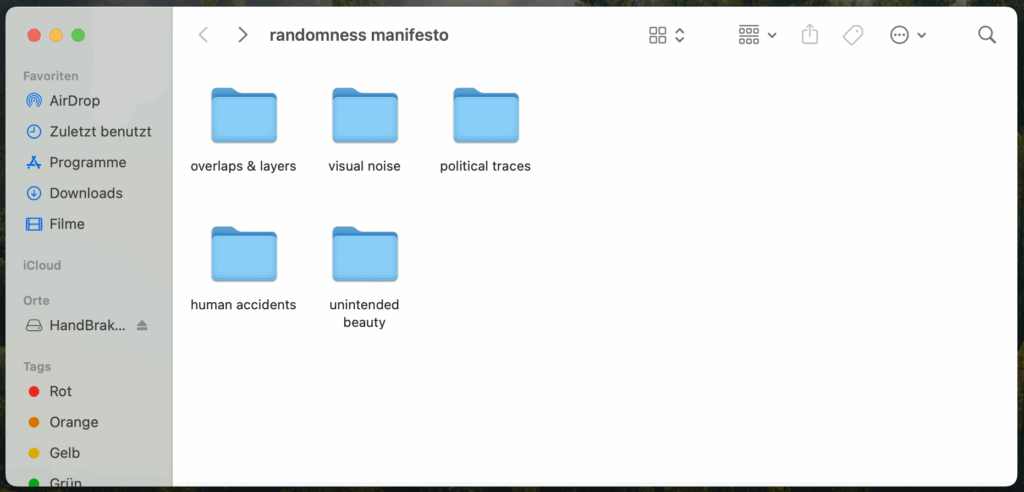
- Overlaps & Layers
- Visual Noise
- Political Traces
- Human Accidents
- Unintended Beauty
I created a folder structure on my laptop that now serves as the base for a collection of real-world randomness.
Step 2: Researching the Vibe
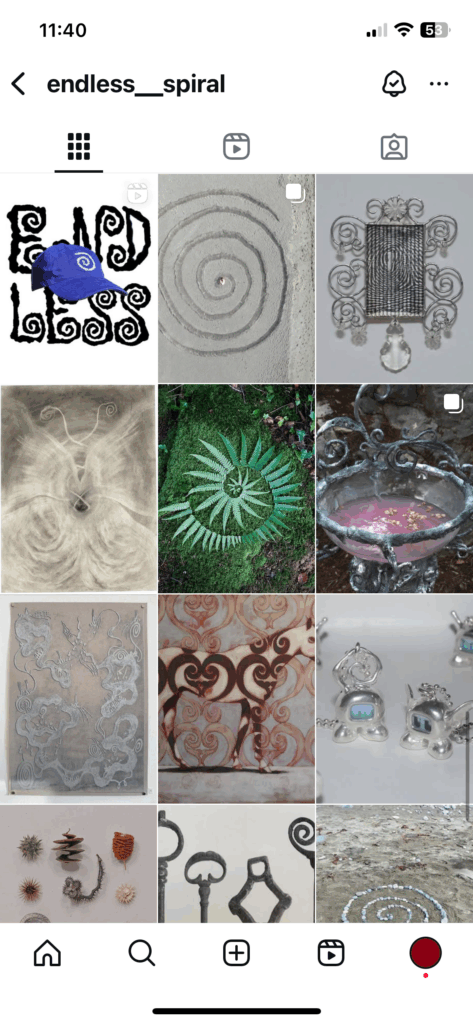
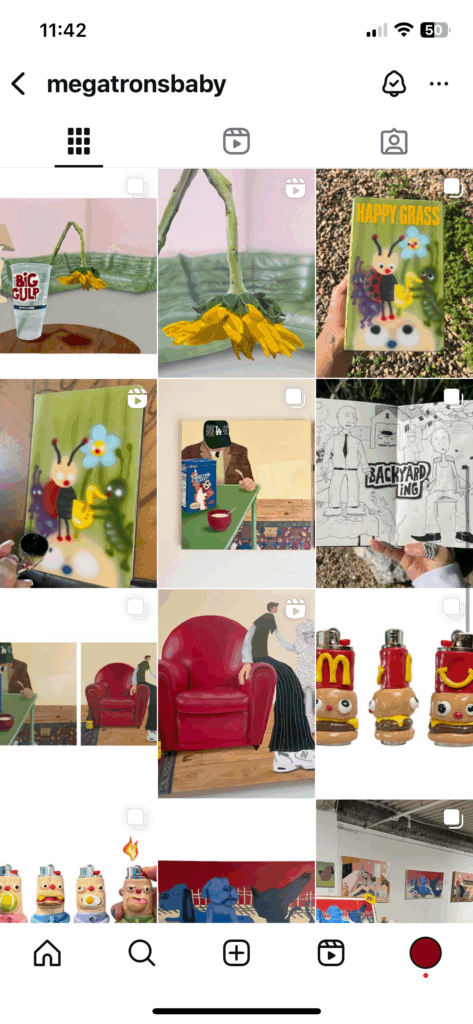
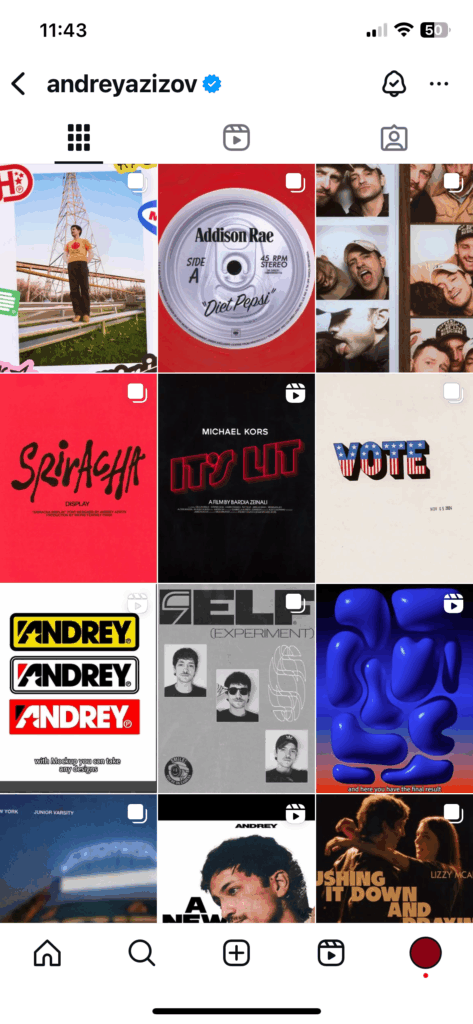
At first glance, all these things like paint spills, torn stickers, blurry text seem unrelated. But the more I looked at them, the more I realized: they feel connected. I began to study creators who lean into randomness. From zine-makers layering textures and clashing type to Instagram artists who post found objects without context, it all feels chaotic, but somehow intentional.
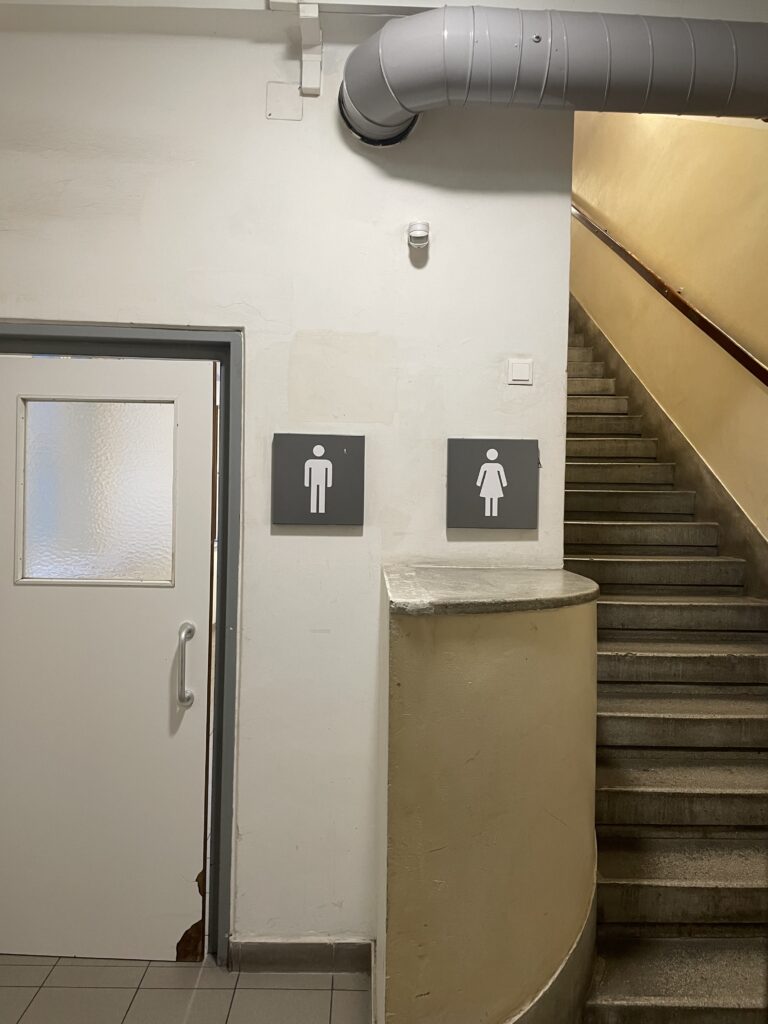
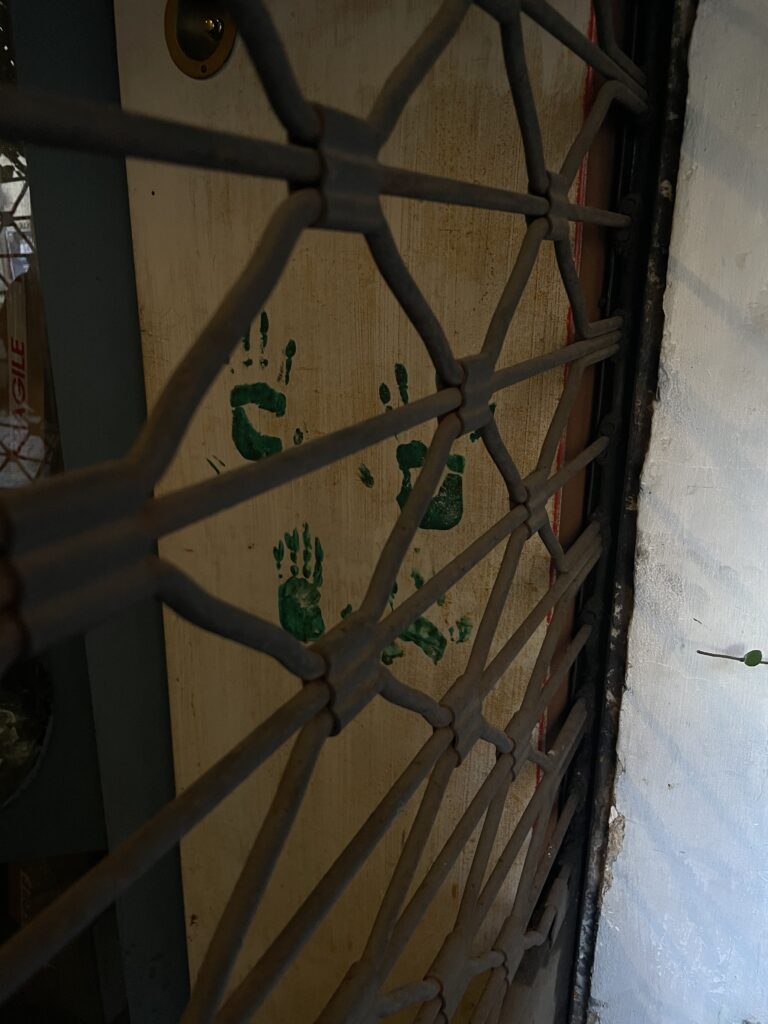
I think if you look at it closely, everything can be political. Not just billboards or protest posters, but even the unnoticed details in everyday spaces. A restroom that makes women take the stairs while men walk straight in is a powerful message in itself without even meaning to. Or a wall where “Free Palestine” was painted over, but still faintly shines through. These things are visual proofs of how systems speak through architecture, erasure, and layers of public expression. Sometimes the most powerful statements are the ones no one planned, but no one managed to fully silence either.

Step 3: Understanding “The Dump”
I also revisited photo dumps. Not just as a trend, but as a storytelling form. The randomness isn’t random at all—it’s about rhythm, contrast, atmosphere. A picture of a half-eaten sandwich next to a blurry selfie and a screenshot of a note. It tells you who someone is without saying anything directly. That’s the kind of narrative I’m interested in.
What’s exciting is that this also applies to design. Layouts that feel spontaneous. Posters that aren’t begging for attention but make you stop anyway. Formats that don’t tell you what to think, but make you feel like you’ve stumbled into something.
A Visual Protest in the Making
All of this is slowly leading toward my “Randomness Manifesto”, a zine or digital page that reads and feels like a visual protest against overdesigned perfection. It will be layered, broken, imperfect. It won’t follow a fixed structure. Maybe it will look like a poster that’s been weathered by the street. Or a desktop folder that became a publication.
Whatever it turns into, it taught me that the beauty isn’t in controlling the chaos, it’s in curating it.
