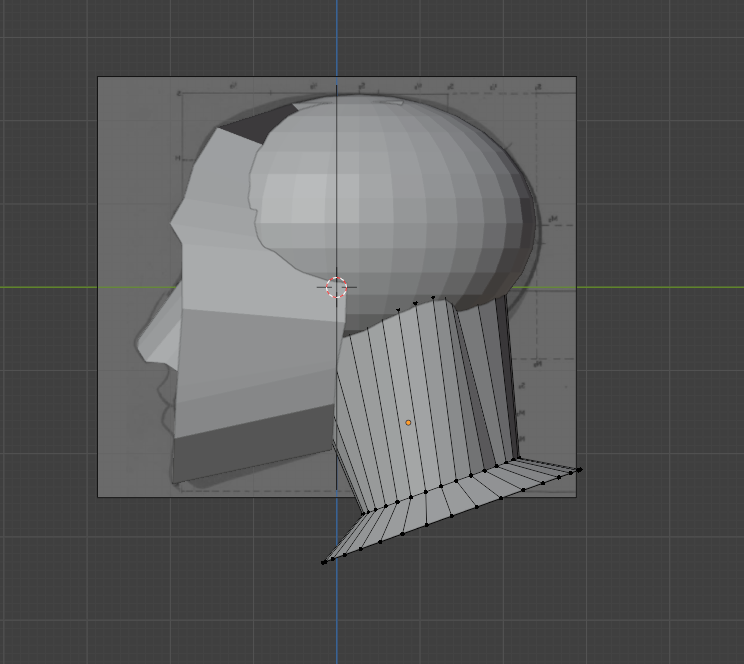
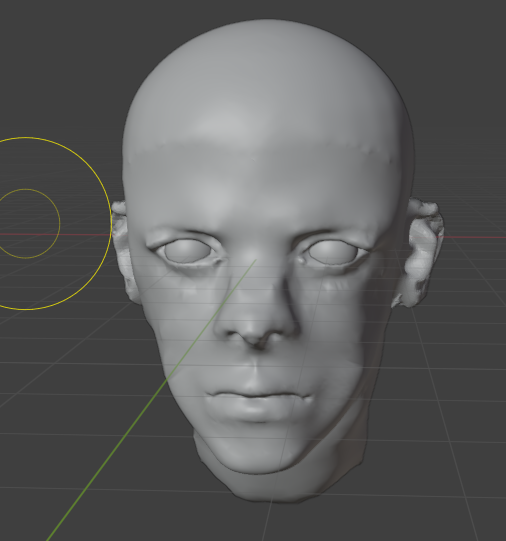
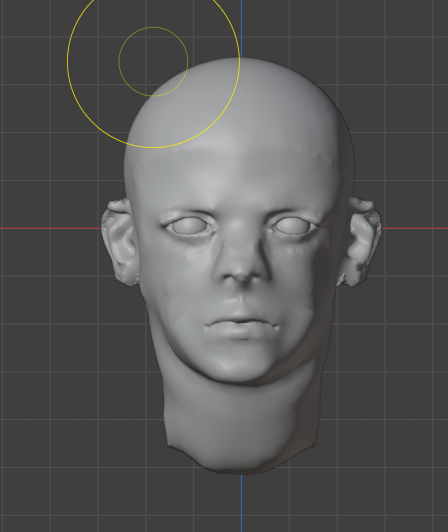
Modeling a 3D human head proved to be a far greater challenge than I initially anticipated. Despite my background in drawing and understanding of anatomy, translating that knowledge into a three-dimensional mesh presented unexpected difficulties. My first attempts were unstructured—I began with a basic shape and tried to refine it through trial and error. The result was an uneven, disproportionate model that lacked the coherence of a proper head structure. Frustrated by my lack of progress, I realized I needed a more systematic approach.
The turning point came when I decided to follow a structured tutorial. The tutorial emphasized starting with a low-poly base mesh and gradually refining it, rather than diving into details too early. It provided a clear methodology: blocking out major forms first, establishing proper edge flow for facial features, and only then adding subdivisions where necessary. This step-by-step process eliminated the guesswork and allowed me to build the model with intention rather than improvisation. The difference was immediate—my topology became cleaner, and the proportions more accurate.
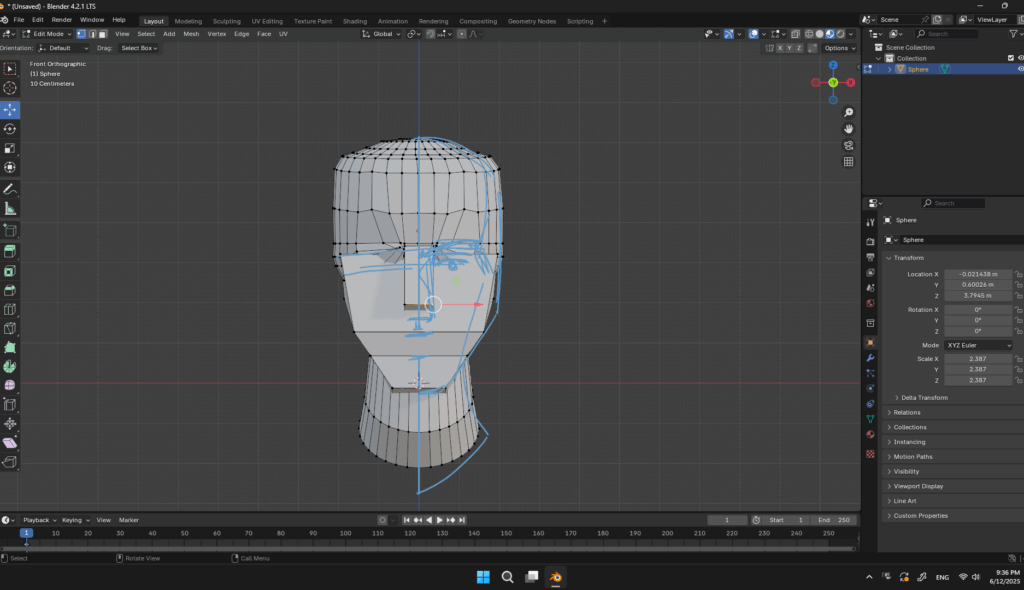
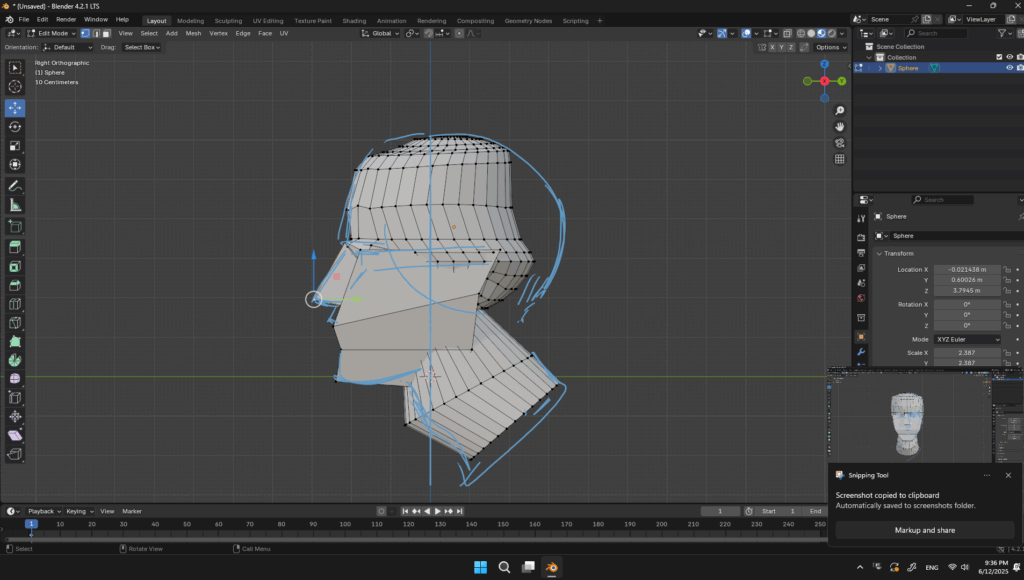
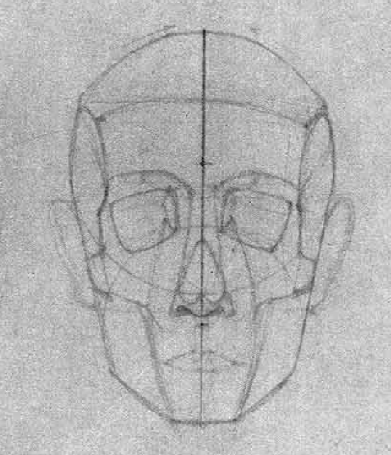
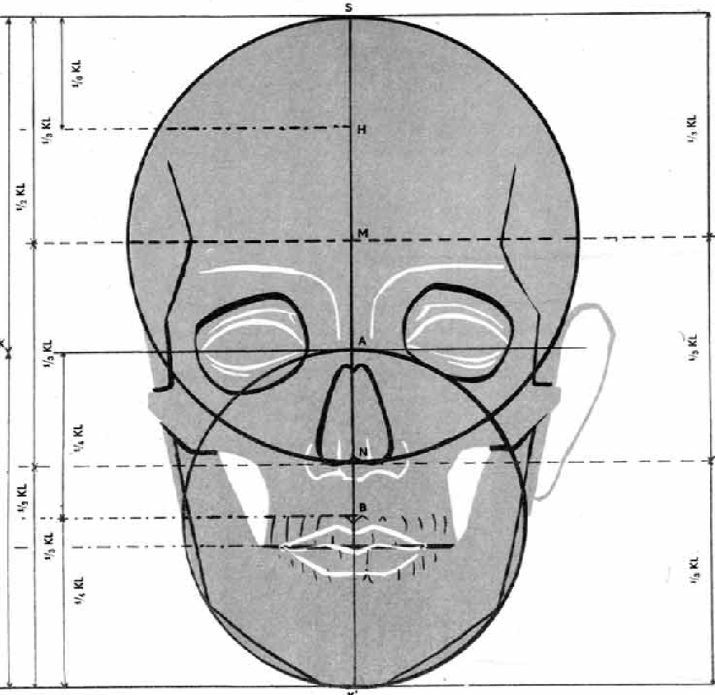
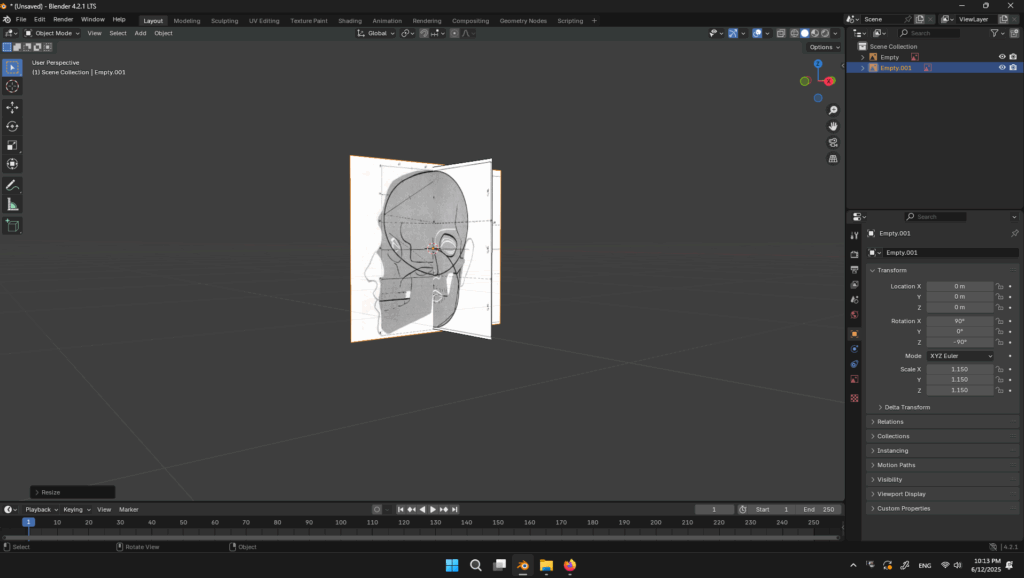
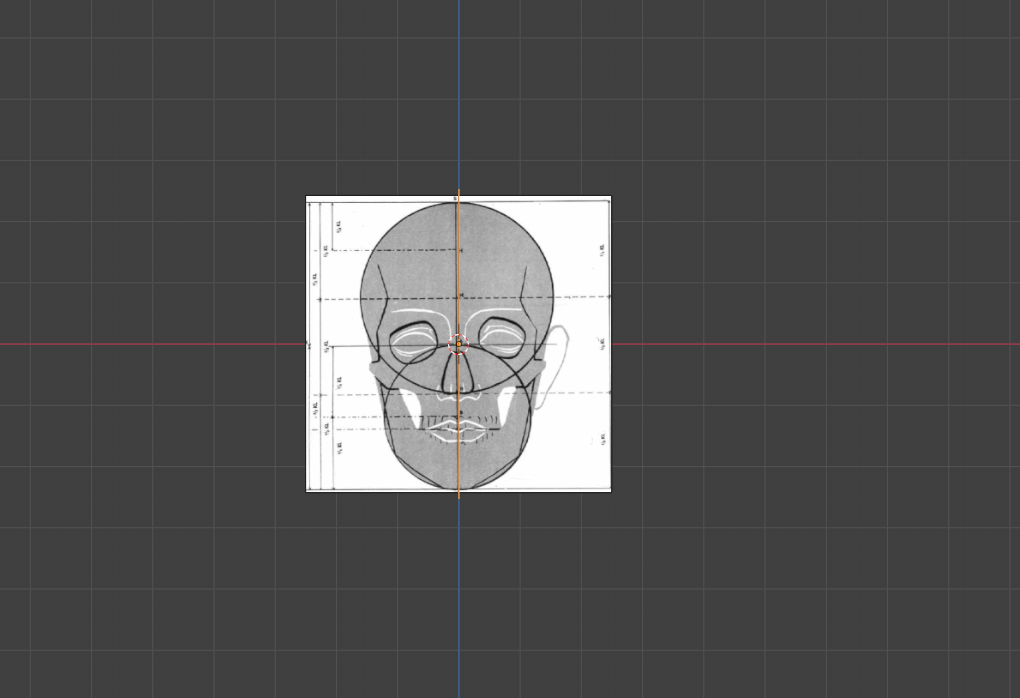
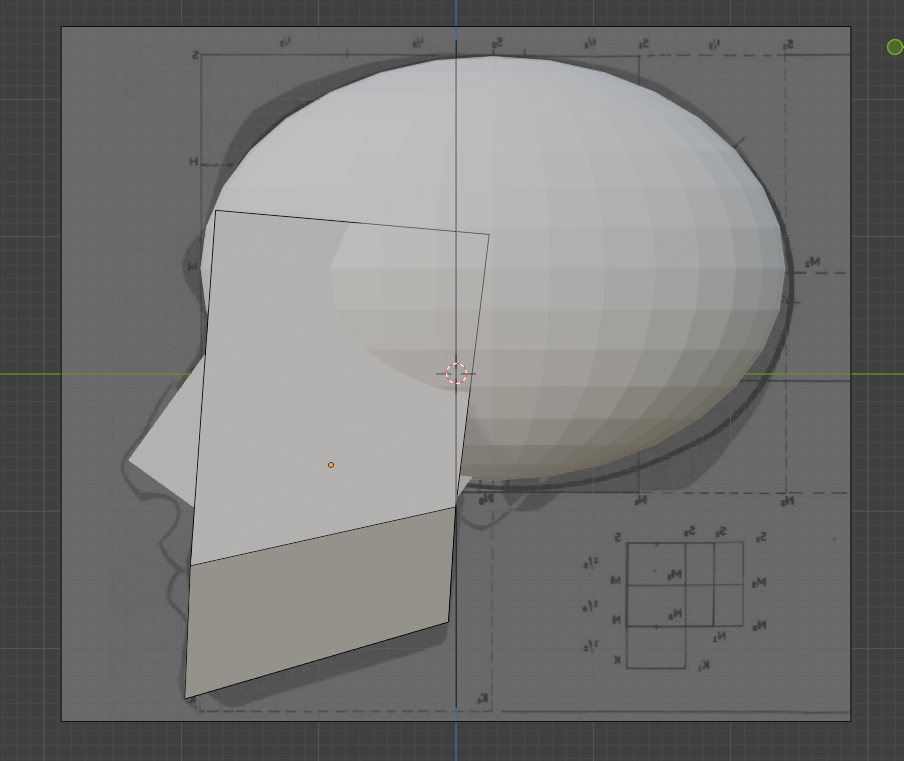
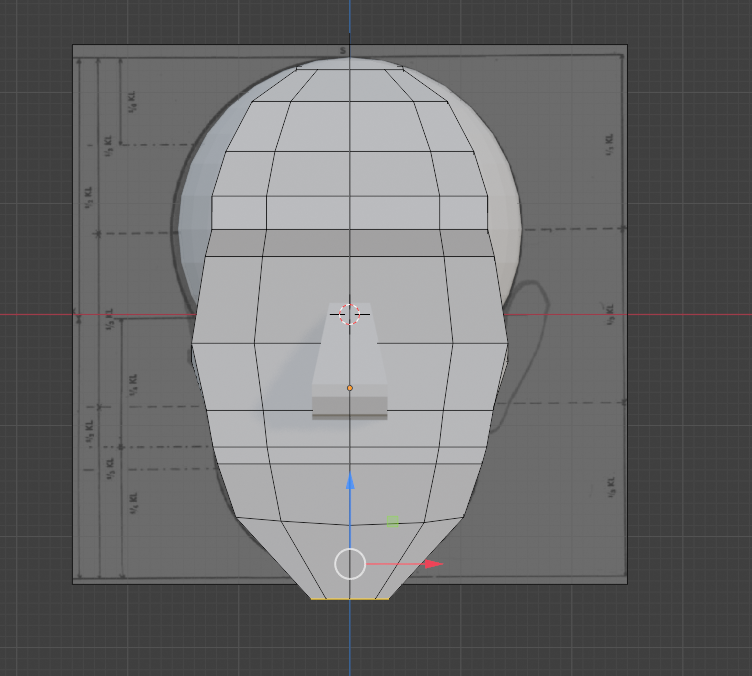
Before attempting a fully realistic head, I chose to practice on a simplified model based on Gottfried Bammes’ anatomical drawings.
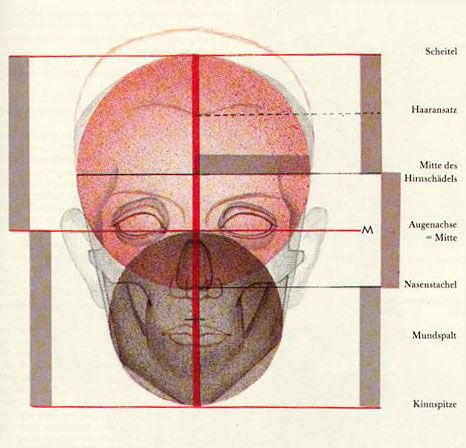
Bammes’ approach breaks down the head into clear geometric forms, making it an ideal exercise for understanding structure without the complexity of realistic detail. Working on this stylized version helped me focus on fundamentals: establishing primary shapes, maintaining symmetry, and ensuring proper edge flow around critical areas like the eyes and mouth. This practice run gave me the confidence to apply these principles to a more detailed model.
With the lessons from the tutorial and my Bammes exercise, I began a new attempt at a realistic head. This time, I followed a disciplined workflow: starting with a base mesh, refining proportions before details, and carefully planning edge loops for deformation. The result was a significant improvement—a head model that actually resembled human anatomy, with clean topology suitable for further sculpting or animation. The key takeaway was the importance of foundational structure; without it, even the most meticulous detailing would not correct fundamental flaws.
Reflecting on the process, the most valuable lessons were patience and methodical planning. Skipping foundational steps leads to inefficiency, while a structured approach saves time and produces better results. Moving forward, I intend to refine this model further, exploring sculpting and texturing, but the core understanding of proper modeling technique will remain essential. For anyone struggling with 3D head modeling, the solution lies in studying proven methods, practicing on simplified forms, and progressively building complexity. Mastery comes not from rushed attempts, but from deliberate, informed practice.