During one of our design research classes, I had the opportunity to interview someone in connection with my research topic digital try-ons and the future of virtual fashion experiences. The conversation turned out to be more insightful than I expected.
One simple, but great question they asked was:
“What if I want the oversized look?”
It made me pause. In the current world of online shopping and AR filters, we often focus on how a garment fits but not how someone wants it to fit. Sometimes the goal isn’t to see if a shirt hugs your waist, but how it hangs off your shoulders. This led to an even deeper point:
“What if I just want to see how it looks on my body—oversized or not?”
That moment made me wonder: are digital fashion tools really reflecting our bodies—or just a generic mannequin?
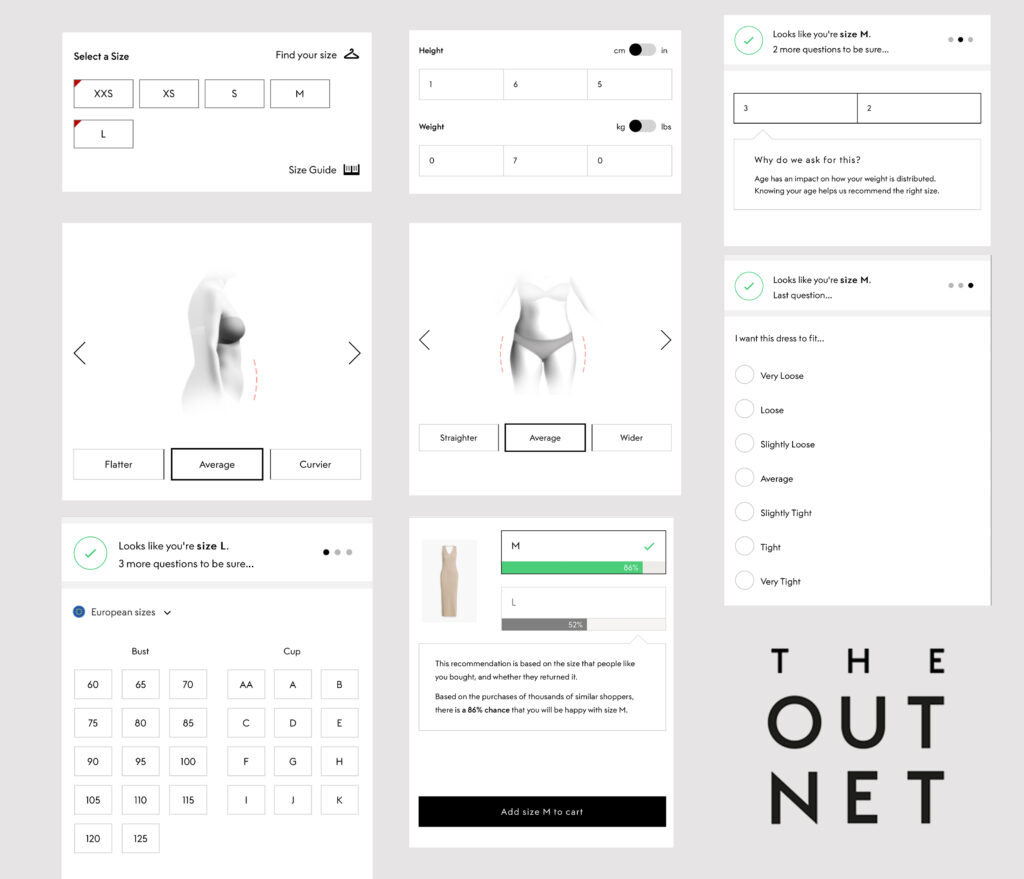
Later, while browsing an outlet’s website, I came across something interesting: a quiz feature that helps users determine their body type. It made me think—what if this same input could be used to generate a personalized 3D body model? Not just a one-size-fits-all avatar, but a real approximation of how clothes might fall on your unique shape.
Imagine this:
- You answer a few questions in a body type quiz just like in OUTNET
- The system generates a simplified 3D model based on your input.
- You can try on clothes virtually—with options to toggle fits like oversized, slim, or relaxed.
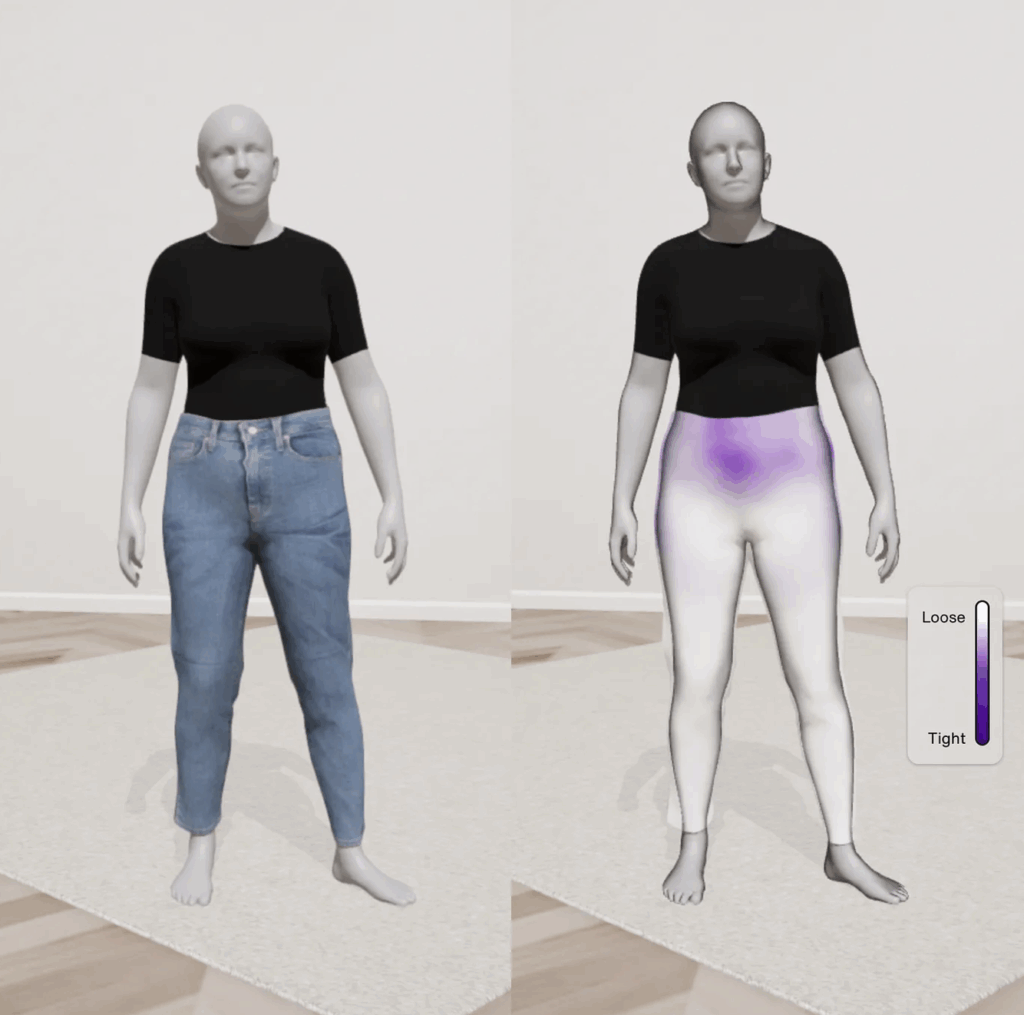
It sounds futuristic—but maybe not that far off. I already found something really really close to the thing I was searching for and it is Zalando’s virtual fitting rooms allow users to adjust the fit of an item on their avatar (tight vs. loose). its pilot version but still coming soon…
From Body Scan to Personalized Avatar
Zalando’s Size & Fit team is leveraging body measurement technology to create tailored 3D avatars—beyond generic mannequins, these avatars reflect real proportions, helping users visualize how clothes will look and feel
Dynamic Fit Visualization
They’re experimenting with dynamic poses sitting, stretching, walking—to better showcase how an item behaves in real life. To communicate fit, they’ve used color-coded overlays to highlight tight or loose areas, recognizing that fit is style-dependent and context matters
The Path to Trust & Sustainability
Zalando aims to reduce size-related returns, contributing to more sustainable shopping. By prioritizin accuracy, positivity, and inclusivity, and involving real customers in testing, their virtual fitting room has already reached tens of thousands of early users
I’ll share some visuals from the outlet site below that sparked this idea. Let me know what you think—could this be the next step in personalized AR try-ons?
references
Note: This text was created and corrected with the assistance of AI to improve clarity and structure.
