Calligraphy, the timeless craft of beautiful writing, has always been a blend of tradition and innovation. From its historical roots to its modern-day expressions, calligraphy has continually evolved, driven by experimentation with tools, techniques, and materials. Today, it remains a powerful medium of artistic and personal expression, reflecting both cultural heritage and creative exploration.
A History of Experimentation in Calligraphy
Calligraphy has a rich history of experimentation, from ancient Chinese brush scripts to the intricate patterns of Islamic calligraphy and the ornate illuminated manuscripts of medieval Europe. Scribes and artists have always pushed boundaries, adapting their work to cultural and artistic demands by testing new tools, layouts, and styles. This legacy of innovation paved the way for the modern calligraphy movement, where traditional techniques merge with contemporary design.
Techniques and Layouts in Modern Calligraphy
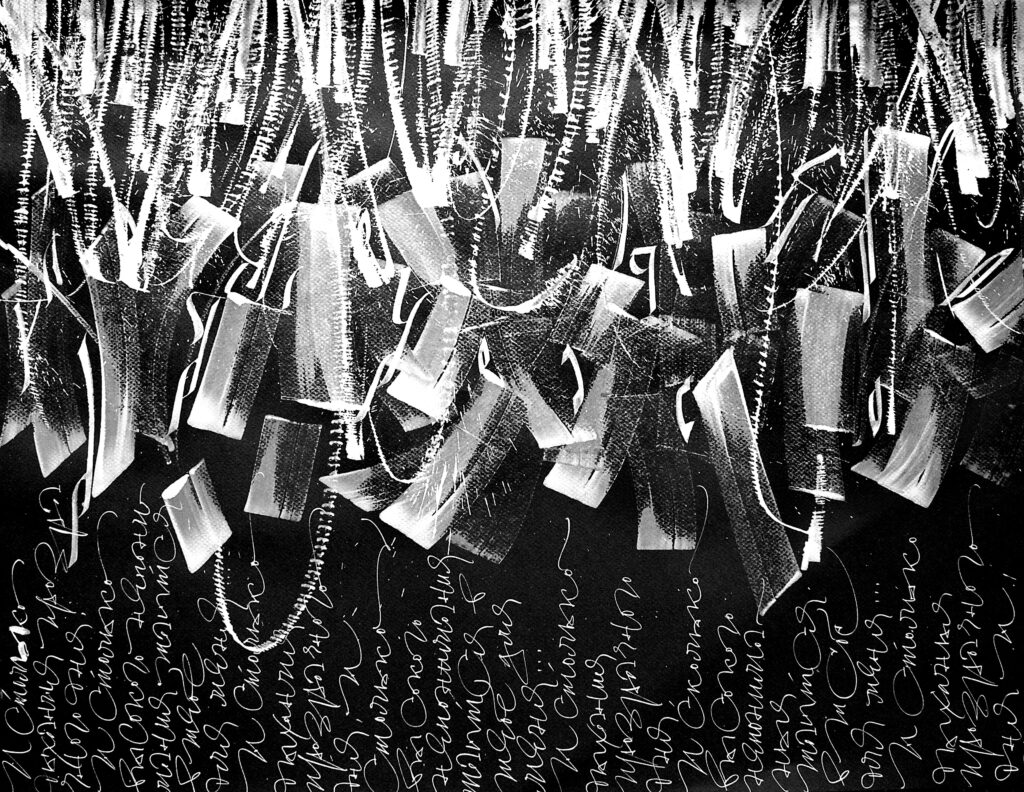
Modern calligraphy embraces a wide array of techniques, from classic pen-and-ink approaches to digital interpretations. Artists experiment with dynamic layouts, using unconventional letter spacing, overlapping strokes, and unique compositions to evoke emotion and energy. Techniques like blending watercolor washes with ink or layering textures add depth and vibrancy to calligraphic pieces, transforming words into captivating works of art.
Materials for Creative Exploration
Traditional calligraphy tools, such as dip pens, brushes, and handmade paper, remain staples, but many artists are embracing unconventional materials to redefine the art form. Pens made from sticks or feathers, inks mixed with metallic powders, and even surfaces like wood, glass, or fabric open new possibilities for creative expression. These materials not only challenge technical skills but also add a tactile dimension to calligraphic designs.

Calligraphy’s enduring appeal lies in its balance of discipline and creativity. By experimenting with layouts, techniques, and materials, artists breathe new life into an ancient craft, ensuring its place in both tradition and innovation. Whether rooted in history or breaking boundaries, calligraphy remains a beautiful reminder of the power of the written word.
Source:
https://www.britannica.com/art/calligraphy/Revival-of-calligraphy-19th-and-20th-centuries
https://www.calligraphy-skills.com/history-of-calligraphy.html
