Blog Post 8: Navigating the IKEA Maze with AR & IoT

I’d like to walk you through a scenario that illustrates how Augmented Reality (AR) and the Internet of Things (IoT) can transform an ordinary shopping trip into a seamless, data-driven, and highly personalized experience.


1. Setting the Stage

Meet Aisha, a busy professional looking for a new couch. She often feels overwhelmed by large stores with unpredictable product availability—who hasn’t spent ages hunting for an item, only to discover it’s out of stock? But thanks to a new retail platform that integrates IoT sensors and AR overlays, Aisha’s furniture-shopping experience is about to change dramatically.

Before Leaving Home

  • Real-Time Inventory Check: The retailer’s mobile app (backed by IoT sensors on each product) shows current stock levels. Aisha sees that the “Modern Loft Sofa” she’s eyeing is in-stock and available in three colors.
  • Personalized Recommendations: The app prompts Aisha with matching items—like throw pillows or side tables—based on her previous purchases. This curated list isn’t random guesswork; it’s informed by analytics on IoT-tracked product popularity, plus Aisha’s own browsing history.
  • Store Layout Preview: An interactive store map highlights the sofa’s location. No more wandering aimlessly: the IoT system updates product placement in real time if displays are moved around.

Armed with this info, Aisha heads to the store feeling confident that her desired couch is in stock, and she has a mental blueprint of where to find it.


2. Arriving at the Store

Upon walking in, Aisha puts on a pair of AR glasses provided at the entrance (alternatively, she could use her smartphone camera):

  • Check-In & Greetings: As soon as the glasses recognize her from the app’s QR code, they display a welcome message. The store’s IoT network knows Aisha has arrived and can tailor her in-store experience accordingly.
  • Dynamic Way finding: A guiding arrow overlays on her field of view, pointing toward the furniture section. This arrow updates in real time if certain areas become crowded (based on foot-traffic sensors) or if any new product promotions pop up.

3. Exploring the Aisles

Aisha follows the AR prompts to the couch section:

  • Live Stock Status: Tiny digital “price tags” float over each item, showing up-to-the-minute availability, color options, and even estimated delivery windows—data pulled from IoT-enabled stock sensors.
  • Reviews & Ratings: Curious about the sofa’s durability? With a quick tap on the AR overlay, she sees aggregated reviews. The IoT platform also tracks how frequently each model is tested by other customers, offering an idea of popularity and return rates.
  • Virtual Try-On for Furniture: By selecting “See This in My Room,” the AR glasses simulate how the sofa’s color and dimensions would look in her living space, thanks to her phone’s stored room measurements. The system uses real-time sensor data to reflect accurate scaling.

With these features, Aisha can quickly assess if the sofa meets her needs—no guesswork required.


4. Hands-On Interaction

Aisha settles on a sofa style she loves but wonders if the fabric feels right:

  • Interactive Fabric Swatch: The store’s IoT platform detects which couch she’s viewing, flashing a prompt: “Try Different Fabrics?” On a nearby kiosk, small AR-coded swatches let her see how different textures appear on the sofa. She can physically touch actual fabric samples while an overlay shows how that sample looks on the entire piece.
  • Accessory Suggestions: As Aisha “tests” each fabric, an AR pop-up recommends matching coffee tables or rugs—based on store inventory and style compatibility. The IoT backend cross-references available stock to ensure each suggested item can be purchased immediately.

This blend of tactile and digital experiences helps Aisha make a more informed decision. She appreciates that the store is simultaneously personalizing her options and respecting her privacy by only offering suggestions relevant to her stated preferences.


5. Making the Purchase

Convinced this is the right couch, Aisha initiates checkout via the AR interface:

  • One-Tap Purchase: Using her linked store account, she taps “Buy Now” on the AR overlay. Instantly, the store’s IoT system reserves the couch in inventory.
  • Delivery Coordination: The glasses prompt her to select a delivery date, factoring in real-time logistics data—like truck availability or any potential shipping delays. She confirms a date next week.

No lines, no awkward fumbling with credit cards at a register. Everything happens securely through an encrypted transaction in the retailer’s system.

Blog Post 7: Scenario Base Study. Grocery Shop

Grocery shopping is a routine part of life—but it’s not always easy or efficient. Long lines, confusing aisles, out-of-stock items, and dietary restrictions can turn a simple errand into a mini-ordeal.

1. Meet Sam, Our Shopper

Sam has a busy schedule and wants to restock groceries quickly while discovering new meal options. Sam has recently switched to a gluten-free diet, so checking labels can be time-consuming.

Checking the Store from Home

Real-Time Inventory Updates: The grocery store’s app shows live product availability—down to which produce is freshest, thanks to IoT sensors monitoring stock levels and temperature.

Smart Meal Planning: Based on Sam’s dietary profile (gluten-free) and personal preferences, the app suggests weekly meal plans. It automatically generates a recommended shopping list, confirming the store has all ingredients in stock. If something is missing, it proposes substitutes or alternative stores.

Tailored Suggestions: Sam can also let the system know if they want quick, 15-minute dinner ideas or a Sunday meal prep plan, and it recommends items accordingly.

Armed with this info, Sam heads to the store feeling confident that their dietary needs and schedule will be met—no more guesswork about availability.

2. Arriving at the Supermarket

Upon entering, Sam logs into the store’s AR interface using a smartphone camera or AR glasses:

Personalized Greetings: “Welcome, Sam! Ready to pick up your weekly meal plan items?”

Store Layout Guidance: A digital path overlaid on the floor points to new products the store’s IoT network recommends—like a brand-new line of gluten-free pasta or fresh seasonal produce.

No more wandering aimlessly—IoT-enabled beacons detect shopper location and push relevant info to the AR interface, ensuring Sam’s path is efficient.

3. Navigating the Produce Section

Sam heads to the fresh produce area first:

Live Freshness Indicators: AR overlays show a color-coded freshness score for each bin, updated by sensors that track temperature and product turnover. Sam sees that the avocados in the back section are at peak ripeness, so they head there.

Recipe Recommendations: The interface suggests an avocado-based dinner recipe for the week. If Sam’s missing cilantro or tomatoes, the overlay points to those items.

This integration of real-time data with AR helps Sam make quick, informed decisions, reducing food waste and saving time.

4. Exploring Aisles & Dietary Filters

Next, Sam goes to the aisles to complete their meal plan list:

AR Filters for Dietary Needs: By activating the “Gluten-Free Filter,” Sam sees a green highlight around relevant products on the shelf. The AR overlay reads product barcodes instantly—no more squinting at tiny labels.

IoT-Triggered Deals: Passing by the baking goods section, Sam’s app notifies them of a sale on gluten-free flour, courtesy of the store’s real-time inventory system noticing a surplus.

In a traditional store, Sam might waste time reading ingredient lists or miss out on deals. Thanks to IoT + AR, they navigate efficiently while discovering savings and meal ideas along the way.

5. Smart Shelves & Instant Info

A few aisles down, Sam spots a recommended snack item highlighted via AR:

Nutritional Snapshots: Tapping the overlay reveals a quick nutrition breakdown, crowdsourced reviews, and even suggested pairings—like dips or spreads.

Inventory Alerts: If the item is running low, the AR interface warns Sam: “Low Stock Alert—Grab One Now!” The info comes from IoT shelf sensors monitoring how many packs remain.

This level of product transparency builds shopper trust. It’s easy to confirm if a product meets dietary needs, and the system ensures Sam never misses out due to last-minute shortages.

6. Check-Out or Skip the Line

After filling their cart:

In-AR Checkout: Sam can finalize payment via the AR interface—no need to stand in a traditional cashier line. The store’s smart scale confirms produce weights directly to the system.

IoT-Enabled Bagging: An IoT-connected bagging station suggests how to distribute items across bags for easier carrying and weight balance.

Sam leaves the store with groceries in hand, confident everything matches their meal plan and dietary preferences.

Blog Post 6: Security & Privacy in IoT: Protecting Data in a Connected World

Security & Privacy in IoT: Protecting Data in a Connected World

With the rise of smart home gadgets, connected industrial machines, and retail IoT solutions, security and privacy challenges have taken center stage. In this post, we’ll explore how IoT systems work from a security standpoint, the biggest risks and vulnerabilities—including issues raised by Wi-Fi, Zigbee, Z-Wave, and Bluetooth—and how companies handle user data. We’ll also touch on insights from a recent video discussing the reliance on 2.4GHz vs. 5GHz frequencies and how manufacturers sometimes rush products to market with suboptimal code or inadequate security features.


1. How IoT Security Works (in Theory)

IoT security involves protecting data that’s generated, processed, and shared among connected devices and cloud services. Typical layers of protection include:

  1. Device-Level Defenses

Secure Boot: Ensures firmware or software has not been tampered with.

Encryption: Protects data stored on or transmitted by the device.

Hardware Security Modules (HSMs): Stores cryptographic keys securely.

  1. Network Protections

Firewalls and Intrusion Detection: Spot unusual traffic patterns that might signal attacks.

Segmentation: Separates IoT devices from other critical systems on the network.

  1. Cloud & Backend

Cloud Encryption: Secures data at rest and in transit.

User Authentication: Ensures only authorized individuals or devices can access data.

  1. Update Mechanisms

Over-the-Air (OTA) Updates: Let manufacturers push security patches quickly, minimizing vulnerabilities.

In theory, if all these measures are consistently implemented, systems remain secure. But in practice, many IoT devices still fall short—especially when rushed to market.

2. Current Security Challenges

2.1 Network Protocol Vulnerabilities

Many IoT devices rely on Wi-Fi, Bluetooth, Zigbee, or Z-Wave for connectivity. While each protocol offers certain conveniences—like low power usage or wider coverage—they also come with limitations:

Wi-Fi (2.4GHz vs. 5GHz):

5GHz is faster and less crowded but has a shorter range. Some networks separate IoT devices on 2.4GHz while personal devices run on 5GHz—this can improve performance but also creates more complexity in managing security across two different network bands.

Zigbee & Z-Wave:

• These are popular for home automation due to low power consumption and mesh networking capabilities. However, they can be vulnerable to replay attacks or sniffing if not properly encrypted.

Bluetooth:

• Low-energy (BLE) devices sometimes use minimal security to remain efficient, making them susceptible to man-in-the-middle attacks if pairing or key exchange processes aren’t robust.

2.2 Rushed Product Development

From the industry observations, time-to-market pressures often lead companies to:

Write hastily-developed code that may have undiscovered bugs or no plan for security patching.

Use default or weak credentials (e.g., “admin/admin”).

Overlook firmware updates because “ship it now” takes precedence.

Prioritize easy setup over robust security measures, assuming users want hassle-free installations—often at the expense of proper encryption or authentication steps.

3. How Easy Is It to Hack IoT Devices?

It really depends on how well (or poorly) each device is secured. Common methods include:

  1. Credential Attacks

• Automated scripts brute-force common passwords or exploit default login credentials.

  1. Unpatched Software

• Attackers exploit known bugs in outdated firmware. Without OTA updates, these vulnerabilities persist indefinitely.

  1. Network Attacks

• Poorly secured Wi-Fi or open Bluetooth connections can be hijacked. Z-Wave and Zigbee devices may be intercepted if encryption is weak.

  1. Physical Tampering

• In a retail or public environment, an attacker might physically access a device, extracting keys or altering firmware.

Once an IoT device is compromised, it can become a springboard for larger network intrusions or a node in a massive botnet—like the Mirai Botnet—that leverages insecure IoT gadgets to launch large-scale attacks.

4. Data Privacy: Who Has Access and How It’s Used

4.1 Company Access to User Data

Yes, IoT companies typically have access to the data collected by their devices:

Usage Data: Frequency, duration, or context of device use (e.g., a fridge’s temperature history).

Personal Info: In certain cases, user location, voice recordings, or biometric data.

Environmental Data: Temperature, humidity, or foot traffic in a retail environment.

They use this data for:

  1. Product Improvement: Identifying bugs and optimizing performance.
  2. Targeted Marketing: Providing personalized offers based on usage patterns.
  3. Predictive Maintenance: In industrial or retail IoT contexts, scheduling repairs before failures occur.
  4. Analytics & Monetization: Aggregated data might be sold to third parties if privacy policies allow it.

4.2 Cloud Storage & Privacy Regulations

Cloud Storage: Data is usually encrypted, but misconfigurations (e.g., open S3 buckets) remain a constant risk.

Laws & Compliance: The GDPR in the EU and CCPA in California mandate user consent, data usage transparency, and the right to be forgotten. Manufacturers operating globally must align with multiple privacy regulations.

So data usage of the consumers are not mentioned by laws or marketing of the companies ignoring the fact. However, people are becoming more conscious about the data privacy. As it might lead to controlling user purchase ability of companies from all the information collected from them and lead to possible opinion control if missed used.

5. What’s Being Done About It?

5.1 Hardening Protocols

Better Encryption: New versions of Bluetooth and Zigbee incorporate stronger encryption and improved key exchange methods.

Certificate-Based Authentication: Devices use digital certificates instead of static keys or passwords, raising the bar for attackers.

5.2 Network Best Practices

Dedicated IoT Network: Separating IoT traffic onto different SSIDs or VLANs can limit damage if a device is breached. Local Network machine which is a new thing in era of data protection. Now we see companies release open source AI models that can be used on local machine and I believe based on the research data and moving trends. In the next 10-15 years all the new households fill have dedicated servers for locally run applications in the server. Through analog connection between devices and servers.

5.3 User Empowerment & Transparency

Privacy Controls: Let users opt out of data collection they don’t need.

Clear Instructions: Educate users about secure setup processes—like changing default settings or regularly updating firmware.

Blog Post 5: Creating a Unified Customer Experience: Integrating AR and IoT Solutions

While each technology offers its own benefits—AR for immersive, context-rich experiences, and IoT for real-time data capture and automation—their combined potential can yield a truly seamless retail journey. Imagine walking into a store where a digital overlay identifies in-stock products based on your past purchases, or scanning a piece of furniture with your phone to see its real-time availability across multiple locations. By unifying AR and IoT, retailers can craft an integrated, data-driven, and visually engaging customer experience.

1. Why Integrate AR and IoT?

Synergistic Benefits

Real-Time Inventory Data Meets Dynamic AR Overlays

AR applications excel at providing context-specific information overlaid on the physical environment. Meanwhile, IoT sensors and systems continuously update inventory data, monitor product conditions, and track usage patterns. By combining these elements, retailers can surface up-to-the-minute stock levels and product availability in a shopper’s AR view.

Personalized Shopping Journeys

IoT sensors (like beacons or RFID tags) can detect when a specific customer’s app or loyalty ID enters a store. This triggers an AR experience tailored to that person’s preferences, past purchases, or membership tier. Shoppers get relevant promotions or guided assistance, creating a delightful, one-of-a-kind experience that goes well beyond standard store interactions.

Potential Scenarios

Smart Mirrors with AR: The mirror’s built-in sensors can automatically detect what items the customer has picked up (via RFID), then display alternative color options, sizes, or accessory suggestions as augmented overlays.

Interactive Showroom: AR glasses or a smartphone’s camera detects IoT-enabled product tags, instantly superimposing product details, reviews, and price comparisons right on the item or shelf in the user’s field of view.

Location-Based Promotions: As a shopper passes by a specific section of the store, IoT beacons trigger AR pop-ups with relevant deals, saving the customer from rummaging through a website or paper coupons.

2. Design Principles for AR/IoT Interactions

2.1 Consistency in Visual Design & Interaction Flow

When bridging two technologies, unified design is paramount:

Color and Branding: Use a consistent palette and brand elements across both the physical and digital layers. If sensors trigger AR pop-ups, those overlays should visually match the store’s aesthetic and signage.

Interaction Cues: Whether a user taps a smartphone screen or uses hand gestures to interact, the metaphors and visual signals should remain consistent. For instance, an AR overlay that highlights “Add to Cart” must have the same shape, iconography, and motion feedback across various store sections.

2.2 Minimizing Friction

Touchless or Seamless Interactions

While some AR apps require taps or swipes, the growing prevalence of gesture-based interactions or voice commands can streamline the user experience—particularly if shoppers have their hands full.

Clear Onboarding

If a customer steps into an IoT-driven store for the first time, they may need quick instructions on how to engage with the AR interface. Simple, step-by-step prompts (e.g., “Point your camera here to see more details”) help users adopt the technology smoothly.

2.3 Balancing Information Density

Avoid Overload

AR overlays can become cluttered if sensors are feeding too much data simultaneously. Designers must judiciously prioritize what’s most relevant for the shopper’s decision-making process, layering additional info behind intuitive prompts or icons.

Context Awareness

The system should intelligently show or hide details based on a shopper’s location and current shopping goal. If the shopper is in the electronics section, highlight device specs and stock levels rather than unrelated promotions.

3. Technical Considerations

3.1 Data Flow Between IoT Sensors and AR Applications

Real-Time Data Pipelines

IoT sensors collect stock data, location info, or environmental conditions (like temperature for perishable goods). These metrics often flow through gateways (e.g., edge devices) to a central cloud platform. The AR application must then pull or subscribe to relevant data streams, ensuring updates occur promptly.

APIs and Protocols

Standard RESTful APIs or WebSocket connections can facilitate two-way communication. For instance, a shopper’s AR query (e.g., “Show me product specs”) prompts the IoT backend to return up-to-date stock info and product details.

3.2 Ensuring Real-Time Synchronization

Latency Minimization

AR experiences falter when data lags. Low-latency networks (5G, Wi-Fi 6) help ensure that when a product is scanned, the system displays correct inventory levels instantly.

Edge Computing

For time-sensitive processes, local edge computing can handle tasks like object detection or sensor data aggregation in near real time, reducing the round-trip to a distant server.

3.3 Security and Privacy

Data Encryption

Communication between IoT devices, AR applications, and the cloud must be secured via encryption (TLS/SSL) to prevent interception of sensitive data (e.g., shopper identity, purchase history).

User Consent & Transparency

Always clarify what data is being collected and how it’s used. If AR overlays rely on location or historical purchase data, prompt shoppers to opt in for personalization.

Early Prototypes & User Flow

While I’m still refining my own AR/IoT integrations, here’s an overview of my initial wireframes and planned user testing strategy:

4.1 Proposed Wireframes / Storyboards

  1. Onboarding Screen

• A short tutorial guiding users to “Scan a product to see real-time availability and color options.”

• Visible instructions explaining AR gestures or minimal taps required.

  1. Main AR View

• When a user points their camera at a shelf, dynamic overlays appear. Each product has a small floating card with name, stock count, and an “Add to Cart” button.

• A color-coded system highlights products nearing low stock (e.g., tinted red) or special offers (e.g., tinted yellow).

  1. Detailed Product Overlay

• Tapping (or hovering over) a product card expands an overlay with extended specs, related items in stock, and a “See in My Room” AR preview if relevant (furniture, decor items).

• Integrates user’s loyalty info: “You have 50 reward points—apply now for 10% off?”

  1. Checkout / Collection Point

• If the user chooses “Add to Cart,” the system pings IoT-powered inventory to reserve the item.

• A final overlay directs them to a designated pick-up counter or prompts for home delivery.

4.2 Preliminary User Testing Plans

Focus Group & Usability Tests

• Recruit participants with varying tech familiarity. Have them complete tasks such as scanning items, checking availability, and adding items to a virtual cart.

• Monitor how quickly they grasp AR controls and whether they find the data overlays intuitive.

In-Store Simulation

• Create a small, mock retail environment with real shelves and products tagged with IoT sensors.

• Observe how quickly users locate items, and whether the AR overlays assist or distract them.

• Solicit feedback on clarity, latency issues, and overall satisfaction.

Key Metrics

Task Completion Time: How long does it take a user to find and add an item to their cart?

Error Rates: Do users accidentally scan the wrong product or struggle to see essential data?

Overall Engagement: Are they delighted by the experience or do they revert to more familiar methods (like checking a shelf manually)?

Merging AR with IoT unlocks new possibilities in retail—from real-time availability overlays to deeply personalized promotions. However, designing a holistic, frictionless experience requires careful attention to UI consistency, latency reduction, and robust security. My early prototypes show promise: users can quickly scan shelves to see up-to-date product information, reserve items, and even enjoy loyalty perks in a single integrated interface.

Blog Post 4: Exploring IoT in Retail

IoT for Retail Applications

2.1 Real-Time Inventory Management

One of the most impactful uses of IoT in retail is real-time inventory tracking. Traditionally, stores rely on manual checks or clunky barcode systems that are time-consuming and prone to error. With IoT:

RFID Tags: Clothing retailer Zara has widely adopted RFID tags to automate inventory counts, reducing out-of-stock situations and improving shelf availability. Store employees can wave an RFID reader over a rack and instantly know which sizes and colors need replenishing.

Beacons: Placed strategically in aisles, these small devices automatically detect and log inventory data. They also help store staff locate products or direct customers to specific items. In some supermarkets, beacons linked to a mobile app can alert staff to low inventory in high-demand sections (e.g., bottled water during a heatwave).

Case Study: Walmart

Walmart has been testing “smart shelves” in multiple locations. These shelves use weight sensors and RFID tags to monitor product levels. When an item runs low, the system automatically alerts staff (or even dispatches autonomous robots) to restock. The result is fewer stockouts and a smoother shopping experience.

2.2 Personalized Marketing & Customer Engagement

IoT enables hyper-personalized shopper experiences. By integrating beacons, apps, and loyalty programs, retailers can tailor offers to each customer’s location and preferences.

Beacon-Triggered Notifications: Large department stores like Macy’s in the U.S. have experimented with beacon technology to send special deals or product suggestions to a shopper’s phone as they pass specific sections, like cosmetics or footwear.

Loyalty Programs: Grocery chains in Asia, such as Aeon in Japan, have started integrating location-based offers with loyalty apps. When a customer walks into a store, the app can highlight discounts on items they frequently purchase. This not only increases sales but also makes the customer feel valued and understood.

Case Study: Starbucks

While not strictly an in-store beacon case, Starbucks has embraced IoT in a broader sense. Its mobile app tracks buying patterns and uses location data to offer personalized drink recommendations, birthday perks, and seasonal promotions in real time. This data-driven approach is integral to Starbucks’ loyalty strategy, encouraging customers to keep coming back for more.

Technical Stack

3.1 Hardware

  1. Sensors & RFID Readers

These form the backbone of inventory management. Sensors gauge environmental variables (like temperature for fresh produce), while RFID readers help quickly scan multiple items at once—unlike barcodes, which require line-of-sight scanning.

  1. Beacons

These low-energy Bluetooth transmitters can detect when a smartphone (with a compatible app) is near. Retailers use beacons to send location-based messages or gather foot-traffic data to improve store layouts.

  1. Gateways & Routers

A gateway device collects data from local sensors (via Bluetooth or Wi-Fi) and sends it to the cloud. Strong, consistent network coverage is essential for seamless data transfer—especially in large spaces like shopping malls or warehouses.

3.2 Software

  1. Cloud Services

Platforms like AWS IoT, Microsoft Azure IoT, or Google Cloud IoT provide secure data storage, real-time analytics, and integration with AI/ML tools. Retailers can mine this data for patterns—like the best times to run flash sales.

  1. Data Analytics Platforms

Tools such as Tableau or Microsoft Power BI create dashboards that visualize complex data sets. Managers can view store performance metrics—like foot traffic, average dwell time in aisles, or inventory turnover—in a user-friendly format.

  1. Mobile Applications

These can be customer-facing (e.g., a rewards app that receives beacon alerts) or staff-facing (e.g., an in-store inventory management app). App design heavily influences how effectively IoT data translates into real-world actions.

Global Case Studies

ISA: Connected Refrigeration Units

Background

• ISA, an Italian manufacturer of commercial refrigeration and display cabinets, needed to connect its units worldwide for predictive maintenance and energy efficiency insights.

• Telenor Connexion provided a managed connectivity solution to ensure each refrigeration unit stayed online and shared data from any global location.

Challenges

• Energy consumption of commercial refrigeration is a significant cost. Early detection of malfunctioning parts is critical to prevent spoilage.

• Manual data logging of temperatures is time-consuming and prone to human error.

• ISA’s clients demand minimal downtime and a solid Service Level Agreement (SLA).

IoT Solution & Results

Sensors & Cloud Connectivity: Digital and analog sensors in ISA’s cabinets monitor temperature, humidity, and performance metrics, uploading data via mobile networks.

Predictive Maintenance: When temperatures rise beyond a certain threshold, service teams get an immediate alert. This reduces food spoilage risks and minimizes maintenance costs by targeting problems in real time.

Global Rollout: Telenor’s global partner network allowed ISA to export connected units worldwide without region-specific connectivity hassles.

Regulatory Compliance: Cloud-based data logs demonstrate consistent temperature ranges, aiding in certification and legal compliance.

Key Takeaway

For retailers selling perishable goods—like gelato or produce—a robust IoT framework similar to ISA’s can lead to significant cost savings and a more reliable customer experience.

Carpigiani: IoT-Enabled Gelato Machines

Background

• Carpigiani, also based in Italy, manufactures over 10,000 ice cream machines annually for international clients—from local shops to major fast-food chains.

• Carpigiani partnered with Telenor Connexion in 2010 to implement a global managed connectivity solution.

Challenges

• Managing different connectivity suppliers in each country became unwieldy as Carpigiani expanded globally.

• They required a single global SIM solution that could function across 400+ mobile networks worldwide.

IoT Solution & Results

Unified Global SIM: Carpigiani can deploy the same connectivity solution no matter where a machine is sold or installed.

Data Analytics: Sensors within each machine send data (e.g., usage rates, component stress, temperature) to the cloud for analysis.

Optimized Maintenance: Carpigiani reduced service costs by scheduling maintenance based on actual usage rather than fixed time intervals—repairing parts right before they might fail.

Remote Monitoring (Teorema System): A specialized platform allows engineers to track machine performance remotely, performing software updates and diagnosing issues without costly on-site visits.

Key Takeaway

Retailers selling or operating machinery (ice cream machines, coffee machines, etc.) can adopt a similar approach to extend product lifecycles, lower operational costs, and offer better service warranties.

Ningbo Sanxing Smart Electric: Next-Gen Smart Meters

Background

• Sanxing, headquartered in China, provides intelligent power distribution solutions, including smart meters and transformers.

• In Q4 2020, a major Scandinavian energy supplier chose Sanxing to supply new smart meters—supported by Telenor Connexion—to align with Sweden’s next-generation smart grid requirements.

Challenges

• Sweden’s population is spread out, meaning the new metering infrastructure must handle both urban and remote areas seamlessly.

• Existing meters needed to be upgraded for higher data accuracy, more detailed reporting, and two-way communication capabilities.

IoT Solution & Results

Flexible, Scalable Connectivity: Telenor’s solution ensures reliable connectivity—even in remote areas—so meters can exchange data in real time.

Detailed Energy Insights: Consumers receive granular data on their electricity use, enabling better energy management and cost savings.

Future-Proof Architecture: The system can integrate more data points (like water or gas usage) down the line, supporting the utility company’s digital roadmap.

Key Takeaway

Although this case lies outside traditional retail, it demonstrates how scaling IoT infrastructure in large and geographically varied markets requires flexible connectivity and robust data analytics. Retailers with multiple warehouse or store locations (including rural areas) should note the importance of reliable connectivity for consistent IoT performance.

OTOY: VR-Based Data Visualization

Background

• OTOY, a California-based company, specializes in 3D rendering and virtual reality technologies.

• Rather than using traditional spreadsheets or static dashboards, OTOY creates immersive simulations that let stakeholders visualize and interact with data in real time.

Application to IoT

Enhanced Simulations: By pulling detailed, real-time data from IoT sensors (for instance, atmospheric conditions, mechanical stress points), OTOY can create ultra-realistic VR models of buildings, products, or environments.

Real-World Performance Testing: Architects, designers, and product managers can virtually “test” how an object or building will fare under certain wind speeds, temperatures, or usage patterns.

Potential for Retail

Store Layout Simulations: Imagine a VR environment that replicates foot traffic patterns from real IoT data, allowing store planners to fine-tune product placement before any physical changes.

Product Demos: Furniture or appliance retailers could let customers walk through a realistic VR environment, see how a product fits in a virtual home, and gather performance data from integrated sensors.

Key Takeaway

OTOY’s work indicates that IoT data visualization can go beyond simple graphs to create immersive, interactive experiences—a potential game-changer for retail store design, product previews, and customer engagement.

Practical Lessons for Retailers

  1. Predictive Maintenance Translates to Predictive Retail

• Just as Carpigiani schedules machine maintenance right before parts fail, retailers can anticipate product reorders, identify declining equipment performance (e.g., POS terminals, store HVAC systems), and avoid downtime.

  1. Global Connectivity Is Key

• Whether it’s machines in multiple countries or chain stores across diverse regions, a single connectivity solution can unify data gathering and analysis. Partnerships with global IoT providers streamline deployments.

  1. Leveraging Big Data for Compliance & ROI

• ISA leveraged real-time data logs to meet food safety standards, while Sanxing provided detailed usage reports for energy regulation. In retail, similar data can aid in sustainability compliance, waste reduction, and targeted marketing.

  1. Immersive Visualization as a Next Step

• Tools like OTOY hint at the future: combining IoT data with VR/AR to model store layouts or product usage scenarios in a highly interactive way. Retailers adopting AR-based product previews (furniture, cosmetics try-ons, etc.) are already moving in this direction.

  1. Scalability & Security

• As you scale, ensure robust data security measures (encryption, secure cloud architecture) to protect customer data and prevent breaches. IoT trust is essential for long-term adoption.

Blog Post 3: User Research

User Research

Exploring User Experience in Retail vs. Online Shopping**

This research was conducted under User Experience class at FH JOANNEUM with Dorota, Veronica, Leila, and me as part of the project. The research explores why users continue to shop in physical retail stores despite the convenience of online shopping. By understanding the user experience in both contexts, we hope to uncover insights that explain the different preferences and behaviors driving users to either shop online or visit retail stores. Results has help to see issues in both of the system and how improvements could be added.

Results of user research

Detailed Findings by Shopping Category

Groceries

In-Store: Young adults (18-30) enjoy in-store grocery shopping for freshness and social interaction, while older adults (45+) rely on trusted local stores to ensure quality.

Online: Urban professionals (25-40) occasionally use online grocery delivery for convenience. However, concerns about freshness and expiration deter many users, especially older ones.

Fashion and Apparel

Try-Before-Buy: Younger users (18-30) buy online from familiar brands to minimize sizing issues. Mid-age adults (30-50) prefer in-store shopping for special occasions, valuing easy return options.

Hybrid Approach: In cities like Moscow, many users browse in-store but purchase online for better deals, though return processes can be a hassle.

Electronics and Gadgets

Research Focus: Young professionals (25-35) rely on online reviews and comparisons before buying, while older users (60+) prefer in-store guidance from staff or family members.

Hybrid Purchases: Urban professionals favor online orders with in-store pickup to inspect products before finalizing.

Furniture and Home Decor

In-Store Preference: Older adults (50+) prefer in-person shopping to assess large items, while younger users (18-30) are comfortable buying smaller decor online if reviews are positive.

Online Challenges: Issues like color and size discrepancies lead some users to opt for in-store pickup.

Health and Beauty Products

Physical Try-On: Younger users buy familiar products online but prefer in-store for new items requiring texture or scent testing. Older adults (50+) trust in-store recommendations for health-related purchases.

Hobbies and Entertainment

Young Adults (18-30): Tend to discover and buy books, games, and sports equipment online due to broader selection and better deals. Social media and online reviews heavily influence their choices.

Older Users (60+): Prefer in-store shopping for hobbies, valuing personal recommendations and the ability to inspect items before buying, especially for gardening or reading.

Pain Points and Frustrations

Delivery and Return Processes

Urban Users (25-45): While Moscow and other large cities provide convenient delivery services, users voiced frustrations about the quality and reliability of some delivery services. Some participants noted that delivery providers failed to follow specific instructions, leading to missed deliveries or delays.

Return Complications: Across age groups, online returns were seen as cumbersome. Users preferred platforms with straightforward return policies or those offering in-store returns for items purchased online. Older users were especially deterred by the requirement to repackage items or arrange for pickup.

Social Influence and Trends

Younger Users (18-30): Heavily influenced by social media and online reviews, younger users were more likely to purchase products trending on platforms like Instagram or TikTok. This age group frequently turns to social media influencers and online reviews when exploring new brands or products.

Older Adults (45+): Social influence was less pronounced among older users, who relied more on personal experience, recommendations from family or friends, and in-store staff advice when making purchases.

Blog Post 2: Literature Research

Literature

1. Introduction

We are witnessing a technological revolution that is reshaping every aspect of commerce. Among the most transformative developments is the Internet of Things (IoT), a network of interconnected devices and sensors capable of gathering and sharing data in real time. According to Blair (2023), the retail sector has emerged as a fertile ground for IoT’s applications, leveraging these technologies to enhance customer engagement, optimize inventory management, and streamline operations. This post provides an overview of current literature and real-world examples—especially Amazon Go—to illustrate the impact, challenges, and solutions associated with IoT in retail.

Case Study: Amazon Go, Revolutionizing Retail with IoT

4.1 Background on Amazon Go

A notable example where IoT significantly shapes retail is Amazon Go—the checkout-free store concept first introduced to employees in December 2016 and later to the public in January 2018. While Amazon Go may not yet have achieved widespread market dominance, it remains a groundbreaking “Just Walk Out” approach that has inspired industry-wide discussions on the future of brick-and-mortar retail (Wingfield 2018).

4.2 Technology Stack

Amazon Go’s technology centers around a well-connected IoT ecosystem. Computer vision, sensor fusion, edge computing, and RFID tags work together to identify a shopper, track items taken from the shelves, and automatically update a virtual cart. This configuration effectively removes the need for traditional checkout processes, charging customers’ Amazon accounts once they exit the store (Maul 2022). From deep learning models to weight sensors on shelves, every aspect of the customer journey is monitored to create a frictionless in-store experience.

4.3 Benefits and Risks

Benefits:

Faster Checkout: Eliminates waiting times, enhances customer satisfaction.

Operational Efficiency: Reduces labor costs by automating checkouts, and collects robust data on consumer shopping behaviors.

Personalization: Data-driven insights help refine inventory decisions and shape marketing campaigns.

Risks:

High Initial Costs: Setting up advanced IoT infrastructure demands significant investment.

Privacy Concerns: Biometric recognition and extensive data collection raise questions about consent and data protection.

Technical Failures: Even minor system glitches can disrupt the customer experience and lead to negative publicity (Walton n.d.).

Challenges and Proposed Solutions

  1. Privacy and Security

Challenge: Biometric and behavioral data collection introduces serious privacy issues.

Solution: Amazon addresses these via data encryption and anonymization practices. Additionally, retailers must adopt transparent data policies and comply with frameworks like GDPR or CCPA.

  1. High Upfront Costs

Challenge: IoT-based systems require substantial financial resources (hardware, software, R&D).

Solution: View IoT as a long-term investment. Over time, efficiency gains (reduced labor costs, improved inventory control) may offset the initial expenditures.

  1. Technological Complexity

Challenge: Implementing IoT requires advanced technical expertise, robust network infrastructures, and continual maintenance.

Solution: Conduct pilot tests to refine hardware and software configurations. Partner with specialized firms offering IoT integration services, and ensure staff are well-trained.

Conclusion

Even though Amazon Go itself has faced some market hurdles—such as store closures—the broader literature emphasizes that IoT remains central to revolutionizing retail. Retailers who adopt IoT can achieve high operational efficiency, gain actionable insights on consumer behavior, and provide personalized experiences that increase customer loyalty. As the technology continues to evolve, so will the opportunities to seamlessly integrate digital and physical retail spaces.

Notably, Amazon’s approach to keeping financial details of Amazon Go confidential signals its focus on research and development. This underscores the notion that the company views IoT-based retail solutions as a long-term, data-driven investment capable of shaping the future of commerce. By monitoring—and in some cases, pioneering—these advancements, Amazon reinforces the belief that IoT is here to stay, driving innovation, efficiency, and customer-centric shopping experiences for years to come.

Data about commerce and internet usage

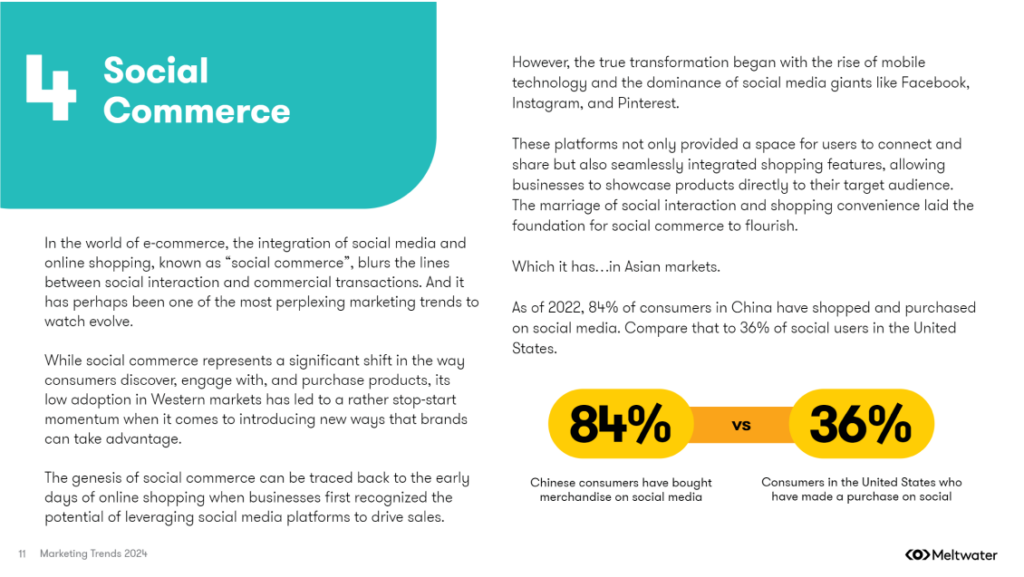
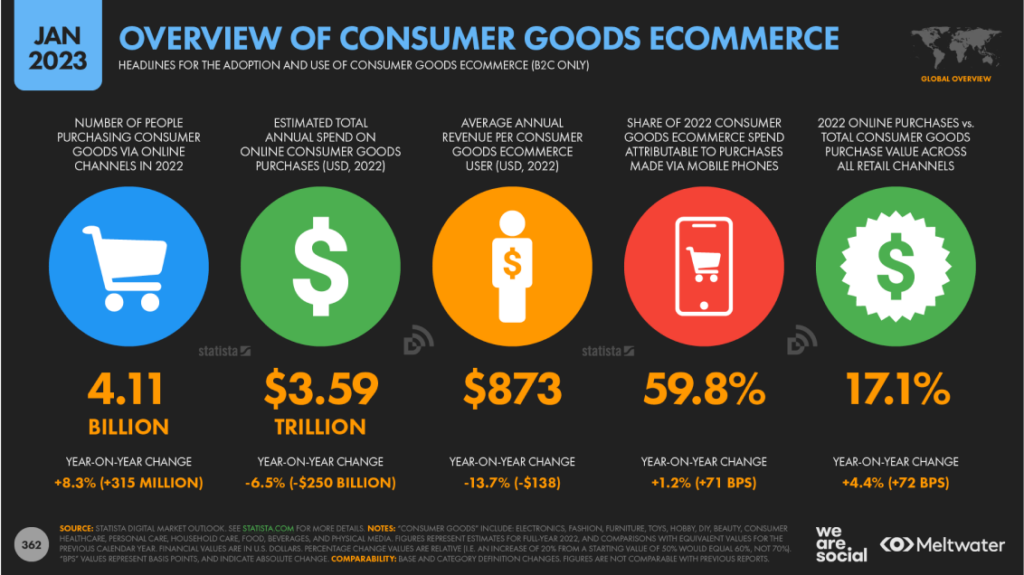
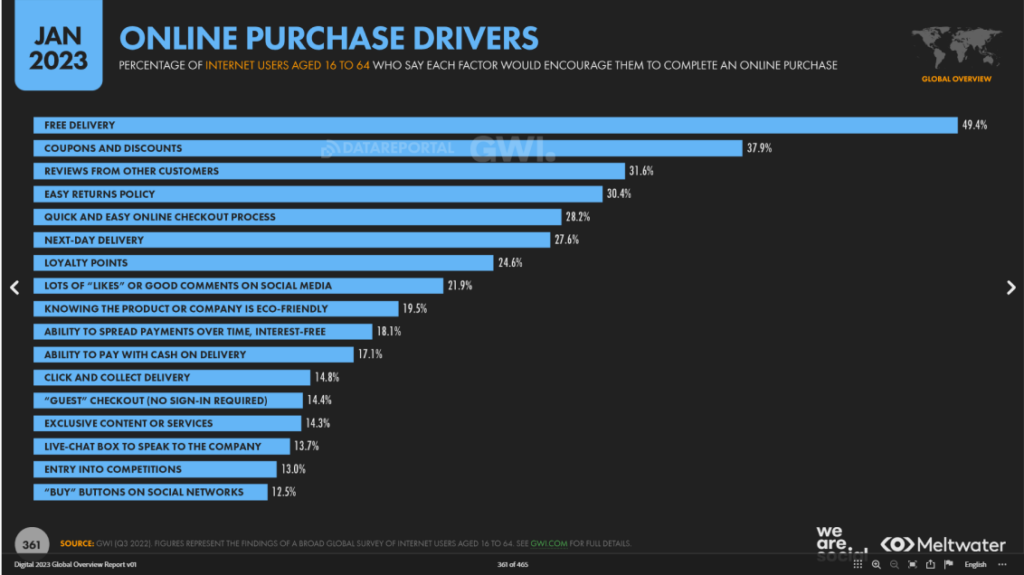
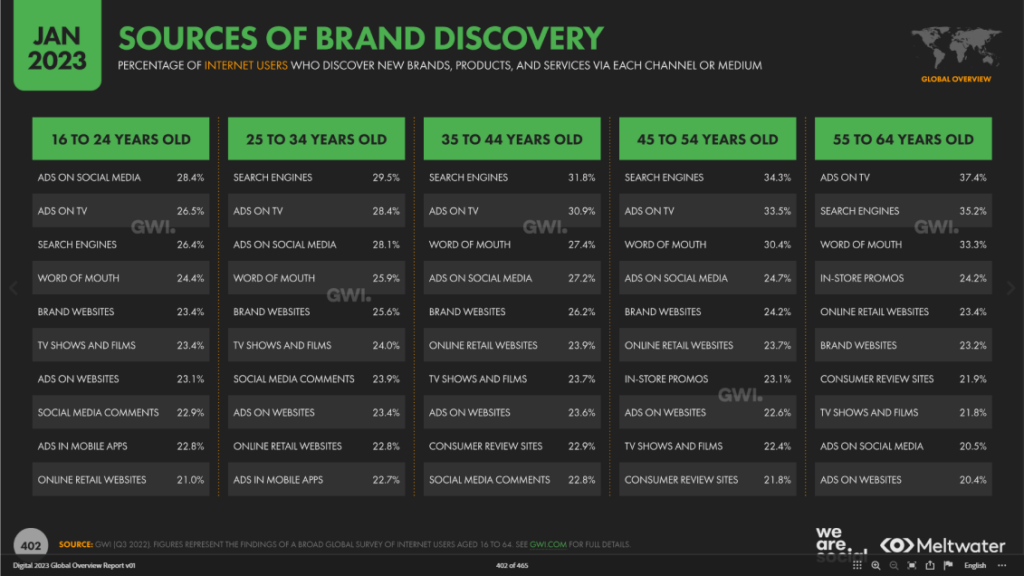
Rising Mobile & Social Influences: As consumers spend more on mobile and discover brands via social networks, it’s critical to design shopping experiences that are seamless, engaging, and highly shareable.

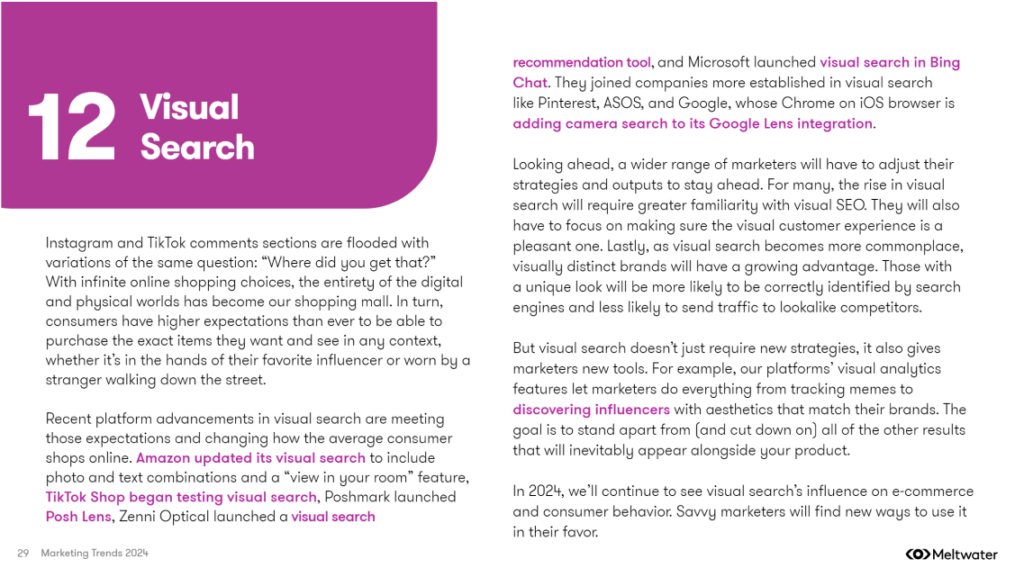
Visual & AR Integrations: Visual search and augmented reality can reduce friction in product discovery and drive higher engagement. Researching how to integrate these tools effectively could yield valuable user insights.

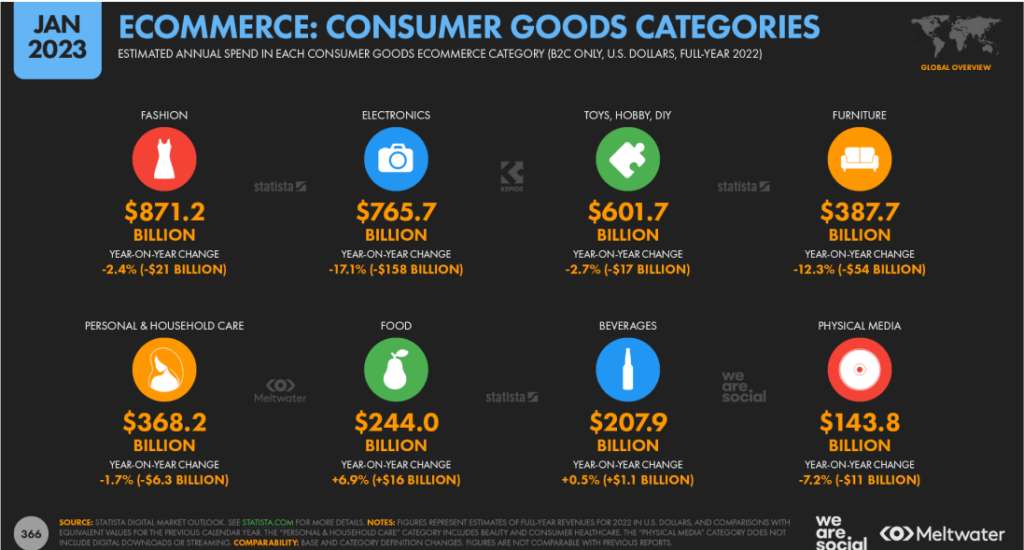
Shifting Category Priorities: Essential categories (like food) are growing, while discretionary items (like electronics) show volatility. Studying consumer sentiment and economic factors can inform better product and UX strategies.

Age-Based Differentiations: Different generations rely on different channels. Tailoring designs and content to these preferences can improve conversion rates.

Social Proof & Convenience: Free shipping, reviews, easy returns, and transparent eco-friendly practices remain top motivators. Integrating these features into the user journey can significantly impact purchase decisions.

e-commerce continues to evolve toward mobile- and social-centric experiences, with visual and interactive elements becoming key differentiators. By focusing on seamless user experiences, trust-building features, and strategic channel optimization, brands can align better with evolving consumer behaviors.

Introduction to the Research

Leveraging AR and IoT to Revolutionize Retail: A Comprehensive Introduction

1. Overview of the Project

Purpose of the Research

This research investigates how the integration of Augmented Reality (AR) and the Internet of Things (IoT) can fundamentally reshape the retail shopping experience. By overlaying digital content in physical store environments (using AR) and incorporating real-time, data-driven insights through IoT, the project aims to:

  1. Enhance Customer Engagement

• AR-based virtual product try-ons and in-store navigation.

• Immersive experiences that keep shoppers engaged and informed.

  1. Streamline Operations

• IoT-enabled personalized shopping recommendations and automated inventory management.

• Real-time inventory tracking and dynamic promotions or price adjustments.

  1. Foster a Seamless Physical-Digital Integration

• Intuitive user interfaces that merge AR and IoT data into one cohesive retail journey.

• Improved customer satisfaction and loyalty through technology-driven interactions.

Ultimately, the study will examine how intuitive interfaces and seamless integration can increase convenience, boost sales, and elevate the overall brand experience.

2. Understanding the Technologies

2.1 Internet of Things (IoT)

Definition

The Internet of Things (IoT) is a network of interconnected devices capable of collecting, transmitting, and acting upon data. Examples range from everyday consumer products (AC units, TVs, smart thermostats) to specialized sensors (smoke detectors, temperature and humidity monitors).

IoT Architecture Essentials

  1. Device Layer

General Devices (e.g., ACs, TVs, Lights).

Sensing Devices (e.g., smoke detectors, temperature, humidity, light sensors).

• These devices gather environmental data and communicate with each other through a gateway.

  1. Gateway or Aggregation Layer

• Manages data flow between devices and the Processing Layer.

• Employs protocols such as MQTT and HTTP to handle varied data formats.

• Acts as a message broker, bridging different networks and ensuring data consistency.

  1. Processing Engine or Event Processing Layer

• Processes the incoming data, performs analytics, and triggers appropriate actions.

• Stores information in databases for real-time dashboards and long-term analysis.

  1. Application Layer (API Management)

• Provides the interface (web portals, dashboards, mobile apps) for users to interact with the system.

• Handles external API calls and integrates with other services (e.g., cloud analytics platforms).

  1. Security and Identity Management

• Device managers and identity/access managers safeguard the entire ecosystem.

• Ensures data privacy, handles secure logins (OAuth2), and maintains policy control.

Why IoT Matters in Retail

Real-Time Inventory & Promotions: Retailers can monitor stock levels, adjust prices, and promote items based on real-time data.

Smart Shopping Assistance: Automated recommendations (e.g., nutritional info, expiration dates) can be pushed to customers’ devices.

Operational Efficiency: Reducing manual inventory checks and automating repetitive tasks can lower costs and free staff to focus on customer service.

Challenges in IoT

Interoperability: Multiple devices, sensors, and networks using different protocols.

Power and Bandwidth Constraints: Many IoT devices operate in low-power environments with limited connectivity.

Security & Privacy: Large volumes of data require robust security standards (e.g., ISO 30141) and compliance with data protection laws.

2.2 Augmented Reality (AR)

Definition

Augmented Reality (AR) integrates digital elements into a real-world environment, enhancing user perception via overlays on a physical space.

Types of AR

  1. Marker-Based AR

• Relies on predefined triggers (QR codes, images, or specific objects) to launch an AR experience.

• Commonly used for virtual try-ons, visualizing furniture in-home, or interactive product packaging.

  1. Markerless AR

• Utilizes GPS, sensor data, or computer vision to map surroundings in real-time, enabling more dynamic and spontaneous overlays.

• Often used for in-store navigation or advanced outdoor experiences; typically requires more complex hardware and higher computational power.

  1. Projection-Based AR

• Projects digital images directly onto physical surfaces. For retail, this could be used in interactive displays that overlay information onto products in-store.

Why AR Matters in Retail

Immersive Customer Experiences: Virtual try-ons for clothing or makeup, making it easier for customers to visualize products.

In-Store Navigation: AR can guide customers to specific products, highlight promotions, or provide additional product details.

Customer Confidence: By seeing how products look or work in real-time, shoppers are more likely to make informed purchasing decisions.

Retail-Specific AR Use Cases

Virtual Try-Ons (Fashion, Cosmetics)

One of the most common AR applications in retail is the virtual try-on feature. By using a smartphone camera or a smart mirror in-store, customers can see how clothes or makeup products look on them before making a purchase. This reduces the need for physical trials and can help customers explore different styles more quickly.

Interactive Product Demos (Furniture, Electronics)

Imagine seeing how a new coffee table or TV would fit in your living room without having to measure or rearrange furniture. AR applications allow shoppers to “place” digital models of products into their homes. This not only boosts customer confidence in the purchase decision but also cuts down on returns and exchanges.

Software Tools

Unity: A popular game engine that supports AR development through various plugins.

Vuforia: One of the first AR development platforms; integrates well with Unity for marker-based AR experiences.

ARKit (iOS) and ARCore (Android): Native AR development kits from Apple and Google, respectively. These frameworks offer markerless tracking, surface detection, and more advanced features to create realistic AR scenes.

Hardware Considerations

Smartphones: Currently the most ubiquitous AR hardware. Almost everyone has a smartphone with a camera, making AR experiences accessible to a large audience.

AR Glasses: Headsets like Microsoft HoloLens and Magic Leap provide more immersive AR experiences but remain niche due to cost and technical limitations. As these devices become cheaper and more user-friendly, expect broader adoption in retail settings—think hands-free product info while browsing store aisles.

3. Research Goals

  1. Personalized Shopping Experience

• Combine real-time IoT data with AR overlays to deliver tailored recommendations.

• Present nutritional information, expiration dates, or usage tips directly in the user’s field of view.

  1. Smart Shopping Assistance

• Provide interactive support (e.g., store maps, automated product suggestions) via AR-enabled apps or devices.

  1. Real-Time Inventory and Promotions

• Automate stock level tracking and display in-store promotions directly through AR.

• Empower retailers to push timely offers based on customer proximity or item popularity.

  1. Automated Checkout

• Minimize queues and human interaction by using IoT sensors and AR scanning capabilities.

• Enhance the checkout experience with seamless scanning of items and instant payment.

4. Methodological Framework

4.1 Data Collection

Quantitative Methods

Surveys: Gauge customer satisfaction, user adoption rates, and staff usability feedback.

Metrics: Track sales figures, AR engagement (e.g., session length, feature usage), and inventory accuracy before and after implementation.

Qualitative Methods

Interviews & Focus Groups: Collect in-depth feedback from both customers and retail staff on the usability and perceived value of AR/IoT features.

Observational Studies: Observe shopper behavior in-store to identify friction points and measure how AR/IoT interventions affect the shopping flow.

4.2 Data Analysis

Quantitative Analysis

Descriptive Statistics: Summarize average sales uplift, user engagement, and inventory discrepancies.

Inferential Statistics: Conduct regression or correlation analyses to link technology usage with sales performance or customer satisfaction levels.

Qualitative Analysis

Thematic Coding: Identify recurring themes in interviews (e.g., ease of use, perceived convenience, privacy concerns).

Member Checking: Share initial interpretations with participants to ensure accuracy and credibility.

4.3 Validity and Reliability

Triangulation: Combine multiple data sources (e.g., surveys, interviews, observation) to confirm findings.

Pilot Testing: Conduct small-scale trials of AR/IoT prototypes to refine the user interface and data collection methods.

Member Checking: Involve users and participants in reviewing preliminary results to validate interpretations.

4.4 Ethical Considerations

Informed Consent: Clearly explain the study’s purpose, benefits, and any potential risks to participants.

Confidentiality: Protect personal data through anonymization and secure storage.

Regulatory Compliance: Adhere to data protection standards (GDPR, CCPA, etc.) when dealing with user data.

4.5 Limitations

Adoption Variability: Some stores may be more technologically prepared than others, affecting consistency.

Response Bias: Survey and interview responses might not always reflect true behaviors.

Resource Constraints: The scope of the study may be limited by budget, time, and available technical infrastructure.

5. Expected Outcomes

  1. Enhanced Customer Engagement

• AR visualization makes shopping more interactive, driving increased product interaction and brand affinity.

• IoT-driven personalized offers encourage deeper connections between shoppers and retailers.

  1. Improved Operational Efficiency

• Real-time inventory management through IoT reduces stock discrepancies and optimizes restocking processes.

• Automating routine tasks enables employees to focus on higher-value interactions with customers.

  1. Increased Sales and Revenue

• AR’s ability to illustrate product features fosters higher conversion rates.

• Personalized journeys (e.g., recommendations, targeted promotions) strengthen customer loyalty and repeat purchases.

  1. Seamless Physical-Digital Integration

• Blending AR and IoT creates a unified shopping environment that minimizes friction between online and offline channels.

• User-friendly interfaces ensure smooth navigation and maintain consistent brand experiences.

  1. Scalability and Adoption Potential

• Identifying best practices for integrating AR and IoT can expedite rollout across diverse retail formats (grocery, fashion, electronics, etc.).

• The insights gained may influence broader digital transformation initiatives in the retail sector.

6. Key Challenges and Opportunities

6.1 Challenges

  1. High Implementation Costs

• AR headsets or advanced sensors can be expensive, creating barriers for smaller retailers.

• Ongoing software updates, training, and maintenance add to the total cost of ownership.

  1. Data Privacy and Security

• Personal data is central to delivering tailored experiences, making robust encryption and compliance essential.

• Potential data breaches could erode customer trust and trigger legal ramifications.

  1. Technical Integration Issues

• Merging AR and IoT systems with existing infrastructures is complex (network protocols, legacy systems).

• Requires specialized IT expertise and thorough testing to ensure reliability.

  1. Customer Adaptation

• Not all customers are familiar or comfortable with AR/IoT features; education and onboarding are crucial.

• Risk of alienating less tech-savvy shoppers if the interface is not intuitive.

  1. Dependence on Internet Connectivity

• Stable, high-speed connections are essential for real-time data exchange.

• Some retail locations may have inadequate infrastructure, leading to potential downtime or degraded experience.

6.2 Opportunities

  1. Enhanced Customer Experience

• AR delivers immersive product interactions, while IoT personalizes offers—together, they significantly boost satisfaction and loyalty.

  1. Operational Efficiency

• IoT can automate and optimize many back-end processes (inventory counts, ordering), reducing errors and labor costs.

  1. Increased Sales and Retention

• Visual demonstrations, try-ons, and personalized suggestions boost purchase confidence and encourage repeat visits.

  1. Competitive Advantage

• Early adopters gain an edge, positioning themselves as innovative, tech-forward brands.

  1. Data-Driven Insights

• Detailed analytics on shopper behavior enable informed decision-making and tailored marketing strategies.

  1. Scalability Across Sectors

• AR/IoT solutions are highly adaptable, spanning groceries, fashion, cosmetics, consumer electronics, and more.

7. Concluding Remarks

This research sets the stage for how AR and IoT might seamlessly merge to create a reimagined, future-ready retail environment. By addressing key challenges—such as cost, security, and user acceptance—retailers can unlock unprecedented levels of personalization, operational efficiency, and customer satisfaction.

The combination of robust methodology, ethical data handling, and iterative prototyping will ensure that findings are both credible and practically valuable. In the long run, scalable best practices that emerge from this work can shape industry standards, helping more retailers adopt AR/IoT ecosystems and stay competitive in a rapidly evolving market.