Literature
1. Introduction
We are witnessing a technological revolution that is reshaping every aspect of commerce. Among the most transformative developments is the Internet of Things (IoT), a network of interconnected devices and sensors capable of gathering and sharing data in real time. According to Blair (2023), the retail sector has emerged as a fertile ground for IoT’s applications, leveraging these technologies to enhance customer engagement, optimize inventory management, and streamline operations. This post provides an overview of current literature and real-world examples—especially Amazon Go—to illustrate the impact, challenges, and solutions associated with IoT in retail.
Case Study: Amazon Go, Revolutionizing Retail with IoT
4.1 Background on Amazon Go
A notable example where IoT significantly shapes retail is Amazon Go—the checkout-free store concept first introduced to employees in December 2016 and later to the public in January 2018. While Amazon Go may not yet have achieved widespread market dominance, it remains a groundbreaking “Just Walk Out” approach that has inspired industry-wide discussions on the future of brick-and-mortar retail (Wingfield 2018).
4.2 Technology Stack
Amazon Go’s technology centers around a well-connected IoT ecosystem. Computer vision, sensor fusion, edge computing, and RFID tags work together to identify a shopper, track items taken from the shelves, and automatically update a virtual cart. This configuration effectively removes the need for traditional checkout processes, charging customers’ Amazon accounts once they exit the store (Maul 2022). From deep learning models to weight sensors on shelves, every aspect of the customer journey is monitored to create a frictionless in-store experience.
4.3 Benefits and Risks
• Benefits:
• Faster Checkout: Eliminates waiting times, enhances customer satisfaction.
• Operational Efficiency: Reduces labor costs by automating checkouts, and collects robust data on consumer shopping behaviors.
• Personalization: Data-driven insights help refine inventory decisions and shape marketing campaigns.
• Risks:
• High Initial Costs: Setting up advanced IoT infrastructure demands significant investment.
• Privacy Concerns: Biometric recognition and extensive data collection raise questions about consent and data protection.
• Technical Failures: Even minor system glitches can disrupt the customer experience and lead to negative publicity (Walton n.d.).
Challenges and Proposed Solutions
- Privacy and Security
• Challenge: Biometric and behavioral data collection introduces serious privacy issues.
• Solution: Amazon addresses these via data encryption and anonymization practices. Additionally, retailers must adopt transparent data policies and comply with frameworks like GDPR or CCPA.
- High Upfront Costs
• Challenge: IoT-based systems require substantial financial resources (hardware, software, R&D).
• Solution: View IoT as a long-term investment. Over time, efficiency gains (reduced labor costs, improved inventory control) may offset the initial expenditures.
- Technological Complexity
• Challenge: Implementing IoT requires advanced technical expertise, robust network infrastructures, and continual maintenance.
• Solution: Conduct pilot tests to refine hardware and software configurations. Partner with specialized firms offering IoT integration services, and ensure staff are well-trained.
Conclusion
Even though Amazon Go itself has faced some market hurdles—such as store closures—the broader literature emphasizes that IoT remains central to revolutionizing retail. Retailers who adopt IoT can achieve high operational efficiency, gain actionable insights on consumer behavior, and provide personalized experiences that increase customer loyalty. As the technology continues to evolve, so will the opportunities to seamlessly integrate digital and physical retail spaces.
Notably, Amazon’s approach to keeping financial details of Amazon Go confidential signals its focus on research and development. This underscores the notion that the company views IoT-based retail solutions as a long-term, data-driven investment capable of shaping the future of commerce. By monitoring—and in some cases, pioneering—these advancements, Amazon reinforces the belief that IoT is here to stay, driving innovation, efficiency, and customer-centric shopping experiences for years to come.
Data about commerce and internet usage
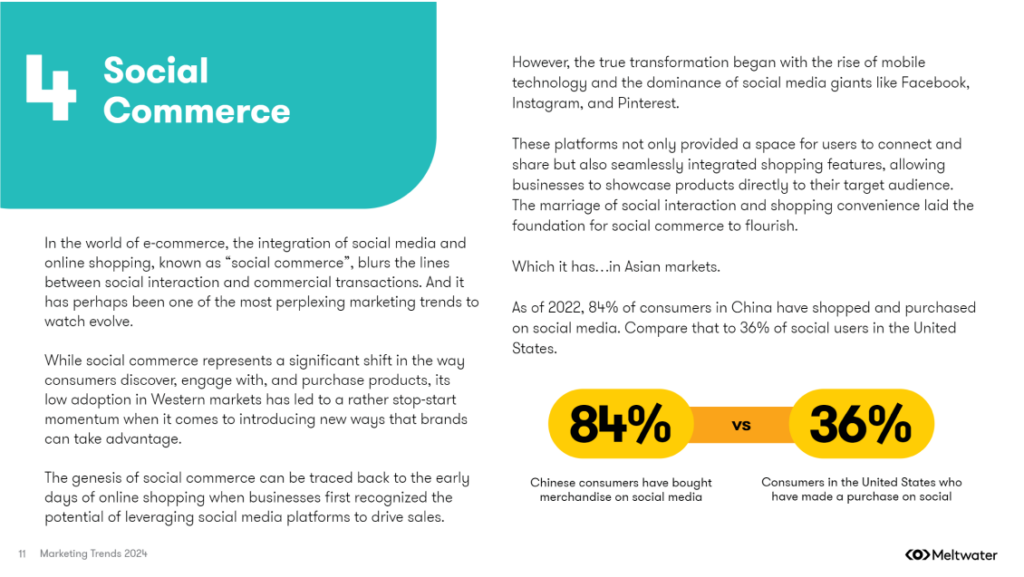
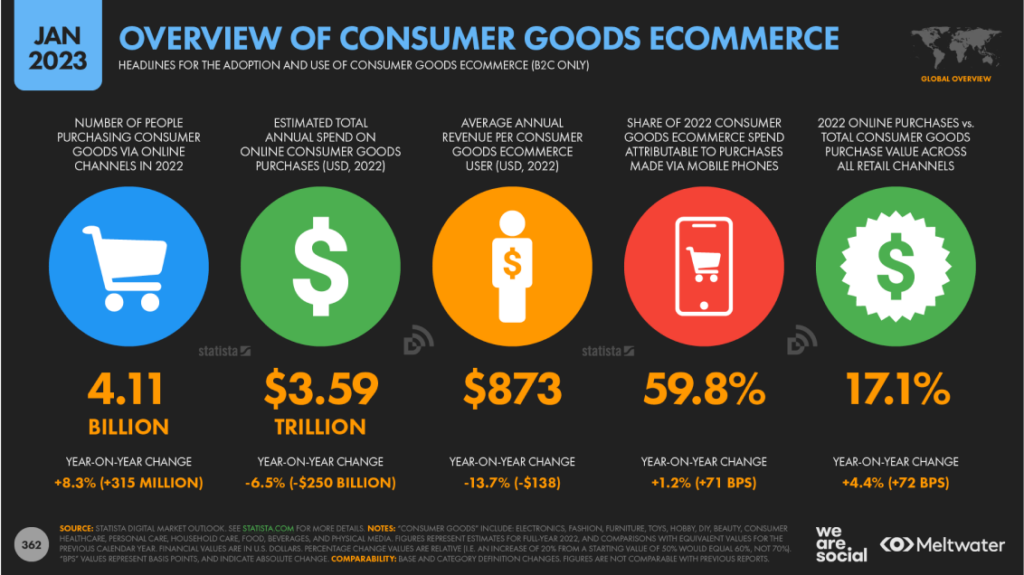
• Rising Mobile & Social Influences: As consumers spend more on mobile and discover brands via social networks, it’s critical to design shopping experiences that are seamless, engaging, and highly shareable.
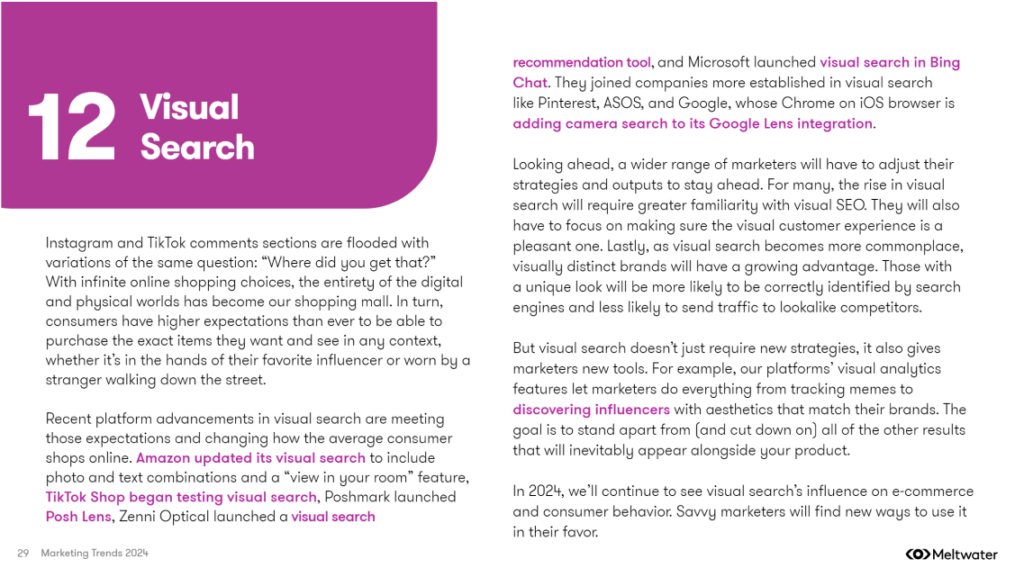
• Visual & AR Integrations: Visual search and augmented reality can reduce friction in product discovery and drive higher engagement. Researching how to integrate these tools effectively could yield valuable user insights.
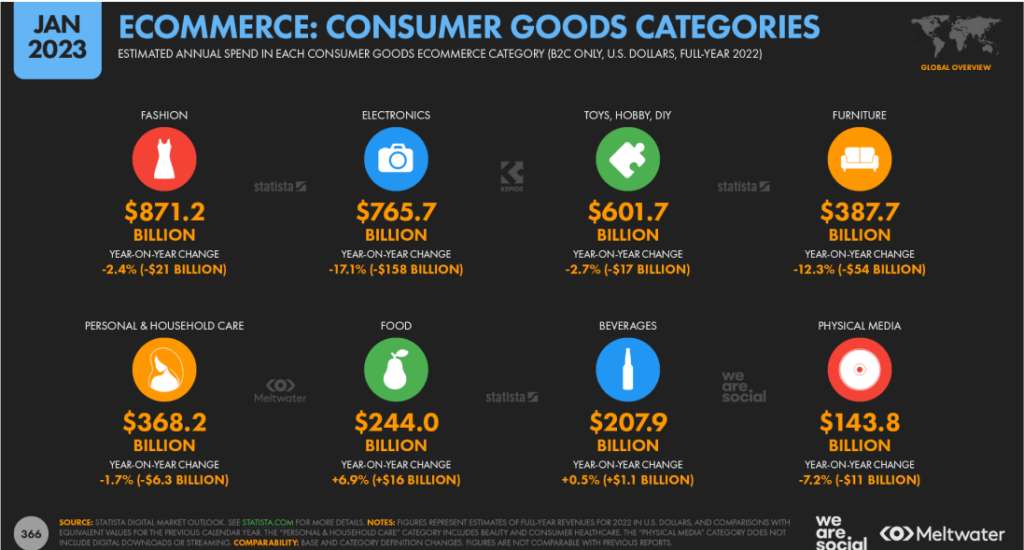
• Shifting Category Priorities: Essential categories (like food) are growing, while discretionary items (like electronics) show volatility. Studying consumer sentiment and economic factors can inform better product and UX strategies.
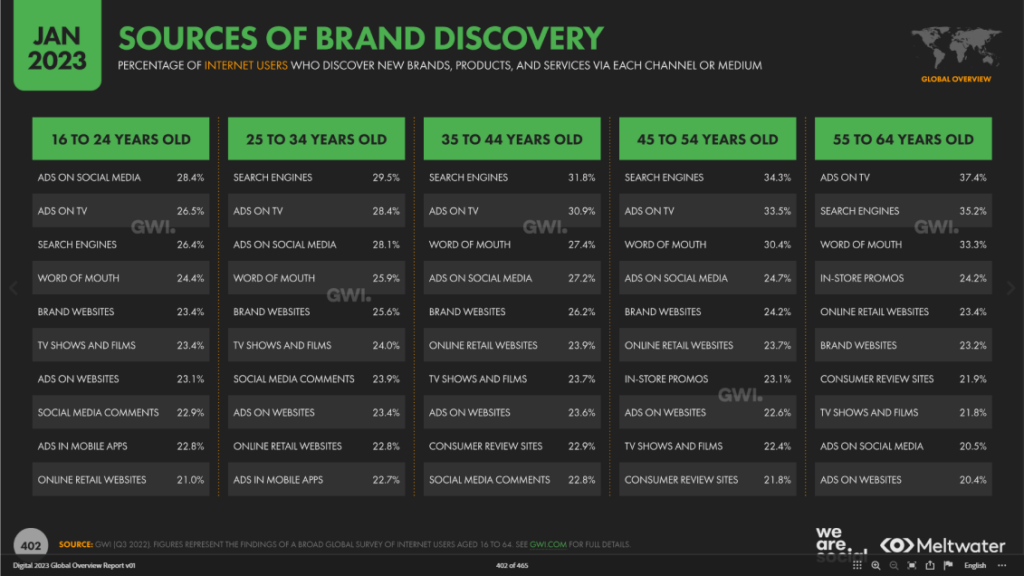
• Age-Based Differentiations: Different generations rely on different channels. Tailoring designs and content to these preferences can improve conversion rates.
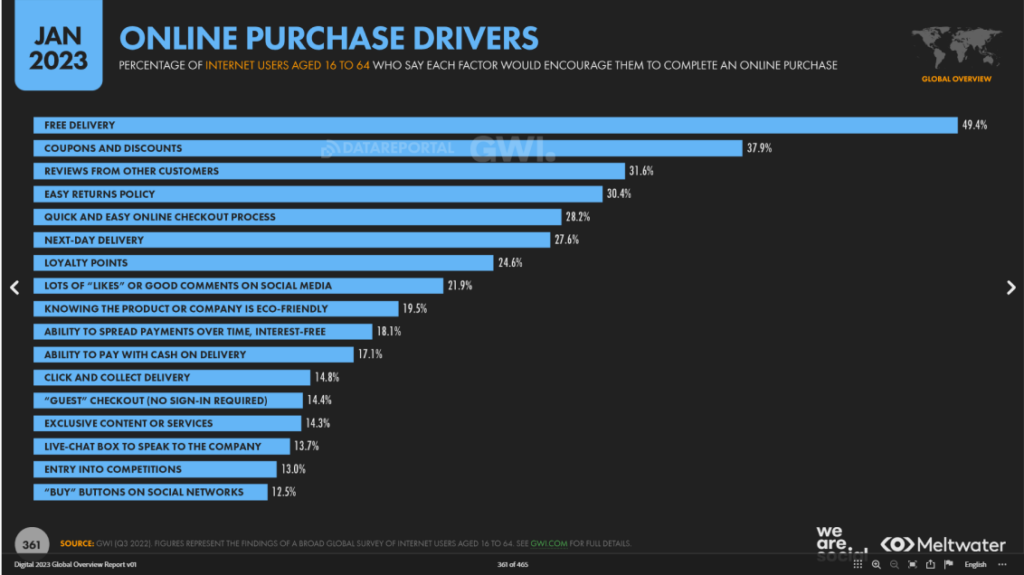
• Social Proof & Convenience: Free shipping, reviews, easy returns, and transparent eco-friendly practices remain top motivators. Integrating these features into the user journey can significantly impact purchase decisions.
e-commerce continues to evolve toward mobile- and social-centric experiences, with visual and interactive elements becoming key differentiators. By focusing on seamless user experiences, trust-building features, and strategic channel optimization, brands can align better with evolving consumer behaviors.