#2 Experimenting with Letterforms: The Evolution

Letterform experiments are not a recent development; the origins can be traced back to the Renaissance with the introduction of movable type. However, it truly began to flourish in the 20th century, driven by advancements in digital technology and an increasing desire for innovation in graphic design. During this time, typography transitioned from being merely a practical means of communication to becoming an artistic form, where its visual appeal became just as important as its ability to convey meaning.This style of typography uses a range of methods such as distortion, layering, and abstraction. Designers alter typographic elements to craft a visual composition that resembles poetry, where every letter and word contributes significantly to the overall design. These techniques vary from subtle tweaks to dramatic changes, each adding to a distinctive story or visual experience.

Typography as Art

True typographic experimentation began in the early 20th century, with movements like Futurism, Dadaism, and Constructivism leading the charge. During this period, the relationship between form and context became increasingly important. Writers and poets began to ‘shape’ their texts, using typography not just as a medium of communication, but as a means to enhance and clarify their expression.
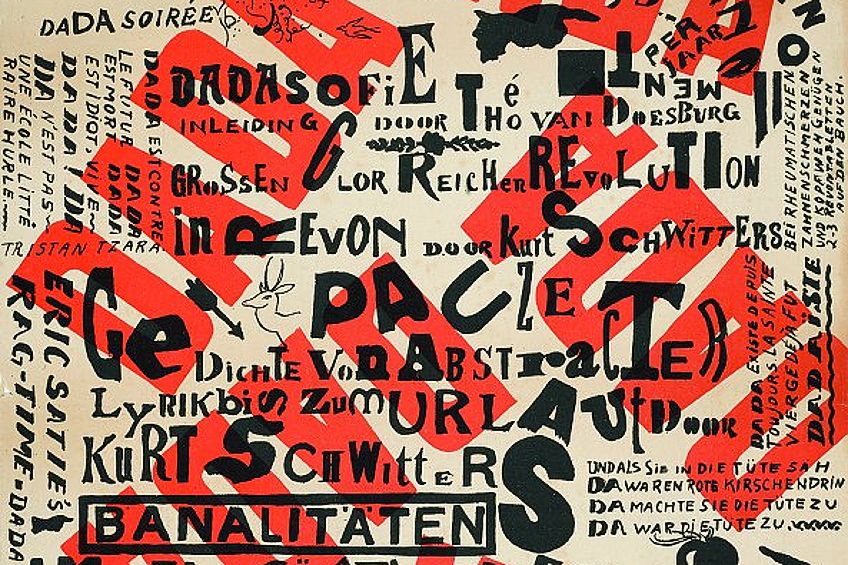
Digital Revolution

The rise of digital technology has greatly expanded the possibilities for experimental typography. With an array of design tools and software available, graphic designers now have the ability to craft intricate and sophisticated typographic designs more easily than ever before.
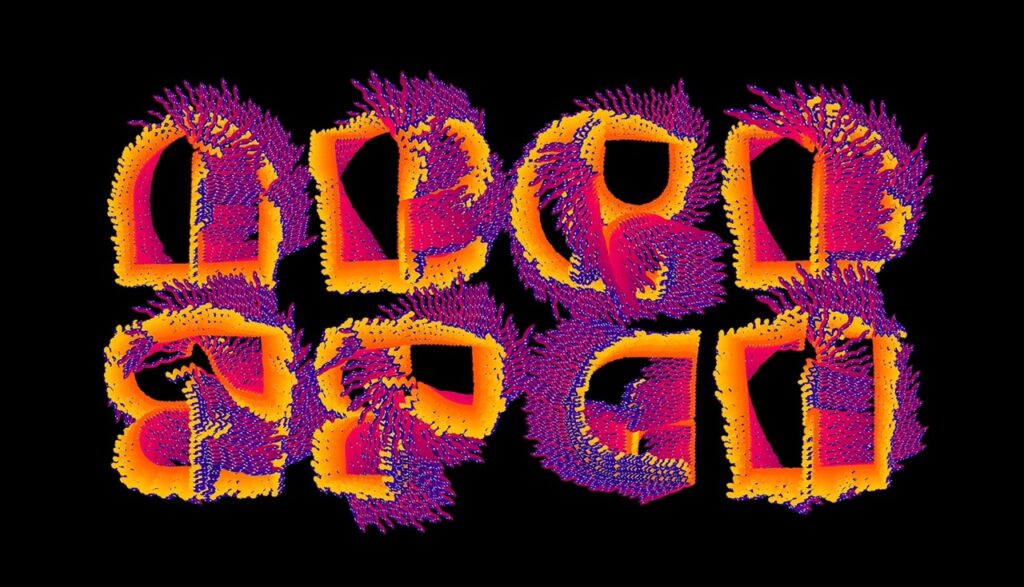
The integration of animated and interactive features into digital typography introduces a new dimension of engagement, enhancing user experience through dynamic interfaces. As the digital realm continues to evolve, experimental typography remains a key player in this transformation, constantly reshaping how we interact with text in an increasingly digital world.

Source

https://seedconference.com/experimental-typography/#The_Evolution_of_Typographic_Art

http://www.neugraphic.com/wim/crouwel-text12.html

https://arthive.com/de/encyclopedia/37~Dadaism_art_reaction_to_the_first_world_war (img1)

https://www.behance.net/gallery/208616667/Amuki-Tool-No181-Audio?tracking_source=search_projects|experimental+typography&l=73 (img2)

#1 Experimenting with Letterforms or Experimental Typography?

In this very first post of the research phase, I will be explaining terminology to get a better understand of the title and create clary of this wide field of design. Speaking of Experimental Typography, I already set boundaries to my research. But how would I find a title for this research topic, without setting any boundaries? Finding a more general description is a goal in this first phase.

There is an important difference between Typography, Typeface, Font and Type Design. These terms are often being used in discussions about visual communication. These terms have unique meanings and serve different purposes in typography. Grasping their distinctions is essential for designers or anyone aiming to enhance their typography expertise.

Terminology Explanation

Typography is the art and skill of arranging text to make it clear, readable, and visually appealing. It involves elements like letterforms, spacing, alignment, and layout, serving as the foundation of written communication in both print and digital formats. Typography conveys meaning and emotion while creating a visually balanced experience for the reader.

A Typeface is the design styles that give characters their unique look, defined by features like shape, weight, and proportions. They reflect the designer’s vision and set the tone.

Fonts, though often confused with typefaces, are the ways used to display typefaces. They include variations like bold, italic, or regular within a typeface family, such as Arial Regular and Arial Bold Italic. Fonts ensure consistent text “rendering” across devices and other media. In other words, it is how the Letters will be delivered, be it wood printing, letter press or digital (OTF, TTF) Files etc.

Type Design, involves creating and developing a complete set of characters, symbols, and glyphs that form a unified and visually consistent typeface. Designers carefully craft each letterform to achieve clarity, readability, and visual harmony, ensuring it works well across different sizes and media.

Expanding the boundaries

Above, I was clarifying some terminologies important to understand my further research. I want to expand my knowledge in experimenting with these definitions of these words. Experimental typefaces, for example, explore new possibilities in form, structure, and presentationHow do designers experiment in the creation of a Typeface? What are the digital and analogue techniques. This field is continually inspires me by new discoveries, technologies, and ideas, using research and experimentation to push the boundaries of how letters are used and perceived. So I might rethink the title of this project to something like: Experimenting with Letterforms.

Source:

https://medium.com/design-bootcamp/what-is-the-difference-between-typography-typefaces-and-fonts-85da85e0a72f#:~:text=To%20summarize%2C%20typography%20is%20the,on%20screens%20and%20in%20print.

https://letterformarchive.org/fonts-and-typefaces/?srsltid=AfmBOooobo4MFttbSK2-JXvhKRrNgtLKb-W-LuMWoULF3w96dGXZNsnX

https://www.creatopy.com/blog/what-is-typeface-design/