Typography, traditionally limited to two dimensions, has been transformed with the rise of 3D design. With advancements in technology, particularly in digital media, designers can now create typographic elements that seem to leap off the screen, interact with the viewer, and evoke a physical presence. This evolution has opened new possibilities for how text can be used not just as a means of communication but as a dynamic, engaging visual experience.
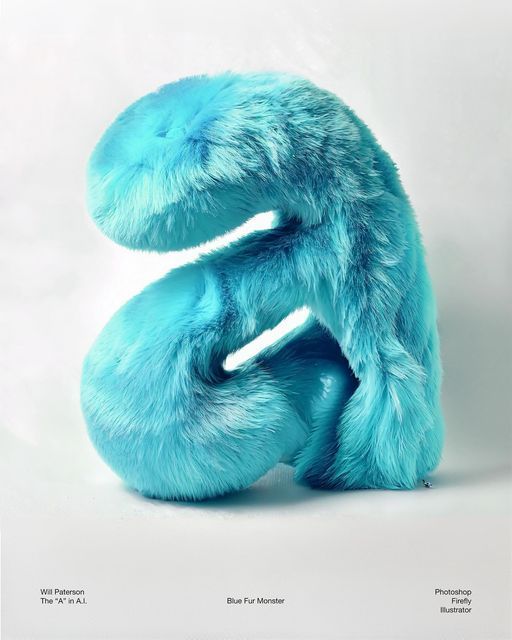
The Key Drivers of 3D Type
The shift from print to digital has paved the way for 3D typography, allowing designers to create text that feels interactive and lifelike. Advancements in software and rendering tools enable more intricate and realistic 3D designs, while the immersive nature of 3D typography captures attention and enhances user experience. As designers continue to explore new creative possibilities, 3D typography offers an exciting and innovative medium for expression. The future of 3D typography looks bright, with ongoing technological advancements and increasing demand from designers and brands. As augmented reality (AR) and virtual reality (VR) continue to grow, 3D typography will play a crucial role in shaping interactive and immersive experiences. The integration of AI and machine learning could also elevate the creation and use of 3D text, offering even more possibilities for designers.

Experimental 3D typography is revolutionising design by offering new ways to captivate audiences and communicate messages. By pushing beyond traditional typography, designers are crafting innovative and engaging visual experiences. With technology constantly advancing, the potential for 3D typography is boundless, paving the way for an exciting future in this ever-evolving field.
Source:
