Branding in Lofi
Lofi branding centers on emotional intimacy and authenticity. Often associated with lo-fi beats “to study/relax to,” its visual identity is nostalgic, cozy, and DIY-leaning, built around soft color palettes, analog textures, and handmade or illustrated elements. Branding in this genre prioritizes mood over spectacle, creating a sense of comfort and emotional presence. The visuals are often embedded in soft clothing, unfiltered moments, and solitary, reflective settings.
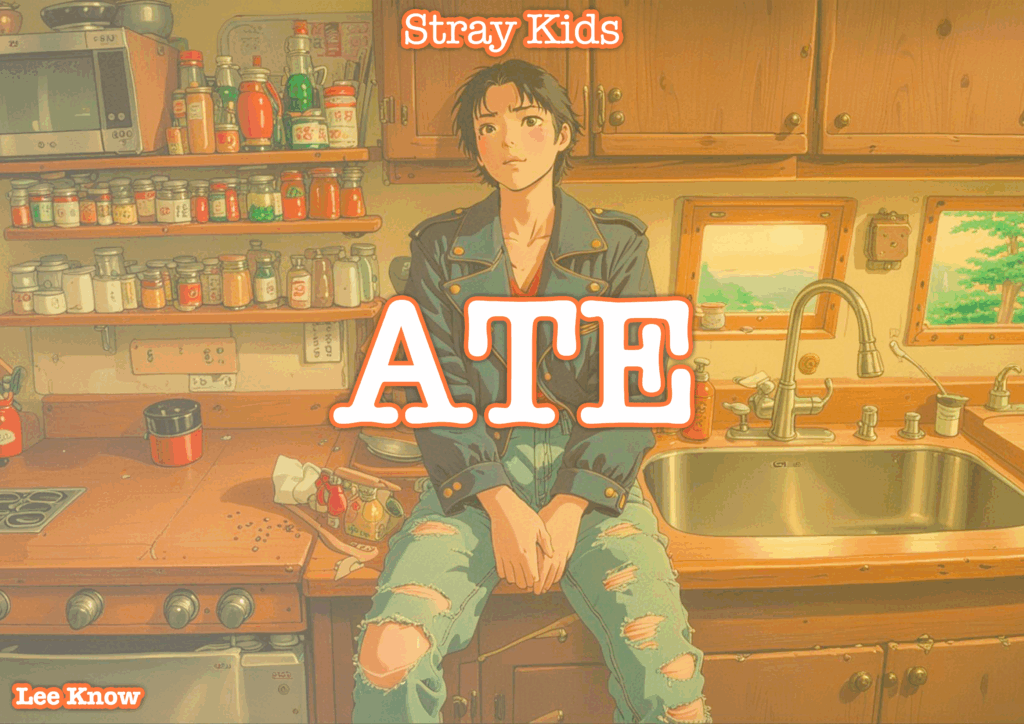
Evalution
The Lofi genre experiment was both intriguing and challenging, and while it worked out better than I expected, it also showed some key limitations in translating this aesthetic to a K-Pop world.
Lofi’s visual language is inherently quiet, nostalgic, and non-specific. It thrives on mood over identity, often relying on soft colors, hand-drawn illustrations, and ambient, faceless environments. This creates a calming, intimate atmosphere, but it also makes it difficult to embed strong, recognizable personalities into the visual branding. In trying to reimagine a K-Pop group within this framework, I found it hard to represent the individual members in a way that felt distinctive or character-driven. They risked blending into the aesthetic rather than shaping it.
There’s potential here, especially for a special album concept or side project, where the goal might be to evoke a specific feeling or moment rather than highlight the group’s full image. A cartoonish or illustrated approach could work well in that case, perhaps offering a stylized version of the members that fits within Lofi’s softness without erasing their identities entirely. But as a main concept or long-term branding strategy, Lofi feels too generalized. The aesthetic tends to overpower the artists themselves, making it hard to maintain the strong visual-personality connection that’s central to K-Pop.
That said, I was surprised by how well the emotional tone and mood alignment worked. K-Pop often explores vulnerability and intimacy through ballads or softer concepts, and the Lofi styling did manage to evoke a similar atmosphere. It’s not that it failed, it simply doesn’t allow for the kind of individual expression that fans expect from a K-Pop group.
In the end, this experiment highlighted the importance of balance: how much can an aesthetic speak before it silences the artist? And how do you design within a genre that’s more about feeling than face?
Next, I’ll make a 180 twist, and going to experiment with the Classical genre.
