Branding in Electronic Music
Branding in Electronic music is often rooted in anonymity, abstraction, and futurism. Many artists use visual motifs like glitch effects, cyberpunk aesthetics, minimalistic typography, and digital distortions to cultivate a persona that feels more like a concept than a person. Branding here is immersive and often experience-based, tied to rave culture, light shows, and high-tech visuals. Gender identity is frequently blurred or stylized beyond recognition, allowing for fluid, alien, or post-human representations that challenge traditional norms.
Evaluation
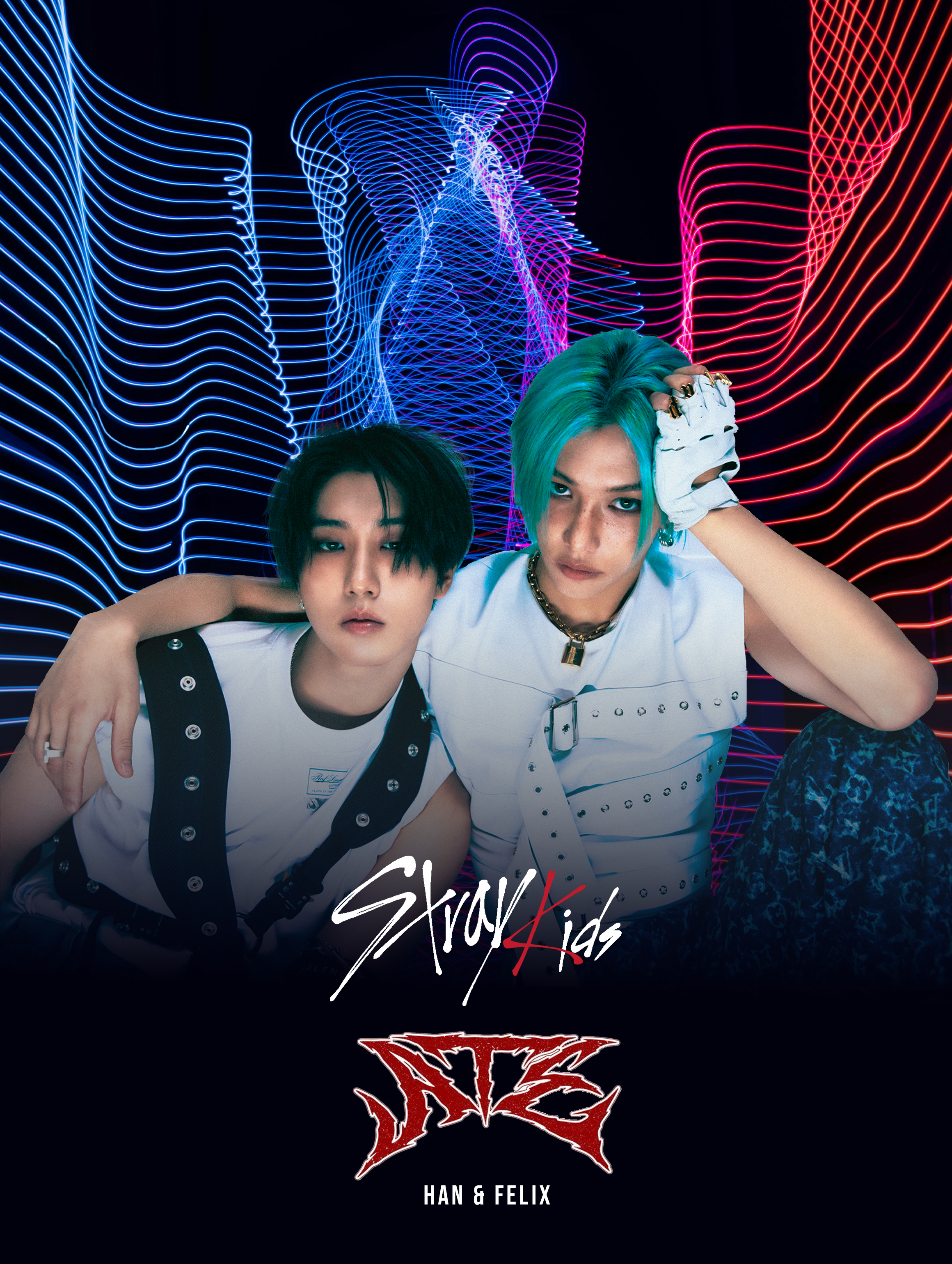
The Electronic genre experiment was a surprisingly seamless fit for K-Pop branding. While this was initially intended as a contrast experiment, I quickly realized that many elements of Electronic aesthetics already work with the bold, experimental spirit often found in K-Pop.
Electronic branding thrives on creativity, abstraction, and sensory stimulation. It embraces bold and funky color palettes, unconventional silhouettes, and a sense of visual freedom that doesn’t shy away from theatricality. These are qualities that also define many K-Pop concepts, especially those leaning into high-fashion or futuristic themes. Because of this overlap, the process of reimagining a K-Pop boy group within this genre felt less like a reinvention and more like an amplification of existing traits.
What made the experiment successful was the mutual alignment in expressive freedom. Both genres celebrate visual impact and emotional intensity through styling, Electronic through distortion, glow, and digital abstraction; K-Pop through high-contrast fashion, sharp choreography, and makeup that dramatizes the face. Gender expression in this context remained fluid and performative, with Electronic aesthetics allowing for an androgynous or post-human look.
Ultimately, the Electronic genre didn’t drastically challenge K-Pop’s identity, it enhanced it. It offered a natural extension of the idol’s persona into a more digital, deconstructed world. This makes me wonder whether K-Pop, already a hybrid genre, is uniquely positioned to absorb and reinterpret global aesthetics, especially those rooted in subculture or technological futurism.
Next up: I’ll step into a softer, more introspective space with the Lofi experiment, an aesthetic that might push K-Pop further from its comfort zone.
