Early warning systems are critical tools for identifying and analyzing weather and climate-related risks. These systems aim to protect lives, livelihoods, and assets by enabling early actions in response to potential hazards. With climate change intensifying the frequency and severity of natural disasters, EWS are more necessary than ever.
Issuing warnings within 24 hours can significantly reduce the damage caused by extreme events. (30%) Despite the growing number of disasters, only half of the world’s countries currently have access to multi-hazard early warning systems.
Warning systems are composed of four essential elements:
– disaster risk knowledge
– detection and forecasting
– communication of warnings
-preparedness and response capabilities.
These components must work together, involving communities and organizations at risk, to effectively minimize the impacts of extreme weather and non-weather-related hazards, such as earthquakes and disease outbreaks.
By advancing early warning systems, we can better prepare for the challenges posed by climate change, reducing harm and enhancing resilience.
To get a better overlook which kind of early warning systems there are i started my research on that.
Swiss: WSL-Institut für Schnee-und Lawinenforschung SLF
The page on the Swiss Institute for Snow and Avalanche Research (SLF) website provides information about their research and services related to snow, avalanches, and mountain ecosystems. Visitors can find insights on current avalanche warnings, snow conditions, ongoing projects, and publications. The site also offers educational resources and tools for professionals and the public to enhance safety and understanding of mountainous environments.
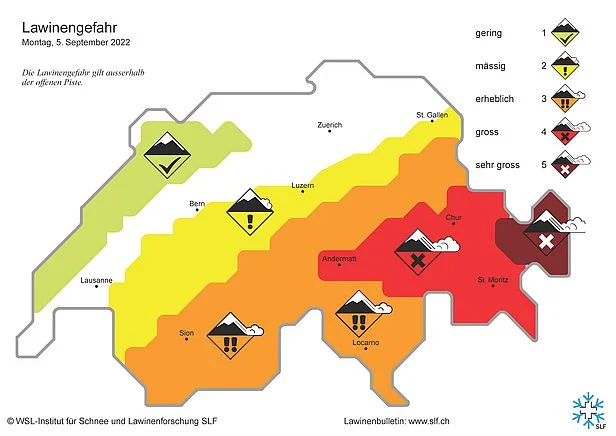
The website from Swiss Institute for Snow and Avalanche Research appears updated and clean but finding the right path seems tricky sometimes.
Link: https://www.slf.ch/de/naturgefahren/lawinen/
New Zealand: NEMA
The National Emergency Management Agency website provides comprehensive resources on disaster preparedness and management in New Zealand. Visitors can find information on emergency alerts, guidelines, like video tutorials, for responding to various natural hazards like earthquakes and tsunamis, and resources for community engagement and education. The site also details strategies for disaster resilience, emergency response planning, and legislative frameworks. Additionally, it offers insights into civil defense sector operations, public education programs, and training opportunities.
You can search if your location is in a Tsunami evacuation zones but doesn’t provide information about current tsunami warnings.
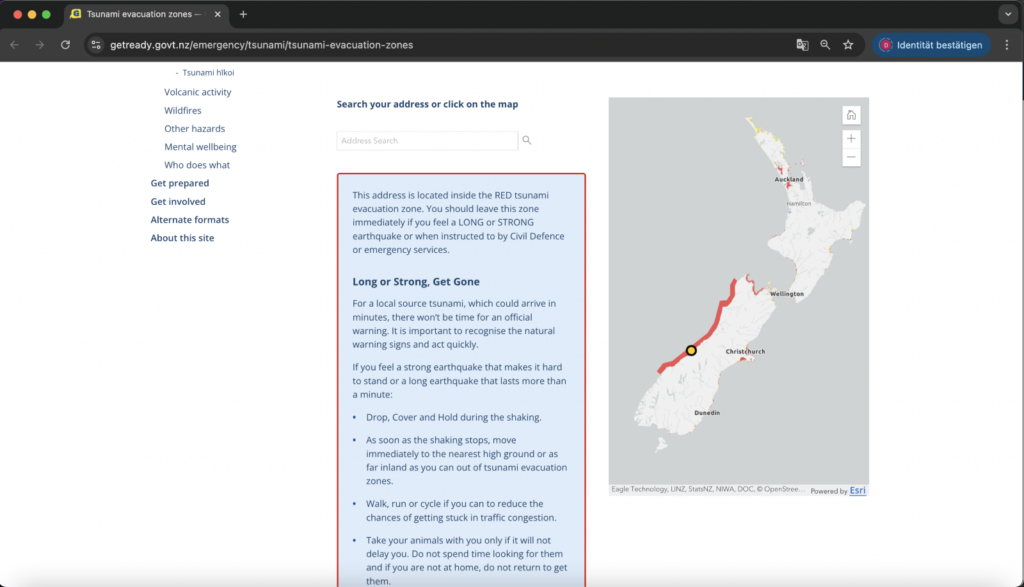
The design of the National Emergency Management Agency’s website is definitely not the newest one. But it is user-friendly and straightforward, focusing on easy navigation and accessibility.
Link: https://www.civildefence.govt.nz/
Canada: the National Public Alerting System
Public Safety Canada’s website provides information about the National Public Alerting System (NPAS), known as Alert Ready. It explains how the system works to deliver emergency alerts to Canadians through various channels, including TV, radio, and mobile devices, during life-threatening situations. The page also includes details on the types of emergencies covered, how the alerts are issued, and guidance on receiving them.
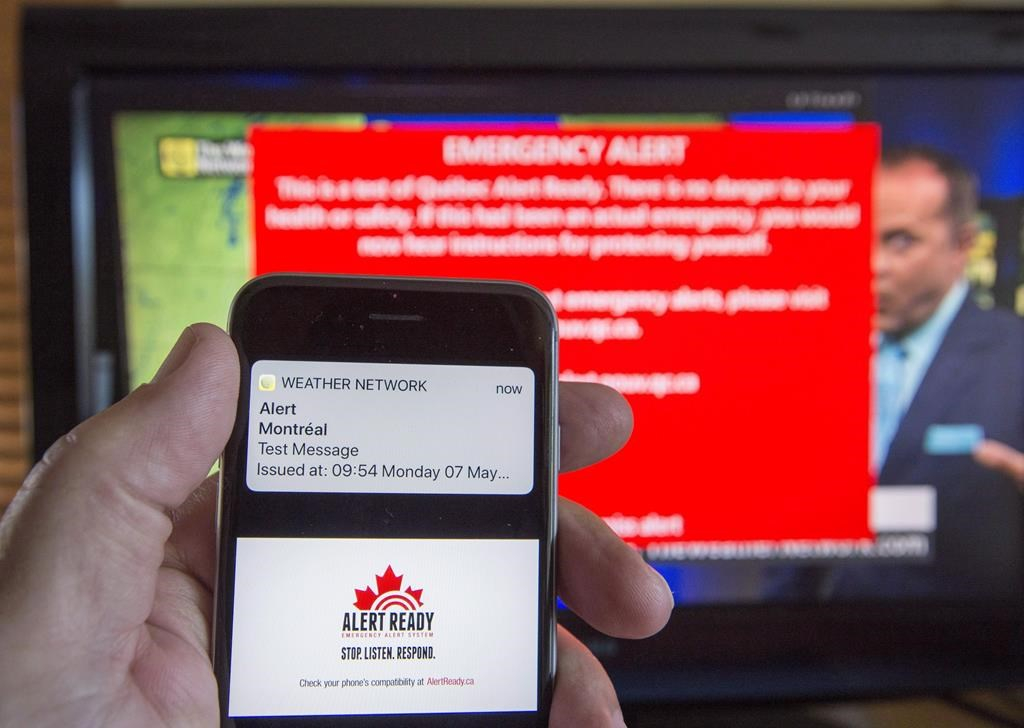
Although the website of the Public Safety Canada’s National Public Alerting System is being updated regularly, the design appears somewhat outdated. It lacks modern design elements such as responsive layouts, dynamic visuals, and interactive features that are now standard in contemporary web design. The visual hierarchy is minimal, and the aesthetic could benefit from an update to improve user engagement and accessibility. While functional, the site’s design might not fully meet current user expectations for an intuitive and visually appealing experience.
Link: https://www.publicsafety.gc.ca/index-en.aspx
The search for warning systems turned out to be tedious. There are a few websites that offer some information but are not very exciting from a design perspective. Basically, it can be said that acoustic signals (sirens) or visual warning lights are usually used in emergency situations. In order to reach people directly, such systems rely on contact via direct messages.
https://www.civildefence.govt.nz/
