
Understanding the basics of risk communication is essential for my master’s thesis because it provides the foundational knowledge necessary to explore more complex aspects. By grasping the core principles, methods, and challenges, i can delve deeper into how risk communication interacts with UX design. It’s important to identify gaps in order for me to make innovative solutions, and contribute meaningfully to the field, especially in addressing critical global issues like climate change and disaster management.
For me it’s easier to understand new subjects with short video explanations. This one took COVID-19 an example to demonstrate some dilemmas and practical issues.
So risk communication is the real-time exchange of information, advice, and opinions between experts and individuals facing threats to their well-being. Its purpose is to help people make informed decisions to mitigate the effects of hazards, such as disease outbreaks, and to adopt protective measures.
The Role of Community Engagement
Community engagement is about developing relationships and structures that involve communities as equal partners in creating emergency response solutions. It empowers communities to take an active role in planning and implementing health emergency responses. Lessons learned from past emergencies show that integrating risk communication with community engagement leads to more effective, equitable, and inclusive preparedness and response efforts.
Risk communication and community engagement works alongside other technical areas to ensure that accurate information is delivered to communities in ways that are acceptable and workable for them. nse efforts.
The Process of Risk Communication
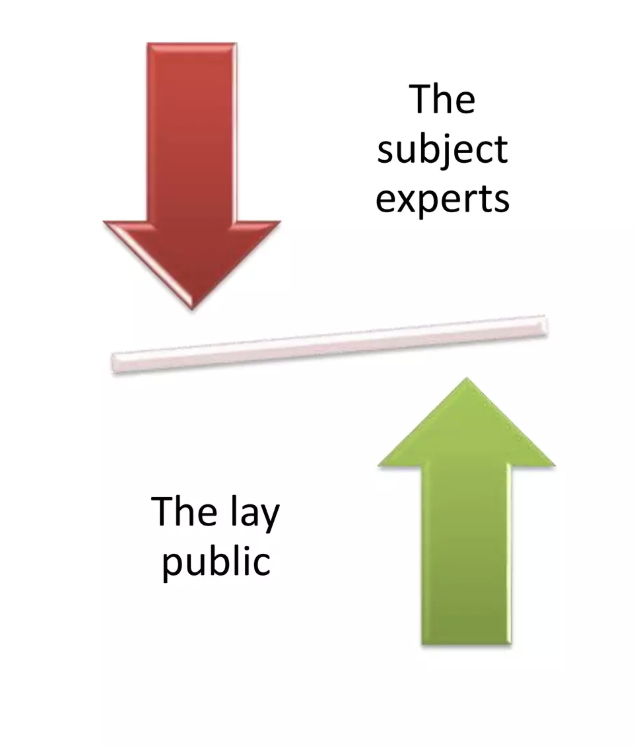
Risk communication involves explaining critical information in ways that enable people to make informed decisions about risks to their health, safety, and or environment. It is not merely a one-way transfer of information but a dynamic, multi-directional process involving ongoing engagement among stakeholders. This is crucial, especially when risks are uncertain or rapidly changing.
Goals and Challenges
The goals of risk communication vary. For users, it helps understand risks and benefits, while for institutions, it minimizes disputes and prevents communication breakdowns. However, firms often struggle to create communications that are both legally compliant and beneficial for users. Effective risk communication should aim to build trust, foster consensus, and support risk management decisions.
Making It Work
Effective risk communication requires identifying and understanding the audience, crafting clear messages, and selecting appropriate communication methods. While it may not guarantee consensus on risk management approaches, it enhances community involvement, raises awareness of public perceptions, and clarifies how risk assessments inform decision-making.
Conclusion
Risk communication is essential for empowering communities to make informed decisions during emergencies. By fostering trust and ongoing engagement, it contributes to more effective and inclusive risk management strategies, ultimately enhancing community resilience.
