The Power of Micro-Interactions in Mental Health Apps
Small, seemingly simple design elements, known as micro-interactions, play a big role in creating a soothing experience in mental health apps. These tiny details, like animations, transitions, and feedback mechanisms, are often overlooked but are essential for user engagement and comfort. They guide users, provide feedback, and create emotional connections, making apps not only functional but also enjoyable and calming.
Imagine opening an app for a guided meditation and seeing a soft animation of waves that mirrors your breathing. This visual feedback reassures you, helps you stay focused, and enhances your sense of relaxation. This is the power of micro-interactions, they turn mundane actions into meaningful moments.
Guided Breathing and Calming Feedback
Breathing exercises are a staple of mental health apps, and micro-interactions make these experiences more immersive. Apps like Calm and Mental Health use animations to visualize the rhythm of breathing, helping users match their pace. These animations are not just aesthetically pleasing but also serve as functional tools to focus attention and reduce anxiety.
Intuitive Transitions and Engagement
Transitions between app features can be designed to feel seamless, reducing cognitive load and promoting calm. For instance, Calm’s meditation introduction uses soft fades and subtle animations that guide users into their practice without abrupt changes. These smooth transitions create a sense of flow, essential for keeping users engaged and stress-free.
Playful Animations in Headspace
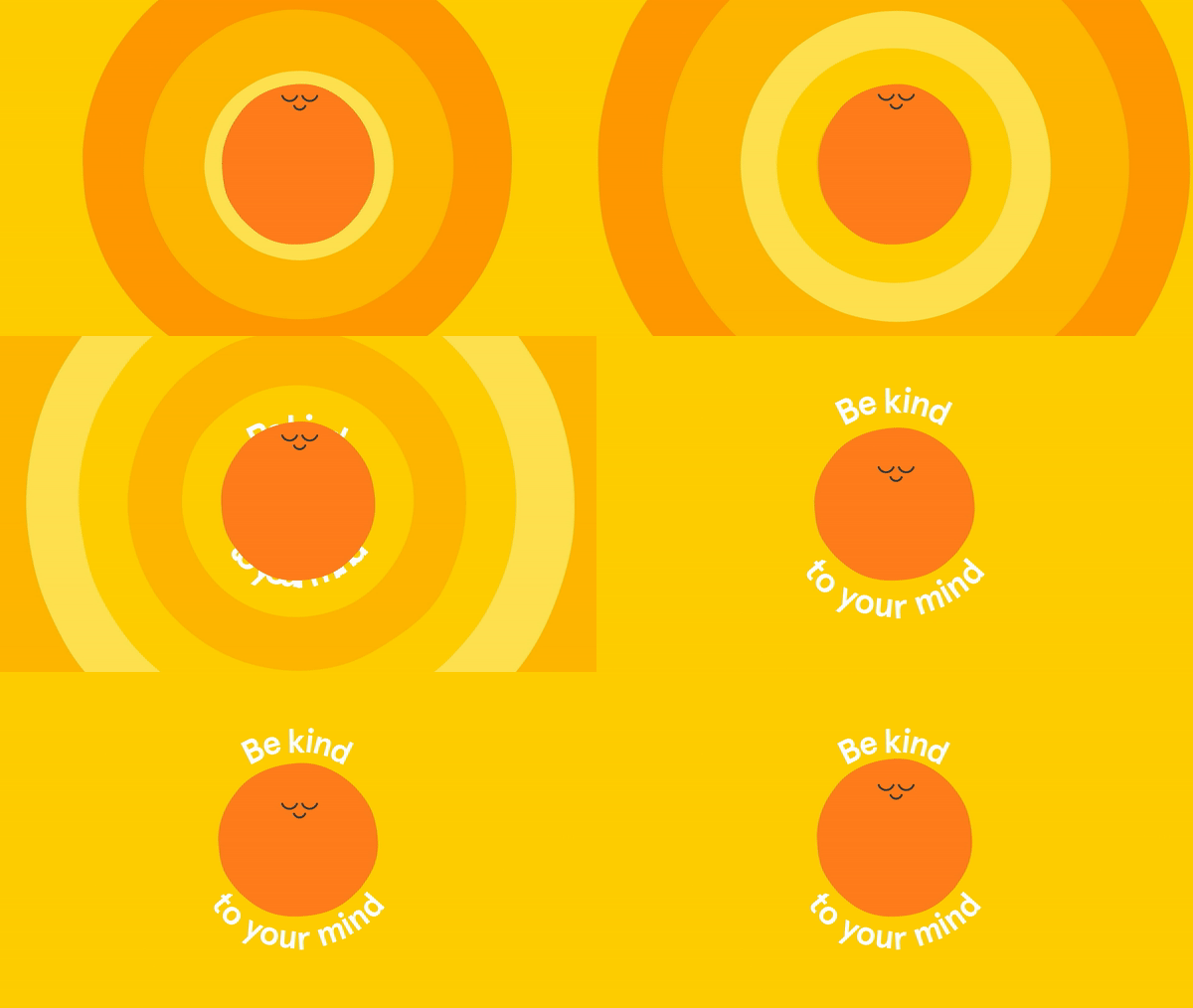
Headspace stands out with its playful cartoonish animations that make mindfulness approachable and fun. Cheerful characters guide users through breathing exercises or meditation sessions, offering encouragement in a lighthearted yet calming way. These animations help demystify mindfulness for beginners while keeping the app engaging and supportive.
Calming Feedback
Micro-interactions can also reinforce positive emotions, as seen in Mental Health, which uses sound wave animations for daily affirmations. These subtle visuals, paired with soothing audio feedback, make affirmations feel more immersive and personal, helping users connect with the app on an emotional level. Similarly, these features create a calming rhythm that can draw users back daily.
Sources
- A. Antal. (2022). Micro-Interactions and Animations in UX Design for Mobile Applications. Politehnica Graduate Student Journal of Communication, Vol. 7, No. 1.
- D. Saffer, Microinteractions: Designing with Details. Sebastopol, CA, USA: O’Reilly Media, Inc., 2013.
- M. Jergović, N. Stanić Loknar, T. Koren Ivančević & A. Agić Cmrk. (2024). Micro-Interactions Within User Interfaces. Presented at International Symposium on Graphic Engineering and Design. [Online]. Available: 10.24867/GRID-2024-p23
