Revolutionizing Commercial Production: iPhones in Advertising

It’s no secret that also advertising relies on visuals to captivate audiences, often requiring expensive cameras, lighting rigs, and skilled crews. Yet, in recent years, the iPhone has emerged as a surprising contender in commercial production, disrupting traditional workflows and redefining creative possibilities. Think about a globally recognized sportswear brand showcasing athletes in action, every breathtaking moment captured on an iPhone. This is not a low-budget shortcut but a deliberate choice to highlight storytelling over extravagance.

One notable example is a campaign by Nike, where sports sequences were shot on an iPhone 12 Pro Max. The lightweight, versatile smartphone allowed the team to follow athletes through intense movements, capturing raw energy which felt authentic and relatable. As Johnson and Lee (2022) suggest, such ads thrive because they connect with audiences on a more personal level, breaking the barrier of overly polished production.

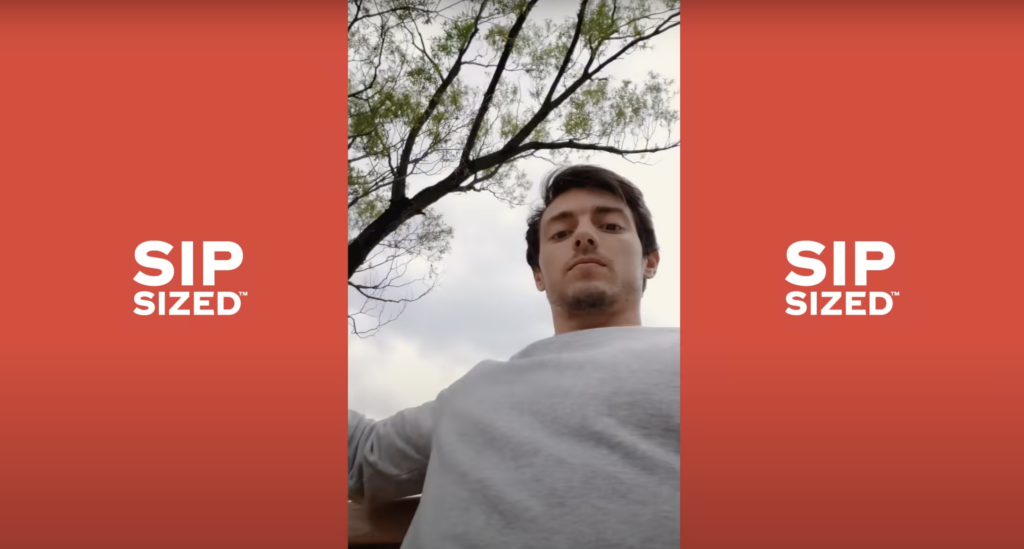
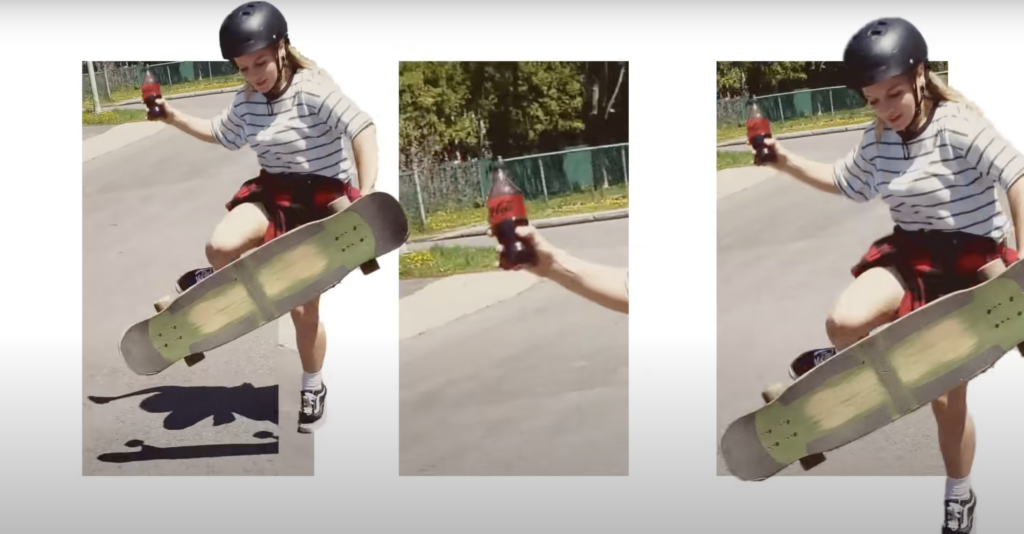
Another groundbreaking use of iPhones came from the beverage industry. Coca-Cola’s “Moments in Every Sip” campaign used an iPhone 13 Pro to create vibrant, close-up shots of fizzing drinks and smiling faces in everyday settings. By leveraging the smartphone’s advanced color grading and cinematic mode, Coca-Cola delivered a campaign that felt fresh and approachable without sacrificing visual quality. Brown (2023) emphasizes that brands adopting smartphone cinematography often find success by aligning their visuals with consumer preferences for authenticity.
Small and emerging brands are also tapping into iPhones to produce standout commercials. A vegan skincare startup recently filmed a social media campaign entirely on an iPhone 14 Pro, utilizing the device’s macro lens to emphasize the texture and natural ingredients of their products. This approach not only saved costs but also gave the campaign a crisp, modern aesthetic that resonated with eco-conscious audiences.

The appeal of iPhone-shot commercials lies in more than just accessibility. It’s about the creative freedom that comes with shooting on a compact, user-friendly device. Filmmakers can experiment with angles and techniques that would be cumbersome with traditional equipment. For instance, a car company filmed a high-energy advertisement by mounting an iPhone on a drone, capturing stunning aerial shots that conveyed speed and elegance. Smith and Sanderson (2022) note that these innovative methods are reshaping how we think about visual storytelling.

However, there are challenges. Critics argue that relying too heavily on smartphones could lead , same as with musicvideos, to an oversaturation of similar-looking ads. Additionally, iPhones still face limitations in areas like depth of field and lens versatility compared to high-end cameras (Miller, 2021). Yet, these drawbacks haven’t deterred brands from embracing this new frontier of filmmaking.

The rise of iPhones in advertising is about more than budget or convenience—it’s a testament to the changing landscape of media production. Whether it’s a sportswear brand capturing athleticism, a beverage company showcasing everyday joy, or a startup highlighting its eco-friendly ethos, iPhones are empowering creators to tell stories that resonate. As smartphone technology advances, the gap between traditional and mobile filmmaking continues to close, paving the way for even more groundbreaking innovations.

  • Brown, L. (2023). The power of authenticity in visual media: Why raw content resonates. Journal of Media Studies, 45(3), 112-128.
  • Johnson, K., & Lee, S. (2022). Exploring minimalism in commercial production: Case studies on innovative brands. Advertising Arts Review, 19(2), 67-85.
  • Lee, T. (2021). Smartphone filmmaking: How mobile devices are shaping the future of video production. Cinematic Arts Quarterly, 18(2), 78-94.
  • Miller, R. (2021). The challenges of low-budget filmmaking: A critical analysis. Film Studies Today, 23(1), 34-50.
  • Smith, J., & Sanderson, P. (2022). Audience preferences in advertising aesthetics: A generational study. Marketing and Media Research, 31(1), 102-119.
Creativity Unleashed: Music Videos Shot on iPhones

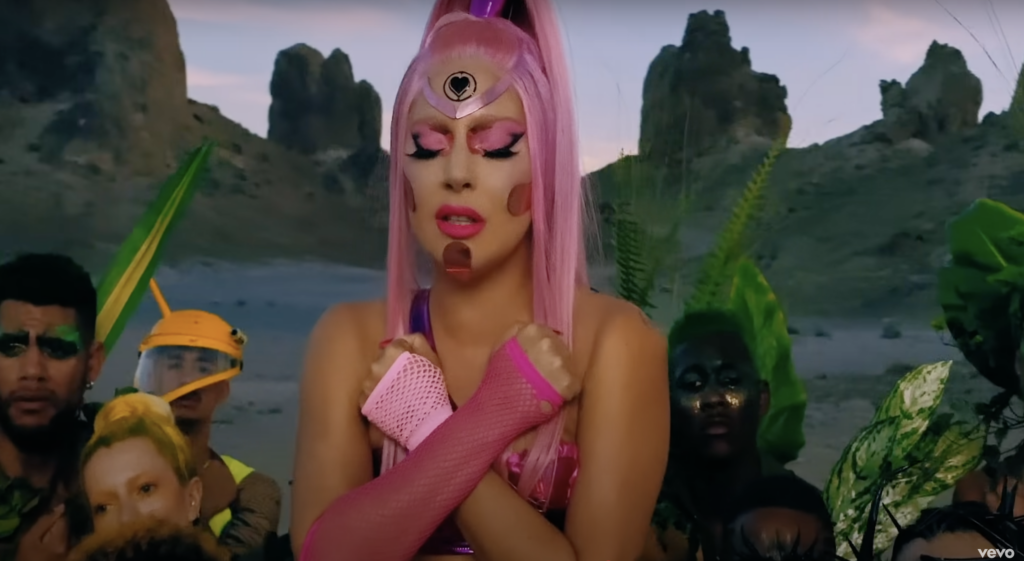
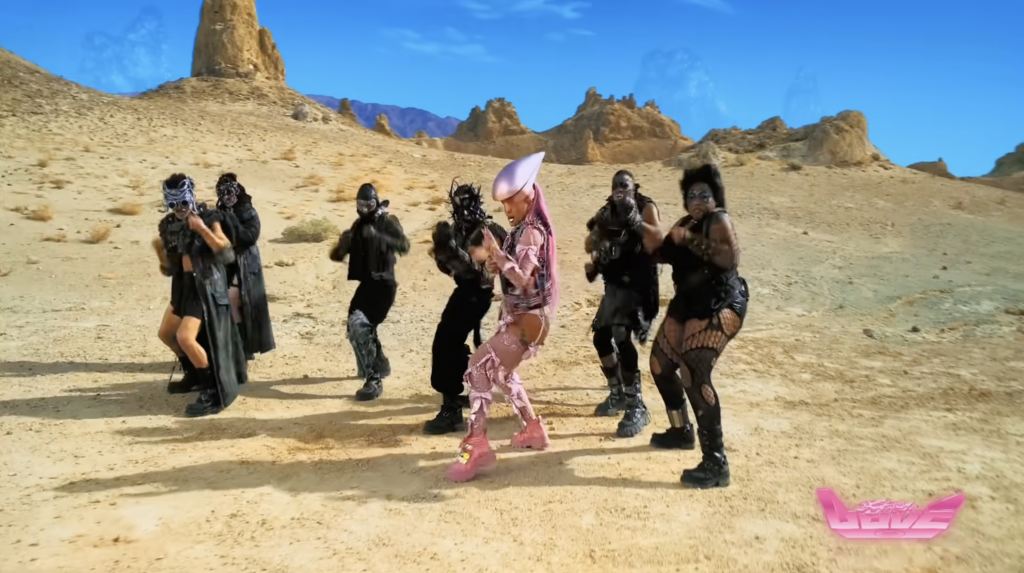
In a world where technology is constantly reshaping how we create and consume media, the rise of iPhone-shot music videos feels nothing short of revolutionary. Imagine this: Lady Gaga an artist known for her extravagant visuals dancing under a vibrant pink sky and every moment captured on a simple iPhone 11 Pro. This wasn’t a low-budget experiment, it was her bold vision for the music video for “Stupid Love.” The choice to use a smartphone wasn’t just a technical decision, it symbolized a new era where creativity could triumph over costly equipment.

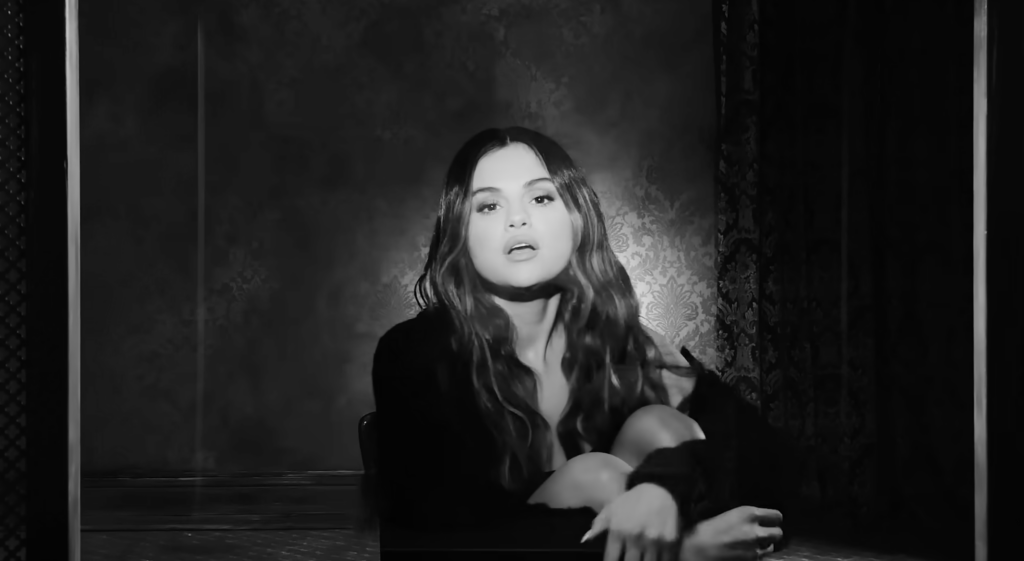
Lady Gaga wasn’t alone in embracing this trend. Selena Gomez did the same with the simplicity and intimacy of “Lose You to Love Me.” Shot entirely in black and white on an iPhone. The videos raw emotion captivated viewers, proving that storytelling isn’t about flashy effects but about connection. Gomez’s close-ups felt almost confessional, drawing us into her world. Experts like Johnson and Lee argue that this minimalistic approach aligns perfectly with the themes of heartbreak and self-discovery.

Even Billie Eilish’s early visuals laid the groundwork for this movement. Though not exclusively filmed on smartphones, her DIY aesthetic inspired countless creators to pick up their iPhones and start shooting. Research supports this shift, with studies by Smith and Sanderson (2022) showing that younger audiences are increasingly drawn to less commercialized, more authentic content.

What’s driving this trend? First, consider the technical advances in smartphone cameras. The iPhone 11 Pro’s stabilization, color accuracy, and low-light performance rival professional gear, making it a viable tool for high-quality production (Lee, 2021). Second, think about the cost. For emerging artists or those on tight budgets, using an iPhone democratizes access to professional-grade visuals. Suddenly, you don’t need a massive crew or expensive cameras—just a vision and a phone.

But the story doesn’t end with technical perks. The rise of iPhone filmmaking is reshaping the music industry itself. Audiences are craving authenticity in an era dominated by overly polished media. Raw, unfiltered visuals—whether it’s Gaga dancing in the desert or Gomez’s tearful close-ups—feel more real, more human. As Brown (2023) points out, this shift toward authenticity is especially significant for younger generations who value relatability over perfection.

Of course, there are challenges. Not everyone is thrilled about this trend. Critics worry that the accessibility of iPhone filmmaking could lead to an oversaturation of similar-looking videos. And while smartphone cameras are impressive, they can’t yet replace the depth and flexibility of high-end equipment for certain types of visuals (Miller, 2021). Still, these concerns haven’t slowed the momentum.

The success of these iPhone-shot music videos tells us something profound: storytelling isn’t about the tools you have but how you use them. Whether it’s Lady Gaga’s futuristic landscapes, Selena Gomez’s emotional intimacy, or Billie Eilish’s raw vulnerability, these artists are proving that creativity knows no bounds. As smartphone technology continues to evolve, we can only imagine the stories yet to be told—all from the palm of a hand.

  • Brown, L. (2023). The power of authenticity in visual media: Why raw content resonates. Journal of Media Studies, 45(3), 112-128.
  • Johnson, K., & Lee, S. (2022). Exploring minimalism in music video production: Case studies on Selena Gomez. Media Arts Review, 12(4), 56-72.
  • Lee, T. (2021). Smartphone filmmaking: How mobile devices are shaping the future of video production. Cinematic Arts Quarterly, 18(2), 78-94.
  • Miller, R. (2021). The challenges of low-budget filmmaking: A critical analysis. Film Studies Today, 23(1), 34-50.
  • Smith, J., & Sanderson, P. (2022). Audience preferences in music video aesthetics: A generational study. Music and Media Research, 29(1), 89-102.

The iPhone 16 Pro Max Sensor: Mastering Dynamic Range and Shooting in Log

Apple’s iPhone 16 Pro Max redefines the standard for mobile photography and filmmaking with its new sensor technology, dynamic range, and the ability to shoot in Log. This isn’t just an upgrade, it’s a leap forward for creators who demand professional performance from a smartphone.

Sensor Technology: A New Standard in Mobile Photography and Film

At the core of the iPhone 16 Pro Max’s advancements lies its sensor, which is larger and more advanced than before. The increased sensor size enables greater light sensitivity, leading to sharper, more vibrant images in low-light conditions. This improvement is achieved by stacked pixel architecture, a new design that maximizes light capture while reducing noise.

In addition, the iPhone 16 Pro Max employs Apple’s Advanced Photonic Engine to enhance color reproduction and detail, particularly in challenging lighting conditions. For creators, this means the ability to capture rich, lifelike images and videos without necessarily needing external lighting or extensive post-processing.

Dynamic Range: Unlocking Every Detail

Dynamic range is critical for capturing both highlights and shadows in the same frame, and the iPhone 16 Pro Max delivers an extraordinary range. Using Smart HDR 5, the iPhone processes multiple exposures in real-time to ensure that details in bright skies, dim shadows, and mid-tones are perfectly balanced.

For example, a sunset shot will showcase the vivid colors of the sky without washing out the sun or losing detail in foreground shadows. This capability is especially important for videographers shooting complex scenes, where dynamic range can make the difference between a good shot and a great one.

Shooting in Log: What It Means and Why It Matters

The iPhone 16 Pro Max introduces Log video recording to Phones, a feature typically found in professional cameras. Shooting in Log allows the camera to capture a flat, desaturated image with minimal in-camera processing, preserving the maximum amount of information about colors, highlights, and shadows. While the footage appears muted straight from the camera, this format is ideal for color grading in post-production, offering unparalleled creative flexibility.

Log File Size and Workflow: What to Expect

One tradeoff of shooting in Log is the significant file size. Log files capture more data than standard video formats, such as H.264 or H.265 because they retain extensive information about the scene’s dynamic range and color. For example:

  • A one-minute 4K Log video shot at 30 fps on the iPhone 16 Pro Max can take up 3-4 GB, depending on compression settings.
  • In contrast, a standard one-minute 4K video in HEVC format typically ranges from 400 MB to 1 GB.

This larger file size reflects the additional detail and information captured in Log. While the increased size offers incredible flexibility in post-production, it also requires more storage space and a robust workflow.

Workflow Considerations for Log
Handling Log files differs from standard video workflows.

Storage Management
Shooting in Log requires significant storage capacity. Users should invest in iPhones with higher storage options (up to 1 TB) or rely on external SSDs compatible with iOS for offloading footage. Regular backups are essential to prevent storage constraints during longer projects.

Processing Power
Editing Log footage is resource-intensive. Fortunately, the iPhone 16 Pro Max is equipped with the A18 Pro chip, which ensures smooth playback and editing in apps like Final Cut Pro for iPad or LumaFusion.

Color Grading Expertise
While Log provides unmatched flexibility, it also requires knowledge of color grading. Beginners can use LUTs (Lookup Tables), which are pre-designed color grading profiles, to quickly apply professional-grade looks. More advanced editors can take full advantage of software like Adobe Premiere Pro or DaVinci Resolve to fine-tune every detail.

The iPhone 16 Pro Max is a powerhouse for creators, offering features that were once exclusive to professional cameras. Its advanced sensor, incredible dynamic range, and ability to shoot in Log make it an ideal tool for anyone serious about photography or filmmaking. While Log shooting requires more storage and post-production effort, the creative possibilities it unlocks are endless.

For students, independent filmmakers, and even professionals, the iPhone 16 Pro Max represents a leap forward—not just in mobile technology, but in how we think about storytelling. With the right workflow and tools, this device can handle even the most demanding creative projects.

Literature:
Apple. (2023). iPhone 16 Pro Max: Technical specifications. Retrieved from https://www.apple.com

Peterson, A. (2023). How Apple’s Log recording changes mobile

filmmaking. CNET. Retrieved from https://www.cnet.comMansoor, S. (2023). Breaking down the iPhone 16 Pro Max’s sensor technology. TechRadar. https://www.techradar.com

Brown, T. (2023). Dynamic range and the rise of mobile cinematography. DP Review. https://www.dpreview.com

Smith, J. (2023). The pros and cons of shooting in Log on smartphones. Videomaker. https://www.videomaker.com


Shot on iPhone Music Videos: Comparing iPhone Cameras to Professional Cinema Cameras

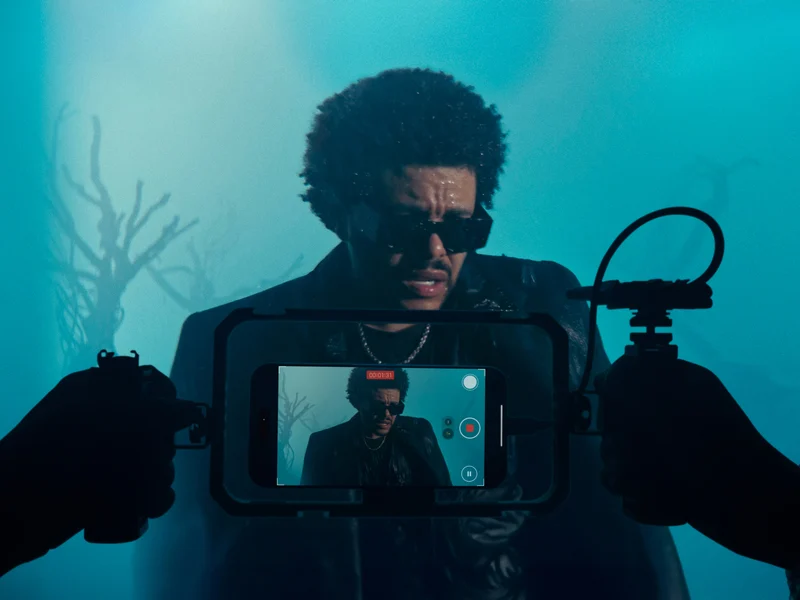
In the past years, Apple’s “Shot on iPhone” campaign has revolutionized the perception of smartphones video capabilities, extending its reach even to music videos. By highlighting projects such as Olivia Rodrigo’s “Get Him Back!” or The Weeknd’s “Dancing in the Flames” the campaign demonstrates that smartphones can produce high-quality, engaging content traditionally associated with professional cinema cameras. However, the question remains. Are iPhones the better choice for modern video production, particularly for platforms like social media, or do cinema cameras still hold their ground?

iPhones excel in creating versatile, mobile, and cost effective solutions for video production. Music videos shot on iPhones showcase their ability to deliver sharp, vibrant visuals using features like HDR and Cinematic Mode. For example, in Olivia Rodrigo’s video, the production team used the iPhone’s portability to create intimate, dynamic shots that align with the raw, authentic aesthetic popular on platforms like TikTok and Instagram.

However, while iPhones changed video creation, they have notable limitations compared to professional cinema cameras. One key distinction lies in the dynamic range. Professional cameras, such as a ARRI Alexa or RED cameras, are designed to capture more details in light and shadow, a crucial feature for cinematic storytelling. iPhones just cannot match the precision and depth that larger sensors offer. Music videos demanding visual aesthetics and complex lighting setups, like those in traditional cinematic productions, often require the capabilities of a cinema camera.

Cameras like the Sony FX3 finds itself in the very middle. As a compact cinema camera, it offers the versatility of a mobile device while still having features such as full frame sensors, manual controls and proper image quality. For content creators focusing on both short form and long form productions, the FX3 provides a balanced solution. Its size and portability make it a practical choice for run and gun shooting, similar to an iPhone, while its advanced features enable better post production workflow. Projects that need to transition seamlessly between social media and professional platforms often benefit from cameras like the FX3.

When deciding between an iPhone, a mirrorless camera, or a traditional cinema camera, the intended platform plays the deciding role. For social media, where immediacy and volume are key, iPhones are often the best fit. They cater to trends that prioritize authenticity and relatability, delivering results that resonate with audiences on platforms like Instagram and TikTok.

In the debate between iPhones and cinema cameras, the best choice depends on the project’s goals, budget, and platform. For quick, cost effective content optimized for social media, iPhones offer the best convenience and quality. For more complex productions requiring professional aesthetics, cinema cameras are the way to go.

Literature Supporting This Analysis

How Social Media Has Changed Video Production: The Rise of Smaller Budgets and Leaner Teams

The rapid evolution of social media has fundamentally transformed video production. What was once dominated by large teams with significant budgets has shifted to a domain where smaller budgets and agile teams thrive. Platforms like TikTok, Instagram, and YouTube have redefined audience expectations, prioritizing authenticity and immediacy over polished perfection. This transformation has changed not only how videos are produced but also who creates them.

Before the rise of social media, video production was largely controlled by traditional media like television and cinema. These productions required substantial resources, including large teams, professional equipment, and extensive post-production processes. Social media disrupted this model by introducing platforms that favor quick, engaging, and relatable content. As user behavior evolved, so too did the demands placed on video creators.

According to Hutchinson (2021), platforms like TikTok and Instagram prioritize videos that feel organic rather than overproduced. Their algorithms are designed to promote content that generates high engagement. As a result, polished videos often take a backseat to raw, authentic footage shot on a smartphone for example.

One of the most significant changes brought by social media is the drastic reduction in production costs. Modern smartphones are equipped with cameras that rival professional equipment, and apps like Capcut make editing accessible to anyone. This accessibility has removed the need for costly software or large-scale post-production facilities. Social media thrives on consistent output, with creators and companies often producing multiple videos weekly or even daily. This level of frequency would be unsustainable with traditional production budgets. Furthermore, platforms enable brands to test and iterate content quickly, allowing them to produce several low-cost options and identify what resonates most effectively with their audience.

Social media has also led to smaller production teams. Previously, video production involved specialized roles such as directors, Dops, and sound designer. Today, one person can manage all these tasks using just a smartphone or an entry camera and basic editing software. This shift has changed video production forever, allowing independent creators and small businesses to compete with large companies. Platforms like Instagram and TikTok reward creativity and storytelling over technical perfection, providing opportunities for individuals and lean teams to shine.

Changing audience expectations have also driven the move toward smaller budgets and teams. Social media audiences value authenticity, wanting content that feels genuine and relatable. For example, brands like Duolingo and Ryanair have embraced this trend by producing humorous, low-budget videos that resonate with younger viewers. Duolingo’s playful TikTok videos, often featuring their owl mascot, consistently achieve high engagement without requiring professional production teams. Similarly, Ryanair’s short, relatable videos use simple humor and quick editing to connect with audiences, a strategy that has earned them a massive following.

The transition to leaner production processes doesn’t come without challenges. The pressure to produce high volumes of content can lead to burnout, particularly for creators managing every aspect of production themselves. Additionally, balancing quality and speed remains a key issue. While audiences favor authenticity, poorly executed videos can harm a brand’s image.

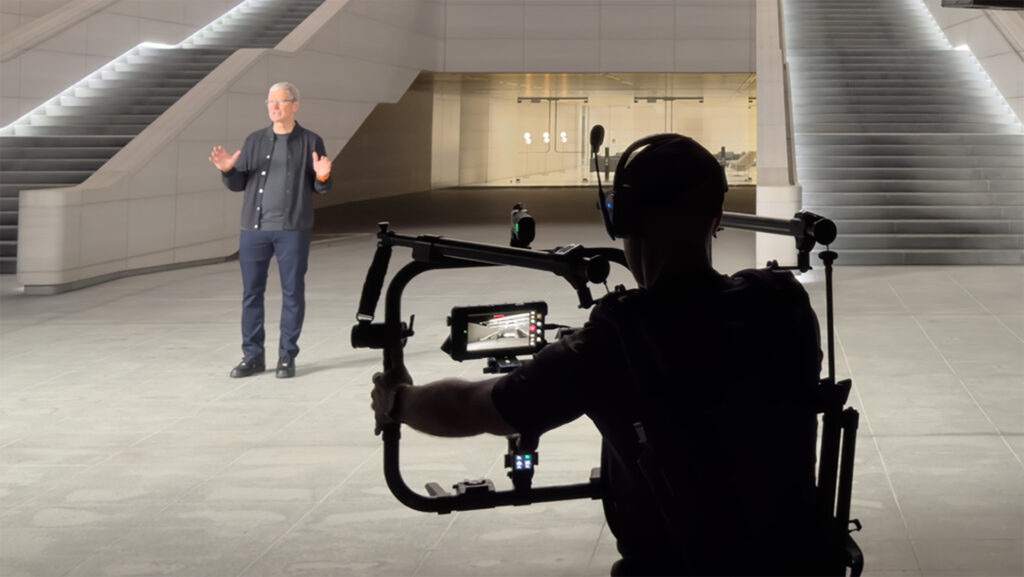
Case studies further show how brands are adapting to this new landscape. Nike, for instance, continues to produce high-budget campaigns for traditional advertising but complements them with authentic, behind-the-scenes content for Instagram. These videos often feature athletes in their natural environments, telling personal stories that resonate on a human level. Similarly, Apple’s “Shot on iPhone” campaign highlights user-generated content, showcasing professional-quality results from everyday devices. The campaign is often seen as a great example of authentic, user-generated content. While it does showcase photos and videos taken with an iPhone, the production process tells a different story. Apple often uses high-end lenses and large professional sets to make the content look as polished as possible.

This shows that Apple is trying to combine an “authentic” look with the high quality people expect from the brand. It’s a clever way to keep the content relatable while still maintaining a premium image. However, it also shows that not all “authentic” content is as simple or natural as it might seem.

Tbh, T. (2024, 18. November). A Case Study on Apple’s “Shot on iPhone” Brand Campaign. The Brand Hopper. https://thebrandhopper.com/2024/01/07/a-case-study-on-apples-shot-on-iphone-brand-campaign/

Rival IQ. (n.d.). Duolingo TikTok marketing strategy. https://www.rivaliq.com/blog/duolingo-tiktok-marketing-strategy/

Social Insider. (n.d.). Ryanair social media strategy. https://www.socialinsider.io/blog/ryanair-social-media-strategy/

Sprout Social. (2022). Unpacking authenticity on social media. https://sproutsocial.com

Vernuccio, M., & Ceccotti, F. (2015). Strategic and organizational challenges in the digital era. Journal of Business Research, 68(1), 89–97. https://doi.org/10.1016/j.jbusres.2014.05.001

Why Authentic Content Outshines High-Quality Productions on Social Media

Social media has completely changed how we create and consume content. What used to be all about big-budget, polished productions is now dominated by simple, authentic videos that feel real and relatable. This shift is super exciting, especially for anyone working in marketing, content creation, film or digital communication.

Why This Topic Matters to Me
This topic isn’t just relevant to me right now — it’s something that will likely shape my career in the future. As someone working in creative roles as a filmmaker and as a content creator, I know how important it is to adapt to new trends. In the future, whether I continue working in marketing, digital communication, or even creative production, understanding the balance between authenticity and perfection will be essential.

It seems like that authentic content performs better on social media and it’s also reshaping what we consider “good” content. This trend could influence how campaigns are planned, budgets are allocated, and teams are structured in the future. Knowing how to create impactful, authentic content while still appreciating the value of high-quality production could give me an edge in the industry.

I have the chance to work in both worlds: creating quick, authentic social media content and being part of bigger, professional video productions. Personally, I really enjoy working on high-quality productions where I love to work as a director with other people. They’re fun, creative, and I love seeing the final polished result. But they’re also expensive, time-consuming, and require big teams.

On the other hand, smaller productions, like shooting something quickly with a phone or working in a small team, are much simpler and cheaper to make. Even though these projects aren’t as exciting for me personally, I’ve noticed they perform really well on social media. In fact, big companies are starting to use these kinds of authentic videos to reach their audience because they work better for engagement. High-quality productions, while still important, are less common on platforms like Instagram and TikTok.

The Rise of Authentic Content

Authentic content has become super popular, and it’s not hard to see why:

  1. People Trust It More: Audiences like content that feels real. Highly polished videos can sometimes feel too “salesy” or fake.
  2. It’s Faster and Cheaper: Making a quick video with a phone is way easier than planning a big production. It’s perfect for the fast-moving world of social media.
  3. Algorithms Love It: Platforms like TikTok and Instagram prioritize content that gets lots of likes, comments, and shares. Authentic videos often perform better because people connect with them more.

Even major brands like Nike and Coca-Cola are using this kind of content. They’re sharing behind-the-scenes clips, user-generated videos, or quick updates that feel much more personal than traditional ads.

Authenticity Over Perfection: Why Authentic Content Outshines High-Quality Productions on Social Media

Social media has completely changed how we create and consume content. What used to be all about big-budget, polished productions is now dominated by simple, authentic videos that feel real and relatable. This shift is super exciting, especially for anyone working in marketing, content creation, or digital communication.

Why This Topic Matters to Me

This topic isn’t just relevant to me right now—it’s something that will likely shape my career in the future. As someone working in both creative and strategic roles, I know how important it is to adapt to new trends. In the future, whether I continue working in marketing, digital communication, or even creative production, understanding the balance between authenticity and perfection will be essential.

Authentic content doesn’t just perform better on social media—it’s also reshaping what we consider “good” content. This trend could influence how campaigns are planned, budgets are allocated, and teams are structured in the future. Knowing how to create impactful, authentic content while still appreciating the value of high-quality production could give me an edge in the industry.

My Personal Connection to This Topic

I’ve had the chance to work in both worlds: creating quick, authentic social media content and being part of bigger, professional video productions. Personally, I really enjoy working on high-quality productions. They’re fun, creative, and I love seeing the final polished result. But they’re also expensive, time-consuming, and require big teams.

On the other hand, smaller productions, like shooting something quickly with a phone or working in a small team, are much simpler and cheaper to make. Even though these projects aren’t as exciting for me personally, I’ve noticed they perform really well on social media. In fact, big companies are starting to use these kinds of authentic videos to reach their audience because they work better for engagement. High-quality productions, while still important, are less common on platforms like Instagram and TikTok.

The Rise of Authentic Content

Authentic content has become super popular, and it’s not hard to see why:

  1. People Trust It More: Audiences like content that feels real. Highly polished videos can sometimes feel too “salesy” or fake.
  2. It’s Faster and Cheaper: Making a quick video with a phone is way easier than planning a big production. It’s perfect for the fast-moving world of social media.
  3. Algorithms Love It: Platforms like TikTok and Instagram prioritize content that gets lots of likes, comments, and shares. Authentic videos often perform better because people connect with them more.

Even major brands like Nike and Coca-Cola are using this kind of content. They’re sharing behind-the-scenes clips, user-generated videos, or quick updates that feel much more personal than traditional ads.

Why This Topic Is Exciting

I think it’s really interesting because it’s all about balancing creativity and practicality. High-quality productions are great for creating a strong brand image or telling a powerful story. But authentic, simple content is amazing for engaging with audiences and staying relevant in everyday conversations.

For businesses, this trend is super practical. Smaller companies can compete with big brands because they don’t need huge budgets to create effective content. And bigger companies can use authentic content to connect with people in a more personal way.

What I love most about this topic is how it combines creativity with strategy. It’s not just about making something that looks good—it’s about understanding what actually works and why and most importantly I really think I can get lots of valuable knowledge during the process which will help me in my future working life.

Interesting Literature for a first glimpse:
Rose, E. (2024, 13. November). Authenticity vs. video production quality, What wins? IdeaRocket. https://idearocketanimation.com/20601-authenticity-versus-production-quality-a-losing-battle/
Authentic video production: Why genuine content matters | Vouch. (o. D.). https://vouchfor.com/blog/authentic-video-production