Welcome back to my blog with a new semester and new adventures. I hope you all enjoy it. I decided to continue with my research topic to further view it in this semester (I am not sure if I will continue or switch so let’s see). I will present my quick 20 min prototype. Today, I’ll also share insights from a recent prototyping exercise and a fun ‘speed dating’ session we had in class.
Prototyping
This project explores how AR and IoT technologies can reshape the physical retail shopping experience by guiding users through stores, helping them make smarter, faster decisions.
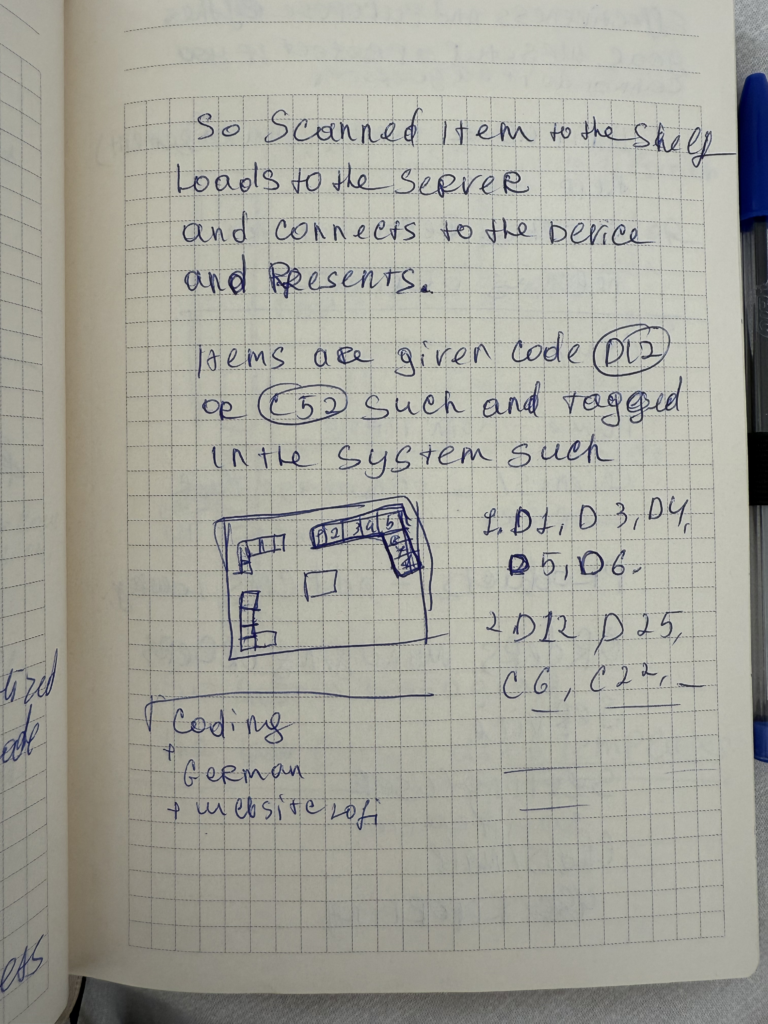
I gathered insights from my previous research and translated them into a lo-fi prototype. I focused on the core functionality: how AR glasses guide users through a store. I created wireframes depicting the user journey—from syncing their shopping list upon entering the store to guiding them to specific products like rice. The AR interface displayed essential information such as pricing, alternatives, and competitor comparisons, enhancing decision-making on the go.
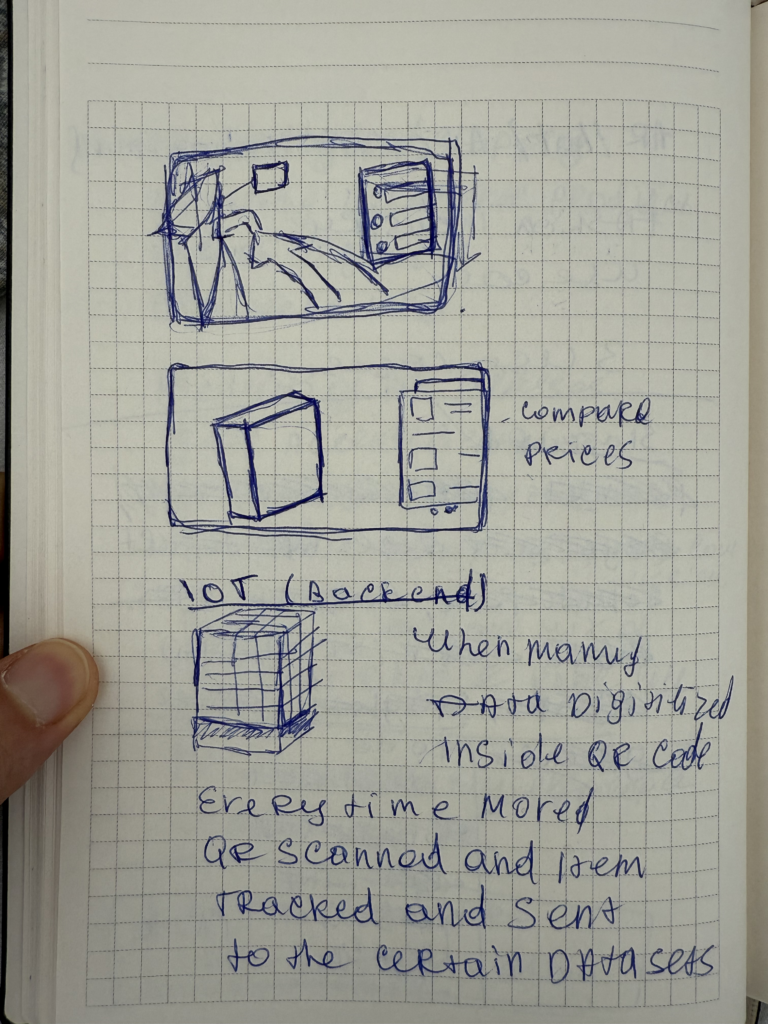
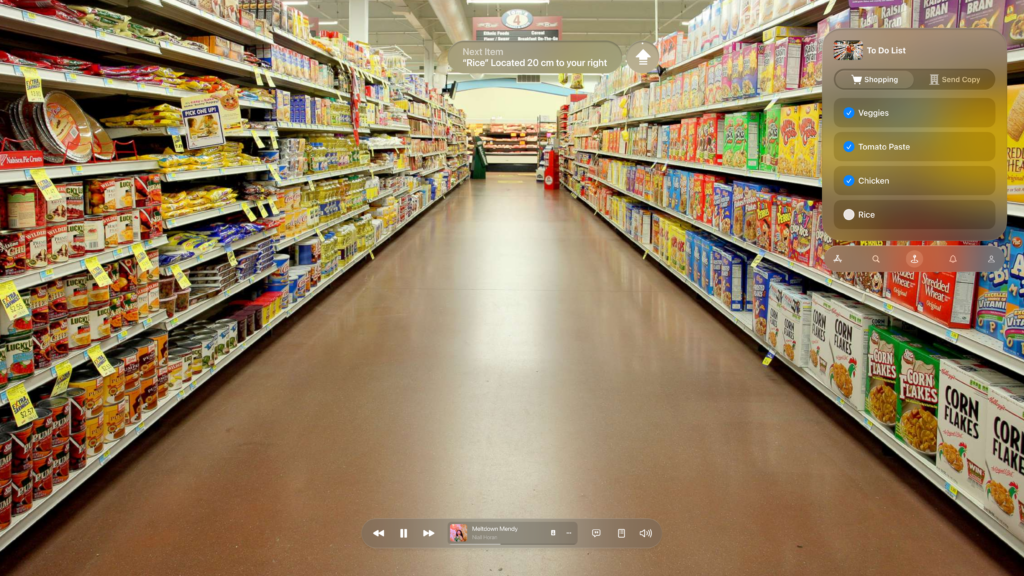
Imagine walking into your local supermarket. The moment you step in, your AR glasses detect the store’s internal network and sync with your digital shopping list. The interface opens up seamlessly, offering not just a checklist, but a smart, dynamic assistant for your entire trip.
At the top of your view, a floating navigation cue gently guides you toward the next item—say, rice—telling you it’s just 20 cm to your right. No more wandering through aisles, trying to decode vague signs or search endlessly. The glasses locate the exact position of the product for you.
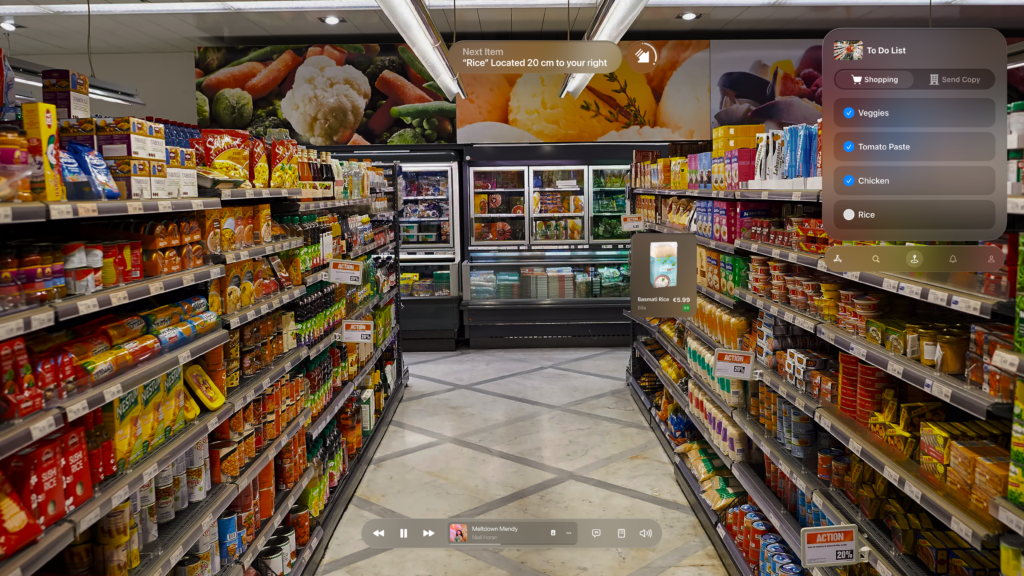
Once you’re in front of the item, a visually anchored card pops up, displaying detailed product information—brand, price, user rating, and more. But what really transforms the experience is the competitor analysis feature. It compares prices across brands and even other stores within the network. You instantly see that while Billa Bio’s Basmati Rice costs €5.99, a similar product from SPAR is just €2.50 for 500g. The AR interface gives you the context to make smarter decisions, without needing to open separate apps or websites.
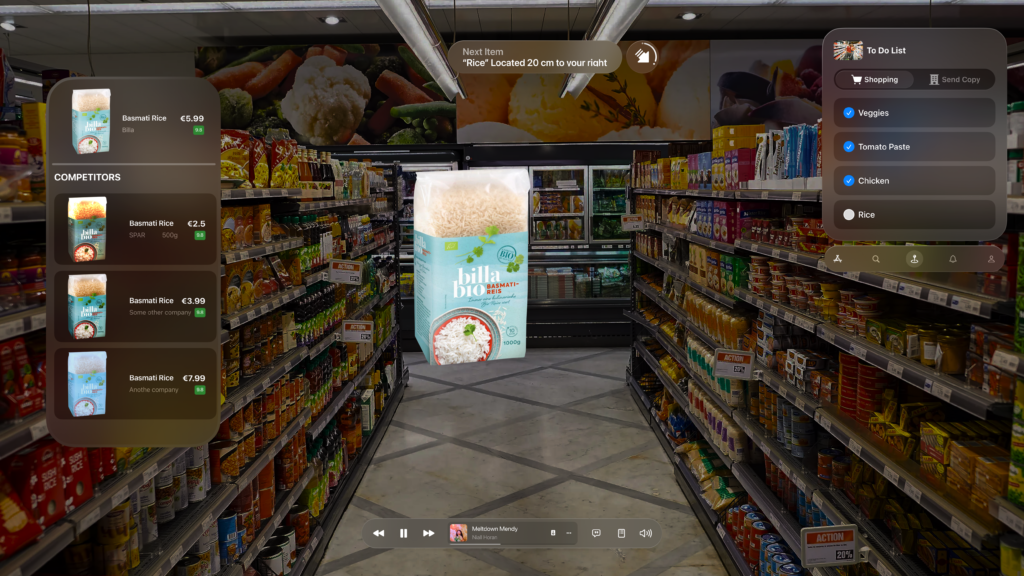
The interface also adapts based on the meals you’re planning. If your recipe includes chicken, tomato paste, and certain veggies, the system clusters those items together and guides you through them logically, minimizing backtracking or unnecessary detours. Once you physically pick up an item and place it in your cart, it automatically checks off from your digital list, maintaining a smooth flow throughout your journey.
Speed Dating Exercise
To test the prototype’s usability, we participated in a ‘speed dating’ exercise where we exchanged prototypes with classmates. For three minutes, I presented my prototype, then spent three minutes exploring theirs. My peers found the AR navigation intuitive and easy to grasp, appreciating how it seamlessly integrated previous phone and AR experiences into a hands-free, guided shopping journey. The feedback was overwhelmingly positive, highlighting that the software’s ability to gently guide users through the store made the entire experience feel effortless.
