Reinstalling (Homelabbing_1) – Impulse #1

Quite a while ago I found an old laptop at my parent’s place. A very old machine, I used back when I was like 15 years old. Not very flashy but at that time a good device to do what I needed to do, which was school work and playing Minecraft. At that time I was really into home automation, doing things myself, creating my own NAS (Network Attached Storage) or hosting other applications. So after getting my old Laptop, I started to test some stuff. The first thing, I noticed was that the laptop was very slow. I don’t know what 15 year old me did to that thing but it sure wasn’t the best for the hardware.

After doing a little research, on how to breathe life into an old laptop, I stumbled across Linux. For those who don’t know, Linux is a light weight open source, mostly free, operating system. Just like Windows or MacOS. And let me tell you, choosing the right Linux distribution to run on my machine was another rabbit hole, since there are so many. There are ones optimised for hacking, or to look like MacOS, or to be very light weight (ArchLinux). In the end I decided to use the most common Linux “Distro” (short for distribution): Ubuntu. Which is supposed to give me a similar experience to windows and is one of the most widely used Distros. (Which comes in handy, when trying to troubleshoot anything, since someone most likely already fixed that same problem.)

Next steps included, going through old data and clearing out old junk, erasing all data and installing a fresh installation of Ubuntu. And I got to say getting to this point too a while, but after the laptop booted into the home screen of Ubuntu it felt great! But what to do now? One of the “simplest” thing I could think of was trying to connect the laptops storage to my home network, so I could use the old guys storage capacity to exchange data from one device to another, without plugging in an USB stick, or saving backups of very important data. To accomplish this, I used Samba (another open source project), which let me expose a folder to my network. Setting this up took a lot of trail and error, as well as a lot of terminal commands. But now I can get data from my MacBook to my Windows PC without attaching and detaching anything.

Starting this project was a lot of fun. A bunch of new things to learn and new possibilities arise. After this first success I got a bunch of other ideas which I could now host on my own, a cloud service, a Minecraft server or a google photos like application to save and share pictures.

Impact for my Masters Thesis

But what does this have to do with my masters thesis? A lot of the software used when creating a home lab is free and open source. Additionally the freedom to host your own services for free, because someone created free software for you to use, is great! Nevertheless it is a fun project, to get into computers and hosting one’s own cloud service feels great and has a lot of advantages (and disadvantages).

All those possibilities got me thinking, why and how do people create software used by thousands and millions of users? What drives open source projects? How are they financed? So in short this was the start of my interest in open source and the reason, why I want to dive deeper into this topic in my masters thesis. I am sure, there is more to uncover, to try out and to learn.

Accompanying Links

If you start to build your home lab, there is a bunch of stuff you need to know about and Network Chuck provides an amazing overview of most relevant topics. From explaining Linux to n8n (an Ai automation software) to hosting your own NAS. The videos are easy to follow and beginner friendly, in other words the perfect start for newcomers.
Here is a link top his YouTube channel: https://www.youtube.com/networkchuck

When trying to do anything on Linux you will need to use the terminal. Installing apps, bluetooth doesn’t work, advanced settings. open the terminal. As a beginner, I didn’t understand what I was writing in this text input. So I used this website: https://explainshell.com/# (another open source project), that explains every command that is put into the terminal.

The last link I want to share is the website of samba, the software I used to open up a folder to my home network. As they say on the website: “Samba is an important component to seamlessly integrate Linux/Unix Servers and Desktops into Active Directory environments.”
https://www.samba.org
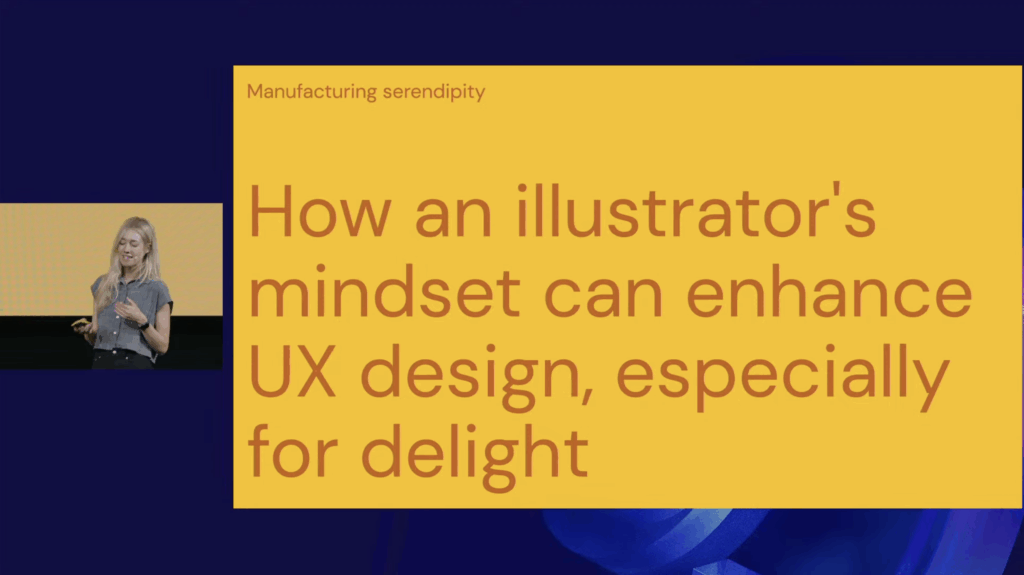
IMPULSE #3 – George UX Conf 2025: a talk by Mick Champayne

Even though I couldn’t attend the George UX Conference in Vienna on 5th of November, I watched the recorded talks afterward. One immediately stood out: “Manufacturing Serendipity: Designing Delight at Scale with a Little Help from AI” by Mick Champayne, an illustrator-designer from Google. The talk unexpectedly resonated with the direction my master’s thesis is slowly taking: multidisciplinary design identity, AI as a creative bridge, staying calm amidst many skills, and the psychology of being a generalist designer.

At first, I wasn’t excited about revisiting AI in my research. Lately, it has felt overwhelming, and I even thought: “Let’s move away from AI this semester.” But then… the talk reminded me: AI is the elephant in the room. You can’t escape it, and its presence has moved from novelty to ubiquity. Mick presented it not as a threat, but as a playful, human tool, a spark for creativity.

Mick shared how being both an illustrator and a UX designer initially felt like living in two worlds: order equals UX, chaos equals illustration. This resonated deeply with me because I’ve often felt split between multiple design selves: UI/UX, visual storytelling, graphic design, motion design, interaction design … Her experience reassured me that embracing these differences doesn’t dilute identity, it can strengthen it.

A particularly fascinating part was how she trained her own AI model using her illustration work. She fed the machine her best pieces as a data set, and the results at first were bizarre: strange proportions, odd humor. Instead of rejecting the accidents, she embraced them, now using AI mostly for first drafts. She redraws and reinterprets the outputs, extending her own style rather than replacing it. This combination of machine draft and human reinterpretation felt directly relevant to my thesis: AI can act as a bridge connecting skills, not a replacement.

Mick also described using AI as a “creative spark factory”, particularly for projects outside her expertise. For example, she helped design Google easter eggs for Swifties (Taylor Swift fans), creating a playful scavenger-hunt-like experience that blended illustration, pop culture, storytelling, and UX. Her principles for creativity, translating feelings, fostering curiosity, and looking for happy accidents, felt like rules for surviving and thriving as a generalist.

Another highlight was her process of “vibe coding” in Gemini, moving rapidly from idea to tiny playable prototype. Her team even holds DGIF: Delightful Generation of Ideas and Features every Friday. And her definition of delight, shifting something from “it works” to “I love it”, captured something essential about creating meaningful experiences. I also appreciated her humor: her illustrations are playful, sometimes chaotic, often feminine, incorporating absurdities like butts, boobs, and farts, showing how personality and joy can coexist in professional design.

Watching this talk sparked a personal realization: I want to start digital illustration. One of my “other design selves” seems ready to be explored. More importantly, it reassured me that exploring multiple creative paths isn’t a distraction, it’s central to my identity as a designer. For my thesis, it clarified something vital: it’s not about choosing a single design identity, but understanding how multiple identities can coexist and fuel creativity. Mick’s work demonstrates a real-world example of blending art, UX, and AI into a coherent practice, showing that curiosity, experimentation, and calm engagement with chaos can be a source of innovation.

Stuff Worth Clicking A.K.A. Accompanying Links

Disclaimer: This blog post was written with the help of AI for better grammar and correct spelling.

Impulse #2 – Finding Inspiration and Ideas

Yesterday I had a big block trying to find an idea for my next assignment. Honestly, I felt quite lost. I was sitting at my desk, just staring at my laptop and got more frustrated every minute. My brain felt completely blank and I was starting to get angry at myself, because I felt I was wasting so much time especially since I had plans to meet a friend later. I could feel how the pressure of “I need to get an idea now” totally blocked all my creativity.

I almost canceled on my friend, but then I thought maybe it is a good idea to step back from the project for a while, since I was already frustrated anyway. I am happy I did it. At my friends’ place I told her about the struggles, and she asked me a bunch of questions about what project and what I need to do. This already helped me to start getting some initial ideas.

At some point of the conversation, she stood up and grabbed a graphic design book. I was a bit confused at the beginning because the book was mostly filled with posters and logos from throughout the years and this was not really my assignment topic. But she told me whenever she feels stuck with a project, she looks into the book to get some fresh inspiration.

She gave me a little challenge:

  1. Pick a random page for the aesthetic.
  2. Pick a random page for the theme/topic.
  3. Pick a random page for the character or the main element.


It was really fun flipping through the book and finding inspiration in things where I wouldn’t normally look. I arrived at her place with zero ideas and two hours later I left with a brain filed with new ideas and inspiration. Just by talking to her and flipping through that book.

What I take away from this evening

It showed me once again, that when I want to work on a creative project, I can’t just sit in front of my laptop and wait for the perfect idea to just pop into my head. It just doesn’t work for me to force creativity on the spot especially while being in the same environment all the time.

In addition, I realized that I sometimes rely too much on inspiration from digital tools like Pinterest, but it only shows you things based on what you like, so honestly there is no new input that challenges your thinking.

Two reminders for my future creative blocks:

* Inspiration can be everywhere and sometimes it is better to close the laptop and to look for inspiration in the real world. Looking at a random book, observing the surroundings or just talking to someone who might give me a random starting point I need to get moving.

* Taking a break, especially if I am already frustrated, can be very helpful. Even if it’s just for an hour. It can help to get some new and fresh ideas.

So, don’t get stuck in front of the laptop. Change the environment and start with a random input to see where it leads you.

And shoutout to Stefi <3

AI was used to check spelling and grammar and better clarity.

IMPULS #1 : „The Duelists“ (1977) Filmabend

Wenn man sich, so wie ich in den vergangenen zwei Semestern, sehr intensiv mit der filmischen Darstellung von bewaffneten Kämpfen bzw. Duellen beschäftigt, landet man früher oder später bei The Duelists (1977), Ridley Scotts Debütfilm, der mir mehrfach von Mitgliedern meines Fechtvereines empfohlen wurde. In meinem Fall war der vor kurzem stattgefundene Filmeabend, bei welchem wir uns diesen Film vorgenommen haben, ein für mich wertvoller Diskussionsanstoß und Meinungsaustausch zum oben genannten Thema und damit gleichzeitig ein interessanter Impuls für meine weitere Forschungsarbeit über Authentizität und Storytelling in filmischen Kampfszenen.

Zu dem spontanen Filmabend gesellten sich insgesamt vier weitere Vereinsmitglieder und gemeinsam beobachteten wir, wie die beiden Charaktere Armand d’Hubert  und Gabriel Feraud über Jahrzehnte hinweg in Duelle verwickelt werden.

Die beiden Duelle mit dem Smallsword wurden von Ilja (unserem Rapieristen der Runde) durch zustimmendes Nicken doch mit viel Anerkennung begleitet. Die Körperhaltung, Beinarbeit und die Mensur (die Distanz zwischen zwei Fechtern) entspricht dem, was man in historischen Quellen findet, weshalb der Film in HEMA-Kreisen als ein gutes Beispiel für relativ akkurat inszenierte Smallsword-Gefechte gilt. Und trotzdem schmunzelte Ilja gelegentlich, wenn für ihn „offensichtliche Blößen“ in der Deckung waren und manch eine Aktion eine Prise zu ausladend gestartet wurde, war mir wieder vor Augen hielt, dass Personen mit Expertenkenntnisse ein anderes Auge für Darstellungen dieser Art haben. Trotz diesem „Makel“ waren die Duelle sehr realistisch und kurz gehalten, die Kontrahenten lauerten einander auf, warteten auf einen Fehler oder eine unbedachte Handlung, um ihre Aktion zu setzen und ihr Gegenüber zu treffen.

Besonders die beiden Säbelduelle wirken emotionaler, wilder und deutlich hektischer, was sich auch in Kamera und Schnitt wiederspiegelte. Jacob, einer der jüngsten in unserem Team, fragte gegen Ende der Szene verblüfft in die Runde: „Und das sollen gute Fechtdarstellungen sein?“ Ich stimmte zu, diese Szene wirkte eskalierend und soll den Start der Feindschaft zwischen Armand d’Hubert und Gabriel Feraud für die Zuschauer greifbar machen, worunter die Darstellung korrekter Säbeltechniken deutlich litt. Die Säbel werden in der Szene wild durch den Raum geschwungen und historisch technische Akkuratesse wurde genau zu Beginn, als die Duellanten ihre Waffen zogen, gezeigt.  

Die Szene wirkte klar übertrieben, aber dennoch emotional wirkungsstark, wodurch ich mir durch den Film wiederholt die Frage stellte: Wie viel Realismus darf zugunsten von Storytelling verloren gehen?

Als Fechterin und „Filmschaffende“ sitze ich gefühlt immer zwischen zwei Welten:

  • HEMA will Präzision und Akkuratesse
  • Film will Emotion und Spannung

In realen Duellsituationen entscheidet (je nach Regelwerk) der erste Wirkungstreffer, im Film schwingt jedoch stets die Geschichte mit. Ein Gefecht, der nach wenigen Sekunden vorbei ist, mag realistisch sein, aber er wird weniger zu anderen Elementen der Geschichte eines Filmes beitragen.

The Duelists zeigt, wie viel Mühe und Bewusstsein in filmische Duelle fließen können. Er hat mich daran erinnert, dass Realismus nicht allein durch die dargestellten Technik entsteht, sondern durch Einfluss von Emotionen und Persönlichkeit der Darsteller.

Ebenso erinnerte ich mich wieder daran: Filme haben ihre eigene Realität. Sie dürfen die Realität biegen, solange es für die Geschichte sinnvoll ist.

Für mein Projekt heißt das:
Ich möchte Wege finden, wie historische Authentizität und dramaturgische Spannung gleichzeitig funktionieren können. Kein „entweder… oder“, sondern den Versuch wagen, ein „sowohl als auch“ zu schaffen.

Und wenn dabei gelegentlich ein HEMA-Fechter schmunzelt, umso besser. Das bedeutet, dass sie im Training gut aufgepasst haben.

03.04: Belichtungsmesser. Das Rückgrat einer guten Exposure

In diesem Blogpost möchte ich über Belichtungsmesser sprechen, ein essenzielles Tool, wenn es darum geht konstante Belichtung am Set zu gewährleisten. Dazu greife ich zum ersten mal auf die Hollywood-Bibel zurück, die mittlerweile bei mir zuhause angekommen ist. Eine genaues Zitat gibts natürlich am Ende. Viel Spaß!

Wieso man Belichtung nicht in der Post fixed

Grundsätzlich ist jeder Weg, um die Belichtung am Sensor in unterschiedlichen Shots und Szenen konstant zu halten, eine gute Idee. Das liegt daran, dass sowohl digitale CMOS Sensoren, wie auch echter Film, unterschiedlich auf Über- und Unterbelichtung reagieren. Diese Unterschiede bestehen dabei nicht nur zwischen unterschiedlichen Herstellern, sondern oft auch innerhalb ein und derselben Kamera, deren Sensor dann beispielsweise gut auf Über- und schlecht auf Unterbelichtung reagiert. Effekte, die davon betroffen sein können, sind einerseits natürlich das Bildrauschen, das Clippen von zu dunklen oder zu hellen Stellen, wie auch eine Verschiebung in der Farbtemperatur. All diese Effekte müssen zuerst für die jeweilige Kamera und den jeweiligen Sensor in einer kontrollierten Umgebung ausgemacht werden, um sie später dann kreativ nutzen zu können.1 So kann beispielsweise stärkeres Bildrauschen, ja sogar einen filmischeren Effekt herbeiführen, oder eine Farbverschiebung hin zum Kühleren durch Überbelichtung ein gewollter Effekt sein. Jedoch macht all das nur Sinn, wenn es sich auch konstant durch die Shots und Szenen zieht, und nicht in jeder Einstellung anders aussieht. Im besten Fall, muss in der Postproduktion also gar keine Anpassung hinsichtlich der Belichtung mehr durchgeführt werden, um einen einheitlichen Grade und einheitlichen Look zu erreichen.

Was ist jetzt ein Belichtungsmesser

Ein Belichtungsmesser ist das genaueste Werkzeug um genau das sicherzustellen: Dass verschiedene Szenen in verschiedenen Umgebungen am Ende gleich hell erscheinen. Dazu gibt es analoge und digitale Messgeräte, wobei sich digitale heutzutage durch ihren geringeren Wartungs- und Kalibrierungsaufwand durchgesetzt haben. Grundsätzlich unterscheidet man zwischen zwei Arten von Belichtungsmessern: Incident light meter und spot meter, die in ihrer Funktionsweise ähnlich aber nicht gleich sind.

Das Incident light meter misst das einfallende Licht auf ein Subjekt, beziehungsweise die Szene. Es besteht meist aus einer weißen Halbkugel, die Licht aus allen Winkeln aufnehmen kann und wird quasi anstelle des Subjekts in der Szene Richtung Kamera platziert, um genau die Stärke des einfallenden Lichts zu messen. Manche DOP´s richten das incident light meter aber auch nicht Richtung Kamera, sondern in Richtung der einzelnen Lichter aus, um deren Stärke zu bestimmen.

Das Spot Meter hingegen misst nicht das einfallende Licht auf die Szene, sondern das von der Szene reflektierte Licht. Dafür ist der Radius in dem das Gerät Licht aufnimmt, statt riesengroß wie beim incident light meter, das ja in der Szene jedes einfallende Licht aufnehmen muss, extrem klein. Dadurch kann der DOP genau das reflektierte Licht von kleinen Stellen messen. Das macht zum Beispiel Sinn, um mit unterschiedlichen Hauttönen zu arbeiten. Misst man nur das einfallende Licht, und hält dieses konstant, so wird die Wirkung auf einem weißen, fahlen Gesicht, ganz anders sein, als auf schwarzer Haut, da diese viel weniger von dem Licht auch reflektiert.

Im Grunde sind Belichtungsmesser heutzutage so genau, dass die Messdifferenzen zwischen einzelner Szenen am Ende mit freiem Auge gar nicht mehr erkennbar sind.2

Fazit

Will ich mich in meinem Film genauer mit lighting ratios auseinandersetzen, ist ein Belichtungsmesser ein absolutes muss. Aber selbst, wenn es gar nicht so genau um die Verhältnisse im Bild geht, hilft ein Belichtungsmesser bei der consistency extrem und sorgt für eine konstante Belichtung. Gut also, dass sich der Peter erst kürzlich einen gekauft hat *lach*.

  1. Vgl.: Crudo, Richard: Take Ownership of Your Sensor. In: Mullen, Merritt David (Hrsg.) und Hummel, Rob (Hrsg.): American Cinematographer Manual. Eleventh Edition. Los Angeles: The ASC Press 2023. S. 71-82. ↩︎
  2. Vgl.: Zaidi, Nasir: Exposure Meters. In: Mullen, Merritt David (Hrsg.) und Hummel, Rob (Hrsg.): American Cinematographer Manual. Eleventh Edition. Los Angeles: The ASC Press 2023. S. 83-88. ↩︎

#4 IMPULS: Besuch der CoSa-Ausstellung

Anfang November besuchten wir mit dem Studiengang das CoSa Museum im Joanneumsviertel Graz, um Inspiration für unsere eigenen Ansätze rund um Gamification und Ausstellungskonzepte zu sammeln. Da mich der Besuch inhaltlich für das Projekt eine Zeit lang beschäftigt hat, möchte ich ihn hier als Thema einer Reflexion wählen. Besonders spannend fand ich, wie unterschiedlich die einzelnen Ausstellungen gestaltet waren und wie stark dies meine eigene Motivation und Wahrnehmung beeinflusst hat.

Finanzen

Die erste Ausstellung, die ich besucht habe, beschäftigte sich mit dem Thema Finanzen. Zu Beginn bekam man eine kleine Karte, mit der man in verschiedenen Räumen Quizzfragen beantworten konnte. Die Punkte wurden gespeichert und man erhielt am Ende sogar einen „Kassenbon“ mit dem eigenen Score. Die Idee ist Besucher*innen zu motiviert, alle Stationen zu durchlaufen und spielerisch Wissen zu sammeln. Was mir eigentlich relativ egal ist. Generell funktioniert so ein künstliches Belohnungssystem bei mir nie. Ich bin immer nur mit sachen zu motivieren, wo ich auch tatsähclich den Erfolg erkenne. Für andere dagegen war es ein großer Anreiz, möglichst viele Punkte zu sammeln.

Science

Die zweite Ausstellung hat mir viel mehr zugesagt und ich hab auch super lange dort Zeit verbracht. Sie behandelte Themen wie optische Täuschungen, Krankheiten und Laboranalysen oder den Aufbau eines Autos. Ich habe mich ewig in dem nachgebauten Krankenhausraum aufgehalten, in dem man “Blutproben” entnehmen und anschließend im Labor analysieren konnte. Dort gab es drei fake Patienten, die geheilt werden mussten. Und anhand deren Aussagen, Untersuchungen am Körper selber, dem Patientenzettel am krankenbett, die Werte im Computer und der Blutprobe hat man dann eine Diagnose stellen können. Außerdem gab es noch einen weiteren Computer in dem man sich über die möglichen Krankheiten informieren konnte und so rückschlüsse aus den Symptomen ziehen konnte.

Einfluss auf unser eigenes Game-Design-Projekt

Besonders diese zweite Ausstellung hat mich auch inhaltlich inspiriert und zwar so sehr, dass sie direkt in unser Projekt in der Game-Design-Vorlesung eingeflossen ist.

In diesem Projekt haben wir eine Ausstellung konzipiert, in der Besucher*innen auf spielerische Weise Mikroben und Teile ihres eigenen Körpers entdecken können. Ziel ist es, den typischen Ekel vor Bakterien herauszufordern und vielleicht sogar abzubauen. Die Besucherinnen sollen durch Neugier, Berührungspunkte und kleine spielerische Aufgaben merken, wie faszinierend – und wie nah – diese mikroskopische Welt eigentlich ist.

Die hands-on-orientierte Methode der zweiten CoSa-Ausstellung hat uns dabei direkt beeinflusst:

  • Interaktivität statt “oberflächlicher” Gamification
  • Neugier als Antrieb statt Punkte als Belohnung

Gerade durch diese Inspiration haben wir eine Idee entwickelt, die sowohl wissenschaftlich als auch spielerisch funktionieren soll und Menschen für ein oft unangenehmes Thema öffnet.

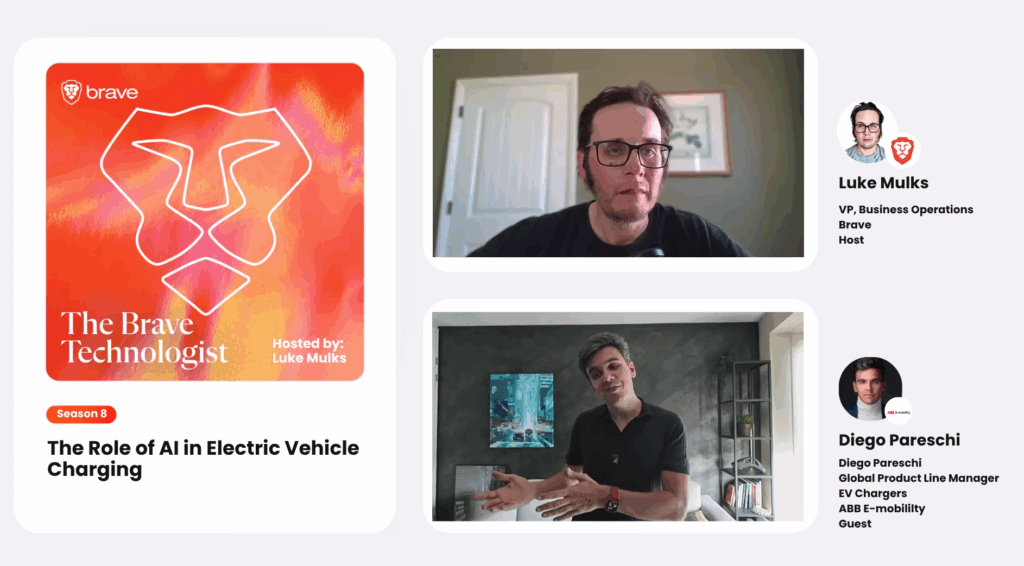
IMPULSE #3 – Video “The Role of AI in Electric Charging”

For my third impulse, I watched the podcast episode “The Role of AI in Electric Vehicle Charging” with Diego Pareschi from ABB E-mobility. It was my first time listening to someone who actually designs global charging products, not just talking from theory. This felt very relevant for my Master thesis about the User Experience of EV charging, because he connected UX, AI and business in a very clear way.

Diego started by saying that EV charging is still not easy and not frictionless. There is so much to optimize in user experience, energy efficiency and software. This confirmed something I already felt: the problems are not only technical, but also human. People are confused, frustrated or anxious when charging. For my research, this is an important starting point: I am not just designing a nicer interface, I am working in a system that still has a lot of friction.

He explained the key problems step by step. First, location: drivers often have trouble just finding where a charger is. Second, reliability: will the charger actually work when I arrive? Third, compatibility: does this station work with my specific car and plug? Then waiting times and payment: how long do I need to charge and how can I pay (app, subscription, credit card)? I realised that my own interviews and surveys must cover exactly these pain points. If I ignore one of them, my picture of the user experience will not be complete.

The discussion about standards was also interesting. There are different plugs and standards around the world (CCS1, CCS2, etc.), and then Tesla introduced NACS. Diego compared it to USB and USB-C. For users, this means less cognitive load if the plugs are more standardised. This connects directly to interaction design: the fewer decisions the user has to make before charging, the better. In my thesis I can link physical standardisation (plugs) with digital standardisation (more consistent interfaces across providers).

The most inspiring and also new knowledge gaining part for me was how AI is used. Diego described projects with universities where they analysed user behaviour and location together. They look at how long people charge, how much energy they take, what kind of errors happen (for example, payment failures because the user needs too long to find a credit card) and where the station is placed (near cinema, restaurant, supermarket, gas station). With clustering they created “profiles” of charging behaviour linked to points of interest. This shows that behaviour at a restaurant charger is very different from behaviour at a charger near a cinema or gas station.

For my research, this is a big insight: context matters a lot. A 30–40 minute charging session becomes acceptable or even pleasant if the location fits the user’s plans. So when I design my prototype or interview guide, I must always ask: “Where is the user? What are they doing while the car is charging?” Not only “What does the screen look like?”.

Diego also talked about inclusivity. He said EV charging is complex and new, but “simplicity is the real innovation”. That sentence stayed in my mind. There are standards like ADA for accessibility, but they had to be adapted to fit real charging situations. He mentioned design elements like lights: even if the screen is confusing, everybody understands green (available) and red (problem). This is a strong reminder for my thesis: good UX is not only about detailed menus, sometimes a clear light signal can support or even replace text for stressed users or people with limited tech skills.

Overall, this video gave me an important impulse: my research should not only focus on what happens on the screen, but also on the whole ecosystem around it like location, behaviour, inclusivity and even future AI-supported services. In my next steps, I want to use these ideas to refine my interview questions: I will ask users not just “How did you use the charger?”, but also “Where were you, what did you do while chargin, and what made the experience feel easy or hard?”. This will help me move closer to the real, messy, human experience of EV charging.

AI disclaimer: AI was used to help structure and formulate this blog post.

IMPULSE #2 – Reflections on “Observing the User Experience” (Book)

Observing the User Experience – Book from Mr Baumann

Last week I challenged myself to read “Observing the User Experience” (Goodman, Kuniavsky, Moed, 2012). This was not easy, but necessary, because my Master’s research depends on strong qualitativ methods. The book is known in the UX community and the authors are recognized experts, as Mr Baumann told me (He owns this book and borrowed it to me). When I borrowed it, my plan was to dive deeper into UX research methods and figure out which techniques are honest and suitable for my thesis, not just the easiest way to get quick results.

What I read and learned

The book is well structured and does a good job keeping things clear, organized and easy to navigate. It offers an overview of many UX methods but for my research, I was most interested in Chapter 6 (Interviewing), Chapter 9 (Field Visits and Observation) and also Chapter 12 (Surveys). In Chapter 6, I learned about how to select the right people for interviews: there are three steps to do this → define the target group, find representatives, and convince them to join. The most important filter is user behavior, not demographics or random criteria.

The part about structuring interviews gave me a simple but powerful model:

  • Start every interview with a short introduction and make clear you are a neutral, professional and respectful partner
  • Warm-Up: Help the user focus and step away from daily routine.
  • Ask general questions about their experiences, expectations and opinions.
  • Go deeper with specific questions on the product or service.
  • Always wrap up so participants are not left confused or stressed.

I realized that many surveys and interviews fail because researchers do not prepare correct (who to ask, how to ask, what order to ask things). The books structure for interviews (S. 129f) actually makes it much easier for me to plan honest conversations that show the real pain and frustration users have, not just surface level feedback.

Why is this important for my Master Thesis?

I want my research about the User Experience of EV Charging to be meaningful: not just collecting some survey numbers and simple opinions, but really finding out where users struggle, what confuses them, what they need and what can I improve. This is only possible if I use well designed or/and structured interviews and observations. Just sending out a Google Form will never be enough.

Because EV charging is both a technical and emotional experience (as I wrote in Impulse #1), interviews and field visits help me to see both sides. Users might tell me about real technical problems (errors, slow speed, location issues), but also about fears and annoyances that are invisible in hard data. The book convinced me that i need to pick honest, difficult methods, not just “easy” online surveys. Obviously online surveys arent always that “easy” but you know what i mean 😉

Taking action for my Research

For my next steps I want to:

  • carefully plan my user interviews using the structures from the book
  • not just ask easy questions. I want to challenge users to speak about pain, failures, and surprising moments
  • use a mix of interviews and onsite observations at charging stations. (maybe for a next impulse event i could actually observe a EV Station for one or more hours)
  • I must recruit the RIGHT people: real EV drivers with different backgrounds and experiences.

My goal is now clear that i not only want data as research, but direct contact and uncomfortable truths. This will make my Master Thesis stronger and more useful for future designers and researchers.

References:

Goodman, Elizabeth, Mike Kuniavsky, and Andrea Moed. Observing the User Experience: A Practitioner’s Guide to User Research. 2nd ed. Waltham, MA: Morgan Kaufmann, 2012.

AI Disclaimer: AI helped to brainstorm, review structure, and improve clarity.

IMPULSE #1: How Real Is User Experience (EV Charging)?

Bachler Birgit – Design & Research Lesson

This week, I had a lesson about what it means to do research for my master thesis. We talked about new knowledge for our research, problem-solving, and something called “ontology”, questions about what is real. To be honest, it was not easy. I learned that there are different ways to see reality in research: positivist, interpretivist and a combination named pragmatist.

The positivist believes that true facts exist, like numbers and statistics. For example “how many minutes does it take to charge a car?” or “how many users get an error on a charging app?” These are real facts, they do not change if you ask different people.

The interpretivist thinks that reality is different for each person. It is about their feelings, stories, and culture. So, if someone says, “i hate waiting at this place this place is scary at night” that is also a real experience even if another person feels fine in the same place.

Pragmatists, we learned from Mrs. Bachler, try to use the best tool for the job. They take a bit of numbers/facts and a bit of stories/feelings of users to get the best answer. I like this idea, but if I am honest, I think it is easy to use this as an excuse to never choose a clear way or goal for my research. I need to be careful, because “doing a little of everything” often means doing nothing well.

For my master thesis, about the user experience of electric vehicle charging, this is a real problem. What am I really trying to find out? Do I want to know the hard numbers (like what percent of people fail to start charging, or if I want to learn what the experience feels like, like, why some people feel anxious or annoyed when using a charger. If I just do a survey online and some interviews, is this really enough? Am I just following the easy path?

If I want my research to matter, I need a purpose. Should I track what happens in real time at a charging station with observations and video? Should I build a prototype for a new app and test it with users to see actual mistakes and pain points? Should I dive deep and follow drivers for a day to understand their journey? Only then can I give something new to my field.

I notice now: if I am not clear with my method, I will waste a lot of time collecting weak data. I need to ask if my research question strong enough for both methods or am I just being lazy? Do I really have access to enough drivers or good locations, or am I lying to myself?

For next steps, I will read “Observing the User Experience” (Goodman et al., 2012) which I borrowed from Mr Baumann, to see which qualitative methods really show user pain and mistakes. I must choose honest, difficult methods, not only the easy ones. In the next blog I will probaply reflect if I have the courage to do research that is uncomfortable, but new.

References:

Goodman, Elizabeth, Mike Kuniavsky, and Andrea Moed. Observing the User Experience: A Practitioner’s Guide to User Research. 2nd ed. Waltham, MA: Morgan Kaufmann, 2012.

Knowledge from Birgit Bachlers Lesson with many notes

Disclaimer: AI was used to help brainstorm and structure this post.

IMPULS #3: Klanglicht Reflektion

Heuer habe ich mir die volle Dröhnung Klanglicht gegeben: wie letztes Jahr habe ich für Birgit Lill (Kuratorin der Bühnen Graz für das Klanglicht Festival) als Assistenz/Aushilfe gearbeitet und heuer zusätzlich an unserer Arbeit für die Antoniuskirche gewerkt. In retrospektive bin ich aber super happy damit, wie alles verlaufen ist.

Antoniuskirche

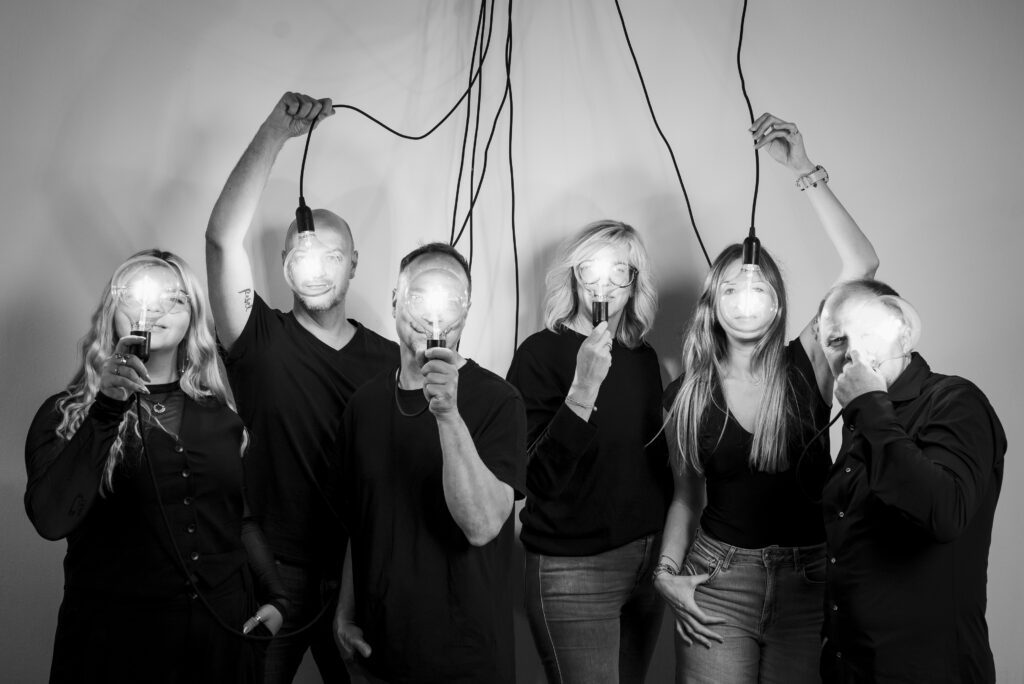
Mein Team war super motiviert: Magda, Tobi, Flo, Luki, Felix und ich haben uns voll ins Zeug gehängt, damit das Projekt cool wird. Wir haben im Sommer eine Richtung gefunden, wohin das ganze gehen kann und das hat uns bis zum Schluss super durchgetragen. Und der Fakt, dass Luki einen bomben Sound für uns komponiert hat, hat uns natürlich auch in die Hände gespielt. “Pandemonium” hieß unser Stück und wir sind sehr stolz drauf. Magda und ich dürfen ev. sogar in abgewandelter Form Animationen auf dem Turm für den ORF machen, das ist schon cool!

Bühnen Graz

Ich hab mich auch schon wieder sehr über die Zusammenarbeit mit dem Team Klanglicht gefreut, weil es letztes Jahr super funktioniert hat. Heuer hatte ich bereits eine genaue Liste mit meinen Tätigkeiten, kannte die zuständigen Personen, hatte meine eigenen Adobe vorlagen für die nötigen Produkte und so weiter – das hat den Prozess schon viel verschnellert. Und zusätzlich dazu konnte ich wertvolle Blicke hinter die Kulissen erhalten und auch erfahren, was bei der Organisation eines so großen und kunstvollen Events für Challenges gibt.

Klanglicht Festival Highlights

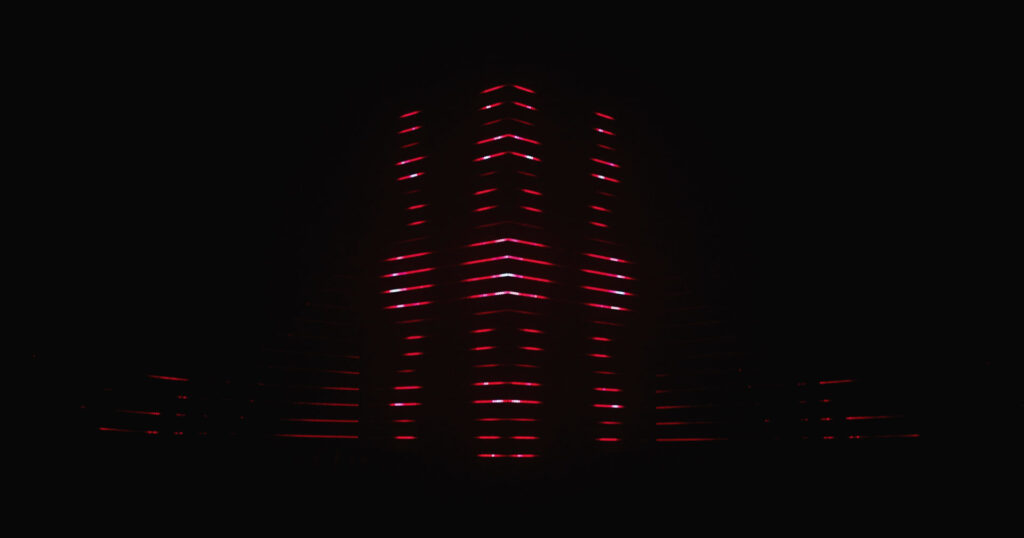
Meine persönlichen Highlights von Klanglicht, natürlich außer der Antoniuskirche, war „Flux“ von Collectif Scale im Landhaushof und „Echoes of Light” von Onionlab in der Stadtpfarrkirche. Unglaublich coole Licht und Ton Projekte:

Immer nach Klanglicht fühle ich mich super motiviert, inspiriert und freue mich einen Lebensweg eingeschlagen zu haben, bei dem so etwas einen Teil davon spielt. Leider habe ich auch mittlerweile realisiert, dass man von solchen Kunstinstallationen nur schwer bis nicht wirklich leben kann. Nur vereinzelte Künstler weltweit schaffen das, und die meisten Agenturen, die solche Installationen machen, machen sonst auch viele “normale” kommerzielle Projekte, um sich solchen “Passion Projects” auch widmen zu können. Aber das ist doch auch ein wertvolles Learning. Nachdem ich mit Magda und noch jemanden nächstes Jahr unser eigenes kleines Studio gründe, kann es ja unser Ziel sein, in freien Zeiten oder gemeinsam abends so passion Projects zu verfolgen. Vielleicht können wir dann auch mal auf Ernst beim Klanglicht ausstellen. Nächstes Jahr versuchen wir jedenfalls noch für die Young Masters Exhibition was zu zaubern und hoffen, dass wir da ausgestellt werden.

Bezug Masterarbeit

Ich bin mir noch nicht sicher, welche von drei Ideen ich für meine Masterarbeit verfolge. Dafür würd ich gern meine Ideen mal mit Birgit challengen, da komme ich immer ganz gut weiter. In einer der Ideen würde die Darstellung auch für einem Exhibition Space möglich sein, ähnlich von der Interaktion wie heuer die MO:YA Jungs im Schauspielhaus waren. Also mit einem Pult und vereinfachter Interaktion und dann einer abstrakten Form von Screen oder Projektion. Wobei ich wahrscheinlich am ehesten mit Web Technologie arbeiten würde, weil da mein Know-How am meisten drinnen steckt.