There’s a strange, almost haunting allure to liminal spaces. These are the empty hallways, deserted office corridors, and endless parking garages that feel frozen in time, places that seem familiar but lack the warmth of human presence. The internet phenomenon of “the backrooms” captures this perfectly: infinite, fluorescent-lit spaces that feel uncanny and unsettling.
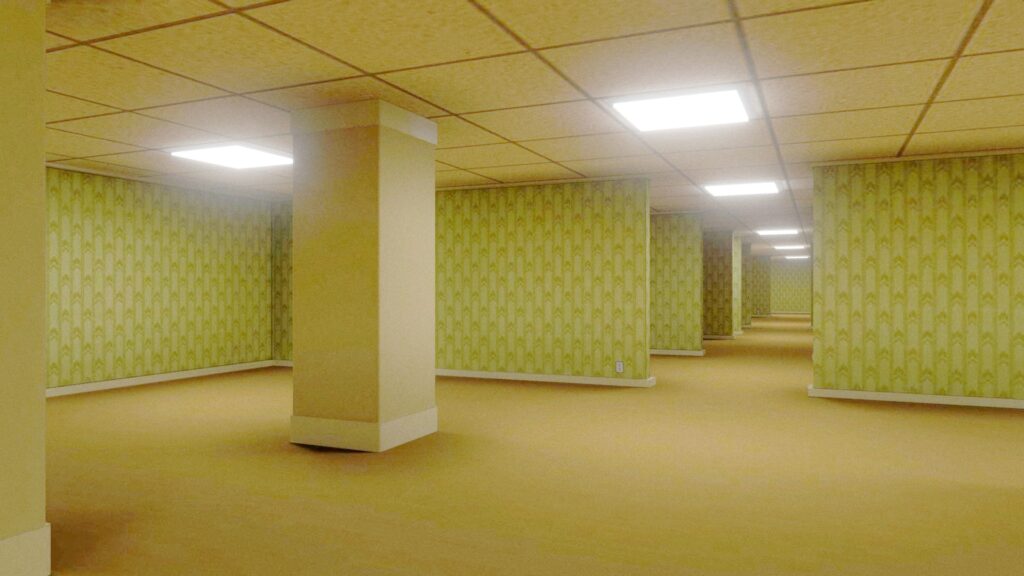
But why do these spaces affect us so deeply? And how can this eerie, detached quality inspire design?
What Makes Liminal Spaces Feel Eerie?
Liminal spaces are defined by their “in-between” nature. They exist in transition zones neither fully occupied nor abandoned. The sense of eeriness comes from their detachment from human purpose. These are places meant for passing through, not staying, and when devoid of people, they lose their intended function and feel unnervingly off.
Liminal spaces often share distinct characteristics that contribute to their unsettling aura. Uniformity is a key feature, with repetitive patterns, identical rooms, and featureless designs that evoke a suffocating monotony. Harsh fluorescent lighting adds to the unease, bathing everything in an unnatural, sterile glow that feels alien and cold. Finally, these spaces are marked by an unsettling emptiness devoid of personal touches, warmth, or signs of life creating an uncanny void that leaves viewers feeling disconnected and adrift.
Liminal Spaces in Art
Designing the Uncanny
In design, certain elements can evoke an atmosphere of unease or intrigue, challenging the viewer’s comfort while sparking curiosity. Repetition and uniformity, for example, create visual tension. Grids or patterns that repeat endlessly can feel hypnotic yet slightly disorienting, keeping the viewer caught between fascination and discomfort. Similarly, hyper-clean, over-processed aesthetics can feel detached and impersonal; while visually striking, they risk losing warmth and connection, leaving an impression of sterility. Muted color palettes and flat lighting can further heighten this effect, washing designs in tones that feel distant or overly neutral, evoking stillness or even lifelessness.
Typography can also play a role, with stretched letters, misaligned kerning, or unconventional placements subtly disrupting the norm, creating a feeling of dissonance. These elements, while not inherently eerie, tap into the same sense of ambiguity and unease that draws us to the unfamiliar and the imperfect.


What’s fascinating is how the eerie feeling of liminal spaces parallels the direction modern design is heading, especially with the rise of AI. While AI-generated designs excel in precision and efficiency, they often lack the human touch that makes design feel alive. Like liminal spaces, these creations can feel too perfect, too detached, and ultimately soulless.
The Role of Supermodernity in Liminal Design
The eerie feeling of liminal spaces is deeply tied to the concept of supermodernity, a world obsessed with speed, efficiency, and transient experiences. In supermodern environments, spaces like airports, hotel lobbies, and highway rest stops prioritize functionality over identity. These are “non-places,” devoid of history or emotional connection.
In design, supermodernity’s influence can be seen in the rise of templates, algorithms, and hyper-efficiency. This has led to a flood of designs that, while functional, often feel detached or impersonal. Interestingly, the aesthetics of liminal spaces highlight this very tension. They reflect the soullessness of mass-produced environments and challenge us to think critically about the designs we create. Are we leaning too heavily into efficiency at the expense of meaning?
Why Liminality Resonates
There’s a reason why images of liminal spaces go viral. They capture a shared, almost primal unease, a reminder of what’s lost when spaces or designs lack humanity. For designers, this eerie aesthetic offers a powerful way to provoke thought and engage emotions.
By borrowing elements from liminal spaces, we can create work that taps into this sense of unease. Whether it’s through uniformity, emptiness, or a deliberate lack of “soul,” these designs challenge the viewer to confront feelings of isolation and detachment.
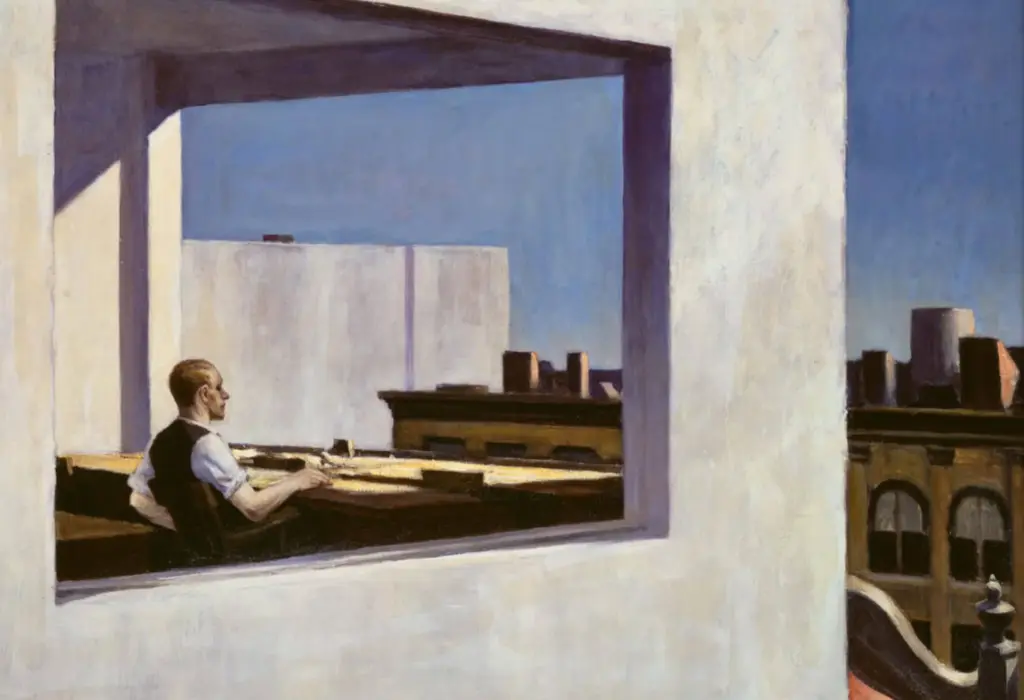
Liminal spaces, both physical and digital, are unsettling reminders of a world increasingly defined by transitions and non-places. In design, they force us to confront the consequences of detachment and explore how we can create meaning within the eerie and the unfamiliar.
By embracing the unease of liminal aesthetics, designers have the opportunity to craft work that lingers in the mind: haunting, thought-provoking, and eerily beautiful. However, as we explore this visual language, we must also recognize the broader concerns of soullessness and detachment already present in contemporary design. The challenge lies in balancing these eerie, intriguing elements with a sense of humanity and connection, ensuring that our creations evoke emotion and meaning rather than reinforcing the cold, impersonal trends that risk alienating us further.
Sources
Augé, Marc. Non-Places: Introduction to an Anthropology of Supermodernity. Verso, 1995.
Fisher, Mark. The Weird and the Eerie. Repeater Books, 2016.
Hatherley, Owen. “Why Is Modern Design So Soulless?” The Guardian, 2018. https://www.theguardian.com
McClelland, Samuel. “AI and the Future of Creative Work.” Journal of Digital Culture, 2023.
What Are Liminal Spaces?” The Aesthetics of Eerie Environments, Medium. https://medium.com
