Impulse #4: The Role of Playtesting in Game Development

Understanding Users before Building a Game

Game development today involves more than programming and visual design. The process has expanded to prioritize player experience, usability, and comfort. As a result, user research and structured game testing have become established parts of development rather than optional additions. Developers collect information about potential players’ expectations, preferred interaction styles, and prior gaming experience. These findings help define the core direction of the project, informing mechanics, interface design, and accessibility considerations.

The Role of Continuous Playtesting

Playtesting follows throughout production. During testing, participants play the game while developers evaluate how easy it is to understand controls, complete objectives, and maintain engagement. Feedback may take the form of performance metrics, interviews, or surveys. Insights gathered from testing lead to adjustments in difficulty, interface structure, pacing, and overall design. By repeating this cycle of testing and refinement, developers aim to reduce friction and improve player satisfaction prior to release.

VR as a Special Design Challenge

Virtual reality development highlights the importance of this approach. In VR environments, issues such as motion sickness, spatial confusion, and physical fatigue can occur if design choices are not aligned with human perception and comfort. Prototypes are therefore tested early, often using basic shapes or limited interaction, to observe how players move, react, and navigate. These observations allow developers to refine interactions before expanding the experience. The overall purpose of these processes is to ensure that the final product functions as intended when experienced by diverse players. Testing with real users helps identify challenges that may not be visible to designers or engineers working closely with the system.

Source: https://www.interaction-design.org/literature/article/how-to-understand-user-needs-in-virtual-reality?srsltid=AfmBOopOKeH_8sjLighvBVX2mjNCNtP7S0dj0D1mwOKBO1bDZp9lVcOC

UX Quality in Video Games

As I learned more about UX design and testing, I began to view video games very differently. Instead of only enjoying them as a player, I now pay close attention to how mechanics are introduced, how controls feel, and how smoothly the experience guides me from one action to the next. I’ve noticed how a well-designed game teaches its systems without overwhelming the player, while a poorly designed one creates confusion or frustration through unclear feedback or awkward navigation. My own play experiences have become a source of learning — I can sense when a game’s UX supports my immersion, and equally when it breaks it. Understanding the development behind these decisions has made me appreciate how much careful thought goes into balancing challenge, flow, and usability. Games have essentially become case studies, helping me recognize what makes an interaction feel right, and inspiring ideas for how those same UX principles can be applied in design work beyond gaming.

Source: https://uxplanet.org/how-video-games-can-develop-your-ux-design-skills-e209368330ac
WebExpo Conference 2025, Day 02

Getting Lost in the Hospital: Why Wayfinding is UX Too.

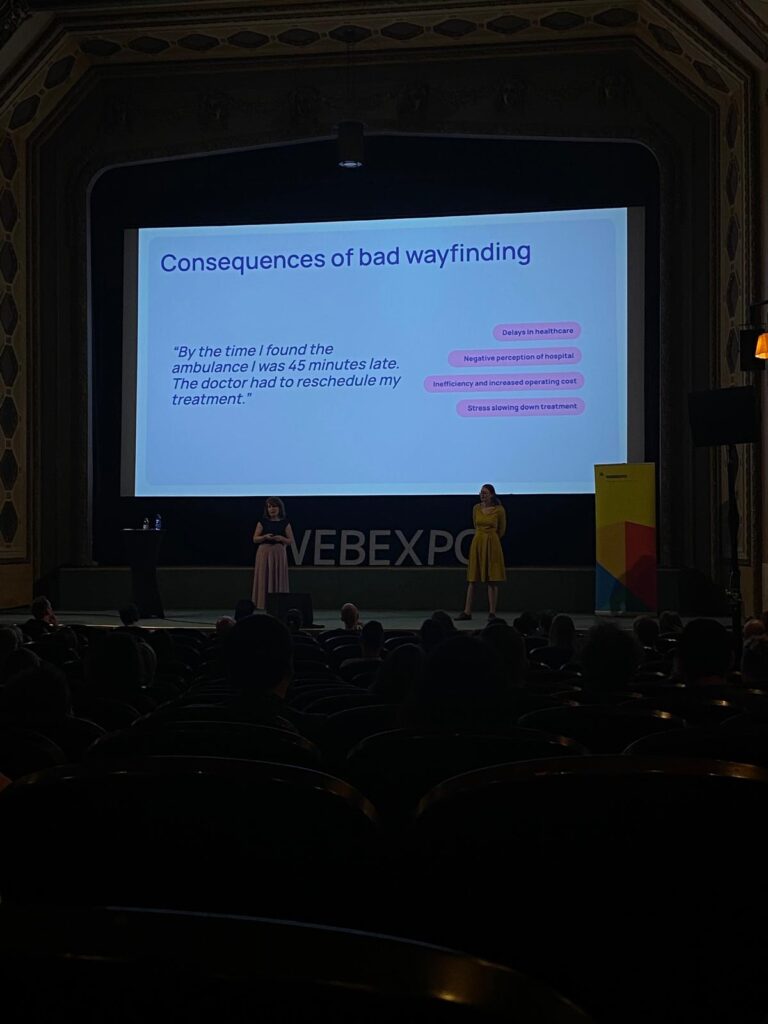
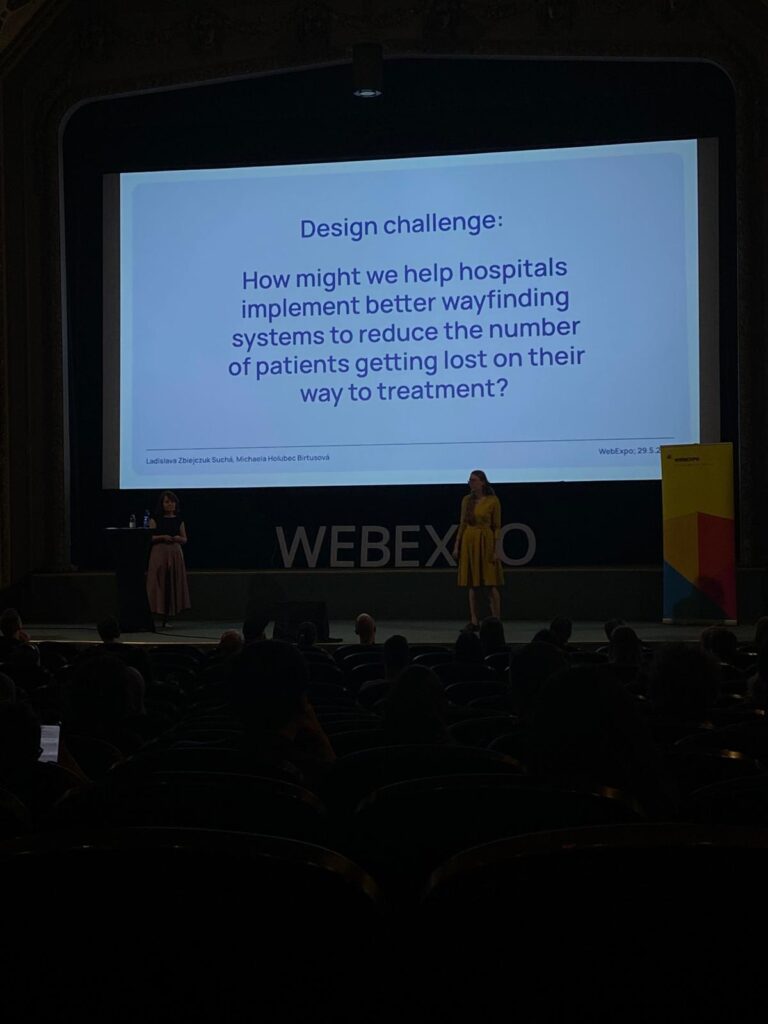
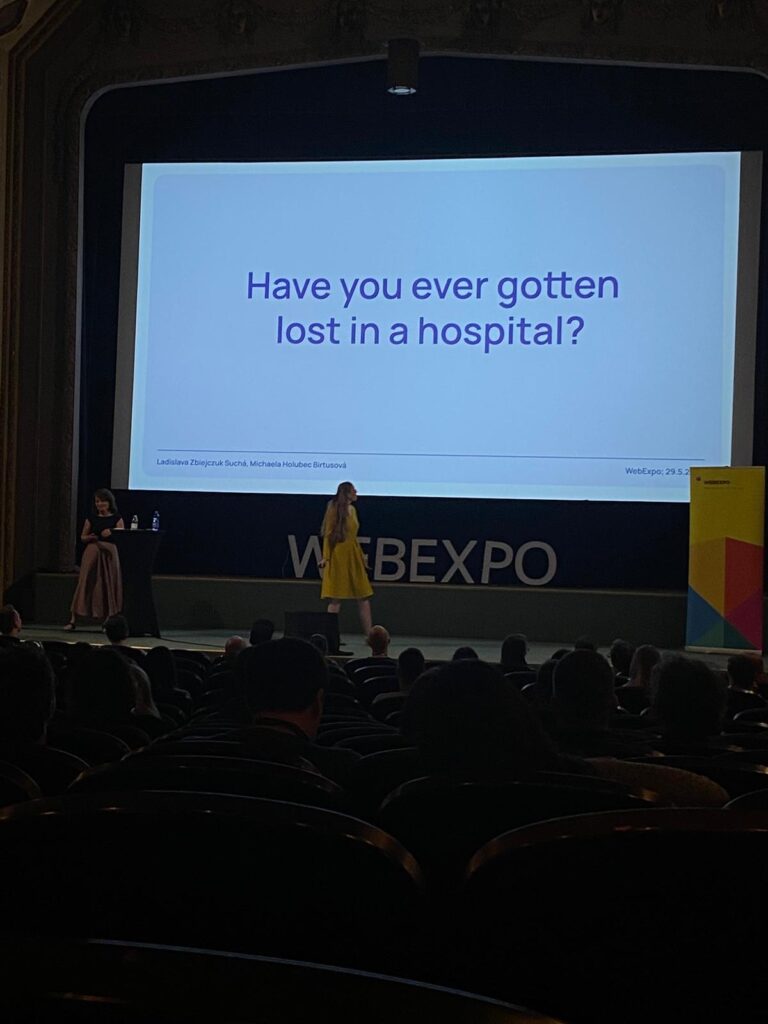
The second day of the WebExpo Conference 2025 left a particularly strong impression on me, especially the talk titled “Lost in the Hospital: How Not to Design Wayfinding for Better CX” presented by Ladislava Zbiejczuk Suchá & Michaela Holubec Birtusová.

Personal Experience Meets Professional Interest

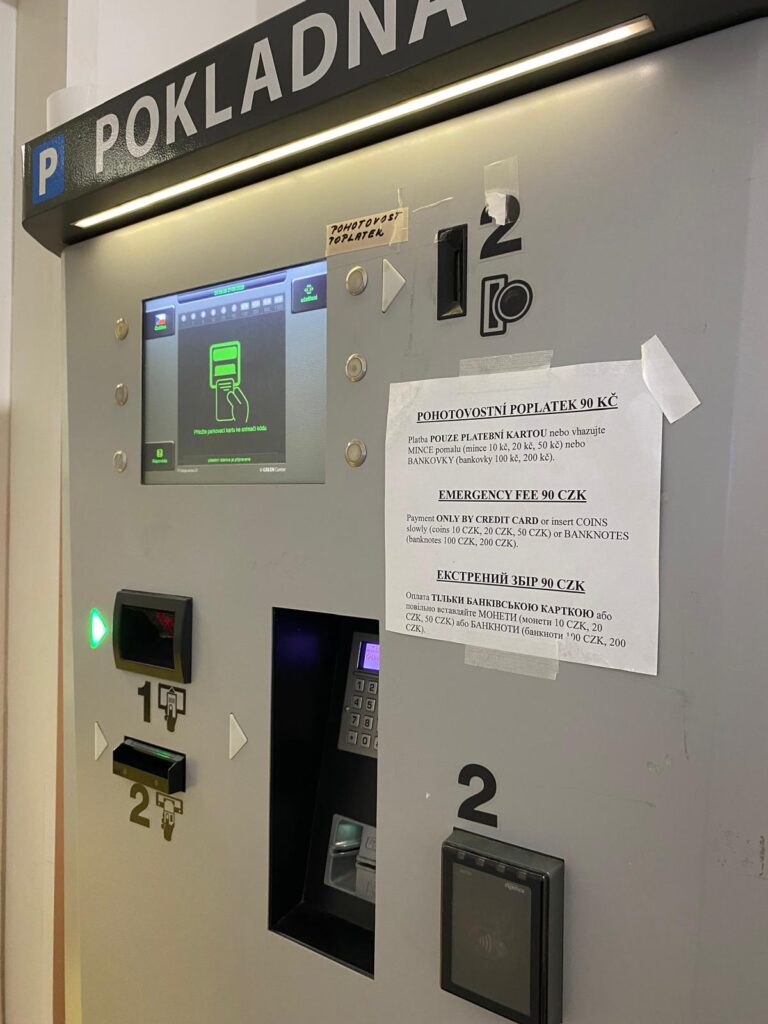
Just a few days before the conference, I was at Bulovka Hospital in Prague, trying to find the emergency department. Despite being a large and well-known hospital, the signage and navigation inside the building were extremely confusing. The experience was stressful, and I felt helpless, even though I’m someone who works with systems and interfaces regularly. That moment made me think: if I’m struggling this much, how difficult must it be for someone who’s older, under stress, or unfamiliar with the language?

So when this talk began and addressed the exact issue I had just experienced, it felt like validation. But it also reminded me of something important: UX design is not just for screens, it’s everywhere.

The photo I took at the Bulovka hospital – the “parking machine” which is used for paying the emergency fee.

Wayfinding as a UX Problem

The speakers framed wayfinding as part of the broader user experience (UX) landscape. A hospital is essentially a high-stakes user journey: people are often navigating it under stress, pain, or confusion. In this environment, clarity and guidance aren’t just “nice to have”, they’re critical.

They explained that many wayfinding systems fail because they’re designed from the perspective of the institution, not the user. Designers often rely on internal logic (like room numbers or departmental hierarchies) instead of thinking through the lens of a visitor who just needs to get to radiology, fast. This disconnect is a classic UX mistake.

Design Thinking in Real Life

This talk demonstrated how design thinking, empathize, define, ideate, prototype, test, can be applied to physical environments just as much as digital ones. From interviews with hospital patients to prototyping new signage and color-coding systems, the speakers illustrated a user-centered approach to solving a tangible, real-world problem. It reminded me of a core UX principle: your design is only as good as its usability in the context it will actually be used.

Final Thoughts

UX design doesn’t stop at the edge of a screen. The “Lost in the Hospital” talk was a powerful reminder that every user experience, whether it’s tapping a button or walking through a corridor, is shaped by intentional or unintentional design choices. As a future UX professional, I want to be someone who makes those choices with empathy, clarity, and accessibility in mind. Because when design fails, people suffer, but when it succeeds, people thrive.