The Role of Human-Centered Design in Bouldering Boards

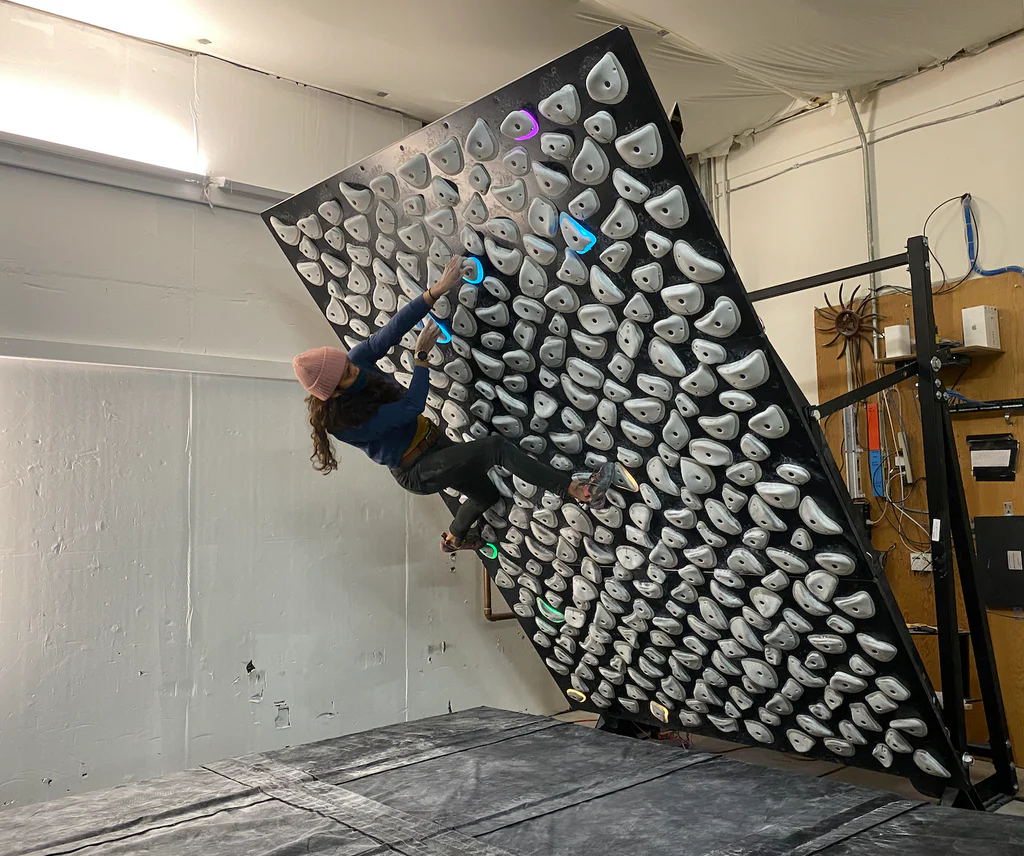
Human-centered design prioritizes the user experience, emphasizing empathy, inclusivity, and adaptability. While current boards like MoonBoard and Kilter Board focus on standardizing training and competition, there’s an opportunity to create climbing boards that also nurture collaboration and community.


Ideas for Enhancing Connection Through Design

1. Collaborative Climbing Modes

  • Concept: Introduce multiplayer features where climbers can solve problems together in real-time.
  • Example: A climbing board mode where two climbers alternate moves to complete a route, with the board lighting up the next hold for the other player.
  • Benefit: Encourages teamwork, communication, and shared problem-solving.

2. Storytelling Through Routes

  • Concept: Use climbing routes to tell a story or explore a theme, engaging climbers on a deeper emotional level.
  • Example: AR or LED-enabled boards could create “adventure routes,” where holds light up sequentially to simulate climbing a famous rock face or solving a mystery through movement.
  • Benefit: Makes training more imaginative and immersive, appealing to climbers beyond raw performance metrics.

3. Community-Led Route Creation

  • Concept: Expand route creation tools to emphasize collaboration, where groups of climbers can design and vote on problems together.
  • Example: A shared app interface where local climbers upload and rank new problems, with the top-voted routes projected on the board for everyone to try.
  • Benefit: Strengthens local climbing communities by giving everyone a voice in shaping the board’s content.

4. Social Performance Metrics

  • Concept: Shift performance tracking from individual competition to group progress.
  • Example: A “team climbing” mode that logs collective achievements, such as the number of problems completed by a group in one session.
  • Benefit: Builds camaraderie and makes training less about competition and more about shared goals.

More then climibing

When we think of climbing boards, we often see them as tools for performance or training. But by incorporating human-centered design principles, they can become something greater—a space for connection, creativity, and shared experiences. By shifting the focus from individual achievement to collective engagement, climbing boards could redefine the way climbers train and interact, both with the wall and with each other.

Revolutionizing Bouldering Boards: Enhancements to Train Smarter and Climb Better

Bouldering boards have long been the minimalist’s training tool—just a wall, a set of holds, and your willpower. But as technology evolves, so do the opportunities to improve this simple foundation. By focusing on creative enhancements, both technological and mechanical, we can elevate the bouldering experience while keeping the essentials intact.


1. Adaptive Holds for Strength and Precision Training

  • Concept: Imagine holds that can adapt in real time. Using built-in mechanisms, these holds could adjust their resistance or texture to simulate different rock types or difficulty levels.

  • Example: A “crimp hold” that tightens its edges to make it progressively harder to grip, or a sloper that becomes slicker to build friction strength.

  • Benefit: Allows climbers to train specific grip techniques without switching walls or holds.

2. Dynamic Angle Adjustment

  • Concept: A bouldering board that shifts its angle mid-session, creating varied terrain such as slabs, verticals, or overhangs. Controlled via an app or manual settings, the board adjusts to challenge different climbing styles.

  • Example: Start with a 10-degree incline for warm-ups, then gradually increase to 45 degrees for power endurance training.

  • Benefit: Simulates outdoor climbing conditions while using minimal space, making it ideal for home gyms or compact training areas.

3. Augmented Reality (AR) Route Guidance

  • Concept: AR projections display climbing routes directly on the wall, showing optimal beta (move sequences), hold usage, and crux highlights.

  • Example: A beginner-friendly mode highlights the easiest path with animated overlays, while an advanced mode removes guidance for added challenge.

  • Benefit: Eliminates the need for tape or LEDs while offering real-time feedback and dynamic problem-solving.

4. Modular and Snap-In Hold Systems

  • Concept: Holds that snap into place without requiring screws or tools. With modular designs, climbers can quickly reconfigure routes or swap out sections of the wall.

  • Example: A pre-programmed route layout that climbers can install in under five minutes by snapping holds into pre-marked slots.

  • Benefit: Encourages creativity and route experimentation without needing a full gym setup.

5. AI-Driven Training Plans

  • Concept: An integrated app tracks your performance and designs personalized training regimens. It evaluates metrics like grip strength, number of attempts, and time spent on problems.

  • Example: After a climbing session, the app suggests routes that target your weaknesses, such as dynamic moves or static strength holds.

  • Benefit: Helps climbers progress more efficiently by focusing on their unique needs.

6. Resistance Bands and Dynamic Holds

  • Concept: Resistance bands attach directly to the holds or the climber to simulate outdoor conditions like rope drag or steep overhang tension.

  • Example: Bands connected to a foothold create extra pull, mimicking the effort needed to stay on a slippery route.

  • Benefit: Adds an extra layer of difficulty, building strength and control.

7. Temperature-Controlled Holds

  • Concept: Holds that adjust their temperature to simulate climbing on warm sandstone or icy granite.

  • Example: A setting for “cold weather climbing” trains your hands to maintain grip in cooler conditions.

  • Benefit: Prepares climbers for seasonal outdoor adventures without leaving the gym.

8. Real-Time Motion Tracking

  • Concept: Built-in sensors and cameras track your body’s movement, offering immediate feedback on technique.

  • Example: After a failed attempt, the system highlights errors like overreaching or poor foot placement.

  • Benefit: Encourages technical improvement and reduces the risk of developing inefficient habits.

The Role of Interaction Design in Climbing Boards: Merging Technology with Usability

As climbing boards like MoonBoard, Kilter Board, and Tension Board become more prominent in gyms, the importance of interaction design in their development cannot be overstated. These boards blend physical climbing with advanced technology, creating a unique user experience that requires thoughtful design. Interaction design ensures that these systems remain intuitive, engaging, and accessible for climbers of all skill levels. This blog explores how merging technology with usability can revolutionize climbing training.


Why Interaction Design Matters for Climbing Boards

Climbing boards are more than just tools; they are platforms for growth, learning, and community. Poorly designed interfaces or systems can hinder climbers’ progress, frustrate users, and reduce the overall value of the technology. Interaction design bridges the gap between the climber and the system, ensuring that every feature—from route visualization to feedback—is intuitive and user-friendly.


Principles of Interaction Design in Climbing Boards

1. Visibility

Visibility ensures climbers can easily interpret and engage with the system. On climbing boards, this might include:

  • Clear Hold Identification: LED lighting systems that highlight active holds with bright, distinct colors.
  • Interface Design: Mobile apps with clean layouts that prioritize essential features like route selection, grading, and progress tracking.

2. Feedback

Interactive feedback helps climbers adjust and improve in real-time. Effective climbing boards provide:

  • Immediate Responses: LEDs that light up when a hold is touched or AR projections that track movement.
  • Performance Metrics: Apps that record attempts, successes, and time taken to complete problems, offering actionable insights.

3. Affordance

Designing affordance means ensuring climbers intuitively understand how to interact with the system. Examples include:

  • Tactile Hold Design: Holds that clearly indicate their intended use (e.g., footholds vs. handholds) through texture and shape.
  • Interactive Interfaces: Drag-and-drop route creation tools in apps that feel natural and easy to use.

4. Accessibility

Accessible design ensures climbers of all abilities can benefit from the technology. This involves:

  • Customizable Difficulty: Apps that allow users to tailor problems to their skill level.
  • Inclusivity in Design: Hold placements and route designs that accommodate climbers of various heights and abilities.

Challenges in Interaction Design for Climbing Boards

  1. Balancing Complexity with Simplicity: Advanced features, like AR overlays or detailed analytics, can overwhelm users if not designed carefully. Interaction designers must prioritize simplicity without sacrificing functionality.
  2. Physical and Digital Integration: Ensuring seamless interaction between the physical board and its digital counterpart (e.g., apps or LED systems) is crucial for a cohesive experience.
  3. Diverse User Needs: Climbing boards are used by a wide range of climbers, from beginners to experts. Designing systems that cater to all skill levels requires flexibility and foresight.

The Future of Interaction Design in Climbing Boards

As technology advances, interaction design will play an even greater role in climbing boards. Future developments may include:

  • AI-Powered Feedback: Systems that analyze climbing techniques and provide personalized advice.
  • Enhanced AR Features: Projections that guide climbers through optimal movements or suggest alternative solutions.
  • Gamification: Incorporating elements like achievements, leaderboards, and challenges to increase engagement and motivation.

Conclusion

Interaction design is the key to unlocking the full potential of climbing boards. By focusing on visibility, feedback, affordance, and accessibility, designers can create systems that are not only functional but also enjoyable and engaging. As these technologies continue to evolve, thoughtful interaction design will ensure that climbing boards remain a powerful tool for training, community building, and personal growth.

For climbers, the wall is a canvas. For designers, it’s an opportunity to craft an experience that inspires and empowers—one hold at a time.

Inclusive Design for Climbing Boards: Making Bouldering Accessible to All

Bouldering has always been a sport of creativity, strength, and problem-solving. However, for it to truly thrive, it must be accessible to everyone. Inclusive design in climbing boards has the power to break down barriers, making the sport more welcoming to climbers of all abilities and backgrounds. By focusing on physical, cognitive, and community-based inclusivity, climbing boards can transform into tools that empower every climber to reach their potential.


Addressing Physical Accessibility

Physical accessibility is essential to ensure climbers of varying abilities can participate fully in bouldering. Inclusive design principles for climbing boards can address this by:

  • Designing Holds and Routes for All Abilities: Using a variety of hold shapes, sizes, and textures allows climbers with different grip strengths or mobility challenges to engage with problems. Holds can also include features that make them easier to identify or grasp for climbers with limited dexterity.
  • Adjustable Board Angles: Boards like the Kilter Board or Tension Board often include adjustable angles, making it possible to modify the difficulty of routes. Gentle angles can accommodate beginners or climbers with reduced strength, while steeper angles challenge advanced users. Adjustable systems ensure that climbing boards remain versatile for a wide range of users.

Cognitive Accessibility

Designing for cognitive accessibility ensures that climbers with learning differences or cognitive challenges can easily engage with climbing boards and their associated systems. This involves:

  • Simplified and Clear Route Visuals: Overly complex route markings or color schemes can overwhelm some climbers. Clear, bold visuals—such as color-coded holds with distinct contrast—make it easier to identify and follow routes.
  • Intuitive Digital Interfaces: Apps and digital systems associated with climbing boards must be user-friendly. Avoiding cluttered interfaces, using clear labels, and providing simple navigation paths ensures climbers can focus on the experience rather than struggling with technology.

Community Involvement in Inclusive Design

Inclusive design cannot succeed without the input of the community it serves. Engaging climbers with diverse needs ensures that climbing boards meet real-world challenges. Here’s how:

  • Feedback from Diverse Climbers: Regularly collecting feedback from climbers with disabilities, beginners, or other underrepresented groups can guide improvements in design. Focus groups, surveys, and user testing sessions can provide valuable insights into barriers and solutions.
  • Highlighting Inclusive Gym Spaces: Gyms that have successfully implemented inclusive climbing boards can serve as models for others. For example, adaptive climbing programs that use adjustable boards or sensory-friendly environments showcase the power of thoughtful design.

Conclusion

Inclusivity in climbing board design is not just a nice-to-have feature—it’s essential for the growth and sustainability of the sport. By addressing physical and cognitive accessibility and involving the community in the design process, climbing boards can become powerful tools for inclusivity. When everyone has the opportunity to engage with bouldering, the sport becomes richer, more diverse, and more impactful.

Let’s prioritize inclusivity as a core aspect of climbing board design, ensuring that bouldering remains a sport for everyone—regardless of ability, background, or experience. Together, we can create climbing spaces that inspire and empower climbers of all kinds.

Sustainability in Climbing Board Design: Materials, Energy, and Durability

Climbing gyms and tech-enhanced climbing boards are at the heart of modern bouldering culture. However, the materials, energy demands, and disposability of these systems can have significant environmental impacts. As the sport continues to grow, adopting sustainable design practices in climbing board creation is essential to reduce waste, conserve energy, and protect the planet. This blog explores how sustainable materials, energy efficiency, and durability can help make climbing boards more eco-friendly without compromising usability.


Sustainable Materials for Climbing Boards

One of the simplest ways to make climbing boards more sustainable is by focusing on the materials used in their construction. Sustainable materials can significantly reduce the carbon footprint of gym equipment:

  • Recycled or Renewable Materials: Using reclaimed wood or recycled plastics for board structures and climbing holds minimizes waste. Renewable options like bamboo are both lightweight and durable, making them ideal for climbing walls.
  • Non-Toxic Finishes: Avoiding toxic adhesives, paints, or sealants protects both the environment and climbers. Opting for low-VOC (volatile organic compound) finishes ensures a safer gym environment and reduces harmful emissions during production.

By integrating eco-friendly materials into climbing board designs, manufacturers can create products that support environmental sustainability without sacrificing quality.


Energy Efficiency in Tech-Enhanced Boards

Tech-heavy climbing boards, such as those equipped with LED lighting or AR projection systems, often consume significant amounts of energy. Reducing energy use in these systems is key to sustainable gym practices:

  • Low-Energy LEDs: Using energy-efficient LED systems with smart dimming features can cut power consumption without compromising performance. LEDs that only light up the holds being used can further optimize energy use.
  • Solar-Powered Solutions: Gyms in sunny climates could explore solar panels to power climbing boards or other equipment, reducing reliance on non-renewable energy sources.
  • Energy-Saving Projectors: For AR-enabled climbing boards, adopting projectors with low power consumption and longer lifespans reduces energy costs and waste over time.

Energy efficiency not only benefits the environment but also reduces operating costs for gyms, making sustainability a win-win.


Durability and Longevity

Durable climbing boards and holds are essential to minimizing waste and promoting sustainability. Designing for longevity ensures that equipment remains functional for years without frequent replacements:

  • Robust Materials: Holds made from high-quality, wear-resistant materials can withstand heavy use without cracking or degrading, reducing the need for frequent replacements.
  • Modular Systems: Boards designed with modular components allow gyms to replace or upgrade specific parts instead of the entire system. For example, individual LED panels or hold placements can be swapped out as needed, extending the board’s lifespan.
  • Maintenance-Friendly Designs: Boards that are easy to clean, repair, and maintain ensure that gyms can maximize their investment while minimizing waste.

Durable and modular designs save money, reduce material waste, and enhance the overall sustainability of climbing boards.


Conclusion

Sustainability in climbing board design is not just a trend; it’s a necessity. By prioritizing sustainable materials, energy-efficient technologies, and long-lasting designs, manufacturers and gyms can significantly reduce their environmental impact. These practices not only benefit the planet but also create cost-effective and durable solutions for climbing spaces.

Adopting eco-friendly practices in climbing board design ensures that the sport we love continues to thrive without compromising the environment. By making conscious choices today, we can help shape a sustainable future for climbing enthusiasts around the world.

Designing Bouldering: What you need for effective communication

Bouldering, at its core, is a problem-solving activity as much as a physical one. Climbers need to interpret routes, assess holds, and navigate a path to the top—all within seconds of visual inspection. From a designer’s perspective, the challenge lies in conveying critical information effectively to climbers, whether they are indoors at a gym or outdoors on natural rock. The goal is to create an intuitive experience that enhances the climber’s ability to understand, engage with, and navigate boulders with ease.

Key Elements to Consider in Bouldering Design

  1. Route Identification and Communication
    Climbers need to identify specific routes or “problems” quickly. A well-designed route should convey its intended difficulty and path without requiring excessive interpretation. Here’s how designers can achieve this:
    • Color Coding: Assigning colors to holds or tape for each route is a widely used method in climbing gyms. Bright, contrasting colors ensure visibility and prevent confusion with adjacent problems.
    • Grading Systems: Displaying a clear grade (e.g., V-scale or Fontainebleau) provides climbers with an immediate sense of the difficulty level. Using universally recognized symbols and minimal text prevents cognitive overload.
    • Hold Shapes and Textures: Designers can use shape and texture variations to signal difficulty. Rounded, slippery holds often signify advanced problems, while larger, textured holds suggest easier routes.

  1. Visual Mapping and Flow
    For outdoor bouldering, climbers often rely on guidebooks or digital maps. Designing intuitive, user-friendly interfaces is crucial:
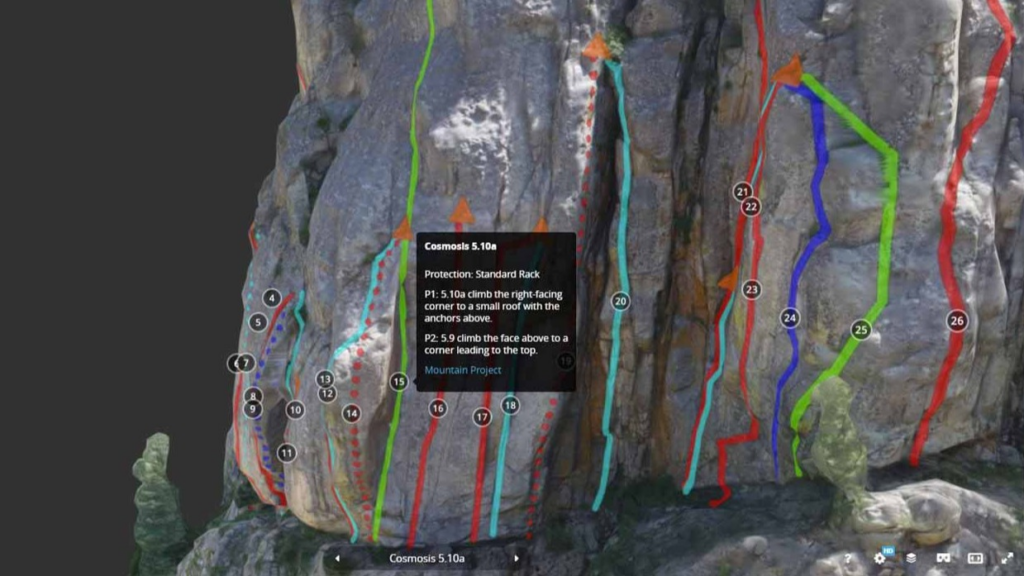
    • Topographic Markers: Including visual cues like arrows or diagrams on maps helps climbers understand the orientation and approach to a boulder.
    • Digital Enhancements: Mobile apps that use GPS to pinpoint boulder locations, overlay climbing routes, and provide augmented reality (AR) overlays can significantly improve accessibility.
    • Route Names and Descriptions: Context-rich descriptions with visual tags (e.g., start holds, crux sequences) help climbers mentally prepare for the problem.
  2. Environmental Factors
    Outdoor bouldering introduces variables like lighting, weather, and terrain. Designers can minimize these challenges by integrating natural and artificial elements:
    • Markers for High-Traffic Areas: Durable, eco-friendly signs or painted symbols near popular boulders can reduce confusion while preserving the environment.
    • Visibility: In shaded or low-light areas, reflective or glow-in-the-dark markers could enhance visibility.
  1. Human-Centered Safety and Feedback Design
    Safety is paramount in bouldering. Providing clear feedback on danger zones or fall risks allows climbers to make informed decisions:
    • Crash Pad Placement Guides: Visual indicators or AR overlays in outdoor apps can suggest optimal crash pad placement for high-risk sections.
    • Problem Exit Indicators: Including markers to indicate safe descent routes after topping out ensures climbers navigate down safely.
  2. Educational Visuals and Signage
    Especially in gyms or beginner-friendly areas, informative signage can demystify bouldering concepts:
    • Technique Tips: Visual guides explaining body positioning, grip types, or efficient movement can support learning.
    • Community Guidelines: Clear, engaging signs about gym etiquette, grading explanations, and safety rules foster a welcoming and safe environment.

Design Beyond Aesthetics: Usability Meets Performance

In bouldering, the design isn’t just about aesthetics; it’s about functionality and clarity. Whether creating climbing holds, maps, or signage, every element should enhance the climber’s ability to engage with the sport. By combining visual design principles, human-centered interaction, and scientific insights, designers can ensure bouldering becomes not only more accessible but also more enjoyable for climbers of all skill levels.

Bouldering is more than climbing—it’s an experience shaped by the synergy of environment, design, and human effort. Thoughtful design empowers climbers to focus on what they love most: solving problems and reaching new heights.

Lowering the Costs of Climbing Boards: Affordable Alternatives and Techniques

Climbing boards like the MoonBoard and Kilter Board are transformative tools for climbers, but their high costs can be a significant barrier, especially for smaller gyms or home setups. Fortunately, there are creative ways to lower these costs without compromising on quality or functionality. In this post, we explore various cost-saving techniques, including alternatives to LED systems, affordable materials, and innovative technologies like projectors and augmented reality (AR).


1. Using a Projector or AR Instead of LEDs

LED integration is one of the most expensive components of modern climbing boards. Substituting LEDs with a beamer (projector) or augmented reality system can significantly reduce costs while still providing a dynamic climbing experience.

How it Works:

  • A projector mounted near the climbing wall can highlight specific holds based on routes selected through a mobile app.
  • AR systems, often used in conjunction with smartphones or tablets, overlay route information directly onto the wall via the device’s camera.

Benefits:

  • Eliminates the need for complex LED wiring and associated costs.
  • Provides flexibility in displaying routes and patterns.
  • Easy to update or customize without replacing hardware.

Challenges:

  • Requires a dimly lit environment for optimal projector visibility.
  • Initial setup for AR systems can be complex.

Cost Savings:

  • Projectors range from $300 to $1,000, significantly less than integrated LED systems.
  • AR apps often have low subscription costs or one-time fees.

2. Simplifying the Hold Layout

Commercial climbing boards often include an extensive variety of holds, which can be expensive to replicate.

Cost-Saving Strategies:

  • Use fewer holds while still ensuring a good mix of crimps, jugs, and slopers.
  • Focus on modularity: start with a basic set and add more holds over time.
  • Utilize resin or plastic holds rather than pricier wooden or custom-made options.

Benefits:

  • Reduces initial investment without sacrificing usability.
  • Allows gradual upgrades as budget permits.

Cost Savings:

  • Basic hold sets can cost $300 to $500, compared to $1,000+ for premium collections.

3. Repurposing Existing Infrastructure

For gyms that already have climbing walls, retrofitting them into training boards can be a cost-effective option.

Steps to Consider:

  • Add a uniform grid and a selection of training-specific holds.
  • Use projectors or AR for route visualization.
  • Leverage existing resources like lighting and wall mounts.

Benefits:

  • Saves space and reuses materials already on hand.
  • Provides a dual-purpose setup for regular climbing and training.

Challenges:

  • May not match the precision or consistency of commercial boards.

Cost Savings:

  • Retrofitting typically costs $500 to $1,500 versus a full new installation.

4. Exploring Open-Source Software and Community Tools

Open-source apps and tools can replicate much of the functionality provided by proprietary systems without the hefty price tag.

Examples:

  • OpenClimb: Allows climbers to log and share routes using a mobile device.
  • Homemade LED controllers, which can be paired with cheaper components.

Benefits:

  • Free or low-cost solutions for route management and tracking.
  • Opportunity to customize software to specific needs.

Challenges:

  • May require some technical know-how for setup.

Cost Savings:

  • Open-source solutions eliminate recurring subscription fees.

Conclusion: Affordable Climbing Board Solutions

While premium climbing boards like the MoonBoard and Kilter Board offer exceptional training features, their high costs can deter gyms with limited budgets. By exploring alternatives like projectors, simplified hold layouts, and open-source software, gyms can create cost-effective training solutions that deliver excellent value. Embracing community involvement and leveraging existing resources further enhances these setups, ensuring climbers of all levels have access to effective training tools without breaking the bank.

Exploring already existing Climbing Boards in Bouldering: MoonBoard, Tension Board, Kilter Board, and More

Climbing boards have revolutionized the way climbers train, offering a dynamic and systematic way to build strength, technique, and endurance. Popularized by their versatility and community-driven route setting, boards like the MoonBoard, Tension Board, and Kilter Board have become staples in bouldering gyms worldwide. In this blog post, we’ll explore the key types of climbing boards, their pros and cons, and their costs to help gym owners and climbers alike make informed decisions.


1. MoonBoard

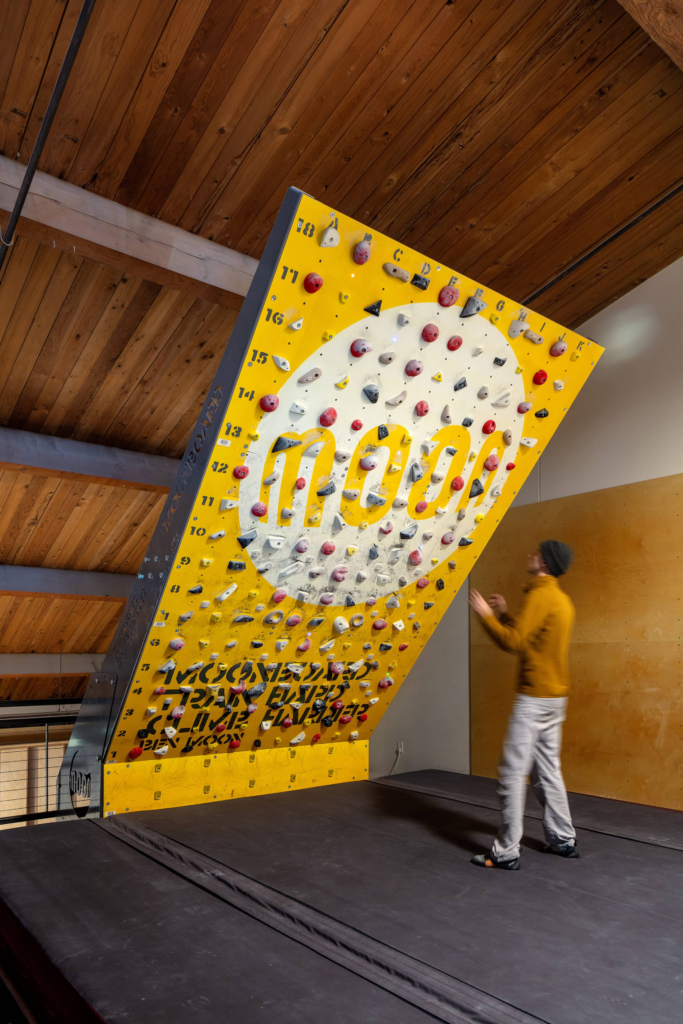
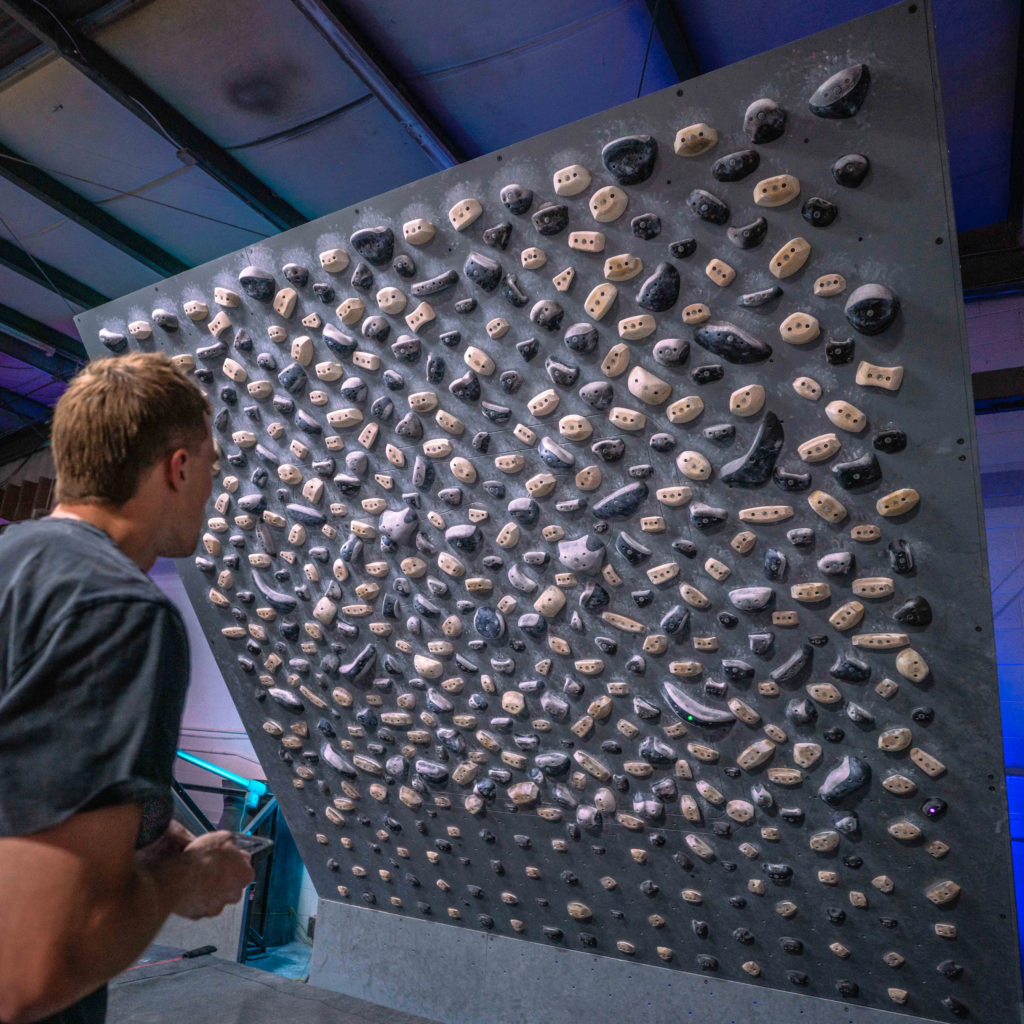
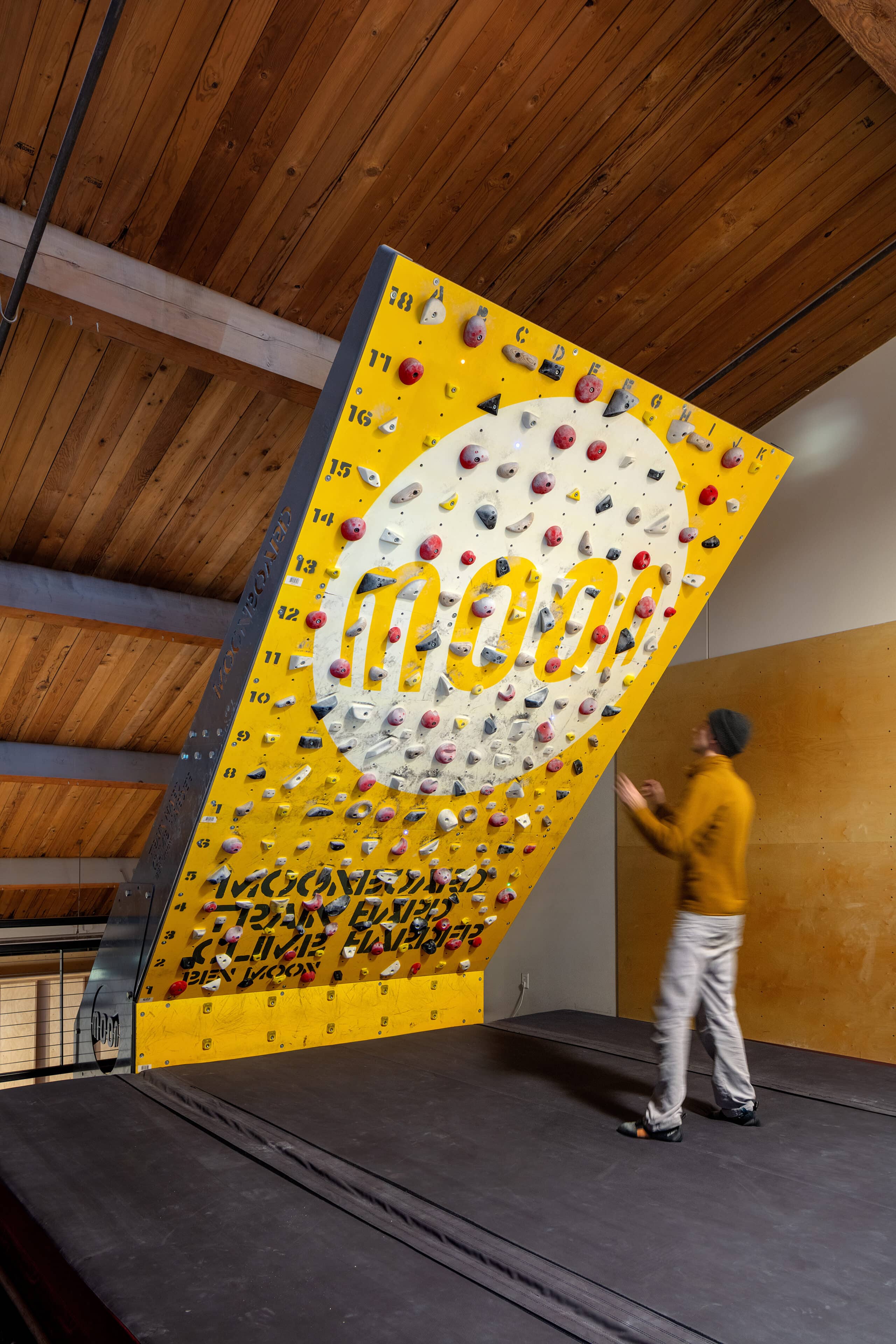
The MoonBoard is one of the most iconic training boards in the climbing world. It consists of a standardized 40-degree overhang wall, equipped with LED lights and holds arranged in a universal layout.

Pros:

  • Huge database of user-generated problems accessible via a mobile app.
  • Compact and space-efficient design.
  • Excellent for building power and finger strength.

Cons:

  • Extremely challenging for beginners due to the steep angle and sharp holds.
  • Limited hold variety compared to other boards.

Average Cost for Gyms:

  • Installation costs range from $5,000 to $10,000, depending on the wall size and LED integration.

2. Tension Board

Designed with wooden holds, the Tension Board offers a skin-friendly training experience and precise, uniform holds.

Pros:

  • Skin-friendly holds, ideal for long training sessions.
  • Provides a wide range of hold types and angles.
  • Compatible with adjustable wall angles.

Cons:

  • Wooden holds can feel slippery, especially for those used to resin holds.
  • Smaller problem database compared to the MoonBoard.

Average Cost for Gyms:

  • Prices typically range from $6,000 to $12,000, depending on the setup and adjustable wall features.

3. Kilter Board

The Kilter Board is known for its customizable lighting system and extensive hold variety, catering to climbers of all levels.

Pros:

  • Adjustable angles, accommodating climbers from beginners to experts.
  • Wide variety of holds, including jugs, crimps, and slopers.
  • Bright LED system enhances usability in low-light settings.

Cons:

  • High initial cost compared to other boards.
  • Requires significant space for installation.

Average Cost for Gyms:

  • Expect to pay $10,000 to $20,000, depending on the size and features.


4. Homegrown or DIY Boards

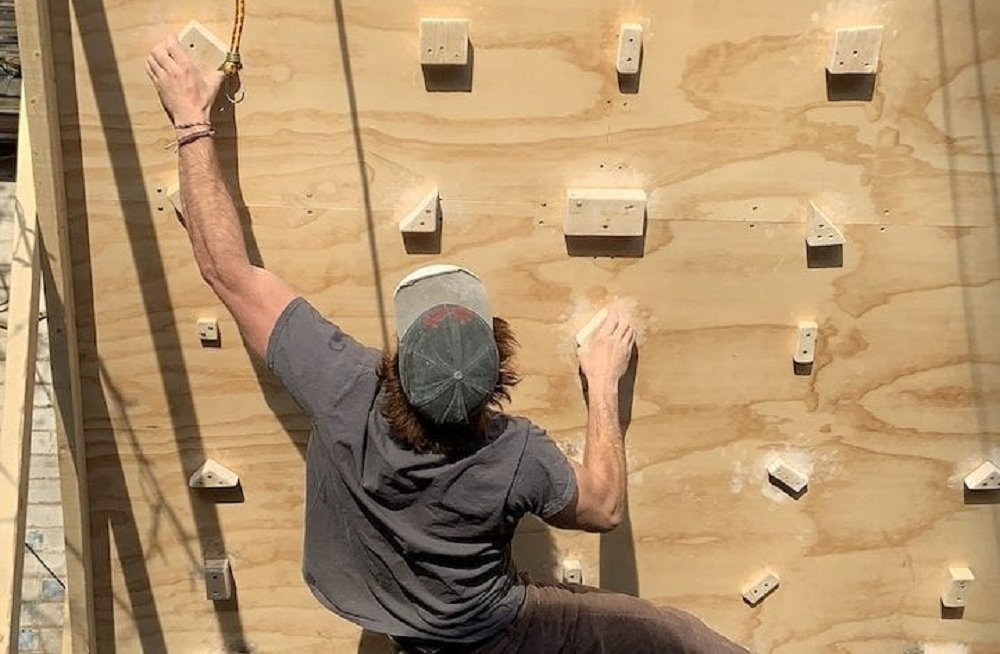
For gyms with tighter budgets, a DIY climbing board offers flexibility and significant cost savings. These boards can be customized to match specific needs.

Pros:

  • Fully customizable hold layouts and wall angles.
  • Inexpensive compared to commercial systems.

Cons:

  • Lack of LED integration and standardized routes.
  • Time-consuming to build and maintain.

Average Cost for Gyms:

  • Costs can vary widely but often fall between $1,000 and $3,000.

How Smaller Gyms Can Benefit from Affordable Boards

Gyms with limited budgets can leverage DIY solutions or simpler systems like the Grassroots Board to provide valuable training options without breaking the bank. Investing in a functional but cost-effective setup allows gyms to cater to intermediate and advanced climbers while saving on upfront costs. Additionally, these gyms can engage their communities by hosting route-setting events or creating unique challenges tailored to their audience.

By prioritizing creativity and community involvement, gyms can provide excellent training opportunities without relying on high-end systems, ensuring climbers of all levels continue to thrive.


Conclusion

Climbing boards are an invaluable tool for bouldering gyms, enhancing training and fostering a sense of community. While premium boards like the Kilter Board and MoonBoard offer cutting-edge features, more affordable options like the Grassroots Board or DIY setups ensure accessibility for gyms of all sizes. By carefully considering their needs and budget, gyms can select the right board to meet their goals, inspiring climbers and maximizing their investment.

Augmented- and Virtual Reality in Bouldering – Innovations and Case Studies

The integration of technology into sports has opened exciting possibilities, and AR and VR are transforming the world of bouldering. This blog post explores applications of AR and VR technologies, how they enhance performance, and ways how smaller climbing gyms can deliver interactive experiences similar to the MoonBoard, with little budget.


Current Applications of AR and VR in Bouldering

MoonBoard and Similar Systems
The MoonBoard is a standardized, interactive training wall equipped with an LED system controlled via an app. It connects climbers worldwide by offering identical routes regardless of location. The app features over 180,000 climbing problems, allowing users to track progress, compete globally, and refine their skills through structured training.

AR Guidance for Climbing
Augmented reality is used to project movement sequences or highlight optimal hold and foothold positions on climbing walls. Smart glasses, for instance, can show the best route in real-time, helping climbers—especially beginners—improve their technique and efficiency.

VR Simulations for Training
Companies like ClimLab are utilizing VR to create immersive training environments. These systems allow climbers to practice complex movements and scenarios, such as overhangs or challenging outdoor routes, within a safe virtual setting.


    How Technology Enhances Performance

    Data-Driven Training
    Wearables and sensor integration with AR/VR systems enable real-time analysis of movements, providing instant feedback on technique and performance. This data-driven approach helps climbers identify weaknesses and refine their skills effectively.

    Strength and Technique Improvement
    Tools like the MoonBoard and Tension Board use illuminated grips and data-backed training routines to build specific skills such as finger strength and endurance. These systems promote repetition and measurable progress, crucial for advanced climbing development.

    Gamification and Engagement
    AR/VR applications incorporate gamified elements, such as scoring for precise holds or timing challenges, to boost motivation. These features make training more engaging and enjoyable, encouraging climbers to push their limits.


      Creating a MoonBoard-Like Experience for Smaller Gyms

      Smaller gyms can leverage innovative, cost-effective technologies to replicate interactive training environments without significant investment:

      • Route Projection Systems: Affordable AR tools can project climbing routes onto walls, eliminating the need for physical LEDs.
      • Mobile Apps and Smart Holds: Bluetooth-enabled holds can be programmed to light up in specific patterns, offering flexibility and customization.
      • Localized Databases: A community-driven database of climbing problems fosters collaboration and provides tailored training opportunities.

      AR and VR are revolutionizing bouldering by enabling personalized training, fostering global connections, and making professional-grade tools like the MoonBoard more accessible. For smaller climbing gyms, creative solutions such as AR projections offer an exciting path to deliver interactive and motivational training experiences. As AR/VR technologies continue to advance, climbing may soon evolve into a hybrid reality, seamlessly blending the physical and digital worlds.