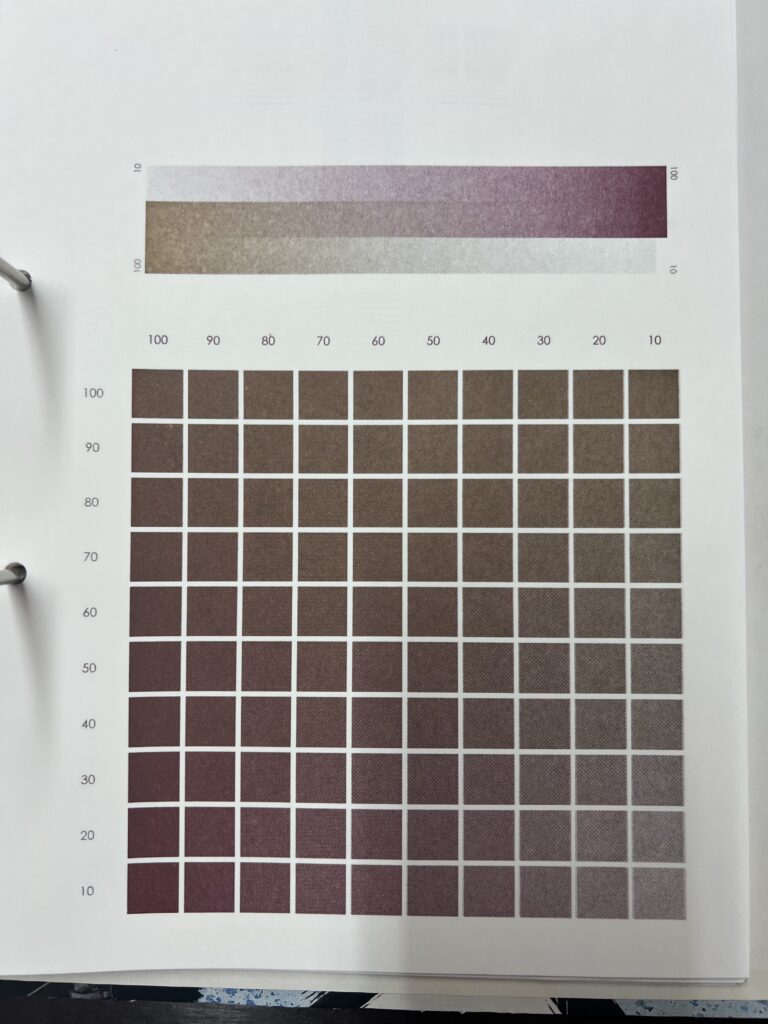
#13 EXPERIMENT: Mixing Riso Colors & Hues

Mixing colors is for the advanced riso designs, so I challenged myself to try it out. 🙂
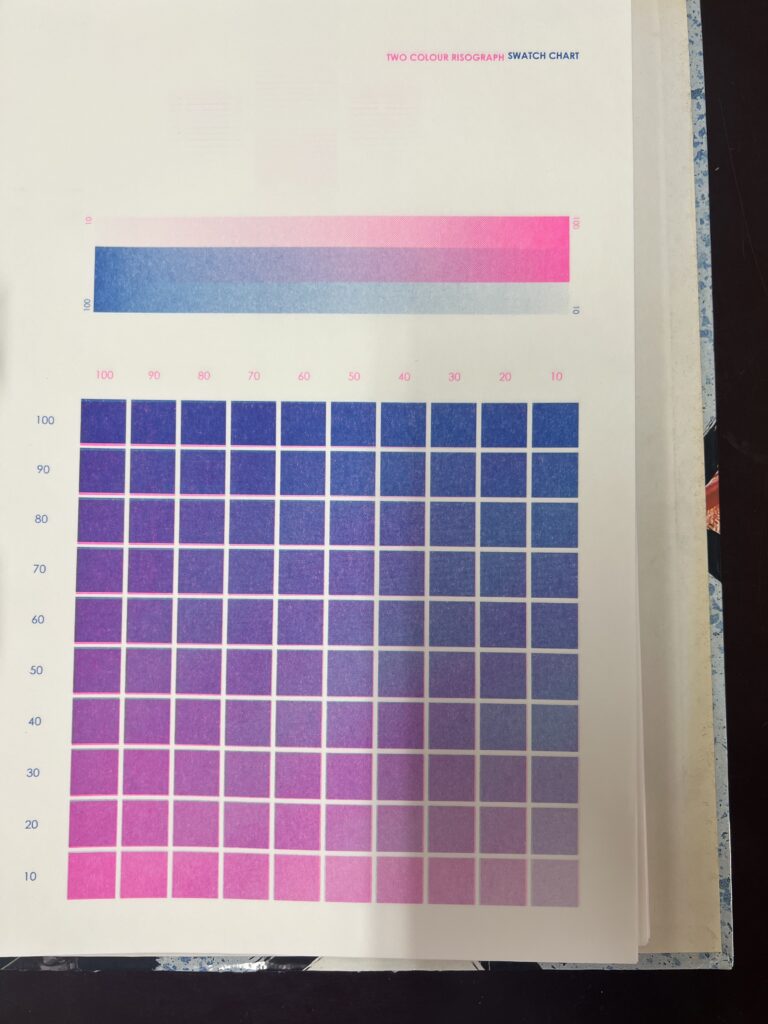
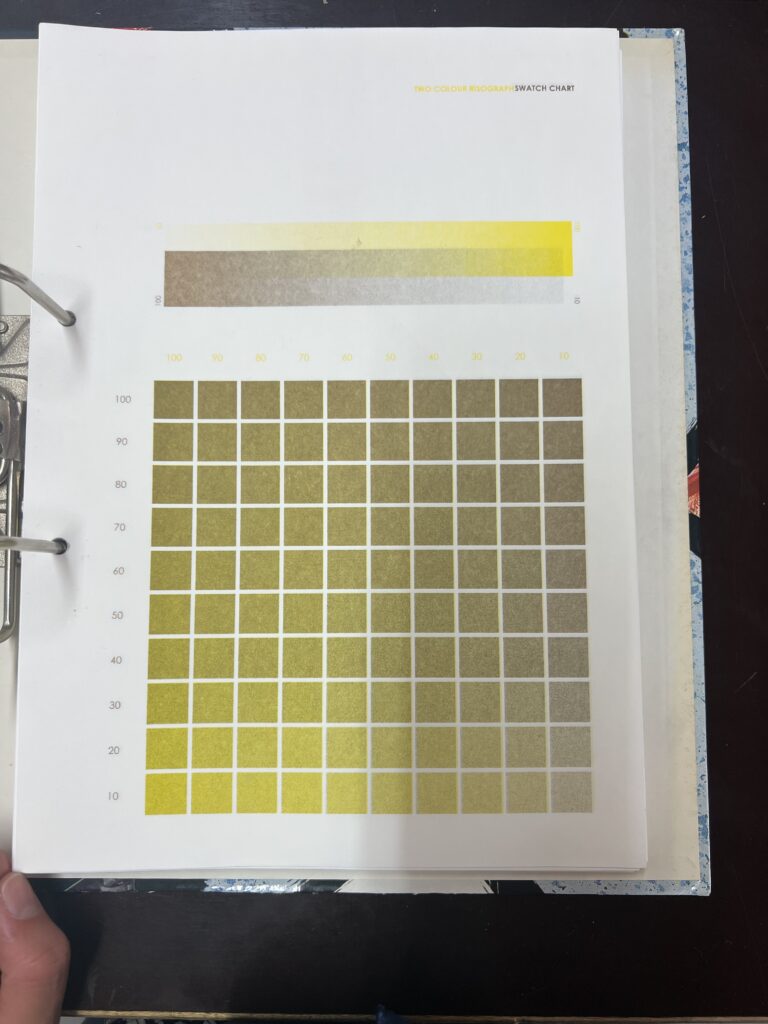
Useful links & resources:

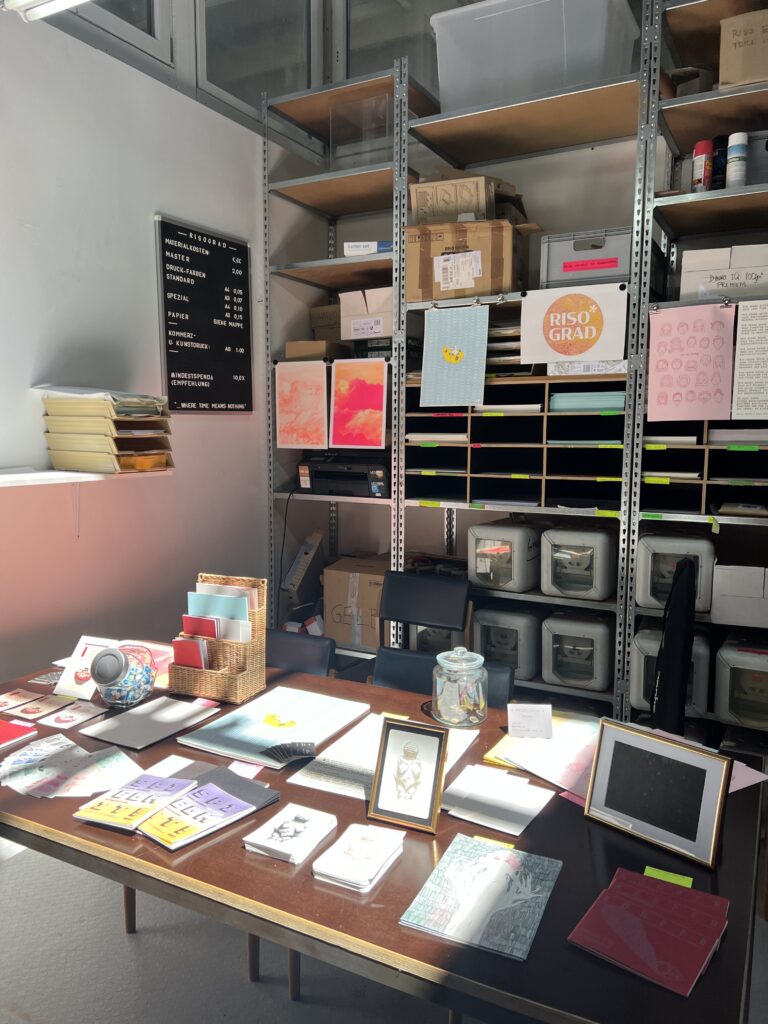
If you are looking for more colors than the ones available in the FH FabLab, check out Risograd Graz located at Schaumbad. They have a nice collection of colors and art pieces to get inspired by.

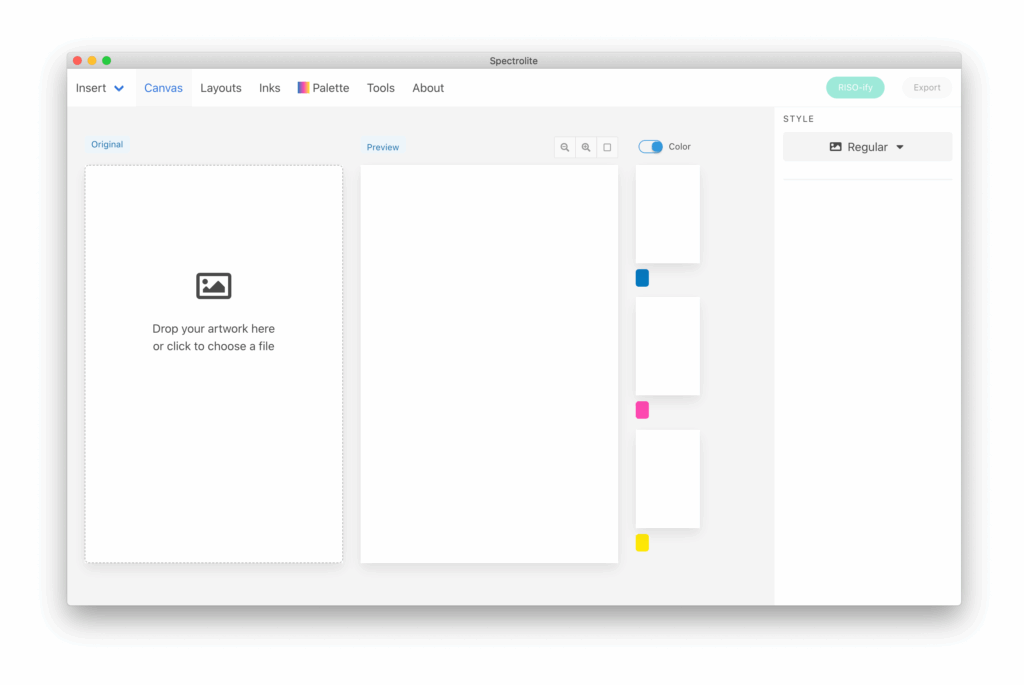
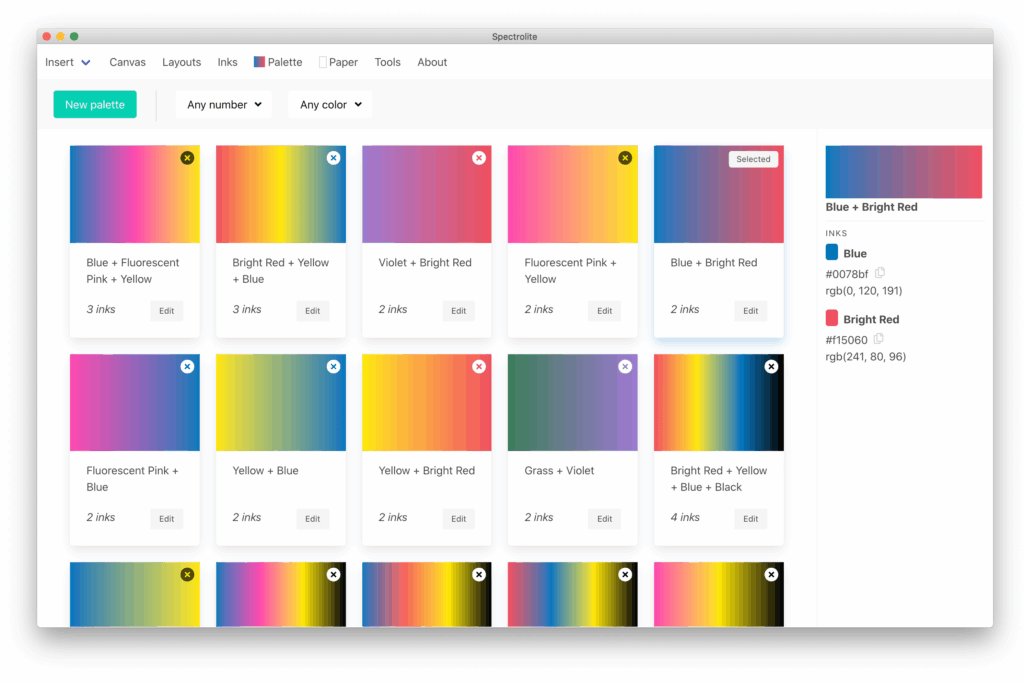
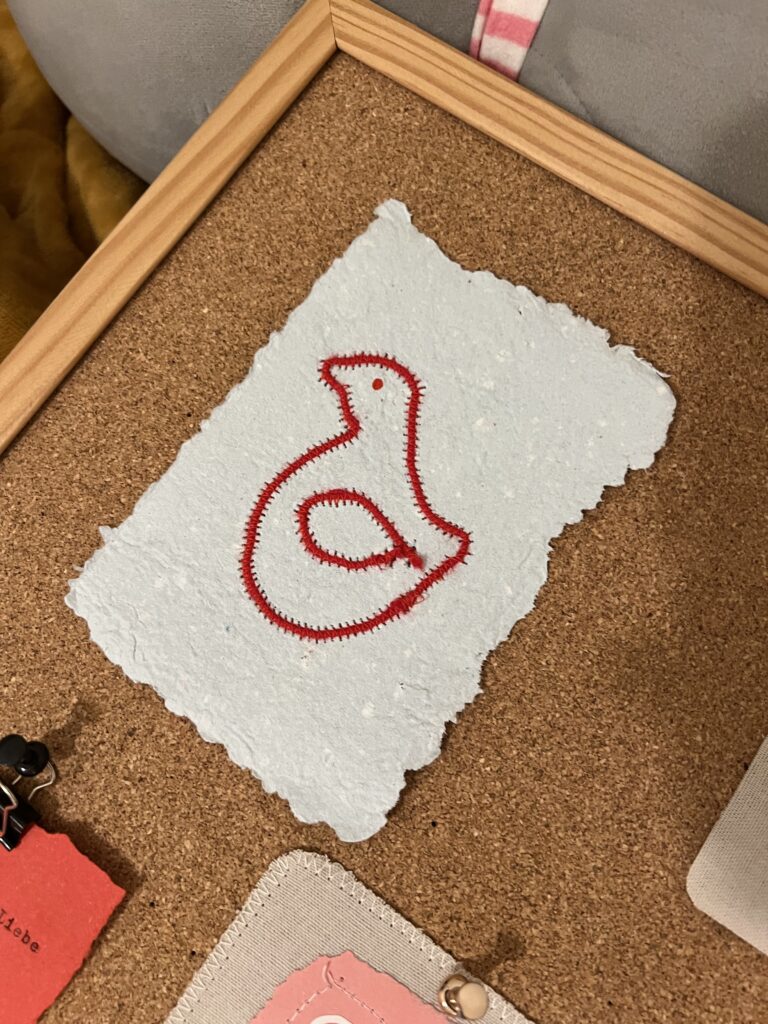
In the following two pictures you can see a pink mountain scape and a duck floating in a swimming pool, which I created with the following tools: draw a vector illustration first in Adobe Fresco (iPad), import layers into Adobe Illustrator on your computer and safe it as a pdf. You can then adjust colors and have a preview in Spectrolite.
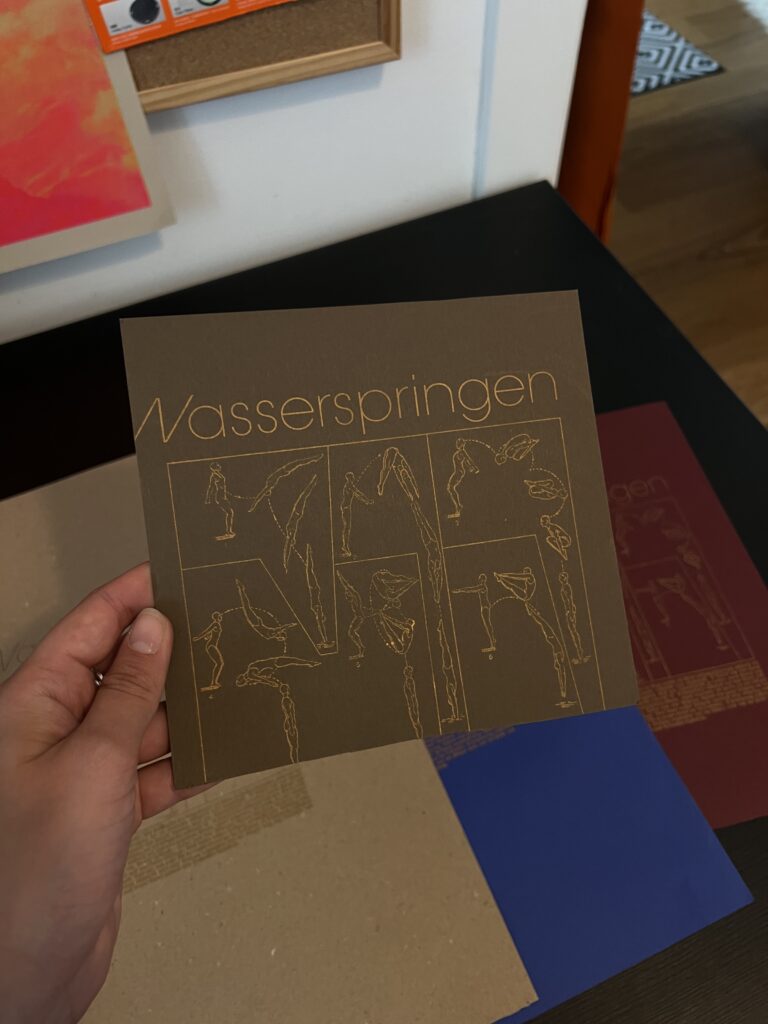
RISO GOLD
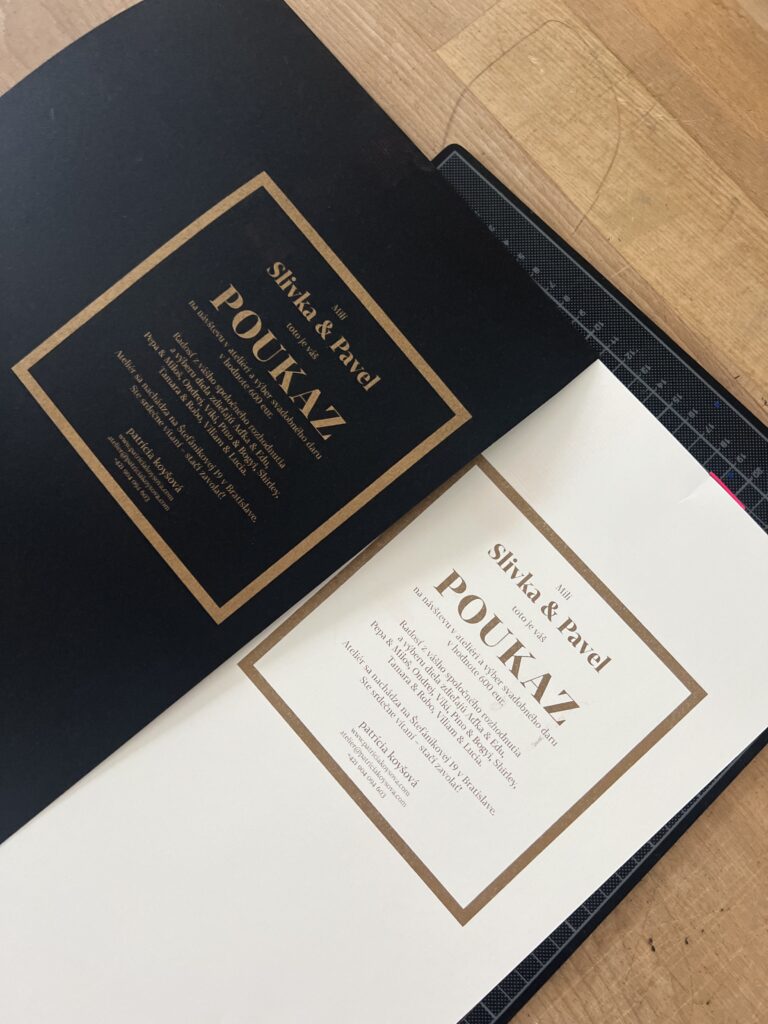
Also I tried the RISO color gold on different types of paper, because on white it looked dull and bownish. I did not want to give up on this special printing color and here are the beautiful results.
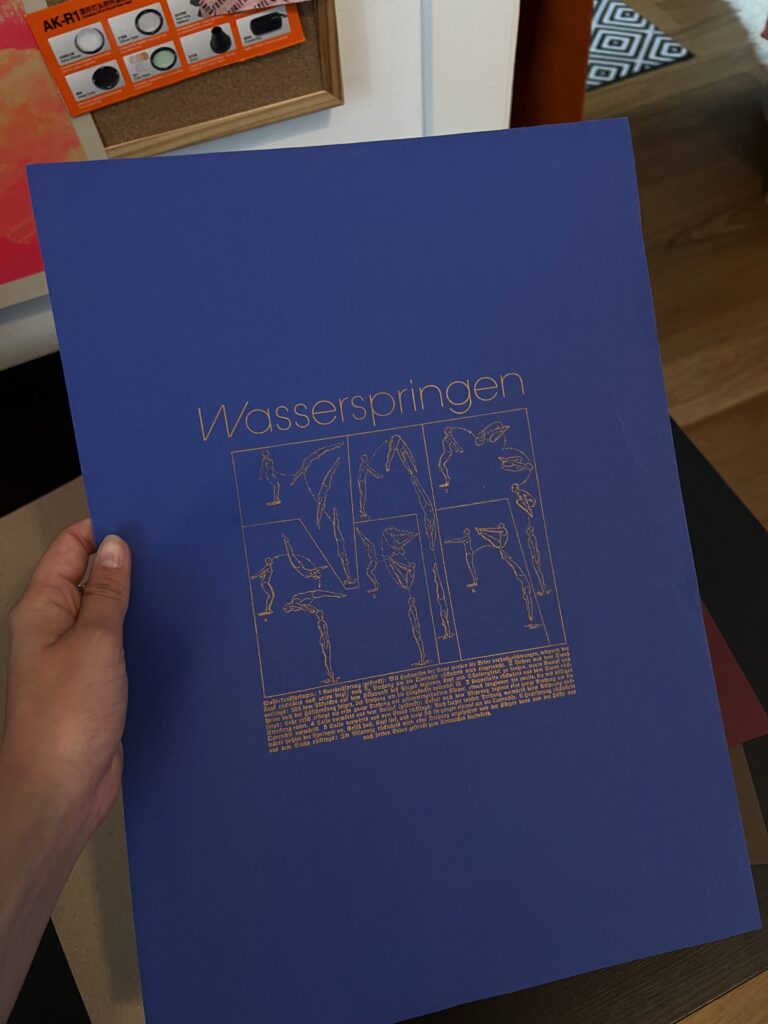
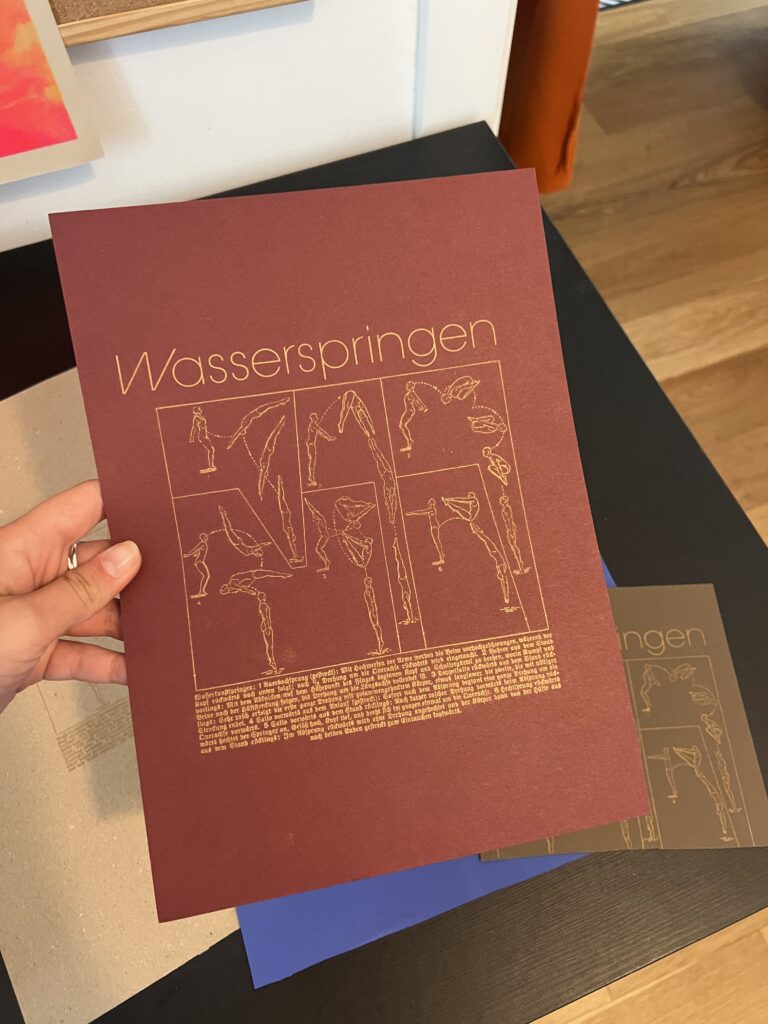
I think black, blue, red and brown paper turned out the best for printing with gold. 🙂

Resources

#12 EXPERIMENT: Breaking Patterns of Glass

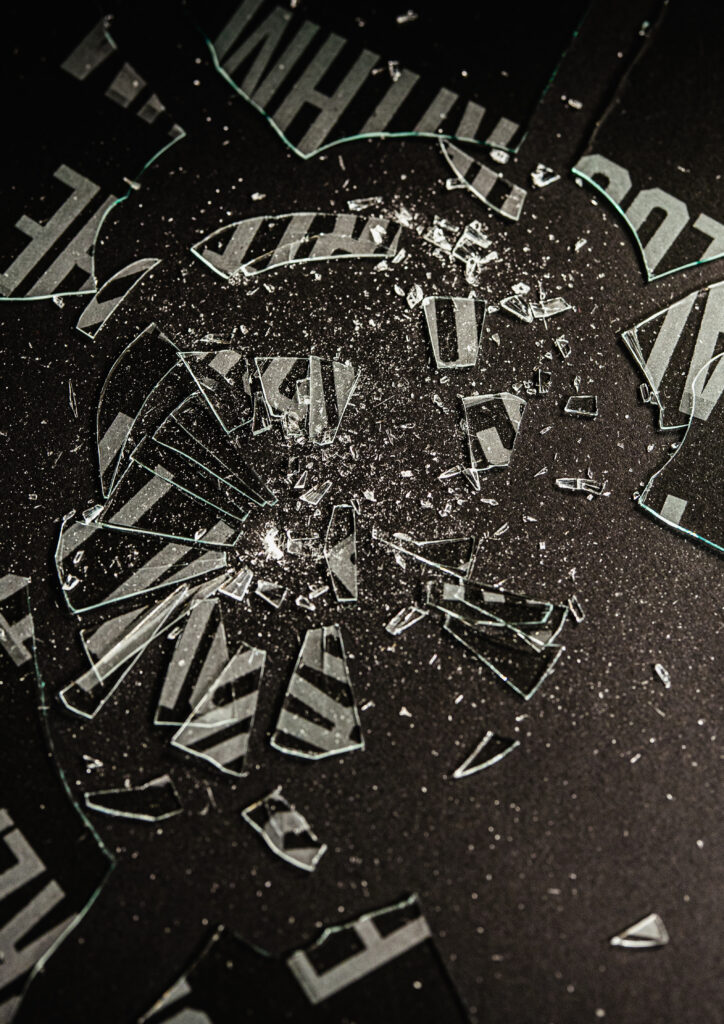
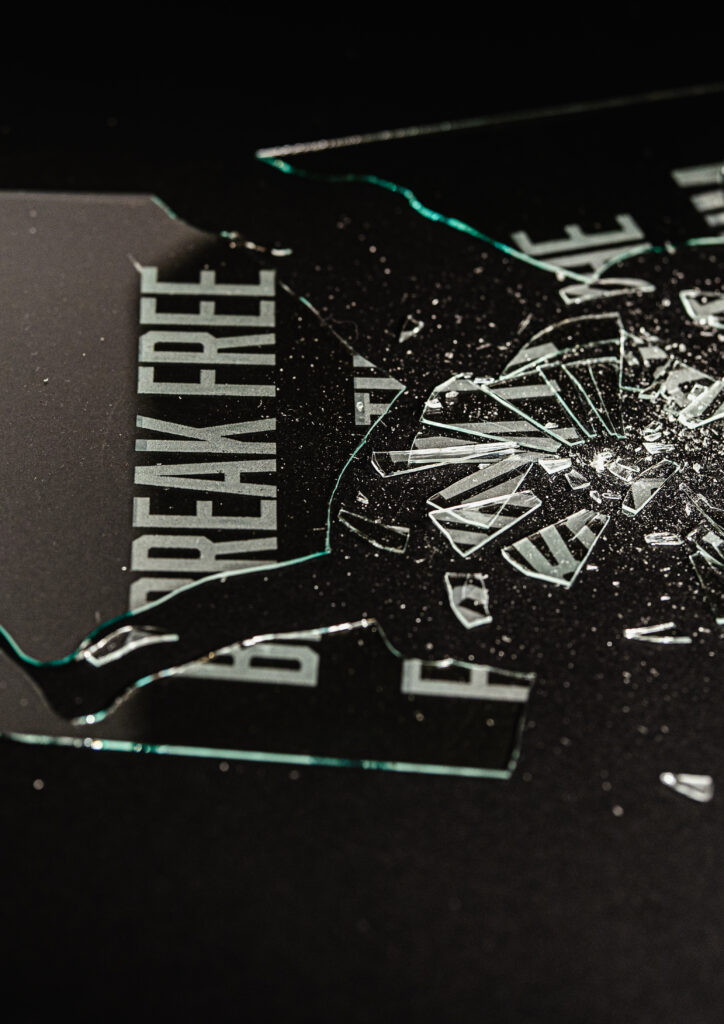
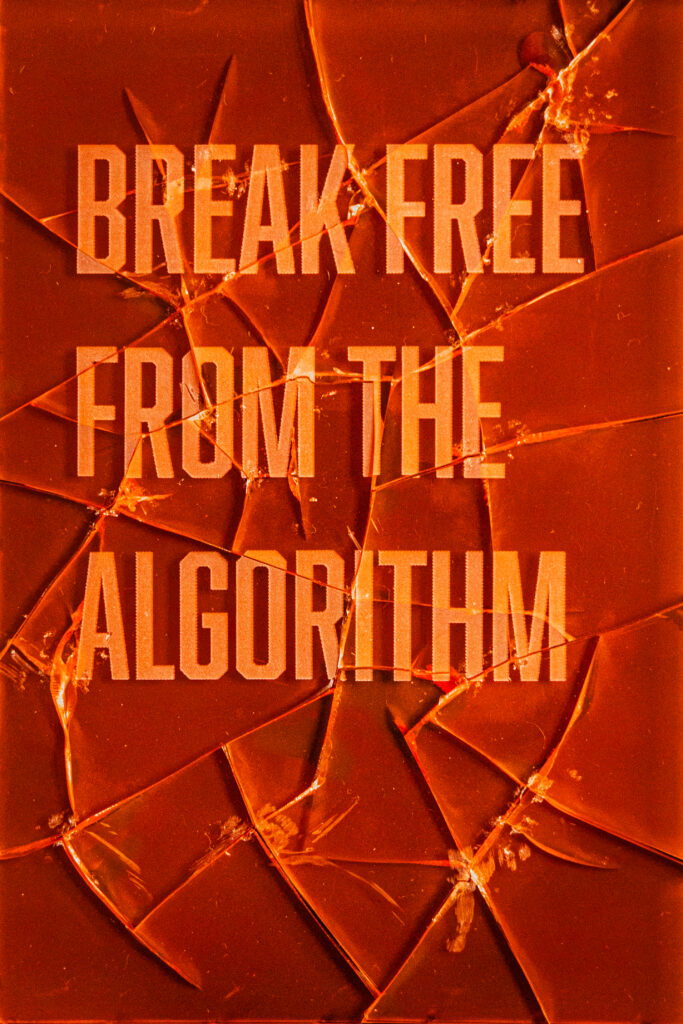
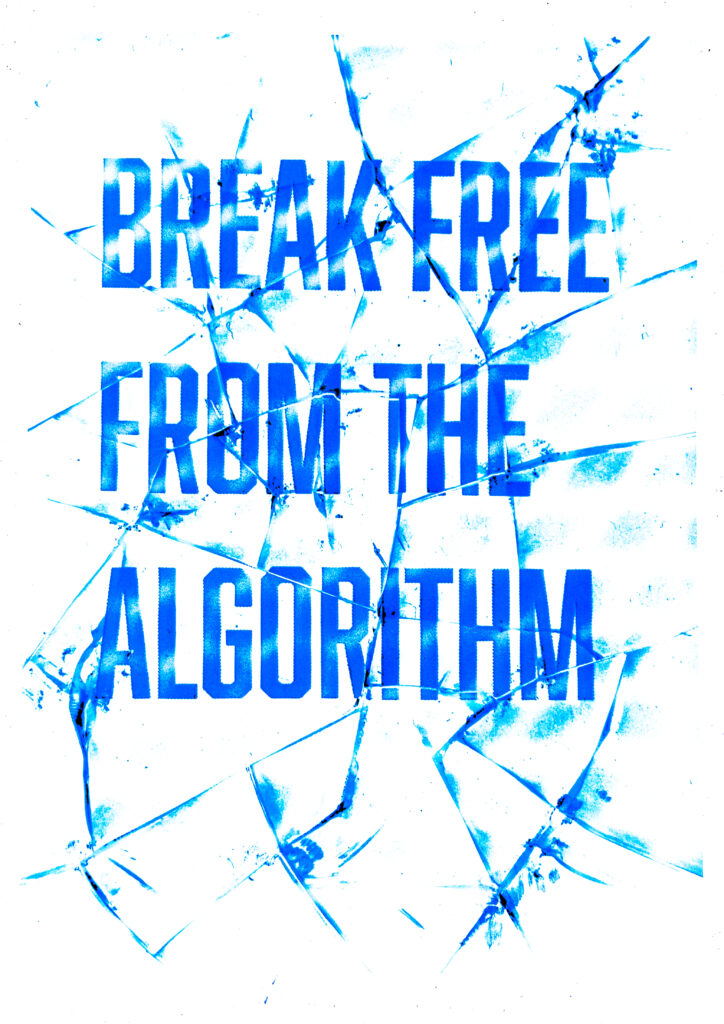
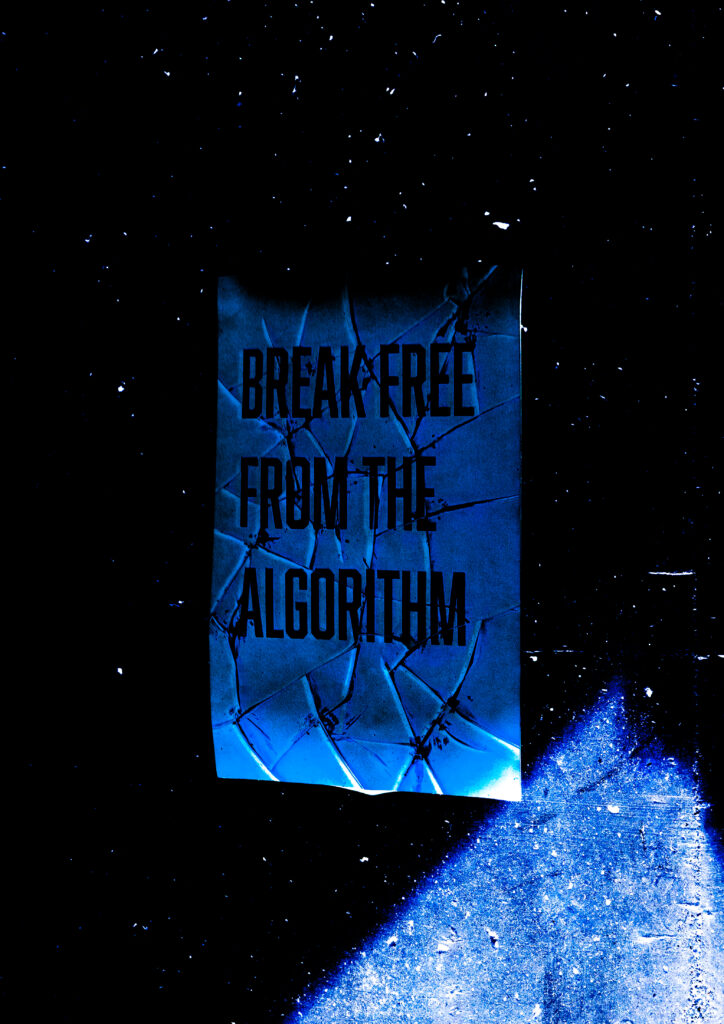
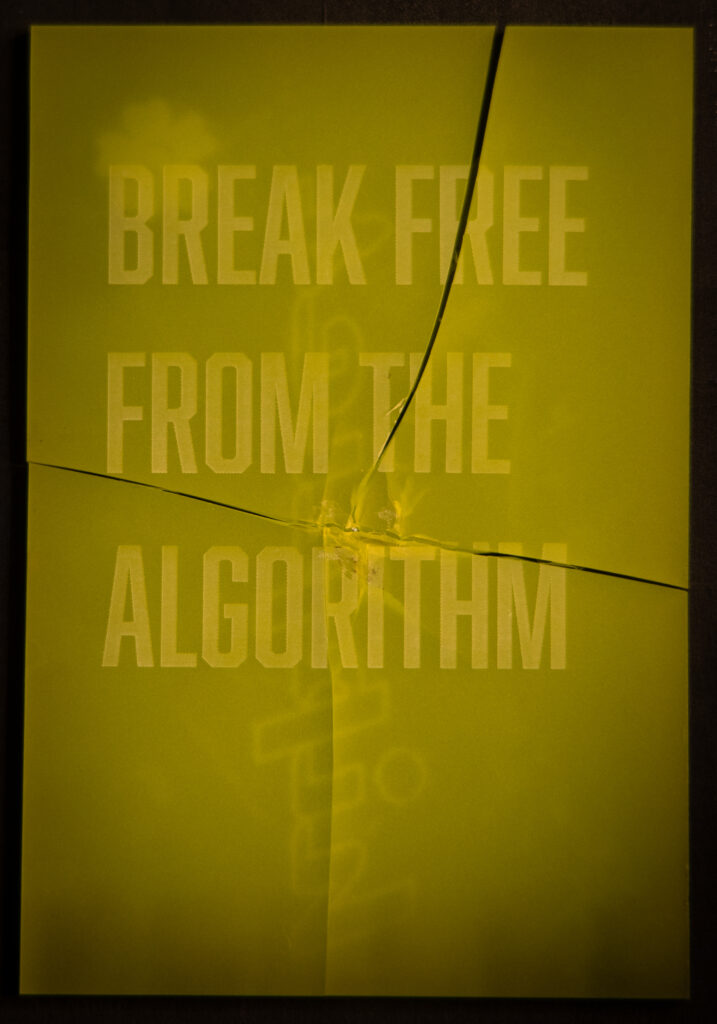
Experimenting with the breaking patterns of Glass to expand my initial idea & moodboard from post #4.1

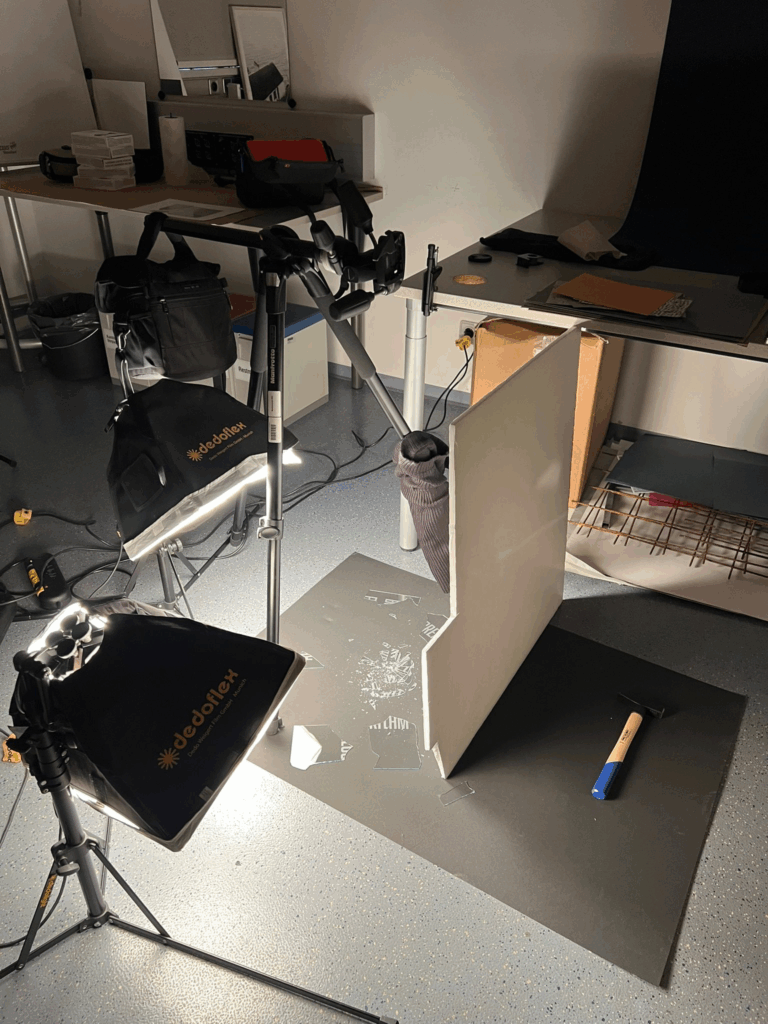
The setup in the FH’s Photo Studio:

  • 2 Softboxes
  • 1 black cardboard
  • 1 white Styrodur plate as a reflector
  • 1 hammer
  • 1 A4 engraved glass
  • 1 black sweater to cover reflections in the glass
  • 1 Manfrotto Tripod
  • Canon R6 MII + 85mm lens

IMPORTANT:

  • Polarizing filter
  • Cleaning wipes for glass
  • Glasreiniger
  • Helping hand of professor to smash the glass

Side note on shooting glass: A polarizing filter is a photographic filter that is typically used in front of a camera lens in order to reduce reflections which is extremely helpful in this setup.

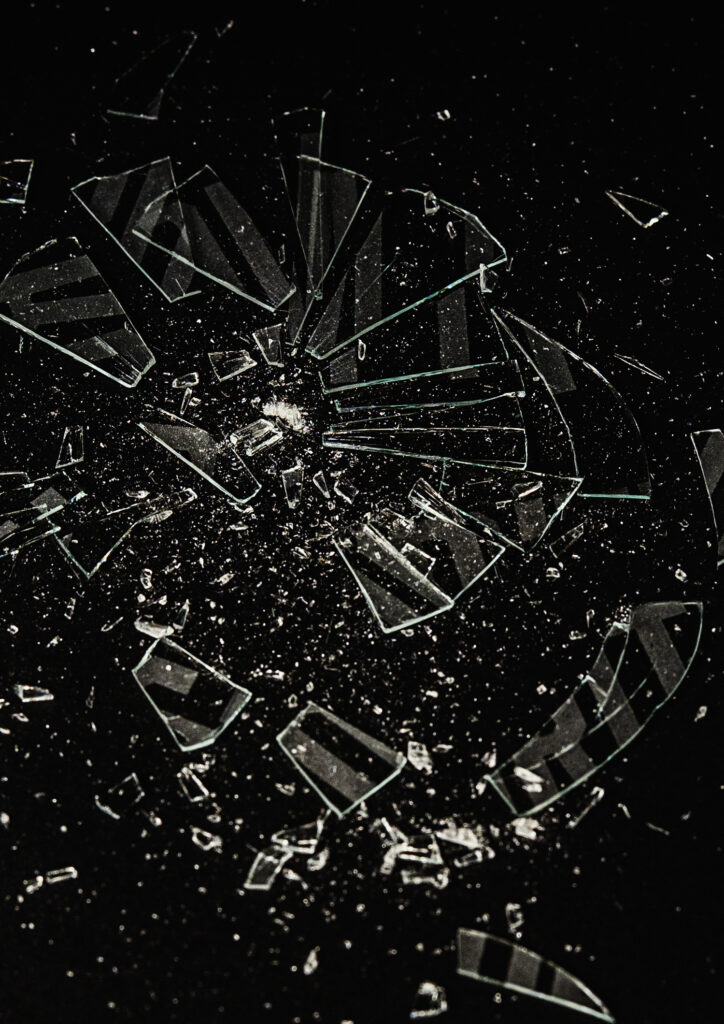
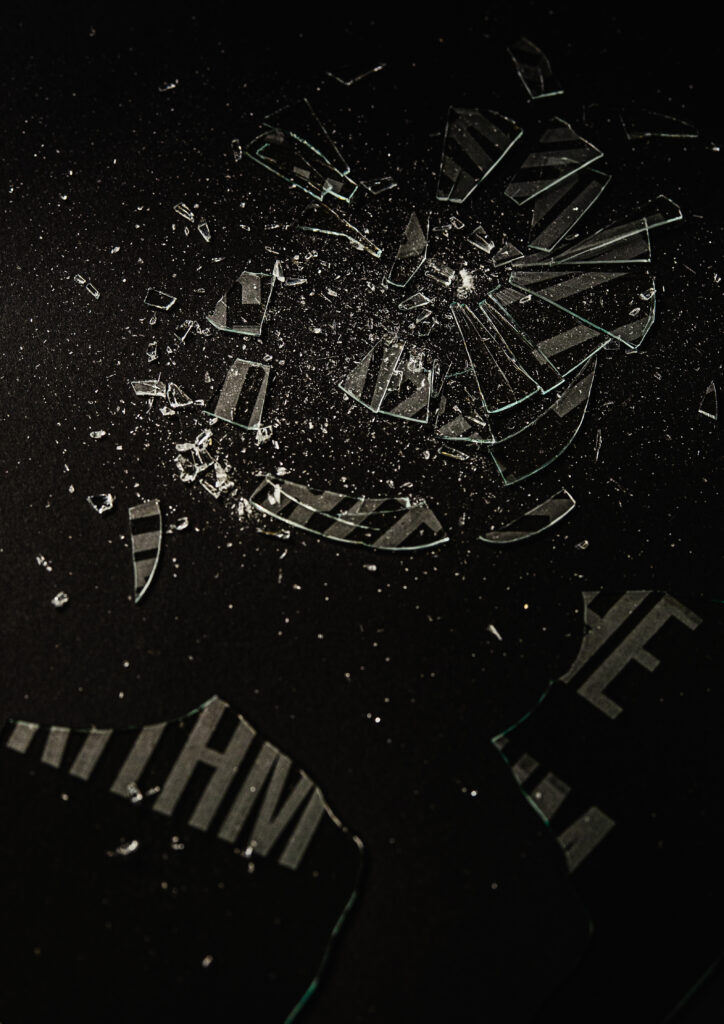
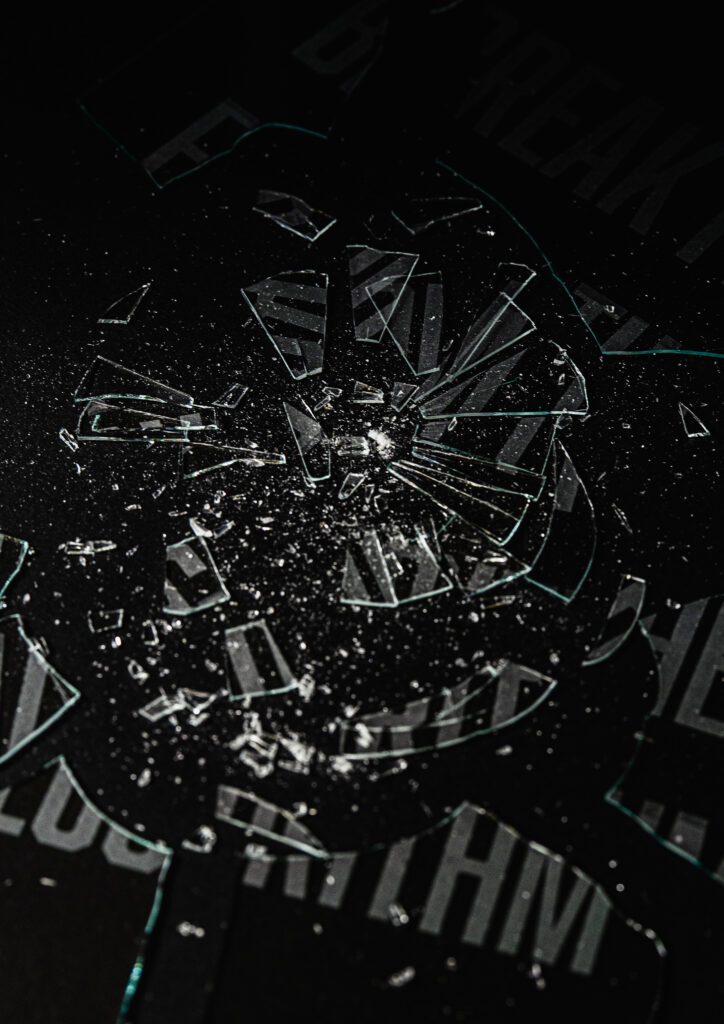
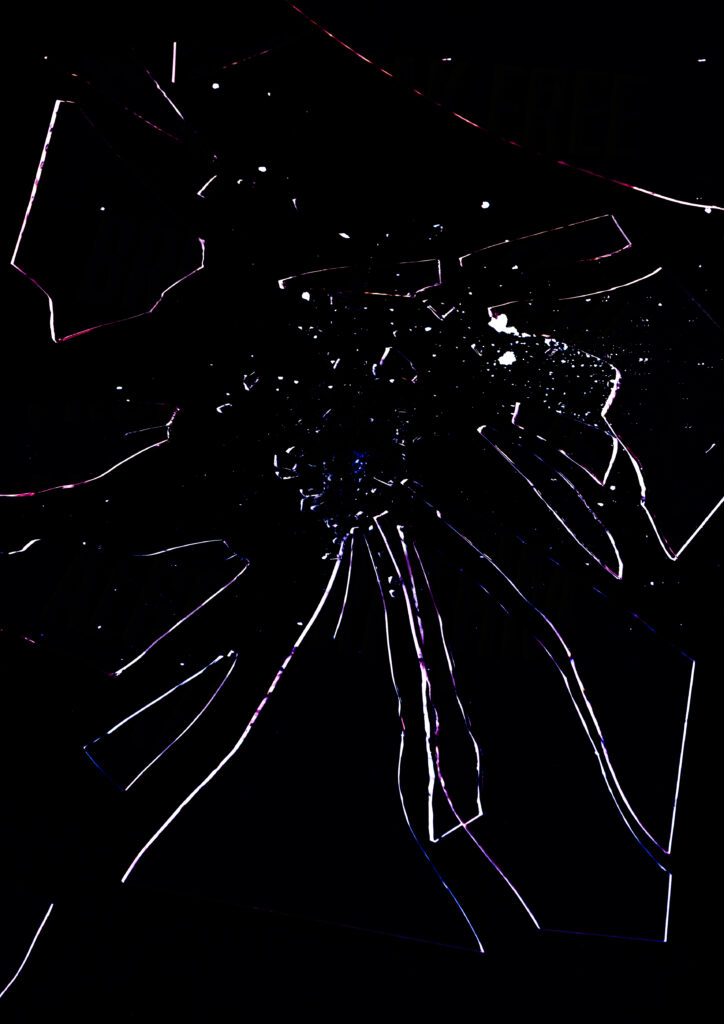
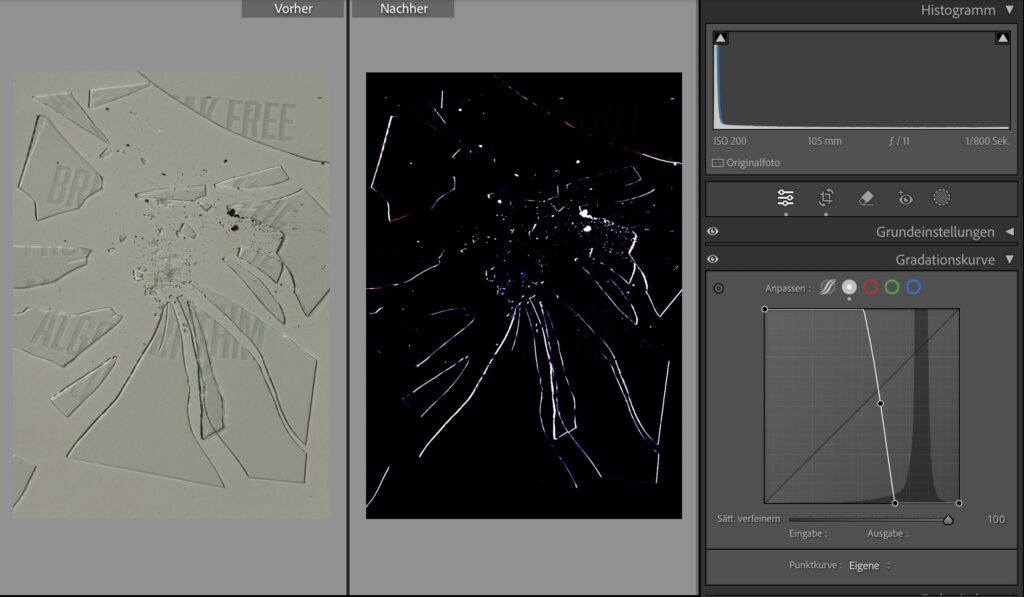
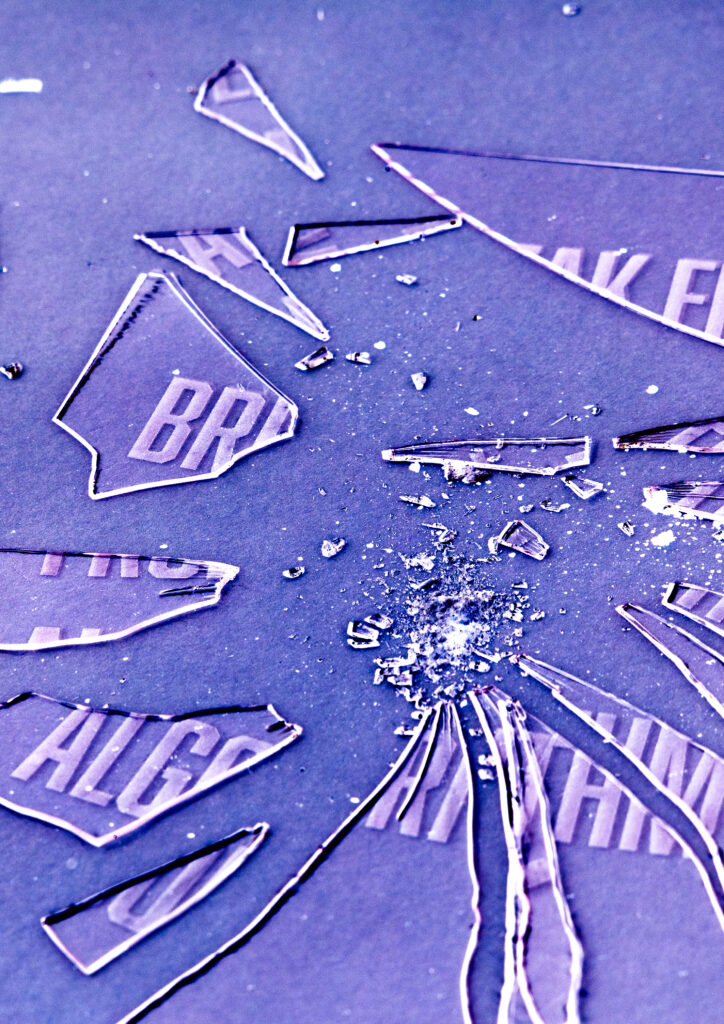
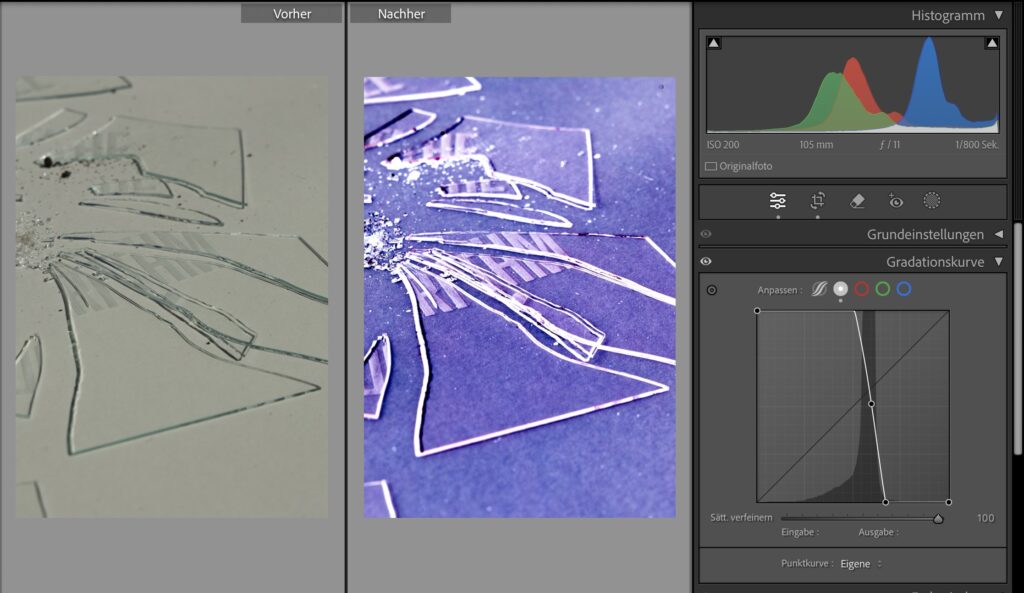
The results after post production in LR:

#11 EXPERIMENT: Analogue x Lightroom

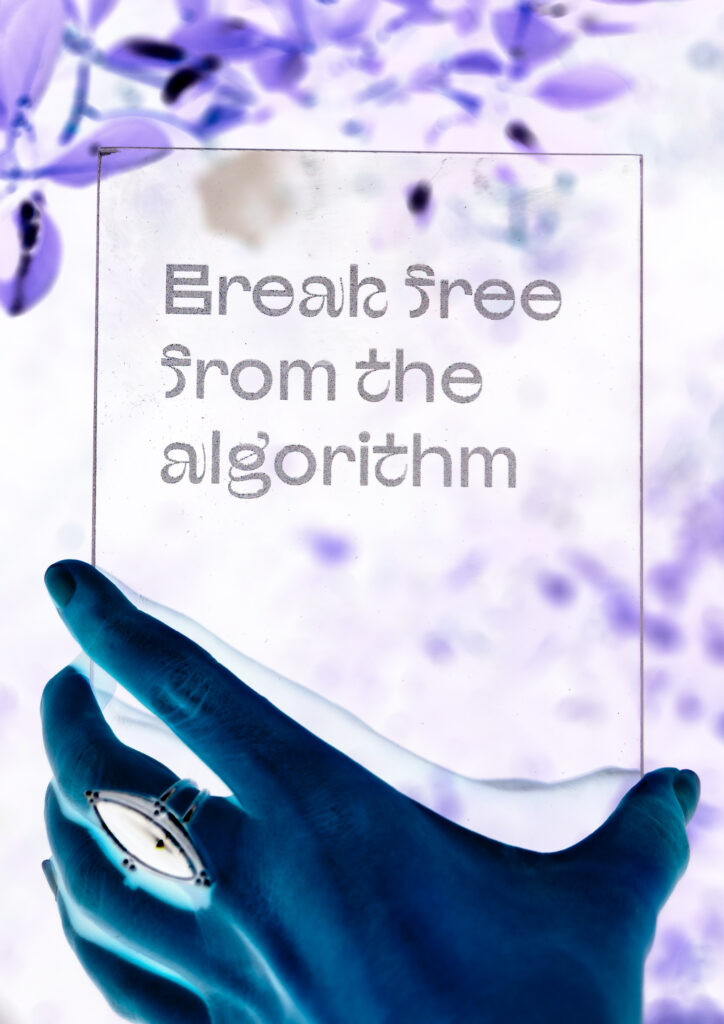
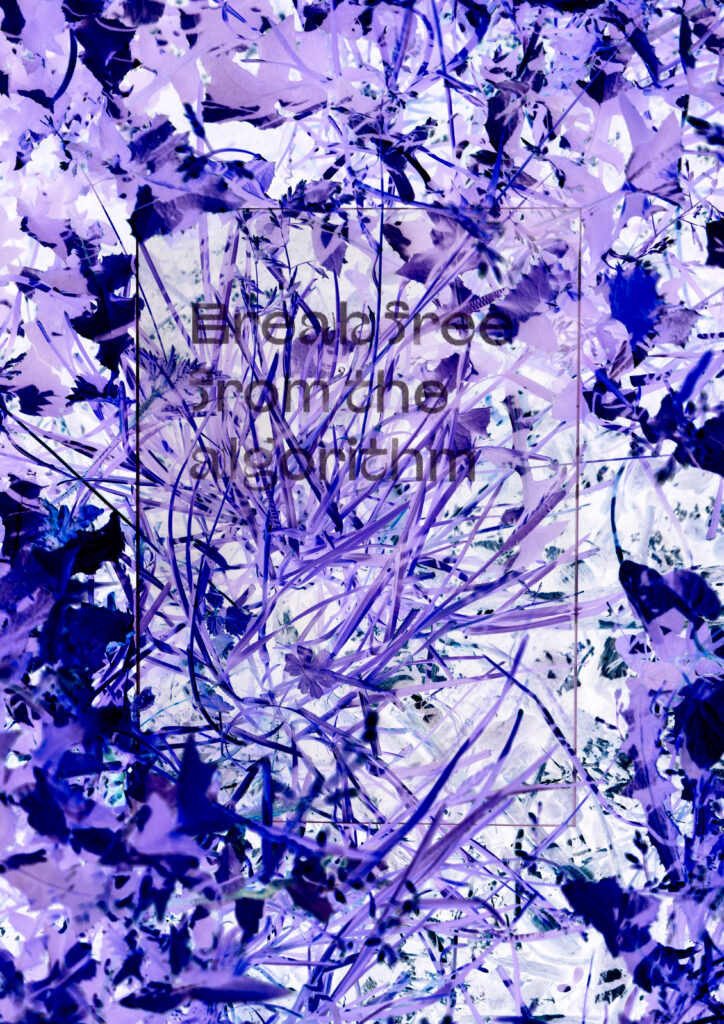
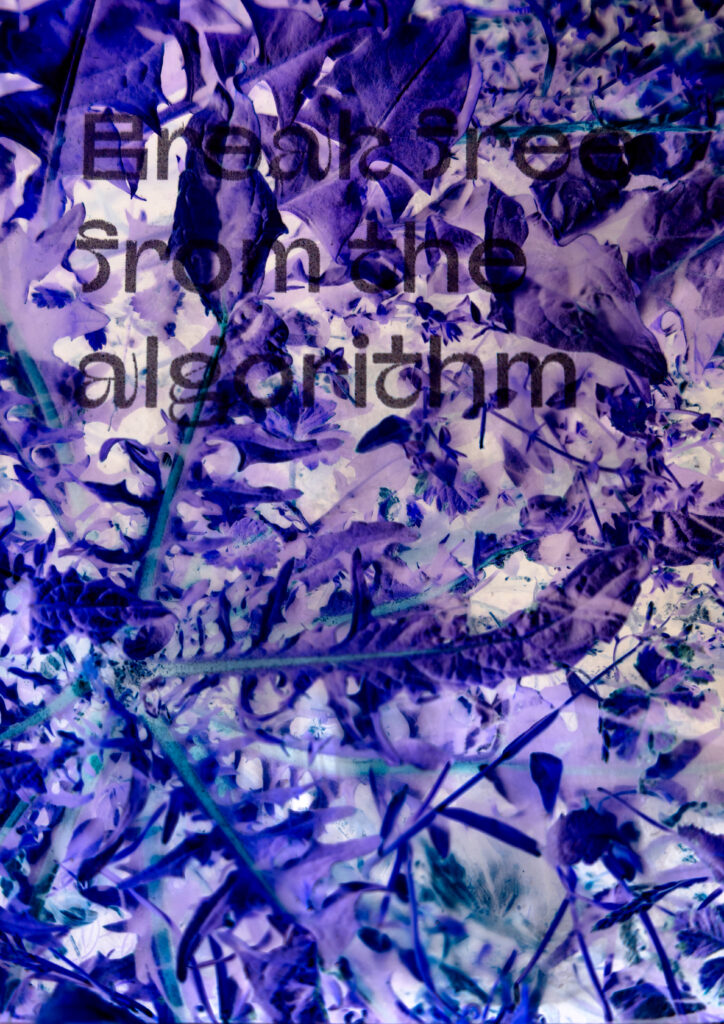
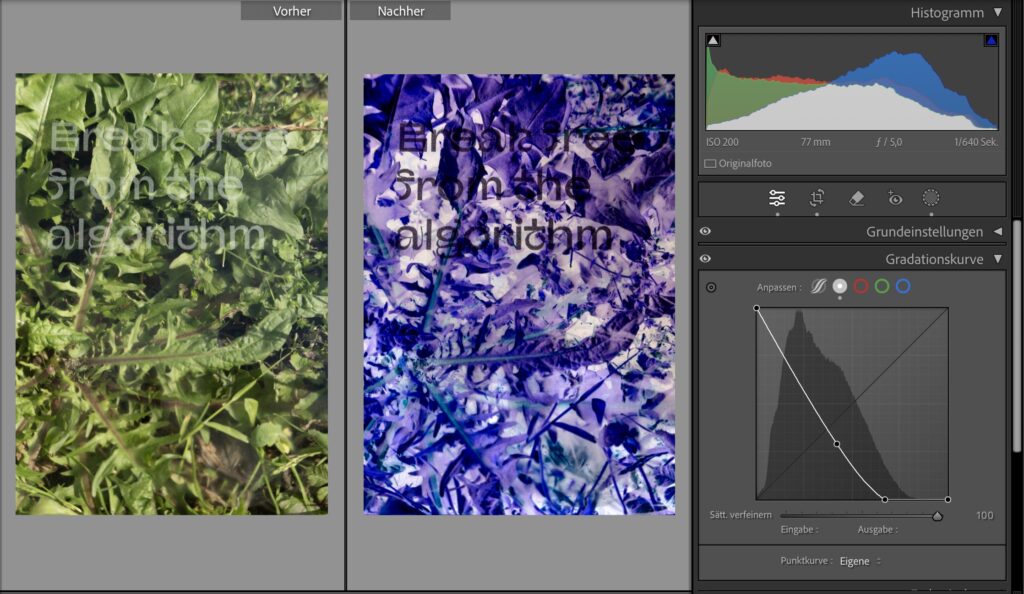
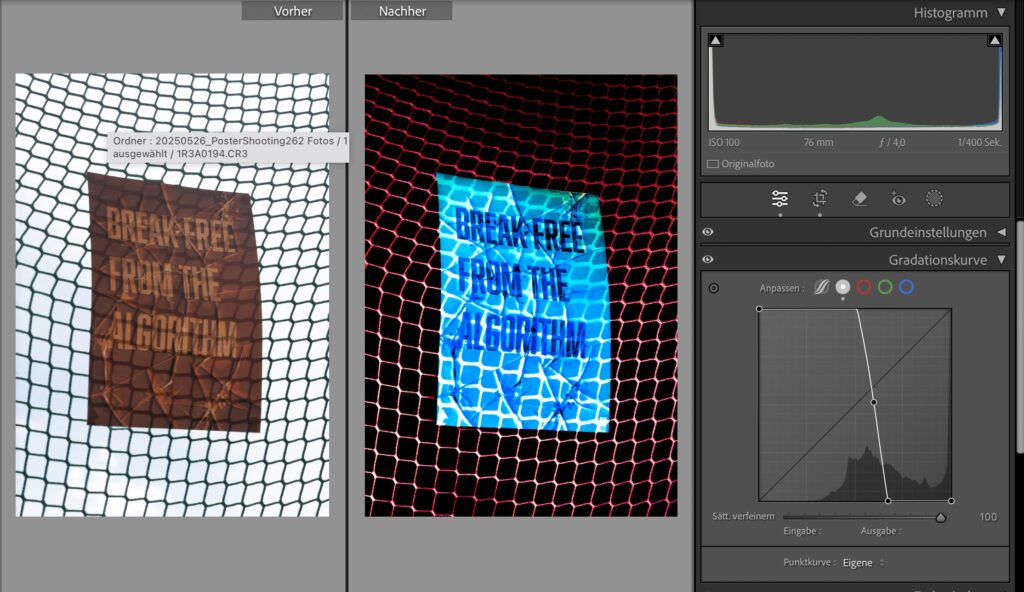
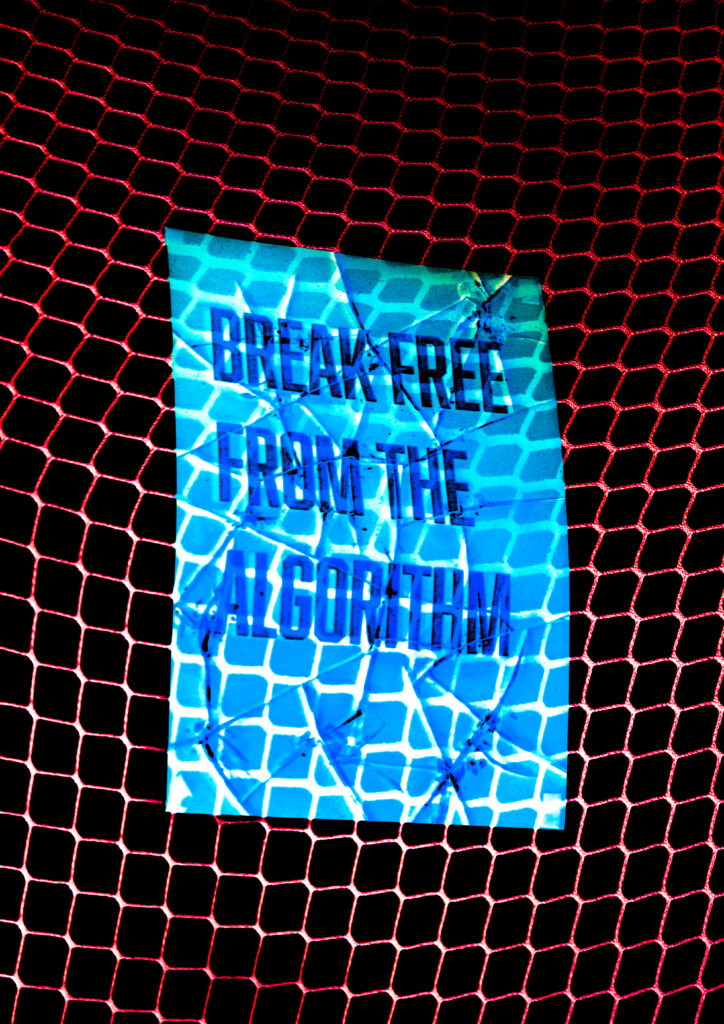
Editing can have a huge impact on the overall mood of a picture. The before images look plain and “boring” compared to what I created in LR. Usually the goal of a “good” photographer would be to keep the editing minimal and making it look natural and not too fake, but here I wanted to go to the extemes. The lasercut glass, originally a tactile and light-reactive material, becomes a canvas for digital light manipulation.

Medium: Photography (of analogue designs, here Lasercut glass artworks) + Lightroom editing

Method: Extreme post-processing to reframe meaning, emotion, and visual identity, Material vs. Digital, Mood Creation vs. Documentation

The goal is not to make the image look “good,” but to push the visual mood to its extreme edge, breaking down the idea of photography as neutral or truthful. Here are my experiments with the previous lasercut designs on glass from experiment #4:

Structure of the Experiment:

Phase 1: Capture the Raw

  • Photograph your lasercut glass designs in neutral lighting (daylight or studio).
  • Use a consistent background and angle for control.
Screenshot LR

Phase 2: Create Mood Extremes in Lightroom

Create a series of radical edits, each based on an extreme manipulation of light

  1. Overglow / Celestial Mood
    • Max out whites, clarity, and glow. Shift tones toward blue-violet.
    • Glass appears divine or untouchable like a starry night (see image above)
Screenshot LR: side-by-side “Before & After” displays

Using the gradient curve in an unusal way by inverting the colors, creating special effects with the otherwise translucent glass:

More experiments:

Screenshot LR
Screenshot LR

In a digital age, we rarely encounter anything unfiltered. By exaggerating the act of editing, this project lays bare the emotional manipulation inherent in visual culture. Not hiding the edits. I am weaponizing them and making them my own visual channel.

Video “Animation”

#10 EXPERIMENT: Thermo-reactive paper designs

Conceptual Framework

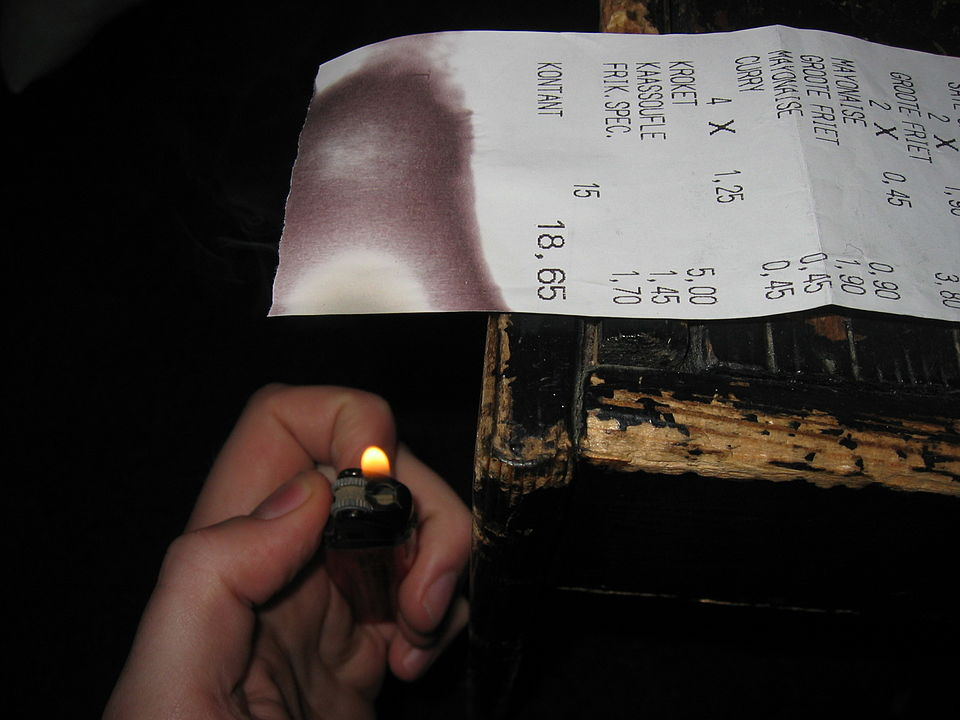
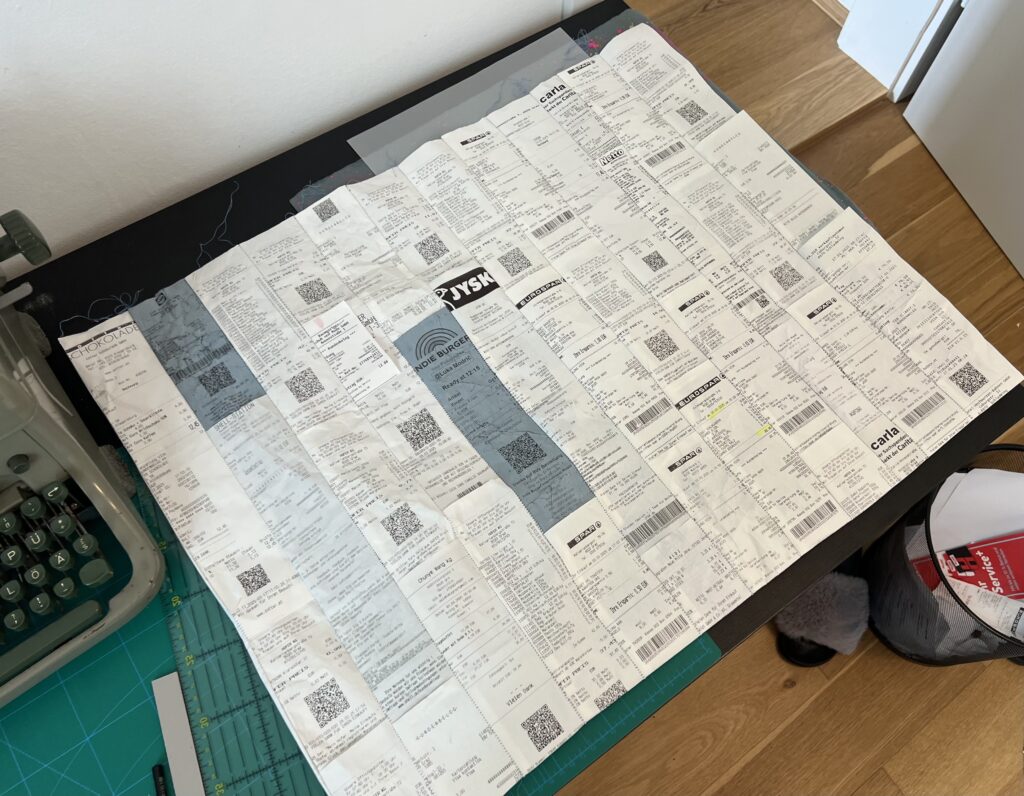
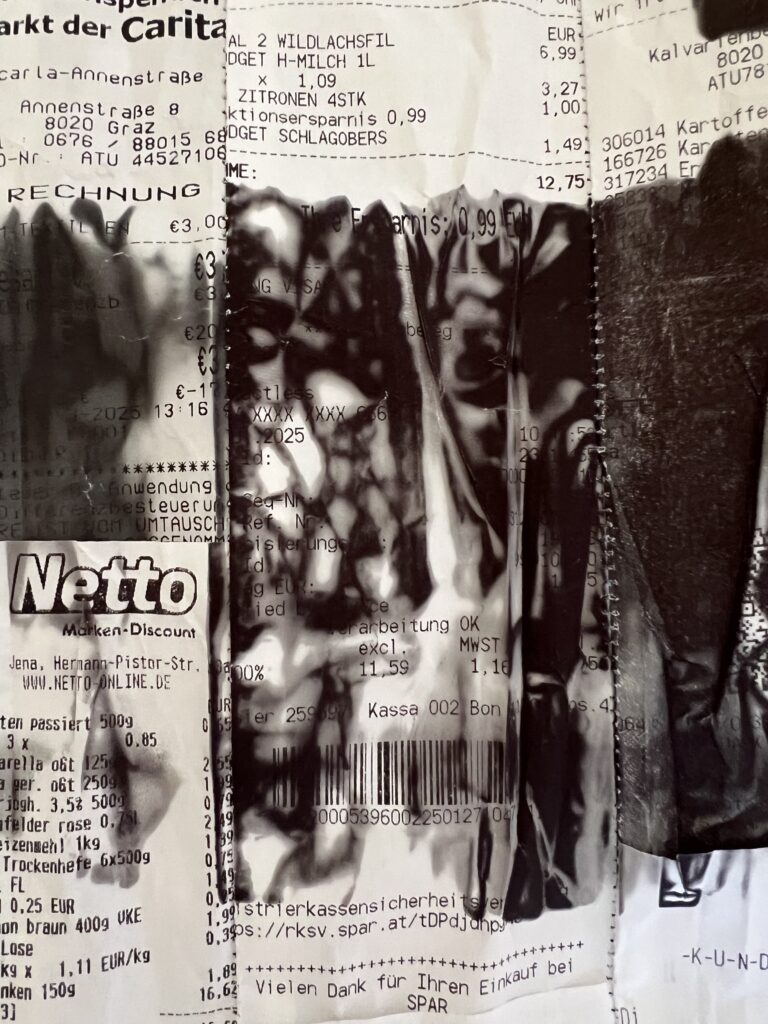
Thermal paper is a paradox—designed to be instant, cheap, and disposable, yet it holds the traces of our most habitual activities: purchases, travel, appointments. This experiment turns thermal paper into a reflective surface for memory, authorship, and decay—writing with heat, not ink.

By scaling up receipts and inviting physical interaction (via heat), this work makes the invisible visible, and explores themes of data, consumption, and agency.

Thermal paper can mainly be found in receipts in our every day life.

Moodboard:

As I collected a pile of receipts I wanted to make them a larger format which is why i sewed them together to a >A2 poster. This “fabric of consumption” became my base canvas with the intent to turn throwaway records into an artifact worthy of scale and attention.

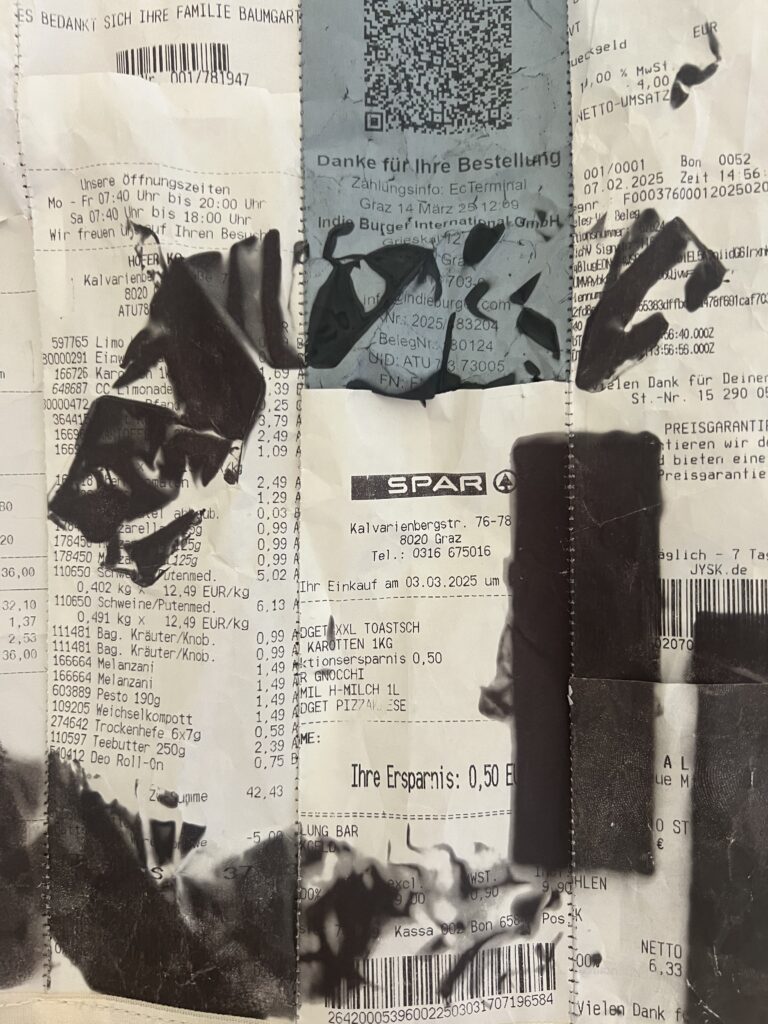
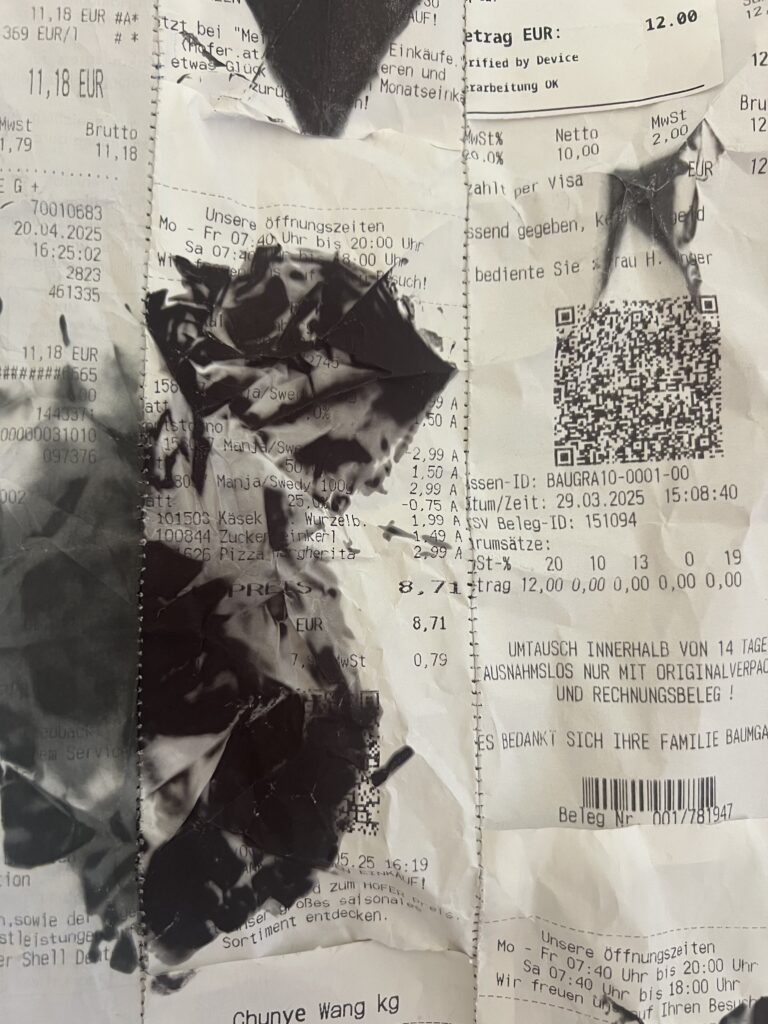
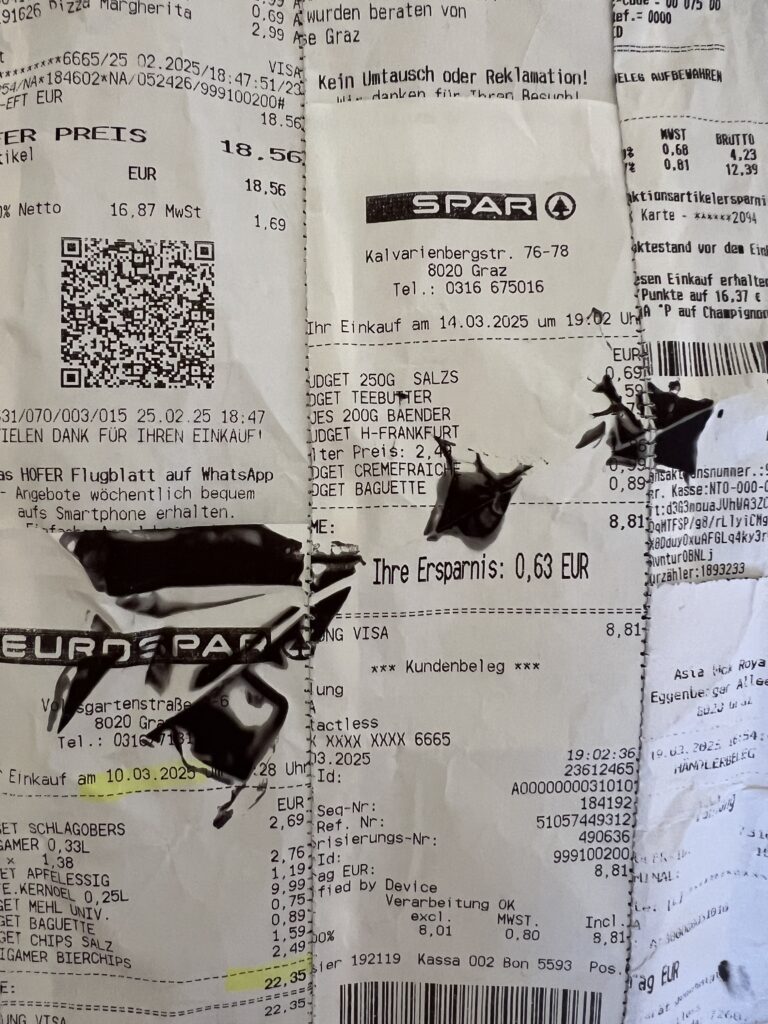
To make the experience interactive I brought my hair straightener to the FH and let our classmates interact and mess with my poster and this is how it turned out:

Documentation / Final Format

  • I should photograph or scan the heat-marked surfaces before and after interaction.
  • Mount the receipt poster behind a glass or frame
  • Alternatively, film a time-lapse of the interaction: viewers burning, revealing, erasing.

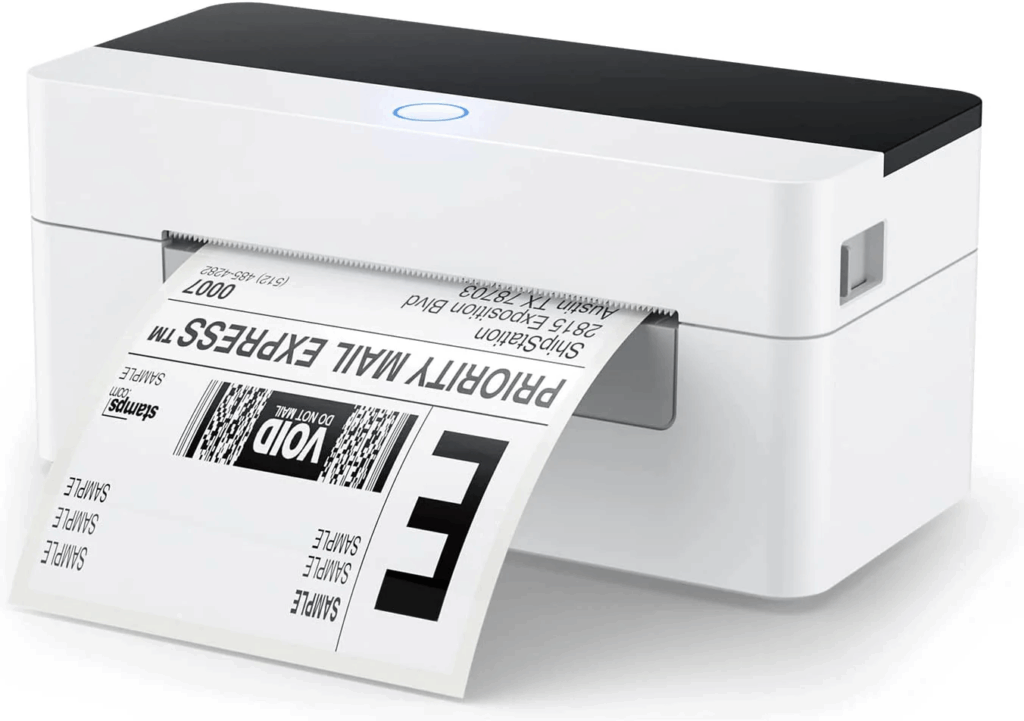
For further research with this material I wanna loo into thermal labels next. I have lots of paper for my label printer which I would like to inlcude in one of my experiments.

#9 EXPERIMENT: Transparent Paper x Storytelling

Concept Statement:

Transparent paper is not just a surface—it’s a metaphor. It can reveal, distort, conceal, or overlay. This experiment uses transparency to interrogate truth and illusion, age and memory, appearance and internal life, and how these concepts interact when layered both physically and conceptually.

Collecting ideas for meaningful messages matching the material:

  • Transparent Poster
  • Old vs. young age in layers
  • Masking
  • Facebook spying van (OFFF)
  • Look Inside a Body
  • Hidden brain structures
  • Naked vs. Dressed

After this brainstorming I went online to collect inspiration and create a moodboard.

Objective

To explore how messages change in meaning depending on what is revealed, what is hidden, and what is layered—using transparent paper as a tool for storytelling.

Choice of Material

As I already collected bad experiences before with trying to print on transparent paper with a digital printer I was looking more into analogue techniques to process the material in an artistic way.

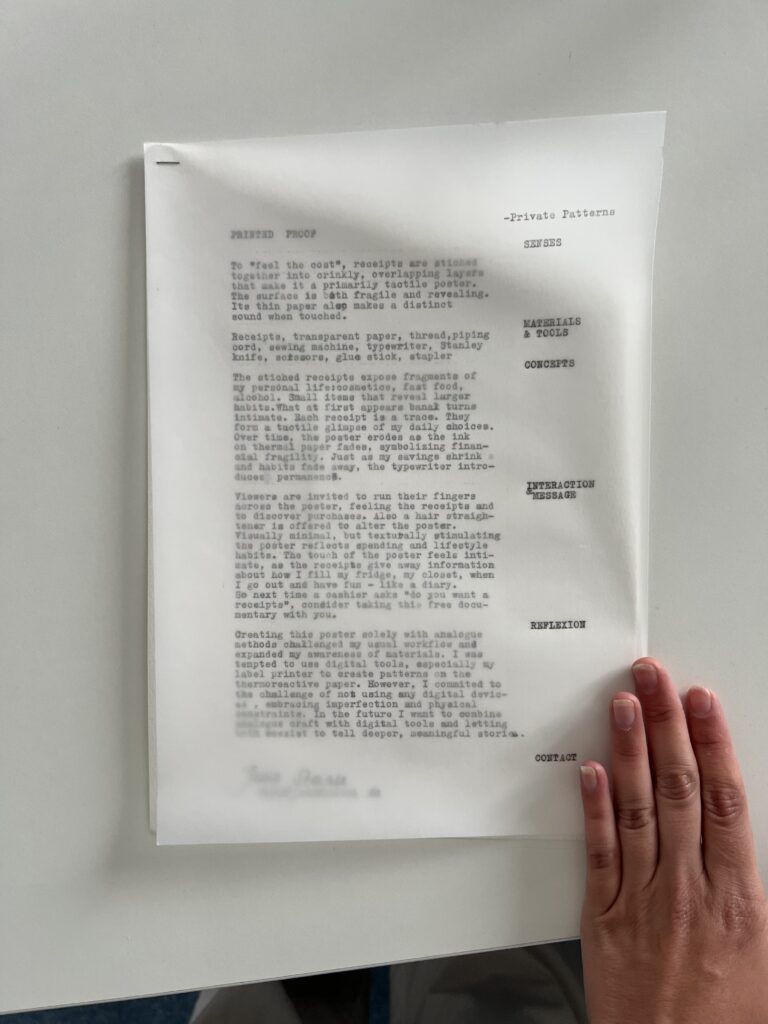
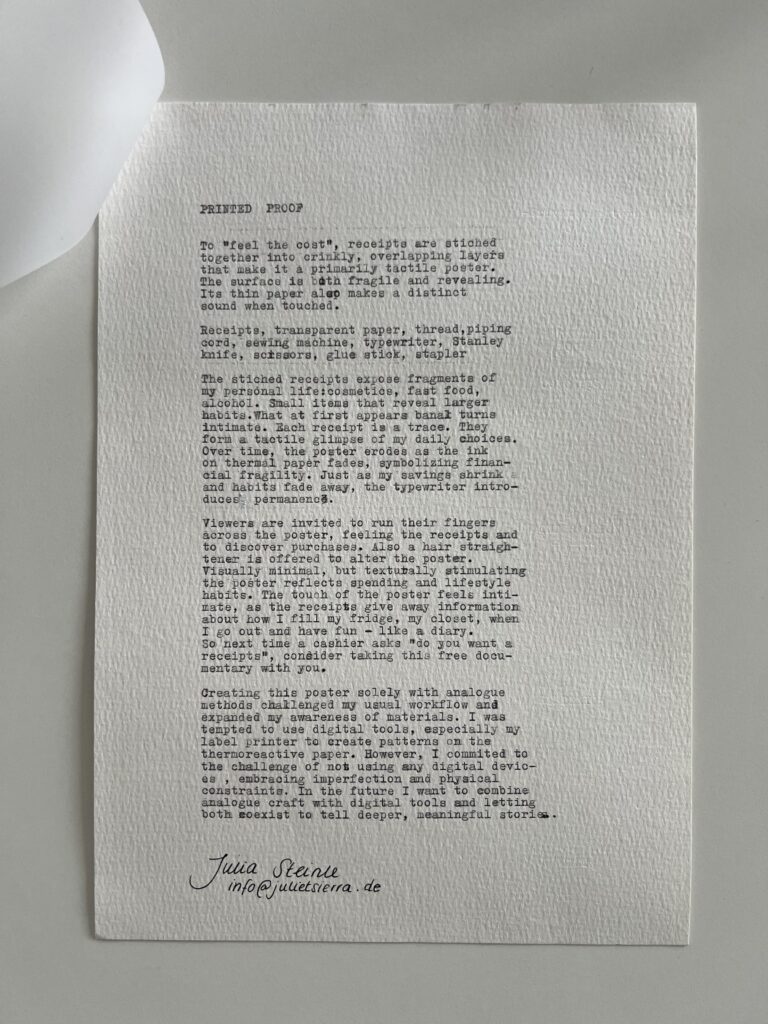
Here is a Typewriter design I created with transparent paper:

Final Format:

  • Assemble into a zine, scroll, lightbox installation, or hanging mobile, just something that allows interaction with transparency.
  • The piece could evolve as viewers shift, flip, or rearrange the transparent sheets to emphasizing the changeable, nonlinear nature of thought, identity, and perception.

Reflection:

The transparent paper doesn’t just support your content, it is the content. It forces you to rethink legibility, presence, and absence. This experiment shows how fragile, overlapping realities create depth, much like the inner life of a human being.

#8 EXPERIMENT: Laser x Lino printing

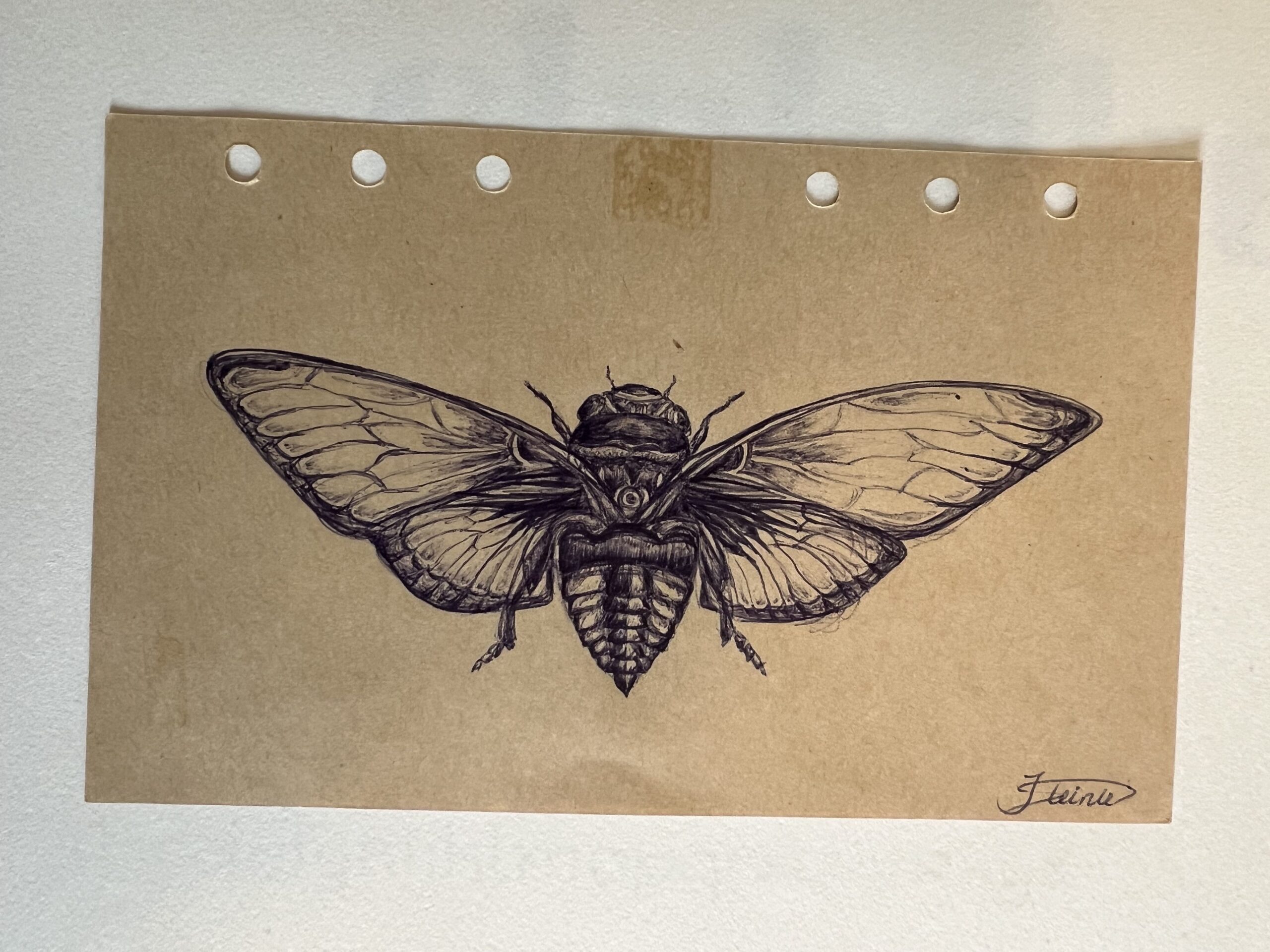
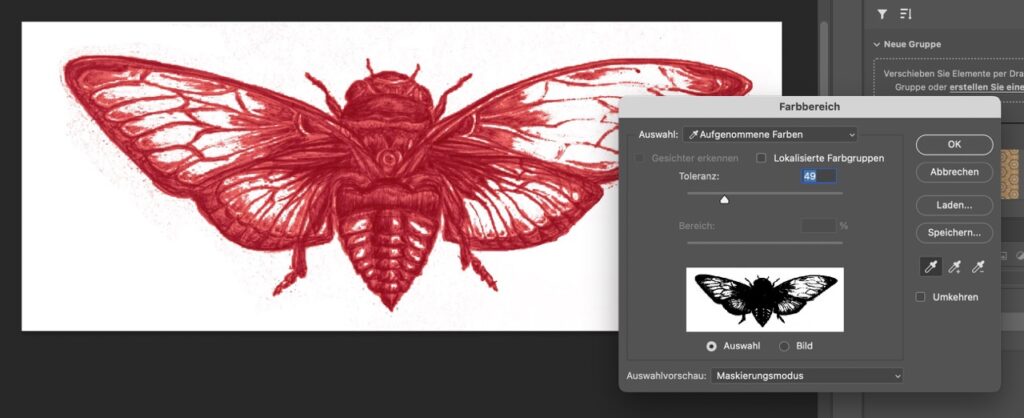
Digitalizing the illustration and cleaning it up in Photoshop:

Screenshot, color selection tool, to select the background and delete it.

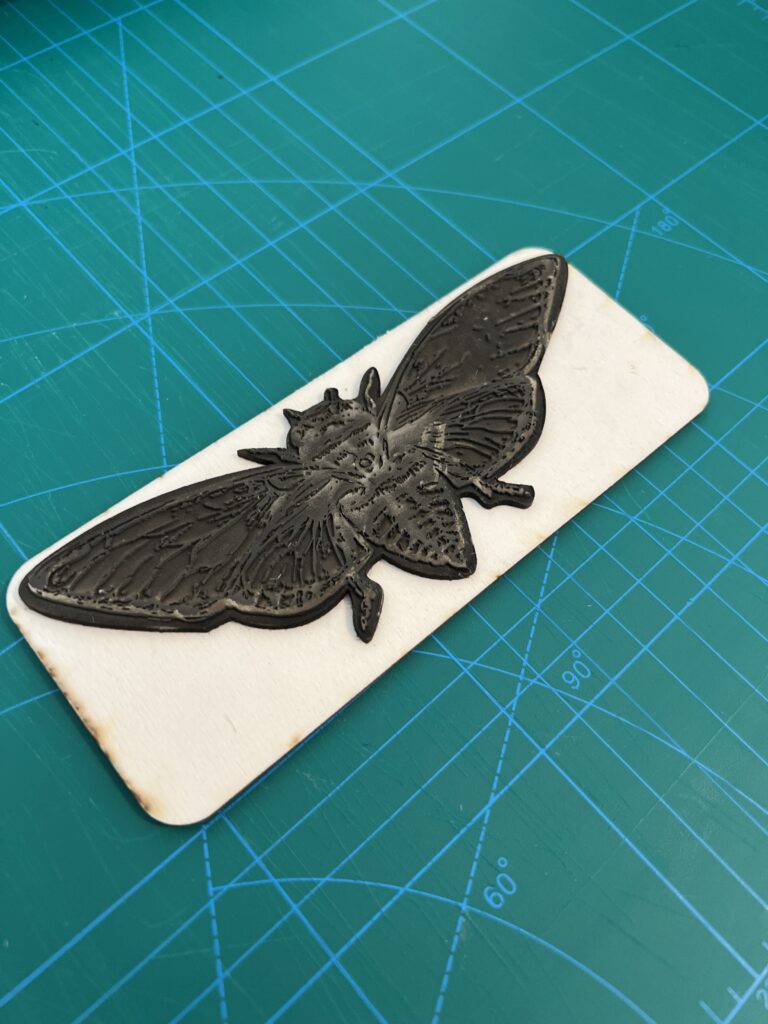
As a next step I was creating a vector in Illustrator with the image tracer tool and turning it into a negative to send it to the laser and cut out the lino and stamp plate. To make the process faster I added a close red outline, so less lino had to be earased which saves a lot of time and energy.

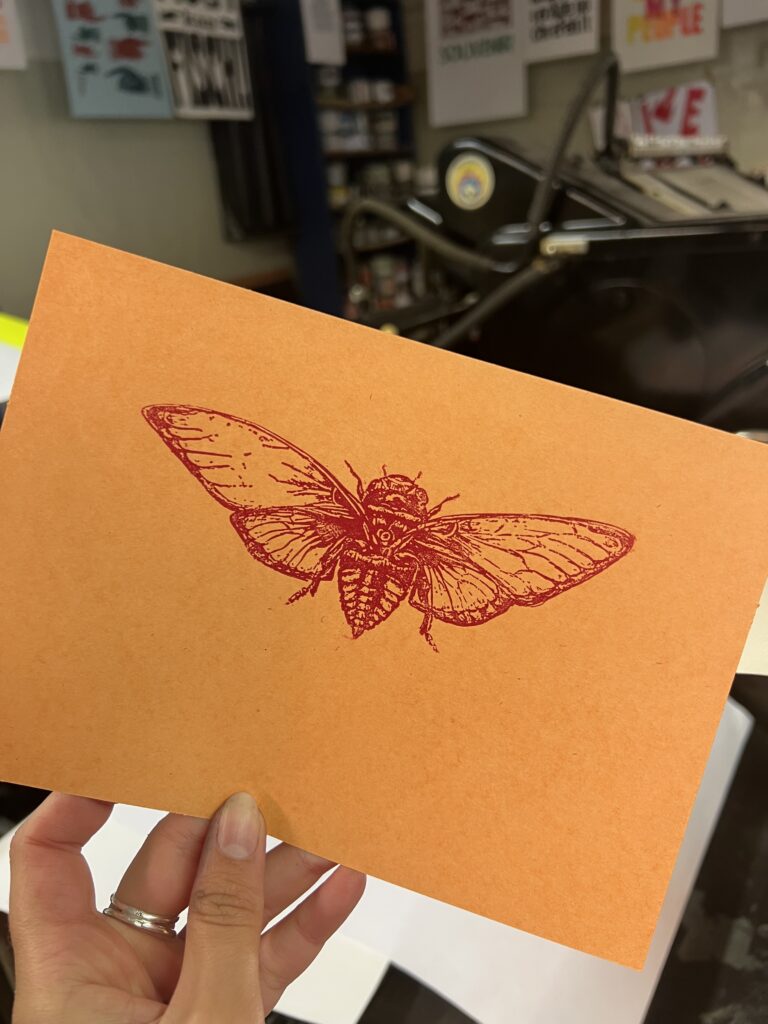
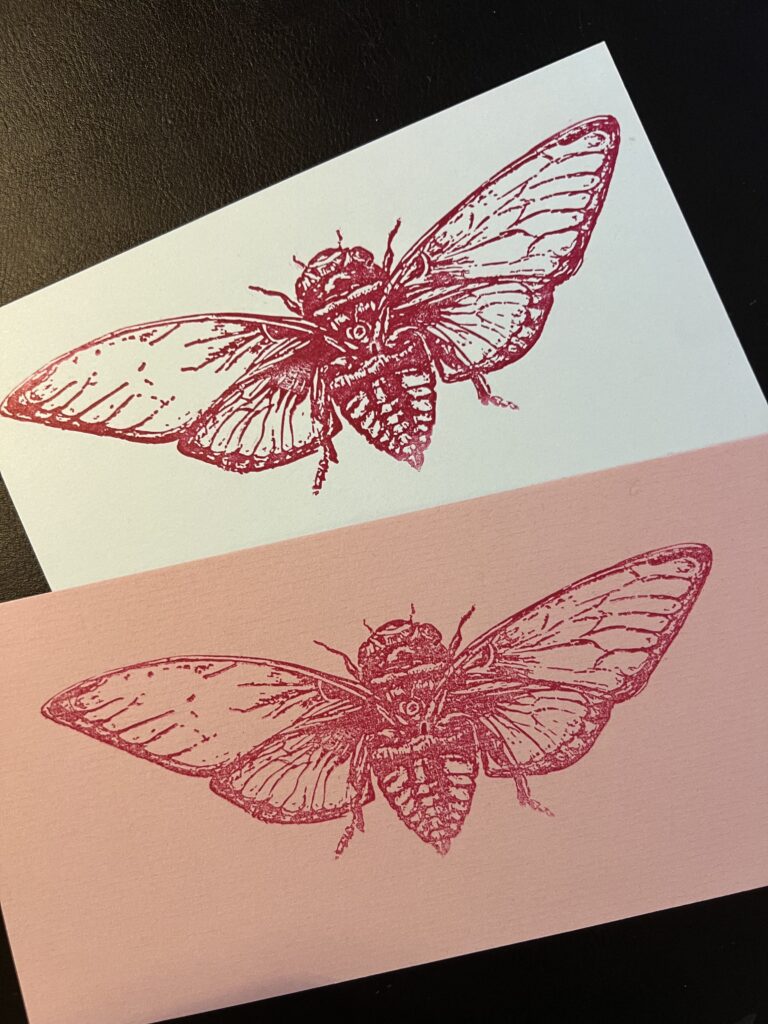
Printing results at DRUCKZEUG with dark red ink on differently colored paper:

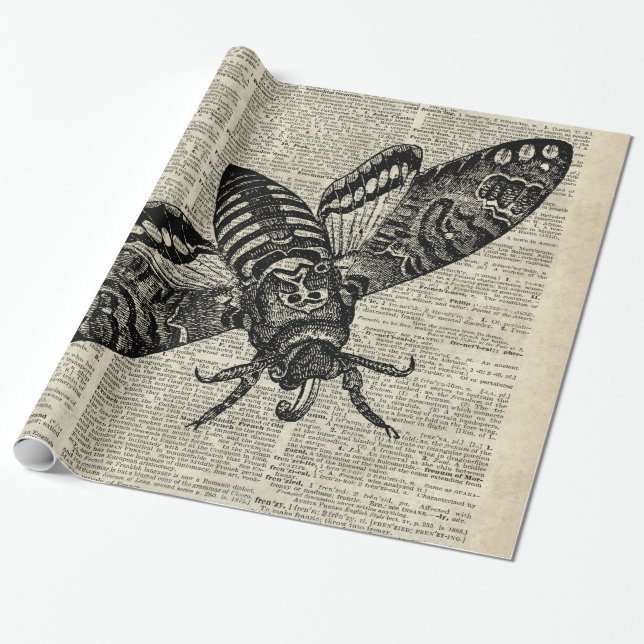
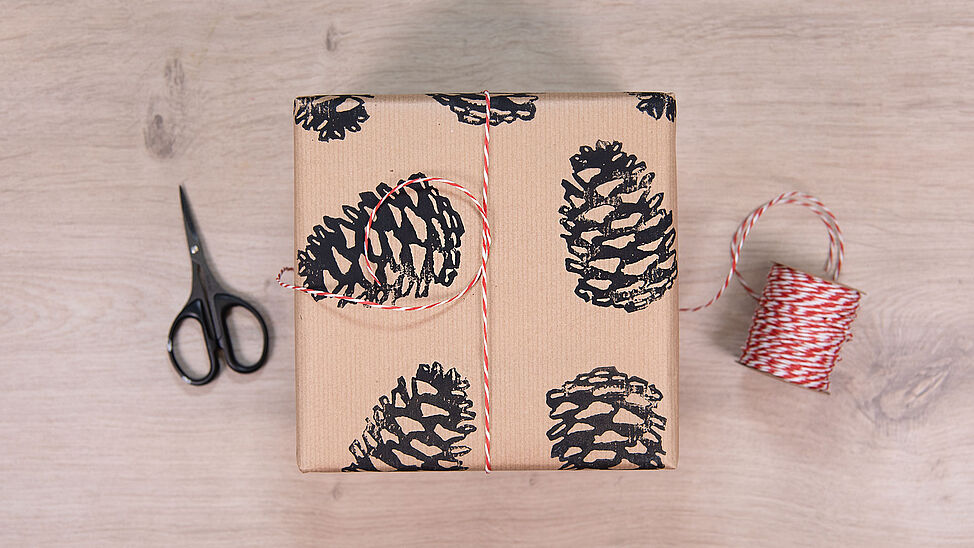
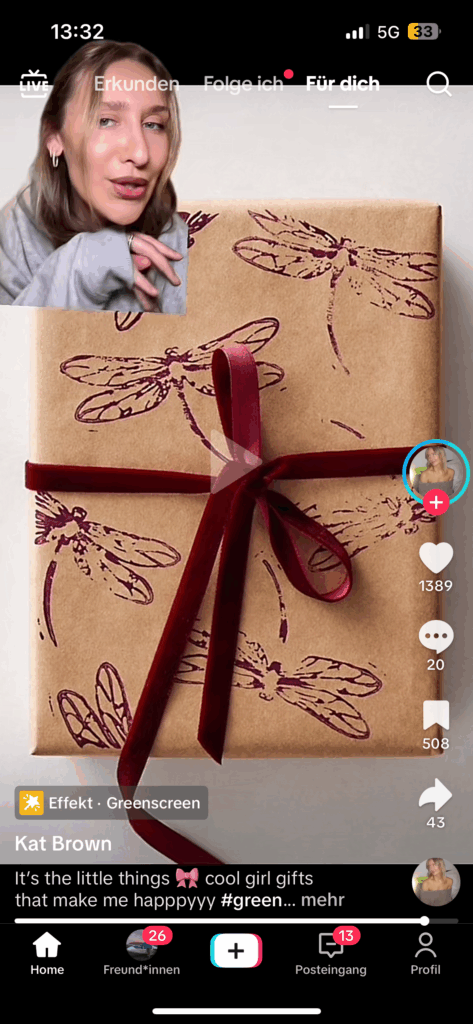
Further development would be to create gift wrapping paper instead of plain cards, to make the design more buyable. Here is an inspo that I came across on Tiktok:

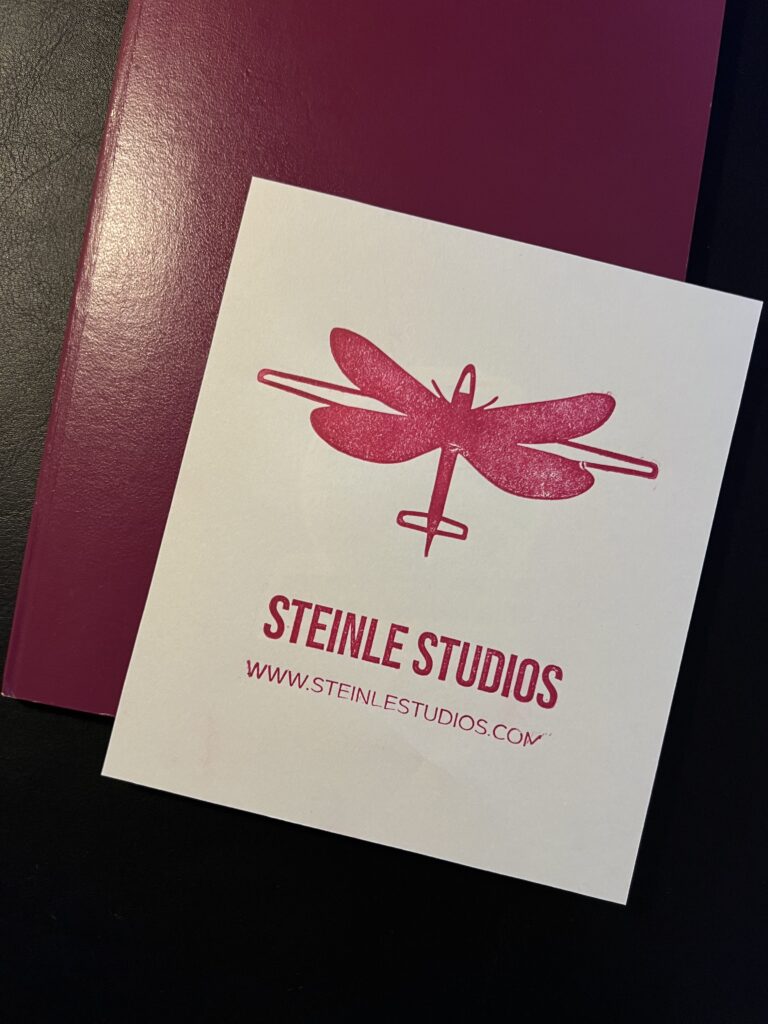
I also tried creating a branding for my own business by making a stamp design out of lino and the laser. Here is how it turned out. Reflecting on the result, I would prefer a smaller logo and a less “solid design” for a finer print surface. Anyways I can now use this for branded packaging and signage which is helpful for setting up a future studio.

#7 EXPERIMENT: Stamping Art x Creative Process

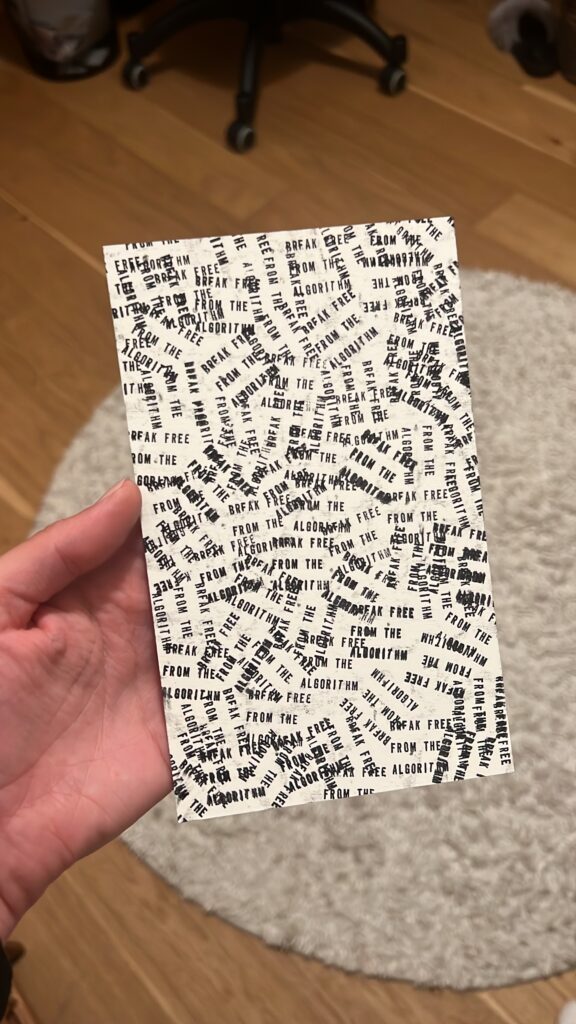
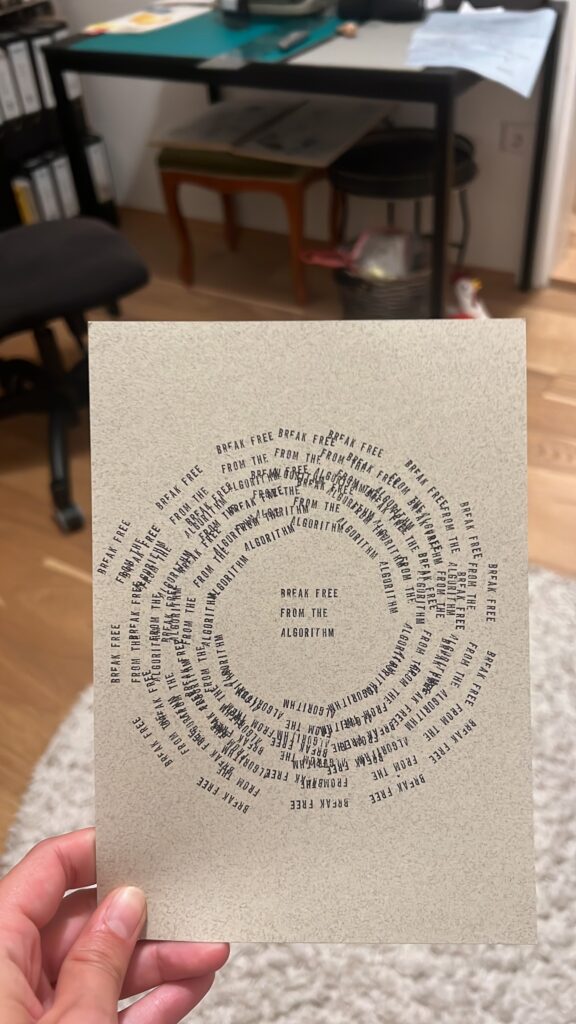
A serial stamping experiment using a customizable stamp featuring the evolving text patterns.

Objective:

To externalize and ritualize the creative process through repetition, chaos, and eventual clarity by using stamping as a method of expression and transformation.

Materials:

  • A custom rubber stamp with the text.
  • Black ink pads
  • 10+ sheets of thick paper (>150g)
  • A timer

Phase 1: Chaos

  • Stamp the text frenetically, without alignment, orientation, or consideration for spacing.
  • Overlap the words. Smear ink. Use too much or too little.
  • Let impulse lead the way.
  • Spend exactly 10 minutes doing this without pause.

First there was chaos.

Phase 2: Intention

  • Clean the stamp. Reset the workspace.
  • Begin stamping slowly, mindfully, in a straight line, evenly spaced.
  • Each repetition of the phrase becomes a quiet act of re-centering.
  • Do this until the page feels “complete” (self-defined).

Then there was intention:

Phase 3: Wild Experimentation

  • Introducing other variables: multiple ink colors, torn paper, unconventional surfaces (fabric, cardboard, experimentation with different papers…)
  • Layer stamps over painted or drawn marks
  • Tryed stamping on curved or moving surfaces
  • Let unpredictability enter again, but this time with playful purpose

Phase 4: Direction

  • Curate best selections from all phases.
  • Choose compositions that feel balanced and resolved.
  • Frame these as final pieces.
  • Display them in a linear narrative: from chaos to clarity.

My Interpretation

The stamp is typically a symbol of officialdom, approval, and uniformity, but here it becomes a metaphor for the repeated internal voice of the artist. Through misuse, experimentation, and eventual mastery, the process reflects the psychological arc of making: first the storm, then the structure.

This process shows that I need to get my mess out of my head first, in order to create something intentional after.

#6 EXPERIMENT: Stencil Typography Designs

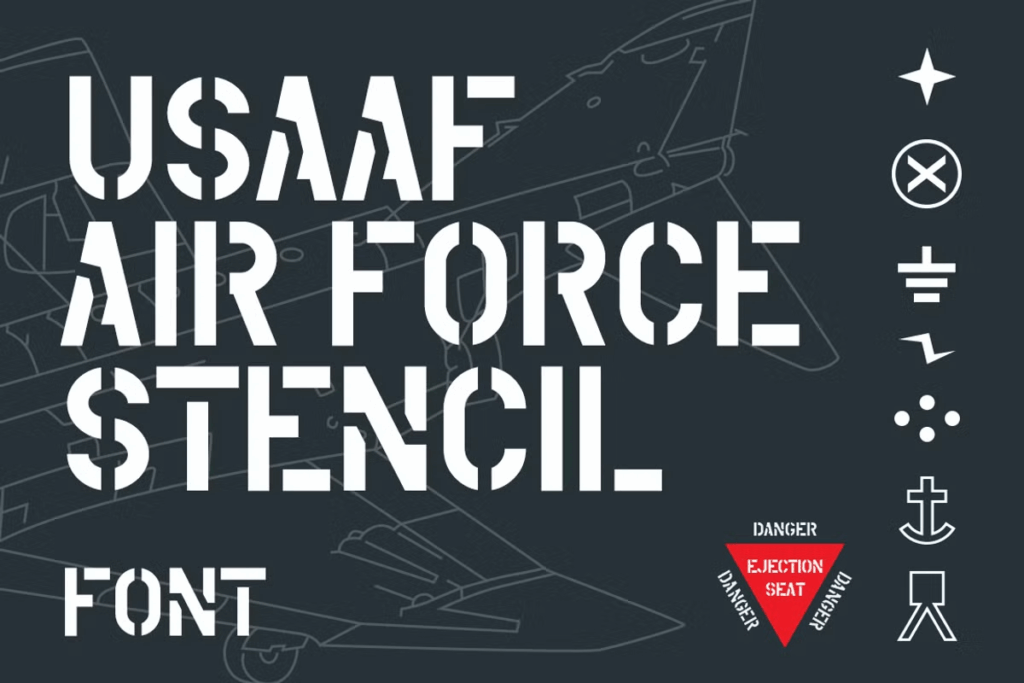
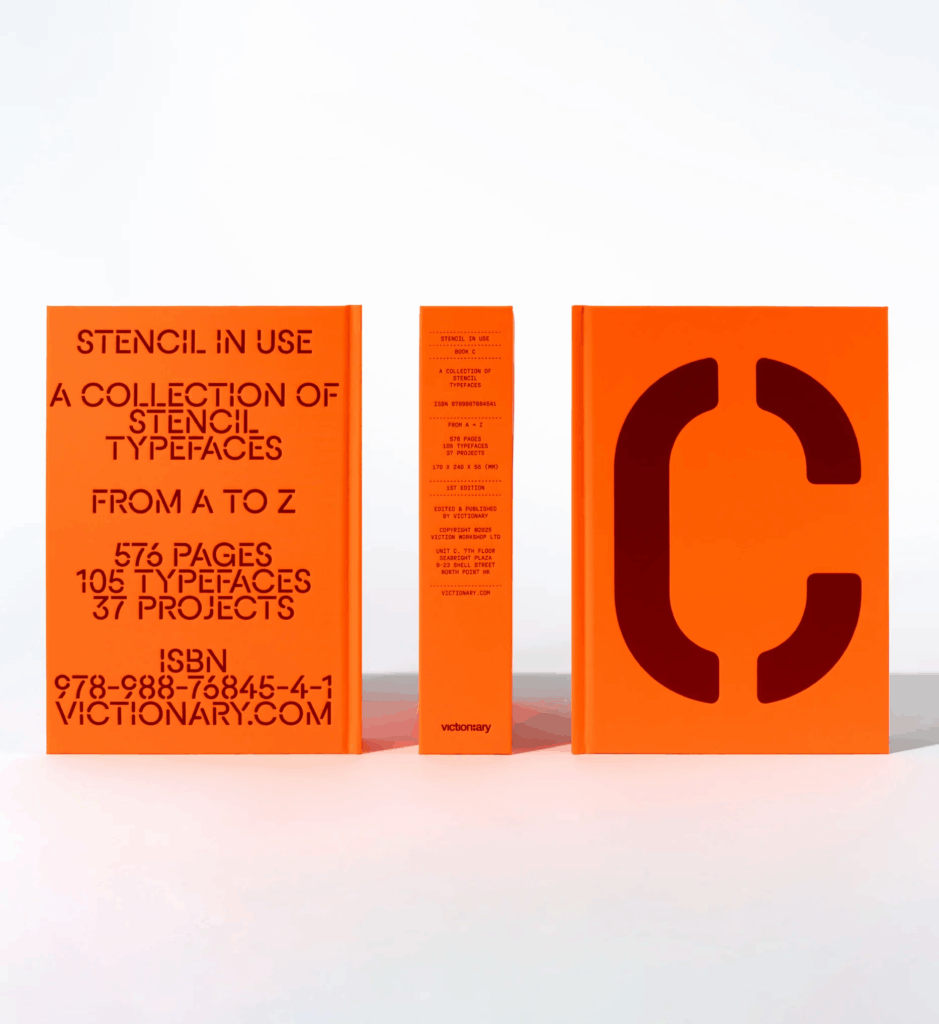
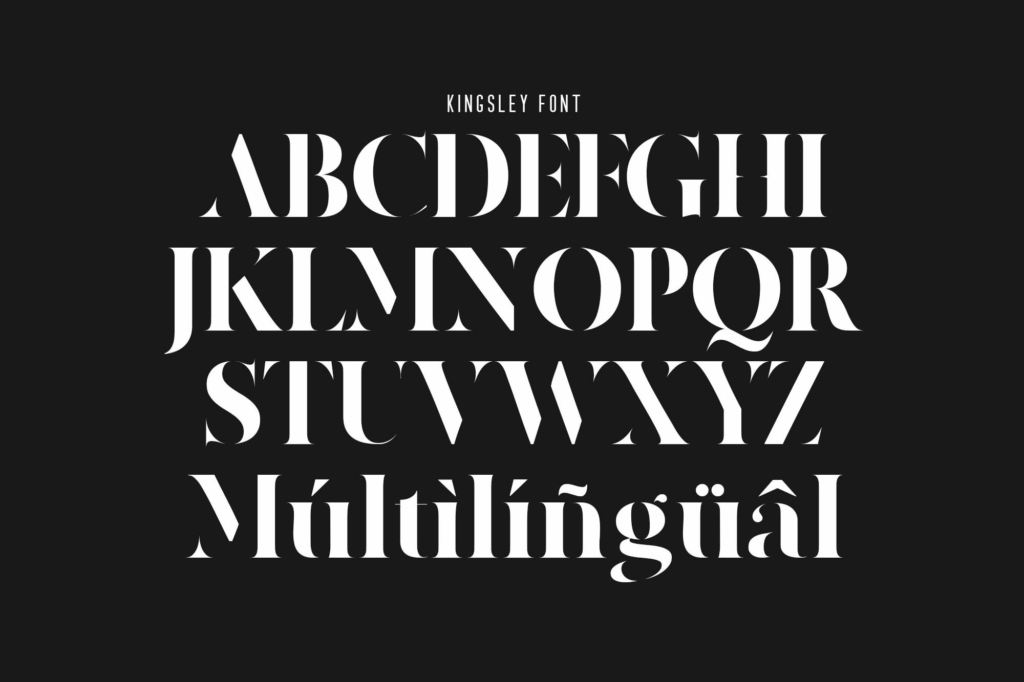
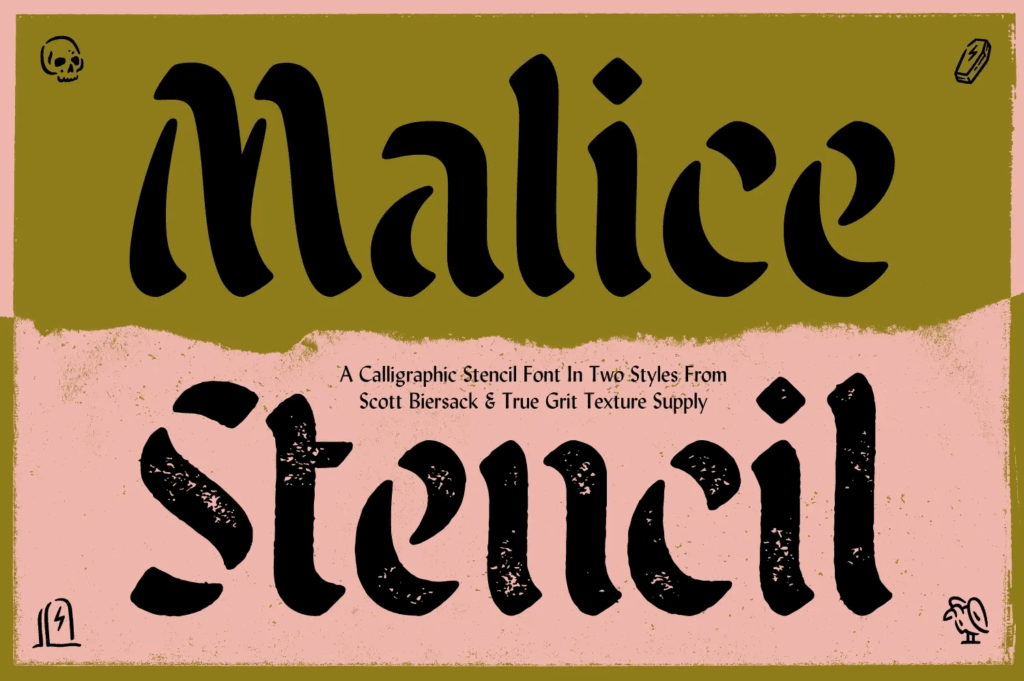
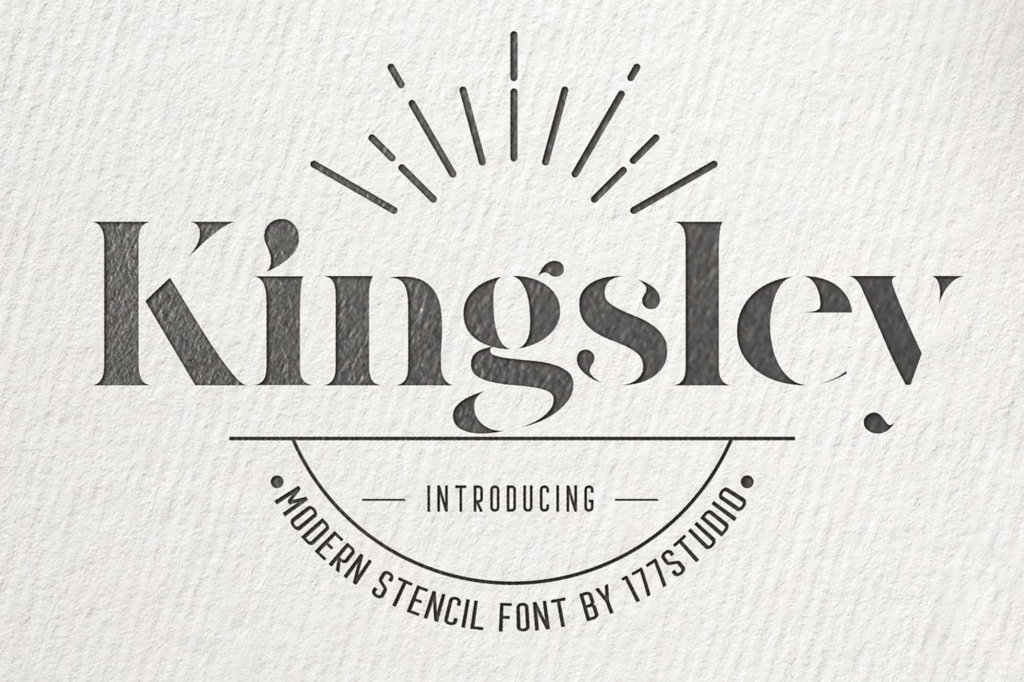
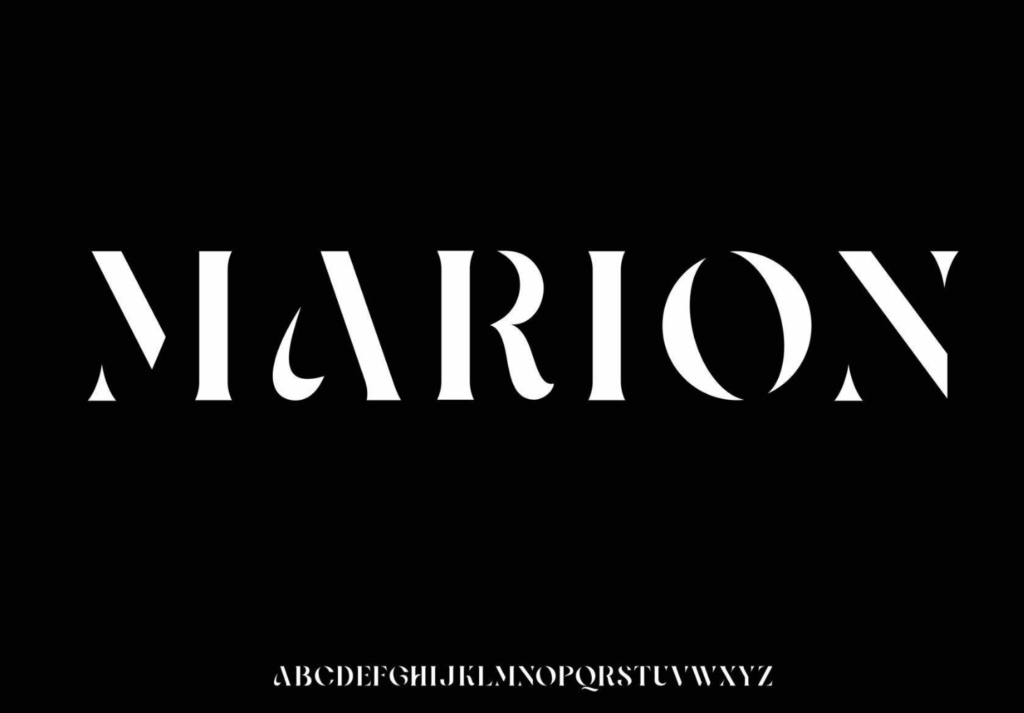
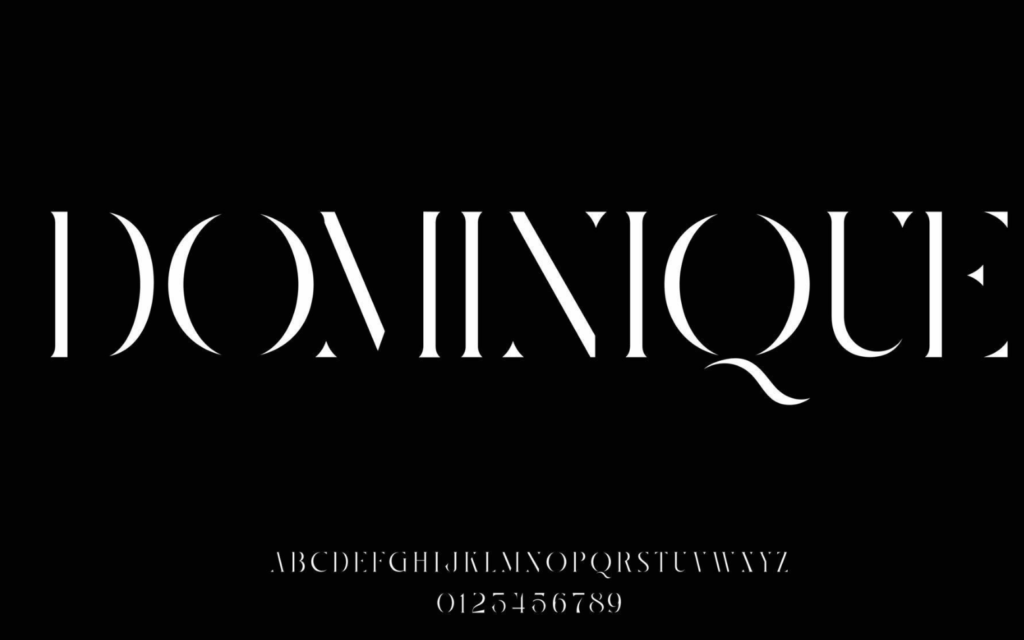
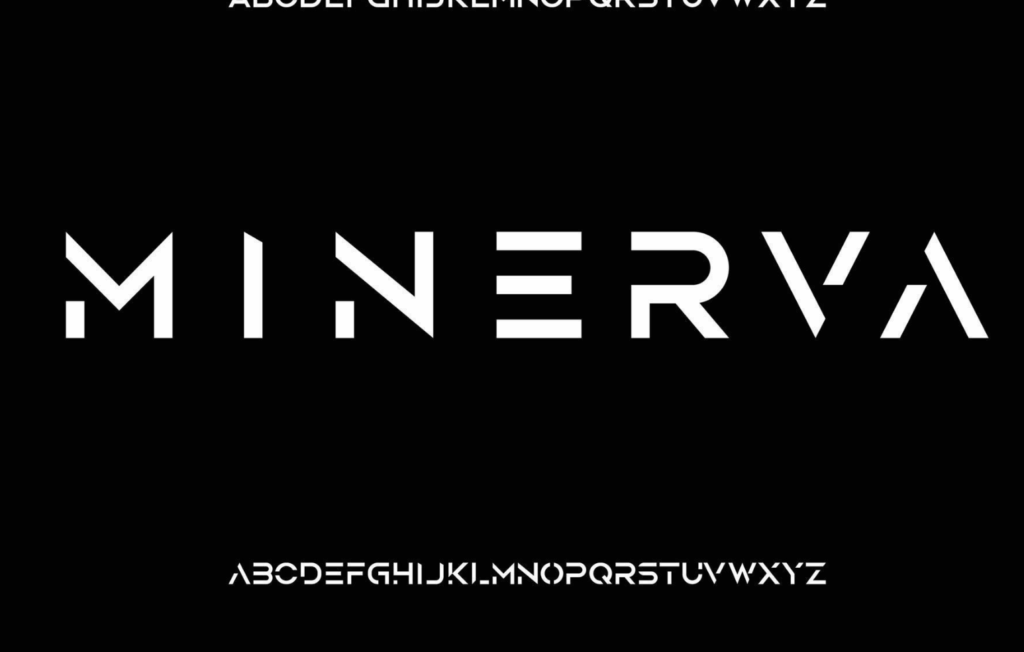
Inspired by our visit at the “Lo Siento” studio and their stencil branding concept, I want to dive deeper into the possibilities of analogue work with stencils.

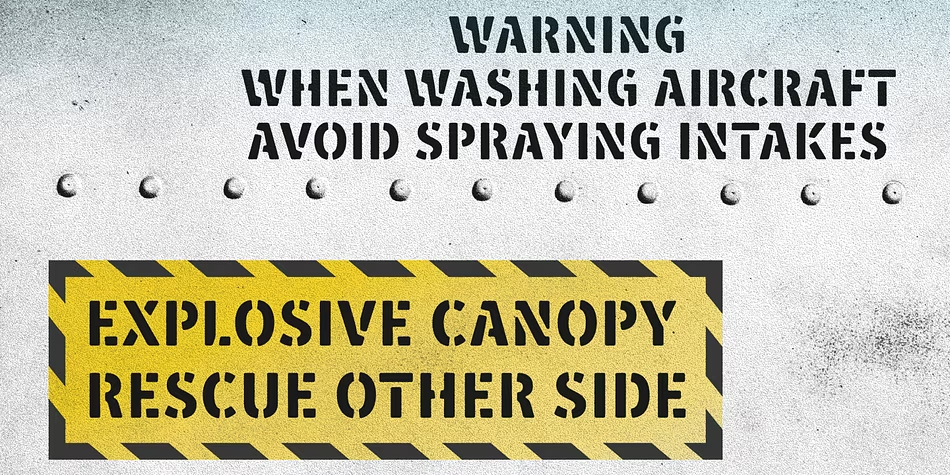
When I think about stencil fonts, what first comes to my mind is either cheap graffiti or oldschool military / aviation sprayed on airplanes, runways or industrial machinery and maintenance toolboxes. Nothing too elegant, more heavy duty style. But can I challenge this perception and create something new?

During my research I quickly found new resources that opened my mind:

For me this experiment was less about the stencil typography itself, but more about the mixed media aspect of it. Which materials can be used to fill or paint the letters?

Here some brainstorming:

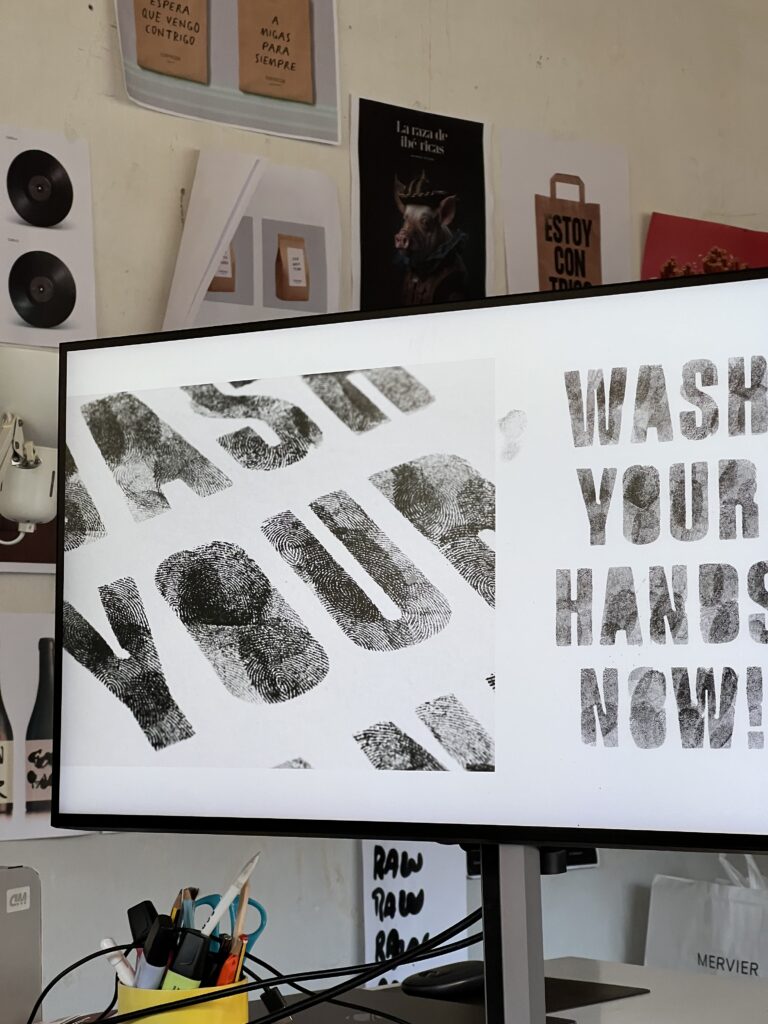
  • Fingerprints
  • Earth
  • Sand
  • Spraypaint
  • Pen scribble
  • Acrylic paint

It’s interesting to see how different the readability and elegance is within these 4 examples I picked.

The Experiment

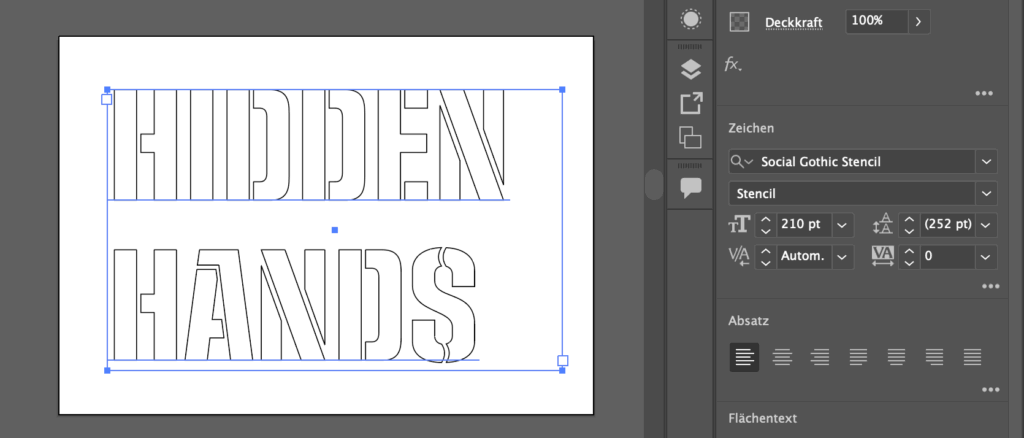
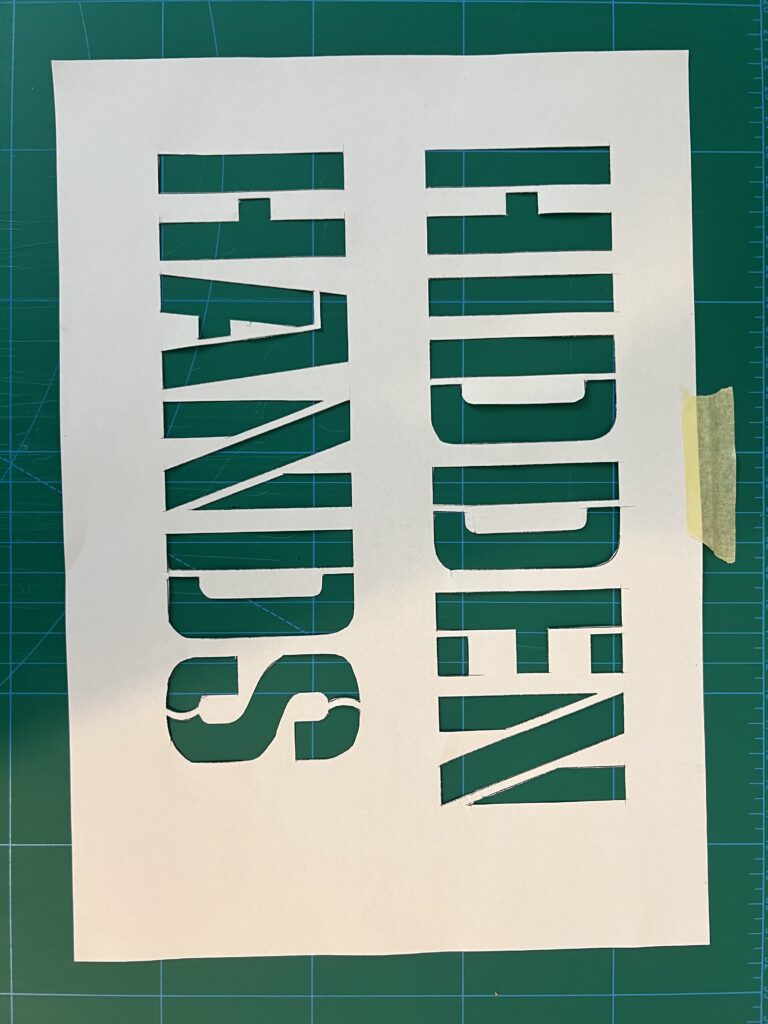
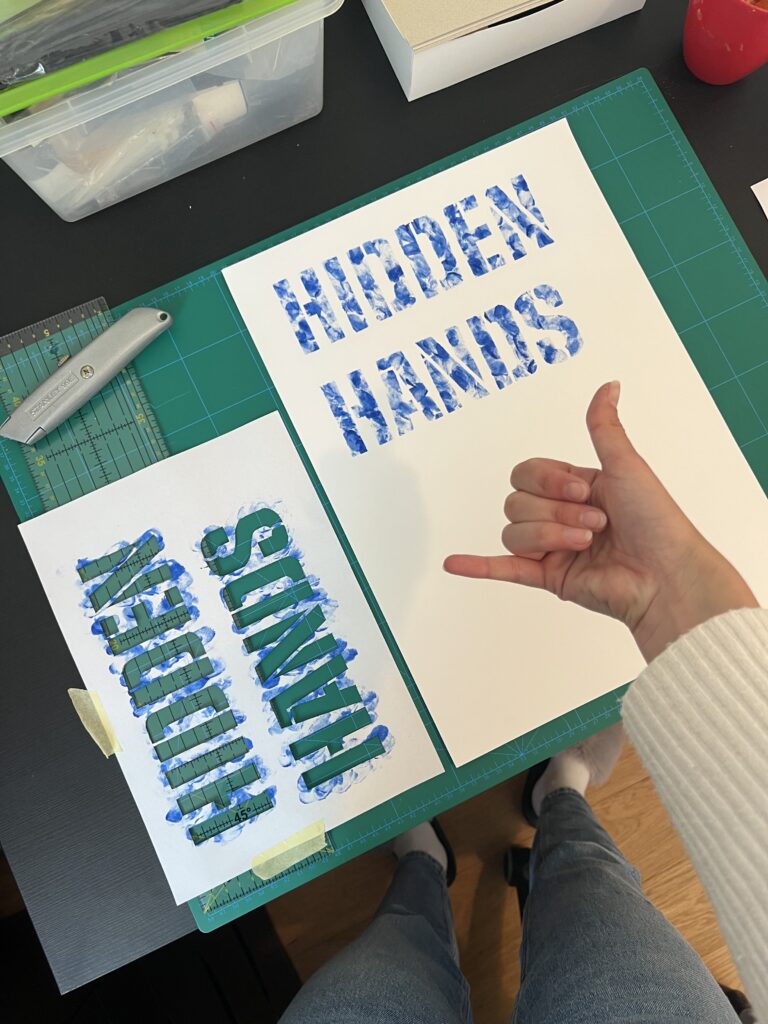
I chose to print out a stencil font called “Social Gothic Stencil” on a sheet of A4 paper and to cut it out with a carpet knife to create my own stencil with the two words “Hidden Hands”.

For further experiments and a leaner production process I would like to use washable plastic and the lasercutter in the FabLab to skip the manual cutting.

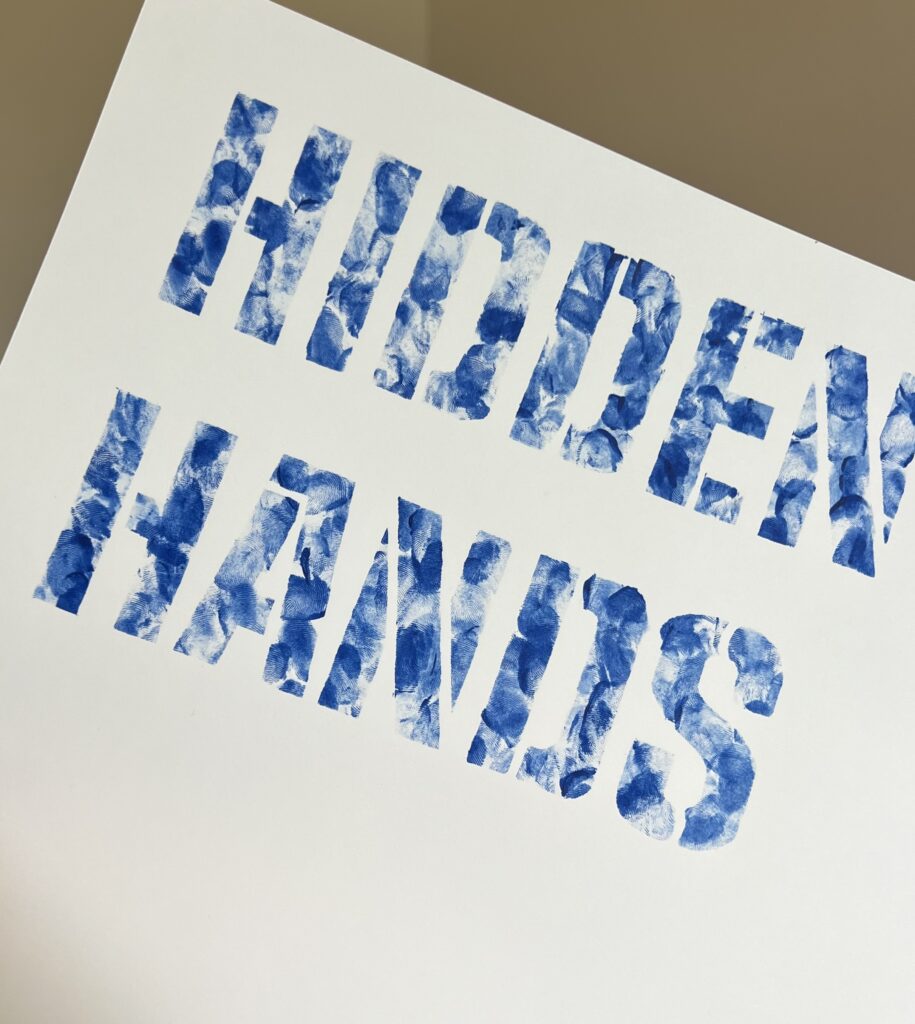
Here is my outcome of this experiment:

Resources:

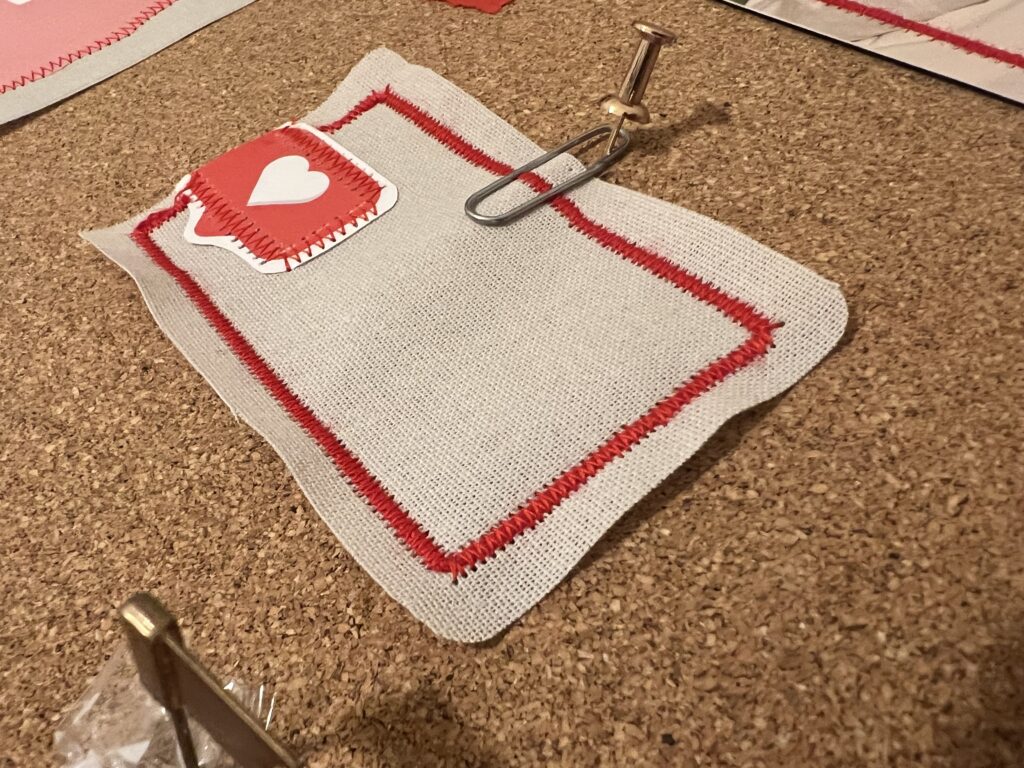
#5 EXPERIMENT: Wool Thread x Sewing

With this experiment I wanted to explore how wool thread transforms the visual and tactile qualities of sewn designs, compared to conventional embroidery floss or thread.

Focus Areas:

  • Texture: Observe how wool’s fuzziness and thickness catch light differently or distort stitch regularity.
  • Tension & Structure: Document how wool behaves in tight vs. loose stitching; whether it puckers or lifts the fabric.
  • Emotional Qualities: Reflect on how it shifts the “feel” of the piece — rustic, raw, cozy?

Then in the second attempt I switched fabric for a more unconventional surfaces like my self made paper. I would also like to try cotton, linen, felt, or even further variations to explore are various colors and weights of the thread itself.

Conceptual Layer

Next my objective is to contextualize my material experiments with narrative, metaphor, or thematic exploration.

Questions to Guide:

  • What does wool evoke culturally or emotionally? (Warmth, heritage, craft, softness)
  • How does working on fragile/ephemeral materials (like handmade paper) with bold threads challenge permanence?
  • Can you use your material explorations to tell stories of tension, repair, fragility, or transformation?

Installation or Presentation Format

I consider displaying my studies as:

  • A sample book with swatches and notes.
  • A wall installation mapping progression and material dialogue.
  • A photographic series focusing on material interactions.
  • Process-based documentation (videos of stitching, sound of thread on fabric) to amplify the tactile experience.

#4.2 EXPERIMENT: Acrylic Glass x Lasercut

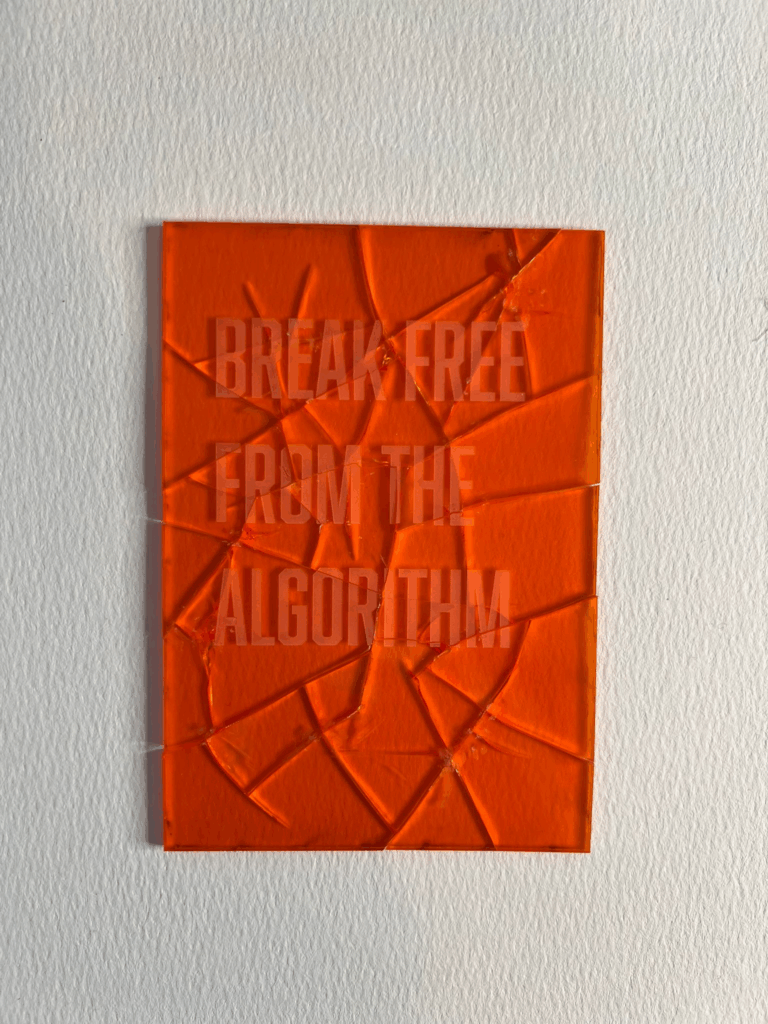
I aimed to further developed my material knowledge with this experiment. So I tried out whatever acrylic glass was in the left over bin at the Fablab. There was some orange, milkglass green, and transparent acrylic laying around.

I was surprised with how clean the edges can be cut and how well the engraving worked on the orange sample. The green was not my favorite outcome.

In the next step I experimented with the porosity of the acrylic compared to the actual glass from experiment #4.1.

See further development at experiment #11 at a digital level by creative post production.