Not everything we encounter is designed with intention. Some things just happen, a misplaced sticker on a street sign, a torn ad revealing layers of past posters, or a scribbled note left on a café table. These accidental compositions, often more visually striking than purposefully designed elements, remind us that meaning isn’t always created, it emerges.

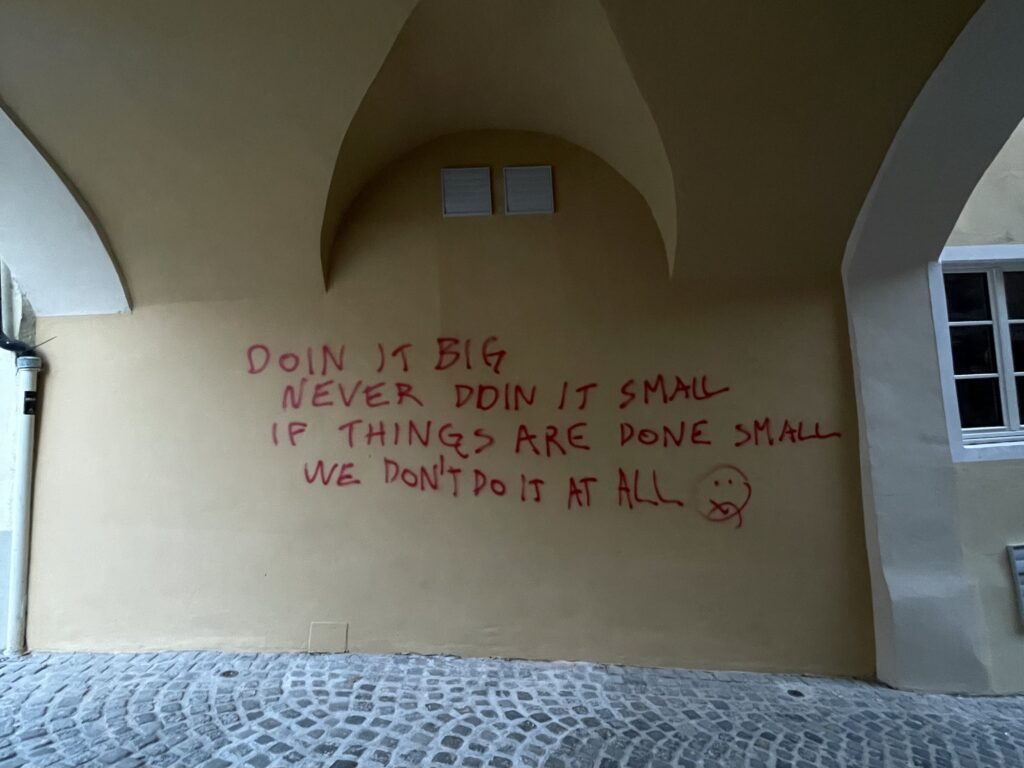
In design, there’s a long history of embracing the unintentional. The Dadaists used chance as a creative tool, cutting up newspapers and rearranging words randomly. The punk movement layered photocopied textures and type without precision, rejecting polish in favor of raw expression. Today, we see echoes of this in the chaotic collages of Y2K-inspired graphic design, the resurgence of DIY aesthetics, and even in social media trends that celebrate visual spontaneity.
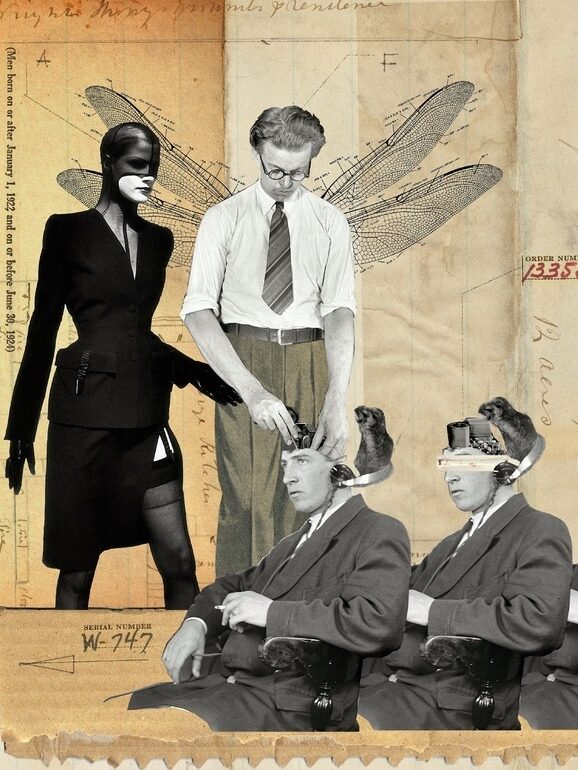

But beyond nostalgia, there’s a bigger reason why randomness and imperfection feel refreshing: we are overwhelmed by control. In a world where algorithms dictate what we see, where AI can generate the “perfect” design in seconds, where branding follows rigid aesthetic guidelines, the accidental feels like a breath of fresh air.
Think about urban design and public spaces. Graffiti, layered posters, stickers covering street poles—these things were never meant to be compositions, yet they tell stories of a city’s identity. The way sun-faded billboards accidentally create new images, or how a café’s window reflections distort the view inside, these are all unintentional moments of design that shape our visual world.
So, what if we started designing with imperfection in mind? Not as an afterthought, but as an active part of the process? What if a poster was meant to tear and reveal something underneath? What if digital design allowed for unexpected, unplanned disruptions?
Maybe the future of design isn’t about control, it’s about making room for what happens naturally. Because sometimes, the most compelling things are the ones no one planned at all.
Sources:
Foster, H. (1996). The Return of the Real: The Avant-Garde at the End of the Century. MIT Press.
Poynor, R. (2003). No More Rules: Graphic Design and Postmodernism. Laurence King Publishing.
Triggs, T. (2006). Fanzines: The DIY Revolution. Chronicle Books.
Wilde, R. (2023). The Role of Imperfection in Contemporary Design. Design Observer.
