There’s something about the broken that feels alive.
This week, I kept noticing the city peeling. A sticker half-removed. Posters fighting for space on a crumbling wall. A screen glitching in the tram. I started to wonder: what if this is the real visual language of now? Not the polished but the layered, interrupted, half-finished?
I’ve been thinking about how design disciplines often work against chaos. We clean things up. We retouch. We organize. But the world doesn’t follow those rules. Meaning emerges in noise, identity reveals itself through mess.
So this semester, I want to work with mess. I want to make space for things to go wrong and I want to create systems that welcome interruption, layering, and decay. Maybe that means printing something over and over until it becomes unreadable or maybe it means designing posters meant to be torn or overwritten. I don’t have a roadmap yet. But I know I’m tired of things that try to be perfect. Let’s see what happens when design begins to fall apart.
I’m interested in what randomness reveals and what emerges when we step back. How does it look like when systems slip, or when time and weather and humans intervene. I’m thinking about how urban spaces speak through their textures, graffiti half-washed away, signs layered on signs, windows reflecting windows. These are not mistakes. They are living surfaces. I’m thinking about how software glitches and compression artifacts create their own strange beauty. Not despite their errors but because of them. I’m even thinking about my own process. How often do I delete something before it has the chance to surprise me?
As someone who struggles with perfectionism in my design work, maybe the most important thing I can do is let go of control and see what happens. I’m so used to polishing every detail, aligning every element, making sure everything feels intentional. But what if the most honest, exciting parts of our work happen after we stop trying to perfect it? What if allowing for mess, interruption, or even failure opens the door to something more human and more meaningful? This semester, I want to challenge my instinct to over-edit and instead trust the process, even when it feels uncomfortable.
I’ve always been drawn to the unnoticed, the random, the imperfect. I take more photos of peeling paint, crooked signs, or strange coincidences on the street than I do of sunsets or famous landmarks. This semester, I want to lean into that instinct. I want to start collecting randomness, not just as inspiration, but as material. Scrolling through my camera roll, it’s clear I’ve been unconsciously collecting randomness for years, fleeting textures, strange compositions, unnoticed corners of daily life and now, those quiet observations are becoming the raw material for a more intentional design experiment.
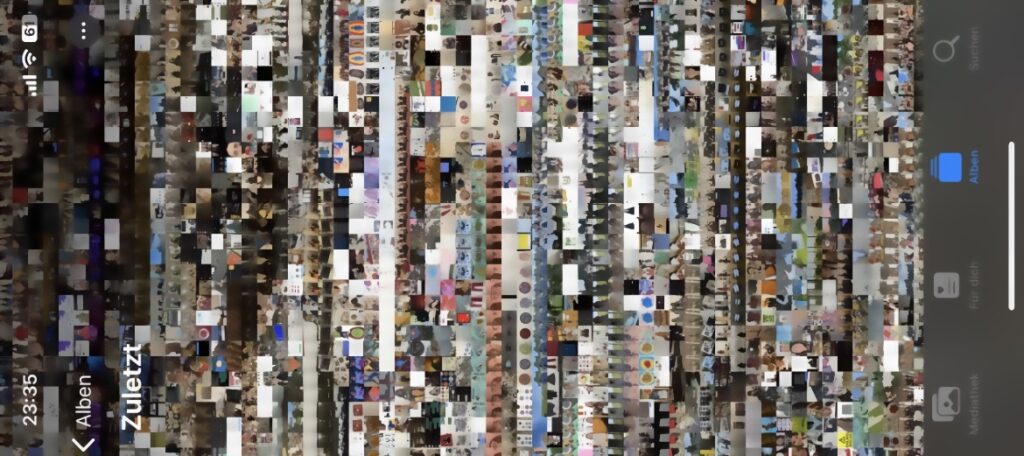
The goal is to create a zine or digital page that reads and feels like a visual protest against overdesigned perfection. A messy, layered, expressive response to a world that often values control over authenticity. I’m interested in what happens when I break design rules on purpose, in typography, layout, composition, and print and how that affects the way we read, feel, and interpret visual information. I also want to experiment with AI-generated randomness and compare it to my own analog or spontaneous processes. While AI can mimic randomness, it lacks the intuitive, emotional, and visual judgment that humans bring to chaos. I want to test that gap.
This isn’t a fully fixed concept it’s more of a manifesto in the making. Something I will build through experimentation, reflection, and collecting overlooked moments of randomness in the world around me.
