In alpine regions, where snow and avalanche hazards can pose significant risks to both residents and visitors, early warning systems are indispensable. The WSL-Institut für Schnee- und Lawinenforschung (SLF) has developed an early warning system designed to inform and protect those in high-risk areas. Today, I want to dive into this system, exploring its design, functionality, and overall effectiveness in communicating risk.
Why Early Warning Systems Matter
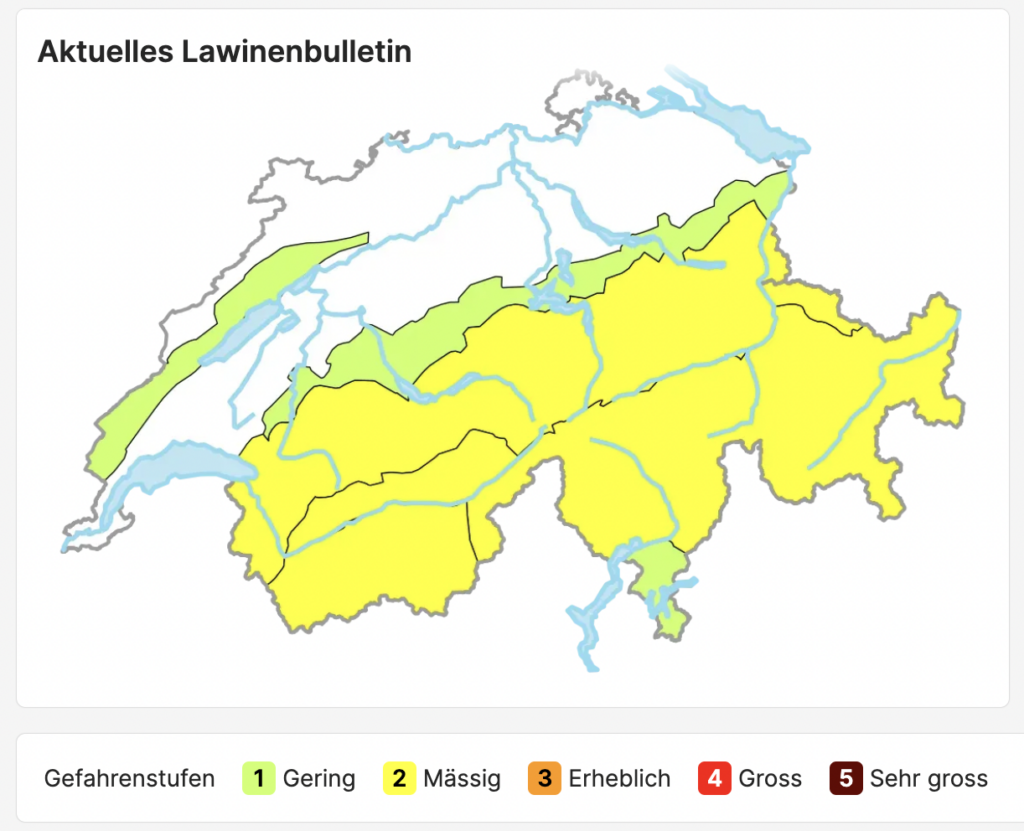
In mountain regions, conditions can change in a matter of minutes. With avalanches and heavy snowfall posing serious threats, timely and accurate information is critical. Early warning systems aim to provide real-time updates on weather and hazard conditions so that individuals and communities can take proactive steps to safeguard lives and property. The SLF system, available at whiterisk.ch/de/conditions, is a prime example of how technology and design converge to make these life-saving communications possible.
Overview of the SLF Early Warning System
The SLF early warning system is dedicated to monitoring and reporting conditions related to snow and avalanches. Upon visiting the site, users are greeted with clear information about current conditions. The interface is designed to provide essential details at a glance—weather forecasts, risk levels, and recent changes in avalanche conditions. The system categorizes risk levels in an accessible manner, often using color-coding and icons that immediately convey the severity of the situation.
The website’s design focuses on simplicity and clarity. The information is structured so that even non-experts can quickly understand the current risk and decide on necessary actions. By providing regular updates, the system ensures that users remain informed as conditions evolve.
Design and Usability: Strengths and Opportunities
One of the SLF system’s standout features is its user-centered design. The layout is intuitive, and the color schemes used to indicate different risk levels are both aesthetically pleasing and functionally effective. This design choice not only helps capture users’ attention but also makes the data easily digestible. For instance, a red icon immediately signals a high-risk condition, while milder colors suggest more stable conditions.
The site also employs responsive design principles, ensuring that users can access critical information on various devices—whether they’re checking conditions on a smartphone while on a mountain or at home on a desktop. This flexibility is essential in emergency situations, where quick access to information can be life-saving.
However, there are areas where the system could further enhance its impact. While the information is clear, integrating interactive elements—such as dynamic maps or customizable alerts—could empower users to engage more deeply with the data. Imagine a feature where you could input your location to receive personalized risk assessments or projections for your specific area. This level of customization could further bridge the gap between raw data and actionable insights.
Connecting SLF to the Broader Landscape of Risk Communication
The SLF early warning system fits into a broader trend of leveraging data visualization and interactive design for risk communication. Similar to NASA’s Climate Time Machine or Ed Hawkins’ “Show Your Stripes” visualization, the SLF system demonstrates how well-designed data presentations can make complex information accessible and compelling. By turning technical data into clear visual cues, the SLF system not only informs but also prepares communities to respond appropriately to imminent hazards.
Moreover, by emphasizing clarity and immediacy, the SLF system aligns with the goals of projects like RiskLIM, which focus on making climate risk information both understandable and actionable. The lessons learned from SLF’s design—such as the importance of simplicity, responsive design, and the potential for interactive features—can serve as valuable insights for any project aiming to enhance risk communication.
The Future of Early Warning Systems
The SLF early warning system is a powerful tool in the ongoing effort to protect communities in alpine regions from snow and avalanche hazards. Its clear, user-friendly design exemplifies how data visualization can transform complex scientific data into actionable, life-saving information. While there is always room for improvement—particularly in the realm of interactivity and personalization—the SLF system sets a high standard for early warning tools.
As we continue to face the challenges posed by climate change, the integration of effective risk communication and innovative design will be crucial. Systems like SLF remind us that when data is presented in an accessible, engaging way, it can not only inform but also inspire action. For designers and researchers alike, these systems offer a roadmap to creating even more impactful tools that make the invisible dangers of our world visible and, ultimately, manageable.
Research
