1.8 Gamification in Mental Health Apps: Engagement or Overload?

Gamification, the integration of game-like elements into non-gaming contexts, has emerged as a popular strategy in mental health apps to boost user engagement and foster positive behavioral changes. By using rewards, progress tracking, and interactive challenges, gamification helps users stay motivated and engaged in achieving their mental health goals. The concept leverages the human tendency to seek immediate gratification, making long-term health routines feel more enjoyable and rewarding. This approach transforms otherwise mundane or challenging tasks into engaging and rewarding experiences, encouraging users to adhere to their mental health practices over time.

The Framework of Gamification: Mechanics, Dynamics, and Aesthetics

Gamification in mental health apps often revolves around the Mechanics-Dynamics-Aesthetics (MDA) framework:

Mechanics are the visible, interactive elements that users directly engage with, such as progress bars, badges, leaderboards, and daily check-ins. Apps like SuperBetter allow users to adopt secret identities, complete challenges, and invite allies for support. Similarly, Finch lets users nurture a virtual bird as they complete self-care tasks, turning progress into a tangible reward.

Dynamics focus on processes like goal-setting, progress tracking, and feedback mechanisms that sustain user engagement. For example, I Am Sober allows users to track their sobriety, showing tangible benefits like money and calories saved over time, which reinforces their commitment. Apps like Happify use adaptive challenges to maintain motivation, rewarding users with points for completing in-app activities tailored to their goals.

Gamification in Finch, Image source: App Store
Gamification in I Am Sober, Image source: App Store

Aesthetics evoke emotions such as motivation and connection through design and storytelling. eQuoo, for instance, uses fantasy storytelling and interactive challenges to teach emotional resilience. Meanwhile, SuperBetter embraces bold visuals and empowering language to encourage users to tackle “bad guys” like self-criticism.
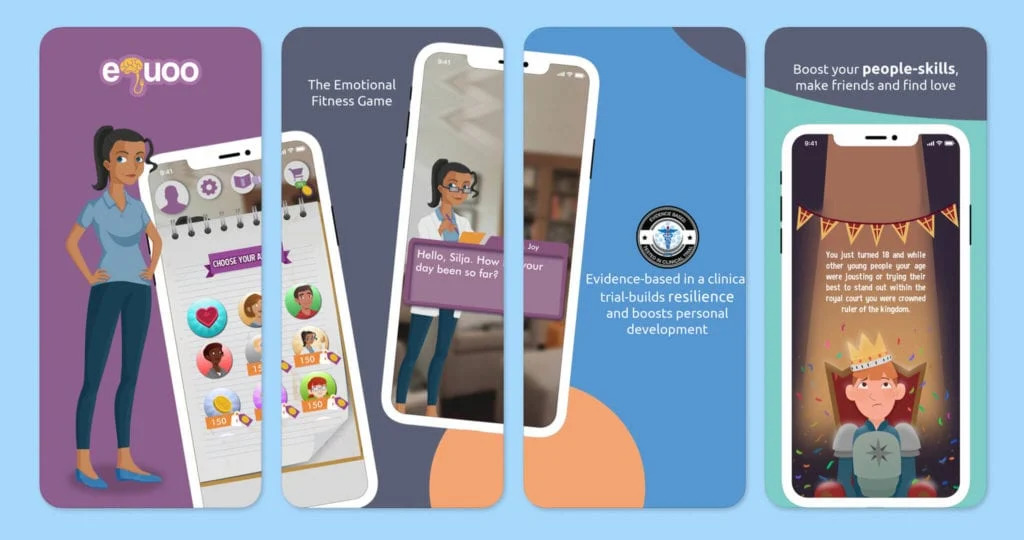
Storytelling in eQuoo, Image source: One Mind Psyber Guide

Benefits of Gamification

Enhanced Engagement

Gamification makes mental health routines more enjoyable and accessible. Features like badges, progress tracking, and leaderboards reward users for their efforts, fostering a sense of accomplishment. For instance, Happify uses positive psychology techniques to help users reduce anxiety and loneliness while promoting emotional well-being​​.

Encouraging Healthy Habits

Apps like Finch and Rootd help users form consistent routines by rewarding daily actions, such as journaling or practicing mindfulness. These small, gamified nudges support users in developing healthier habits over time​.

Gamification in Rootd, Image source: New Ventures BC

Challenges of Gamification

App Fatigue

Over-reliance on repetitive tasks and extrinsic motivators like badges can lead to disengagement. When users feel overwhelmed by excessive prompts or redundant activities, the risk of app fatigue increases​.

Balancing Game and Therapy

Adding too many game elements can dilute the therapeutic value of an app. Research shows that increasing gamified features doesn’t always enhance outcomes, underscoring the need for thoughtful design​​.

Ethical and Practical Considerations

Customization and Personalization

Personalized experiences are key to keeping users engaged. Apps like Headspace offer tailored meditation tracks based on user input, while Rootd adapts its activities to help users manage anxiety and panic attacks effectively.
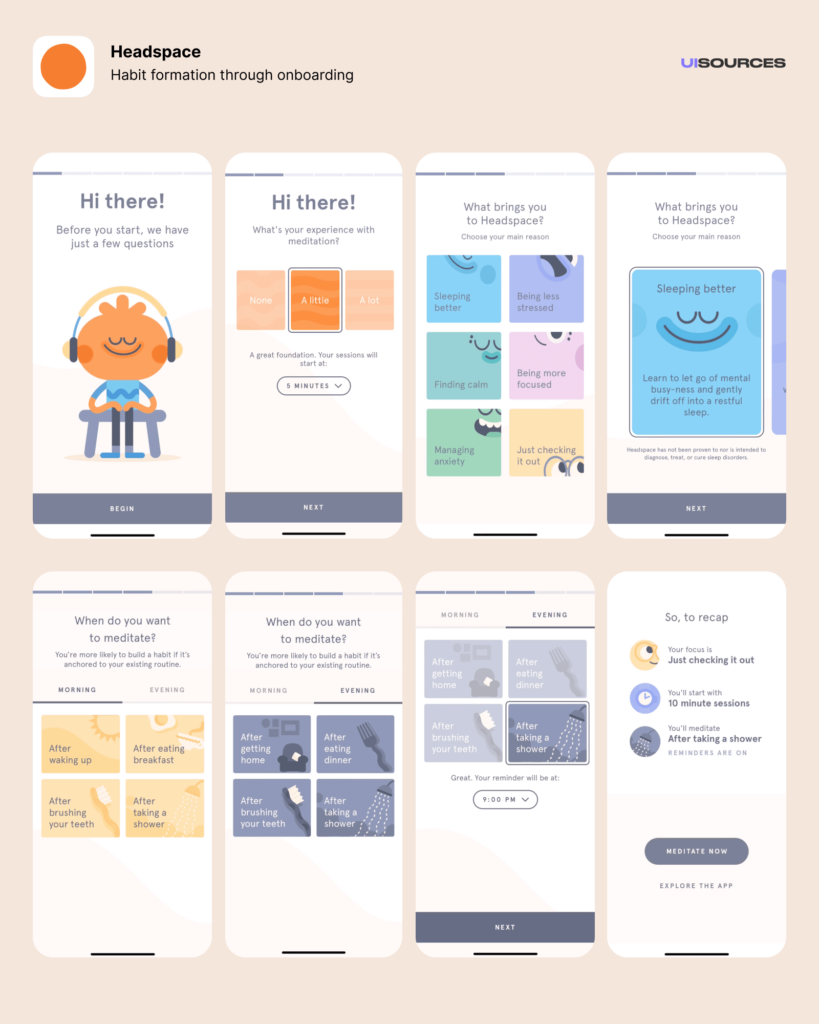
Onboarding Screens in Headspace, Image Source: UI Sources

Meaningful Interactions

Apps should prioritize outcomes over screen time. For instance, Headspace ensures users benefit from its programs without feeling pressured to overuse the app. Its studies show that completing at least 10 meditation sessions in eight weeks significantly reduces symptoms of depression.

Conclusion

Gamification has great potential to make mental health apps more engaging and effective. By thoughtfully combining game elements with therapeutic goals, these apps can support users on their well-being journeys. However, careful design is crucial to ensure they remain meaningful, balanced, and beneficial.

Sources

  1. Cheng, V. W. S., Davenport, T., Johnson, D., Vella, K., & Hickie, I. B. (2019). Gamification in apps and technologies for improving mental health and well-being: Systematic review. JMIR Mental Health, 6(6), e13717. https://doi.org/10.2196/13717
  2. Hamdoun, S., Monteleone, R., Bookman, T., & Michael, K. (2023). AI-based and digital mental health apps: Balancing need and risk. IEEE Technology and Society Magazine, 42(1), 25–36. https://doi.org/10.1109/MTS.2023.3241309
  3. “How To (and Why You Should) Incorporate Gamification Into Your Mental Health Care App.” SF AppWorks. Accessed: Jan. 19, 2025. [Online.] Available: https://www.sfappworks.com/blogs/incorporating-gamification-into-your-mental-health-care-app
  4. Santoso, I. S., Ferdinansyah, A., Sensuse, D. I., Suryono, R. R., Kautsarina, & Hidayanto, A. N. (2021). Effectiveness of gamification in mHealth apps designed for mental illness. Proceedings of the 2nd International Conference on ICT for Rural Development (IC-ICTRuDev), Jogjakarta, Indonesia, 1–6. https://doi.org/10.1109/IC-ICTRuDev50538.2021.9655706
  5. “The Power of Gamification in Mental Health Apps – And how they benefit well-being.” MedPage Today. Accessed: Jan. 19, 2025. [Online.] Available: https://www.medpagetoday.com/opinion/kevinmd/106239
  6. Valentine, L., D’Alfonso, S., & Lederman, R. (2023). Recommender systems for mental health apps: Advantages and ethical challenges. AI & Society, 38(4), 1627–1638. https://doi.org/10.1007/s00146-021-01322-w

05. The Psychology Behind Gamification in Healthcare

In this post we’ll dive deep into the psychological principles that make gamification effective in healthcare, exploring how they influence behavior, motivation, and long-term habit formation.

1. Psychological Principles at Play

Gamification draws heavily from behavioral psychology, leveraging principles like reinforcement, gratification, and reward systems to encourage healthier behaviors:

A study by Fogg (2009) introduced the Behavior Model, which highlights the importance of motivation, ability, and prompts in driving behavior change.

“Behavior happens when Motivation, Ability, and a Prompt come together at the same time. When a behavior does not occur, at least one of those three elements is missing.”

Apps like MyFitnessPal use positive reinforcement through celebratory notifications after users log meals or complete exercise goals.

Instant Gratification vs. Long-Term Rewards
Many gamified healthcare apps provide short-term rewards (like virtual badges) while emphasizing long-term health outcomes (e.g., weight loss or improved fitness levels). For example, Fitbit rewards users with daily step achievements while showing long-term progress graphs.

The Role of Dopamine
When users achieve small milestones dopamine is released, creating a sense of satisfaction and reinforcing the habit.

2. Motivational Psychology

Motivation is a core driver in gamification, and it can be divided into intrinsic and extrinsic categories.

Intrinsic vs. Extrinsic Motivation

According to Deci and Ryan, extrinsic motivation is a drive to behave in certain ways based on external sources and it results in external rewards (1985). Such sources include grading systems, employee evaluations, awards, and the respect and admiration of others.

On the other hand, intrinsic motivation comes from within. There are internal drives that inspire us to behave in certain ways, including our core values, our interests, and our personal sense of morality.

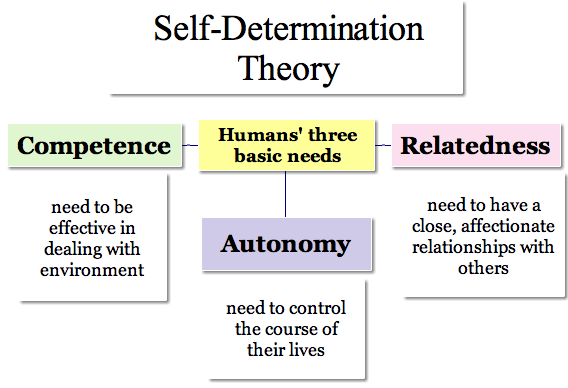
Self-Determination Theory (SDT)
SDT emphasizes three psychological needs—autonomy, competence, and relatedness. Apps like Nike Run Club allow users to set personal goals (autonomy), track progress (competence), and connect with friends (relatedness).

3. Social Psychology in Gamification

Humans are social creatures, and gamification often leverages social dynamics to enhance engagement. Social dynamics play a crucial role in gamification, as elements like social proof, peer influence, and healthy competition leverage our natural desire for connection, validation, and achievement to boost engagement and motivation.

4. Habit Formation

Building lasting habits is critical in healthcare, and gamification supports this through structured reinforcement.

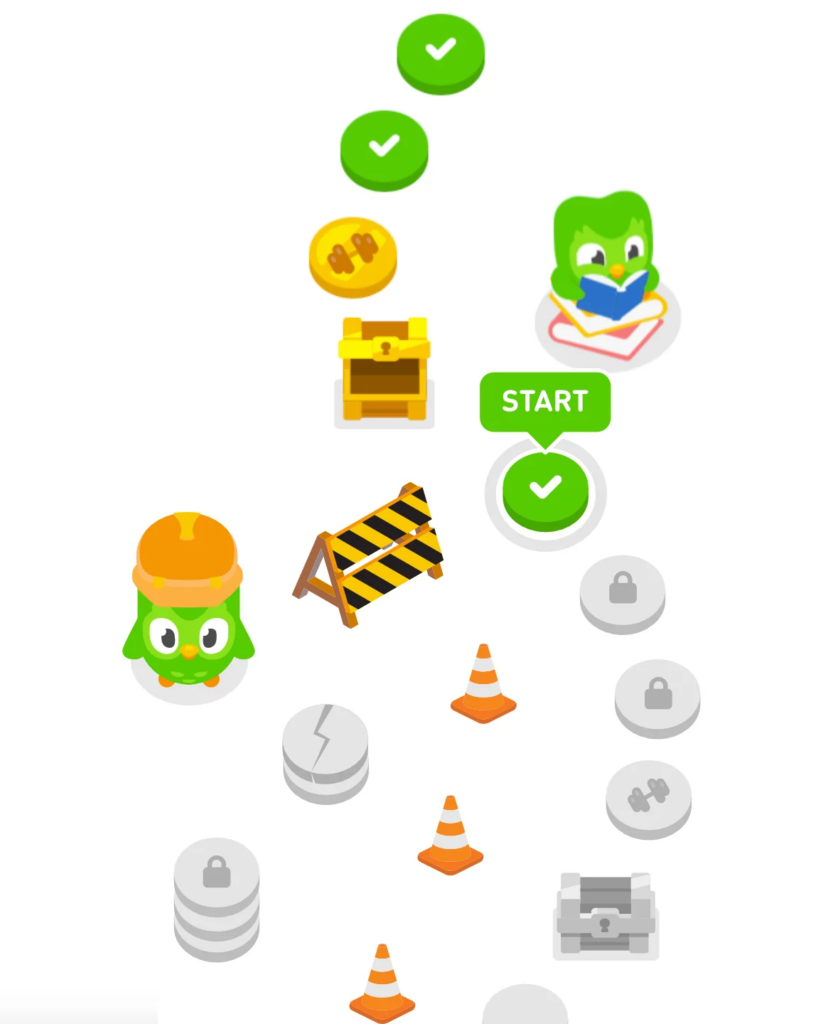
Small Wins and Micro-Habits: Apps like Duolingo and WaterMinder break larger health goals into smaller, manageable tasks, encouraging users to celebrate incremental victories.

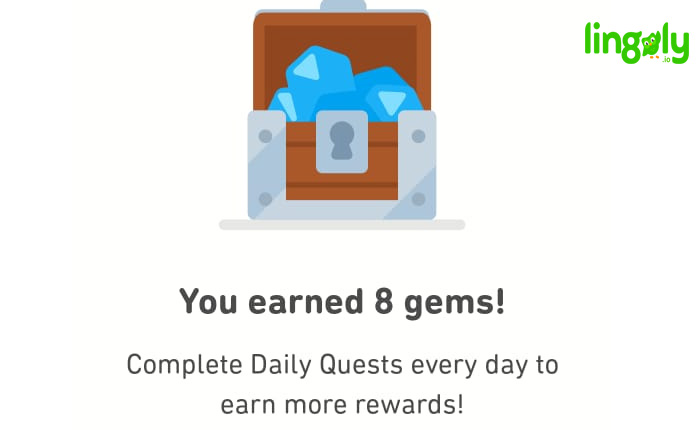
Consistency Reinforcement: The Duolingo app rewards users by giving diamonds for completing daily tasks, reinforcing consistency and forming habits over time.

How to Earn Gems in Duolingo (2025) » Lingoly.io

5. Challenges and Ethical Considerations

While gamification is effective, it’s not without challenges.

Overuse of Rewards: Excessive reliance on rewards can lead to diminishing intrinsic motivation. The same research by Deci highlights this risk, emphasizing the importance of balance.

Privacy and Data Security: Many healthcare apps collect sensitive personal data, raising ethical concerns. Transparent privacy policies are essential.

Equity and Access: Not everyone has equal access to technology. Designing inclusive gamified solutions ensures wider adoption and impact.

6. Conclusion

Gamification in healthcare works not because of flashy rewards, but because it taps into deep-rooted psychological principles—motivation, habit formation, and social influence. By understanding these mechanisms, designers and healthcare professionals can create more effective and engaging health interventions. The key lies not only in designing appealing game elements but also in understanding the minds of those who play.

Designing for short attention spans by reducing cognitive load in UI/UX Design

In a world where users attention spans are becoming increasingly shorter, the question arises:
How can designers create digital experiences that thrive in this new age of the attention economy?
Modern platforms like TikTok and Instagram Reels have fostered a culture where content must engage users within seconds. This shift not only changes how people consume media but also how they interact with digital products.

My Personal Motivation

I chose this topic because it is not only timely but also a crucial phenomenon shaping the future of UI/UX design. Understanding how to design for evolving user behaviors is not just about keeping up with trends, it’s about creating experiences that are inclusive, engaging and user-friendly. On a personal level, I’ve always been intrigued by the intersection of psychology and design. How do visual and interactive elements influence what we focus on? How can we use design to reduce frustration and enhance usability? These are questions that fuel my curiosity and drive my research. In this blog, I will explore (for now, I’ll see where this topic takes me) the challenges and opportunities posed by shortened attention spans and discuss smart design strategies that can deliver optimal user experiences.


Why This Topic Is More Relevant Than Ever

The relevance of designing for shortened attention spans has never been greater. As digital consumption habits evolve, designers are facing unprecedented challenges and opportunities. Here’s why this topic matters today:

Modern Digital Behaviors: As users attention spans are impacted by fast-paced platforms (TikTok, Instagram), they bring these expectations to every app or website they interact with. UI/UX design needs to adapt to keep users engaged without overwhelming them.

Optimizing User Performance: Reducing cognitive load helps users focus on key tasks, leading to better performance, conversions, and overall satisfaction.

The Rise of Short-Form Content

Platforms like TikTok, Instagram Reels, and YouTube Shorts have redefined how users consume media. According to a report by Statista (2023), TikTok users spend an average of 95 minutes per day on the app, often scrolling through hundreds of short videos. This trend has created an expectation for quick, engaging interactions across all digital platforms.
Users now demand:

  • Immediate gratification
  • Minimal friction in navigation
  • Engaging visuals that deliver value in seconds

Cognitive Overload in the Digital Age

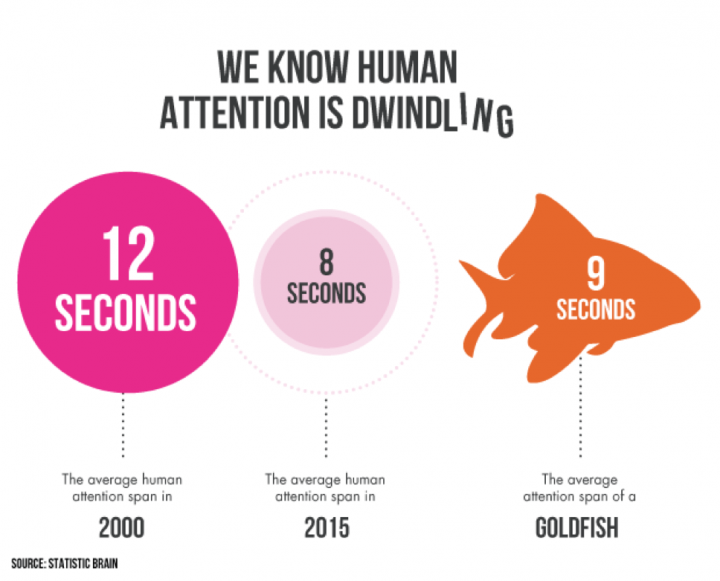
The constant exposure to digital stimuli has a measurable effect on our cognitive capacities. Studies, such as one conducted by Microsoft (2015), suggest that the average human attention span has dropped from 12 seconds in 2000 to 8 seconds in 2015. This number is likely even lower today due to the rise of short-form content platforms.

For designers, this means that traditional, text-heavy or overly complex interfaces are losing effectiveness. The challenge is to simplify interactions without sacrificing functionality or depth.

Economic Impact

Shortened attention spans have direct implications for businesses:

  • E-commerce Conversion Rates: According to a Baymard Institute Report (2023), nearly 70% of online shopping carts are abandoned, often due to overwhelming or confusing interfaces.
  • Ad Revenue: Digital ads are now designed to capture attention within the first few seconds as users skip or scroll past them if they don’t immediately engage

Designers who fail to address these shifts risk losing users, revenue and relevance in competitive markets.

The Shift in Learning and Education

Attention spans are also affecting how people learn and process information. The rise of microlearning platforms like Duolingo or Blinkist reflects the need for bite-sized, focused content that aligns with modern user behaviors. Designing for shorter attention spans isn’t just about entertainment, it’s about enabling users to achieve their goals more effectively.

The Attention Economy

The concept of the attention economy – where attention is treated as a finite resource has become a central topic in UI/UX design. Every app, website and platform is competing for user attention, often at the expense of user well-being. The challenge is to design ethically, balancing engagement with cognitive health. When discussing “user well-being” I plan to dedicate an entire blog post to exploring the ethical implications and the darker side of digital products and platforms that exploit attention in harmful ways. This includes practices like Netflix Kids use of gamification to encourage binge-watching by rewarding children with patches for every movie they complete, highlighting how attention can be manipulated through design. But stay tuned for this one.

Why Designers Must Act Now

Addressing these issues isn’t optional, it’s a necessity. Designers must:

  1. Adapt to Changing Behaviors: Interfaces must align with the fast-paced consumption habits of today’s users.
  2. Reduce Cognitive Load: Simplified designs help users focus on key tasks and avoid frustration.
  3. Ensure Ethical Design Practices: Designers have a responsibility to create experiences that are engaging but not exploitative.


If this topic sparks your interest, join me on this journey as we delve deeper into the nuances of attention spans and design in the upcoming blog posts.

Literature:

Statista (2023)
https://www.statista.com/topics/8309/tiktok-marketing/#topicOverview

Microsoft Attention Span Study (2015)
chrome-extension://efaidnbmnnnibpcajpcglclefindmkaj/https://sherpapg.com/wp-content/uploads/2017/12/MAS.pdf

Baymard Institute Report (2023)
https://baymard.com/research/checkout-usability

Interesting talk about Designing for Short Attention Spans by Victor Yocco (UX Burlington 2019)
https://www.youtube.com/watch?v=6WBS6YYMAcE